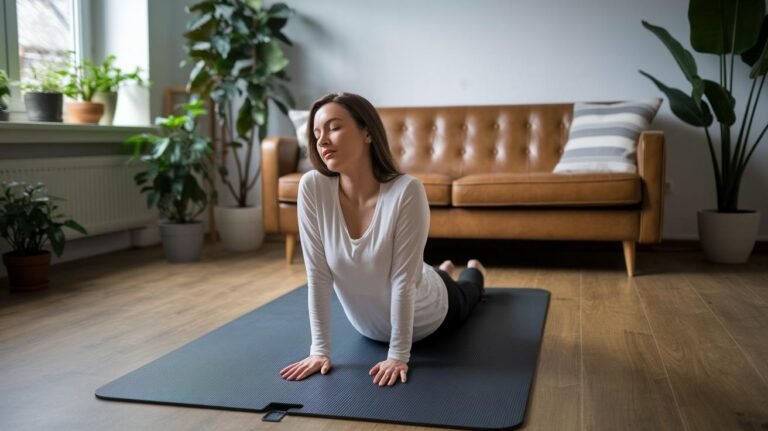
If you’ve been searching for a sustainable way to improve your fitness without pushing yourself to the breaking point, Zone 2 cardio benefits may be exactly what you need to hear about. This gentle, steady-state approach to exercise has taken the wellness world by storm — and for good reason. Research suggests that training at a lower intensity may actually deliver more lasting health improvements than constantly pushing your limits.
Whether you’re a complete beginner or someone who’s been exercising for years, understanding Zone 2 training could transform how you approach movement, recovery, and overall wellbeing. In this guide, we’ll explore what Zone 2 cardio is, why it works, how to calculate your personal training zone, and how to build a sustainable routine that supports your long-term health goals.
What Is Zone 2 Cardio and Why Does It Matter?

Heart rate training divides exercise intensity into five zones, each corresponding to a percentage of your maximum heart rate (MHR). Zone 1 is the lightest effort — think a leisurely stroll. Zone 5 is an all-out sprint where you can barely breathe. Zone 2 sits at 60–70% of your maximum heart rate, representing a comfortable, conversational pace of exercise.
Here’s a quick breakdown of all five heart rate zones:
- Zone 1 (50–60% MHR): Very light activity, like a casual walk
- Zone 2 (60–70% MHR): Light to moderate effort — you can hold a full conversation
- Zone 3 (70–80% MHR): Moderate effort — talking becomes harder
- Zone 4 (80–90% MHR): Hard effort — only short phrases possible
- Zone 5 (90–100% MHR): Maximum effort — speaking is impossible
What makes Zone 2 special is that it targets your aerobic energy system — the metabolic pathway that uses oxygen and fat as primary fuel sources. When you exercise at this intensity, your body becomes more efficient at burning fat, clearing metabolic waste, and producing energy at the cellular level. It’s the intensity where your mitochondria — the powerhouses of your cells — do their best work.
Elite endurance athletes have understood this for decades. Research suggests that up to 80% of professional endurance training happens in Zone 2, with only 20% at higher intensities. This “80/20 rule” has now filtered into mainstream fitness, and everyday exercisers are discovering what world-class athletes have known all along.
7 Evidence-Based Zone 2 Cardio Benefits for Your Health
The science behind Zone 2 training reveals a remarkable range of health benefits. Here’s what research suggests this gentle form of exercise may support:
1. Enhanced Fat Metabolism
During Zone 2 exercise, your body relies primarily on fat oxidation for fuel rather than glycogen (stored carbohydrates). Over time, consistent Zone 2 training teaches your body to become more efficient at accessing and burning fat stores. This metabolic adaptation — sometimes called “metabolic flexibility” — may support healthy body composition and sustained energy throughout the day.
2. Mitochondrial Health and Biogenesis
Perhaps the most exciting benefit is what happens at the cellular level. Zone 2 training stimulates mitochondrial biogenesis — the creation of new mitochondria in your muscle cells. More mitochondria means greater capacity to produce energy efficiently. Research suggests this may also support healthy aging, as mitochondrial decline is associated with many age-related health concerns.
3. Cardiovascular Strength
Training in Zone 2 may help strengthen your heart muscle, improve stroke volume (the amount of blood pumped per heartbeat), and support healthy blood pressure. Over time, your resting heart rate may decrease — a sign that your cardiovascular system is becoming more efficient. If you’re interested in other ways to support heart health, our guide to walking for health benefits covers another accessible approach to cardiovascular wellness.
4. Improved Lactate Clearance
Zone 2 intensity sits right at your lactate threshold baseline — the point where your body can still clear lactate as fast as it produces it. Training here regularly improves your body’s ability to process and clear lactate, which may translate to better performance in higher-intensity activities and faster recovery between efforts.
5. Better Blood Sugar Regulation
Emerging research suggests that consistent Zone 2 exercise may support healthy insulin sensitivity and glucose metabolism. By improving how your muscles use glucose and how efficiently your cells respond to insulin, this type of training may play a supportive role in metabolic wellness — particularly important as we age.
6. Reduced Risk of Overtraining
One of the most practical benefits is sustainability. Because Zone 2 places relatively low stress on your joints, muscles, and nervous system, you can train more frequently without the burnout, fatigue, and injury risk that come with high-intensity workouts. This makes it ideal for building a enfoque holístico del bienestar that you can maintain for years.
7. Mental Health and Stress Relief
Gentle, rhythmic exercise in Zone 2 may activate your parasympathetic nervous system — the “rest and digest” mode that counters chronic stress. Many people report improved mood, reduced anxiety, and better sleep quality after incorporating regular Zone 2 sessions. Unlike high-intensity training, which temporarily spikes cortisol, Zone 2 tends to leave you feeling calm and energized.
How to Calculate Your Zone 2 Heart Rate

Finding your personal Zone 2 range is straightforward. Here are two reliable methods:
Method 1: The Age-Based Formula
The simplest approach uses the classic formula:
- Calculate your estimated maximum heart rate: 220 minus your age
- Find 60% of your MHR: This is your Zone 2 floor
- Find 70% of your MHR: This is your Zone 2 ceiling
Example for a 40-year-old:
- Maximum Heart Rate: 220 – 40 = 180 bpm
- Zone 2 Floor: 180 × 0.60 = 108 bpm
- Zone 2 Ceiling: 180 × 0.70 = 126 bpm
- Zone 2 Range: 108–126 bpm
Here’s a quick reference by age:
- Age 30: 114–133 bpm
- Age 35: 111–130 bpm
- Age 40: 108–126 bpm
- Age 45: 105–123 bpm
- Age 50: 102–119 bpm
- Age 55: 99–116 bpm
Method 2: The Talk Test
If you don’t have a heart rate monitor, the talk test is surprisingly accurate. During Zone 2 exercise, you should be able to:
- Hold a full conversation without gasping
- Speak in complete sentences comfortably
- Feel like you’re working but not straining
- Breathe primarily through your nose
If you can sing easily, you’re probably in Zone 1. If you can only manage a few words between breaths, you’ve pushed into Zone 3 or higher. The sweet spot is being able to talk but preferring not to recite a monologue.
Heart Rate Monitors and Wearables
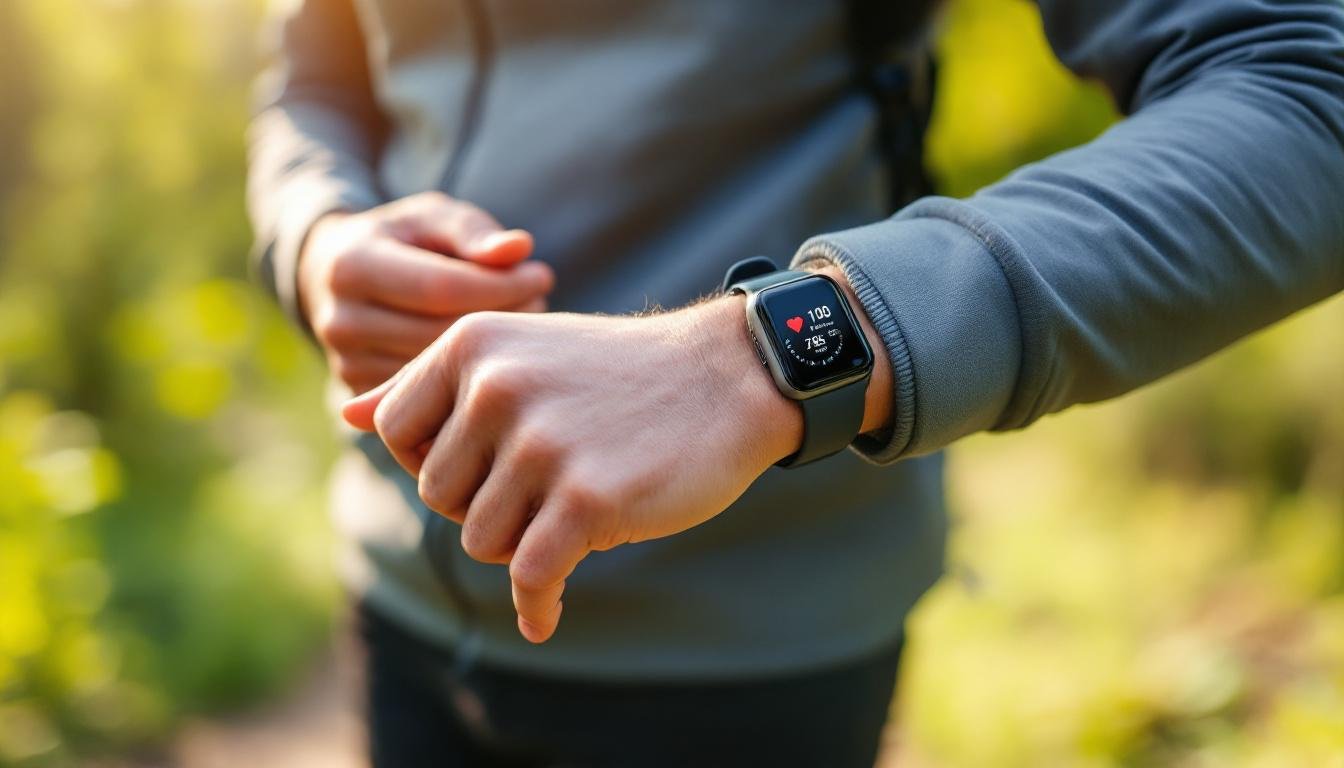
For the most accurate tracking, consider using a chest strap heart rate monitor or a fitness smartwatch. Chest straps tend to be more accurate during exercise than wrist-based optical sensors, though modern smartwatches have improved significantly. Many devices now include Zone 2 tracking features that alert you when you drift above or below your target range.
Best Zone 2 Cardio Exercises to Try

Almost any aerobic activity can become a Zone 2 workout — the key is controlling your intensity. Here are the most effective options:
Walking
Brisk walking for health benefits is one of the most accessible Zone 2 activities. For most people, a pace of about 3.5–4.5 mph on flat terrain keeps you comfortably in Zone 2. It requires no equipment, no gym membership, and can be done anywhere. Walking is particularly ideal for beginners or those returning to exercise after a break.
Cycling
Whether outdoors or on a stationary bike, cycling at a relaxed, steady pace is a classic Zone 2 exercise. It’s low-impact on joints while still providing excellent cardiovascular stimulus. Aim for a cadence where you can pedal smoothly without strain — typically 70–90 RPM at moderate resistance.
Swimming
Swimming laps at an easy, rhythmic pace is an excellent full-body Zone 2 workout. The water provides natural resistance while supporting your joints, making it ideal for those with joint sensitivity or injuries. Focus on smooth, consistent strokes rather than speed.
Rowing
Rowing machines offer a fantastic total-body Zone 2 experience. The pulling motion engages your legs, core, and upper body simultaneously. Keep the strokes smooth and controlled — if you’re breathing heavily or your form breaks down, you’ve likely pushed past Zone 2.
Elliptical Training
The elliptical provides a low-impact alternative that mimics running without the joint stress. It’s particularly good for maintaining Zone 2 because you can easily adjust resistance and pace to stay in your target heart rate range.
After any Zone 2 session, supporting your body’s recovery may enhance the benefits of your training. Gentle self-care practices like massage and topical support can help your muscles feel refreshed and ready for your next session. Our OlyLife OptiRelax Gel is designed to complement your post-workout recovery routine with soothing botanical ingredients.
🎁 Get a Free Wellness Gift
Enter your name and email below to receive a special wellness gift from OlyLife — absolutely free!
How to Build a Sustainable Zone 2 Training Routine

The beauty of Zone 2 training is its flexibility. Here’s how to build a routine that fits your life and goals:
For Beginners
If you’re new to structured exercise, start with:
- Frequency: 2–3 sessions per week
- Duration: 20–30 minutes per session
- Activity: Brisk walking is the perfect starting point
- Progression: Add 5 minutes per week until you reach 45–60 minutes
For Intermediate Exercisers
Once you’ve built a base:
- Frequency: 3–4 sessions per week
- Duration: 45–60 minutes per session
- Activity: Mix two different modalities (e.g., walking + cycling)
- Progression: Focus on consistency before adding duration or frequency
Sample Weekly Schedule
- Monday: 45-minute brisk walk
- Tuesday: Rest or gentle stretching
- Wednesday: 40-minute cycling session
- Thursday: Rest day
- Friday: 45-minute swimming laps
- Saturday: 60-minute nature hike at Zone 2 pace
- Sunday: Active recovery — gentle yoga or a short walk
Tips for Staying in Zone 2
One of the biggest challenges is going too fast. It’s surprisingly common to drift into Zone 3 without realizing it. Here’s how to stay on track:
- Use a heart rate monitor with zone alerts
- Slow down on hills — inclines can push your heart rate up quickly
- Check in with the talk test every 5–10 minutes
- Accept that it may feel “too easy” at first — that’s the point
- Walk when needed — there’s no shame in slowing to a walk during a run
Your body’s recovery between sessions is just as important as the training itself. Supporting your wellness with anti-inflammatory nutrition — like turmeric’s natural anti-inflammatory properties — may help your body adapt and recover more effectively.
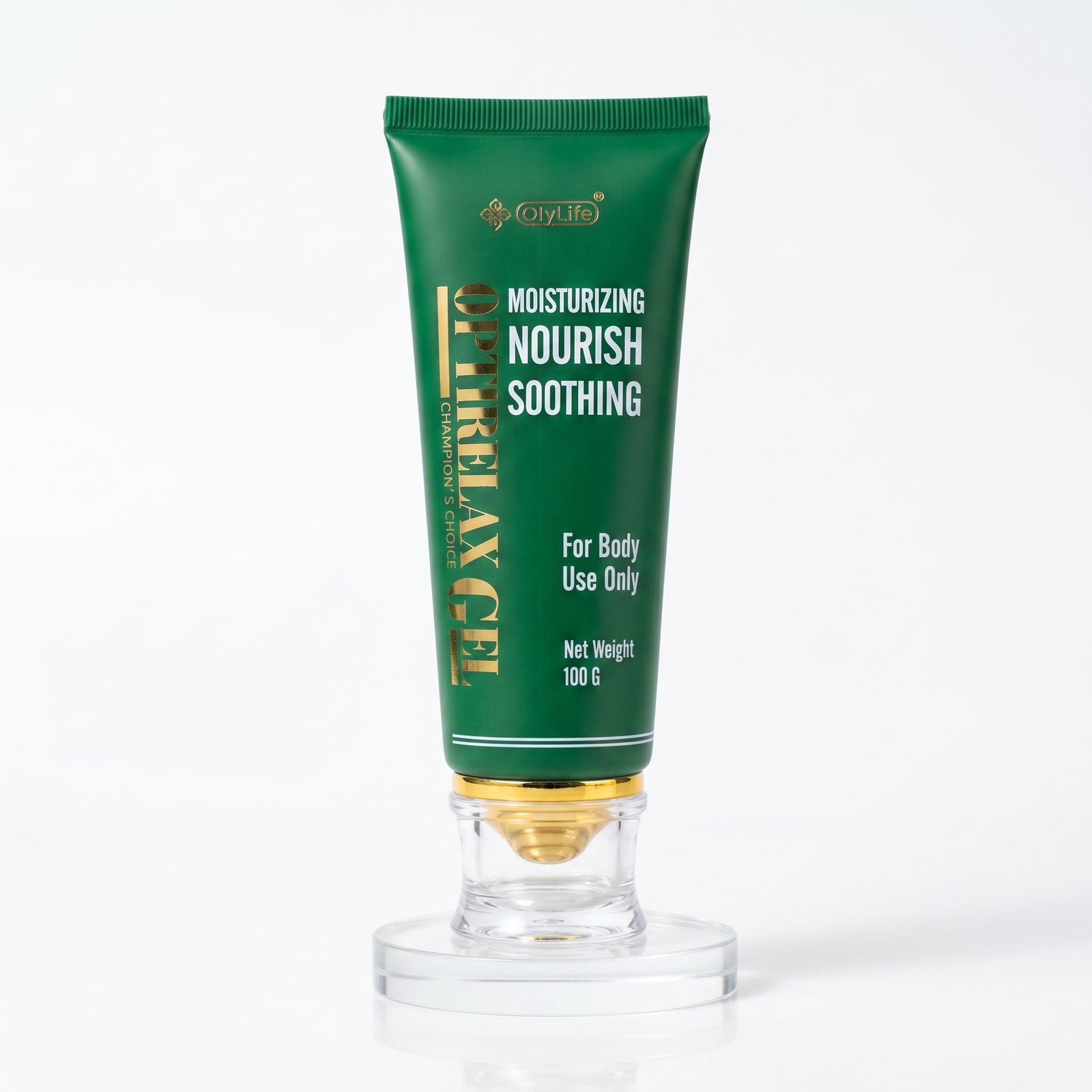
Support Your Post-Workout Recovery
Give your muscles the care they deserve after every Zone 2 session. Our OptiRelax Gel combines soothing botanicals to help you recover naturally and stay consistent with your training.
Zone 2 Cardio vs High-Intensity Training: Finding Your Balance

You might be wondering: if Zone 2 is so effective, do you still need high-intensity workouts? The answer is nuanced.
The 80/20 Approach
Sports scientists and elite coaches widely advocate the 80/20 polarized training model: approximately 80% of your training time at low intensity (Zone 2) and 20% at high intensity (Zones 4–5). This approach may optimize adaptations while minimizing injury risk and burnout.
For someone training five days a week, this means roughly four Zone 2 sessions and one higher-intensity session.
When Each Approach Shines
Zone 2 is ideal for:
- Building an aerobic base and endurance
- Fat metabolism and metabolic health
- Recovery days between intense sessions
- Beginners building exercise habits
- Long-term cardiovascular health
- Those managing stress or recovering from illness
High-intensity training is ideal for:
- Improving VO2max and peak performance
- Time-efficient workouts (20–30 minutes)
- Breaking through fitness plateaus
- Sport-specific speed and power
The Complementary Relationship
Think of Zone 2 as building the foundation of a house, while high-intensity training adds the finishing touches. Without a strong aerobic base, high-intensity work becomes less effective and more injury-prone. The two approaches complement each other beautifully when balanced correctly.
Similarly, combining movement practices with other wellness modalities may create a more comprehensive approach to health. Some people find that Terapia PEMF complements their recovery routine, while others explore practices like supporting gut health as part of their overall wellness strategy.
Frequently Asked Questions About Zone 2 Cardio Benefits

How long should a Zone 2 cardio session be?
For meaningful benefits, aim for at least 30–45 minutes per session. Research suggests that the metabolic adaptations associated with Zone 2 training — particularly mitochondrial biogenesis and improved fat oxidation — may become more pronounced with sessions lasting 45–60 minutes. However, even 20-minute sessions offer value, especially for beginners building consistency.
Can I lose weight with Zone 2 cardio alone?
Zone 2 training may support weight management as part of a balanced lifestyle. While it burns fewer calories per minute than high-intensity exercise, it primarily uses fat as fuel and can be sustained for longer durations. Many people find that the improved metabolic flexibility from regular Zone 2 training supports their body composition goals over time, especially when combined with mindful nutrition.
How many times per week should I do Zone 2 cardio?
Most research supports 3–5 Zone 2 sessions per week for optimal benefits. Beginners may start with 2–3 sessions and gradually increase. Because Zone 2 is low-stress by design, recovery demands are minimal, allowing for more frequent training than high-intensity workouts.
Is walking fast enough for Zone 2 training?
Absolutely. For many people — especially those who are new to exercise or over 50 — brisk walking is the perfect Zone 2 activity. The key is maintaining a pace that elevates your heart rate into the 60–70% MHR range. On flat terrain, this typically means walking at about 3.5–4.5 mph. Hills can push you into Zone 2 even at slower paces.
What if Zone 2 feels too easy?
This is the most common concern, and it’s completely normal. Zone 2 should feel easy — that’s what makes it sustainable and effective. Trust the process. The cellular and metabolic adaptations happening during Zone 2 training aren’t always felt during the workout but reveal themselves over weeks and months through better endurance, easier recovery, and improved energy levels.
Can Zone 2 training lower blood pressure?
Research suggests that consistent aerobic exercise at moderate intensities — including Zone 2 — may support healthy blood pressure levels. The improved cardiovascular efficiency and reduced sympathetic nervous system activation associated with Zone 2 training may contribute to these effects. As always, consult your healthcare provider about managing blood pressure.
Final Thoughts: Why Zone 2 Cardio May Be the Smartest Fitness Move You Make
In a fitness culture that often celebrates intensity and extremes, Zone 2 cardio offers a refreshing reminder: sometimes the most powerful changes come from slowing down. The science is clear — training at this gentle, sustainable intensity may support mitochondrial health, cardiovascular efficiency, fat metabolism, mental wellbeing, and long-term vitality.
The best part? Zone 2 cardio is accessible to virtually everyone. You don’t need expensive equipment, a gym membership, or athletic experience. A pair of comfortable shoes and the willingness to move at a conversational pace is all it takes to begin experiencing these benefits.
Start where you are. Walk for 20 minutes. Notice how you feel. Build from there. Your future self will thank you for choosing consistency over intensity — and your body will respond with the quiet, steady improvements that last a lifetime.
Remember: Before starting any new exercise program, consider consulting with your healthcare provider, especially if you have existing health conditions or haven’t been physically active recently.