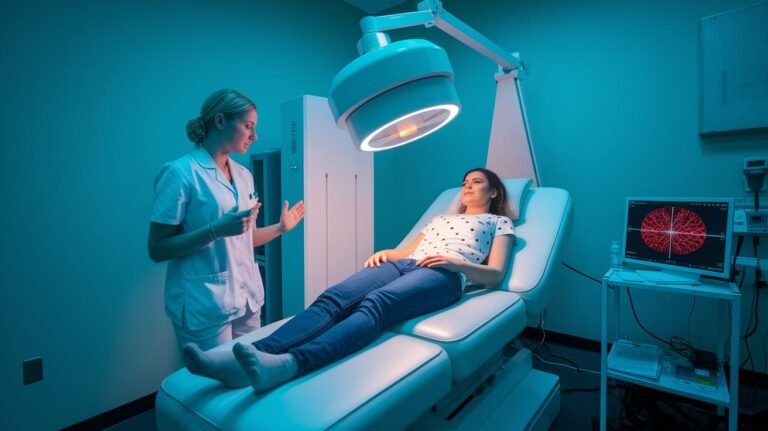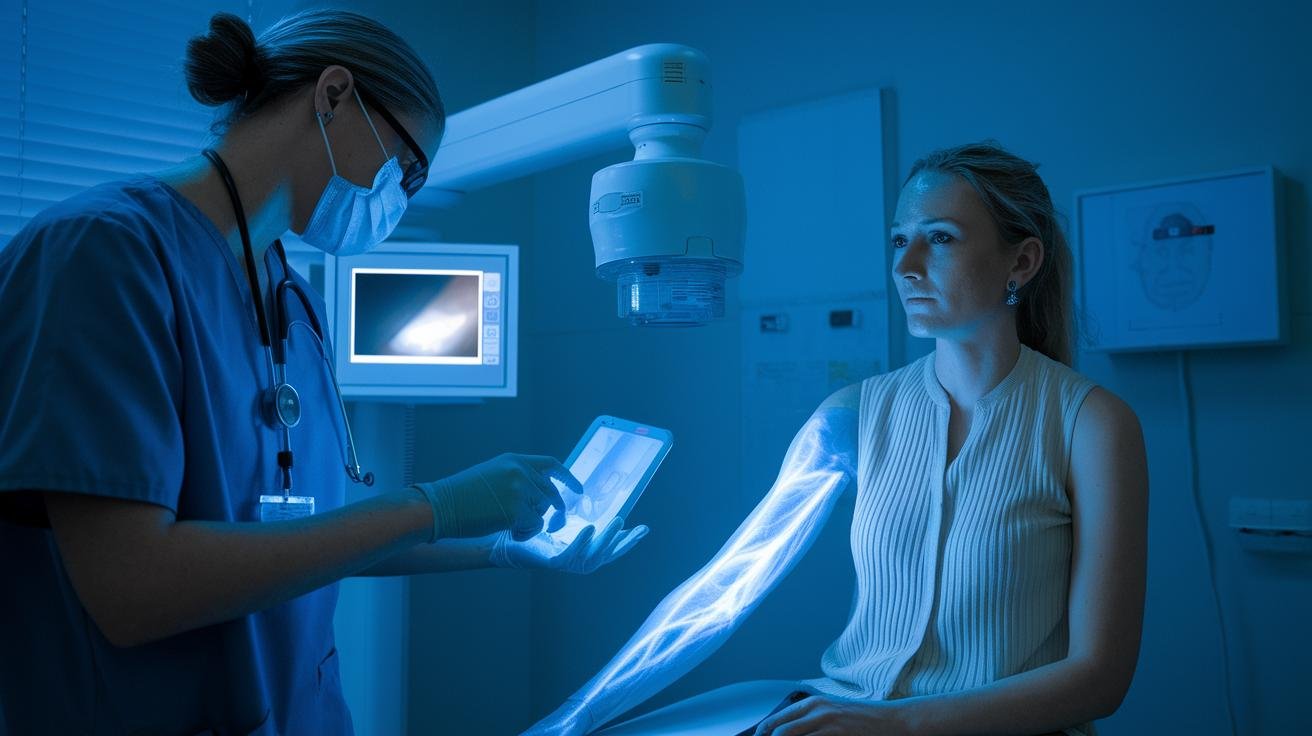
What if a quiet whisper of terahertz (THz) light could tune your cells to heal faster? Picture a soft, morning light nudging sleepy parts of your body awake.
Waves near 0.96 THz match the way water in our cells vibrates, so tissues take in that energy gently. That resonant match can smooth cellular fluids and boost microcirculation, like a warm sunrise waking up tiny channels. It can penetrate about 20 to 30 cm deep, so it’s noninvasive and practical for muscles and capillaries.
Here we’ll explain why 0.96 THz is an optimal target and give simple, safety-first tips to start low and build up for steady recovery. Relax. Breathe.
- Start low and short: try brief sessions at low intensity, then add time slowly over days.
- Pay attention: watch for warmth, tingling, or unexpected discomfort and stop if it feels wrong.
- Build gradually: increase dose step by step so your body adapts for steady recovery.
- Be cautious with metal implants or pregnancy, check with your clinician first.
- Oh, and here’s a neat trick: keep a short recovery log so you can spot what helps most.
Curious to try? Next, we’ll break down the science behind 0.96 THz and walk you through a gentle, step-by-step start.
Optimal Terahertz Frequencies For Therapy Promote Healing
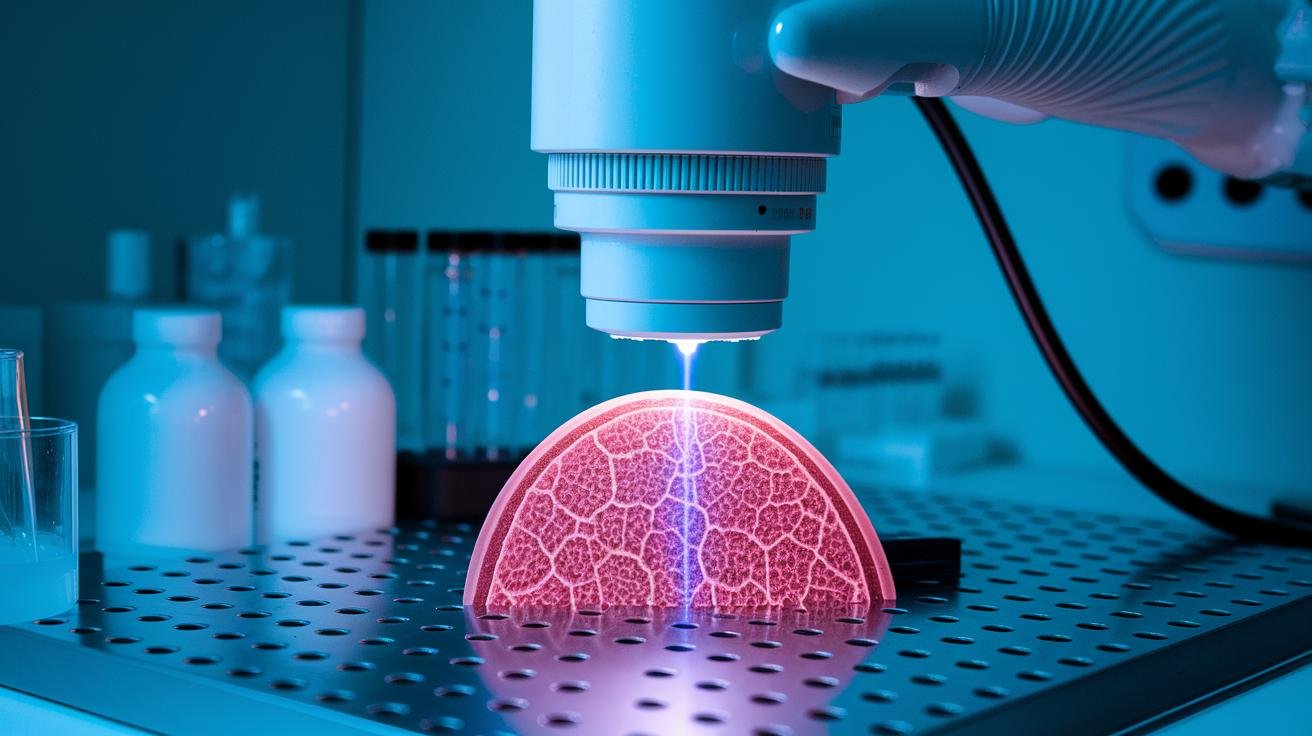
Terahertz (THz) therapy uses low-energy electromagnetic waves in the 0.1 to 10 THz range to gently interact with your body’s tissues. These waves are non-ionizing (they don’t break DNA) and sit between infrared and microwave on the spectrum. The idea is cellular resonance, not heat, so treatments feel noninvasive and usually painless, think of it like a warm sunrise waking up your cells.
Research points to a clear resonance peak near 0.96 THz. That frequency lines up with how water molecules vibrate, water is the main part of our cells, so energy is taken up efficiently by cells and tiny fluid channels. The result is stronger resonance absorption, smoother cellular fluidity, and better microcirculation. In plain terms: blood, oxygen, and nutrients can move more freely.
At these frequencies you can reach roughly 20 to 30 cm into the body, so muscles, capillaries, and even bone marrow can feel the effect without any ionizing risk. Safety comes from the low photon energy and careful control of power density; used correctly, the interaction is deep but nonthermal (not heating tissue). Terahertz therapy can support healing and recovery while staying gentle on tissues.
Practical note: start low and build up slowly, ideally under guidance. The best frequency and dose depend on tissue depth and the condition you’re treating, so mild, guided use often works best. Oh, and don’t rush it, gentle consistency wins.
Quick reference
- Best single-target frequency: 0.96 THz (strong water resonance).
- Therapeutic band: 0.1 to 10 THz for broader applications.
- Penetration: about 20 to 30 cm with non-ionizing safety.
- Practical note: start at lower exposure and increase gradually; optimal frequencies vary by tissue depth and condition, so mild, guided use often works best.
Resonant Mechanisms of Terahertz Interaction with Cells
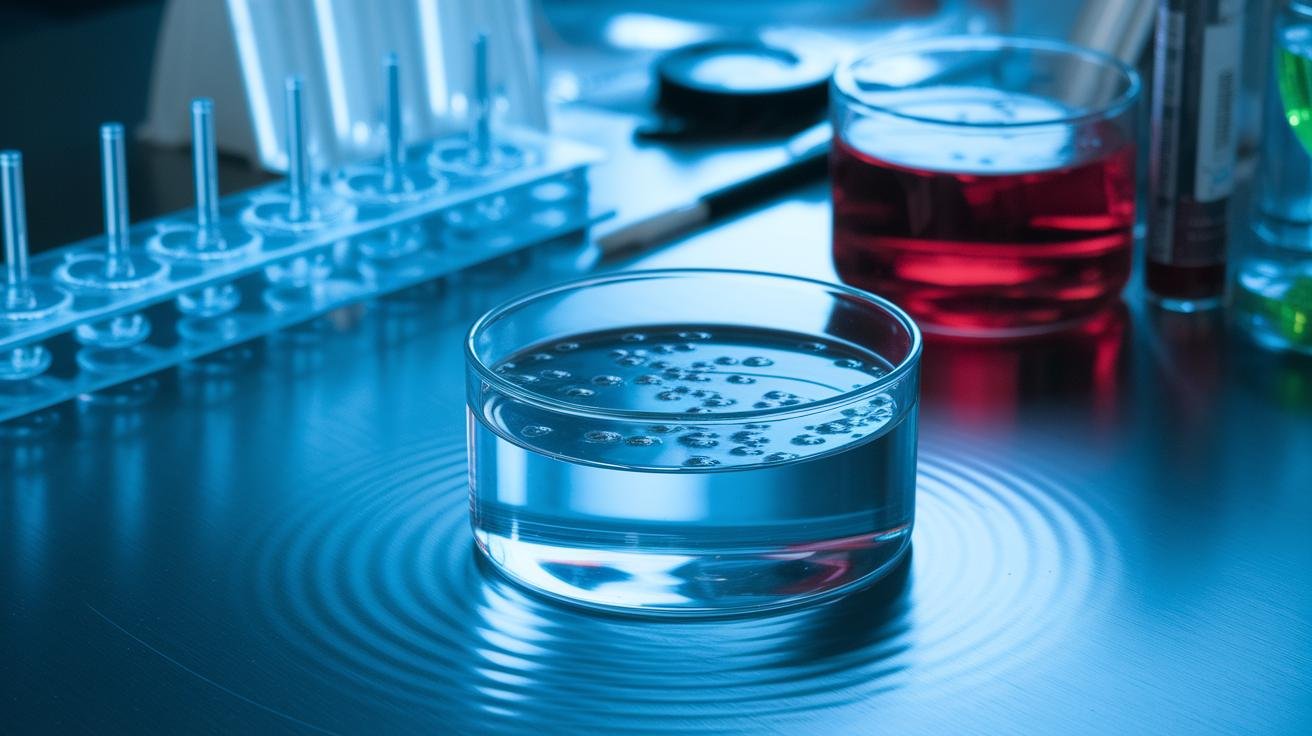
Terahertz therapy (THz therapy) uses electromagnetic waves in the terahertz band (between microwave and infrared) to interact with living tissues. Think of it like tuning a radio: when the broadcast matches a station, the sound comes through clearly. When a THz frequency lines up with a cell’s natural rhythm, tiny biomolecules start to respond.
Proteins and membranes have specific vibrational modes, small, orderly motions that help them keep their shape and do their jobs. THz waves give those modes a gentle nudge. That nudge can help proteins fold more reliably and help membranes move nutrients and signals more smoothly. It’s like easing a sticky hinge so a door swings quietly.
Water inside and around cells also soaks up THz energy. That makes microchannels feel more fluid, so transport and waste clearance can happen with less resistance. Imagine the slow flow of a creek turning into a steady stream. Better flow at the micro level often means clearer communication between cells.
Importantly, THz tissue absorption happens without heating tissue, so the effects are mainly non-thermal (no measurable warmth). Cells aren’t being cooked or blasted; they’re being guided into healthier patterns. You get improved microflow, calmer inflammatory signaling, and sharper cellular messaging, all while the tissue structure stays intact.
Curious? It’s subtle. A soft, precise touch rather than a shove. Relax. Breathe. And picture a quiet tune helping your cells fall back into rhythm.
Therapeutic Outcomes Across Terahertz Frequency Bands
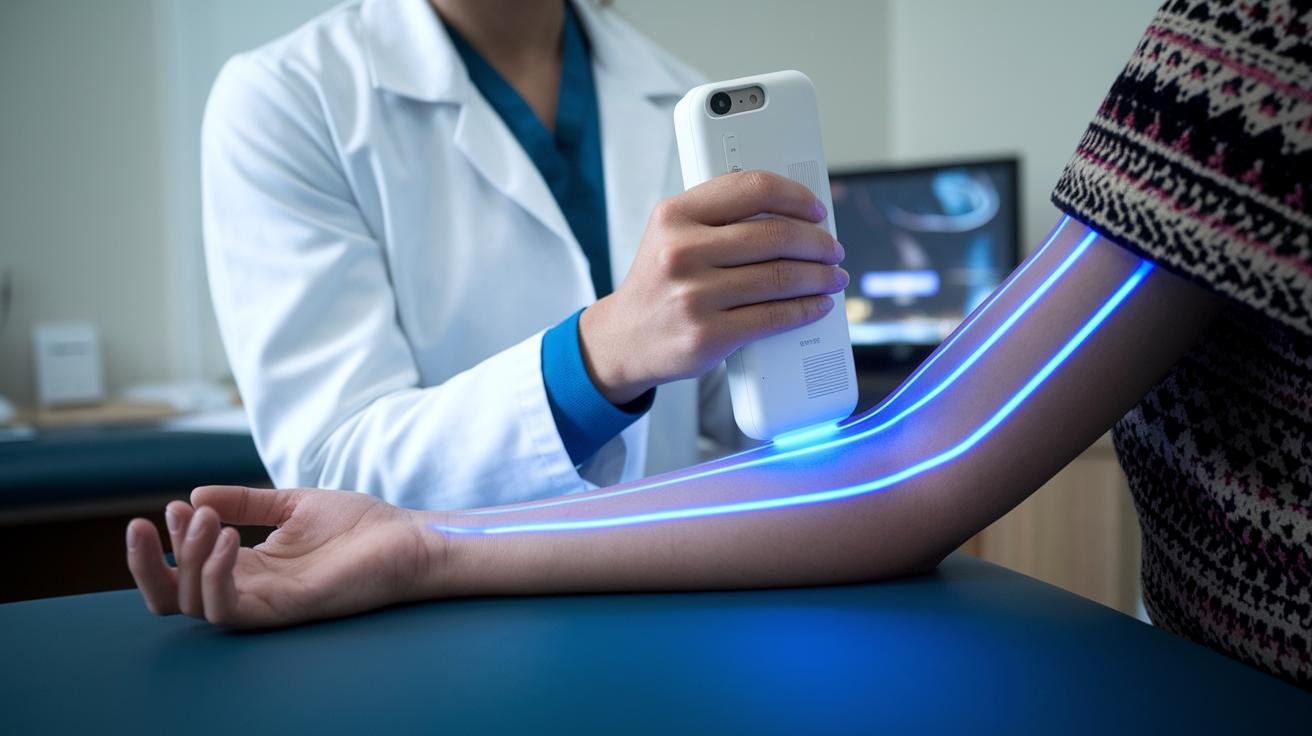
Have you ever wondered why different terahertz (THz) frequencies seem to do different things? Terahertz (THz) frequencies (electromagnetic waves between microwaves and infrared) interact with tissue in ways that depend on their band. Think of each band as a different tool in a wellness kit, each with its own gentle touch.
Low-band (about 0.1 to 0.5 THz) tends to help microcirculation. It gently widens tiny capillaries and can lower blood thickness, so oxygen and nutrients get to tired muscles and slow-healing tissue faster. Imagine opening small garden gates so water reaches every root. That makes it useful for post-exercise muscle recovery and for improving sluggish circulation.
Mid-band (roughly 0.5 to 2 THz) often nudges cells into a calmer, more active state and lowers inflammatory signaling. Clinical and lab reports link this range to less chronic pain and quicker returns to activity after injury. Swelling drops and tissue chemistry settles down. It’s like hitting a soft reset for irritated cells. Have you ever felt tension melt away? This band can feel a bit like that.
High-band (about 2 to 10 THz) works closer to the surface, helping skin repair and collagen remodeling. Dermal uses include skin rejuvenation and wound care, where these frequencies can speed re-epithelialization (new skin cell growth covering a wound) and reduce scarring by improving cell movement and immune support. Picture a warm sunrise waking up your skin cells. In lab and clinical reports, certain high-band settings paired with short, controlled sessions show promising wound healing effects.
Across bands, how you deliver the energy matters. Short, repeated pulses tend to help with pain relief and controlling inflammation. Longer, gentler exposures are better for skin and tissue repair. And pairing terahertz therapy with other noninvasive approaches can amplify recovery and calm. Oh, and a simple tip: matching the band to the goal, circulation, inflammation, or surface repair, usually gives the best results.
Dosage, Power Density, and Safety Protocols for Terahertz Therapy
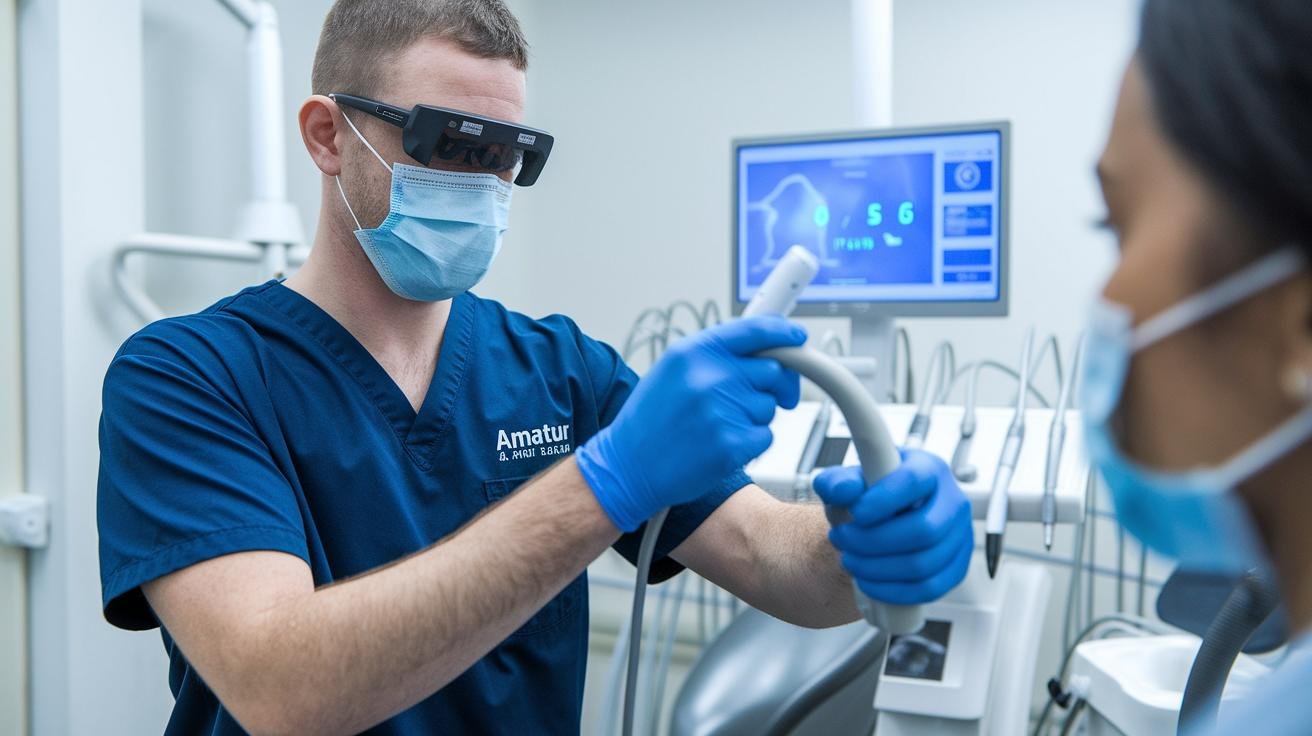
Terahertz therapy (THz therapy) uses very low-energy electromagnetic waves that sit between microwaves and infrared. It’s non-ionizing and set to low power so the effects are nonthermal, meaning cells respond without tissue heating. Imagine a gentle hum of energy rather than a hot, radiating heat.
Look for devices that publish their output numbers so you can compare specs and match the device to how deep your symptoms are. For home use, follow the terahertz therapy safety guidelines for home use when you check exposure rules and recommended session times.
Start simple and build up slowly:
- Try passive tools first, like terahertz stones or jewelry, if you’re sensitive, before moving to active emitters.
- Begin at low power and short sessions. Many people start with 5 minutes, then work up toward 15 to 20 minutes as tolerated.
- Use pulsed, short bursts for pain and inflammation control, and gentler, longer exposures for skin repair and improved circulation.
- Watch peak outputs. Manufacturers often list safe limits in milliwatts per square centimeter (mW/cm²) , compare those numbers across devices.
- If you have implants, electronic medical devices, are pregnant, or have active medical issues, talk with your healthcare provider before trying active THz devices.
Regulators set exposure ceilings and time-based protocols for different applications, so favor clinically tested devices and ones with clear user presets. Keep an eye on how you feel and on local skin temperature during sessions , a non-contact infrared thermometer helps , and pause if anything feels hot or uncomfortable.
Practical Devices and Implementation Strategies in Terahertz Therapy
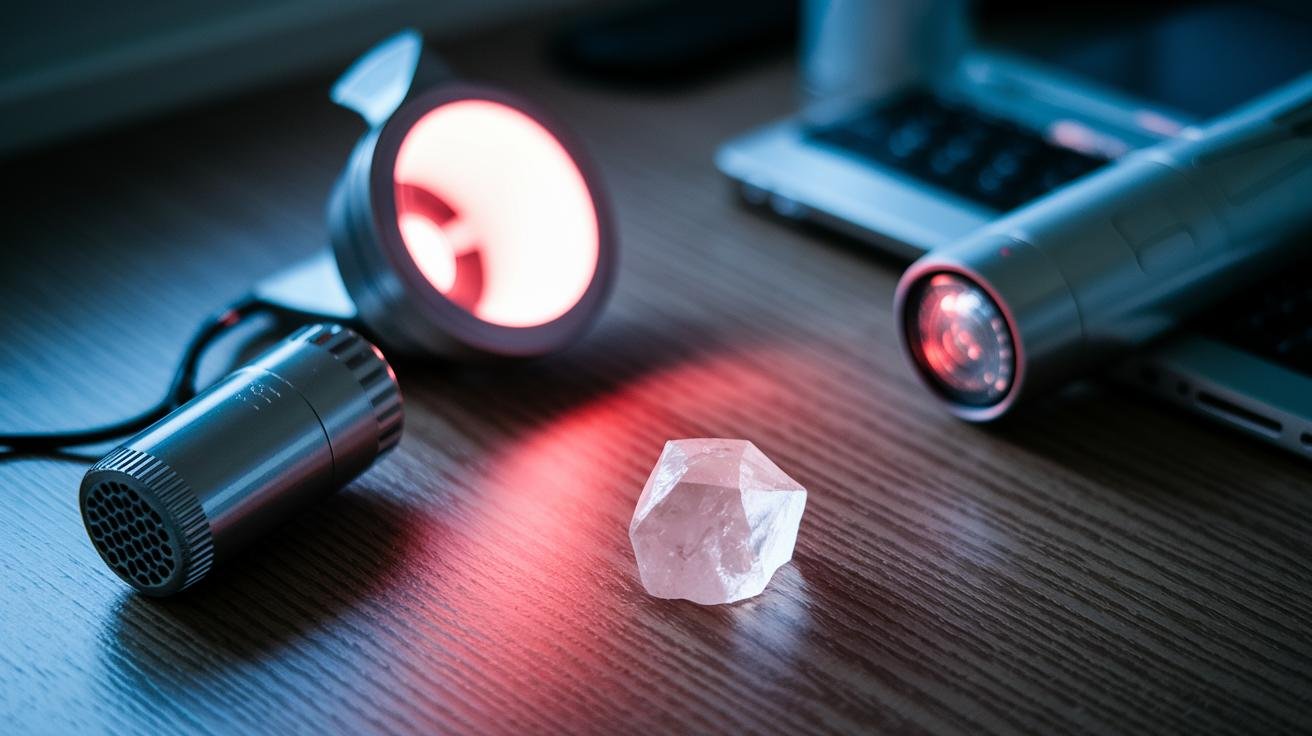
Choose devices by safety data, clear output specs, and clinical validation first. Those three things shape outcomes more than price or looks. Look for published power density (mW/cm²), whether the unit uses pulses or continuous output, and presets that match your treatment goals. A well-made device gives repeatable settings so clinicians and home users can expect reliable results.
Common delivery options you will see:
- Handheld terahertz (THz) blowers: focused THz waves for spot work, sometimes with a mild warming feel, good for stiff necks, sore knees, or trigger points.
- THz-LED combo units: pair terahertz with red or blue light for skin treatments and inflammation control.
- Wearable continuous-exposure units: low-dose, long-duration contact for gentle autonomic balance and subtle daily support.
- Passive terahertz stones (quartz or silicon oscillators): steady, nonpowered exposure for very sensitive people or for wearing all day.
Emitter and applicator design change how deep the energy goes, how tight the focus is, and how comfortable the session feels. Photoconductive antenna emitters (small, fast-switching sources) deliver narrow, pulsed bursts for targeted therapy. Waveguide applicators (shaped channels that direct THz energy) tighten the beam for deeper focus. Narrowband emitters concentrate energy around therapeutic peaks, like the 0.96 THz resonance, so cells take up energy efficiently without extra power.
Think of applicators like flashlights. A wide-beam flashlight lights a whole room; a focused beam hits a single spot. The same idea applies to THz devices. You can feel the difference, too, a focused applicator can feel like a small, warming press, while a wide applicator is more like a gentle blanket.
Practical clinic and home tips: start low and short. Begin with low power and brief sessions, then increase slowly as you track comfort and results. Use short pulses for acute pain and tighter targets, and softer continuous runs for skin repair or chronic soothing. If someone is sensitive, try passive stones or a low-dose wearable first.
Look for user-friendly features. Easy presets, clear readouts, and safety interlocks cut down on guesswork and improve compliance. Oh, and here’s a neat trick: mark your default distance and applicator angle so each session feels the same. Small tweaks, distance, session length, angle, change what tissues get reached, so test gently and keep notes.
Want to peek into preset logic and program choices? See Explicación de los programas preestablecidos del dispositivo de terapia de terahercios.
Finally, track outcomes. A simple log of settings, sensations, and results helps you refine treatment fast. Relax. Breathe. Try one small change at a time.
Palabras finales
We scoped the 0.1–10 THz therapeutic window, explained why a 0.96 THz peak resonates with water-rich cells, and noted safe 20–30 cm penetration without DNA risk.
We showed how terahertz waves nudge protein and water vibrational modes to support fluidity, microcirculation, pain relief, better sleep and muscle recovery, and we ran through safe dosage, power guidelines and device options.
Try small, guided steps at home or with a pro, aiming for optimal terahertz frequencies for therapy that match your goals, it's a gentle way to ease tension and help restore calm energy.
Preguntas frecuentes
FAQ — Terahertz therapy
Is terahertz therapy safe and what are the side effects, including long-term?
Terahertz therapy is generally considered safe because it uses non-ionizing 0.1–10 THz waves. Common side effects are mild skin warmth or tingling. Long-term data are limited, so consult a clinician for repeated use.
Does terahertz therapy work, and what benefits does it offer, including for stroke patients?
Terahertz therapy is reported to work by matching cellular resonance, often near 0.96 THz. Reported benefits include improved microcirculation, reduced inflammation, pain relief, faster wound and skin healing, and early promising support for stroke recovery.
What terahertz frequencies are used for therapy and why is 0.96 THz important?
Therapy uses a 0.1–10 THz window. 0.96 THz is notable because it aligns with water-molecule vibrations in cells, which can boost resonance absorption and may penetrate on the order of 20–30 cm without causing DNA damage.
What is a terahertz therapy machine, what device types exist, and are there reliable reviews?
A terahertz therapy machine emits controlled 0.1–10 THz waves. Device types include handheld blowers, THz–LED hybrids, wearables, and passive quartz or silicon oscillators. When reading reviews, look for clinical validation and peer‑reviewed studies.
What does the 256 frequency do?
The “256” frequency usually refers to 256 Hz, an audible pitch used in sound therapy. It affects the nervous system and relaxation through acoustic vibration, not the molecular resonance effects associated with terahertz therapy.