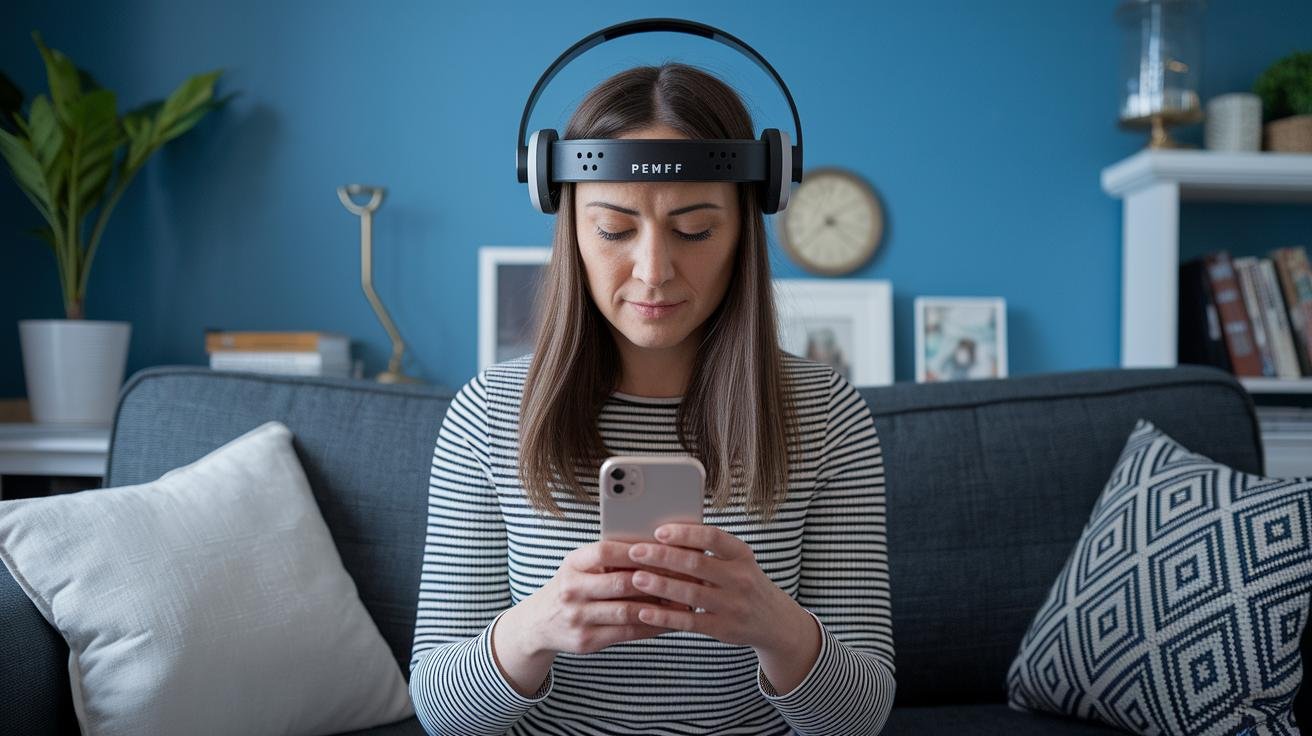
What if your nervous system could reset with a soft, steady hum, instead of another pill? PEMF (Pulsed Electromagnetic Field therapy) sends low-frequency pulses into your tissues, like a warm, steady breath or a sunrise waking your cells. It helps ease tense muscles and calms the mind.
Early research and plenty of user stories say PEMF nudges the autonomic nervous system (the part that flips you between fight-or-flight and rest-and-digest) out of stress mode and into calm. That often shows up as a lower heart rate and less anxiety. My take? PEMF feels like a gentle, noninvasive route to real stress relief you can notice after a short session. Relax. Breathe.
La terapia PEMF para aliviar el estrés reduce la ansiedad

Modern stress floods your body with adrenaline and cortisol. When that becomes daily, you feel tired, tense, and foggy. It wears you down.
PEMF therapy for stress relief (PEMF, Pulsed Electromagnetic Field therapy) is a gentle, noninvasive method that sends low-frequency pulses, usually 0.5-15 Hz, into your tissues. Think of those pulses like a warm, steady breath that helps calm and rebalance your nervous system.
PEMF helps nudge your autonomic nervous system out of fight-or-flight and into rest-and-digest. That shift often lowers heart rate and blood pressure, and many people notice anxiety easing after a short session. It’s a bit like acupuncture’s calming effect, but without needles, just a soft hum of energy guiding your nerves toward calm.
At the cellular level, PEMF supports clearer cell-to-cell communication and boosts cellular energy. Cells make more ATP (ATP, the cell"s energy molecule), so muscles relax and your mind can clear up, like a warm sunrise waking up your cells. There’s evidence that regular sessions can help modulate cortisol levels, leading to steadier stress hormones and better emotional resilience over time.
Sleep often improves fast. People tend to fall asleep sooner and reach deeper, more restorative stages after sessions, which helps break the stress-sleep cycle. For chronic stress, short daily PEMF sessions paired with simple breathing or relaxation techniques can produce noticeable calm and clearer days. Oh, and here’s a neat trick: try five minutes of belly breathing right after a session.
Scientific Studies on PEMF Stress Relief
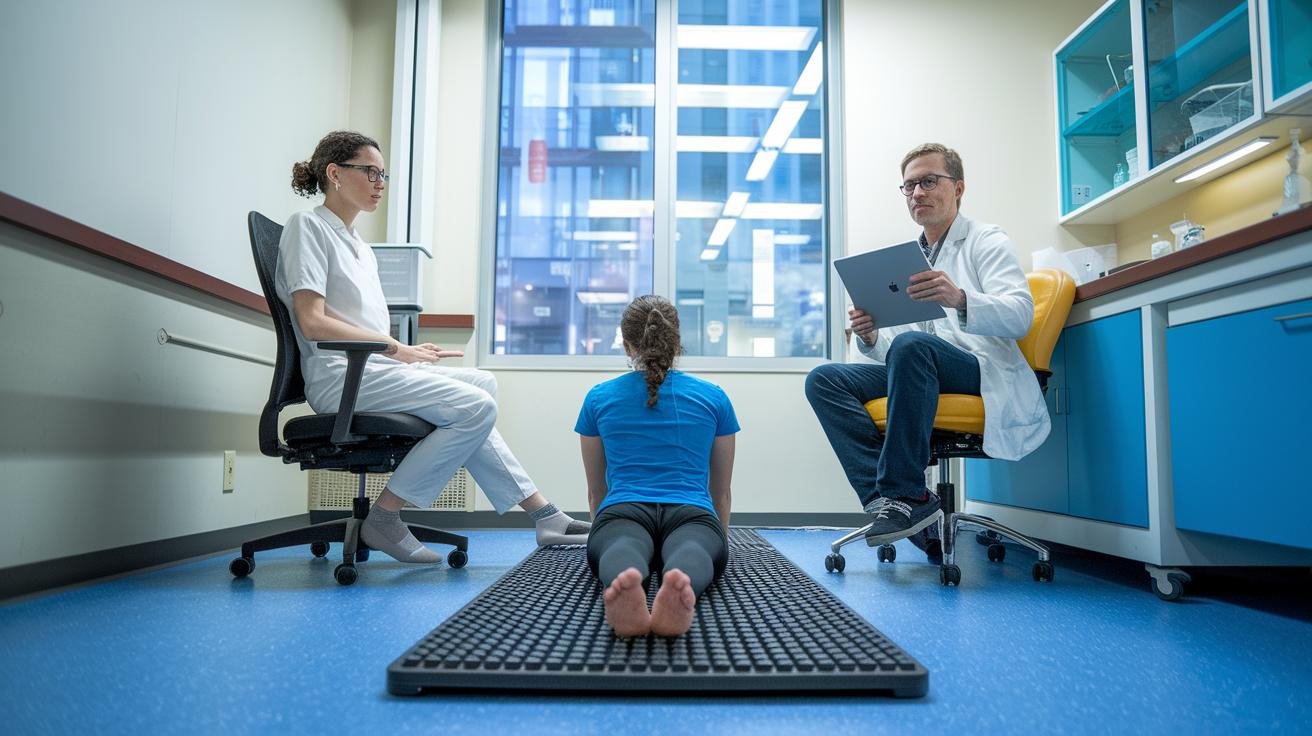
PEMF (Pulsed Electromagnetic Field therapy) is a low-frequency magnetic treatment that researchers study for stress relief and better sleep. Clinical research shows measurable effects, so it’s not just buzzwords.
A Harvard Medical School study found that one 20-minute session improved mood by about 10% in people with bipolar disorder and major depressive disorder. No side effects were reported in that trial.
Other peer-reviewed studies and clinical overviews report drops in cortisol, the stress hormone, and faster moves away from anxious states after short PEMF treatments. Those are real, measurable shifts.
PEMF typically uses natural magnetic frequencies between 0.5 and 15 Hz, often called the earth’s biological window (this is the low-frequency band thought to match natural rhythms). That range can gently entrain brain waves toward slower, more restorative patterns – think of nudging an overactive mind into slow, calm rhythms.
Trials linking PEMF and brain-wave entrainment have shown deeper slow-wave sleep and improved sleep quality after repeated sessions. Better sleep, in turn, helps mood and daytime focus.
Safety data look reassuring: few adverse events, and many trials note immediate behavioral improvements after a single short session. Clinical findings point to stress-hormone modulation, measurable mood gains, and clearer sleep stages as repeatable benefits.
So, the evidence suggests PEMF is a science-backed, noninvasive tool to reduce anxiety and improve sleep. Use it as one part of a broader stress-management plan, sleep, movement, and support matter too.
Guidelines for Effective PEMF Therapy Sessions for Stress Relief

PEMF (Pulsed Electromagnetic Field therapy) can calm stress when you use easy, repeatable sessions. Start gentle, like a warm sunrise waking up your cells: 10-20 minutes at 0.5-5 Hz to find your baseline. If that feels soothing, add 5-10 minutes over several days and raise frequency slowly toward the mid-range.
-
Session timing
- Morning: 10-15 minutes to sharpen focus and wake up the mind.
- Midday: 10-20 minutes as a quick recharge during work or study.
- Pre-sleep: 15-30 minutes at lower frequencies to help shift into parasympathetic rest and deeper sleep.
-
Intensity guidelines
- Low: use the first week to see how you respond. Observe how your body feels.
- Medium: move here once you’ve set a comfortable baseline for daily use.
- High: reserve for advanced users or under clinical guidance only. Safety first.
-
Practical device tips for portable pulse devices
- Use presets for ease; try the Smart PEMF Session Presets Guide for recommended programs.
- Check battery life before a session and position the applicator where it feels most comfortable. Light pressure or no pressure is fine.
- Clean pads gently with mild soap and water, let them fully dry, and store flat to keep performance steady.
Short daytime sessions tend to lift energy and mental clarity. Evening sessions nudge the nervous system toward rest and support better sleep. Layer PEMF with breathing or gentle stretching for extra relief. Relax. Breathe.
Oh, and here’s a neat trick: if you’re unsure where to start, keep a simple log of how you feel after each session for a week. You’ll spot what works fast. If you have implanted devices, are pregnant, or have specific medical concerns, check with your healthcare provider first.
Safety and Contraindications of PEMF Stress Relief Therapy

PEMF (Pulsed Electromagnetic Field therapy) feels like a gentle hum of energy for many people. Have you ever wondered if that hum is safe? Most folks tolerate it well, but there are a few clear precautions to keep in mind.
First, any implanted electronic device can be affected by magnetic pulses. That includes pacemakers, implantable cardioverter-defibrillators (ICDs), and insulin pumps. Keep active PEMF applicators away from these devices.
If you have metal hardware from surgery, don’t place coils or mats directly over the implant site. Pregnant or breastfeeding people should check with their clinician before trying sessions. And if you have complex or unstable medical conditions, get medical clearance first.
Clinical studies show few adverse events, and many users find sessions mild and relaxing. Still, start slow. Short, low-intensity sessions help you see how your body responds. Think 10-20 minute sessions at a low setting to begin with. Relax. Breathe.
Oh, and one neat trick: stay hydrated before and after a session. It helps your body settle into the experience. If you feel dizziness, strange tingling, or skin irritation, stop the session and contact your healthcare provider. Trust your body.
Contraindication checklist
- Implanted electronic devices (pacemakers, ICDs, insulin pumps)
- Recent surgical metal implants – keep applicators off the site
- Pregnancy or breastfeeding without clinical approval
- Unstable or complex medical conditions – consult your doctor
Side-effect avoidance tips
- Begin with low intensity and 10-20 minute sessions
- Stay hydrated before and after a session
- Stop if you feel dizziness, unusual tingling, or skin irritation, and contact your healthcare provider
If something feels off during or after a session, pause and seek medical advice.
Selecting Your PEMF Device for Home Stress Relief
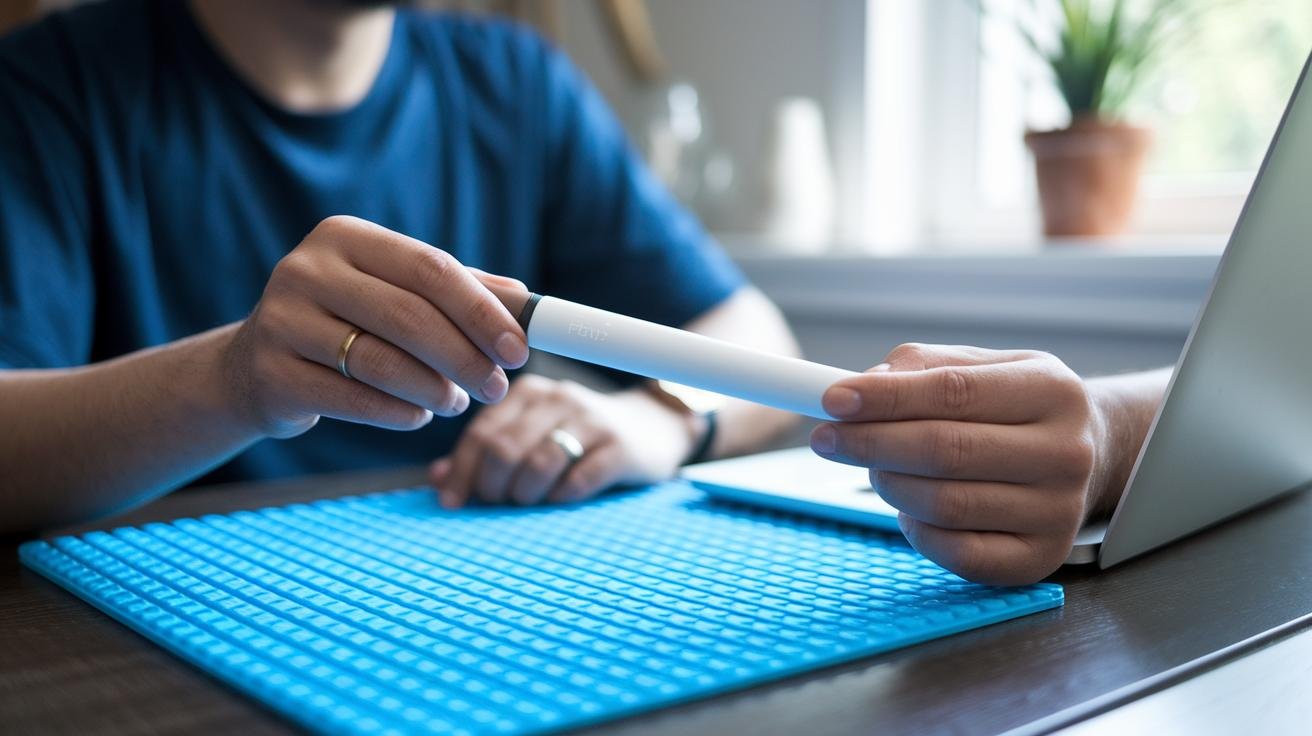
Start by picking the form that fits your day-to-day. Full-body mats are great if you like unwinding while you read or before bed, think of it like sinking into a warm blanket for your cells. Targeted stands aim at joints and shoulders when you need focused relief. Portable wands and wearable pads give fast, on-the-go help between meetings or after a workout.
| Tipo de dispositivo | Best For | Typical Price |
|---|---|---|
| Esterilla de cuerpo entero | Whole-body relaxation and sleep support | $1,500–$5,000 |
| Targeted stand | Localized pain or tension | $800–$3,000 |
| Portable wand | Quick, focused sessions on the go | $500–$1,500 |
| Wearable pad | Hands-free daily use | $600–$2,000 |
Look for the features that actually change results. PEMF (Pulsed Electromagnetic Field therapy) works across frequency ranges, lower Hz tends to feel deep and calming, mid-range can help you stay alert. Waveform choices, like sinusoidal versus square, change the way the field feels, smooth versus a bit more punch. Intensity settings and preset programs make using one at home easy and consistent.
Portability matters if you travel or work long days. Smaller units often run four to eight hours on battery. So check weight, recharge time, and whether it fits in your bag. Want something you’ll actually use daily? Then these details matter.
Budget is real. Entry-level starts around $500, mid-range sits near $2,000, and premium systems can top $5,000. Renting can be a good way to try before you buy; buying makes more sense if you’ll use it every day.
Keep maintenance simple. Wipe applicators with mild soap and water, update firmware when available, and store devices flat in a dry spot. Little care steps help them last longer, oh, and don’t forget to unplug chargers when not in use.
Want a deeper how-to on using at-home gear? See this related piece: Terapia de campo electromagnético pulsado en casa.
🎁 Get a Free Wellness Gift
Enter your name and email below to receive a special wellness gift from OlyLife — absolutely free!
Combining PEMF Therapy with Holistic Stress Management

We removed this standalone section to keep things lean and avoid repetition. Its practical tips are now folded into the Guidelines for Effective PEMF Therapy Sessions for Stress Relief under the new subheading "Pairing PEMF with Simple Stress-Management Practices." Nutrition and hydration guidance moved to Safety and Contraindications. Device-use timing stayed in the Guidelines.
Want quick examples? Here are the short how-to cues that were moved into the Guidelines as simple, usable pairings.
- Deep belly breathing – Five minutes after a short PEMF session. Place one hand on your belly, inhale for four, exhale for six. Feel your belly rise like a slow tide.
- Mindfulness meditation – Sit with the applicator nearby and notice your breath or body sensations for a few minutes. Notice the gentle hum and the weight of your body.
- Progressive muscle relaxation – Tense and release muscle groups while the device runs for brief, focused rounds. Work from your feet up to your head.
- Gentle movement or restorative yoga – Follow a session with slow stretches to stay grounded. Think of it as easing back into your body.
- Pre-sleep sessions – Fifteen to thirty minutes with dim lights in the evening helps set a calm tone before bed.
- Regular short sessions – Daily or near-daily routines build steady benefit over time.
Hydration and basic nutrition tips now appear under Safety and Contraindications. Device timing and pairing practices are all consolidated in the Guidelines so you have one clear place to check for when and how to use your device.
Real-world Experiences of PEMF Stress Relief and Expert Insights

Tony Robbins uses a nearly $25,000 PEMF (Pulsed Electromagnetic Field therapy) system every day to calm stress and speed cellular repair after intense training or travel. Imagine a low, steady hum that helps your nervous system settle, kind of like a warm, quiet reset for your body. Have you ever wondered if something like that could help you?
At clinics such as Jolt PEMF Lab in Scottsdale, AZ, practitioners describe sessions as a slow unwinding. Tension softens, breathing eases, and people often say they feel more grounded afterward. Oh, and with repeat visits, many clinics aim to support chronic pain and ongoing fatigue – not just short-term relief.
User testimonial highlights
- "My neck stopped knotting up after a week; the tightness eased and I could sleep through the night."
- "My mood lifted in days and my afternoon fog shrank; I felt clearer at the desk."
- "Post-workout soreness faded faster and I got back to training sooner."
Curious about the evidence? See the Scientific Studies section for clinical papers and white papers that present the research behind these reports.
Frequently Asked Questions on PEMF Therapy for Stress Relief

Can PEMF replace anxiety medications?
No. PEMF (Pulsed Electromagnetic Field therapy) is meant to complement care, not replace prescribed medications. Talk with your prescribing clinician before you change or stop any meds.
What does a session feel like?
Most people notice a soft hum or gentle pulsing, sometimes a mild warmth or a light tingling. Sessions are usually painless. Think of it like a distant tuning fork settling your shoulders. Relax. Breathe.
Quick maintenance checklist:
- Wipe applicators with mild soap and water and dry them gently.
- Keep batteries charged and firmware updated per the manufacturer’s instructions.
- Don’t place coils over implanted electronic devices or recent surgical hardware. See Safety & Contraindications for details.
Oh, and store the unit in a cool, dry place between sessions.
What does the research say?
Early studies report faster sleep onset and changes in some stress markers with repeated use. Larger trials and customized protocols are underway to clarify who benefits most and how to best use PEMF. In truth, we’re learning more every year. See Scientific Studies for more.
Palabras finales
In the action, we looked at how low-frequency PEMF pulses calm the nervous system, nudge cortisol down and help you slip into deeper, restorative sleep.
We ran through clinical findings, safe session tips, device choices and simple ways to pair PEMF with breathing and mindful breaks.
Short sessions can ease muscle soreness, boost cellular energy and move you from wired to rested. Try a gentle preset before bed, you'll likely notice sleep and tension easing. PEMF therapy for stress relief offers a gentle, noninvasive route back to calm and clearer days ahead.
Preguntas frecuentes
Preguntas frecuentes
Can PEMF help anxiety, depression, and stress?
PEMF (Pulsed Electromagnetic Field therapy) can reduce anxiety, depression, and stress by shifting the nervous system toward parasympathetic rest, lowering cortisol, and improving sleep. Clinical studies show modest mood and sleep benefits.
What PEMF frequency and device work best for anxiety?
Low frequencies (about 0.5–15 Hz) are commonly used for anxiety. Start around 0.5–5 Hz for 10–20 minutes. Mats, wands, and pads can all work—choose a comfortable applicator and increase intensity slowly.
Are there user reports about PEMF for anxiety (like on Reddit)?
Forums like Reddit contain many personal reports. Many users report quick relaxation, but experiences vary. Treat anecdotes as subjective—use them to form questions for your clinician and compare with clinical evidence.
Where can I find PEMF therapy nearby and does Mayo Clinic offer guidance?
PEMF is offered at wellness clinics, physiotherapy centers, and some hospitals; availability varies by location. Contact local providers or major medical centers (for example Mayo Clinic) to ask about availability and guidance.
What PEMF detox symptoms or side effects should I expect, and when should I avoid PEMF?
Possible mild side effects include headache, tiredness, sleep changes, or temporary muscle soreness. Avoid PEMF if you have implanted electronic devices, are pregnant, or have certain metal implants; talk with your doctor before use.