Benefits of Infrared Sauna: What Science Says and How to Use One
If you have been curious about the benefits of infrared sauna sessions but were not sure how much of the hype to trust, you are in the right place. Infrared saunas have moved from luxury spas into homes and wellness studios everywhere, promising everything from better sleep to faster recovery. Some of those promises are genuinely supported by research, while others are more marketing than science. In this evidence-informed guide, we will walk through what an infrared sauna actually does, the benefits that research suggests are real, the claims worth taking with a grain of salt, and exactly how to use one safely to feel your best.
Our goal is simple: to give you the most honest, complete picture available so you can decide whether infrared heat therapy deserves a place in your wellness routine. 🌿
What Is an Infrared Sauna, and How Is It Different?
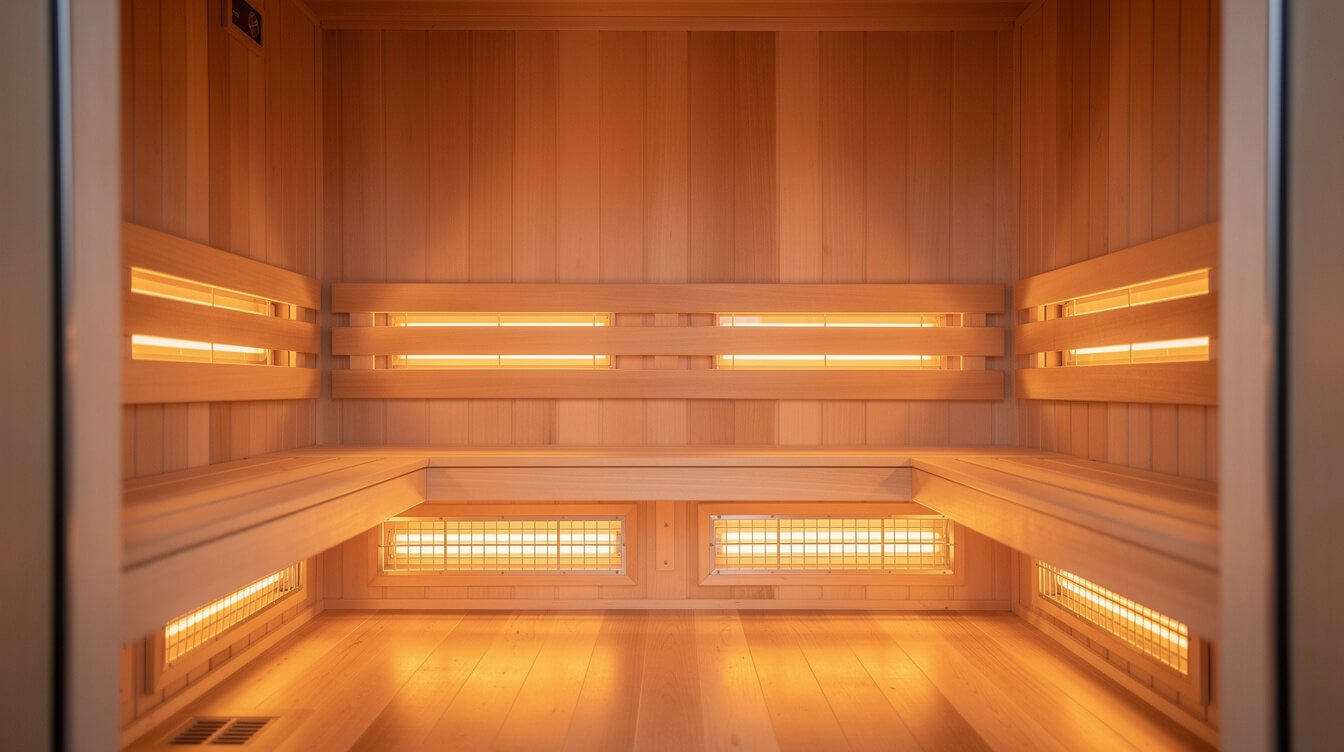
A traditional sauna warms the air around you, which then warms your body. An infrared sauna works differently. It uses infrared lamps and panels to emit gentle infrared light that warms your body directly, much the way sunlight feels warm on your skin on a cool day, without heating the surrounding air to the same extreme.
Because the heat reaches you directly, an infrared sauna can deliver a deep, sweat-inducing warmth at a much lower air temperature. Infrared saunas typically run between 110°F and 135°F (about 43°C to 57°C), while a traditional sauna often reaches 150°F to 195°F. For many people, that lower temperature makes the experience far more comfortable and easier to tolerate for a full session.
Most infrared saunas use what is called far-infrared heat, and some combine near-, mid-, and far-infrared wavelengths. If you are new to the world of infrared wellness, our overview of the benefits of infrared light therapy is a helpful companion read, as is our guide to red light therapy benefits, a related but distinct form of light-based wellness.
The Key Benefits of Infrared Sauna Use

So what does the research actually suggest infrared heat may support? Here are the most commonly studied benefits of infrared sauna use, framed honestly around what the evidence shows. The common thread behind most of them is a gentle, exercise-like “heat stress” that prompts your body to adapt in helpful ways, from widening blood vessels to nudging the nervous system toward rest.
Heart and circulation support
Within minutes of settling into an infrared sauna, your body responds much as it does to light exercise: blood vessels widen, circulation increases, and your heart rate rises. Researchers have compared this response to walking at a moderate pace. A 2024 meta-analysis published in the European Journal of Preventive Cardiology, pooling 17 studies and more than 2,200 participants, found that regular infrared sauna use was associated with improved arterial function over several weeks. This is one of the more promising areas of sauna research, though it complements rather than replaces movement and other heart-healthy habits.
Muscle recovery and soothing sore muscles
The improved circulation from a sauna session may help ease sore muscles and support recovery after physical activity. This is one of the most popular reasons people reach for infrared heat, and we cover it in depth in our dedicated guide to using an infrared sauna for muscle recovery. If you deal with lingering aches, you may also appreciate our roundup of natural remedies for pain relief.
Relaxation, mood, and stress relief
Warming the body has a wonderfully calming effect. Sauna time encourages the nervous system to shift toward its “rest and digest” mode, and research suggests regular use may help ease feelings of stress and low mood. Think of it as a warm, quiet pause in a busy day. To deepen that calm, pair your sessions with our favorite stress relief and relaxation techniques and simple ways to calm your nervous system.
Better, deeper sleep
That post-sauna sense of relaxation often carries into the evening. The gentle rise and gradual fall in body temperature after a warm session can help signal to your body that it is time to wind down, and better sleep has been linked to regular sauna use. Combine it with solid sleep hygiene habits and, if you need extra support, our guide to magnesium for sleep.
Healthy, radiant skin
The boost in circulation that comes with a warm session brings more oxygen and nutrients to the skin, and the light sweat helps clear pores. Many regular users report a refreshed, dewy glow afterward. While a sauna is no substitute for a good skincare routine or sun protection, it can be a pleasant complement to how you care for your skin. If radiant skin is a goal, you may also enjoy exploring the skin-supporting benefits of red light therapy.
Everyday resilience
Some research suggests regular sauna use may support the body’s resilience, including a possible role in reducing the oxidative stress associated with many chronic conditions. There is also interest in how the repeated, mild stress of heat exposure may help the body adapt over time, a concept sometimes called hormesis. As always, these are areas where larger studies are still needed, so we hold them gently rather than as guarantees, and we never suggest a sauna can replace medical care.
What the Research Actually Shows: Reading the Evidence Honestly

One of the most valuable things we can offer is a clear-eyed look at the evidence, because infrared sauna marketing can run far ahead of the science. Here is a simple way to think about it, sorted into three honest tiers.
Tier 1: Reasonably well supported
- Cardiovascular and circulatory response. Multiple studies, including recent meta-analyses, point to improvements in arterial function and blood pressure with regular use.
- Relaxation and perceived wellbeing. The calming, mood-lifting effect of warmth is consistently reported and is one of the most reliable benefits.
- Perceived muscle recovery and pain relief. A two-year study found infrared sauna therapy “may be a promising method” for managing chronic pain, and many people report feeling looser and more comfortable.
Tier 2: Promising but not yet proven
Conditions such as high blood pressure, heart failure, dementia, headache, type 2 diabetes, and arthritis have all been studied, with some encouraging early signals. However, larger and more rigorous trials are needed before anyone can claim infrared saunas “treat” these conditions. Encouraging is not the same as established.
Tier 3: Overstated or unproven
Two claims deserve special caution. The first is detoxification: while you certainly sweat, the idea that sauna sweat flushes meaningful amounts of heavy metals or toxins is, in the words of one Cleveland Clinic physician, “still in its infancy.” We unpack this in our honest look at the sweating and toxins myth. The second is weight loss: any drop on the scale after a session is mostly water you will replace by rehydrating, not fat loss. Your body handles genuine detox beautifully through your liver, kidneys, and lymphatic system, and gentle habits like lymphatic drainage and dry brushing support that natural process.
The takeaway is not that infrared saunas do not “work.” It is that they offer real, meaningful comfort and wellbeing benefits without needing the exaggerated claims. When you read a bold promise, ask three quick questions: Which type of sauna was studied? Was it a controlled trial or an observation? And how large was the study?
Infrared Sauna vs. Traditional Sauna and Other Heat Therapies

Infrared is not the only way to enjoy the benefits of heat. Here is how it compares to the main alternatives.
- Traditional (Finnish) sauna: Higher air temperatures and often higher humidity create an intense, enveloping heat. Much of the strongest longevity and heart-health research actually comes from studies of traditional saunas. If you love a deep, hot sweat, this is your match. We compare the two in detail in infrared sauna vs. traditional sauna.
- Infrared sauna: Lower, gentler air temperature makes longer, more comfortable sessions possible, which many heat-sensitive people prefer.
- Red and infrared light therapy: These deliver targeted light to the skin and tissues without the whole-body heat load. Learn more in our guide to red light therapy at home.
- Frequency-based wellness: Technologies like terahertz therapy and PEMF therapy take an entirely different approach, using specific frequencies rather than ambient heat.
| Feature | Infrared Sauna | Traditional Sauna | Red Light Therapy |
|---|---|---|---|
| Typical temperature | 110–135°F | 150–195°F | Room temperature |
| How it heats you | Warms the body directly | Warms the surrounding air | Targeted light, minimal heat |
| Comfort for heat-sensitive users | High | Lower | Very high |
| Best known for | Gentle, longer sessions | Deep sweat, longevity research | Skin and tissue support |
| Session length | 20–30 min | 10–20 min | 10–20 min |
The good news is that the underlying “heat stress” pathway that drives many benefits is largely format-agnostic. The best choice is the one you will actually use consistently and that fits your space, budget, and comfort.
Which option fits your goal?
If your main aim is heart and longevity support, a traditional sauna has the deepest research base, though infrared offers a gentler entry point. For comfort and longer, relaxed sessions, especially if intense heat bothers you, infrared is often the winner. If you want targeted skin or recovery support without whole-body heat, red or infrared light therapy may suit you better. And if your priority is convenient, at-home frequency-and-warmth wellness, a portable device can bridge the gap. There is no single right answer, only the approach that fits your body and your life.
🎁 Get a Free Wellness Gift
Enter your name and email below to receive a special wellness gift from OlyLife — absolutely free!
How to Use an Infrared Sauna Safely and Effectively
Getting the most from infrared heat is less about pushing hard and more about being consistent and mindful. Here is a simple, beginner-friendly approach.
- Start low and slow. Begin around 110°F for just 5 to 10 minutes. As your body adapts over a few weeks, you can work up to 20 to 30 minutes.
- Hydrate before and after. You will sweat, so drink water beforehand and replenish afterward. This is the single most important safety habit.
- Aim for consistency. Two to four sessions per week is a reasonable target for most people. Regular, moderate use tends to matter more than occasional marathon sessions.
- Listen to your body. Light-headedness, nausea, or discomfort is your cue to step out, cool down, and rehydrate.
- Cool down gently. Give yourself a few quiet minutes afterward rather than jumping straight into a busy schedule. This is also when the relaxation benefits really settle in.
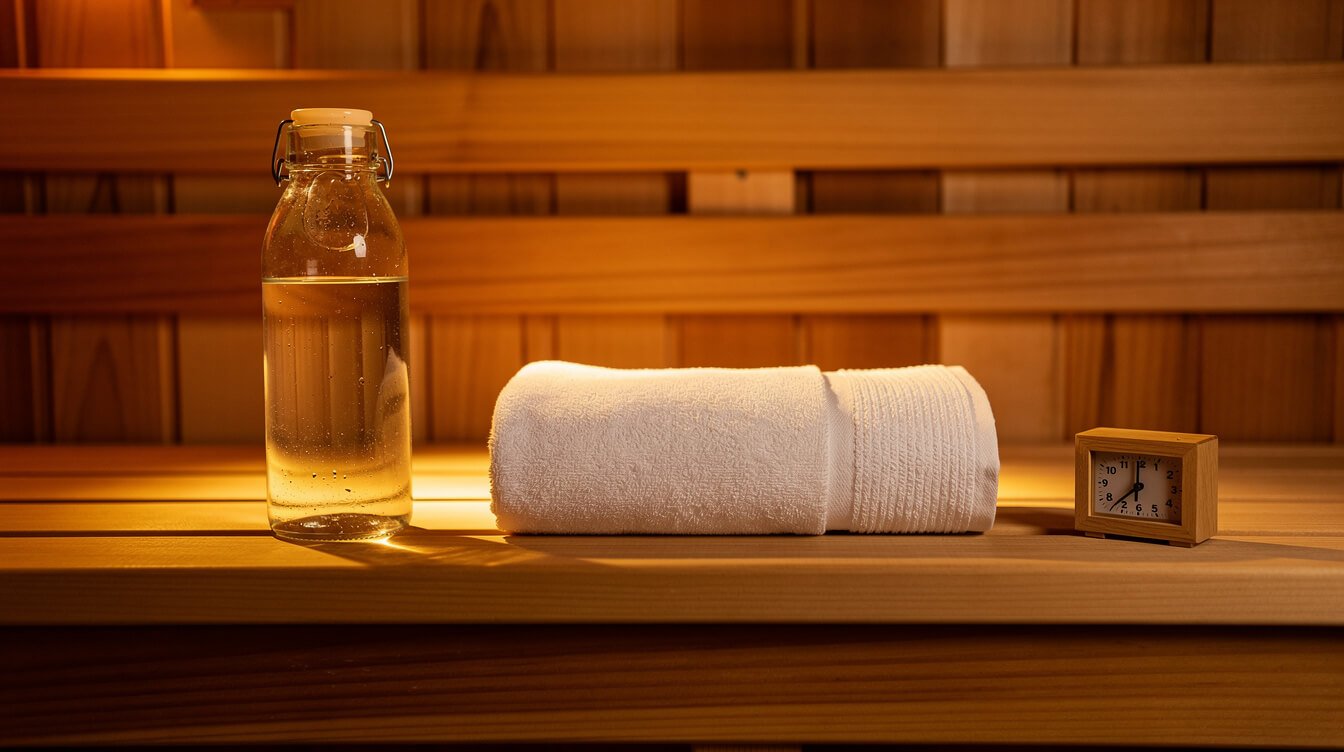
A simple weekly rhythm can help the habit stick. Many people enjoy a short session in the evening on two or three non-consecutive days, using it as a signal to unwind before bed. If you exercise, a gentle session on a rest day or after a light workout can feel especially good on tired muscles. Keep a bottle of water nearby, bring a towel, and consider it protected time for yourself, free of screens and to-do lists. The relaxation you build is not just pleasant in the moment; it compounds into steadier energy, calmer evenings, and easier sleep over the weeks. For an extra layer of calm, our guide to grounding benefits pairs beautifully with a warm, unhurried sauna ritual.
Not everyone has room for a full sauna cabin, and that is where portable frequency-and-warmth wellness tools can help. The OlyLife THz Tera-P90+ combines gentle terahertz warmth with PEMF technology to support relaxation and circulation at home, making it a practical companion for those drawn to radiant-heat wellness but short on space for a cabin.
Safety, Side Effects, and Who Should Be Cautious

Infrared saunas are generally well tolerated by healthy adults, but heat therapy is not right for everyone. A 2018 systematic review noted that the most common side effects are usually mild and include heat discomfort, low blood pressure, light-headedness, leg pain, airway irritation, and claustrophobia. Rare cases of burns, fainting, and falls have also been reported, and prolonged sessions can lead to dehydration or heat exhaustion.
Please talk with your healthcare provider before starting infrared sauna use if you:
- Are pregnant or think you may be pregnant
- Have heart disease, low blood pressure, or a cardiovascular condition
- Take medications that affect your heart rate, blood pressure, or ability to sweat
- Have a condition that affects your body’s temperature regulation
- Are recovering from illness or feeling dehydrated
And a few universal rules: never use a sauna after drinking alcohol, do not use one if you feel unwell, and always keep sessions within comfortable limits. Used thoughtfully, infrared heat can be a gentle, restorative ritual rather than an endurance test.
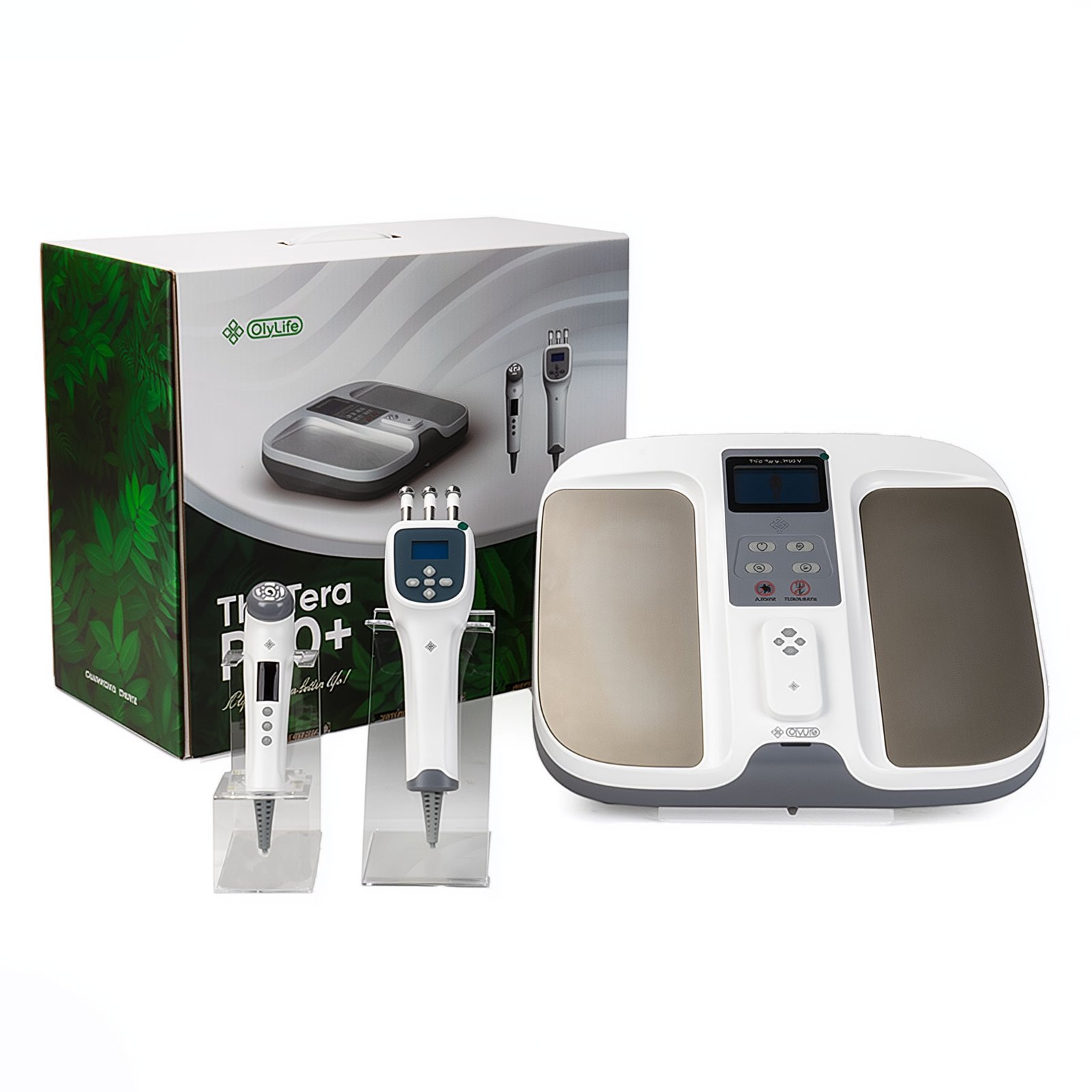
Radiant-Heat Wellness Without the Cabin
Love the idea of warming, circulation-supporting wellness but short on space for a sauna? The OlyLife THz Tera-P90+ brings gentle terahertz warmth and PEMF technology into a portable, measurable device you can use at home.
Frequently Asked Questions About the Benefits of Infrared Sauna
How often should I use an infrared sauna to see benefits?
Most research and practitioners suggest two to four sessions per week. Consistency over time tends to matter more than the length of any single session, so a regular, moderate rhythm is ideal.
Do infrared saunas really help you detox?
Sweating feels cleansing, but the evidence that sauna sweat removes meaningful amounts of toxins is very limited. Your liver, kidneys, and lymphatic system are your true detox organs. Enjoy the relaxation and circulation benefits, and let your body handle detox naturally.
Can an infrared sauna help me lose weight?
Any immediate weight change is water lost through sweat, which you replace when you rehydrate. Infrared saunas are not a weight-loss tool, though the relaxation and recovery support may complement an active, healthy lifestyle.
Is an infrared sauna better than a traditional sauna?
Neither is universally “better.” Infrared saunas are gentler and more comfortable at lower temperatures, while traditional saunas offer intense heat and have a deep base of longevity research. The best choice depends on your comfort, goals, and space.
Are the benefits of infrared sauna use safe for everyone?
Healthy adults generally tolerate infrared saunas well, but people who are pregnant or who have cardiovascular conditions, blood pressure concerns, or temperature-regulation issues should check with a healthcare provider first. When in doubt, ask before you sweat.
Final Thoughts
The real benefits of infrared sauna use are quieter and more grounded than the boldest marketing suggests, and that is good news. Gentle, comfortable heat that supports circulation, eases tension, soothes tired muscles, and helps you relax into better sleep is genuinely worthwhile, no exaggeration required. Approach it with honest expectations, hydrate well, listen to your body, and let the warmth become a small, restorative ritual in your week.
Whether you choose a full cabin, a traditional sauna, or a portable frequency-and-warmth device, the most important step is simply making space for rest and recovery. Your body will thank you for it. 🌿