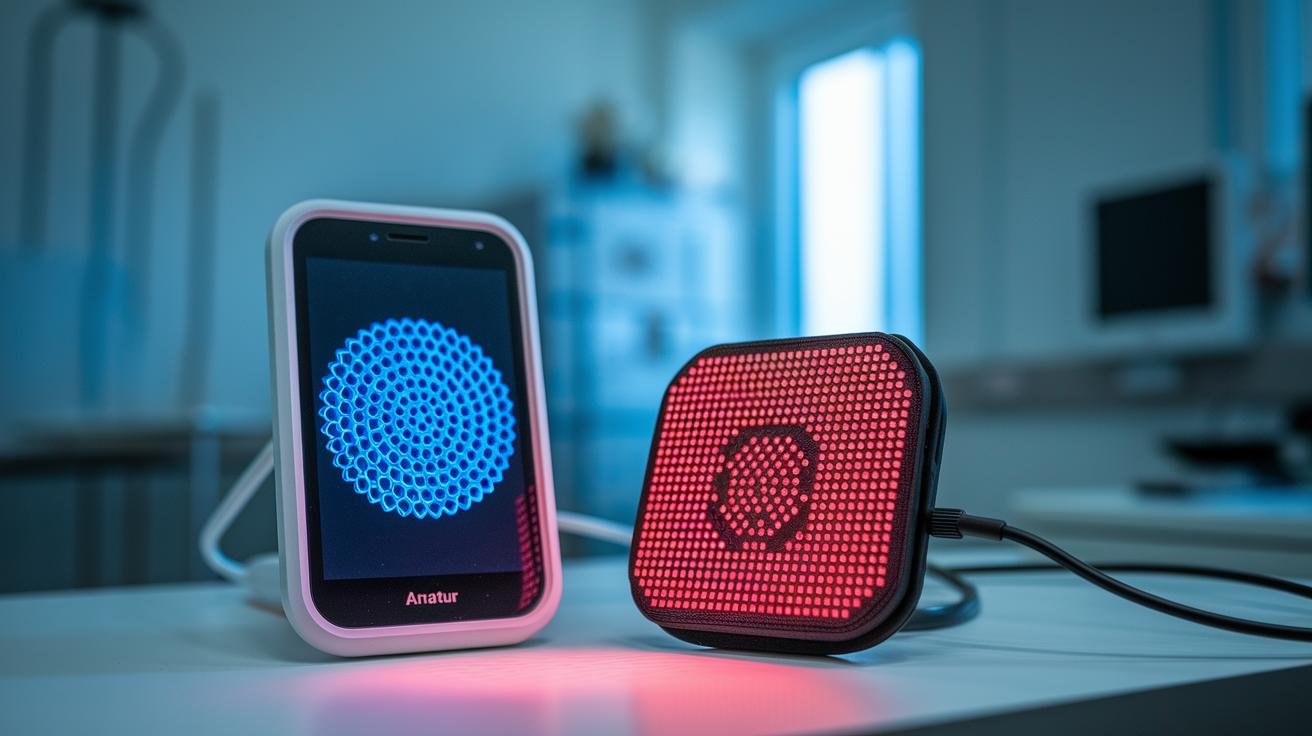
Which should you pick for real results: terahertz (electromagnetic waves in the 0.1 to 10 THz range) or PEMF (Pulsed Electromagnetic Field) therapy? Both are noninvasive routes to recovery, but they work in very different ways.
Terahertz nudges tiny molecular motions in water and proteins. Think of it like a warm sunrise waking up your cells. That gentle action tends to help skin health, improve microcirculation, and support early-stage regenerative work.
PEMF uses low-frequency pulses to shift electrical charges across cell membranes, a bit like a soft reset for cells. It reaches deeper into muscle and bone, boosts cellular energy, and can ease pain. So it really comes down to surface rejuvenation versus deeper tissue repair, glow or deeper healing, you decide.
Terahertz Therapy Vs PEMF Therapy Proven Benefits
Both terahertz and PEMF therapies give you noninvasive options to support recovery and overall wellness. Comparing them helps you pick the right tool for your goal. Are you after better skin and microcirculation, or deeper tissue repair and pain relief?
Terahertz works in the 0.1 to 10 THz range and nudges tiny molecular motions. Think of water and proteins warming like a little sunrise, which can open microvessels and sharpen cell signaling. That makes terahertz helpful for skin health, circulation, immune balance, and experimental regenerative work. Studies are still limited, but the early data look promising.
PEMF (Pulsed Electromagnetic Field therapy) uses low-frequency pulses in the 1 to 100 kHz range to change electrical charges across cell membranes. It can boost ATP (cellular energy), lower inflammatory signals, and reach deeper tissues. PEMF has stronger clinical backing for bone healing and pain relief, and some devices have FDA clearance. It tends to be the go-to for musculoskeletal and chronic pain issues.
| Característica | Terahertz Therapy | Terapia PEMF |
|---|---|---|
| Frecuencia | 0.1 to 10 THz | 1 to 100 kHz |
| Mechanism | Nudges molecular vibrations of water and proteins; helps microcirculation and cell signaling | Alters membrane electrical potential; boosts ATP and reduces inflammatory signals |
| Penetration Depth | Surface to shallow tissues (skin and microvasculature) | Deeper tissues, including muscle and bone |
| Clinical Validation | Early trials; emerging data for regeneration and wound healing | Stronger evidence; some FDA-cleared devices for bone growth and pain |
| Cost | Typically several thousand dollars for systems | $200 to $10,000 depending on home versus professional units |
Practical takeaway: choose terahertz if your main aim is microcirculation, skin repair, or exploring regenerative approaches. Pick PEMF when you want proven pain relief, bone or deep-tissue healing, or a reliable at-home recovery tool. Many clinicians combine both for surface activation plus deeper stabilization. Oh, and here’s a neat tip: if you’re unsure, ask a trusted practitioner about a trial session to see how your body responds.
Terahertz Therapy Vs PEMF Therapy Proven Benefits

Think of these therapies as two different tools for your cells. PEMF (Pulsed Electromagnetic Field therapy) uses low-frequency magnetic pulses to nudge electrical activity across cell membranes, which tends to reach deeper tissue like muscle and bone. Terahertz (very high-frequency electromagnetic waves, roughly 0.1-10 THz) works more at the skin surface, gently nudging molecular motion and water-protein interactions that help microcirculation and cell signaling. So: one reaches deeper energy systems, the other tunes surface signaling , pick based on the tissue and the result you want.
How they work, pulse tips, and safety
-
Mechanistic evidence: Clinical PEMF studies report faster radiographic bone healing and lower pain after musculoskeletal injuries. Those benefits link to increased ATP (cellular energy) and shifts in cytokine profiles (immune signaling). Terahertz pilot work shows quicker wound re-epithelialization and changes in water-protein dynamics at the skin surface, consistent with better microcirculation and local signaling , like a warm sunrise waking up cells.
-
Practical pulse guidance:
- PEMF: common settings are low-frequency pulses in the 1-100 kHz range (kHz means thousands of cycles per second) with field strengths often around 1-10 mT (mT is millitesla, a unit of magnetic field). Sessions are often 10-30 minutes per day. Higher intensity or focused coil designs reach deeper into muscle and bone.
- Terahertz: usually low-power, surface-directed exposures for about 5-20 minutes per area; power and beam focus are tuned to affect the skin without deep heating.
- Oh, and here’s a neat trick for product copy: "Try 15 minutes at ~10 Hz, ~5 mT – like a short nap for tired muscles." (Hz is cycles per second.)
-
Safety and contraindications:
- Don’t use over active implanted electronics such as pacemakers or ICDs, and avoid during pregnancy unless a clinician clears it.
- Be cautious with seizure disorders and open bleeding wounds.
- For terahertz, avoid prolonged, high-power eye exposure and keep sessions within recommended limits.
| Terapia | Typical settings | Key safety notes |
|---|---|---|
| PEMF (Pulsed Electromagnetic Field) | 1–100 kHz; 1–10 mT; 10–30 min/day | Avoid over implanted electronics; pregnancy caution; watch for dizziness |
| Terahertz (high-frequency surface waves) | Surface-focused, low power; 5–20 min/area | Protect eyes; avoid high-power exposure; pregnancy caution |
Terahertz Therapy Vs PEMF Therapy Proven Benefits
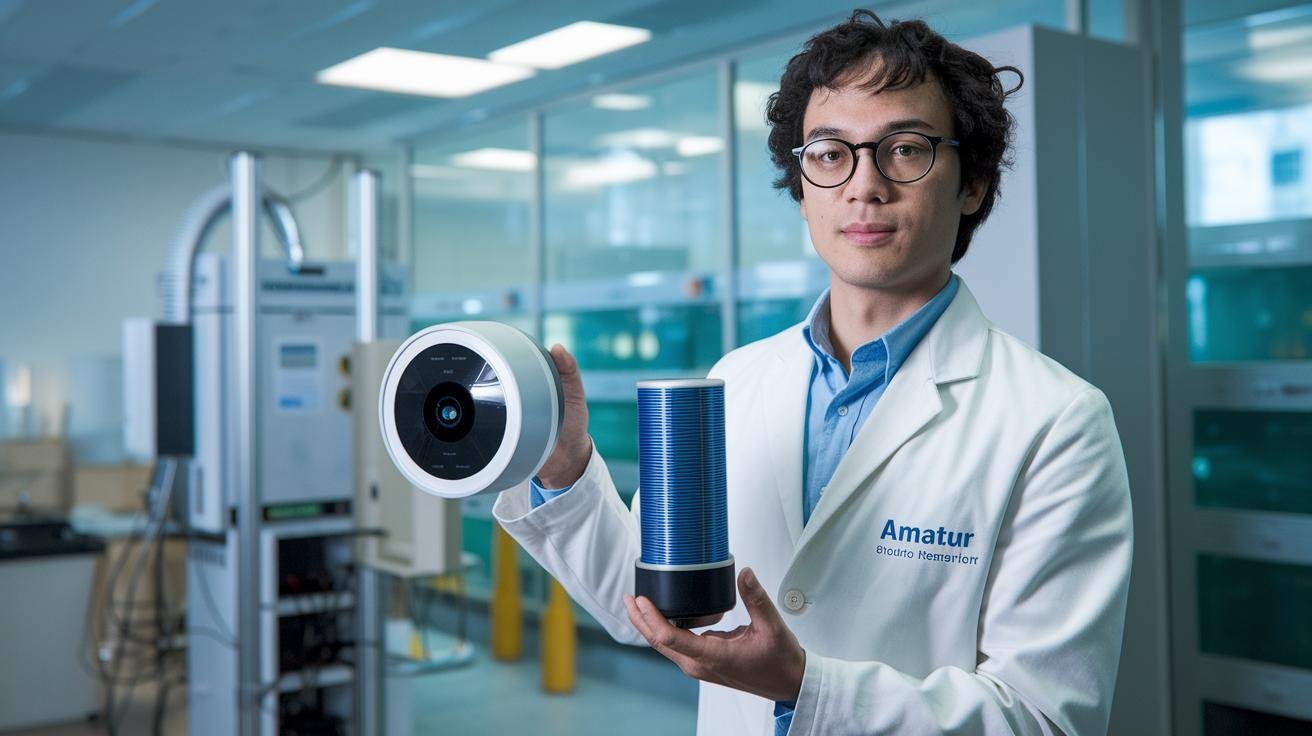
Terahertz (terahertz-wave therapy) is showing early promise for surface-level healing. Labs and small studies suggest it helps microcirculation by widening tiny blood vessels and lowering blood thickness, which can boost local exchange at the skin and shallow tissues. People are also reporting faster wound closure and signs of skin repair. Some preclinical work even hints that terahertz selectively activates healthy cells and dormant stem cells. But most of this is pilot-stage or lab-based, so take it as hopeful, not proven.
PEMF (Pulsed Electromagnetic Field therapy) has a bigger clinical footprint. Randomized trials and clinical use link PEMF to less pain in osteoarthritis, fibromyalgia and chronic back pain. Studies also show lower inflammatory markers and faster bone repair by stimulating osteoblasts (the cells that build bone). Users often say they sleep better, feel calmer, and recover from workouts faster. A few PEMF devices have regulatory clearances for bone growth and targeted pain relief.
| Beneficio | Terahertz Evidence | PEMF Evidence |
|---|---|---|
| Microcirculation | Suggests vasodilation and reduced blood viscosity; improves surface blood flow and local exchange | May improve perfusion indirectly by reducing inflammation and supporting tissue recovery in several studies |
| Manejo del dolor | Pilot studies report relief for superficial pain and localized discomfort | Multiple clinical trials show relief for chronic musculoskeletal pain, including osteoarthritis and fibromyalgia |
| Bone Healing | Limited data; effects seem surface-directed and exploratory | Strong clinical evidence; osteoblast stimulation speeds healing, with some regulatory clearances |
| Inflamación | Early reports of immune modulation and reduced local swelling | Shown to lower inflammatory cytokines in multiple studies |
| Stress / Sleep / Recovery | Some user reports and early pilot data of improved wellbeing after sessions | Consistent findings for reduced stress response, better sleep and quicker post-exercise recovery |
| Selective Cell / Stem-Cell Activation | Early lab and pilot reports of selective activation of healthy cells and dormant stem cells (preclinical) | Evidence for regeneration via osteoblast activity; limited direct stem-cell data in humans |
Reference: terahertz wave therapy for cellular regeneration – https://olylife.international/?p=1193
| Practical Advice |
|---|
| Think gentle surface activation. Terahertz can help tissues “breathe” and repair at the skin and shallow-tissue level. |
Which should you pick? If you need deep-tissue help, bone healing or long-standing musculoskeletal pain, PEMF has stronger clinical backing and clearer protocols for home or clinic use. Terahertz feels promising for skin, wound care and surface tissues, but it’s still experimental. Both methods are noninvasive and can feel like a warm sunrise waking up cells. Follow device-specific safety guidance, and talk with a clinician before trying them. Avoid use during pregnancy or if you have active implanted electronic devices (for example, pacemakers).
Safety Profiles and Contraindications for Terahertz and PEMF Therapies

Terahertz (terahertz-wave therapy – low-energy, non-ionizing electromagnetic waves) and PEMF (Pulsed Electromagnetic Field therapy) are noninvasive and usually well tolerated. Think of terahertz like a gentle rush of energy, and PEMF like a soft magnetic nudge. Long-term human data for terahertz are limited, while PEMF has more short-term research but clear safety rules.
- Contraindications and cautions:
- Do not use over implanted electronic devices, such as pacemakers or ICDs. Talk with the device clinician first.
- Pregnancy caution: check with your clinician before trying either therapy.
- If you have a history of seizure disorders, get specialist clearance before use.
- Don't apply these therapies to open, actively bleeding wounds.
Terahertz specifics:
Terahertz is non-ionizing and has few reported adverse events, but we don’t have lots of long-term human data. Watch for unusual reactions and report them. (keyword: terahertz therapy safety)
Home terahertz use needs training and clear dosing. See terahertz therapy safety guidelines for home use: https://olylife.international/?p=1224 (keyword: side effects of terahertz treatment)
Dosing and session guidance:
Start low, pay attention, and stop if something feels off. Match PEMF frequency, intensity and session length to the person and the problem – wrong settings can cause dizziness or overstimulation. Ask a clinician familiar with electromagnetic therapies and set a follow-up plan.
Start low – "Begin with a 5-minute session at minimal intensity and note how your body responds."
Match settings – "For a local sore spot, use a short, low-intensity protocol instead of a long full-body session."
Oh, and here’s a neat trick: keep a short session log. Note time, intensity and how you felt afterwards. It helps you and your clinician fine-tune the plan.
| Risk / Area | Guidance |
|---|---|
| Pacemakers / ICDs | Avoid use over implanted electronics; consult the device clinician first. |
| Pregnancy | Use only after clinician approval. |
| Seizure disorders | Require specialist clearance before use. |
| Open bleeding wounds | Do not apply therapy to actively bleeding areas. |
| Terahertz – eyes & long exposure | Avoid direct eye exposure; limit cumulative exposure and report any visual changes. |
| Dosing | Start low, increase slowly, monitor closely, and stop if adverse effects occur. |
| Follow up | Work with a clinician familiar with these modalities and plan follow-up to catch side effects early. |
Cost and Accessibility: Terahertz Therapy vs PEMF Therapy Devices
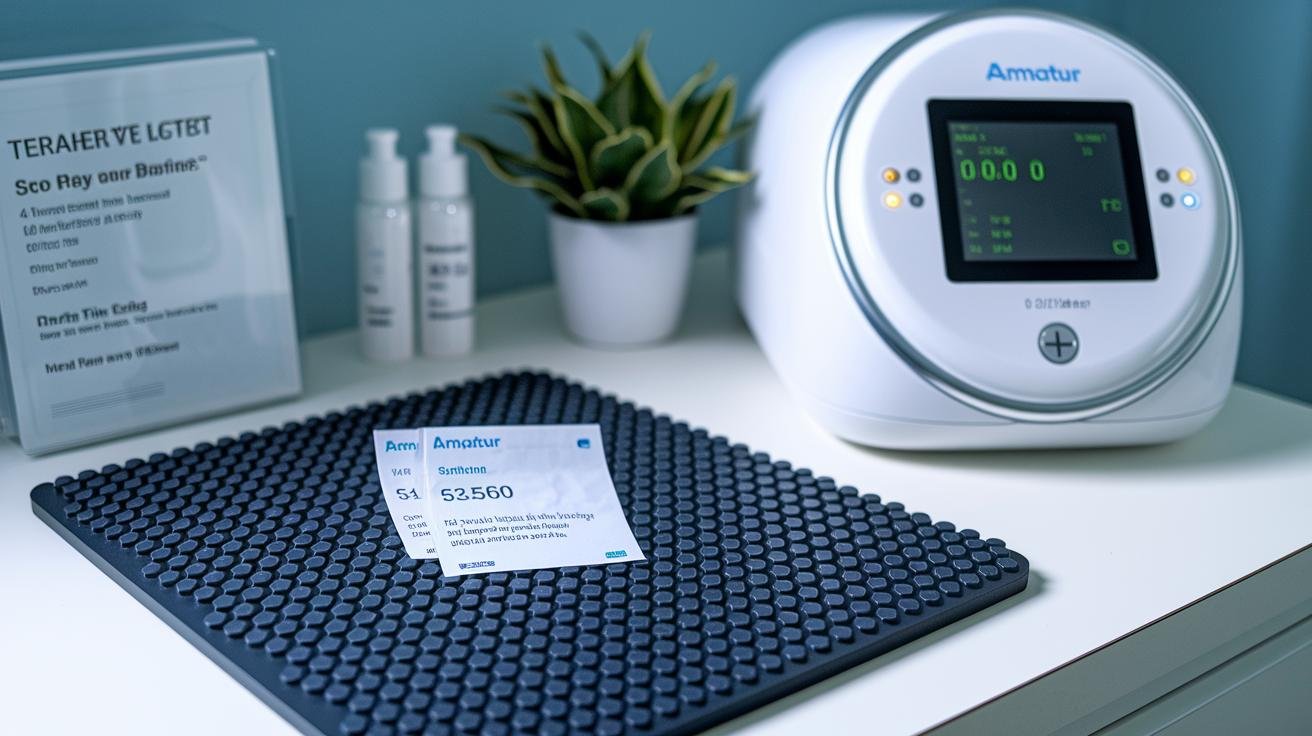
PEMF (Pulsed Electromagnetic Field therapy) devices cover a wide price range. Home mats and portable units usually run about $200 to $2,000, while professional systems can top $10,000 or more. Clinic visits for PEMF commonly cost $20 to $100 per session. Terahertz therapy (using very-high-frequency terahertz electromagnetic waves) generally asks for a bigger up-front spend; systems often cost several thousand dollars, and clinic session fees tend to be higher and more variable than PEMF.
Access feels different too. Many people can set up a home PEMF device in minutes and use preset programs, so it’s convenient and familiar, almost like a gentle hum of energy you can switch on at home. Terahertz is usually offered in specialized centers where trained clinicians tune beam focus and dosing, so sessions typically need an appointment and an operator. If you want lower up-front cost and easy access, home PEMF devices probably fit better.
If you’re after targeted surface work and don’t mind paying more per visit, terahertz clinics are worth a look. Which fits your life and budget? Oh, and here’s a neat trick: try a single trial session of each if you can. A short test visit often makes the cost versus benefit clear.
🎁 Get a Free Wellness Gift
Enter your name and email below to receive a special wellness gift from OlyLife — absolutely free!
Recommended Use Cases and Treatment Protocols for Terahertz vs PEMF Therapy
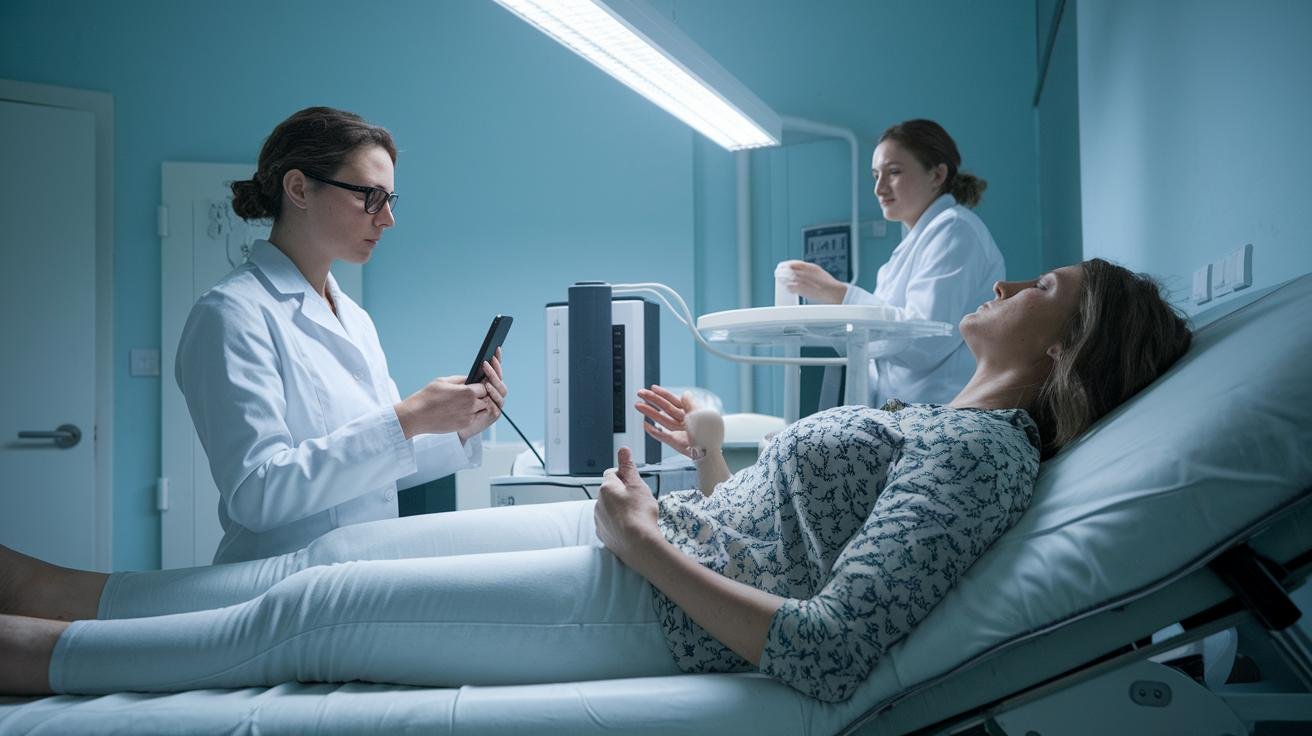
Terahertz therapy (0.1–10 THz) and PEMF (Pulsed Electromagnetic Field therapy, 1–100 Hz) do different jobs. Terahertz works on the surface. PEMF reaches deeper tissues. Think of terahertz like a gentle touch and PEMF like a deeper, slow massage for cells.
Terahertz therapy (0.1–10 THz)
Terahertz is best for skin, microcirculation, wound repair, and surface pain or inflammation. Sessions are usually short – five to thirty minutes per area – with gentle, even passes over the skin. A common schedule is two to three sessions per week for several weeks, then adjust based on how the area responds. Note: where strong trials are limited, these recommendations reflect clinical experience and anecdotal reports (anecdotal/clinical practice).
PEMF therapy (1–100 Hz)
PEMF is used for deeper, systemic needs: chronic pain, inflammation control, muscle recovery, and bone healing. Typical sessions run ten to thirty minutes using preset programs for pain relief or bone stimulation. Early on, clinicians often recommend daily or every-other-day sessions, then taper frequency as symptoms improve. Bone-healing protocols may last longer and require focused coil placement over the fracture site. These parameters follow common clinical practice and practitioner reports (anecdotal/clinical practice).
How to choose or combine
Pick terahertz when your aim is surface activation or dermatologic improvement. Choose PEMF for deeper tissue repair, chronic pain, or bone issues. You can also combine them for a layered approach: a short terahertz pass to “wake up” the area, then PEMF to support deeper repair. Wait, let me clarify – a typical combo might be a 5–10 minute terahertz “prime” per area followed by 10–20 minutes of PEMF (anecdotal/clinical practice).
Practical tips
- Start conservative: try shorter sessions first. For terahertz, begin with 5–10 minutes per area. For PEMF, try 10–15 minutes. Then increase if it’s well tolerated.
- Track simple outcomes: note sleep quality, pain score, local heat or redness, and the time of each session in a brief log (anecdotal/clinical practice).
- Keep placement consistent: mark the treatment spot so coils or wands sit in the same place each time.
- A small tip: think of terahertz like a mini facial or light massage for the skin, and PEMF like a slow, steady press into deeper tissue. That image helps with positioning and timing.
Questions or tailoring
Have a client or complex case? Ask a clinician experienced with both modalities and adjust by response. Relax. These are practical starting points, not hard rules.
Regulatory status & future directions

PEMF (Pulsed Electromagnetic Field therapy) has a clearer regulatory path in the U.S. A number of electromagnetic bone-growth stimulators are FDA-cleared for nonunion fractures and as adjuncts in spinal fusion. Think of devices like Orthofix Physio-Stim (see FDA device database) as examples, steady, low-frequency pulses that help bone cells get a nudge, almost like a gentle drumbeat waking them up.
That regulatory history, plus a decent base of clinical trials, gives clinicians and makers of at-home products a more predictable road for making therapeutic claims. So, when companies say a PEMF device helps recovery or sleep, there’s often a clearer framework for testing and approval.
Terahertz (THz) radiation (very high-frequency electromagnetic waves between microwaves and infrared) is a different story. THz therapy currently lacks FDA clearances for therapeutic use and is generally treated as investigational. Most work is still in preclinical studies or small pilot trials at academic centers, places like MIT and the University of Oxford are active in this space.
If you need a short citation example, you can phrase it like this: "Orthofix Physio-Stim is FDA-cleared for nonunion fractures."
Market trends are moving toward more portable PEMF mats, Bluetooth and app controls, and consumer wearables aimed at recovery and better sleep. Early hybrid-device pilots that pair terahertz surface activation with PEMF deep-field support are showing up in research labs. But larger clinical trials and clear regulatory pathways for THz therapies are still limited.
What does this mean for you? PEMF-based products have a more established route for claims and approvals, so they’re easier to vet. THz approaches are promising, but they’re earlier-stage, watch for bigger trials and regulatory updates before treating them as proven treatments. Oh, and here’s a neat trick: when you’re evaluating devices, look for FDA clearances tied to the specific use and scan for referenced clinical trials.
Palabras finales
In the action, we compared terahertz and PEMF, how they work at the cell level, clinical support, safety points, costs and treatment protocols.
Terahertz leans on molecular resonances and microcirculation; PEMF nudges cell membranes to boost ATP and calm inflammation. PEMF has stronger clinical backing for pain, bone healing and sleep; terahertz shows promise for regeneration but needs more trials.
Think about your main goal, deep relaxation, targeted muscle relief or better sleep, and talk with a clinician; it's a small step that helps. Remember, terahertz therapy vs PEMF therapy can complement each other and support steady recovery.
Preguntas frecuentes
Frequently asked questions
What are the side effects of terahertz and PEMF therapies?
The side effects are generally mild and rare. Terahertz has reported minimal acute reactions but long‑term safety data are limited. PEMF can cause mild dizziness or skin tingling and is unsafe for people with implanted electronic devices.
What devices exist for terahertz and PEMF, and do items like terahertz bracelets or wands help?
Devices include clinical terahertz systems, handheld wands, commercial bracelets, and PEMF mats, pads, and professional or home units. Evidence for terahertz bracelets and wands is limited; PEMF devices have broader clinical support.
What does terahertz therapy do for your body and what benefits do reviews report?
Terahertz therapy is reported to stimulate microcirculation, support skin repair, and may modulate immune and endocrine activity. Reviews are mixed—early reports show promise for wound healing and regeneration, but clinical evidence remains preliminary.
What is PEMF and terahertz?
PEMF (Pulsed Electromagnetic Field) uses low‑frequency pulses (about 1–100 kHz) to affect cell‑membrane potentials, boost ATP production, and reduce inflammation. Terahertz uses higher 0.1–10 THz waves that can interact with molecular vibrations and improve microcirculation.
Which is better, Red Light Therapy or PEMF, and can you use them together?
Which is better depends on your goal: red light (visible/near‑infrared) targets mitochondria for skin and cellular energy, while PEMF alters membrane potentials and has evidence for pain, bone healing, and sleep. They can be used together safely when following proper protocols.
Which therapy is better for pain, bone healing, skin repair, or sleep?
PEMF has stronger clinical backing for pain, bone healing, and sleep. Terahertz shows promise for skin repair, microcirculation, and wound healing. Choose based on your health goal and the available evidence.
Who should avoid PEMF or terahertz therapy?
People with implanted electronic devices (e.g., pacemakers) should avoid PEMF. Pregnant people and anyone with unclear medical conditions should consult a clinician before terahertz therapy, since long‑term safety data are limited.
How do terahertz and PEMF therapies compare in cost and accessibility?
PEMF home units typically cost about $200–$2,000, with professional systems up to over $10,000. Terahertz systems usually cost several thousand dollars and are mostly available in clinics.