
What if your sleep and what you eat at dinner mattered more for whole-body wellness than that extra hour at the gym?
Have you ever noticed how a calm night and a good meal seem to set the whole day right? It’s true.
Good food and good sleep feed each other like a slow tide, easing your body into repair and keeping hormones steady. Think gentle, natural rhythms, your body settling, cells repairing, energy smoothing out.
Here are three simple habits to try: meal timing, circadian-friendly light and sleep routines, and calming dinner rituals. These usually bring steadier energy, smarter appetite control, deeper restorative sleep, and quicker recovery.
Meal timing matters. Eating on a regular schedule helps your body know when to expect fuel, which can curb cravings and keep your energy steadier through the day. Try moving your biggest meal earlier or keeping a consistent eating window for a couple weeks.
Use light to guide your clock. Get bright sunlight in the morning and dim the lights in the evening. The soft morning light wakes up your system and the low evening light tells your brain it’s time to wind down.
Make dinner a calm ritual. Eat slowly, skip screens, and include a soothing habit like a short walk or warm tea. Think of dinner as a gentle landing for your day; your body will thank you with better sleep and faster recovery.
Try one small change for two weeks and see what shifts. I once moved dinner 30 minutes earlier and slept deeper within days. Relax. Breathe. You might be surprised.
Nutrition And Sleep For Total Body Wellness Thrive

Good food and good sleep feed each other. When your meals and your sleep follow a steady rhythm your body can repair, digest, and balance hormones more easily. Think of it like a slow tide that helps everything settle. Wait, let me clarify, small timing changes often make the biggest difference.
-
Optimize meal timing. Eat larger meals earlier in the day and keep your biggest calorie load in daylight. Try to avoid heavy meals within two to three hours before bed so digestion doesn’t compete with sleep.
-
Respect your circadian cues. Get bright morning light, cut down on evening blue light from screens, and keep a regular sleep–wake schedule so your body clock stays predictable. These cues help melatonin (the sleep hormone) arrive when it should.
-
Build calming routines around meals. Pair dinner with gentle stretching, a short mindful breathing practice, or a quiet walk to signal winding down. Oh, and here’s a neat trick, dim the lights slowly after dinner to cue rest.
Apply these three ideas and you’ll usually notice clearer energy patterns, steadier appetite, deeper slow-wave sleep (deep restorative sleep), and quicker recovery after workouts. Matching macronutrients and timing to your clock helps steady blood sugar and fuels neurotransmitters, while consistent circadian cues keep sleep on schedule. Want a simple test? Try one small change for two weeks, move dinner earlier, add a bright-minute walk after waking, or power down screens an hour before bed, and track how you feel.
For practical menus and timing charts check the Balanced Macronutrient Intake’s Impact on Sleep Quality and Meal Timing Strategies Aligned with Circadian Rhythms sections. For food choices and sleep-supporting supplements see Top Nutrients and Foods That Enhance Sleep, and for bedroom setup peek at Effective Sleep Hygiene Practices to Support Nutritional Benefits. See Integrating section next.
Balanced Macronutrient Intake’s Impact on Sleep Quality
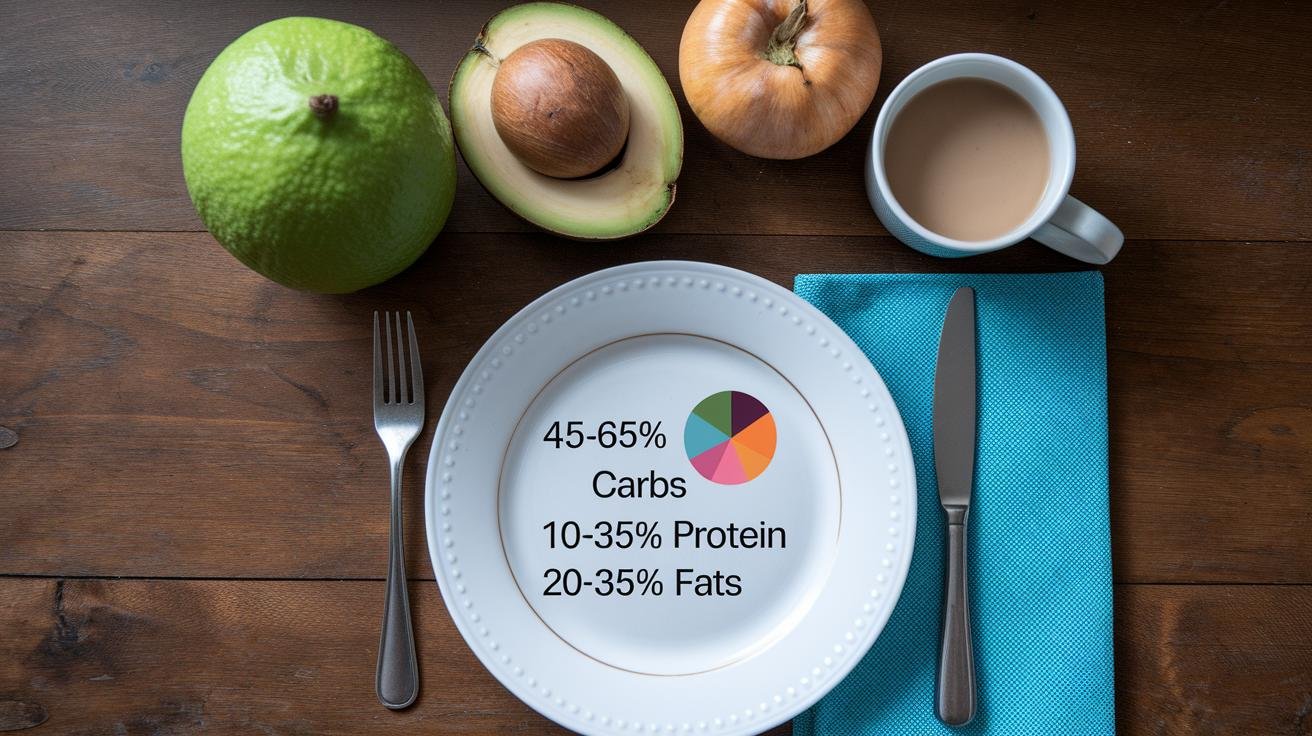
Want sleep that feels deeper and wakes you up refreshed? Balancing macronutrients (macronutrients = carbohydrates, protein, fats) helps your body move from daytime activity into nighttime repair. When your meals give steady fuel and the right building blocks, your brain and body can settle into true restorative sleep. Think of each meal like tuning an instrument so your metabolism plays in harmony.
| Macronutrient | Recommended Percentage | How it helps sleep |
|---|---|---|
| Carbohydrates | 45–65% | Helps keep blood sugar steady and supports serotonin production, which makes it easier to fall asleep. |
| Protein | 10–35% | Provides amino acids that calm the nervous system and help repair tissues while you rest. |
| Healthy fats | 20–35% | Promotes fullness, prevents late-night hunger, and supports hormones linked to sleep quality. |
Keeping most meals near these ranges tends to reduce blood sugar swings, cut midnight wakeups from hunger, and support deeper slow-wave sleep. Try small changes over a week or two and pay attention to how your nights and mornings shift.
A couple of simple moves: add a bit more protein at dinner, swap refined carbs for whole grains, or pair a small carbohydrate with protein before bed if you wake hungry. Oh, and here’s a neat trick , an apple with a spoonful of nut butter can steady blood sugar and feel satisfying without weighing you down.
Meal Timing Strategies Aligned with Circadian Rhythms

Timing meals and drinks with the rise and fall of daylight helps your body use fuel and repair itself. Daylight nudges systems that burn energy; the quiet of night tells the body to fix and restore. Have you ever noticed how eating late can make sleep feel shallow? Small timing shifts can calm blood sugar dips and make falling and staying asleep easier.
Meal & Beverage Timing
Try to eat most of your calories earlier in the day. Aim for about 66-75% of your daily intake before late afternoon so your body uses food when it’s primed for burning and rebuilding. Keep dinners lighter, and avoid big plates within 2-3 hours of bedtime so digestion doesn’t compete with sleep. Relax. Your body thanks you for that.
Watch stimulants. Keep total caffeine near 400 mg per day and take the last dose at least 10 hours before lights out, so morning and early afternoon are best for coffee. Cut back on evening alcohol since it breaks up deep sleep and can wake you later in the night. Pair these timing habits with a steady wake time and bright morning light , like stepping into sunlight first thing , to keep your internal clock steady.
Plan fluids with care. Sip water throughout the day, have a moderate amount with dinner, and taper off in the last 1-2 hours before bed to avoid bathroom trips. Adjust these windows for your own sensitivity , some people need less evening fluid, others more. Oh, and here’s a neat trick: set a small glass of water by your bedside for a single, calm sip if you wake briefly, instead of gulping.
Top Nutrients and Foods That Support Sleep

Small food choices can quiet your nervous system and help you fall into deeper rest. Think of this as a short melatonin-rich foods list and a simple guide to magnesium sources you can use tonight. Cozy, easy fixes, nothing fancy.
- Leafy greens (spinach, kale): full of magnesium and calcium to gently relax muscles and calm nerves.
- Nuts and seeds (almonds, pumpkin seeds): bite-sized magnesium boosts that help cut down on midnight wakeups.
- Dairy (Greek yogurt, cottage cheese): offers calcium and casein protein for steady overnight repair and slow digestion.
- Tart cherries or tart cherry juice: natural melatonin helpers that can nudge your sleep timing.
- Turkey or lean poultry: tryptophan-rich snacks that support serotonin and melatonin pathways.
- Whole grains (oats, quinoa): slow carbs that steady blood sugar and make great pre-sleep meals.
- Chamomile or passionflower tea: classic bedtime herbs that soothe the nervous system and ease tension.
Each item ties to a simple body effect: magnesium and calcium calm muscles and nerves, tryptophan and glycine help melatonin production, and slow carbs keep blood sugar steady so your sleep isn’t interrupted. Think of magnesium like a warm sunrise waking up your cells, not a jolt. Have you ever felt tension melt away after a warm drink? It’s subtle, but real.
For a gentle bedtime combo try a small bowl of oats with milk and a few tart cherries, then sip chamomile. Oh, and here’s a neat trick: have that snack about 30–60 minutes before bed so digestion won’t keep you up. Wait, let me clarify that, keep portions small so you don’t feel heavy.
If you want non-dietary help, consider complementary options like PEMF therapy for sleep improvement (PEMF, Pulsed Electromagnetic Field therapy) alongside these food choices.
Effective Sleep Hygiene Practices to Support Nutritional Benefits

Keep your bedroom cool, dark, and quiet – aim for about 60–67°F (15–19°C). Layer breathable bedding and choose a supportive mattress so your body can naturally drop core temperature. That gentle cooling feels like a soft night breeze and helps digestion and overnight repair.
Small comforts make a big difference. A fan’s gentle hum, a soft white-noise machine, or blackout curtains help you sink into deep, uninterrupted rest so nutrients can be processed without midnight disruptions. Relax.
Treat evenings like a gentle unplug. Try a short digital detox routine: turn off screens at least an hour before bed, swap harsh blue light for warm, dim lamps, and give your eyes soft, steady light for reading or journaling. Oh, and here’s a neat trick – amber bulbs or blue-light filters plus a five-minute stretch cue your nervous system to slow down. Have you ever noticed how a little ritual helps you slide into sleep easier?
Stick to a steady sleep–wake schedule so your body clock works for you. Wake at about the same time each day and step outside or open the curtains within 30 minutes to let daylight act as a natural wake signal; that daily cue sharpens appetite timing and metabolic rhythms. See the rueda de bienestar to view how bedroom setup, light habits, and steady schedules fit into whole-body care.
Integrating Nutrition, Sleep, and Lifestyle Habits for Whole-Body Wellness

Quick, two-minute pauses during your day, deep breaths, gentle neck rolls, or a short stretch, help your body unwind and shift out of “stress mode.” These tiny resets lower cortisol, quiet the mind, and make digestion and sleep easier. Try box breathing (inhale four, hold four, exhale four) when tension pops up; it feels like a soft reset. Relax. Do this a few times a day and you’ll notice clearer focus and calmer evenings.
Pair gentle movement with meals to help digestion and steady blood sugar. A 10–20 minute walk after lunch nudges blood flow and helps your body use the energy you just ate. Then eat with attention: slow bites, thorough chewing, and three deep breaths before the first forkful. Think of it like giving your body a friendly heads-up that it’s time to digest.
Regular exercise builds sleep drive and strengthens your immune system. Strength work, brisk walks, or yoga all help. Try to schedule workouts in daylight when you can, light, activity, and food timing together cue your body’s natural rhythms. Even two resistance sessions a week improve sleep pressure and muscle recovery.
Here’s a simple two-week habit plan you can try. Pick one anchor moment you already do, your morning coffee, the end of lunch, or when you dim the lights at night. Add one small action: five minutes of breathwork, a short walk, or a minute of mindful breathing before bed. Track it on a calendar and celebrate small wins each week.
Repeatable cues make new habits stick. After two weeks, add another tiny habit and watch sleep, appetite, and mood find steadier patterns. Keep a quick note on what you tried and how you slept, patterns show up faster than you’d expect. Um, and one more thing: be gentle with yourself. Small, steady changes win.
Tools and Routines for Monitoring and Optimizing Nutrition and Sleep

Combine a little tech with a simple paper habit and you get clear, usable signals about food and rest. Imagine your night data as a weather report for your body, and your meal notes as the clues that explain the forecast.
Wearables with sleep tracking integration (sleep tracking measures sleep stages, awakenings, and total sleep time using a watch or ring) paired with a short daily food diary create a feedback loop you can actually act on. Nutrition logging apps (apps where you quickly record what you eat and the macros) make the cross-checking fast and easy. Look for patterns in the sleep data , night awakenings, shifts in sleep stages, or the timing of deep sleep , and compare those times to what you ate that day or before bed.
A few nights of paired data often point to a personalized sleep diet that fits your rhythm. Have you ever noticed how a late, heavy snack can leave you tossing and turning? That kind of connection shows up fast when you pair trackers with notes. Wait, let me clarify that: you don’t need perfect data. Even rough patterns help.
Turn those signals into tiny experiments. Pick one measurable goal for two weeks , shift dinner earlier by 30 minutes, or swap refined carbs for whole grains , and track it. Use the sleep tracker and your nutrition log together to watch changes. Oh, and here’s a neat trick: snap a quick photo of your plate. It’s faster than writing and often more honest.
Review weekly trends and jot quick progress notes: what changed, what didn’t, and how you felt. Repeat with one tweak at a time. Over several weeks you’ll build a simple map to a sleep-friendly eating plan you can actually stick with. Relax. Breathe. Small steps add up.
Palabras finales
We put practical steps into action: sync meals with your body clock, balance macronutrients, and time food and drinks to guard sleep. The post also covered sleep-friendly foods, bedroom habits, gentle stress tools, and simple routines that support recovery.
Track meals and sleep, tweak one small habit each week, and let data guide slow improvements. With nutrition and sleep for total body wellness as your focus, calmer nights and more energized days are well within reach.
Preguntas frecuentes
Nutrition and sleep PDF
A Nutrition and sleep PDF is a compact guide linking meal timing, macronutrients, and bedtime habits to better rest, often with sample meal plans, timing tips, quick charts, and simple routines you can follow.
What is the sleep diet and how does nutrition affect sleep quality?
The sleep diet describes eating patterns that support rest by stabilizing blood sugar, supplying sleep-supporting nutrients, and timing meals to align with your circadian cues for steadier sleep.
How do sleep, nutrition, and exercise affect mental health?
Sleep, nutrition, and exercise affect mental health by stabilizing mood, lowering stress hormones, and sharpening focus; regular movement, balanced meals, and steady sleep build resilience and clearer thinking.
Can a low-carb diet cause sleep problems?
A low-carb diet can cause sleep problems for some, especially early on, by lowering tryptophan (an amino acid that helps melatonin) and shifting energy use; adding evening carbs or magnesium often helps.
Is sleep more important than food for muscle growth?
Sleep isn’t more crucial than food for muscle growth; both matter. Sleep drives recovery and hormone release, and protein plus calories supply building blocks. Aim for 7–9 hours and steady protein intake.