What if thriving health didn’t mean another pill or a punishing workout, but a few small habits that help your body renew itself? Picture your cells waking up like a slow sunrise. Calm, steady, natural.
Regenerative wellness leans on nature-based routines: sleep timing (aligning your circadian rhythm, your body’s day-night clock), a varied diet full of real food, morning light to nudge alertness, and safe soil contact like gardening or walking barefoot. These simple acts help rebuild cells, ease stress, and keep energy steady.
They mix modern science with everyday rituals you can actually stick with, so benefits stack up over time and tend to last, think planting a garden, not lighting a bonfire. Oh, and here’s a neat trick: start by getting five minutes of gentle morning light. It’s tiny, but it signals your whole system.
Keep reading to explore three core ideas: align your circadian rhythm, support microbial diversity (the helpful microbes in your gut and on your skin), and use nature to soothe stress. Small choices, done day after day, add up to real, lasting health.
Comprehensive Definition and Core Principles of Regenerative Wellness Practices

Regenerative wellness practices are nature-based habits and gentle therapies that help your body renew, repair, and stay resilient. They blend modern science with a holistic approach to wellness, aiming for slow, lasting shifts in how you eat, move, rest, and relate to the natural world.
These practices zero in on whole-body renewal. They work by restoring natural rhythms, giving cells better support, and lowering chronic stress through simple daily choices. Think small, steady changes that add up over weeks and months. Breathe.
You’ll notice three big themes: aligning your circadian rhythm (your sleep-wake cycle), supporting microbial diversity (your gut and skin microbiome, plus healthy soil exposure), and using nature to ease stress and boost recovery. Have you ever felt tension melt away after a walk in the trees? That’s part of it.
- Support natural biological and environmental cycles like light, temperature, and seasonal food choices
- Build resilience with adaptive, practical habits you can keep long term
- Encourage microbial diversity through varied foods and safe soil contact (microbiome is the community of microbes on and in you)
- Align circadian rhythms with light exposure, consistent sleep, and meal timing
- Reduce stress by spending time in natural settings and practicing simple grounding techniques
Together, these principles form a practical blueprint for lasting health. You get better sleep, steadier energy, clearer thinking, and faster tissue repair, while also tending to local ecosystems. Oh, and here’s a neat trick: start your day with a few minutes of morning light and a barefoot step outside. Small rituals stack into real change, for you and the place you live.
Scientific Foundations of Regenerative Wellness Practices

Cells rebuild and repair themselves every day, and what you eat helps decide how well that happens. Antioxidant-rich foods like berries, leafy greens, nuts, and fatty fish bring polyphenols (plant compounds that protect cells) and omega-3s (a healthy fat) into the mix. Think of those nutrients like a warm sunrise waking up your cells. Clinical studies link these foods to less oxidative damage (cell wear from free radicals) and faster tissue recovery. Lean proteins give cells the amino acids they need to rebuild.
Stress and sleep are huge levers for lowering inflammation. Simple practices, meditation and guided breathwork, calm your nervous system and help you reset. Mindfulness-based stress reduction programs have been shown to lower inflammatory markers (blood signs of inflammation), and meditation can cut cortisol by about 31%, which makes the body friendlier to healing. Have you ever felt tension melt away after a short breathing break? Oh, and here’s a neat trick: five minutes of box breathing can steady your day.
Hydration, movement, and rest keep cells working smoothly. Drinking fluids and balancing electrolytes helps maintain cellular homeostasis (stable internal conditions) and moves nutrients where they’re needed. Gentle, regular movement boosts circulation and lymph flow, carrying oxygen and fuel to damaged tissue so repair speeds up. Pair short activity sessions with proper rest and recovery, and you’ve got a simple, science-backed routine for tissue-level renewal.
Small choices add up. Eat with color, sleep well, move a little each day, and give your body time to recover. Relax. Breathe. Your cells will thank you.
Regenerative Wellness Practices For Thriving Health
Breathwork timing & sequence tips
If you’ve already tried box breathing, great, here are some fresh timing and order ideas to play with. These are simple and easy to do anywhere.
- Progressive lengthening: start with 4-4-4-4 for two rounds, then add one second to the exhale each round until you reach an 8-second exhale. Think: "In slow, hold, longer out."
- Short reset for stress: three cycles of 6-2-6 (inhale 6, hold 2, exhale 6). Calms your nervous system in under two minutes.
- Evening wind-down: two rounds of 4-6-8 (inhale 4, hold 6, exhale 8) while lying on your back. It softens the body and signals bedtime.
Have you ever felt tension melt away after a slow exhale? Try one of these, notice the difference, then breathe normally for a minute. Oh, and small cue cards help, keep one by your pillow or desk.
Microbiome & Nutrition
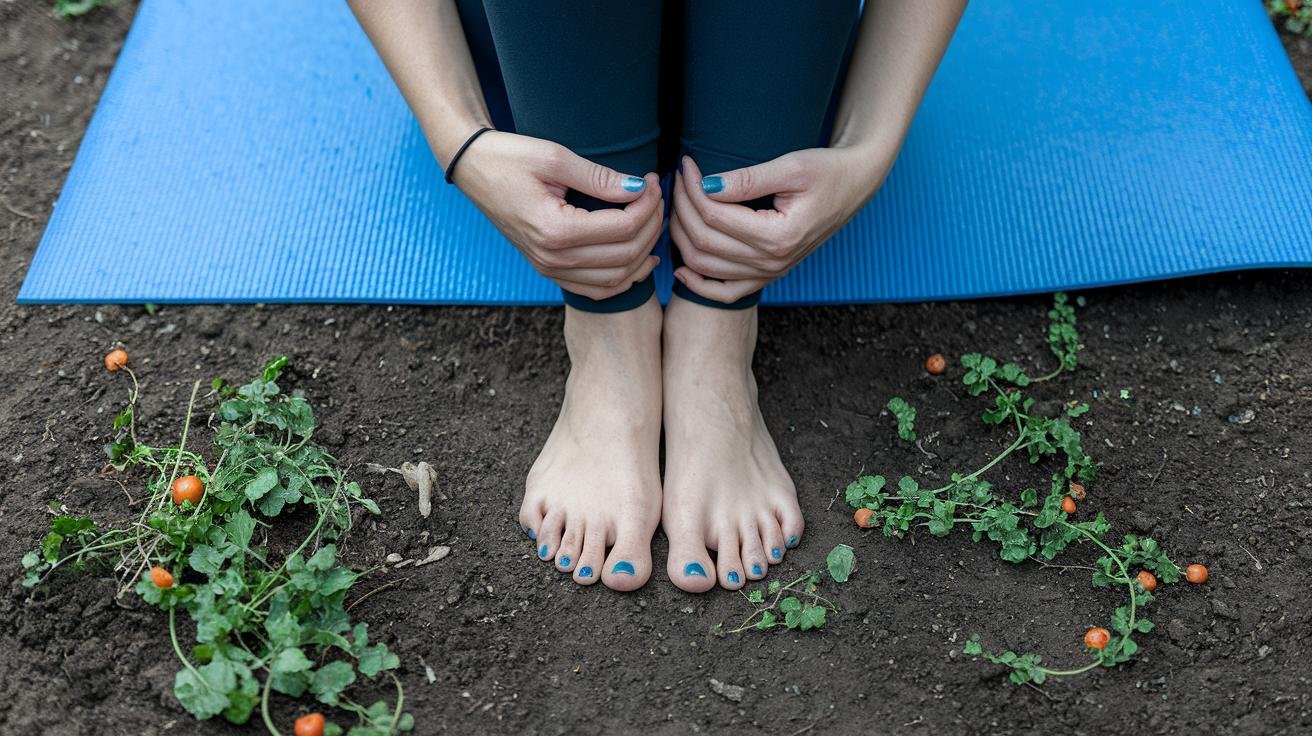
One short habit: spend about 10 minutes barefoot on clean grass or soil each day, then eat a mineral-rich bite. The cool, earthy feeling under your feet and the crunch of a mineral-rich snack both nudge your body toward balance.
- Key foods: fermented vegetables (sauerkraut, kimchi), seaweed, leafy greens, and root vegetables. These give trace minerals and fiber that feed your gut microbes.
- Simple habit: set a phone note that says: "10 min barefoot + a bite of sauerkraut at lunch." Small steps add up.
Movement & Restorative Practices
Easy, named practices you can drop into a busy day. Short, clear, and grounded in how the body actually feels.
- Conscious walk , 10 minutes: walk slowly, match steps to breath, notice your feet on the earth.
- Mini tai chi flow , 8–12 minutes: soft, slow forms to loosen shoulders and hips. Feels like a warm river through tight spots.
- Somatic breaks , 2–4 minutes: spinal rolls, hip circles, and breath-coordinated reaches at your desk.
- Restorative poses: legs-up-the-wall 10 minutes, supported bridge 5 minutes, long child’s pose 8 minutes.
Micro-session example: 5 minutes of spinal rolls, 10 minutes of a conscious walk, then 10 minutes legs-up-the-wall. Relax. Breathe.
Plant Medicine Ceremonies: cautious practice and integration
This is a sensitive area. Treat it carefully. Only explore plant medicine with trained, accountable facilitators and after thorough screening.
- Legal status: laws vary by place. Check local regulations before you consider anything.
- Safety screening: look at heart disease, uncontrolled blood pressure, personal or family history of psychosis, current psychiatric meds (especially SSRIs), pregnancy, and possible drug interactions. A medical review is advised.
- Session standards: trained facilitator, clear informed consent, a sober sitter or clinician present, a comfortable setting, and a plan for medical support if needed.
- Integration practices: structured journaling, follow-up work with a licensed therapist experienced in psychedelic-assisted care, breathwork, somatic movement, and a slow return to daily routines.
- Practical precautions: avoid alcohol and other psychoactives before and after a session, arrange safe transport home, and plan a quiet rest day afterward.
A simple intention prompt: "I want to sit with this feeling and learn from it."
Morning routine idea: 10 minutes barefoot plus a brief box-breathing reset (see earlier) plus a 10-minute conscious walk.
Evening routine idea: 10 minutes legs-up-the-wall and 5 minutes journaling to integrate the day.
Regenerative Wellness Practices For Thriving Health

-
Morning
- Sun exposure: Get 5 to 15 minutes of low-angle sunlight on your face and chest within 30 to 60 minutes of waking. This helps reset your internal clock and nudges you awake.
- Example: "Step outside within an hour of waking and face the soft morning light for 10 minutes. Feel the gentle warmth on your chest as you breathe."
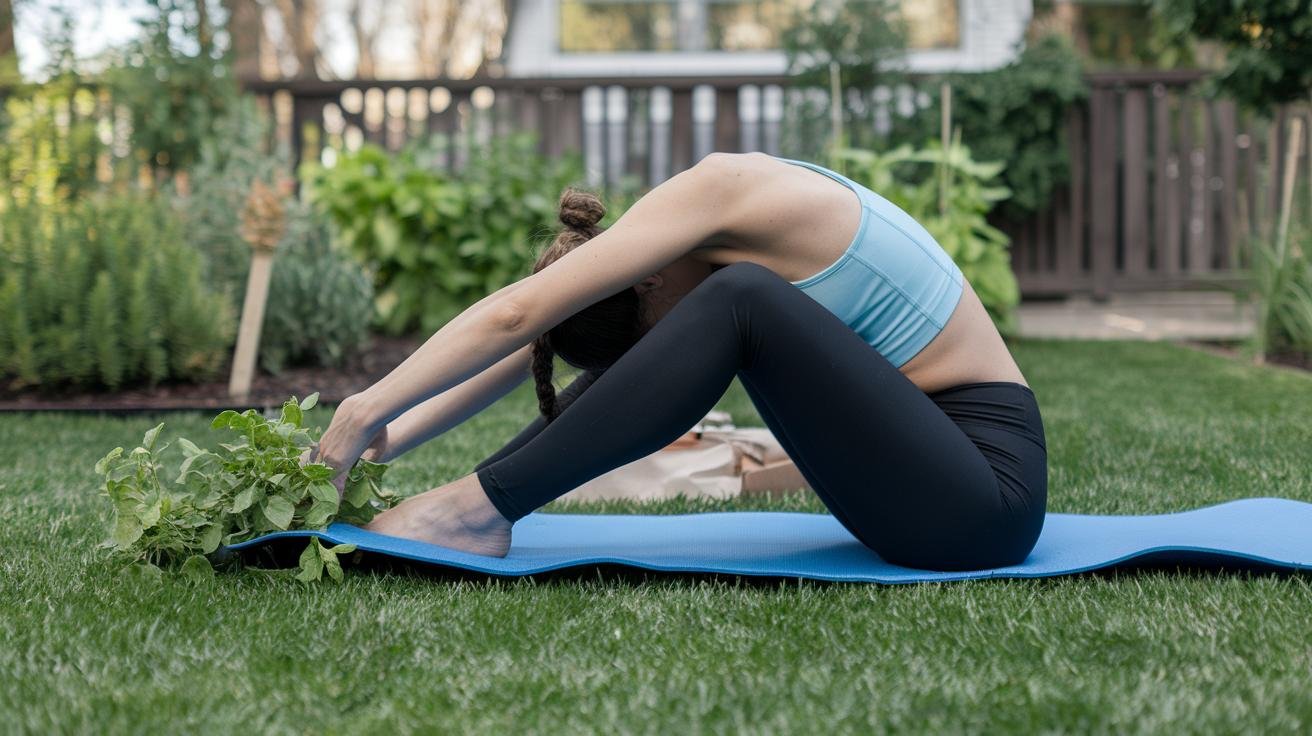
- Grounding: Spend about 10 minutes barefoot on clean grass or soil most days. If you can’t go outside, rest bare hands on a potted plant or a patch of earth.
- Example: "Stand barefoot on the lawn for ten minutes and notice the cool, slightly damp earth under your feet."
- Breathwork: Do 5 to 10 minutes of simple breathwork to center your energy. Try box breathing (4-4-4-4) or slow diaphragmatic breaths.
- Example: "Try four slow counts in, hold four, four out, hold four , repeat five times to clear morning fog."
- Sun exposure: Get 5 to 15 minutes of low-angle sunlight on your face and chest within 30 to 60 minutes of waking. This helps reset your internal clock and nudges you awake.
-
Day
- Movement breaks: Every 90 to 120 minutes, take 2 to 5 minutes to move. Do spinal rolls, hip circles, gentle lunges, or mindful standing stretches to boost circulation and stop stiffness.
- Example: "Set a gentle timer: every two hours stand up, rotate your hips, roll your spine, and breathe for three minutes."
- Circadian-aligned eating: Pick a consistent eating window, like eight hours. Aim to eat your first meal within 1 to 2 hours of waking and finish your last meal 2 to 3 hours before bed to support digestion and rhythm.
- Example: "If you wake at 7 a.m., try eating between 9 a.m. and 5 p.m., and close the kitchen a couple hours before sleep."
- Midday breathwork (optional): Take a 2 to 5 minute reset to lower stress and sharpen focus. Small pauses add up.
- Movement breaks: Every 90 to 120 minutes, take 2 to 5 minutes to move. Do spinal rolls, hip circles, gentle lunges, or mindful standing stretches to boost circulation and stop stiffness.
-
Evening
- Digital detox and wind-down: Start screen-free time 60 to 90 minutes before bed. Swap scrolling for reading, journaling, restorative yoga like legs-up-the-wall, or slow breathwork to lower alertness and cue rest.
- Example: "Turn off screens 90 minutes before bed, lie on your back with legs up the wall, and breathe slowly for ten minutes."
- Short evening breathwork: A calming 5 to 10 minute diaphragmatic round helps ease you into sleep. Relax the shoulders. Soften the jaw.
- Digital detox and wind-down: Start screen-free time 60 to 90 minutes before bed. Swap scrolling for reading, journaling, restorative yoga like legs-up-the-wall, or slow breathwork to lower alertness and cue rest.
Customize this checklist to fit your life. Shorten or expand steps, shift timing around work and family, and combine practices that feel natural. Want a quick tip? Start with one small habit for a week, then add another. Slow and steady wins here.
Case Studies and Practitioner Insights on Regenerative Wellness Practices
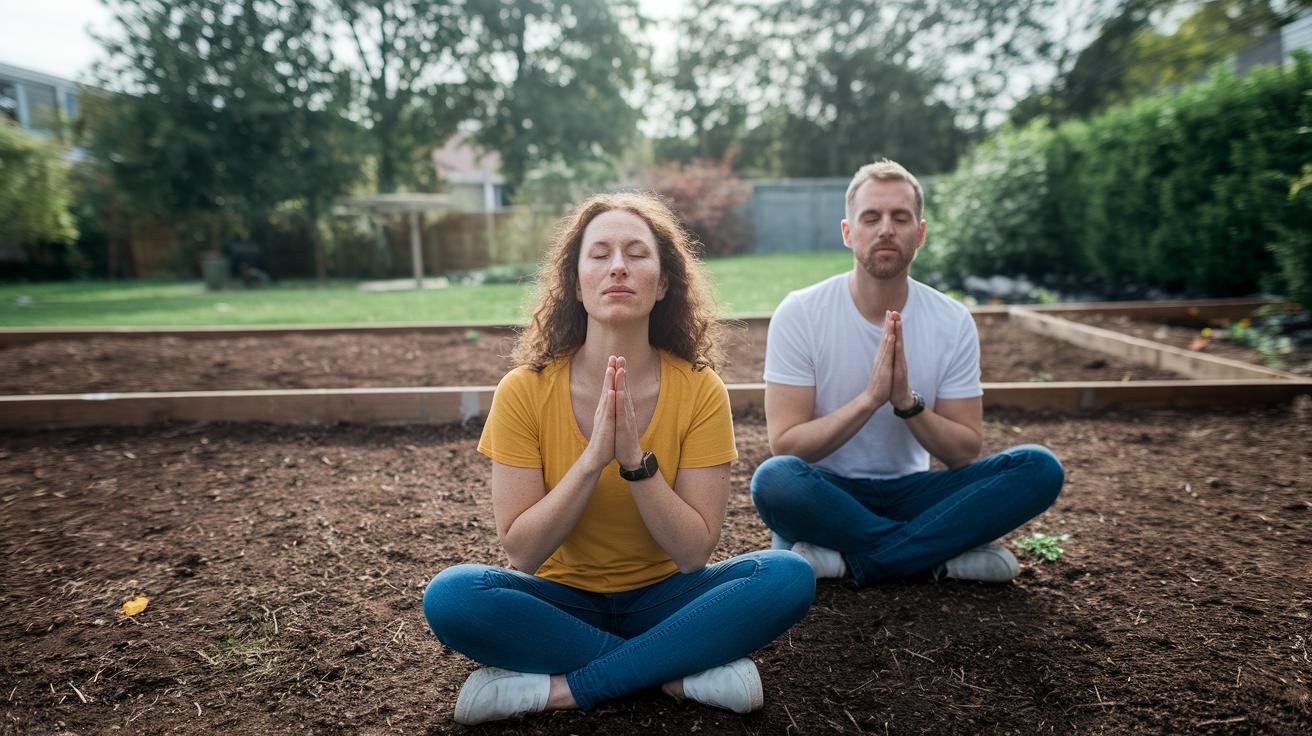
Here’s one clear example. A 45-year-old client did daily breathwork and soil therapy (hands-on time with healthy garden soil) for eight weeks. Their salivary cortisol (a stress hormone measured in saliva) dropped about 25%, and reported sleep quality improved roughly 30%. Small habits. Big shifts.
In a community garden program, folks who planted regularly, ate shared meals, and joined guided breath sessions saw mood scores rise about 20% over 12 weeks. Think simple routines: digging in cool earth, chatting over a warm bowl, then a short breathing practice. Have you ever noticed how that kind of day can reset your outlook?
Dr. Jane Smith at the Regenerative Wellness Institute says combining plant-medicine protocols with somatic work (body-focused therapy) often speeds both emotional and physical recovery. She urges careful medical screening, slow-paced integration sessions, and pairing psychedelic-assisted work (when used) with breathwork, movement, and follow-up therapy. Slow it down. Reduce risk. Track basics, sleep, mood, stress markers, so you can tune care as you go.
If you’re moving toward a career in this field, look for certification paths like the Regenerative Wellness Practitioner program. These teach theory, protocol design, and supervised practica. Core topics usually include safety screening, informed consent, somatic techniques, ethics, and community-centered program design.
Oh, and here’s a neat trick: document outcomes from day one. Painless notes, simple sleep logs, mood check-ins, and a few stress-marker readings, make your work visible to clinics and insurers. Policy advocates are pushing for clearer practice standards and reimbursement pathways, so practitioners who track results and partner with local health systems will be ready for that shift.
🎁 Get a Free Wellness Gift
Enter your name and email below to receive a special wellness gift from OlyLife — absolutely free!
Building Sustainable Communities with Regenerative Wellness Practices
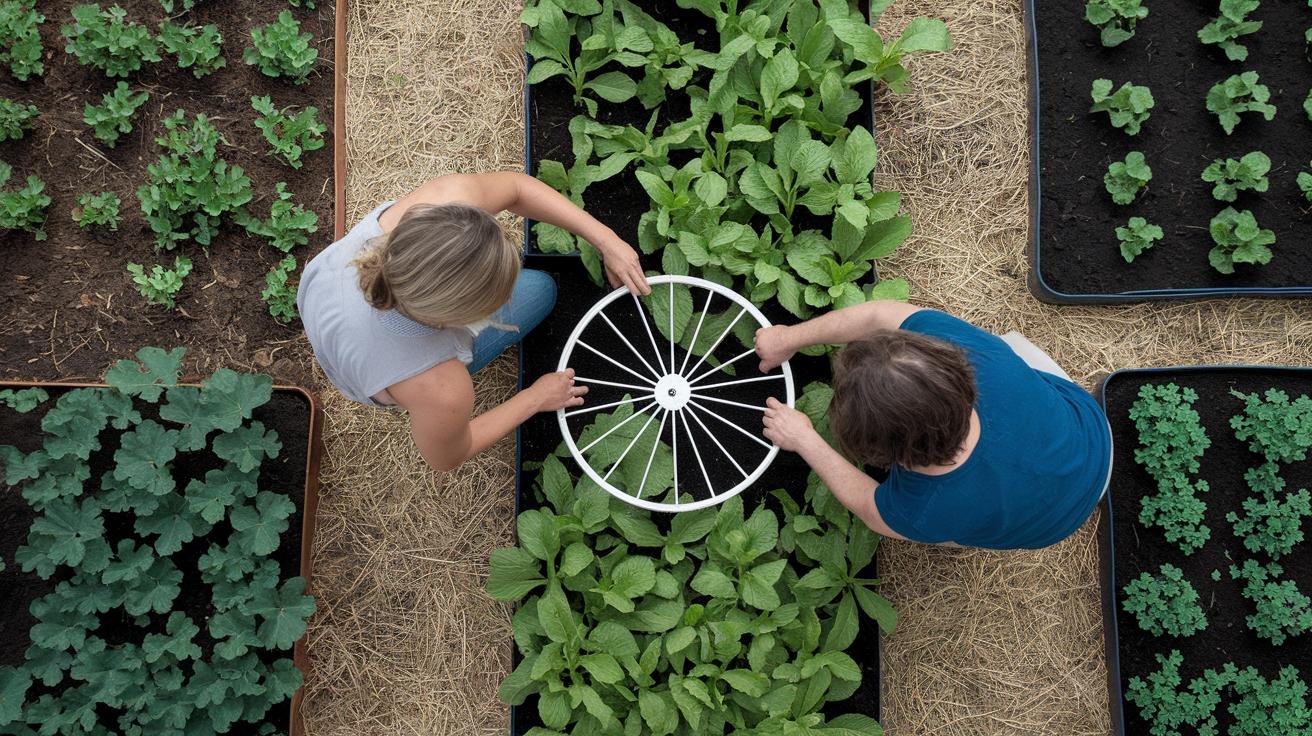
Community models like healing circles and garden-to-table programs give neighborhoods simple, repeatable ways to bring regenerative wellness home. They’re practical and human, think warm tea, a circle of chairs, and the scent of fresh soil after a rain. Small actions add up.
For step-by-step how-tos, running healing circles, hosting garden-to-table workshops, and the ecological-journaling prompt list, see the Case Studies / Community Programs subsection. That section breaks each model into clear, doable steps so you can copy what works.
Try a monthly healing circle. Light soft lamps or candles, pass a pot of tea, lead a short guided breath, and invite people to share one insight from a wellness wheel. Then cook or share a simple harvest meal together. It’s grounding. Relax.
Run seasonal garden-to-table workshops too. Teach soil care with hands-on digging, show basic cooking with what you’ve grown, and talk about composting. Oh, and here’s a neat trick: pair the workshops with a short seed-saving demo to keep the benefits going.
Keep individual how-tos short here and point people to other sections for details. For quick breath resets and barefoot practices, see the Routines and Breathwork sections. Use a simple mapping tool like the wellness wheel (https://olylife.international/?p=1319) to track physical, social, and environmental health, then bring those insights back to your group.
Want to start small? Begin with one circle and one workshop this season. You’ll learn fast, build trust, and the community will grow, one cup of tea at a time.
Future Trends and Research Directions in Regenerative Wellness Practices

Recent clinical work is showing real promise. Platelet-rich plasma (PRP) , which uses a concentrated mix of your own blood platelets to help healing , has led to about 30 to 45 percent better tissue repair over 12 weeks in trials. And phase II (mid-stage clinical) studies of extracellular vesicle therapies , tiny cell messengers that carry repair signals , report improved cellular repair in muscle and joint injury models. It feels a bit like a warm sunrise waking up tired tissue.
Clinics are starting to blend these biological tools with everyday wellness. At the same time, wearable sleep trackers and heart-rate variability (HRV) biofeedback (HRV measures how well your nervous system recovers) let us watch recovery in real time. Think of the trial data and continuous monitoring as a shared map. Clinicians read the map, and you follow a personalized path.
That’s where personalized wellness plans come in. Using trial results plus sleep and HRV trends helps shape when to schedule treatments, how to pace activity, and which supportive habits to adopt. For example, timing a session so it lines up with your best sleep window or easing back into workouts over a few days can make a big difference. Oh, and small changes add up.
Policy is shifting too. The NIH and WHO are reviewing frameworks that could fold some regenerative protocols into public health guidance by 2026. If you’re a practitioner and want to be ready, start simple. Track outcomes the same way every time, learn to read basic biometric reports, pilot a small community program, and document safety and consent steps clearly.
Partner with local clinics and share de-identified results so the evidence grows. Train your team on practical screening and consistent follow-up, and give clients straightforward, jargon-free education. In truth, thoughtful, measured steps now will help communities adopt these tools safely and responsibly.
結語
We moved straight into action: clear definitions, the science behind cellular repair, and hands-on methods like breathwork, soil-inspired nutrition, somatic movement, and circadian alignment.
You saw evidence and real-world examples, how daily routines, targeted techniques, and community work lower stress and lift sleep quality.
Try folding regenerative wellness practices into short daily habits, morning sun, grounding, 5–10 minutes of breathwork, screen-free evenings, and watch tension ease, soreness fade, and sleep deepen. Small steps, steady progress, and a hopeful pulse forward.
常問問題
常見問題解答
What are regenerative practices and what is regenerative wellbeing?
Regenerative practices and regenerative wellbeing are holistic methods that renew body, mind, and local environment by aligning sleep and light, supporting microbial diversity, reducing stress, and building long-term resilience.
What are the four types of regenerative therapies?
The four common types of regenerative therapies are platelet-rich plasma (PRP) injections, stem cell–based treatments, prolotherapy (injective repair), and extracellular vesicle or tissue-engineering approaches for tissue restoration.
What is regenerative injection therapy (prolotherapy)?
Regenerative injection therapy, called prolotherapy, uses targeted injections to provoke a mild healing response, increase growth-factor signaling, and strengthen injured ligaments, tendons, or joint tissues over several weeks.
How does cellular regeneration therapy work?
Cellular regeneration therapy works by replacing or stimulating cells to repair tissue, using growth factors, stem cells, or extracellular vesicles to reduce inflammation and promote structural healing and function.
Where can I find reputable regenerative medicine centers or research labs?
Reputable regenerative medicine centers and labs live in academic hospitals, specialty institutes, and university research centers; check for board-certified clinicians, peer-reviewed publications, and registered clinical trials.
How does regenerative care differ from standard medical care?
Regenerative care focuses on restoring function by activating innate repair systems, lifestyle shifts, and ecosystem health, whereas standard care often centers on symptom relief, surgery, or chronic disease management.
What are the five pillars of holistic wellbeing?
The five pillars of holistic wellbeing are nourishing movement and recovery, anti-inflammatory nutrition, sleep and circadian alignment, stress-resilience practices, and community plus environmental stewardship.