Ever feel like your self-care is doing the opposite, leaving you more scattered than steady? You’re not alone.
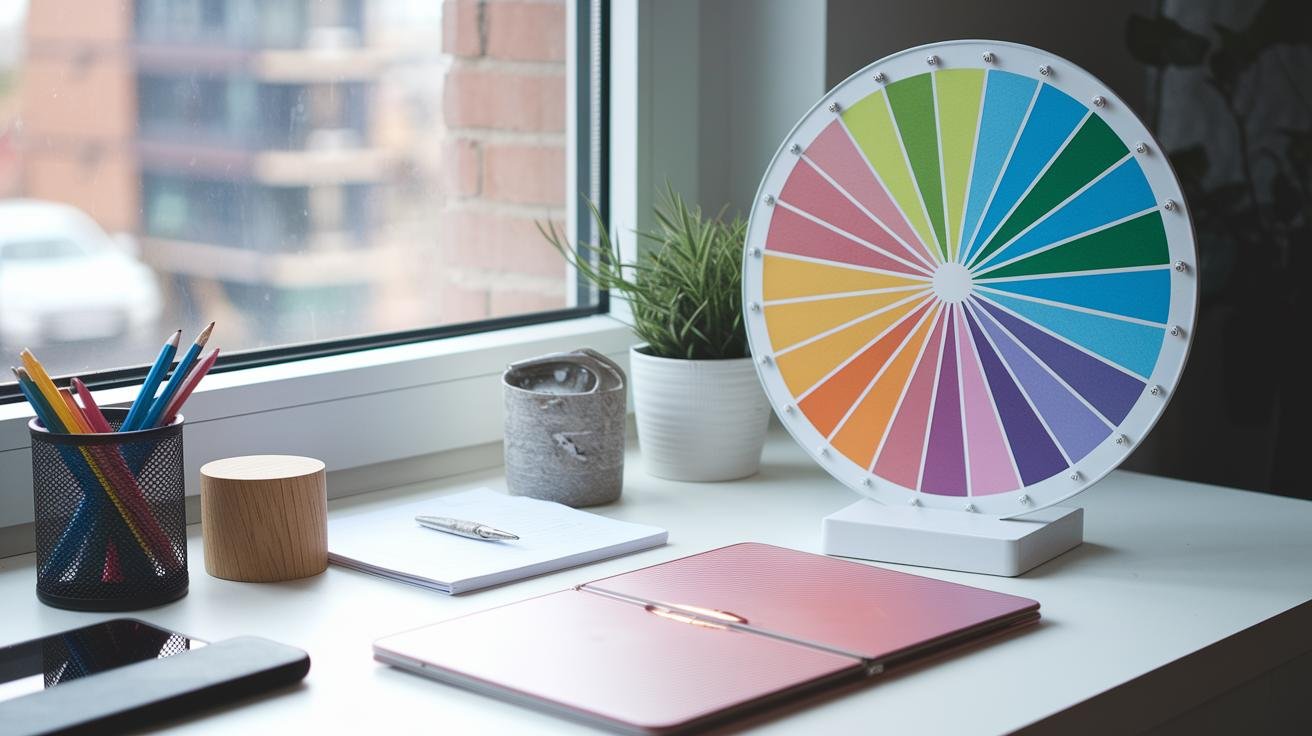
The wellness wheel is a simple circle divided into eight slices: social, emotional, physical, intellectual, spiritual, environmental, financial and occupational. It gives you a quick, visual snapshot of what’s full and what needs a little attention.
Think of it like checking your tire pressure before a long drive. One low slice can make the whole ride wobble.
Pick one tiny, doable step for your smallest slice, like five minutes of movement, a quick phone call, or a single deep breath, and track it. Small lifts like that raise your overall balance and bring more calm.
This tool helps you build balanced self-care you can actually keep up with today. Oh, and here’s a neat trick: write down one small action right now and try it within 24 hours. Relax. Breathe.
Comprehensive Guide to the Wellness Wheel: Definition, Purpose, and Core Components
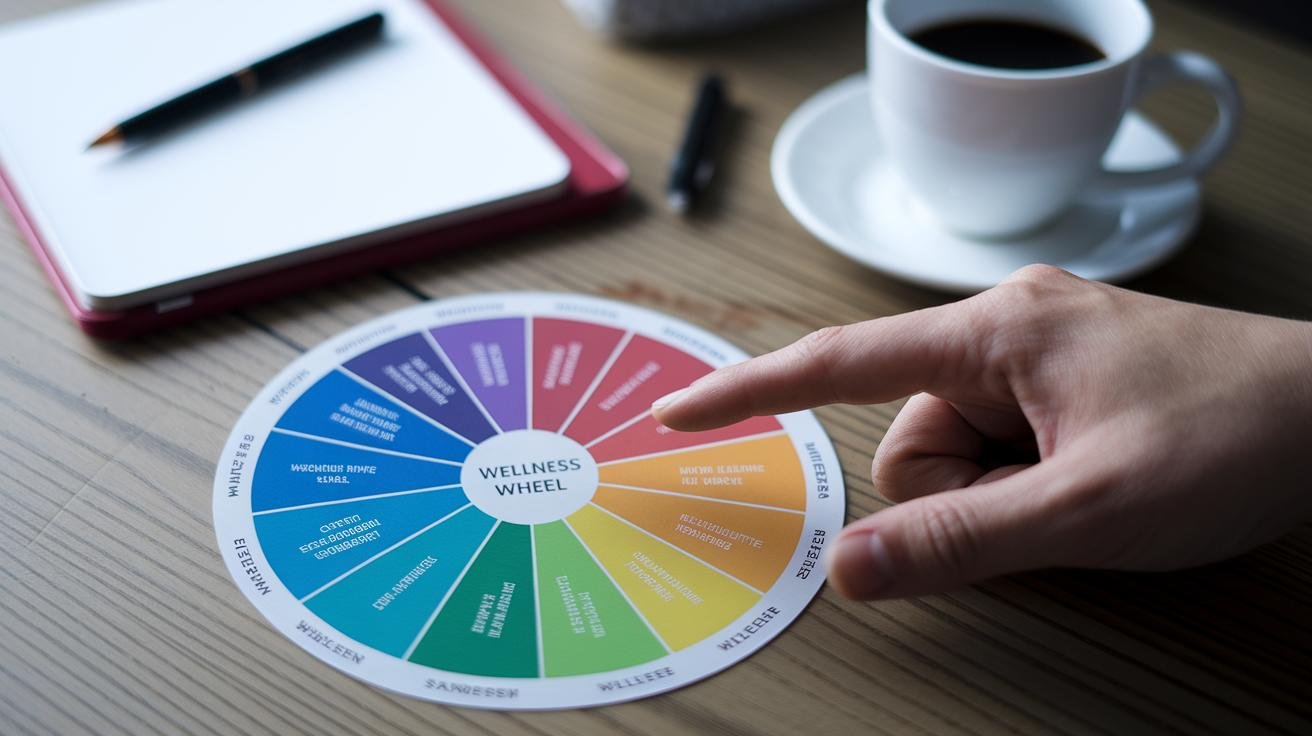
A wellness wheel is a simple, visual tool that helps you see and balance eight key areas of life by arranging them like equal slices of a circle. It shows where you’re strong and where a small change, like a short walk or a weekly phone call, can lift your overall well-being. Think of it as a quick snapshot of how full your life feels.
Dr. Bill Hettler’s six-dimension model from the late 1970s grew into the wellness wheel we use today after people added financial and environmental health to reflect real life. The wheel makes trade-offs obvious: if one slice is tiny, the whole circle looks off and you may feel less settled or sure of yourself. Have you ever looked at your wheel and felt one slice calling for attention? Me too.
Core domains (rate each 1–10 for a self-check):
- Social: friendships, belonging, and your support network. Small social steps, like a text or coffee, go a long way.
- Emotional: how you handle stress, process feelings, and keep relationships healthy. Notice patterns more than perfection.
- Spiritual: your purpose, values, and sense of meaning. This isn’t only religion, it can be nature, art, or a steady practice.
- Intellectual: curiosity, learning, and creative problem solving. Read, tinker, or try a new hobby.
- Physical: movement, sleep, food, and basic self-care. Little daily habits add up, walks, naps, better food.
- Environmental: how your home and work spaces feel, safe, calm, and inspiring. A tidy corner can feel like a breath of fresh air.
- Financial: money habits, planning, and peace of mind about the future. Even small budgets and simple plans ease stress.
- Occupational: satisfaction, growth, and balance in your work life. Meaning matters as much as pay.
Sketching your wheel takes minutes and gives a clear, whole-person picture you can actually use. It works for coaching, classrooms, or solo self-care. Oh, and here’s a neat trick: pick one small move for the smallest slice and track it for a week. Next, plan realistic steps and set regular check-ins with yourself or a team. Little progress adds up.
Recognizing the Benefits of a Balanced Wellness Wheel

A balanced wellness wheel gives you a clear, honest snapshot. When the slices are more even, people usually sleep a bit better, handle stress more calmly, and keep steadier energy through the day. It’s like sunlight spreading evenly across a room, warming everything rather than leaving cold spots.
Those quiet wins, like sleeping a little more or calling a friend, add up into real change. Working on one slice often builds resilience that lifts other areas of your life. Have you ever noticed that fixing one small thing can make other parts feel easier? Oh, and here’s a neat trick: name one tiny win each week.
Try short experiments to see what helps you. Do a one-week micro-trial, or focus on one habit for a month, then notice how your energy, mood, and each slice shifted. You’ll get quick feedback and steady, medium-term growth, kind of like tuning a radio until the signal comes in clear.
Practical example: "I’ll walk 10 minutes after lunch each weekday for 14 days, then reassess how my energy and mood feel and which slices shifted."
Breaking Down the Eight Dimensions of the Wellness Wheel
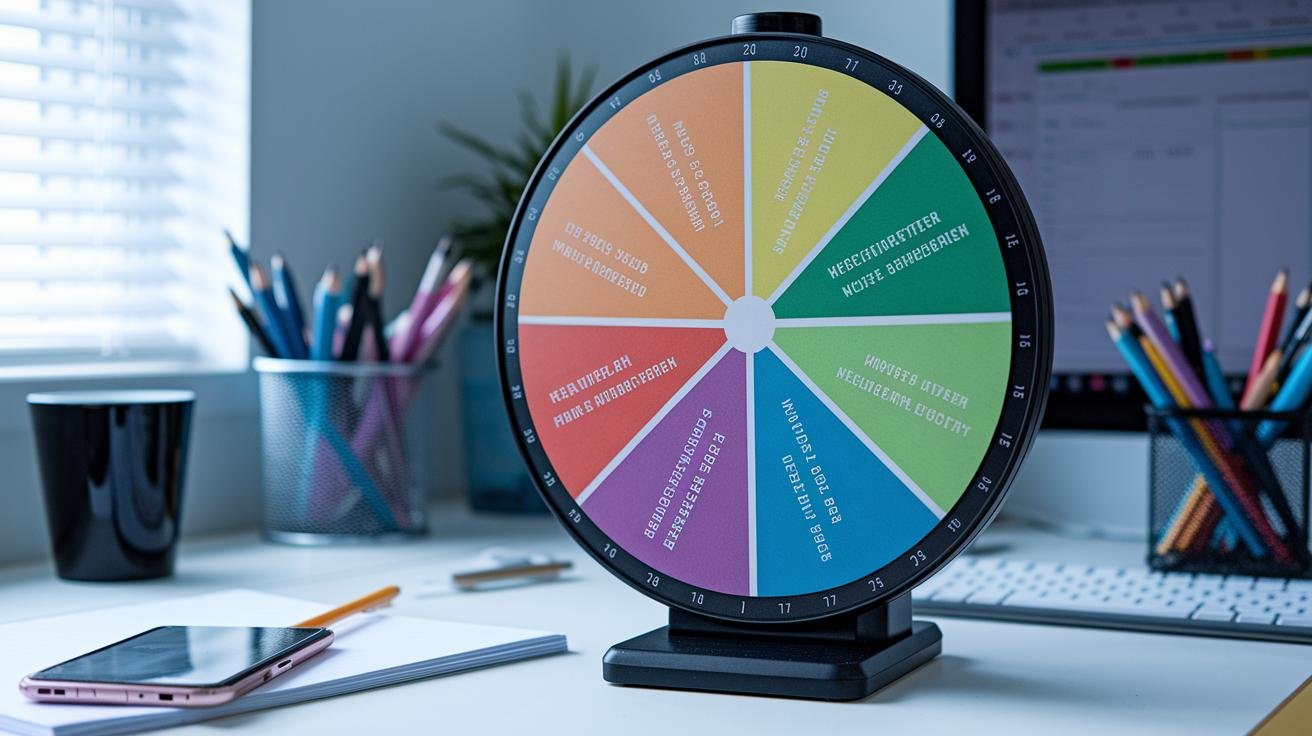
Picture the wellness wheel as a round garden with eight beds. Each bed needs a little different care. Tweak one bed and the others often perk up.
-
Physical (physical fitness slice)
Diagnostic: How refreshed do you feel after sleep and movement?
7-day micro-experiment: Take a 10-minute brisk walk after lunch for five days. Think of it like a mini reset that loosens your shoulders and clears your head.
Measurable goal: Walk 10 minutes after lunch, 5 days.
Example: “I notice my shoulders drop and my head clears.” -
Emotional (emotional health quadrant)
Diagnostic: How quickly do you bounce back after a hard moment?
7-day micro-experiment: Each evening name one feeling and jot down what triggered it.
Measurable goal: Journal emotion and trigger 5 nights. -
Social (social connection segment)
Diagnostic: When did you last feel truly heard by someone?
7-day micro-experiment: Send a short check-in message or schedule a 15-minute call. A quick ping can warm a friendship like sunlight on a porch.
Measurable goal: Reach out to a friend or family member 3 times this week. -
Intellectual (intellectual growth axis)
Diagnostic: Did you learn or play creatively today?
7-day micro-experiment: Spend 15 minutes on a puzzle, podcast, or craft each day. Treat it like stretching your mind.
Measurable goal: 15 minutes of intentional learning, 5 days. -
Spiritual (spiritual wellbeing sector)
Diagnostic: What gave your day meaning today?
7-day micro-experiment: Five minutes of quiet, listening to nature, or a guided breath each morning. Imagine a warm sunrise waking up your cells.
Measurable goal: 5 minutes daily of mindful breath or a nature pause, 7 days. -
Occupational (career satisfaction quadrant)
Diagnostic: Do your tasks match your strengths and limits?
7-day micro-experiment: Block one focused 45-minute work session and do a 15-minute boundary check at day’s end.
Measurable goal: One focused work block plus one end-of-day boundary check, 4 days. -
Environmental (environmental harmony slice)
Diagnostic: Does your space help you relax or does it distract you?
7-day micro-experiment: Tidy one small zone for 10 minutes each day, desk, shelf, or plant corner. A neater corner feels like breathing room.
Measurable goal: 10 minutes of space care, 5 days. -
Financial (financial stability sector)
Diagnostic: Could you handle an unexpected $100 expense right now?
7-day micro-experiment: Spend 20 minutes reviewing one simple budget line and set a small savings goal.
Measurable goal: One 20-minute money check and a small transfer to savings this week.
Scoring and tracking: Rate each domain 1–10 (1 = needs lots of care, 10 = thriving). Track daily or weekly, then average the seven days to see patterns. Aim to raise any domain by 1–2 points over two weeks. Small steady steps win.
| Day | Physical | Emotional | Social | Intellectual | Spiritual | Occupational | Environmental | Financial |
|---|---|---|---|---|---|---|---|---|
| Mon | ||||||||
| Tue | ||||||||
| Wed | ||||||||
| Thu | ||||||||
| Fri | ||||||||
| Sat | ||||||||
| Sun |
Example case: Jane’s completed wheel and her two-week plan. She averages her week and gets: Physical 6, Emotional 5, Social 4, Intellectual 7, Spiritual 5, Occupational 6, Environmental 4, Financial 5. She decides to target Social and Environmental.
Week 1 plan: Social – send 3 quick check-ins; Environmental – do a 10-minute tidy of her desk, 5 days.
Week 2 plan: Social – schedule one 20-minute catch-up call and keep sending 2 check-ins; Environmental – add a plant spot and keep the 10-minute tidy 5 days.
Track weekly averages and compare. After two weeks Jane’s Social moves 4 → 6 and Environmental 4 → 6. Nice. Clear, measurable shifts.
Self-assessment tools
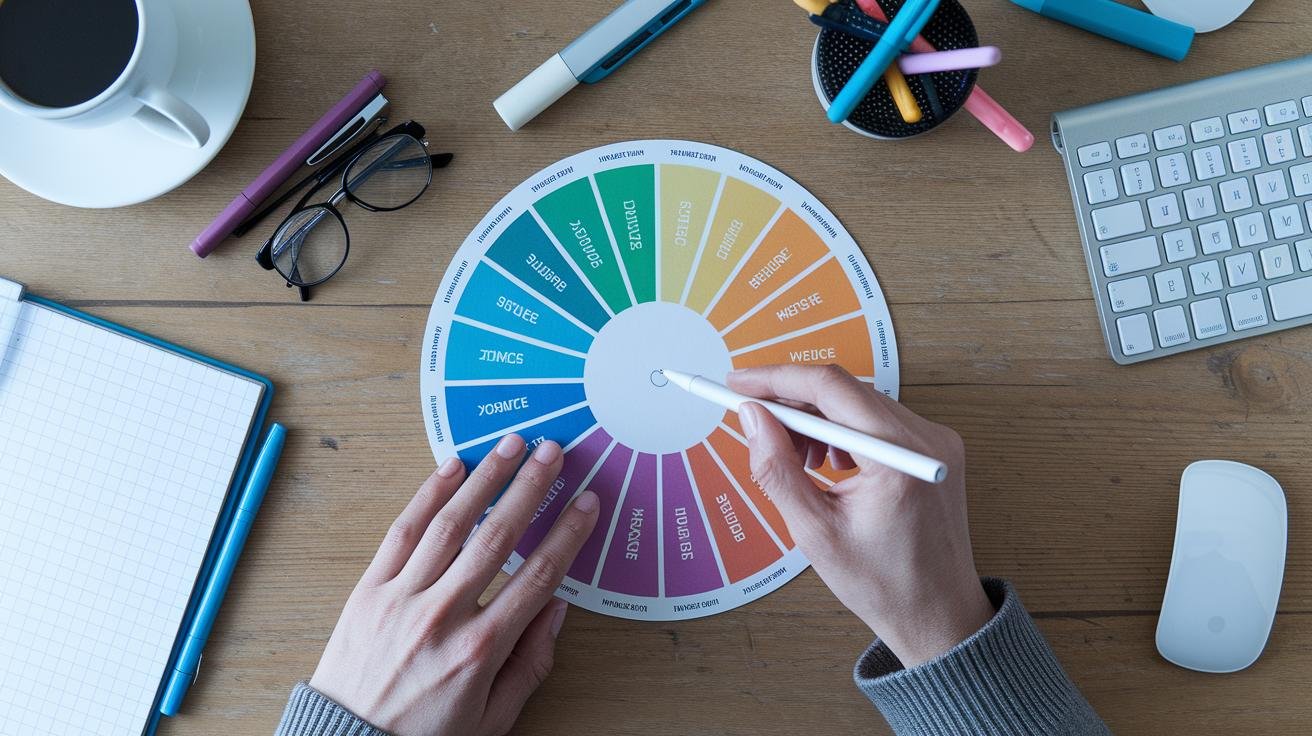
Think of this as a simple weekly check-in for your well-being. It’s quick, honest, and helps you spot small changes before they grow. Ready?
-
Rate each domain 1-10 and add a one-line note – for example, "Sleep: 6 – woke once, energy low midday." Keep it short and specific. A sentence or two is enough to remember why you picked that number.
-
Keep one printable chart and one digital copy for weekly checks – for example, "Wellness Chart Week 12 (print)" and "Wellness Chart Week 12 (phone photo)." The paper version gives a clear view; the photo or note on your phone makes it easy to track over time.
-
Try one 7-14 day micro-experiment on 1-2 dimensions – for example, "Experiment: 10-minute post-dinner walk for 10 days; note energy and mood." Small tests tell you a lot. Ten days can reveal whether a tiny change really helps.
Use two quick prompts at each check-in: "What felt good this week?" and "What would I like less of?"
Example: "What felt good this week? – Morning stretch eased my neck." Short, simple, honest.
If any domain is 5 or below, pick one tiny, scheduled action you can do this week – a one-step recipe.
Example: "Neck: 2-minute shoulder rolls each morning (set phone reminder)." Tiny. Timed. Doable.
Keep one visual at-a-glance tool – a colored wheel or an app works great. Then do a five-minute nightly reflection: note one shift and one next step.
Example: "Tonight: calmer breathing; tomorrow I'll add one extra minute of mindful exhale." Small wins add up.
Oh, and one last thing: treat this like a conversation with yourself. Be curious, not critical. What’s one tiny thing you’ll try this week?
健康輪促進平衡的自我護理
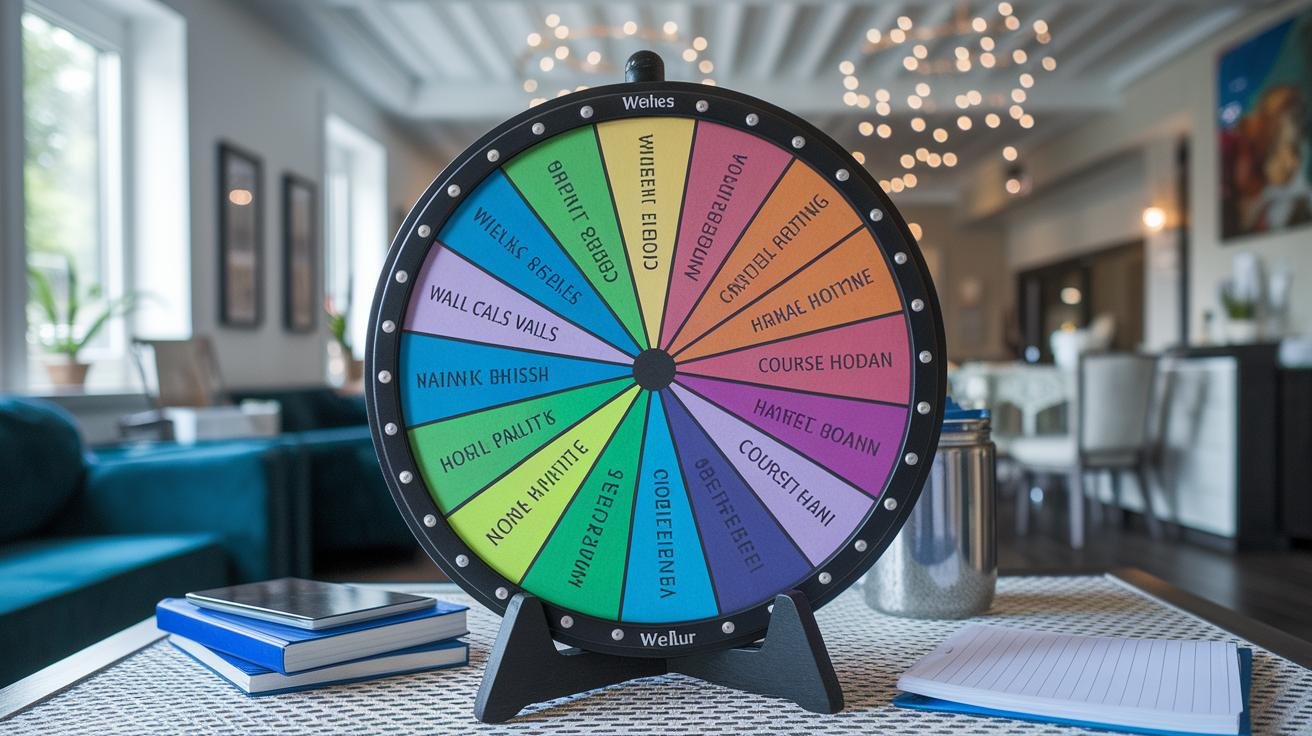
Try a 7-14 day SMART micro-trial. Pick one or two domains to focus on and use the default: 10 minutes a day, 5 days a week. Run it for one week (5 sessions) or two weeks (10 sessions). Track each session and jot a single quick observation.
| Domain | One-line SMART example | Track (5 or 10 boxes) |
|---|---|---|
| Physical | 10-minute brisk walk at lunch, Mon-Fri, for 7-14 days. | ⬜ ⬜ ⬜ ⬜ ⬜ (add 5 more for 14 days) |
| Social | 10-minute phone call or voice note to a friend, 5 days this week. | ⬜ ⬜ ⬜ ⬜ ⬜ |
| Emotional | 10 minutes of evening journaling: one feeling and one trigger, 5 days. | ⬜ ⬜ ⬜ ⬜ ⬜ |
| Intellectual | 10-minute focused reading or short lesson, Mon-Fri, for 7-14 days. | ⬜ ⬜ ⬜ ⬜ ⬜ |
| Spiritual | 10-minute guided breath or quiet reflection each morning, 5 days a week. | ⬜ ⬜ ⬜ ⬜ ⬜ |
| Financial | 10-minute money check: quick budget glance and one tiny transfer, 5 sessions. | ⬜ ⬜ ⬜ ⬜ ⬜ |
Quick notes:
- Mark a box each session and write one-word notes like "calmer," "energized," or "tired."
- Oh, and a neat trick: keep your notes right on your phone so it feels effortless.
- Example observation: "Felt calmer after three walks."
After the trial, compare how you felt with the detailed domain entries. Which habit felt easiest? Which one made the biggest difference? Then pick next steps: keep it, tweak it, or try a new domain.
🎁 Get a Free Wellness Gift
Enter your name and email below to receive a special wellness gift from OlyLife — absolutely free!
健康輪促進平衡的自我護理
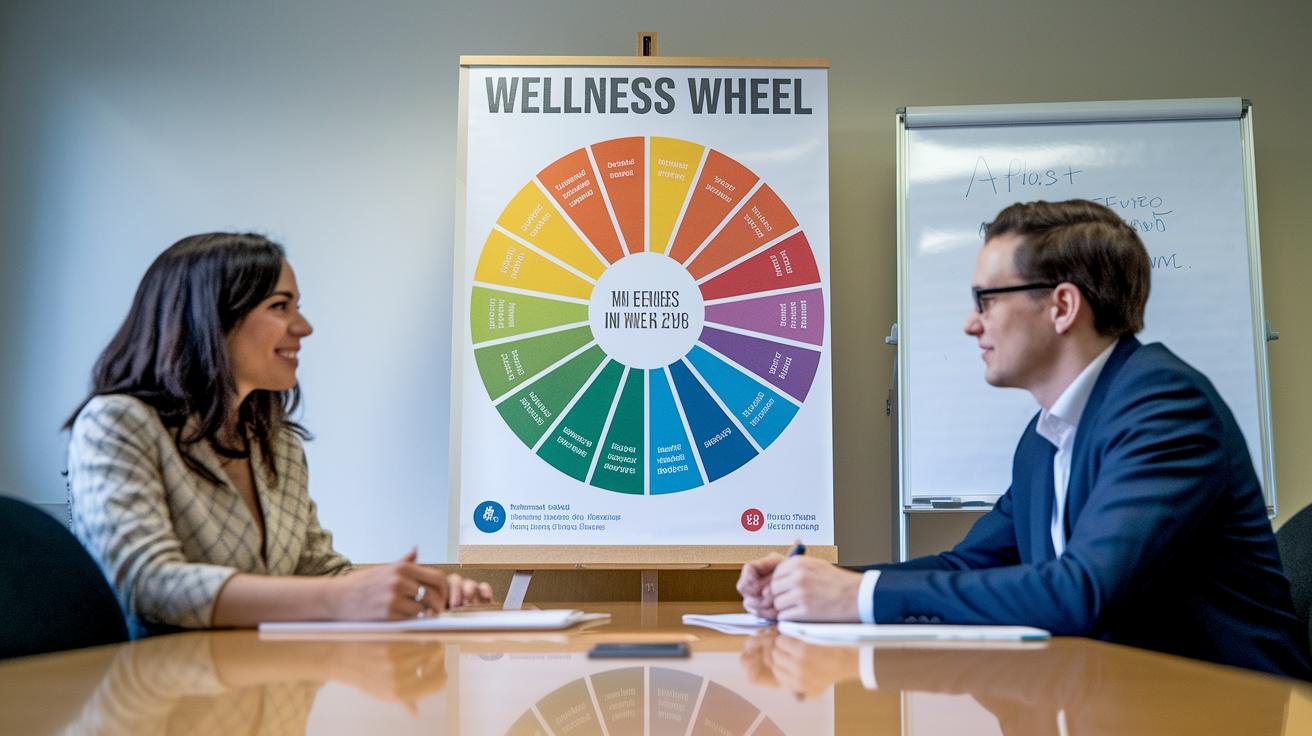
Real, measurable change shows up when groups and coaches use the wellness wheel as a shared map. A small physical therapy clinic ran weekly coaching-wheel sessions with chronic pain clients and saw average pain medication use drop about 20 percent over eight weeks. Mobility scores also improved. Simple shifts, short walks and nightly breathing exercises, made a real difference.
A mid-sized startup tried a corporate wellness model where teams spent 30 minutes each week rating their wheel and setting one team goal. Over six months sick days fell by about 10 percent and employee-reported work satisfaction rose 12 percent. Team check-ins helped people notice how one person’s small habit change eased team stress. Ever felt a tiny tweak lighten everyone’s load?
Community groups get creative with a community balance wheel. One neighborhood wellness circle added the wheel to monthly meetups and grew volunteer retention by 18 percent within a year. Folks said the wheel gave a gentle structure for talking about needs without feeling awkward. It made conversations feel as natural as passing a cup of tea.
Coaches say the tool really shines in one-on-one work. In one session a client boosted both their occupational and social slices by making two small moves: a networking coffee and a clear end-of-day boundary. After eight weeks their job satisfaction and social check-ins both improved. Think of the wheel like a map showing which patch needs watering.
A senior program focused on the support network slice and introduced weekly phone buddy matches plus a tiny activity plan. Loneliness scores dropped and participants said they felt safer and more connected. Small, steady actions mattered, a lot.
The wheel helps teams and individuals spot where tiny, steady action will ripple outward, like sunlight on a few thirsty plants. Oh, and here’s a neat trick: start with one small habit and build from there. Relax. Breathe. Try it.
Printable Templates and Resources for Your Wellness Wheel Practice
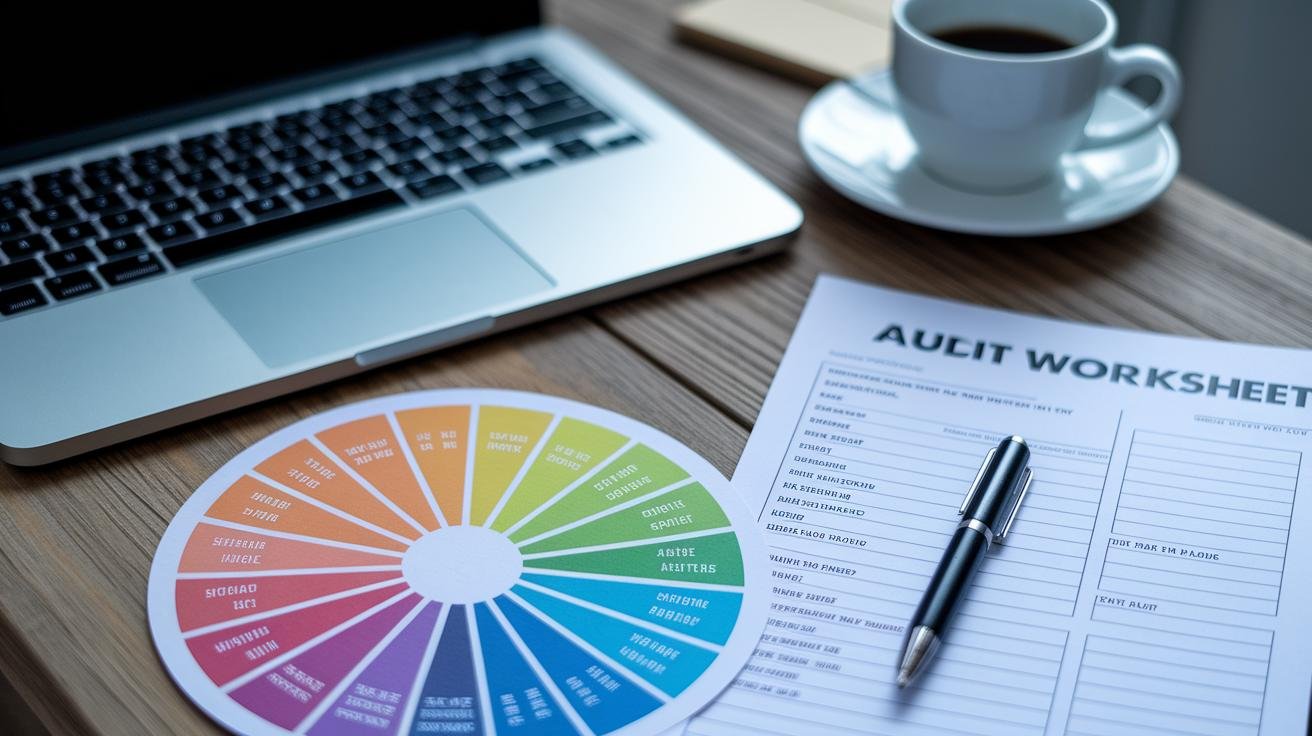
Printable wheel templates give you a fast, tactile way to check in with yourself. Print a PDF (Portable Document Format), color each slice like you’re painting a little pie, and jot a one-line note. Want a quick pulse on your week? This is it.
Editable wheel diagrams work well for coaches and classrooms. You can change labels, save copies, and watch how things shift over time.
- printable wheel template PDF (Portable Document Format): an editable diagram you can print and color for a weekly check-in.
- downloadable wheel kit: a bundle with a one-week tracker, simple prompts, and a sample two-week plan.
- audit worksheet template: reflection prompts, space to rate each area, and a tiny habit checklist.
- alignment chart PDF: maps current scores against ideal targets so you can spot gaps at a glance.
- online wheel builder: customize slices, save versions, and get instant visual feedback.
- daily balance tracker: simple boxes for 7–14 day micro-trials and one-word session notes.
Keep both a paper copy and a quick photo so your progress travels with you. Online builders make tweaking goals and saving progress easy, and some subscription libraries bundle guided meditations and extra supports , over 500 guided items for $69.99 USD per year if you want a richer toolkit. Oh, here’s a neat trick: pick one printable wheel template and try a 7- or 14-day micro-trial. Try it.
結語
We explored the wellness wheel, what it is, its eight life domains, how to score your own chart, practical habits to balance weak slices, plus real-world case studies and printable templates.
Use your ratings to pick one or two slices to tend. Try small habits (a walk, a short journal entry, a budget check) and check in every few months. Oh, and celebrate tiny wins, they matter.
Which slice could use a little care today? Keep it simple, stay curious, and remember the wellness wheel is a gentle map you'll revisit for steadier, calmer days.
常問問題
常見問題解答
What is the wellness wheel?
The wellness wheel is a circular tool that helps you assess and balance eight life domains like physical, emotional, social, spiritual, intellectual, occupational, environmental, and financial wellness.
What are the 8 domains of the wellness wheel?
The eight domains of the wellness wheel are physical, emotional, social, intellectual, spiritual, occupational, environmental, and financial wellness, each showing a part of whole-person well-being to evaluate and improve.
What are the 5 C’s of wellbeing?
The 5 C’s of wellbeing are competence, confidence, connection, character, and caring (compassion). They highlight social and personal strengths that support healthy development and relationships.
How do you fill out a wellness wheel?
To fill out a wellness wheel, rate each domain from 1 to 10, note why you chose that score, pick one or two areas to improve, and set small, specific steps to act on.
Where can I get a wellness wheel PDF, worksheet, or assessment?
You can find wellness wheel PDFs, worksheets, and assessments on trusted health sites, educational portals, coaching blogs, or SAMHSA resources; many are free, printable, and editable for personal or classroom use.
How is the wellness wheel used for students, activities, or SAMHSA programs?
The wellness wheel is used with students and groups as a guided activity: fill scores, discuss strengths, set goals, and practice skills. SAMHSA offers versions aimed at behavioral and recovery supports.
What are the benefits of balancing the wellness wheel?
Balancing the wellness wheel improves resilience, stress management, sleep, and life satisfaction. It boosts self-awareness, shows where to focus, and makes small, steady changes feel meaningful.
How often should I reassess my wellness wheel?
You should reassess your wellness wheel every three to six months or after major life shifts; regular check-ins help track progress, adjust goals, and celebrate small wins.