
Energy healing is one of the oldest approaches to wellbeing in human history — and it’s experiencing a remarkable resurgence in modern wellness culture. Whether you’ve heard of Reiki, acupuncture, or PEMF therapy, these practices all share a common thread: the belief that working with the body’s natural energy systems may support healing, balance, and vitality.
But what exactly is energy healing, and how does it work? In this complete guide, we’ll explore the fascinating history behind energy healing practices, break down the most popular modalities, examine what current research suggests, and help you decide which approach might be right for your wellness journey. Whether you’re a curious beginner or someone looking to deepen your understanding, you’ll find practical insights to support your path toward natural wellbeing.
What Is Energy Healing? Understanding the Foundations

Energy healing — sometimes called energy medicine or energy therapy — is a broad term for complementary wellness practices that work with the body’s subtle energy systems. Practitioners of energy healing believe that an invisible field of energy surrounds and flows through every living being, and that imbalances or blockages in this energy flow may contribute to physical discomfort, emotional distress, and overall diminished wellbeing.
The concept isn’t new. Traditional Chinese Medicine (TCM), which dates back more than 2,500 years, centers on the flow of vital energy called 氣 (pronounced “chee”). When qi flows freely through the body’s meridians — invisible pathways that connect organs and tissues — health is maintained. When it stagnates or becomes blocked, discomfort and illness may follow.
Similarly, the ancient Indian healing system of Ayurveda recognizes a vital life force called prana that flows through energy centers known as chakras. Japanese traditions speak of ki, while Hawaiian healing practices reference mana. Despite different names and cultural frameworks, these traditions share a remarkable consensus: the human body possesses an energy system that influences health.
Modern energy healing has evolved to include both traditional hands-on practices and technology-assisted approaches. Today, you can find everything from ancient Reiki sessions to cutting-edge 脈衝電磁場(PEMF)療法 devices that use measurable electromagnetic frequencies to support the body’s natural recovery processes.
How Energy Healing Works: The Science Behind the Practice
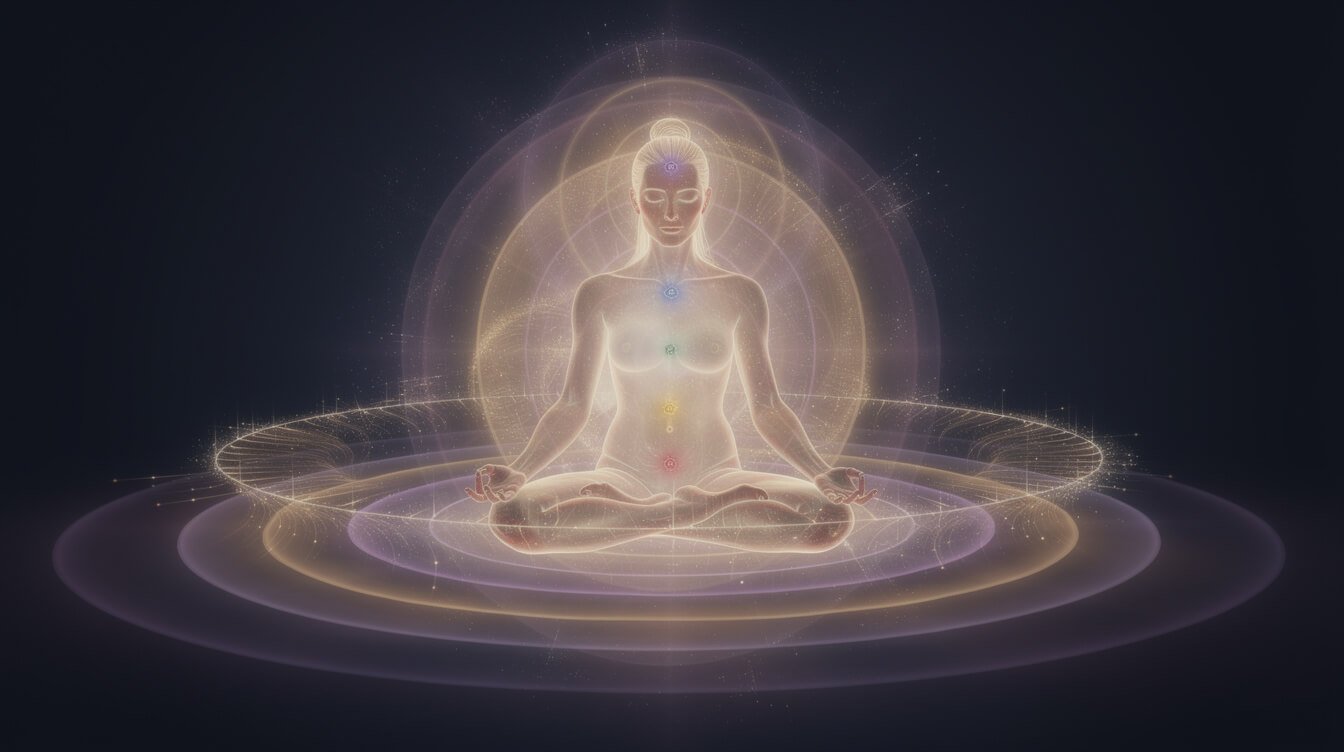
Understanding how energy healing works requires looking at the body from a perspective that bridges ancient wisdom and modern science. While researchers continue to study the mechanisms behind energy healing, several key concepts help explain why so many people report positive experiences with these practices.
The Biofield: Your Body’s Energy Blueprint
The National Institutes of Health (NIH) recognizes the concept of the “biofield” — the field of energy and information that surrounds and permeates the human body. While scientists are still mapping this field, sensitive instruments can now detect electromagnetic emissions from the heart (measured by ECG), the brain (measured by EEG), and even the hands of energy healing practitioners during sessions.
Research from institutions like the HeartMath Institute suggests that the heart generates the body’s most powerful electromagnetic field — roughly 100 times stronger electrically and up to 5,000 times stronger magnetically than the brain’s field. This field extends several feet beyond the body and may interact with the fields of other people nearby.
Electromagnetic Frequencies and Cellular Communication
Every cell in your body generates tiny electrical signals as part of normal biological function. Your nervous system transmits information via electrical impulses. Your heart beats in response to electrical signals. Even bone healing involves electrical currents — a discovery that led to the development of PEMF療法, which uses externally applied electromagnetic fields to support the body’s natural healing processes.
This scientific foundation suggests that energy healing practices — whether through a practitioner’s hands, acupuncture needles, or PEMF devices — may work by influencing the body’s electromagnetic environment in ways that support cellular function and recovery.
The Relaxation Response and Nervous System Regulation
One of the most well-documented mechanisms behind energy healing is its ability to activate the parasympathetic nervous system — the “rest and digest” branch that promotes relaxation, recovery, and healing. Studies have shown that many energy healing modalities can reduce cortisol levels, lower heart rate, and shift brain wave patterns from the stressed beta state to the more relaxed alpha and theta states.
This shift alone may account for many of the reported benefits, since chronic stress is implicated in a wide range of health challenges. When your body shifts from “fight or flight” to “rest and repair,” it can direct more resources toward healing, immune function, and cellular regeneration.
Types of Energy Healing: A Complete Guide to Popular Modalities

The world of energy healing encompasses a rich variety of practices, from ancient hands-on traditions to modern technology-based approaches. Here are the most widely practiced modalities you should know about.
Reiki
Developed in Japan in the early 20th century by Mikao Usui, Reiki (meaning “universal life energy”) involves a trained practitioner placing their hands lightly on or just above the recipient’s body. The goal is to channel healing energy to restore balance and promote the body’s natural healing abilities. Sessions typically last 60 to 90 minutes and are deeply relaxing. Many hospitals and medical centers now offer Reiki as a complementary therapy for patients undergoing treatment.
Acupuncture
One of the most extensively studied forms of energy healing, acupuncture involves inserting thin sterile needles into specific points along the body’s meridians. Traditional Chinese Medicine teaches that this stimulates the flow of qi and restores energetic balance. Modern research suggests acupuncture may work by triggering the release of endorphins, modulating inflammatory responses, and influencing nervous system signaling. The World Health Organization recognizes acupuncture for a range of conditions.
PEMF Therapy (Pulsed Electromagnetic Field Therapy)
PEMF therapy represents the cutting edge of energy healing — a modality that bridges ancient energy concepts with measurable, reproducible electromagnetic technology. PEMF devices deliver low-frequency electromagnetic pulses that penetrate deep into body tissues, potentially supporting cellular energy production, circulation, and the body’s natural recovery processes.
Unlike some traditional energy healing modalities, PEMF therapy has a growing body of peer-reviewed research. NASA has studied PEMF for tissue repair, and the FDA has cleared certain PEMF devices for specific uses. This technology-based approach to energy healing appeals to those who want the benefits of energy work with the reassurance of measurable frequencies.
Sound Healing and Frequency Therapy
Sound healing uses specific frequencies and vibrations — through singing bowls, tuning forks, gongs, or electronic devices — to influence the body’s energy field. The principle is that different frequencies resonate with different tissues and energy centers, potentially promoting relaxation and balance. If you’re curious about this fascinating modality, our complete guide to sound healing frequencies explores the science and practice in depth.
Crystal Healing
Crystal healing involves placing gemstones and crystals on or around the body. Practitioners believe that crystals vibrate at specific frequencies that can interact with the body’s energy field. While scientific evidence for crystal healing is limited, many practitioners and recipients report feelings of calm, clarity, and emotional release during sessions.
Qigong and Tai Chi
These ancient Chinese movement practices combine gentle physical exercises, breath work, and meditation to cultivate and balance qi. Unlike passive energy healing modalities, qigong and tai chi empower you to actively work with your own energy. Research suggests these practices may support balance, flexibility, stress reduction, and cardiovascular health.
Therapeutic Touch and Healing Touch
Developed in the 1970s by nursing professor Dolores Krieger, Therapeutic Touch involves practitioners using their hands to sense and rebalance a patient’s energy field — typically without physical contact. Healing Touch is a similar modality widely used in healthcare settings. Both are taught in nursing programs and practiced in hospitals across the United States.
Potential Benefits of Energy Healing for Your Wellbeing

While energy healing is not a replacement for conventional medical care, many people report meaningful improvements in their overall sense of wellbeing. Here are some of the most commonly reported benefits, along with what current research suggests.
Stress Reduction and Relaxation
Perhaps the most consistently reported benefit of energy healing is deep relaxation. Multiple studies on Reiki, therapeutic touch, and PEMF therapy have shown reductions in self-reported stress and anxiety levels. A 2019 systematic review published in the 《實證整合醫學雜誌》 found that Reiki may be beneficial for reducing anxiety and pain perception.
Pain Management Support
Many energy healing modalities have been studied for their potential role in supporting pain management. Acupuncture has the strongest evidence base, with numerous clinical trials supporting its use for chronic pain conditions. PEMF therapy has also shown promise in research settings for supporting recovery and comfort. For a broader look at drug-free comfort approaches, explore our guide to 緩解疼痛的自然療法.
Improved Sleep Quality
Sleep disturbances are one of the most common complaints in modern wellness, and many energy healing practitioners report that their clients experience better sleep after sessions. The relaxation response triggered by energy work may help calm an overactive nervous system, making it easier to fall asleep and stay asleep. If sleep is a priority for you, combining energy healing with good sleep hygiene practices may offer compounded benefits.
Emotional Balance and Mental Clarity
Energy healing sessions often bring emotional releases and a sense of mental clarity. Practitioners believe this occurs as stagnant energy associated with unprocessed emotions begins to move and release. While the mechanism isn’t fully understood, many recipients describe feeling “lighter,” more centered, and emotionally balanced after sessions.
Enhanced Recovery and Vitality
Athletes and active individuals increasingly turn to energy healing modalities — particularly PEMF therapy and acupuncture — to support recovery after exercise. The theory is that these practices may enhance circulation, support cellular energy production, and help the body’s natural repair processes work more efficiently.
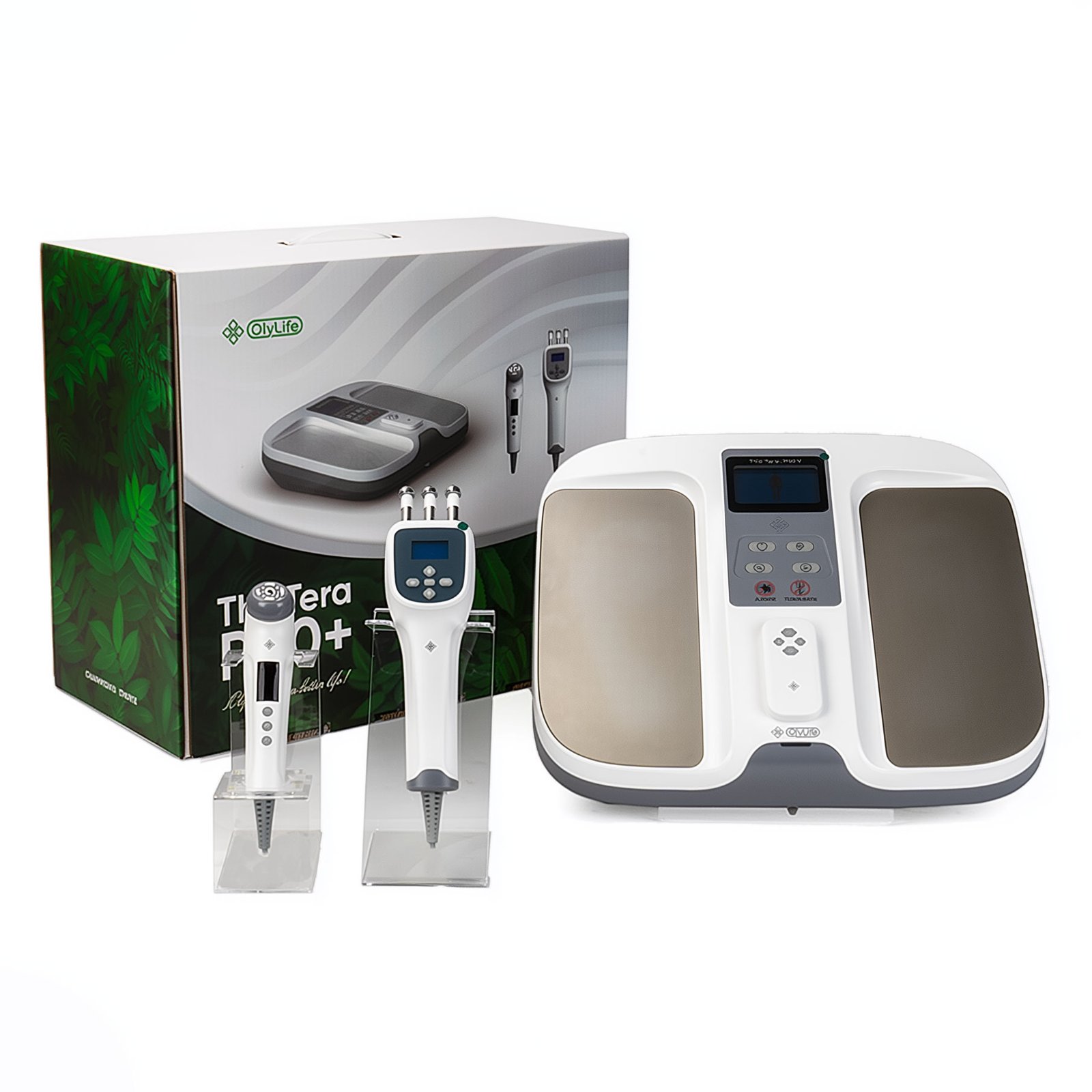
If you’re interested in how modern wellness technology can support your energy and vitality, the OlyLife Tera-P90+ combines PEMF and terahertz frequency technology in a single smart therapy system — bringing the principles of energy healing into your daily wellness routine at home.
Experience Energy Healing at Home
The OlyLife Tera-P90+ combines PEMF and terahertz frequency technology to support your body’s natural energy balance — bringing professional-grade energy healing into your daily wellness routine.
🎁 領取免費健康禮品
在下方輸入您的姓名和電子郵件地址,即可免費獲得 OlyLife 提供的特別健康禮物!
What the Research Says About Energy Healing

If you’re someone who values evidence alongside experience, you’ll want to understand where the science currently stands on energy healing. The research landscape is nuanced — some modalities have robust evidence, while others are still in early stages of investigation.
Strong Evidence: Acupuncture
Acupuncture is the most extensively researched energy healing modality. A landmark 2012 meta-analysis published in the 內科醫學檔案 (now JAMA內科雜誌) analyzed data from nearly 18,000 patients and concluded that acupuncture is effective for treating chronic pain — including back pain, neck pain, osteoarthritis, and headaches. The World Health Organization lists dozens of conditions for which acupuncture may be beneficial.
Growing Evidence: PEMF Therapy
PEMF therapy has an expanding body of peer-reviewed research. Studies published in journals such as 生物電磁學 以及 Journal of Orthopaedic Research have examined PEMF’s effects on bone healing, tissue repair, and inflammation. NASA invested in PEMF research for maintaining astronaut health, and the FDA has cleared PEMF devices for specific therapeutic applications. This makes PEMF one of the most promising bridges between traditional energy healing concepts and evidence-based wellness.
Emerging Evidence: Reiki and Therapeutic Touch
Research on Reiki and therapeutic touch shows mixed but generally encouraging results, particularly for stress reduction and quality of life improvements. A 2017 systematic review in the Journal of Evidence-Based Complementary & Alternative Medicine found that Reiki may have some potential for reducing pain and anxiety, though the authors noted that larger, more rigorous studies are needed.
Early-Stage Research: Other Modalities
Crystal healing, pranic healing, and some other modalities have limited formal research. However, this doesn’t necessarily mean they’re ineffective — it often reflects the challenges of studying subtle energy practices using conventional research methodologies. Many practitioners and recipients report meaningful subjective benefits, even where clinical trials are sparse.
The key takeaway? Energy healing works best as a complementary approach — used alongside, not as a replacement for, conventional medical care. Always consult your healthcare provider about any new wellness practices, especially if you’re managing a health condition.
How to Get Started With Energy Healing at Home

One of the most empowering aspects of energy healing is that many practices can be explored in the comfort of your own home. Here’s how to begin your journey.
Start With Breathwork and Meditation
The simplest entry point into energy healing is your own breath. Conscious breathing practices like pranayama (yogic breathing) or box breathing can help you develop awareness of your body’s energy and shift your nervous system from stress mode to relaxation mode. Start with just five minutes of deep, intentional breathing each morning. Many energy healing practitioners consider breathwork the foundation of all energy work.
Try Grounding (Earthing)
Grounding is one of the most accessible energy healing practices available. Simply walking barefoot on natural surfaces — grass, sand, or soil — allows your body to absorb the earth’s natural electrical charge. Research published in the 環境與公共衛生雜誌 suggests that grounding may help reduce inflammation and improve sleep. Our 接地益處完整指南 covers the science and practical tips in detail.
Explore Self-Reiki
While professional Reiki sessions involve a trained practitioner, self-Reiki is a practice anyone can learn. Many Reiki schools offer Level 1 attunements specifically for personal use. Self-Reiki involves placing your hands on different areas of your body with the intention of channeling healing energy. It’s a beautiful addition to a morning or evening wellness routine.
Consider Technology-Assisted Energy Healing
For those drawn to energy healing but looking for a more structured, measurable approach, PEMF therapy devices offer an excellent bridge. Unlike traditional energy healing, PEMF delivers specific electromagnetic frequencies that you can use independently at home without specialized training. Sessions typically last 15 to 30 minutes and can be easily integrated into your daily routine.
Create a Dedicated Healing Space
Whether you’re practicing meditation, self-Reiki, or using a therapy device, having a dedicated space for your energy healing practice can make a meaningful difference. Choose a quiet corner with comfortable seating or a mat, good air quality, and minimal distractions. Adding elements like plants, calming scents, or soft lighting can help you transition into a healing mindset. For more inspiration on building a 整體健康 routine, explore our comprehensive guide.
傾聽你的身體
Energy healing is deeply personal. What works beautifully for one person may feel neutral for another. Approach your exploration with curiosity rather than expectations. Keep a journal to track how you feel before and after sessions, noting any shifts in energy, mood, sleep quality, or comfort levels. Over time, patterns will emerge that help you identify which modalities resonate most strongly with your body.
Frequently Asked Questions About Energy Healing
As energy healing continues to grow in popularity, questions naturally arise. Here are the most common questions we hear from people exploring these practices for the first time.
Is energy healing safe?
Most energy healing modalities are considered very safe when practiced by trained practitioners or used as directed (in the case of devices). Energy healing is non-invasive and typically involves no substances entering your body. However, it should always complement — never replace — conventional medical care. If you’re pregnant, have a pacemaker, or are managing a serious health condition, consult your healthcare provider before beginning any new energy healing practice.
How long does it take for energy healing to work?
Many people report feeling relaxed and refreshed after a single session, but the timeline for noticing broader changes varies widely. Some people experience immediate shifts in mood or comfort, while others notice gradual improvements over several weeks of regular practice. Consistency matters more than intensity — regular, shorter sessions tend to produce better outcomes than occasional marathon sessions.
Can I practice energy healing on myself?
Absolutely. Many energy healing modalities — including breathwork, meditation, qigong, grounding, self-Reiki, and technology-based approaches like PEMF therapy — are specifically designed for self-practice. In fact, developing your own energy awareness and self-healing practice is considered foundational by many energy healing traditions.
What’s the difference between energy healing and traditional medicine?
Energy healing and conventional medicine operate from different frameworks but can work together beautifully. Conventional medicine typically focuses on treating specific symptoms and diseases using evidence-based interventions. Energy healing takes a more holistic view, working with the body’s energy systems to support overall balance and wellbeing. The most effective approach for many people is integrative — using the best of both worlds.
How do I choose the right energy healing modality?
Start by considering your goals and comfort level. If you value scientific evidence, acupuncture and PEMF therapy have the strongest research backing. If you’re drawn to a more spiritual or hands-on experience, Reiki or therapeutic touch might appeal. If you want something active, qigong or tai chi combine energy work with gentle movement. Many people explore several modalities before finding the combination that works best for them.
Final Thoughts: Your Energy Healing Journey Starts Here
Energy healing represents a fascinating convergence of ancient wisdom and modern science — a growing field that honors the body’s innate capacity for balance, recovery, and vitality. Whether you’re drawn to the gentle touch of Reiki, the precision of acupuncture, the technological innovation of 太赫茲療法, or the simple practice of mindful breathing, there’s an energy healing modality that may support your unique wellness journey.
The most important step is the first one. Start where you are, with what resonates. Perhaps that’s a five-minute morning breathwork practice, a walk barefoot in the grass, or exploring a light therapy session at home. Whatever you choose, approach it with openness, patience, and a genuine desire to connect with your body’s remarkable healing potential.
Your body already knows how to heal. Energy healing simply supports the process. 🌿