If you’ve been curious about red light therapy at home, you’re not alone. What was once an exclusive clinical treatment has evolved into one of the most accessible wellness technologies available today. Backed by decades of research into photobiomodulation, red light therapy offers a gentle, non-invasive way to support your skin, ease discomfort, and promote whole-body recovery — all from the comfort of your living room.
In this comprehensive guide, we’ll walk you through everything you need to know about doing red light therapy at home safely and effectively. From understanding the science behind those healing wavelengths to choosing the right device, setting up your space, and building treatment protocols that actually deliver results, you’ll have the confidence to make red light therapy a meaningful part of your daily wellness routine.
什麼是紅光療法?它的原理是什麼?
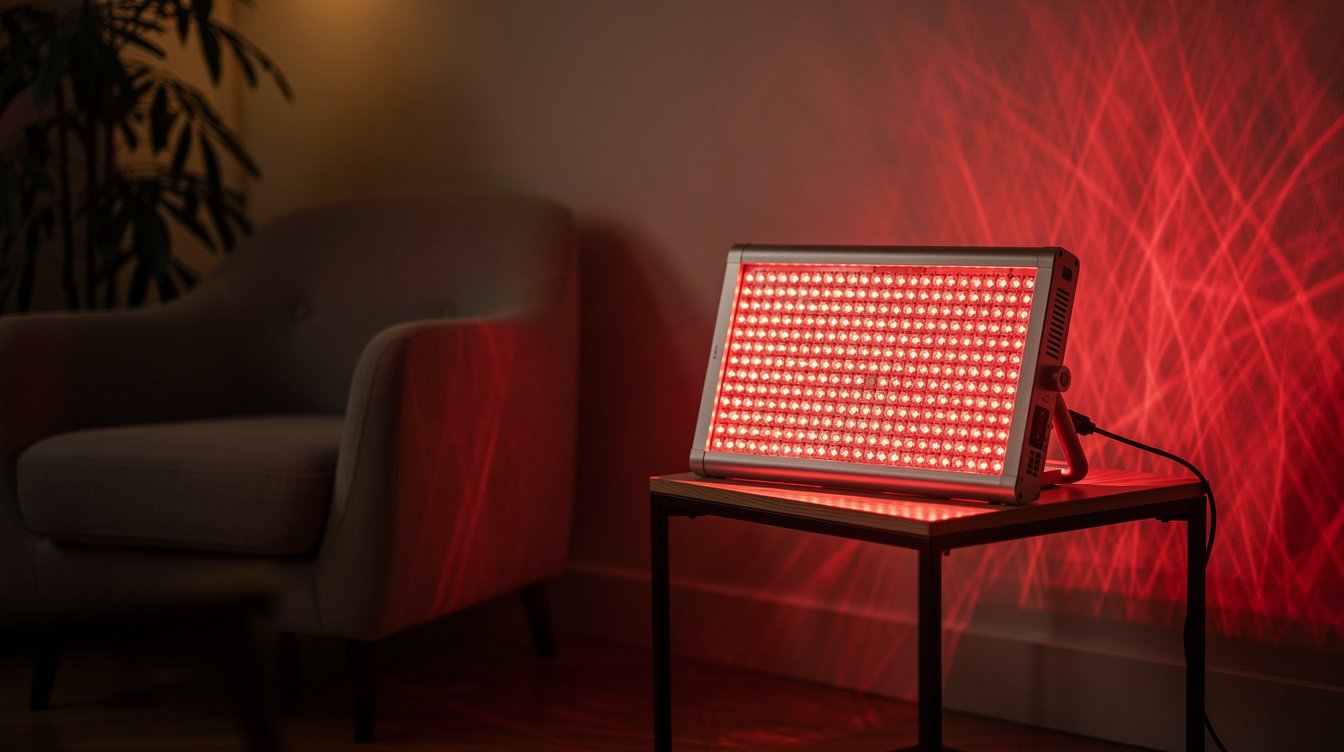
Red light therapy (RLT) — also known as photobiomodulation (PBM) or low-level light therapy (LLLT) — uses specific wavelengths of red and near-infrared (NIR) light to stimulate cellular function. Unlike ultraviolet light, which can damage skin, red light therapy works within the therapeutic window of 620–850 nanometers, delivering energy that your cells can actually use.
The Science of Photobiomodulation
Here’s how it works at the cellular level: when red and near-infrared light photons penetrate your skin, they’re absorbed by 細胞色素c氧化酶, a protein complex within your mitochondria. This interaction enhances the electron transport chain and boosts production of adenosine triphosphate (ATP) — essentially giving your cells more energy to do their jobs.
The downstream effects of this increased cellular energy include:
- Enhanced collagen synthesis — supporting skin elasticity and wound healing
- 降低氧化壓力 — by improving antioxidant enzyme activity
- Improved blood circulation — through nitric oxide release from endothelial cells
- Modulated inflammatory response — calming overactive immune pathways
- Accelerated tissue repair — stimulating fibroblast and stem cell activity
Red Light vs. Near-Infrared: Understanding the Spectrum
Not all therapeutic light is created equal. The two primary wavelengths used in home devices each serve distinct purposes:
- Red light (620–670 nm) — penetrates the skin’s surface layers (epidermis and dermis). Best for skin health, collagen production, wound healing, and reducing fine lines.
- Near-infrared light (810–850 nm) — penetrates deeper into muscle tissue, joints, and even bone. Best for pain relief, muscle recovery, joint support, and deeper cellular repair.
Many quality home devices combine both wavelengths, which research suggests may produce synergistic effects. If you’re exploring this alongside other natural approaches, our complete guide to red light therapy benefits dives deeper into the research behind each wavelength.
Proven Benefits of Red Light Therapy at Home

Research into red light therapy has grown substantially over the past two decades, with over 5,000 peer-reviewed studies exploring its applications. While results vary based on wavelength, dosage, and individual factors, here are the most well-supported benefits for at-home use:
Skin Health and Rejuvenation
Perhaps the most popular reason people try red light therapy at home is for skin health. A landmark 2014 study published in 光醫學和雷射手術 found that participants using red light therapy twice weekly showed significant improvements in skin complexion, collagen density, and a measurable reduction in fine lines and wrinkles after 30 sessions.
Red light therapy may support your skin by:
- Stimulating collagen and elastin production for firmer, more resilient skin
- Reducing the appearance of fine lines, wrinkles, and age spots
- Supporting wound healing and reducing scar tissue formation
- Helping manage acne by reducing inflammation and supporting skin cell turnover
- Improving overall skin tone and texture
Pain Relief and Inflammation Reduction
Near-infrared wavelengths in particular have shown promising results for natural pain management. Research suggests that NIR light may reduce inflammation markers like TNF-alpha and IL-6 while stimulating the body’s own endorphin production. If you’re exploring drug-free pain management options, our guide to natural remedies for pain relief covers complementary approaches that may work alongside RLT.
Conditions that may respond to at-home red light therapy include:
- Joint stiffness and discomfort associated with arthritis
- Muscle soreness from exercise or physical activity
- Chronic back and neck tension
- Tendonitis and repetitive strain
Sleep Quality and Circadian Rhythm Support
Here’s a benefit many people overlook: red light therapy may help improve your sleep. A 2012 study in the 運動訓練雜誌 found that 14 days of red light exposure significantly improved sleep quality and increased melatonin levels in female athletes. Unlike blue light from screens — which disrupts melatonin production — red wavelengths actually support your body’s natural circadian rhythm.
Using red light therapy in the evening can serve as a gentle signal to your nervous system that it’s time to wind down. For more natural approaches to better sleep, check out our 自然睡眠療法指南.
Muscle Recovery and Athletic Performance
Athletes and fitness enthusiasts are increasingly turning to red light therapy at home for post-workout recovery. Research published in the Journal of Strength and Conditioning Research indicates that RLT applied before or after exercise may reduce delayed-onset muscle soreness (DOMS), decrease muscle fatigue, and support faster recovery between training sessions.
Hair Growth Support
Emerging research suggests that red light at specific wavelengths (typically 650–670 nm) may stimulate hair follicle activity and support thicker, healthier hair growth. While more studies are needed, several clinical trials have shown promising results for both men and women experiencing thinning hair.
Choosing the Right Red Light Therapy Device for Home Use
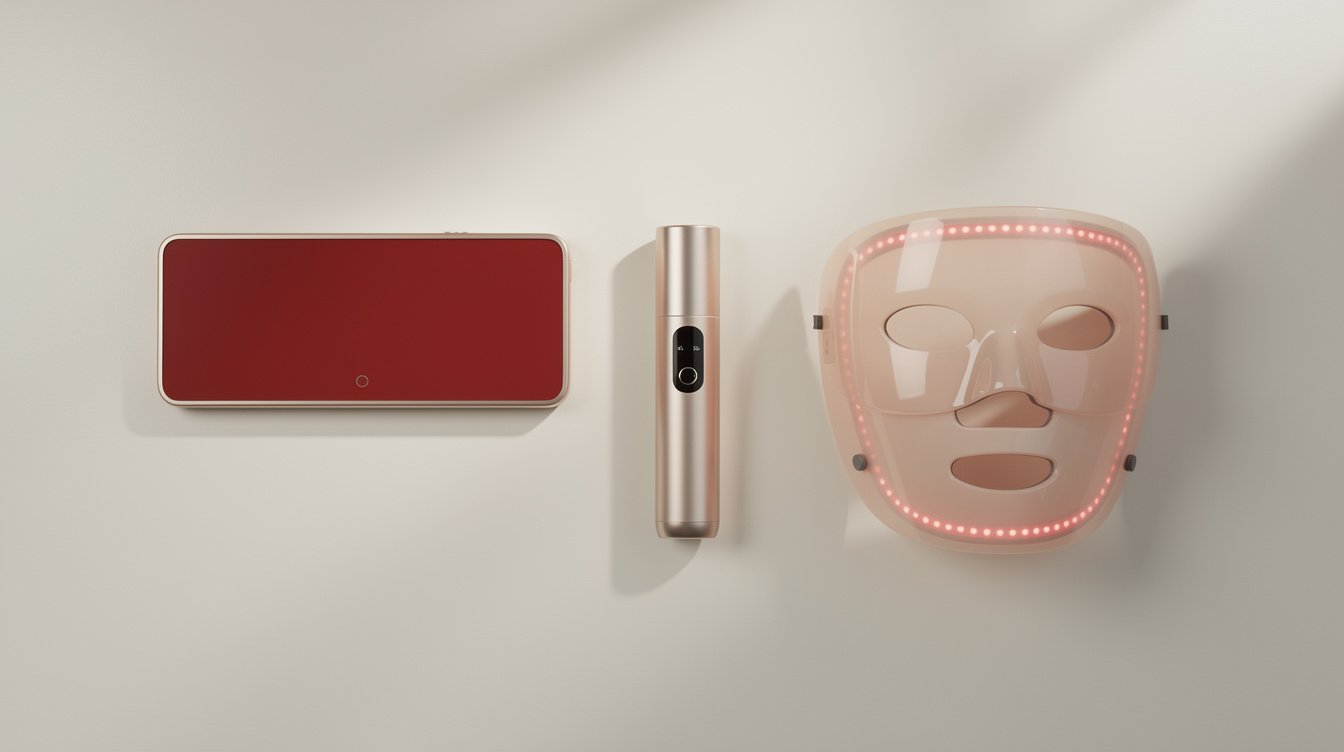
The at-home red light therapy market has exploded in recent years, and not all devices are created equal. Here’s what to look for when choosing your device:
Device Types: Panels, Masks, Wands, and Wraps
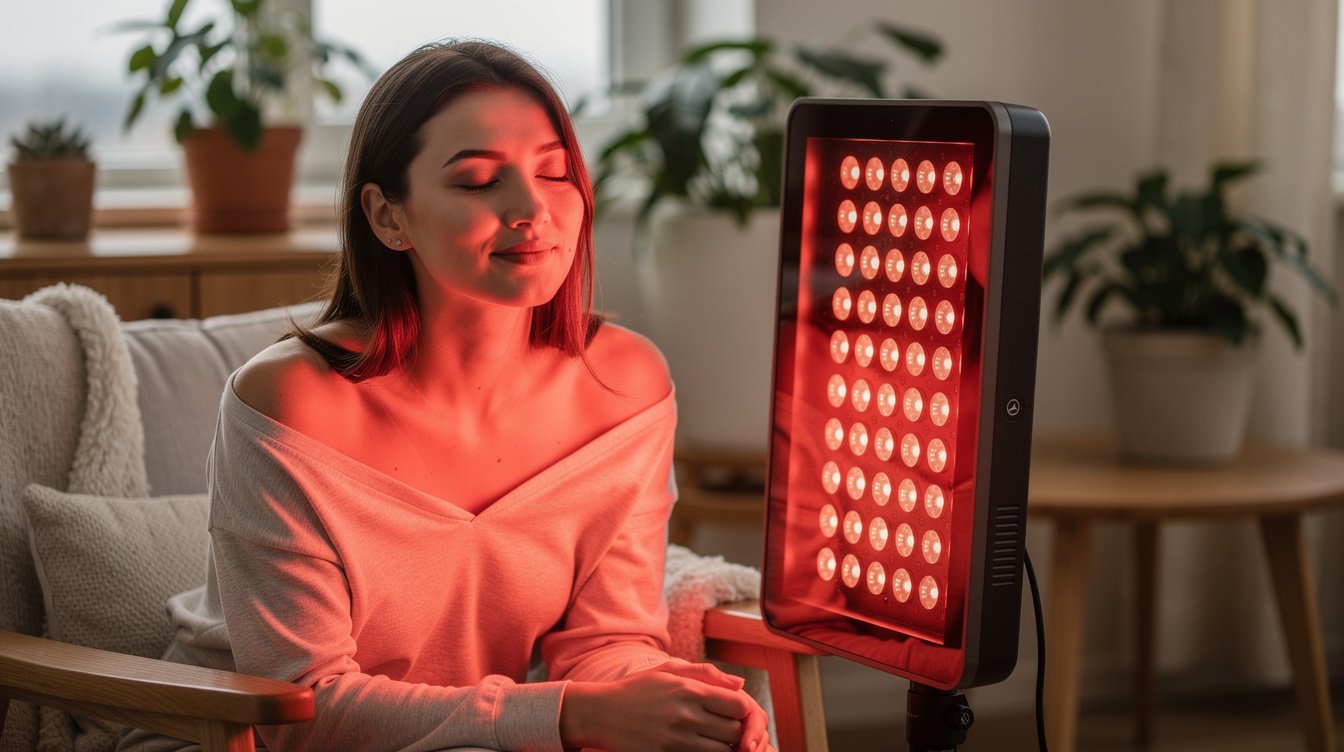
Full-body panels are the most versatile option for red light therapy at home. These wall-mounted or standing devices cover large treatment areas, making them ideal for full-body sessions. They typically combine both red and NIR LEDs and offer the highest irradiance (power density) of any consumer device.
LED face masks are designed specifically for facial treatments. They’re convenient and hands-free but limited to skincare applications. Look for masks that offer multiple wavelengths rather than just red light.
Handheld wands and torches are portable and affordable, making them excellent for targeted spot treatments on specific areas of pain or concern. They’re a good entry point if you’re new to red light therapy.
Flexible wraps and pads contour to specific body parts like knees, shoulders, or the lower back. They’re particularly useful for joint-specific treatment.
Key Specifications to Evaluate
When comparing devices, pay attention to these critical specifications:
- Wavelengths offered — Look for devices that include both red (630–670 nm) and near-infrared (810–850 nm). Dual-wavelength devices provide the broadest therapeutic coverage.
- Irradiance (power density) — Measured in mW/cm². Higher irradiance means more energy delivered per unit area. Look for at least 50 mW/cm² at the treatment distance for meaningful therapeutic effect.
- 治療區域 — Larger panels treat more surface area per session, reducing overall treatment time. Consider which areas of your body you want to treat most often.
- Third-party testing — Reputable manufacturers will have their devices independently tested for wavelength accuracy, irradiance output, and EMF safety.
- FDA clearance — While not required for wellness devices, FDA-cleared products have undergone additional safety review.
What to Avoid
Be wary of devices that:
- Don’t specify exact wavelengths (vague claims like “red light” without nanometer specifications)
- Have irradiance below 20 mW/cm² at the recommended treatment distance
- Use incandescent bulbs instead of LEDs (less efficient, generate excess heat)
- Make specific medical cure claims (a red flag for any wellness device)
How to Set Up Your Red Light Therapy Space at Home
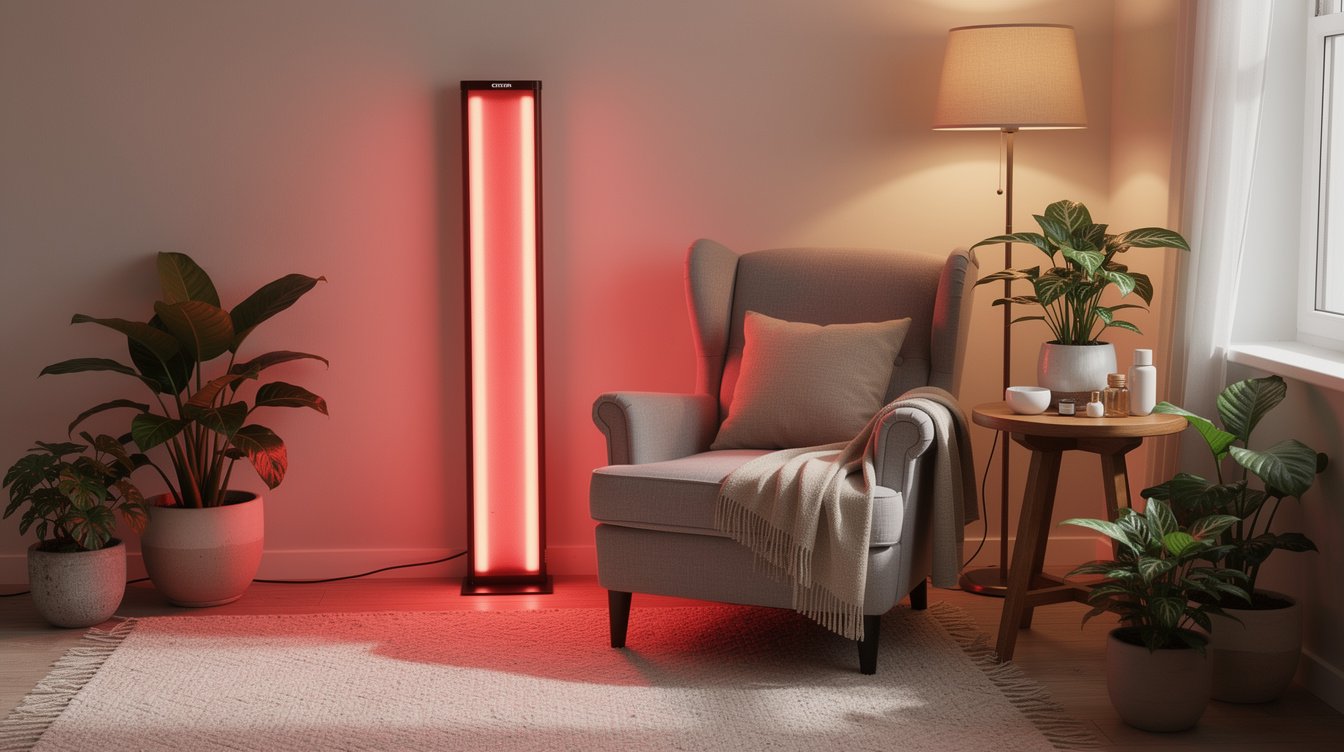
Creating a dedicated space for your red light therapy at home sessions doesn’t require a renovation — just a little thoughtful planning. Here’s how to optimize your setup for the best results:
Location and Mounting
Choose a space that allows you to stand or sit at the recommended distance from your device (typically 6–18 inches for panels). A bedroom corner, spare bathroom, or home office works well. Wall-mounting your panel at the appropriate height ensures consistent positioning session after session.
For floor-standing panels, make sure the surface is stable and level. Some users mount two panels — one at upper body height and one at lower body height — for more comprehensive coverage.
Ambient Conditions
For optimal light absorption:
- Dim ambient lighting — reducing overhead light helps you relax and minimizes competing light sources
- Comfortable room temperature — you’ll be exposing bare skin, so a warm room (72–76°F / 22–24°C) is ideal
- Minimal clothing on treatment areas — red and NIR light cannot penetrate clothing, so exposed skin is essential for effectiveness
- Eye protection ready — have FDA-rated red light therapy goggles within reach (more on this in the safety section)
Creating a Wellness Ritual
Many people find that building red light therapy into a broader wellness routine increases consistency and enjoyment. Consider pairing your sessions with gentle stretching, deep breathing exercises, or a calming playlist. As our holistic wellness guide explores, combining modalities often amplifies their individual benefits.
Red Light Therapy at Home: Treatment Protocols That Work
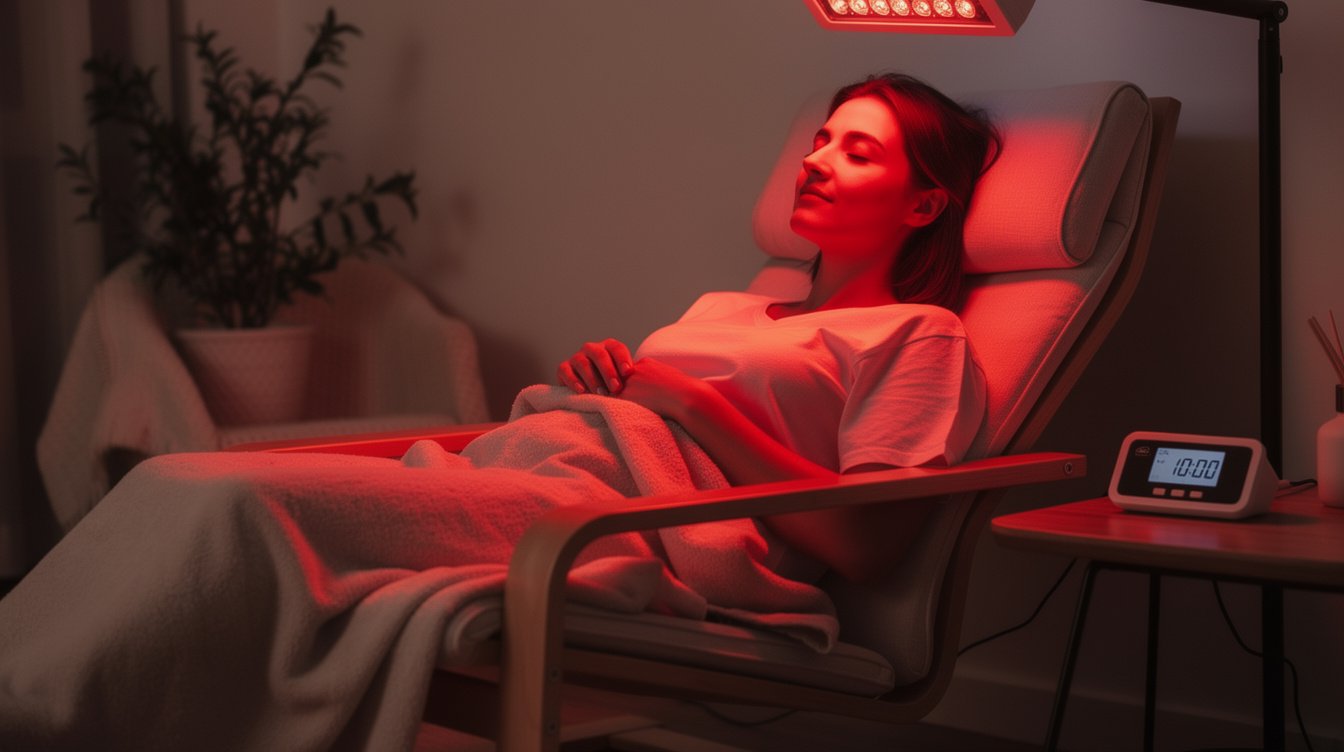
One of the biggest mistakes people make with red light therapy at home is inconsistent use or incorrect dosing. Here are evidence-based protocols for the most common goals:
Skin Health Protocol
- Wavelength: Red (630–660 nm) — surface-level skin benefits
- Distance: 6–12 inches from the panel
- 期間: 10–15 minutes per treatment area
- 頻率: 3–5 times per week
- Expected timeline: Visible improvements typically begin at 4–6 weeks of consistent use
Pain and Recovery Protocol
- Wavelength: Near-infrared (810–850 nm) — deeper tissue penetration
- Distance: 6–18 inches depending on device power
- 期間: 15–20 minutes per treatment area
- 頻率: Daily for acute issues; 3–4 times per week for maintenance
- Expected timeline: Some users report noticeable relief within 1–2 weeks
Sleep Support Protocol
- Wavelength: Red (620–660 nm) — avoid blue/white LEDs before bed
- Distance: 12–24 inches (lower intensity for relaxation)
- 期間: 10–20 minutes, 1–2 hours before bedtime
- 頻率: Nightly
- Expected timeline: Many users notice improved sleep quality within 1–2 weeks
General Wellness Protocol
- Wavelength: Combination red + NIR
- Distance: 12–18 inches
- 期間: 10–15 minutes full body (front + back)
- 頻率: 3–5 times per week
- Expected timeline: Cumulative benefits build over 4–8 weeks
專業提示: Start with shorter sessions (5–10 minutes) and gradually increase as your body adapts. More isn’t always better — research suggests that exceeding optimal dosing can actually reduce therapeutic benefit, a phenomenon known as the biphasic dose response.
For those exploring complementary approaches to recovery and comfort, the OlyLife OptiRelax凝膠 is designed to support post-treatment comfort when paired with your regular wellness routine — a soothing companion for areas that need extra attention after your red light therapy session.
🎁 領取免費健康禮品
在下方輸入您的姓名和電子郵件地址,即可免費獲得 OlyLife 提供的特別健康禮物!
Complementary Wellness Practices to Enhance Red Light Therapy at Home
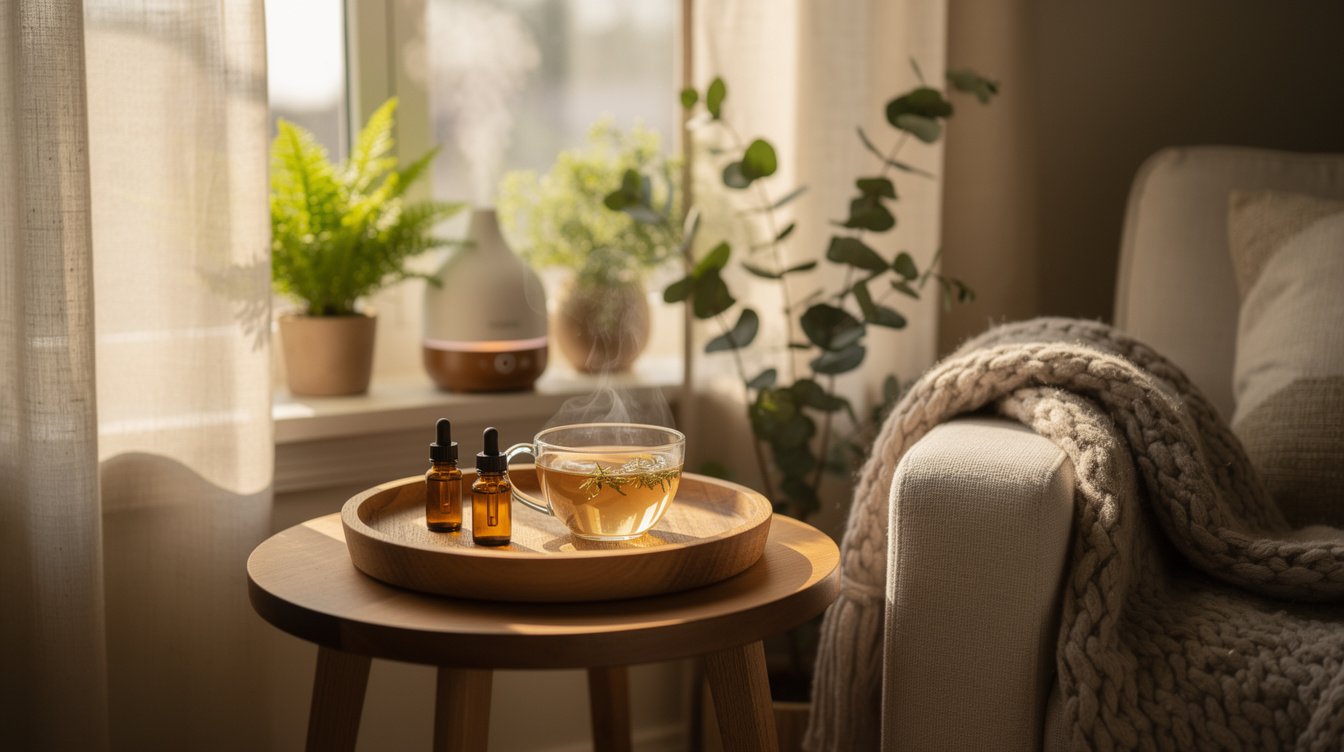
Red light therapy at home delivers impressive results on its own, but research increasingly shows that combining it with other evidence-based wellness practices may amplify the benefits. Here’s how to build a synergistic routine:
RLT + Meditation and Breathwork
Your red light therapy session creates a natural window for mindfulness practice. The warm glow and quiet stillness of a treatment session pair beautifully with meditation or 呼吸練習. Some practitioners report that combining deep breathing with their RLT sessions enhances the relaxation response and improves treatment consistency — simply because the sessions become something to look forward to.
RLT + PEMF Therapy
Pulsed electromagnetic field (PEMF) therapy works through a different mechanism — using magnetic pulses to stimulate cellular repair and reduce inflammation. Some wellness practitioners suggest alternating between RLT and PEMF sessions, as they target cellular healing through complementary pathways. Our guide to PEMF therapy benefits explains how electromagnetic field therapy may support your wellness goals.
RLT + Nutrition and Hydration
Your cells need raw materials to capitalize on the increased ATP production that red light therapy stimulates. Staying well-hydrated and consuming an antioxidant-rich diet — think colorful vegetables, berries, omega-3 fatty acids, and quality proteins — may help your body make the most of each session.
RLT + Movement and Exercise
Using red light therapy before exercise may support performance by priming muscle tissue, while post-workout sessions may accelerate recovery by reducing inflammation and supporting tissue repair. Many athletes schedule their RLT sessions within 30 minutes of their workout for maximum benefit.
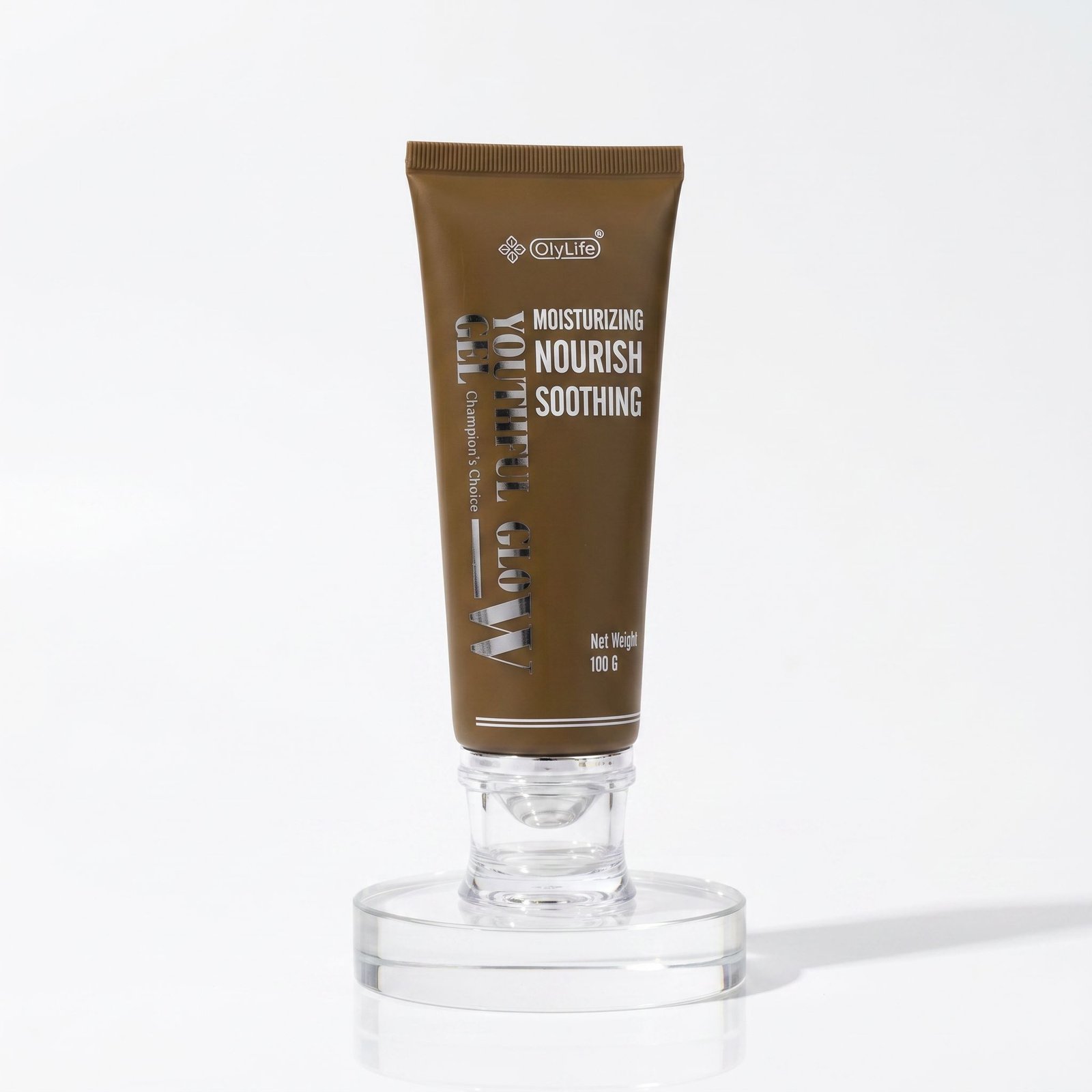
Support Your Skin’s Natural Glow
The OlyLife Youthful Glow Gel is formulated to complement your skin wellness routine — a nurturing facial companion designed to support radiance and hydration alongside your favorite therapies.
Red Light Therapy at Home Safety: What You Need to Know
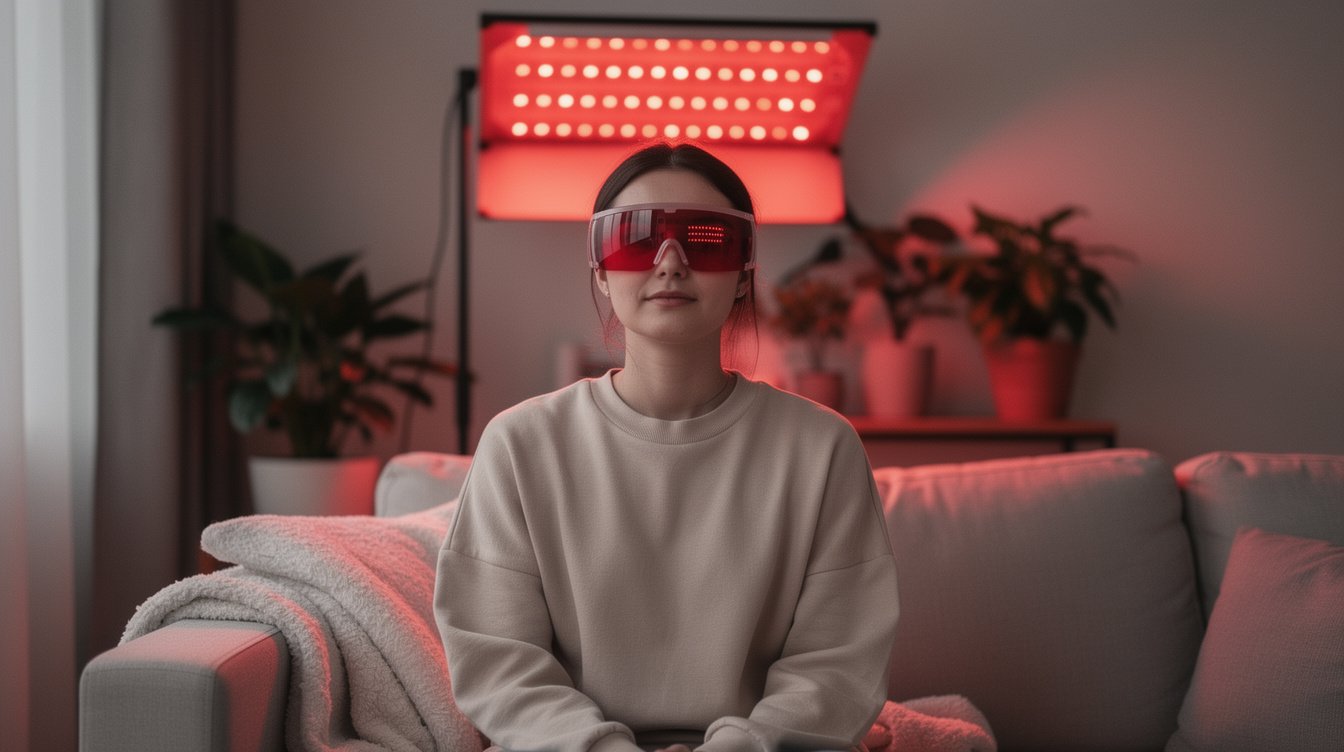
One of the greatest advantages of red light therapy is its exceptional safety profile. Unlike UV light, lasers, or pharmaceutical interventions, RLT is non-invasive and carries minimal risk when used correctly. That said, a few important precautions will help you get the most from your sessions while staying safe.
Eye Protection
While red light itself isn’t harmful to the eyes in moderate doses, direct exposure to high-intensity LED panels can be uncomfortable and potentially damaging over time — especially for devices emitting near-infrared light that you can’t see. Always wear appropriate eye protection (opaque goggles rated for your device’s wavelengths) during facial treatments or anytime you’re directly facing the panel.
Contraindications to Be Aware Of
Red light therapy is generally considered safe for most people, but you should consult your healthcare provider before starting if you:
- Are pregnant (as a precaution — limited research exists)
- 患有活動性癌症或正在接受癌症治療
- Take photosensitizing medications (certain antibiotics, retinoids, or NSAIDs)
- Have epilepsy or a seizure disorder (particularly with pulsed-mode devices)
- Have thyroid conditions (avoid direct neck exposure without medical guidance)
Common Mistakes to Avoid
- Treating through clothing — fabric blocks therapeutic wavelengths entirely. Always treat on bare skin.
- Inconsistent use — like exercise or nutrition, red light therapy works through cumulative exposure. Sporadic use limits results.
- Too much too soon — start with shorter sessions and build up. The biphasic dose response means more light isn’t always better.
- Ignoring device quality — cheap devices with inaccurate wavelengths or low irradiance may waste your time without delivering therapeutic benefit.
- Expecting overnight miracles — most benefits require 4–8 weeks of consistent use to become noticeable.
Frequently Asked Questions About Red Light Therapy at Home
How long does each red light therapy session need to be?
Most evidence-based protocols recommend 10–20 minutes per treatment area. The exact duration depends on your device’s irradiance, the distance from your skin, and your treatment goals. Higher-powered panels may achieve therapeutic doses in less time.
我可以每天使用紅光療法嗎?
Yes, daily use is safe for most people and is actually recommended for some applications, particularly sleep support and acute pain management. For skin health and general wellness, 3–5 sessions per week is typically sufficient. Listen to your body — if you notice any skin sensitivity, reduce frequency.
Does red light therapy work through glass or clothing?
No. Glass filters out near-infrared wavelengths, and clothing blocks both red and NIR light. For effective treatment, light must reach bare skin without obstruction.
Is red light therapy the same as infrared saunas?
No. While both involve infrared energy, they work through different mechanisms. Infrared saunas primarily heat your body to induce a sweat response, while red light therapy delivers specific therapeutic wavelengths at much lower temperatures to stimulate cellular function directly. They can complement each other nicely.
When will I see results from red light therapy at home?
This varies by application. Some people report improved sleep or reduced muscle soreness within 1–2 weeks. Skin improvements typically become visible at 4–6 weeks. Deeper benefits like joint support and hair growth may take 8–12 weeks of consistent use.
Can I do red light therapy at home if I have sensitive skin?
Red light therapy is generally well-tolerated by sensitive skin types, as it doesn’t involve UV rays, heat, or chemicals. In fact, research suggests it may help calm reactive skin by reducing inflammation. Start with shorter sessions at a greater distance and increase gradually.
Final Thoughts: Making Red Light Therapy at Home Part of Your Wellness Journey
Red light therapy at home represents one of the most promising intersections of modern wellness technology and natural healing principles. With the right device, consistent protocols, and realistic expectations, it can become a cornerstone of your holistic wellness routine — supporting everything from radiant skin and restful sleep to comfortable recovery and overall vitality.
The key is consistency. Like any meaningful wellness practice, the benefits of red light therapy compound over time. Start with the protocol that aligns with your most pressing wellness goal, invest in a quality device with verified specifications, and give your body the time it needs to respond.
Whether you’re exploring red light therapy alongside other holistic approaches or making it the centerpiece of your daily self-care ritual, this gentle, evidence-informed therapy offers a beautiful way to support your body’s innate healing wisdom — one wavelength at a time.