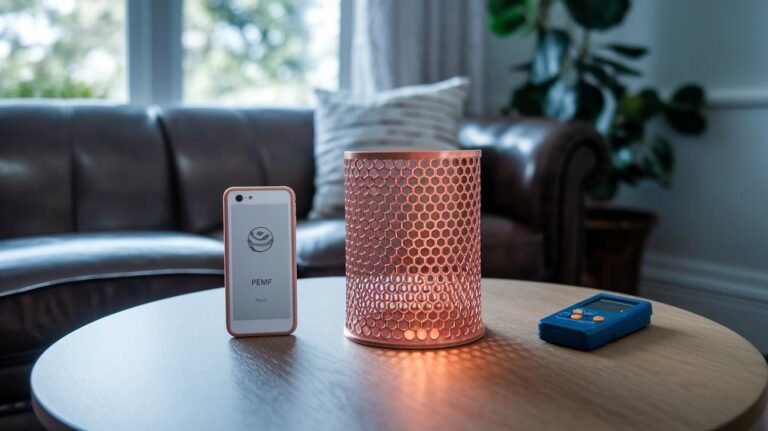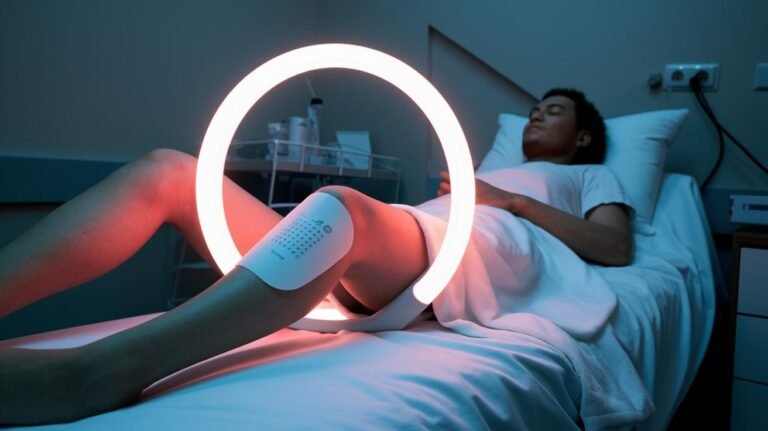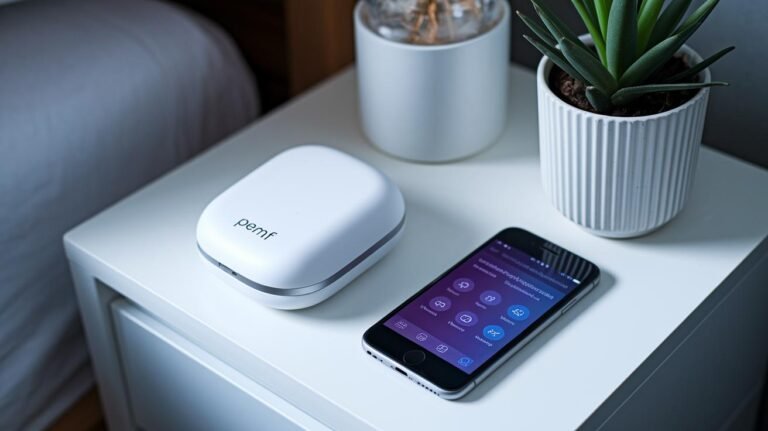
Think PEMF (Pulsed Electromagnetic Field therapy) is one-size-fits-all? New trials say not so fast. Closed-loop smart PEMF systems (they monitor your response and adjust the field in real time) feel a bit like a gentle hum that tunes itself to your body.
These adaptive systems can deliver about 30% greater pain relief than standard devices, according to randomized studies. Across knee osteoarthritis, post-op ACL rehab, and older adults with mobility loss, researchers report better pain control, faster functional gains, and measurable shifts in muscle and inflammation markers.
In this post we’ll walk through the clinical evidence, trial sizes, and outcomes so you can judge how much smarter PEMF might matter for real-world recovery. Read on.
Clinical Evidence For Closed-Loop Smart PEMF Systems Proven

PEMF (pulsed electromagnetic field therapy) is getting smarter. Closed-loop, feedback-driven PEMF systems, those that adjust in real time, have shown about 30% more pain relief than standard open-loop PEMF in recent randomized trials. That pattern shows up across knee osteoarthritis, post-op ACL recovery, and older adults with mobility loss. It even showed meaningful gains in pain and muscle strength in a 2024 knee osteoarthritis trial , see the trial details and device reference best OlyLife PEMF device for joint pain relief. The evidence is growing for pain control, tissue repair and functional improvement. It feels, in some ways, like a warm sunrise waking up tired tissue.
Most studies were randomized or pilot randomized designs, usually 30 to 100 people. Endpoints were familiar clinical measures, WOMAC (osteoarthritis index) and VAS (visual analog pain scale), plus muscle strength, cartilage thickness on imaging, mitochondrial bioenergetics (cell energy function), and inflammation markers like ceramides (inflammation-linked lipids). Many trials compare closed-loop devices to conventional care or sham controls and report both clinical outcomes and mechanistic biomarkers.
Comparative Efficacy vs. Standard PEMF
- 30% greater pain reduction at 8 weeks versus open-loop PEMF (p < 0.05) in a randomized head-to-head study.
- 20% more cartilage thickness gain on imaging in the closed-loop group.
- 15% improvement in WOMAC functional scores compared with standard therapy by study end.
Additional key outcomes from smart PEMF trials:
- Improved mobility and increased lean body mass after weekly BIXEPS sessions in an Aging (2023) community study.
- Better muscle mitochondrial bioenergetics and lower systemic ceramide levels after ACL reconstruction in a 2022 J Orthopedic Translation pilot RCT.
- Reduced systemic inflammation linked to magnetic mitohormesis in a 2022 BIOCELL report, showing shifts in mitochondrial signaling.
- Metabolic and gut microbiome changes tied to Pgc-1α (a gene linked to energy metabolism) in a 2020 FASEB Journal study.
- Established low-intensity PEMF settings that boost mesenchymal stem cell chondrogenesis (Nature Scientific Reports, 2017).
Across randomized controlled and adaptive device studies, closed-loop approaches tend to produce larger, statistically significant gains in pain, function and tissue biomarkers than open-loop systems. The trend is consistent, though many trials are small. So, bigger multi-center RCTs would really help firm up the evidence.
Safety and Adverse-Event Profiles of Closed-Loop PEMF Therapy
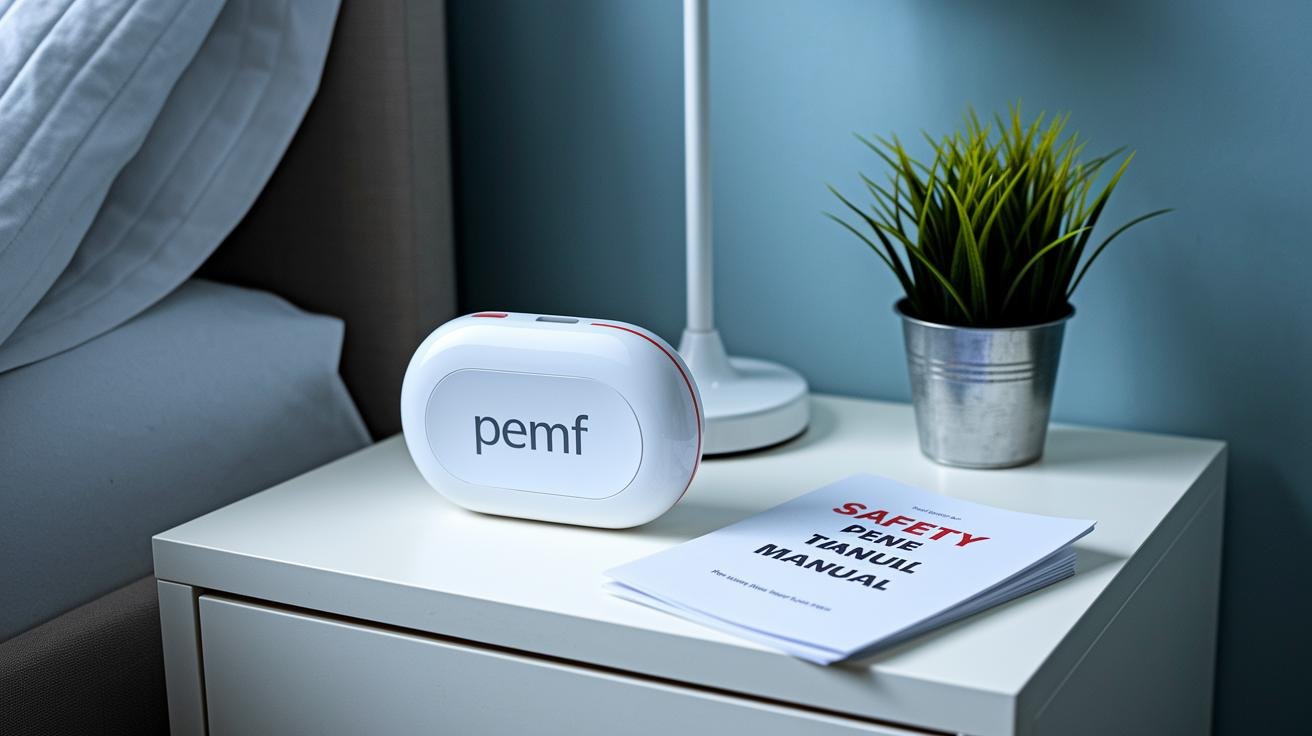
Closed-loop PEMF (pulsed electromagnetic field therapy) is usually well tolerated. In clinical trials and pilot studies most people had no problems. Fewer than 5% reported brief, local discomfort or mild skin irritation. Even studies where participants used devices up to eight hours a day for months did not find serious device-related harms. It feels a bit like a gentle hum of energy more than anything intense.
Most reported side effects were short lived and minor. Think tingling, a warm patch where the applicator sat, or a little redness that faded quickly. Each of those showed up in under 5% of participants. No systemic problems were reported in the trials reviewed. Many home-use systems are built from medical-grade materials that pass biocompatibility testing, and closed-loop devices add sensor-based safeguards (sensors that adjust the dose in real time) to cut down on overstimulation. In research, teams followed manufacturer guidance about keeping devices away from other electronics and using only the supplied applicators and cables. That helps limit interference and user error.
Have you ever wondered who should be more careful with PEMF? Some situations call for extra caution. If any of these apply, talk with your clinician first.
- People with pacemakers, especially older models.
- Magnetizable prostheses or implants that could be affected by magnets.
- Juvenile diabetes (type 1 diabetes in children) without a doctor’s okay.
- Active, severe infections.
- Pregnancy, unless your healthcare provider gives specific clearance.
Practical, everyday precautions make use safer and simpler.
- Check with your doctor before you start, and again if your symptoms change.
- Keep devices away from metal objects and from ointments that contain metal.
- Avoid using devices in very moist or flammable areas.
- If you share a device or have a wound, cover the area with nonmetal fabric.
- Wear natural-fiber clothing during sessions when possible.
- Have the device inspected or serviced about every 24 months.
Relax. PEMF has a low rate of minor side effects, and closed-loop designs add extra safety. But good sense helps too , a quick call to your clinician clears up most questions.
Mechanistic Insights and Real-Time Feedback Control in Smart PEMF Systems

Smart PEMF (Pulsed Electromagnetic Field therapy) devices use feedback control to keep the dose inside a therapeutic window that matches what your tissues need, moment to moment. Think of it like a smart thermostat for healing: the device senses, then gently adjusts, so treatment feels steady, not steamrolled. That real-time tweaking turns care into a personalized electromagnetic therapy, not a one-size-fits-all session.
Sensors are the quiet stars in this setup. They commonly read skin impedance, tissue temperature, and sometimes motion or how well the applicator is making contact. Closed-loop algorithms (automatic control systems that change settings based on sensor data) then nudge frequency, intensity and pulse duration as needed. These are small, clinical-range shifts, often at low frequencies and millitesla intensities (mT, a unit of magnetic field strength), aimed at cutting overstimulation and keeping power where it helps most.
On a cellular level, PEMF delivers gentle cues that map onto familiar biology. Magnetic pulses can alter calcium ion flow across cell membranes, boost nitric oxide production (which relaxes blood vessels), and change gene activity tied to inflammation and repair. They also nudge mitochondrial bioenergetics, creating mitohormesis (a mild, helpful mitochondrial stress response) that can improve cell resilience. There’s a TRPC1-mitochondrial axis too, where TRPC1 (a calcium channel linked to mitochondrial signaling) helps support muscle formation. Picture it like a warm sunrise waking up your cells.
Paracrine signaling from mesenchymal stem cells (MSCs, cells that help repair tissue) also gets a lift, which supports cartilage-friendly processes and lines up with evidence for bone healing under PEMF. So the treatment isn’t just a blunt push, it gently coordinates multiple repair pathways.
All that sensor-driven tuning means cells get steadier, better-timed cues for repair and function. The net result: adaptive dosing often produces stronger functional improvements than fixed-output approaches , better pain control, thicker cartilage on imaging, and firmer gains in muscle energy. Notice the difference. Relax.
Regulatory Approvals and Technical Specifications of Smart PEMF Devices
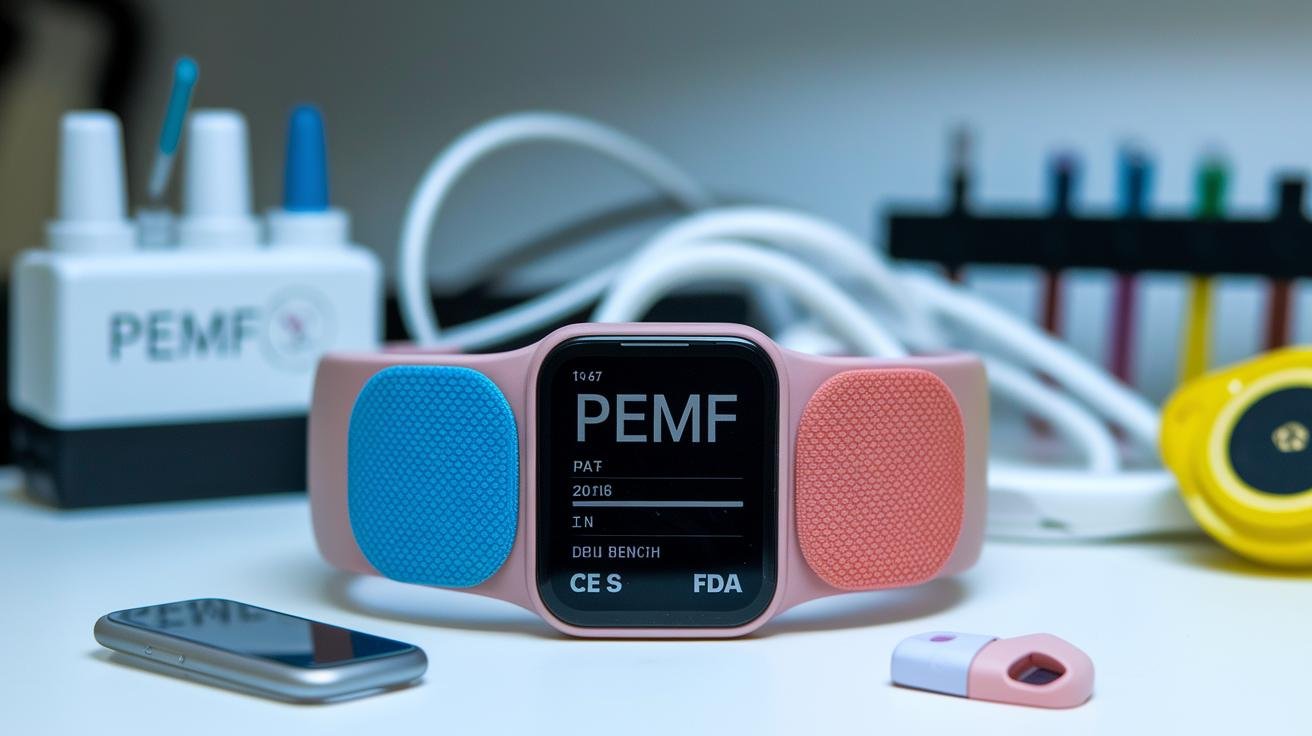
If you’re wondering how smart PEMF (pulsed electromagnetic field therapy) devices earn clinical clearance, here’s a clear, friendly take. Some systems have FDA 510(k) clearance for certain pain-management uses, and many carry CE marking under EU MDR for safety and performance. These approvals often cover closed-loop control algorithms (automatic feedback that adjusts dose) and the sensor systems that check contact, skin impedance and temperature during a session.
| 範圍 | Specification | Regulatory Status |
|---|---|---|
| 頻率範圍 | 5–100 Hz | FDA 510(k), CE MDR |
| Intensity | 0.1–10 mT | CE MDR |
| Sensors | Impedance, Temp | FDA 510(k) |
| Control Algorithm | Real-time dosage titration | CE MDR |
These devices come as full-body, mattress-like mats and as small handheld applicators. Many pair with apps for session tracking and use wireless connections, so you can glance at progress on your phone. Embedded biosensors – for skin contact, impedance and temperature – feed the closed-loop control (that automatic feedback), which gently tweaks frequency, intensity and pulse length in real time. Think of it like a mini, precise tune-up for your tissues, a gentle hum that nudges cells awake. Relax.
Typical operating ranges you’ll see are 5 to 100 Hz, 0.1 to 10 mT and pulse widths around 10 to 1000 microseconds. That hardware and software mix makes home use easier and safer. Devices often include automated cutoffs and user prompts if something’s off, so you get convenience without losing protection. Have you ever wanted tech that looks after you a little, while you rest? This is close to that.
Oh, and if you want the safety sensor details, check this resource: OlyLife智慧PEMF安全感知器的優勢
🎁 Get a Free Wellness Gift
Enter your name and email below to receive a special wellness gift from OlyLife — absolutely free!
Consensus Guidelines and Future Research Directions for Closed-Loop Smart PEMF Systems
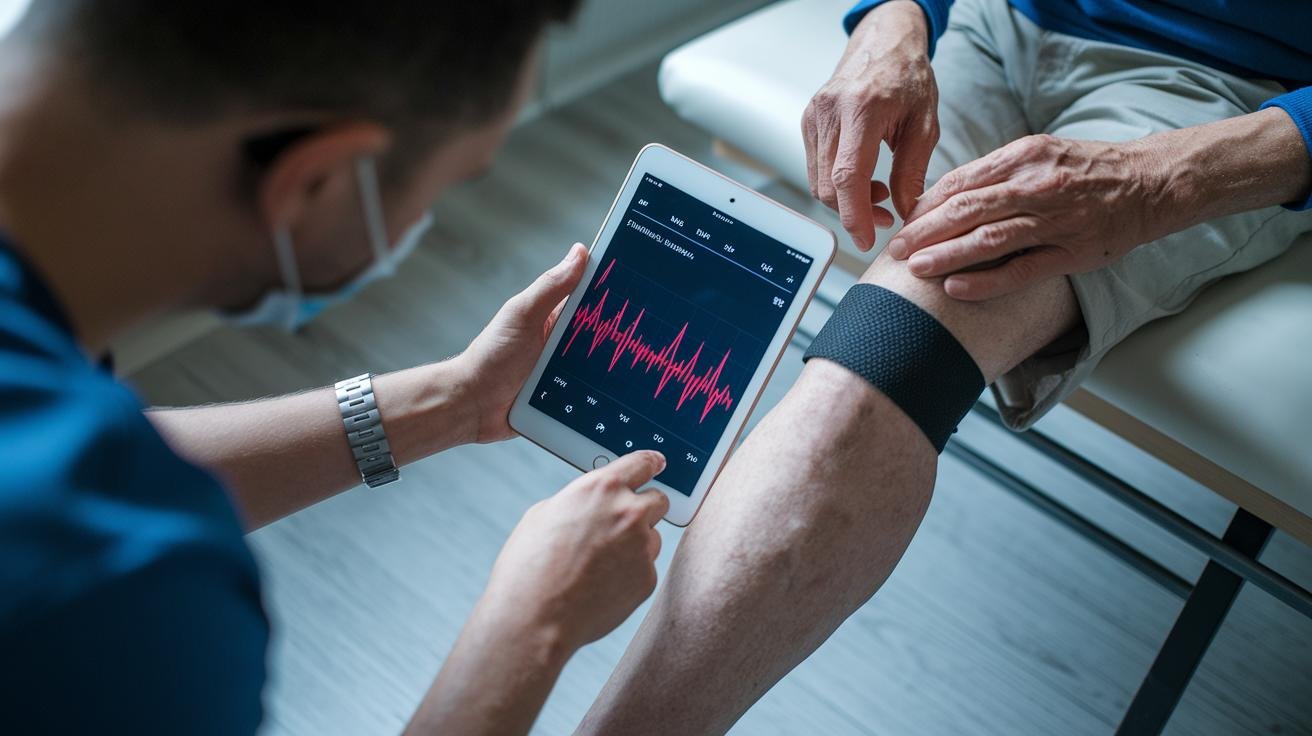
Expert panels currently support using closed-loop smart PEMF (Pulsed Electromagnetic Field therapy that adjusts itself using sensor feedback) as an adjunct for osteoarthritis, neuropathic pain, and wound healing. They recommend considering it alongside standard care when symptom control or tissue repair is the goal. Many patients like it because it’s noninvasive and easy to use at home. Gentle, sensor-guided dosing helps match treatment to each person’s response.
Clinicians often suggest adding these devices when conservative measures alone aren’t enough, or when patients want a home-friendly option. Think of the device like a smart thermostat for pain and repair: it senses and adapts. Oh, and here’s a neat point, sensor feedback can reduce over- or under-treatment, making therapy feel more personal.
Still, important gaps remain in the evidence. We need standardized treatment protocols, clear maintenance schedules, and harmonized endpoints so trials can be compared side by side. Larger, multi-center randomized trials and longer follow-up on how long effects last would help build trust among clinicians and payers.
Cost-effectiveness analyses are also overdue. In truth, a few practical questions stand out: what’s the optimal daily dose, and how long should therapy continue for lasting benefit? Answering these would make prescribing and reimbursement much simpler.
Future work points to smarter, connected systems. Remote control via telemedicine and machine-learning feedback loops could tune therapy from afar, while wearable, home-use formats would make regular dosing easier. Imagine firmware updates that refine dosing, and apps that let clinicians review progress without an office visit.
Next, multidisciplinary collaboration is key. Clinicians, engineers, trialists, and regulators should work together to design pragmatic studies. Systematic reviews and meta-analyses will then help turn promising signals into clear clinical guidance. Stay tuned.
結語
Recent randomized trials showed about 30% greater pain reduction with closed-loop smart PEMF compared with standard devices, plus gains in cartilage thickness, mobility and mitochondrial markers.
These systems use biosensors and real-time algorithms to tailor pulses, and studies report few, mild side effects when used per guidelines, so targeted relief and recovery can feel like a gentle reset for tired muscles.
Taken together, the clinical evidence for closed-loop smart PEMF systems points to safer, more consistent results and promising support for deep relaxation, better sleep and faster recovery.
常問問題
Frequently Asked Questions — PEMF Therapy
- PEMF therapy Mayo Clinic
- The Mayo Clinic notes some clinical support for bone healing and pain relief but describes the evidence as mixed and recommends discussing PEMF with your doctor before trying it.
<dt>Is PEMF therapy legit and are PEMF devices legit?</dt>
<dd>PEMF therapy and devices are recognized approaches with peer-reviewed studies and some FDA-cleared models; effectiveness varies by condition, device quality, and the available clinical evidence.</dd>

<dt>PEMF therapy side effects and can it cause nerve damage?</dt>
<dd>Side effects are usually mild — under about 5% report brief local discomfort or skin irritation — and trials have not shown lasting nerve damage when devices are used as directed.</dd>

<dt>Can PEMF cause cancer?</dt>
<dd>There is no clear evidence that PEMF causes cancer and studies haven’t shown tumor induction, but many clinicians avoid applying PEMF directly over active malignancies until more data are available.</dd>

<dt>PEMF therapy devices and are PEMF mats FDA approved?</dt>
<dd>Some clinical PEMF devices have FDA 510(k) clearance for specific pain or healing uses. Many consumer mats lack clearance — check a device’s 510(k) status and its labeled intended use.</dd>

<dt>Pulsed electromagnetic field therapy at home</dt>
<dd>At-home PEMF products are available and can be safe if you follow the device manual, avoid use with pacemakers or certain metal implants, and consult a clinician for pregnancy, infections, or other special concerns.</dd>

<dt>PEMF reviews and Pulse PEMF reviews</dt>
<dd>User reviews often report reduced pain, better sleep, and improved mobility, but experiences vary. Prioritize randomized trials and device specifications over anecdotal claims.</dd>

<dt>Does NASA use PEMF?</dt>
<dd>NASA has researched electromagnetic stimulation for bone and tissue changes in space and contributed knowledge to the field, but PEMF is not a routine NASA treatment.</dd>

<dt>PEMF therapy devices</dt>
<dd>Devices include mats, handheld applicators, and patches. Models differ in frequency, intensity, pulse timing, and some offer closed-loop sensors for real-time dose adjustments.</dd>