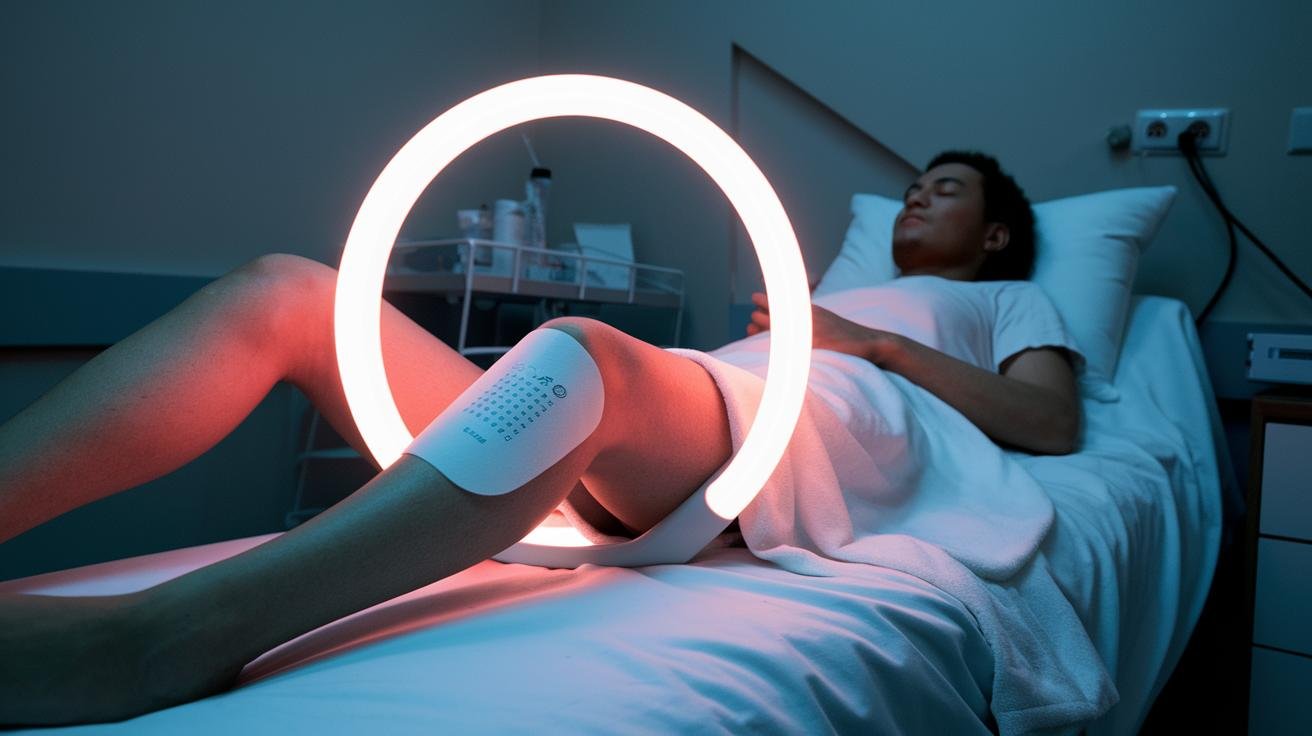
Could a soft electromagnetic hum be a better path to recovery than your usual pain meds? Have you ever wondered if gentle energy could ease pain without pills?
PEMF (Pulsed Electromagnetic Field therapy) uses low-frequency pulses that gently nudge cell membranes. Think of it like a slow ocean tide waking up your cells to repair. Wait, let me clarify: these pulses are tiny and noninvasive, more like a hush than a zap.
The FDA cleared certain uses of PEMF decades ago, and doctors, pro sports teams and vets still reach for it because it can ease pain, improve microcirculation (tiny blood flow), and help bones heal. Next, we’ll look at how pulse patterns, waveform choices and different device types work together so you can decide if PEMF might speed your recovery.
PEMF技術概述促進康復
PEMF (Pulsed Electromagnetic Field therapy) uses low-frequency pulses of electromagnetic energy that gently nudge cell membranes. Picture a soft, steady hum that encourages cells to repair and eases discomfort. The FDA cleared PEMF for medical use back in 1979, and you still see it in clinics, sports medicine and veterinary care because it helps with pain relief, better circulation and bone healing.
The fields in PEMF live in the extremely low frequency (ELF) range (about 1 to 100 Hz). Devices send different wave shapes – sine, sawtooth and square – and they change pulse width and amplitude. Think of pulse width as how long each gentle beat lasts, and amplitude as how strong that beat feels. Tuning those settings lets practitioners pick programs that work for sudden injuries versus long-term issues.
How does it actually work? The pulses interact with cell membranes and shift how ions move in and out of cells. That can open tiny calcium channels (Ca2+), which sparks cell signaling and repair. PEMF can also stimulate mitochondria, raising ATP (adenosine triphosphate, the cell’s energy molecule) so cells have more fuel to rebuild. At the same time, it boosts nitric oxide, which relaxes small blood vessels and improves microcirculation so oxygen and nutrients get in and waste gets out. The result is less noisy inflammation and a smoother path back to function.
PEMF Device Types and Key Specifications
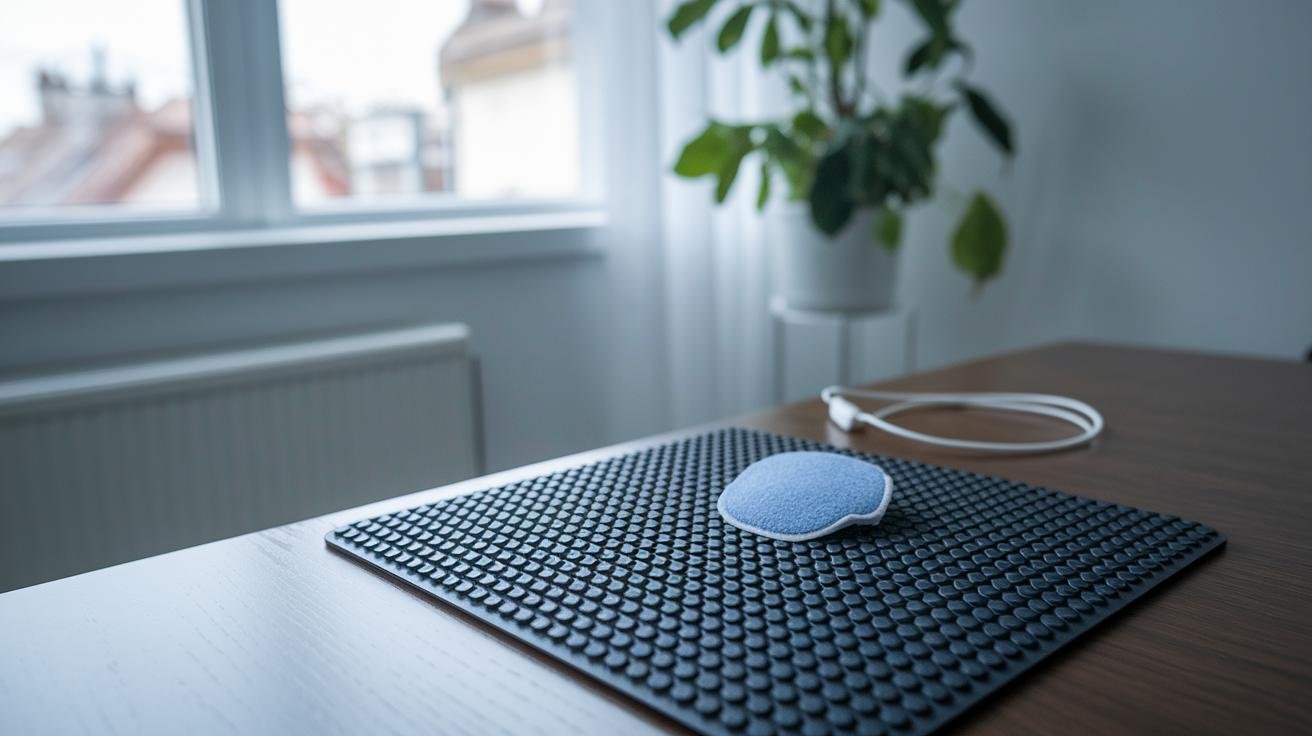
PEMF (Pulsed Electromagnetic Field therapy) devices usually fall into four simple groups: full-body mats, coil applicators, wearable devices like patches and rings, and clinical systems. Each group is made for different needs, daily comfort, targeted care, on-the-go use, or professional treatment. Which one fits you? Think about where you feel the problem and how you like to use a device.
Most units work in the same low-frequency band, about 1–100 Hz. They also use familiar waveform shapes, sine (smooth), sawtooth (edgy), or square (on-off), and let you change amplitude (field strength) and pulse width (how long each pulse lasts). Wait, let me clarify that: amplitude is like the volume of the field, and pulse width is how long each little burst lasts. Together they help reach shallow or deeper tissues. Picture it like turning up a massage or switching from a fingertip rub to a deeper press.
Home mats, think Grooni and OMI, are built for comfort and regular use, good for whole-body wellness, sleep and recovery. Portable coils and wearables focus on convenience and quick relief during your day. Clinical systems offer higher field strength and finer controls for complex problems, and they often cost more than $5,000. If you want to compare models, see PEMF therapy devices.
| 設備類型 | Frequency Range (Hz) | Field Strength (mT) | 典型用途 |
|---|---|---|---|
| Full-Body Mat | 1–100 | 1–50 | Whole-body wellness, sleep, recovery |
| Coil Applicator | 1–100 | 1–100 | Targeted deep-tissue therapy, bones and joints |
| Wearable Patch | 1–50 | 1–10 | Localized pain relief, daily mobility support |
| Clinical System | 1–100 | 10–100+ | Complex cases, fracture repair, professional dosing |
Choosing comes down to three things: how deep the target tissue is, how often you’ll use the device, and how much control you want over waveform, amplitude, and pulse width. Need quick, on-the-go relief? Wearables and portable coils fit into daily life easily. Need higher strength for a fracture or stubborn inflammation? Clinical machines are the better match. Ask a clinician about proper dosing and device fit so sessions line up with tissue depth and your treatment goals. Safety first.
Clinical Applications of PEMF Technology
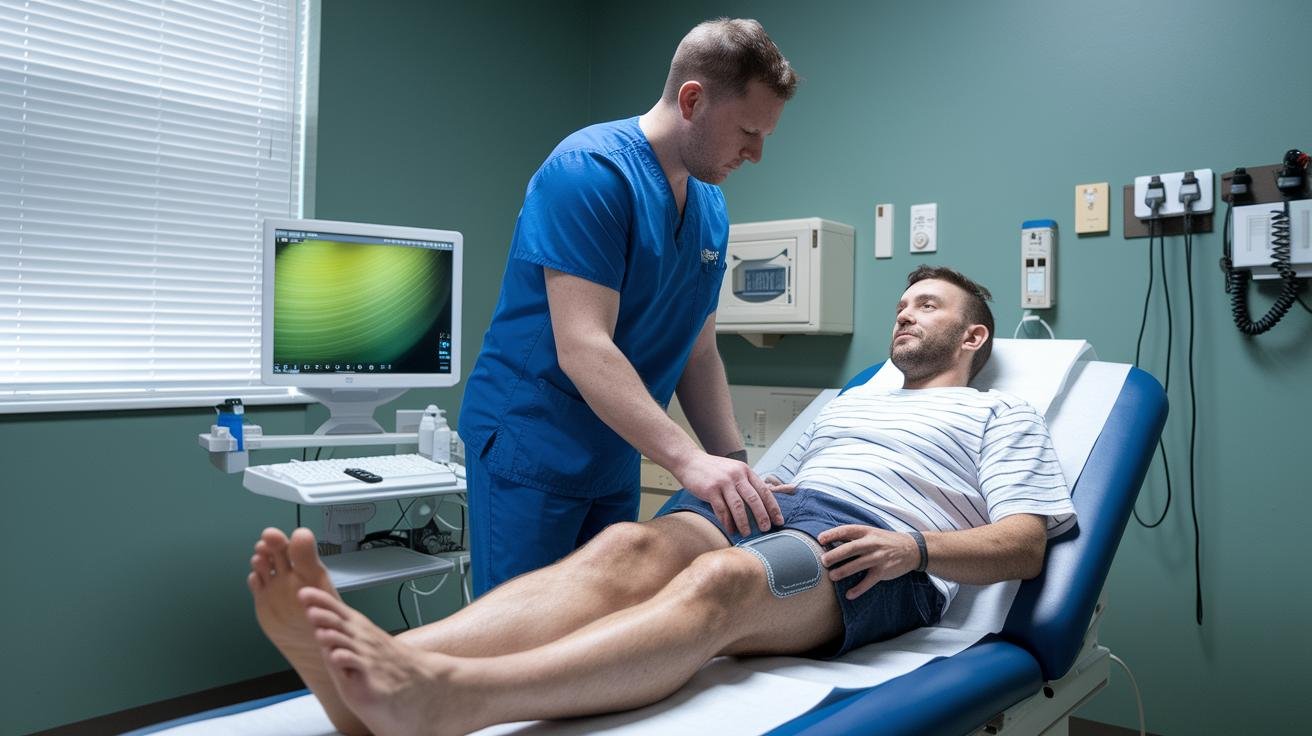
Clinicians use PEMF (Pulsed Electromagnetic Field therapy) for a wide range of issues, from stubborn swelling and post-op pain to slow-healing fractures and chronic joint problems. It’s a gentle, noninvasive approach that often fits alongside other therapies. Have you ever noticed tension ease after a light massage? PEMF can feel a bit like that, a soft nudge to help tissues calm and recover.
Human trials and veterinary studies show lower inflammatory markers, less pain, and improved mobility after regular sessions. Some research also links PEMF to better sleep and a brighter mood when it’s added to a care plan.
- Pain and inflammation reduction – used for acute and chronic pain, including post-surgical discomfort and osteoarthritis. See PEMF therapy for pain for more on clinical use.
- Bone healing and osteoporosis support – PEMF boosts extracellular matrix (the network that helps bone cells stick and grow) and bone repair, helping fractures unite and slowing bone loss. Think of it like waking up the bone’s repair crew.
- Arthritis symptom relief – clinical trials report less joint pain and better range of motion in people with osteoarthritis, so daily tasks can feel easier.
- Sports performance and muscle recovery – athletes often notice quicker recovery, less stiffness, and improved endurance thanks to better circulation and reduced inflammation. It’s like a mini recovery session after hard training.
- Sleep quality improvement – by easing muscle tension and pain, PEMF can help you fall asleep faster and sleep more deeply. Relax. Breathe.
- Depression and mood regulation – transcranial PEMF (applied to the head) over several weeks has shown meaningful symptom relief in some studies, often as part of a broader plan.
Across these uses, PEMF usually acts as a gentle adjunct to physical therapy, manual treatments, or medical care. That often means fewer drugs, less downtime, and an easier return to daily life and activity. Oh, and here’s a neat trick: shorter, regular sessions tend to work better than occasional long ones.
PEMF Treatment Protocols and Session Guidelines

Typical PEMF (Pulsed Electromagnetic Field therapy) sessions last about 15 to 30 minutes. You might feel a gentle hum or warmth, like a sunrise nudging your cells awake. Relax. Breathe.
For acute injuries, treatments are often done daily for the first few days to a week. Chronic issues usually get two to three sessions per week for several weeks. Home units often come with preset programs to keep things simple and consistent.
Clinics may use longer sessions, more frequent visits, or different applicators depending on whether they’re targeting soft tissue, bone, or a joint. Clinicians also tweak settings, waveform (signal shape), pulse width (how long each pulse lasts), amplitude (signal strength), and placement (where the applicator sits), based on tissue depth and how you’re healing. So your plan can change as you improve.
Many people notice pain relief after two to three sessions. Clearer tissue repair or less swelling often shows up around four to six weeks. Think of short, steady treatments like a daily stretch for cells, small habits add up. Oh, and here’s a neat trick: warming the area briefly before a session can help blood flow, making the treatment feel more effective.
If you’re using an at-home device, follow the program on your unit and check in with a clinician if progress stalls or if you get any unusual symptoms. Have questions? Talk to your provider, you’re not alone in this.
Safety Considerations and Contraindications for PEMF Therapy

PEMF (Pulsed Electromagnetic Field therapy) is noninvasive and is safe for most people. Most users feel nothing, or just a soft hum and gentle warmth where the applicator sits. A few people report short-lived side effects like mild dizziness, brief nausea, or a headache after a session.
Relax. These effects usually pass quickly.
Common situations where PEMF may not be recommended or needs extra caution:
- Pacemakers or other implanted electronic devices (risk of interference with the device)
- Active or heavy bleeding at the treatment site (may worsen bleeding)
- Seizure disorders (talk with your neurologist first; some practitioners avoid PEMF unless cleared)
- Severe local or systemic infections, such as sepsis (may make the infection worse)
- Overactive thyroid or adrenal glands (hyperfunction; could change how your body responds)
- Menstrual bleeding at the exact treatment site (better to wait or choose a different area)
- Disorders of the hypothalamus or pituitary gland (these control key hormonal functions)
If any of these apply to you, or if you’re pregnant, please check with your healthcare provider before trying PEMF. A trained clinician can help pick safe settings, suggest timing, and watch how you respond so treatments stay comfortable and helpful. Wait, let me clarify , if you have an implanted device, bring the device information to your appointment.
If you feel unusual symptoms during a session, stop the treatment and contact your provider right away. Breathe. You’re in control.
🎁 Get a Free Wellness Gift
Enter your name and email below to receive a special wellness gift from OlyLife — absolutely free!
Scientific Evidence Underpinning PEMF Technology

PEMF (Pulsed Electromagnetic Field therapy) uses low-frequency electromagnetic pulses. Think of it like a gentle hum waking up cells and helping tissues communicate better. Have you ever wondered if that kind of gentle nudge could ease pain?
Clinical trials and meta-analyses show promising results. For people with osteoarthritis, studies report less pain and improved joint function. Other trials find faster fracture healing and lower postoperative inflammation and pain. A few transcranial PEMF studies also suggest modest mood improvements after several weeks of treatment.
Animal studies back this up in practical ways. Veterinary trials, especially in dogs with osteoarthritis or recovering from surgery, often show lower inflammatory markers and better mobility, yes, more spring in their step. The patterns generally mirror the human findings, though results vary by device, dose, and condition.
Wait, let me clarify, not every study finds large effects. If you want the primary evidence, start with recent meta-analyses and major randomized controlled trials on PubMed or Cochrane. Oh, and here’s a neat trick: look at study size, treatment settings, and how long results were measured, those details matter a lot.
Future Trends and Innovations in PEMF Technology

PEMF (Pulsed Electromagnetic Field therapy) is getting smarter. Instead of simple on/off mats, new systems listen to your body. Biofeedback sensors can track heart rate, movement and skin response and then adjust dose and timing in real time. App connectivity lets you review sessions, tweak programs, and even hand control to a clinician from afar.
Wearables are getting thin and wireless. Picture gentle pulses tucked under a sleeve or an ankle wrap, giving targeted care without a tangle of cords. Think of it like a mini massage for tired muscles or a warm sunrise waking up your cells. Relax. Breathe.
Behind the scenes, AI-driven protocols will analyze your responses and suggest schedules that match how you actually heal. Nanotechnology (tiny engineered particles or structures) aims to focus effects at the cellular level for more precise repair. Telehealth connections will let practitioners monitor recovery and change settings remotely, so follow up feels like a check-in, not a commute. I once wondered if clinic-level tools could be at home, looks like we’re getting close.
So what should you look for? Choose devices with secure apps, clear monitoring so you can see progress, clinician access when you need expert help, and comfortable patches that fit your life. Oh, and battery life and simple controls matter more than flashy features. Next, try a short trial and see how it feels, your body will tell you what’s working.
結語
We defined PEMF as low-frequency pulsed electromagnetic fields that act on cell membranes and noted FDA clearance in 1979. We named three benefits: pain relief, better circulation, and bone healing.
You saw device types, common ELF frequencies (1–100 Hz), waveform patterns like sinusoidal or square, and settings such as amplitude and pulse width. We covered how fields open Ca2+ channels, boost ATP, and raise nitric oxide to improve microcirculation.
This PEMF technology overview links the science to simple session tips and safety notes. Try gentle, regular use and check with a healthcare pro. Calm days and deeper rest are possible.
常問問題
PEMF (pulsed electromagnetic field) — FAQ
What is PEMF (pulsed electromagnetic field) therapy?
PEMF therapy uses low-frequency pulsed electromagnetic fields that interact with cell membranes. It has been FDA-cleared for certain medical uses since 1979 and is commonly used for pain relief, circulation improvement, and bone healing.
Is PEMF legit?
PEMF has FDA clearance for specific uses and peer-reviewed studies showing benefits for pain, bone repair, and circulation, though the strength of evidence varies by condition and clinical setup.
What are PEMF therapy side effects and contraindications?
Side effects are usually mild and rare (nausea, dizziness, headache). PEMF should not be used with pacemakers or other implanted electronics, in seizure disorders, active bleeding, severe infection, or some hormonal/brain conditions—follow device and clinician guidance.
What does a PEMF frequency chart PDF show?
A PEMF frequency chart PDF typically shows the extremely low frequency (ELF) range (about 1–100 Hz), common waveforms (sinusoidal, sawtooth, square), and typical amplitude and pulse-width settings; device makers often provide these as downloads.
What does the Mayo Clinic say about PEMF therapy?
The Mayo Clinic provides patient-facing information on electromagnetic therapies. Check their site for balanced summaries and discuss with your healthcare provider whether PEMF is appropriate for you.
Can you do pulsed electromagnetic field therapy at home?
At-home PEMF uses mats, wearable patches, or portable coils with preset programs. Sessions commonly last 15–30 minutes; acute issues may be treated daily, chronic conditions two to three times weekly—always follow device instructions and your clinician’s advice.