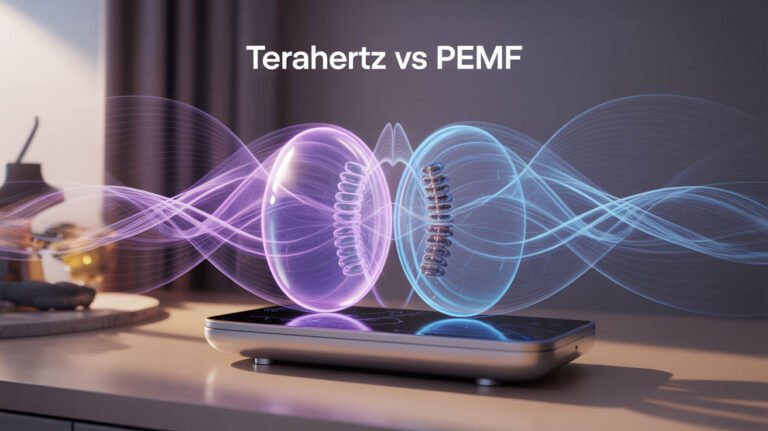
Several controlled trials found that PEMF (Pulsed Electromagnetic Field therapy) cut chronic pain by about 30 to 40 percent. And it does that without pills or surgery. Surprising?
Pulsed Electromagnetic Field therapy uses low-frequency magnetic pulses that move gently through your skin into muscle and bone. You might feel a soft hum, like a warm sunrise waking tired cells. Have you ever noticed tension melt after a warm bath? PEMF can feel a bit like that.
Those pulses help cells rebalance, reduce swelling, and speed tissue repair, so people often notice pain easing first. In short, PEMF can be a fast, drug-free way to ease chronic pain and it may fit nicely into a plan for less discomfort.
Overview of PEMF Therapy for Pain Relief

Several controlled trials show about 30 to 40 percent average pain reduction for people with osteoarthritis and chronic back pain. That’s pretty striking for a noninvasive option, and it’s drug free. Have you ever wished for relief that didn’t come from a pill?
PEMF (Pulsed Electromagnetic Field therapy) is a way to nudge the biology of pain back toward normal. In plain terms, it uses low-frequency magnetic pulses that feel like a gentle hum passing through skin into muscle and bone. Think of it like a warm sunrise waking up your cells.
Those magnetic pulses help ions move across cell membranes, restore normal electrical balance, and boost ATP (the cell’s energy molecule). The result is less swelling, better local blood flow to bring oxygen and nutrients, and faster tissue repair. Wait, let me clarify that , it’s like a tiny, regular wake-up call for tired cells.
People usually notice pain easing first. But there are other wins too:
- Reduced inflammation around injured joints and soft tissue
- Improved blood flow to the painful area
- Faster recovery after strains or surgery
- Fewer pain meds needed over time
Clinicians often pair PEMF with physical therapy and rest for a fuller plan. It’s a practical choice for folks wanting alternatives to pills or surgery. For full biophysical details on frequency, intensity, and magnetic flux density, see the next section on how PEMF works in detail.
How PEMF Therapy Works for Pain Management

PEMF (Pulsed Electromagnetic Field therapy) uses gentle, low-frequency magnetic pulses to reach muscle and bone. It’s like a soft, rhythmic tap that helps sluggish tissue wake up. Have you ever felt tension loosen with a light massage? This is similar, but from tiny magnetic signals.
At the cell level PEMF nudges electrical signals and helps ions move across cell membranes to restore balance. It also boosts ATP (adenosine triphosphate), the cell’s energy currency, so cells get more fuel to repair themselves. That extra energy speeds healing, helps damaged tissue rebuild, and calms noisy nerve signals. You can almost imagine your body settling into a steadier, more efficient rhythm. Relax.
PEMF also helps lower inflammation. The pulses reduce inflammatory markers and open small blood vessels, so blood flows better. Better circulation brings oxygen and nutrients where they’re needed and helps carry waste away. People often notice less swelling and better range of motion before they feel full pain relief.
Device settings matter. For musculoskeletal pain, frequencies usually sit in the 5–50 Hz range (Hz means cycles per second). Intensity varies a lot , home units often use microtesla (µT) levels, while clinical machines can reach millitesla (mT) ranges. Magnetic flux density relates to how deep the field goes: higher density reaches bone and deep tissue, lower density is fine for surface work.
PEMF works best when treatments are targeted and personalized. Clinicians adjust frequency, intensity and coil placement to match the injury and recovery goals. Oh, and here’s a neat trick , start with shorter sessions and track how your body responds, then let the settings be guided by what feels better. If you’re curious, talk with a trained provider to find the right plan for you.
Clinical Studies on PEMF Therapy for Chronic Pain

PEMF (Pulsed Electromagnetic Field therapy) is showing up in a lot of randomized controlled trials for chronic pain. The studies tend to report clear, measurable benefits. Think of a gentle hum of energy helping pain ease over weeks. Have you ever felt tension melt away? Many people do with this approach.
For osteoarthritis and chronic low back pain, trials commonly show pain drops of about 30 to 40 percent and better joint movement after several weeks. That kind of relief matters, especially since it is noninvasive and drug free. People often say their joints feel less stiff and everyday tasks become easier. Clinicians also measured real gains in range of motion.
Research on fibromyalgia and other long-lasting pain conditions points to fewer flares and better function when PEMF is added to usual care. In other words, it’s not always a lone cure, but it can make standard treatment work better. Some patients report steadier energy and less dragging pain through the day.
When studies compare PEMF with NSAIDs (nonsteroidal anti-inflammatory drugs) or with physical therapy alone, PEMF often looks like a useful complement. A few trials find similar pain drops to short-term NSAID use, but without medication side effects. Other studies show extra benefits when PEMF is combined with exercise or hands-on therapy. Many clinicians see PEMF as a way to reduce dependence on pills.
Results do vary, though. Device settings, intensity and session schedules differ across trials, and that helps explain mixed outcomes. Protocols in the literature range from daily short sessions to three to five sessions per week over four to eight weeks. Oh, and here’s a neat trick: consistency matters more than one big session.
Bottom line: the growing body of controlled evidence supports PEMF as a safe, practical addition to a broader pain management plan. It won’t fix everything, but it’s a low-risk tool that can help you move, sleep and feel better. Want to try it? Talk with your clinician about settings, timing and how it can fit into your care.
脈衝電磁場療法可快速緩解疼痛

Short, focused sessions tend to bring the fastest relief with PEMF (Pulsed Electromagnetic Field) therapy for pain. Start with gentle settings and increase slowly as your body shows steady improvement. Think of it like short, regular check-ins from the device instead of one long blast. Have you ever felt tension melt away after a few minutes? It can be that simple.
-
Session basics and timing
- Aim for 20 to 30 minute sessions for most muscle and joint pain.
- Frequency ranges that work well sit between 5 and 50 Hz for soft tissue and joint issues – low frequencies for surface tissues, a bit higher for deeper soreness.
- A common treatment schedule is three to five sessions per week for four to eight weeks.
- Track your pain levels and how well you move each week, so you can tweak the plan.
-
Intensity and device choice
- Home units run at lower intensities in the microtesla range (gentle). Clinical machines can reach millitesla levels for deeper tissue work.
- Start on a low preset, then raise intensity only if you feel better and don’t get new discomfort.
- Follow the manufacturer’s directions for your model and log the settings after each session.
-
Coil positioning tips
- Place coil applicators directly over the painful spot, centered where you’d normally rub or massage.
- For joint pain, align the coil so the magnetic field crosses the joint line.
- Full-body mats give broader coverage when multiple areas ache.
- Put a small towel under the coil for comfort and never place coils on open wounds.
Home usage tip – set sessions into your daily routine. After a warm shower or post-stretching often works well, and pairing brief treatments with gentle movement or rest helps lock in benefits. Oh, and here’s a neat trick: breathe slowly during the session to relax tissues and notice the gentle hum of energy.
Visit self-care routines integrating PEMF therapy to learn simple ways to fold PEMF into everyday recovery.
Check with a clinician before trying higher-intensity protocols. Clinical PEMF plans are tailored, and therapy works best when frequency, duration and coil placement match your injury and goals.
Selecting the Right PEMF Device for Pain Relief
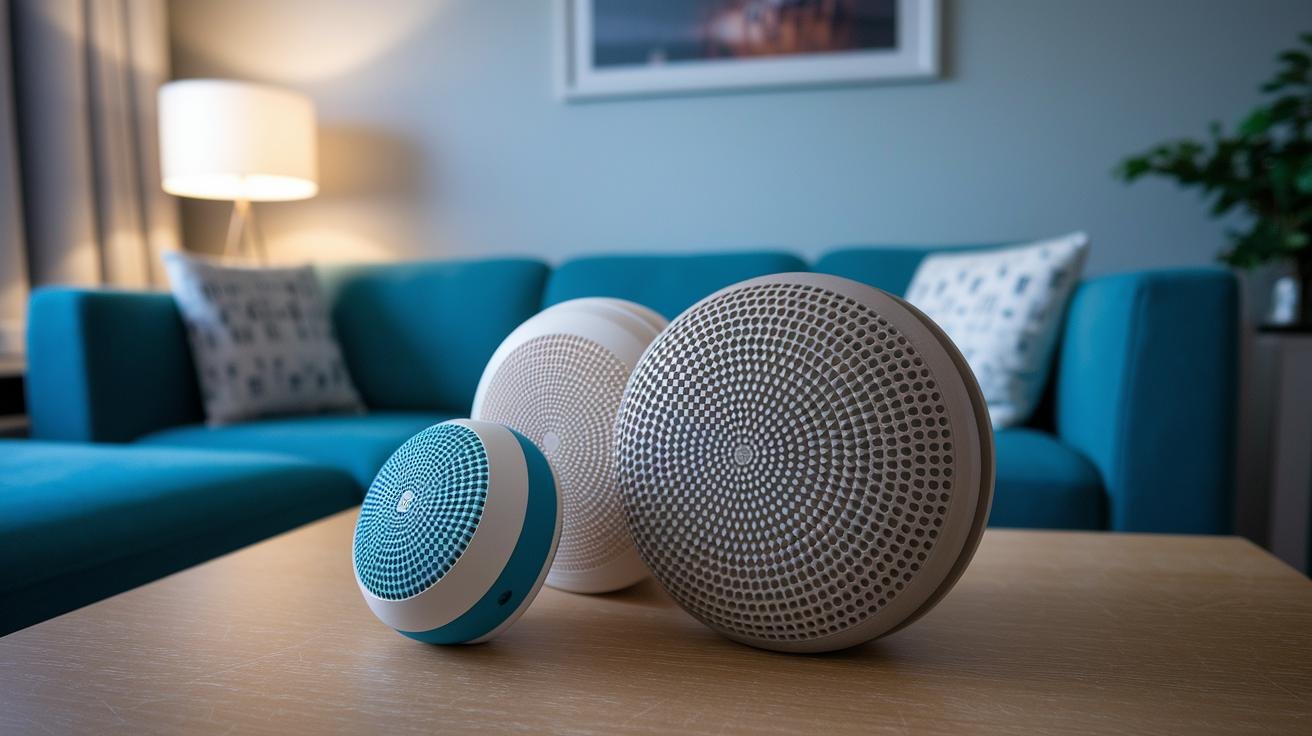
When picking a PEMF (Pulsed Electromagnetic Field therapy) device, match the device type to where and how you’ll use it. Have you ever wondered which style fits your routine best? See "How PEMF Works" for frequency and intensity details, and "PEMF Therapy For Pain Provides Fast Relief" for setup and session tips.
Quick buying tips:
- Choose portable coils for targeted relief and travel. They’re easy to position on knees, shoulders, or tendons, like a warm fingertip of energy focused where you need it.
- Pick a full-body mat for whole-body recovery or daily maintenance. It covers multiple areas while you rest, like a gentle blanket supporting sleep and stiffness.
- Reserve clinical-grade machines for higher-intensity or advanced protocols, and only use them with clinician oversight.
Oh, and here’s a neat trick: start low and slow to find a comfortable setting before stepping up. Next, check the referenced pages for exact frequency and intensity ranges.
| 設備類型 | Intensity Range | 典型用途 |
|---|---|---|
| Portable Coil Set | See “How PEMF Works” for frequency and intensity details | Targeted joints, travel, spot treatments |
| Full-Body Mat | See “How PEMF Works” for frequency and intensity details | Whole-body recovery, sleep support, chronic stiffness |
| Clinical-Grade Machine | See “How PEMF Works” for frequency and intensity details | Deep tissue therapy, post-op rehab, clinician-led protocols |
Resources (sponsored recommendation):
- Best OlyLife PEMF device for joint pain relief (sponsored recommendation): https://olylife.international/?p=1235
PEMF Therapy Safety Guidelines, Side Effects, and Contraindications
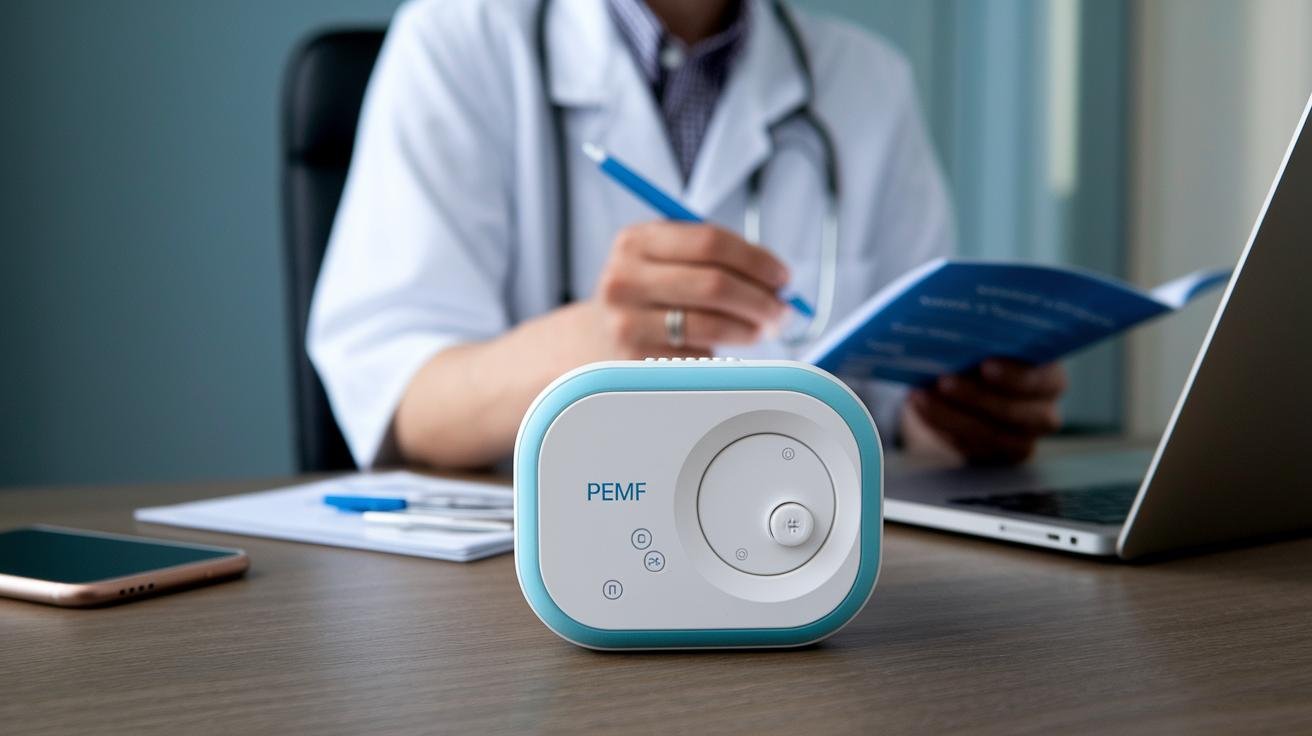
PEMF (Pulsed Electromagnetic Field therapy) uses short bursts of magnetic energy to nudge cells and tissues into better repair. It’s generally low risk when you follow basic safety steps and pay attention to how your body responds. Think of it like turning up a small, warming hum for your cells.
Start slow. Use low settings at first and keep sessions short while you learn how you feel. Keep a simple log – note the date, frequency, intensity, and any changes in sleep, pain levels, or new sensations. Oh, and here’s a neat trick: jot down the time of day you use it, so you can spot patterns.
Mild side effects are common and usually short lived: a gentle warmth, a soft tingling, or a brief flare of pain that fades within a day. If something lasts longer or gets worse, pause treatments and check in with your clinician. Small tweaks to coil position (the device head) or lowering intensity often helps.
There are important contraindications to respect. Don’t use PEMF if you’re pregnant, if you have a pacemaker or implanted defibrillator, or if you have certain metal implants close to the treatment area. Also avoid it with uncontrolled seizure disorders like epilepsy. Talk with your medical team about any implants or devices before you start.
Device choice matters. Look for FDA-approved PEMF products or CE-certified devices and read the operator manual before you begin. Clinical oversight is a good idea for higher-intensity machines; home units are safest when they offer preset programs and conservative settings. For more on device safety and inflammation-reducing protocols, visit holistic inflammation management with PEMF therapy.
If you’re on blood thinners, have active cancer, or have complex heart issues, get clearance from a trained provider first. A short chat with your clinician keeps things safe and helps fit PEMF into your recovery plan. Have you talked to your provider yet?
🎁 Get a Free Wellness Gift
Enter your name and email below to receive a special wellness gift from OlyLife — absolutely free!
Patient Experiences and Expert Insights on PEMF Pain Relief
| Anecdotes vs. Evidence |
|---|
| Many users share personal stories of bigger gains than clinical averages. You’ll often see comments like “I felt a lot better, more than the studies suggested.” But randomized trials typically show average pain drops of about 30 to 40 percent. So while stories can be inspiring, they don’t always match the average result seen in research. |
FAQs on PEMF Therapy for Pain Relief

PEMF (Pulsed Electromagnetic Field therapy) can feel a bit mysterious, so here are the common questions people ask. I’ll keep it simple and practical, like a chat at the kitchen table.
-
How quickly will I feel better, what does a pemf pain relief guide suggest?
Many people notice softer pain and nicer motion in 2-3 weeks, with clearer gains by 4-6 weeks. Clinical trials often report about a 30-40% average drop in pain for osteoarthritis and chronic back pain when sessions are regular. Think small, steady wins instead of one big fix. Have you ever felt one small change lead to more? It happens a lot here. -
What’s the typical session plan and how often should I go?
Short sessions tend to work best. Aim for 20-30 minutes, 3-5 times per week, for 4-8 weeks. Start at a low setting and raise it only as you feel comfortable. For musculoskeletal pain, frequencies usually sit between 5-50 Hz (Hertz, cycles per second). Clinicians tune intensity based on how deep the tissue is. Picture it like a gentle hum or a mini massage for tired muscles. -
What is the pemf therapy price and cost of pemf devices?
Home devices range from about $200 for basic portable coil sets to several thousand dollars for full-body mats with app controls. Clinic-grade systems that therapists use often cost more than $5,000. Price usually reflects power, waveform control, and build quality. -
Will my insurance help, what about pemf insurance coverage?
Coverage is limited. Some insurers will pay for physician-ordered PEMF for specific diagnoses, but most home purchases aren’t reimbursed. It’s worth calling your insurer and asking. If possible, get a prescription or medical note to improve your chances. -
Should I use a home unit or see a clinic, pemf home versus clinical comparison?
Home units are great for gentle, regular maintenance and travel. Clinics offer higher-intensity machines and a hands-on plan for complex injuries or post-op rehab. If you have implants, a pacemaker, or a tricky diagnosis, start with a clinician-led plan.
Oh, and one practical tip: keep a simple session log. Note date, time, settings, and how you slept, moved, and felt afterward. Relax. Breathe. Then adjust based on those small signals and what your clinician advises.
結語
We jumped right into the evidence, multiple trials showing 30–40% average pain drops, and then laid out how pulsed electromagnetic field therapy wakes up cells, boosts ATP, and eases inflammation.
We covered practical details too: session lengths, coil placement, device choices, safety checks, and patient stories of less pain, deeper sleep, and lower medication use.
If you’re looking for a gentle, drug-free way to calm tension and speed recovery, pemf therapy for pain feels like a warm sunrise for your body, soft, steady, and hopeful.
常問問題
常見問題解答
Does PEMF therapy really work?
PEMF therapy really works for many people, with multiple controlled trials showing average 30–40% pain reductions in osteoarthritis and chronic back pain, plus reduced inflammation, improved circulation, and drug-free relief.
What are the side effects of PEMF therapy?
PEMF therapy side effects are usually mild, like warmth, tingling, or a short pain flare; rare risks include interference with pacemakers or seizures, so avoid use with those devices or conditions and consult your clinician.
What does the Mayo Clinic say about PEMF therapy?
The Mayo Clinic’s resources describe PEMF as having some clinical evidence for pain relief and recommend discussing PEMF with your healthcare provider before starting treatment, especially for chronic or complex conditions.
Can I use pulsed electromagnetic field therapy at home?
Pulsed electromagnetic field therapy at home is possible with consumer devices; typical protocols are 20–30 minute sessions, 5–50 Hz, three to five times weekly for four to eight weeks, following manufacturer instructions.
How does PEMF compare with red light therapy?
PEMF vs red light therapy differ by mechanism: PEMF uses magnetic pulses to restore cell electrical balance, while red light uses near-infrared light to stimulate mitochondria; they target different pathways and can be complementary.
What about PEMF and Terahertz therapy?
PEMF and Terahertz therapy use different electromagnetic ranges; terahertz is higher-frequency and more experimental with limited clinical pain data. PEMF has more trials supporting pain relief.
Do PEMF therapy devices get good reviews?
PEMF therapy reviews report many users see 50–70% pain reduction after four to six weeks, improved sleep, and reduced medication use, though outcomes depend on device quality, protocol, and condition treated.
Does PEMF therapy work for dogs?
PEMF therapy for dogs works for many musculoskeletal and post-surgical pain cases; veterinarians use coils or mats, so consult your vet for appropriate dosing, device choice, and safety precautions.
Will insurance pay for PEMF?
Insurance pays for PEMF in limited situations; most at-home devices are out-of-pocket, and some clinically prescribed, FDA-cleared systems for specific diagnoses may qualify for partial coverage.
What is the best pain relief for chronic pain?
The best pain relief for chronic pain varies by cause and goals; common effective approaches include exercise, medications, physical therapy, cognitive strategies, and adjuncts like PEMF for drug-free symptom reduction.