Introduction: Two Revolutionary Approaches to Cellular Health
In the evolving landscape of wellness technology, two forms of energy therapy have emerged as powerful tools for supporting cellular health and vitality: Terahertz (THz) therapy 和 PEMF (Pulsed Electromagnetic Field) therapy. While both harness the power of electromagnetic energy to promote healing and wellness, they operate on fundamentally different principles, frequencies, and biological mechanisms.
Understanding these differences is crucial for anyone exploring non-invasive approaches to pain relief, cellular regeneration, circulation enhancement, and overall wellness optimization. This comprehensive guide breaks down the science behind each therapy, their unique applications, and how they can work synergistically to support your health.
What is Terahertz (THz) Therapy?
The Science of Terahertz Waves
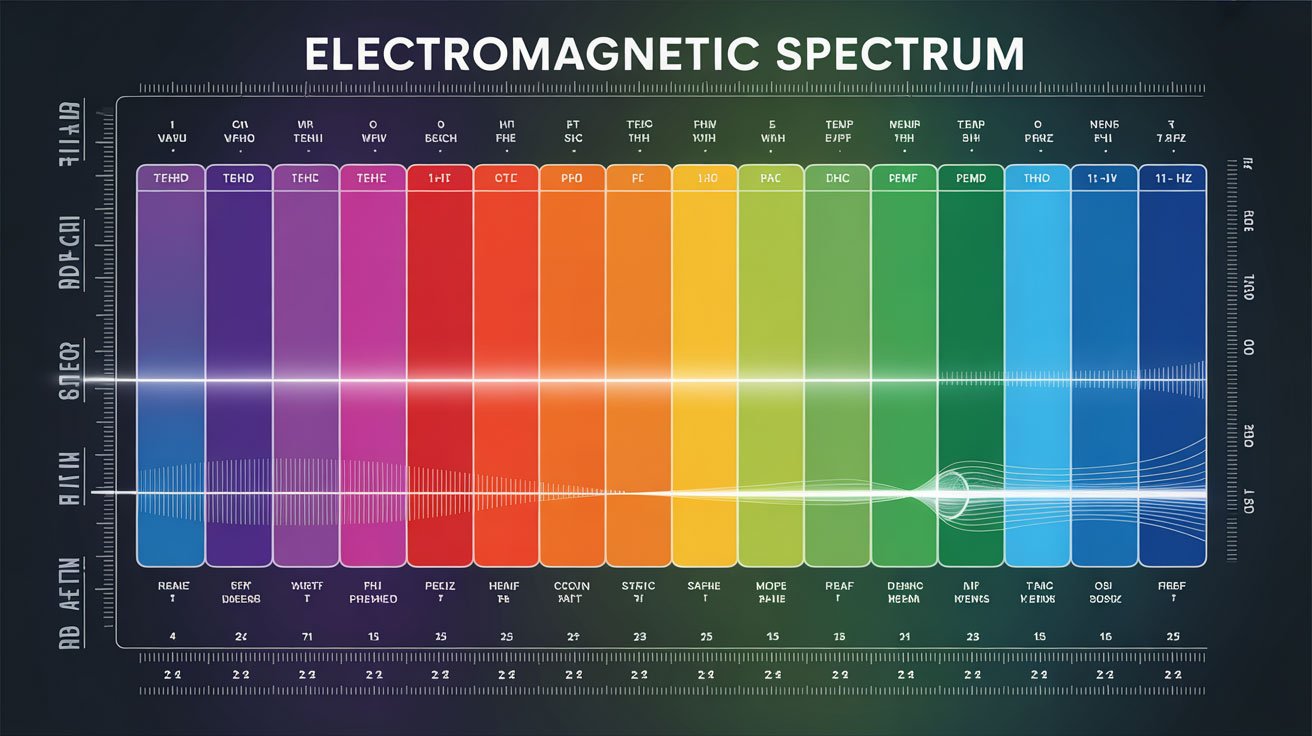
Terahertz therapy utilizes electromagnetic waves that occupy a unique position on the electromagnetic spectrum—sitting between microwave and infrared frequencies, typically ranging from 0.1 to 10 THz (that’s one trillion cycles per second).
These high-frequency, non-ionizing waves represent a relatively new frontier in therapeutic technology. Unlike X-rays or gamma rays, THz waves don’t carry enough energy to damage DNA or cellular structures, making them safe for therapeutic applications.
How Terahertz Therapy Works
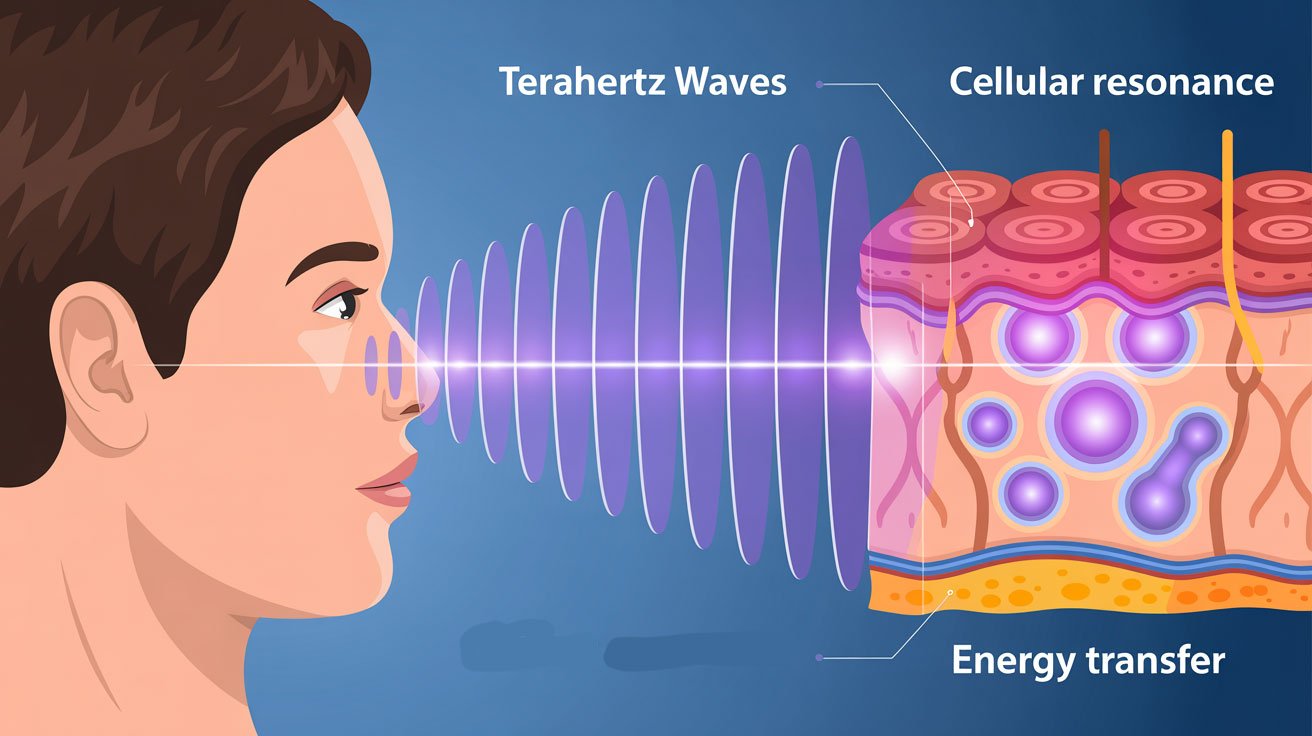
THz devices emit focused electromagnetic waves that can penetrate soft tissues up to several centimeters deep. The therapeutic mechanism operates through several key pathways:
1. Cellular Resonance
Terahertz frequencies are believed to resonate with the natural oscillation frequencies of human cells. This resonance effect creates a gentle, non-thermal activation that enhances cellular communication and function. Think of it like tuning a musical instrument—when the frequencies align, cellular processes become more harmonious and efficient.
2. Molecular Activation
THz waves increase molecular motion and vibration at the cellular level, which:
- Improves cellular metabolism and energy transfer
- Enhances ATP (adenosine triphosphate) production
- Supports mitochondrial function
- Promotes cellular detoxification pathways
3. Microcirculation Enhancement
By energizing cells and improving vascular function, Terahertz therapy helps:
- Increase blood flow to tissues
- Enhance oxygen delivery
- Support lymphatic drainage
- Reduce tissue stiffness and improve flexibility
4. Hydration and Nutrient Transport
THz waves interact with water molecules in the body, potentially improving:
- Cellular hydration
- Nutrient absorption at the cellular level
- Waste removal through enhanced fluid dynamics
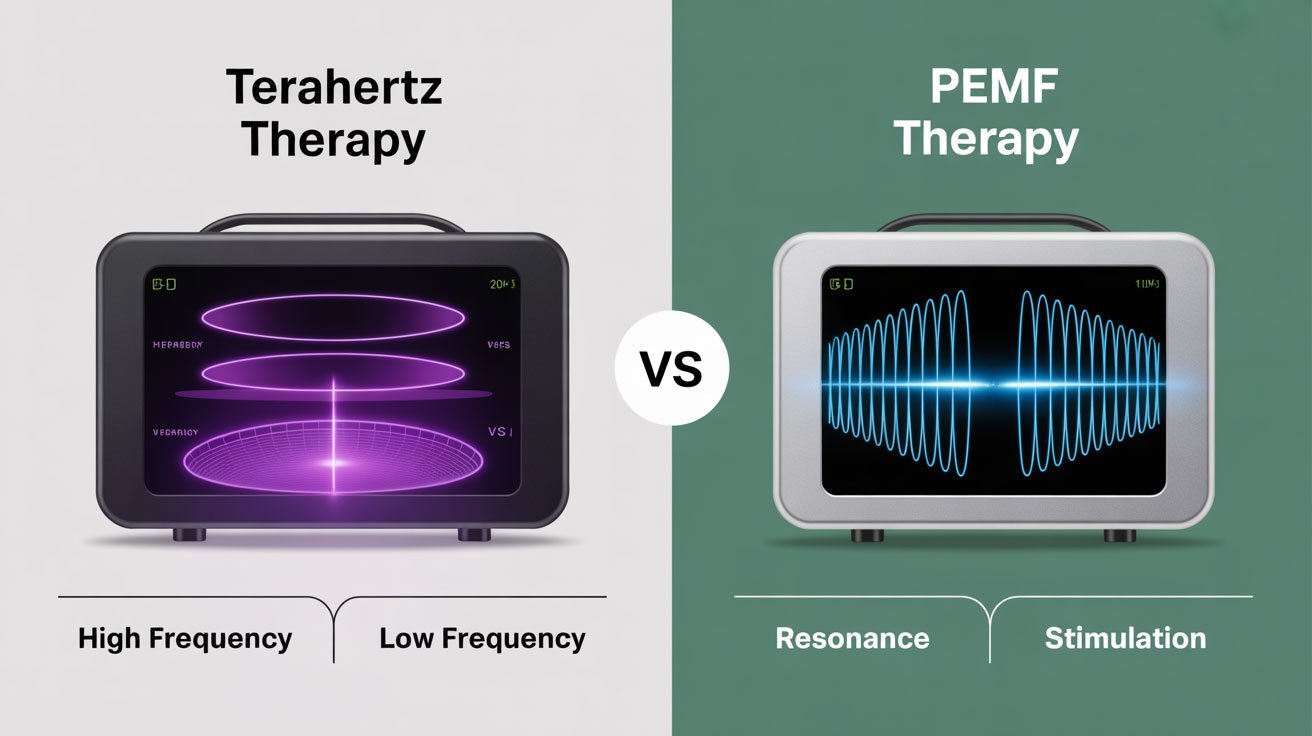
Think of THz as: A light-based, wave-resonance therapy that energizes cells and enhances biological activity through frequency alignment.
Primary Applications of Terahertz Therapy
- Circulation improvement and microvascular health
- Skin rejuvenation and tissue repair
- Lymphatic drainage and detoxification
- Pain relief and inflammation reduction
- General wellness and cellular vitality
- Surface-level tissue treatment
- Cosmetic and aesthetic applications
What is PEMF (Pulsed Electromagnetic Field) Therapy?
The Science of PEMF
PEMF therapy has a longer clinical history, with extensive research dating back several decades. It uses low-frequency electromagnetic pulses—typically in the 1–100 Hz range—to influence the electrical charge of cells and tissues throughout the body.
This therapy works at frequencies much closer to the Earth’s natural magnetic field (approximately 7.83 Hz, known as the Schumann Resonance), which all life on this planet evolved within.
How PEMF Therapy Works
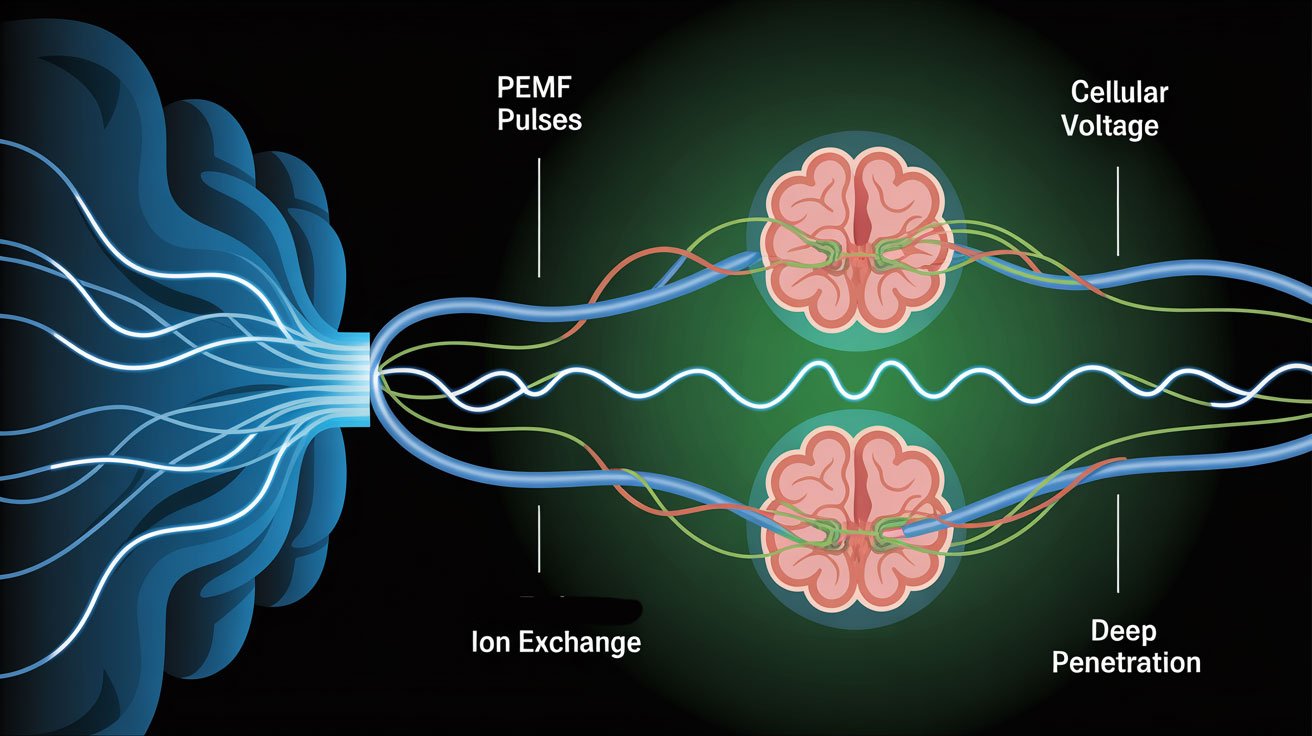
Each electromagnetic pulse from a PEMF device briefly induces a measurable electric field within the body’s tissues. This creates several therapeutic effects:
1. Cellular Voltage Restoration
Healthy cells maintain an optimal membrane potential (typically around -70 to -90 millivolts). When cells become damaged, stressed, or diseased, this voltage drops. PEMF therapy:
- Rebalances cellular voltage to optimal levels
- Restores the sodium-potassium pump function
- Enhances cellular membrane integrity
2. Enhanced Ion Exchange
PEMF pulses facilitate the movement of ions (charged particles) across cell membranes, which:
- Improves nutrient transport into cells
- Enhances waste removal from cells
- Supports optimal cellular metabolism
- Promotes efficient oxygen delivery
3. ATP Production
By “recharging” cellular batteries, PEMF stimulates:
- Increased ATP synthesis (the body’s energy currency)
- Enhanced mitochondrial function
- Improved cellular energy availability
4. Inflammation Reduction
PEMF has been extensively studied for its anti-inflammatory effects:
- Reduces pro-inflammatory cytokines
- Supports natural healing cascades
- Decreases pain signaling
- Promotes tissue repair and regeneration
5. Bone and Tissue Healing
PEMF is FDA-cleared for several medical applications, including:
- Bone fracture healing and non-union fractures
- Post-surgical recovery
- Osteoarthritis management
- Chronic wound healing
Think of PEMF as: A magnetic-based stimulation therapy that recharges and resets your body’s natural bioelectric circuits.
Primary Applications of PEMF Therapy
- Injury recovery and bone repair
- Pain management (acute and chronic)
- Circulatory enhancement
- Inflammation control
- Nerve regeneration and neuropathy
- Deep tissue healing
- Athletic recovery and performance
- Sleep improvement and stress reduction
The Key Differences: Terahertz vs PEMF Side-by-Side
| Aspect | Terahertz (THz) | 脈衝電磁場 |
|---|---|---|
| Type of Energy | Electromagnetic wave (light spectrum) | Magnetic field pulses (low frequency) |
| 頻率範圍 | 0.1–10 THz (very high frequency) | 1–100 Hz (very low frequency) |
| Primary Mechanism | Resonance with molecular vibrations | Induced microcurrents and cellular voltage reset |
| Penetration Depth | Surface to several centimeters | Deep tissue penetration (entire body) |
| Primary Action | Cellular activation, detoxification, microcirculation enhancement | Regeneration, inflammation reduction, pain relief, cellular recharging |
| Sensation During Use | Gentle warmth, subtle surface-level resonance | Deep magnetic pulses (may feel rhythmic in larger systems) |
| Speed of Effect | Often immediate surface effects | Cumulative benefits over time |
| Best For | Skin health, circulation, detox, lymphatic support | Deep tissue healing, chronic pain, bone repair, systemic inflammation |
| FDA Status | Emerging technology (not FDA-cleared) | FDA-cleared for specific medical indications |
| Safety Profile | Non-ionizing, low-heat, no known side effects | Non-ionizing, low-frequency, extensively studied |
| Treatment Duration | Typically shorter sessions (10-20 minutes) | Varies widely (8 minutes to hours depending on device) |
| Typical Devices | Wands, skin rejuvenators, targeted applicators | Mats, coils, full-body systems, localized applicators |
The easiest way to understand the distinction is through their core mechanisms:
Terahertz = Frequency Resonance
THz therapy energizes cells by matching their natural vibrational frequencies. It’s like playing the right note that makes a tuning fork vibrate—when the frequency aligns with cellular oscillations, biological processes become optimized. This creates enhanced cellular communication, improved metabolic activity, and increased energy at the molecular level.
PEMF = Electromagnetic Stimulation
PEMF therapy charges and repairs cells by inducing electrical currents that restore optimal cellular voltage. Think of it like jump-starting or recharging a battery—PEMF pulses restore the electrical potential that allows cells to function properly, heal efficiently, and maintain optimal health.
🎁 Get a Free Wellness Gift
Enter your name and email below to receive a special wellness gift from OlyLife — absolutely free!
The Power of Combination Therapy
Why Dual-Action Devices Are Game-Changers
Some advanced wellness devices, like the OlyLife Tera P90 series, combine both Terahertz and PEMF technologies in a single platform. This dual-action approach offers significant advantages:
Complementary Mechanisms:
- THz energizes and activates cellular processes
- PEMF rebalances and repairs cellular function
- Together, they address both surface and deep tissue health
Broader Therapeutic Range:
- THz reaches surface tissues and microcirculation
- PEMF penetrates to deeper structures
- Combined coverage from skin to bone
Synergistic Effects:
- Enhanced circulation from both modalities
- Faster cellular repair and regeneration
- More comprehensive pain relief
- Improved overall wellness outcomes
Convenient Integration: Rather than requiring separate therapy sessions, combination devices allow users to receive both therapeutic modalities simultaneously, maximizing efficiency and results.
Which Therapy is Right for You?
Choose Terahertz Therapy When:
- You want to improve skin health and appearance
- You’re focused on lymphatic drainage and detoxification
- You need enhanced microcirculation
- You prefer shorter, more frequent sessions
- You’re interested in surface-level rejuvenation
- You want general wellness and energy enhancement
Choose PEMF Therapy When:
- You’re recovering from injury or surgery
- You have chronic pain or inflammation
- You need deep tissue healing
- You have bone or joint issues
- You want systemic cellular regeneration
- You need help with sleep or stress management
- You have neuropathy or nerve-related conditions
Consider Combination Therapy When:
- You want comprehensive wellness support
- You have multiple health goals
- You want both surface and deep tissue benefits
- You prefer an all-in-one solution
- You’re serious about optimizing cellular health
Frequently Asked Questions (FAQ)
What’s the difference between Terahertz and PEMF in simple terms?
Terahertz uses high-frequency light-like waves to resonate with and energize cells, while PEMF uses low-frequency magnetic pulses to recharge cellular batteries. THz works through resonance; PEMF works through electrical stimulation.
Can I use Terahertz and PEMF therapy together?
Absolutely! In fact, combination devices that offer both therapies simultaneously are becoming increasingly popular because they provide complementary benefits—THz energizes while PEMF rebalances and repairs.
How long does it take to see results?
Terahertz often provides immediate sensations of warmth and relaxation, with visible skin improvements within weeks. PEMF typically shows cumulative benefits over 2-4 weeks of consistent use, though pain relief may be noticed sooner.
Are these therapies safe?
Both therapies use non-ionizing electromagnetic energy, which means they don’t have enough energy to damage DNA or cells. PEMF has decades of clinical research supporting its safety, while Terahertz is an emerging technology with a growing safety profile.
Is PEMF the same as the Earth’s magnetic field?
PEMF therapy mimics and supplements the Earth’s natural magnetic field (Schumann Resonance), which is approximately 7.83 Hz. Modern living—spending time indoors, living in cities, using electronics—can reduce our exposure to these beneficial natural frequencies.
Do I need a prescription for Terahertz or PEMF devices?
Most consumer-grade wellness devices do not require a prescription. However, medical-grade PEMF devices for specific conditions (like bone healing) may require physician oversight. Always consult with a healthcare provider before starting any new therapy.
Can these therapies replace medical treatment?
No. While both therapies can support wellness and complement medical care, they should not replace professional medical diagnosis and treatment. Always work with qualified healthcare providers for medical conditions.
How often should I use Terahertz or PEMF therapy?
Frequency varies by device and individual goals. Many users benefit from daily sessions of 10-30 minutes. Start with manufacturer recommendations and adjust based on your response and wellness goals.
What’s the difference in cost between Terahertz and PEMF devices?
Prices vary widely. Basic PEMF mats start around $200-500, while professional systems can cost $3,000-10,000+. Terahertz devices typically range from $500-2,000. Combination devices like the OlyLife P90 series offer both technologies in one investment.
Can I use these therapies if I have a pacemaker or metal implants?
PEMF is typically contraindicated for people with pacemakers or certain electronic implants due to its magnetic nature. Terahertz may be safer in these cases, but always consult your physician before using any electromagnetic therapy device if you have implanted medical devices.
The Bottom Line: Two Powerful Tools for Optimal Wellness
Terahertz and PEMF therapies represent two distinct but complementary approaches to supporting cellular health, reducing pain, enhancing circulation, and promoting overall wellness. While they work through different mechanisms—THz through high-frequency resonance and PEMF through low-frequency magnetic stimulation—both offer non-invasive, drug-free pathways to better health.
Understanding these differences empowers you to make informed decisions about which therapy best aligns with your wellness goals. For many, the combination of both technologies offers the most comprehensive approach to cellular optimization and whole-body wellness.
As electromagnetic medicine continues to evolve, devices like the OlyLife Tera P90 series that combine both Terahertz and PEMF technologies represent the cutting edge of home wellness technology—bringing professional-grade therapy into your daily routine.
References and Scientific Support
- PEMF Research: Over 2,000 published studies on PEMF therapy, including FDA clearance for bone healing and pain management. Key research from institutions including NASA, Harvard Medical School, and the National Institutes of Health.
- Terahertz Technology: Emerging research from journals including Nature Photonics, Biomedical Optics Express, and Journal of Infrared, Millimeter, and Terahertz Waves exploring biological applications of THz frequencies.
- Cellular Voltage Research: Work by Dr. Jerry Tennant and others on cellular membrane potential and its relationship to healing and disease.
- Bioelectromagnetics: Extensive literature in the journal Bioelectromagnetics covering the effects of electromagnetic fields on biological systems.