Can a lamp on your kitchen table really ease chronic aches, speed skin repair, and help you sleep better?
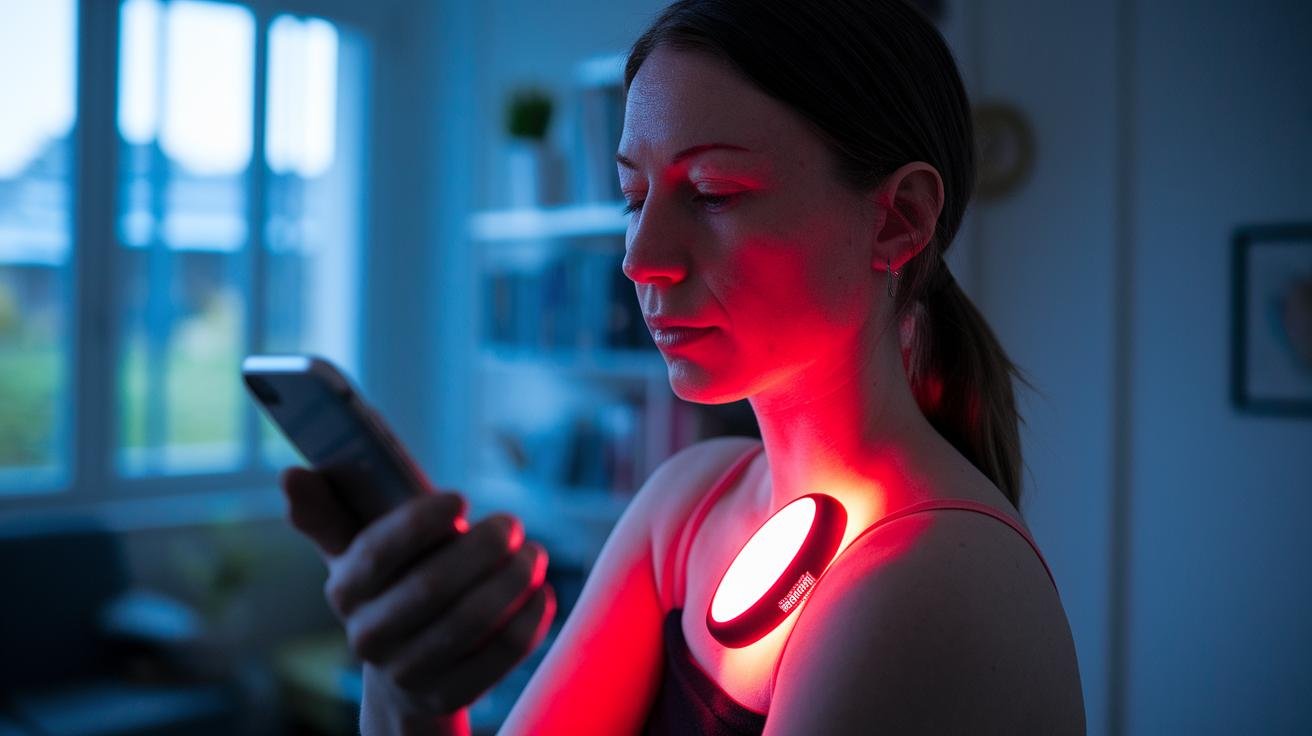
Infrared light therapy (700 to 1400 nm – the deep red to near-infrared band) gently warms tissue, boosts circulation, and nudges cellular repair. Think of it like a warm sunrise waking up your cells.
When you follow the right distance, timing, and basic safety checks, at-home infrared can be a safe, effective tool. It may ease pain, help muscles recover faster, clear up skin, and calm your nights.
Quick tip: follow the device instructions for how far away to sit and how long a session should last. Watch your skin, if it gets red, hot, or painful, stop and rest. And if you have a health condition or are pregnant, check with your clinician first.
Quick-Start Guide: Setting Up Your Infrared Therapy Device

Infrared light therapy uses 700-1400 nm (nanometers) light to gently warm tissue, boost circulation, and ease aches. Think of it like a warm sunrise waking up your cells. Curious how to get started?
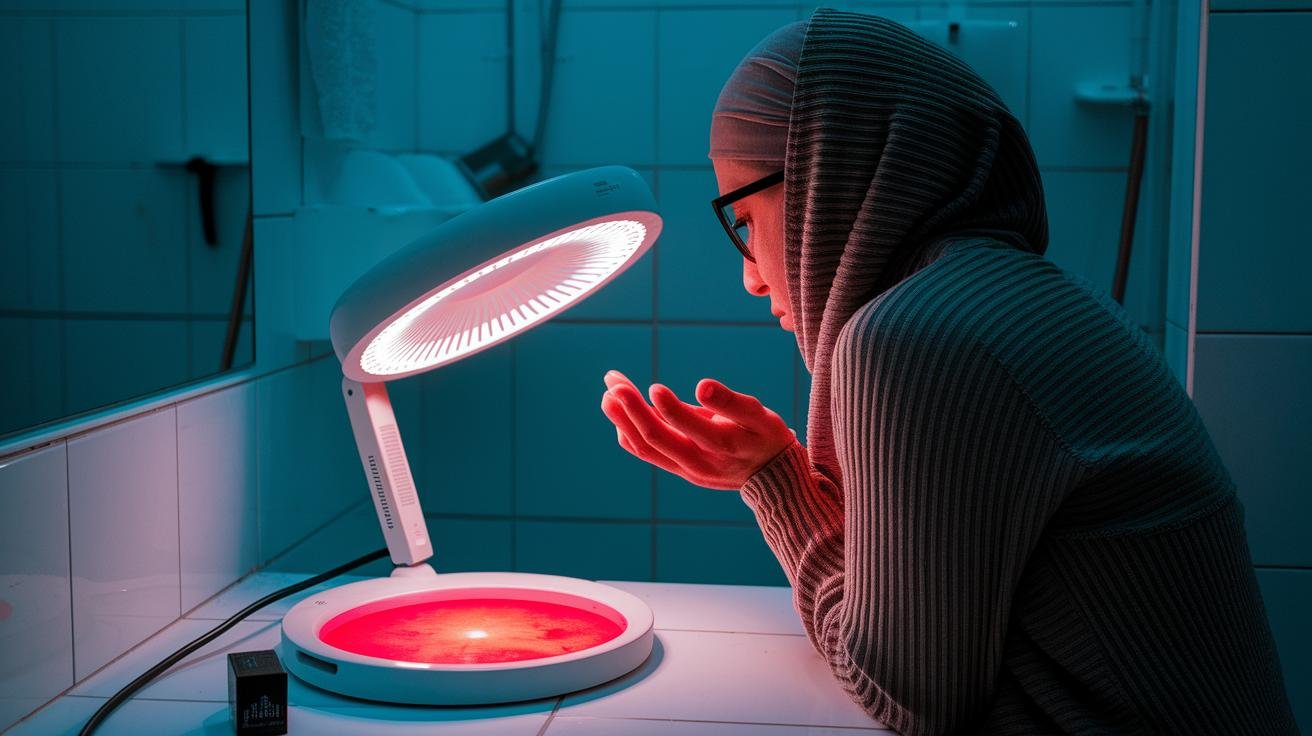
- Place the lamp or panel about 20-28 inches (50-70 cm) from clean, dry skin. Put it on a stable surface or mount so it won’t wobble.
- Run sessions for 20-30 minutes, once or twice a day. Shorter sessions first, then increase if you feel good.
- When you’re done, turn off the power, let the unit cool, then wipe it dry before storing.
Safety first. Use a protective shield or mesh cover if your device came with one, and keep water or sweat away from the unit. Watch your skin while you’re using it and for a while after. If you feel dizzy, lightheaded, or unusually tired, stop, sit down, and rest.
Tip: Start with one short session and pay attention to how your body responds. Next, you can adjust time or distance to find what feels best. Relax. Breathe.
Infrared Light Therapy At Home Safe Effective Results

Infrared gently warms tissue and nudges circulation, so oxygen-rich blood gets to sore spots faster. It’s an easy way to speed repair and ease pain. The warmth often feels like a slow sunrise waking up your cells.
Near-infrared (770-1200 nm), a deeper-penetrating band of light, reaches muscles and the tissues beneath the skin to help recovery and encourage new capillary growth. Red light (600-700 nm) works closer to the surface, supporting collagen and elastin for firmer, healthier-looking skin. Think of near-infrared as a deep, slow hug and red light as a warm touch right on the skin.
Clinical studies show real benefits: fewer wrinkles, clearer acne, faster wound healing, stimulated hair growth, and measurable pain relief for arthritis. Many people also report better sleep and a brighter mood after about four weeks of steady use. Have you noticed sleep improving after a month?
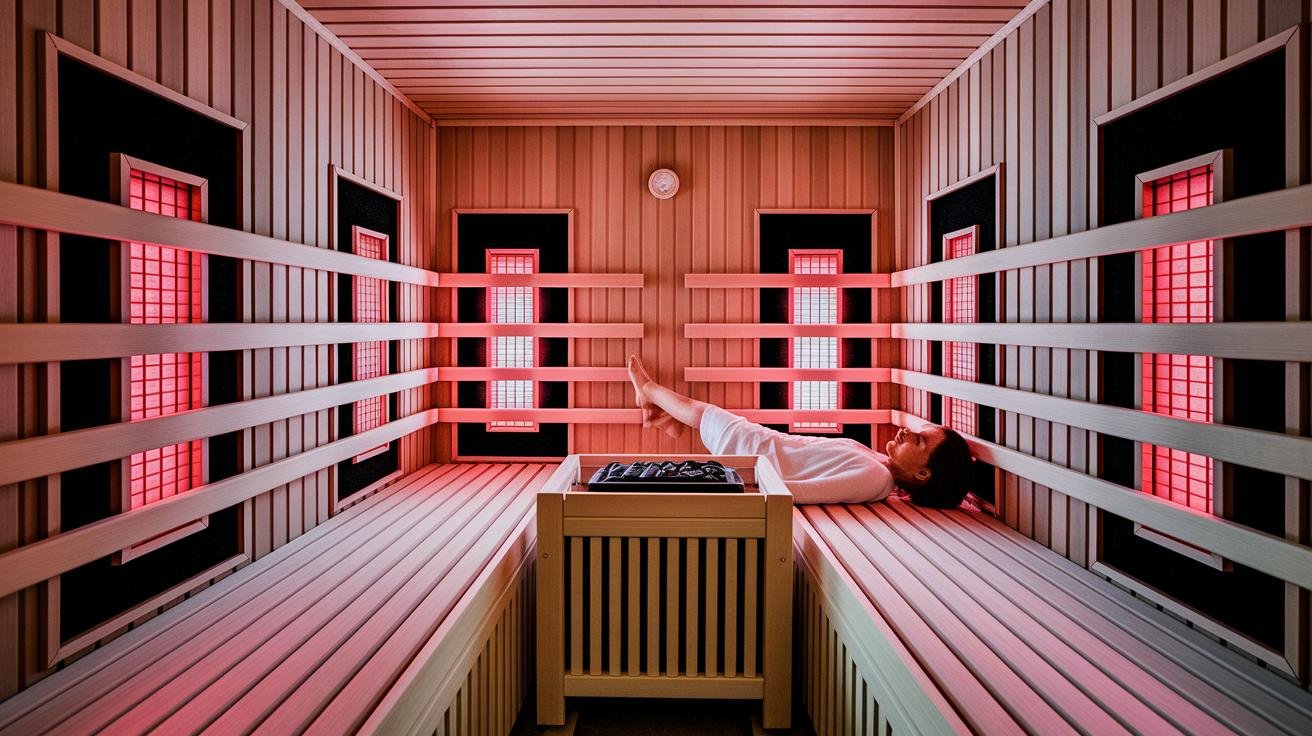
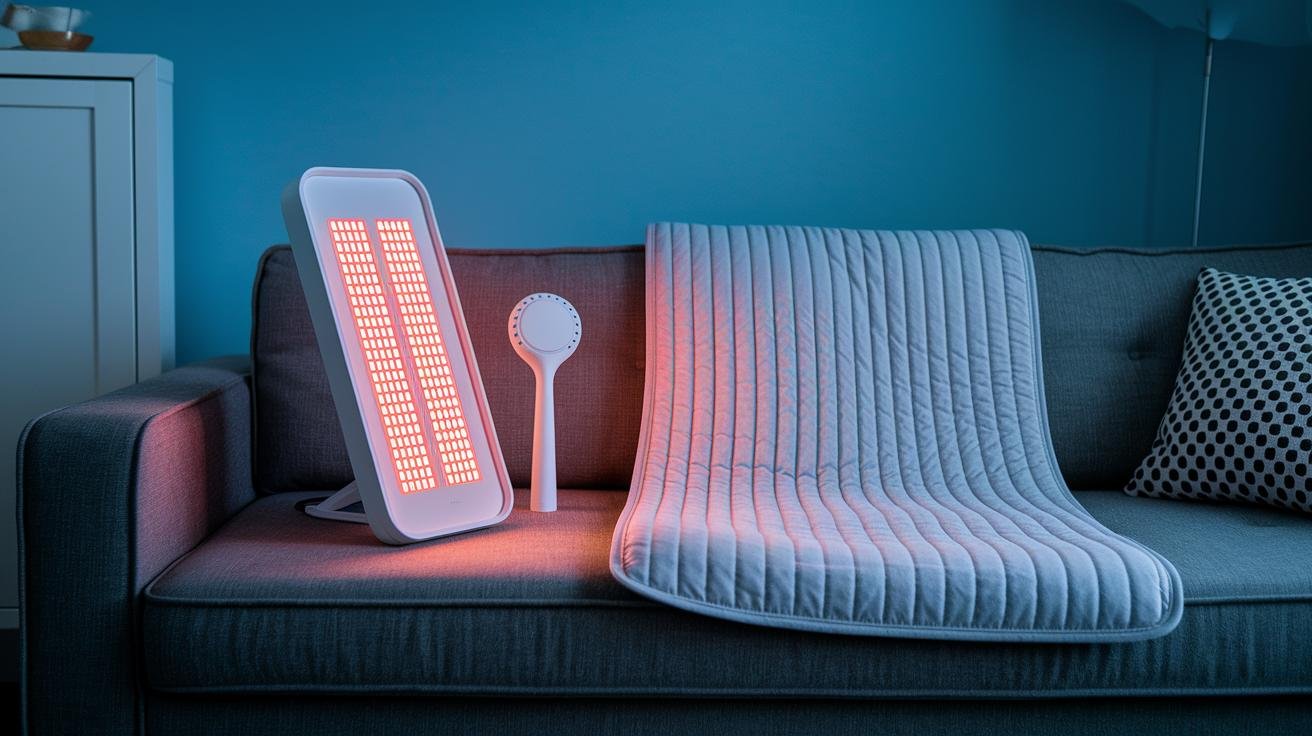
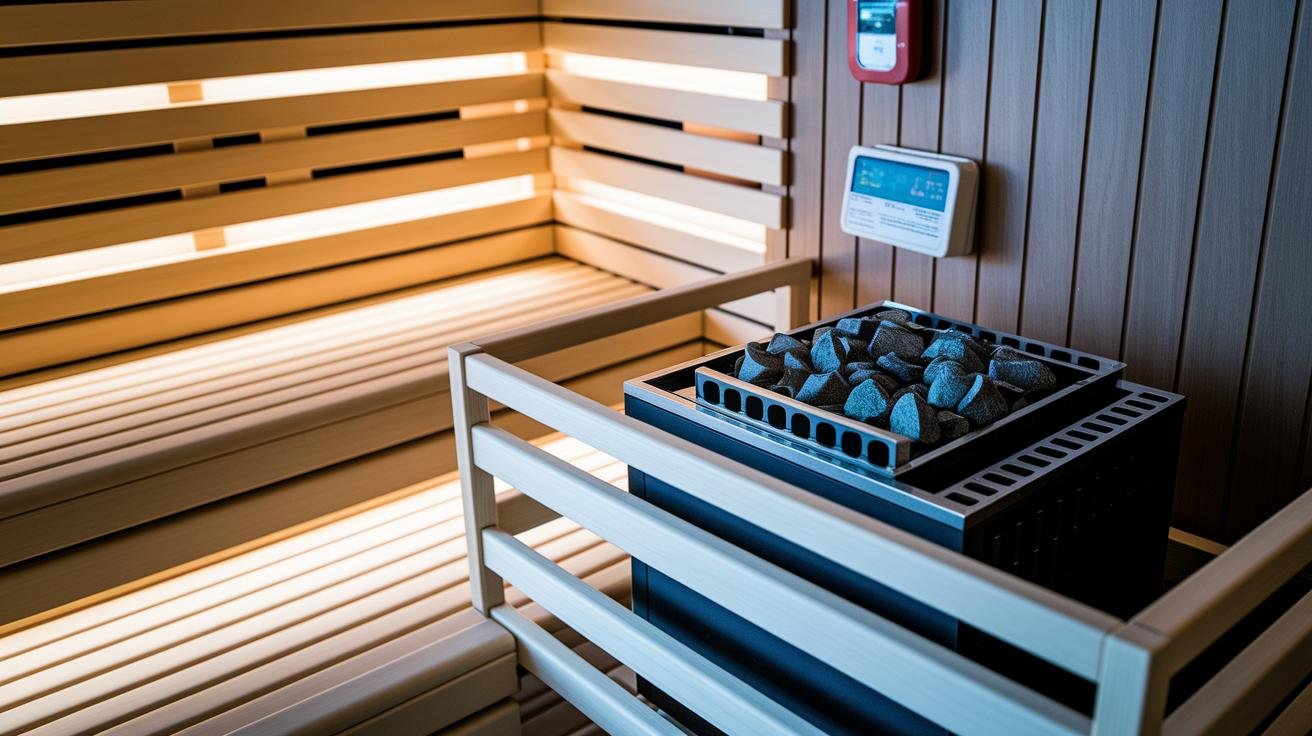
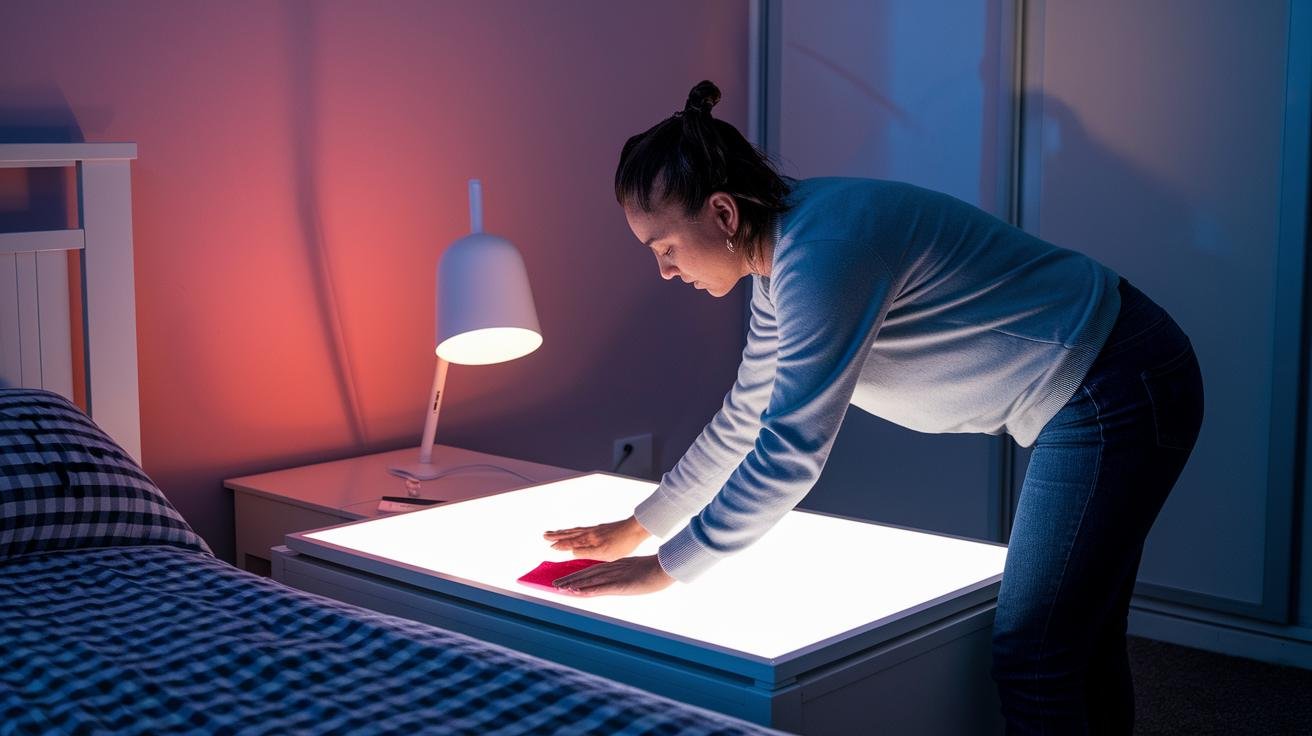
Full-body infrared saunas give a gentle, steady heat that treats large areas at once, which many people find comforting and effective. You don’t need a full cabin to get results. Infrared panels, wearable infrared textiles, and layered sleepwear with an infrared sheet can increase exposure at home. Portable mats or blankets work too, offering similar circulation and cellular oxygenation benefits without stepping into a sauna. Think of a mat as a heated blanket that gently encourages blood flow.
Start with short sessions and be consistent. Relax. Breathe. Track changes in your energy, pain, sleep, and skin over a few weeks. Oh, and here’s a neat trick: try a quick daily session for a week and note any small shifts, you might be surprised. In truth, if you have a health condition or are pregnant, check with your healthcare provider first.
Choosing the Right At-Home Infrared Light Devices

Pick a device that fits how you plan to use it. Here are the common types and what they feel like in real life.
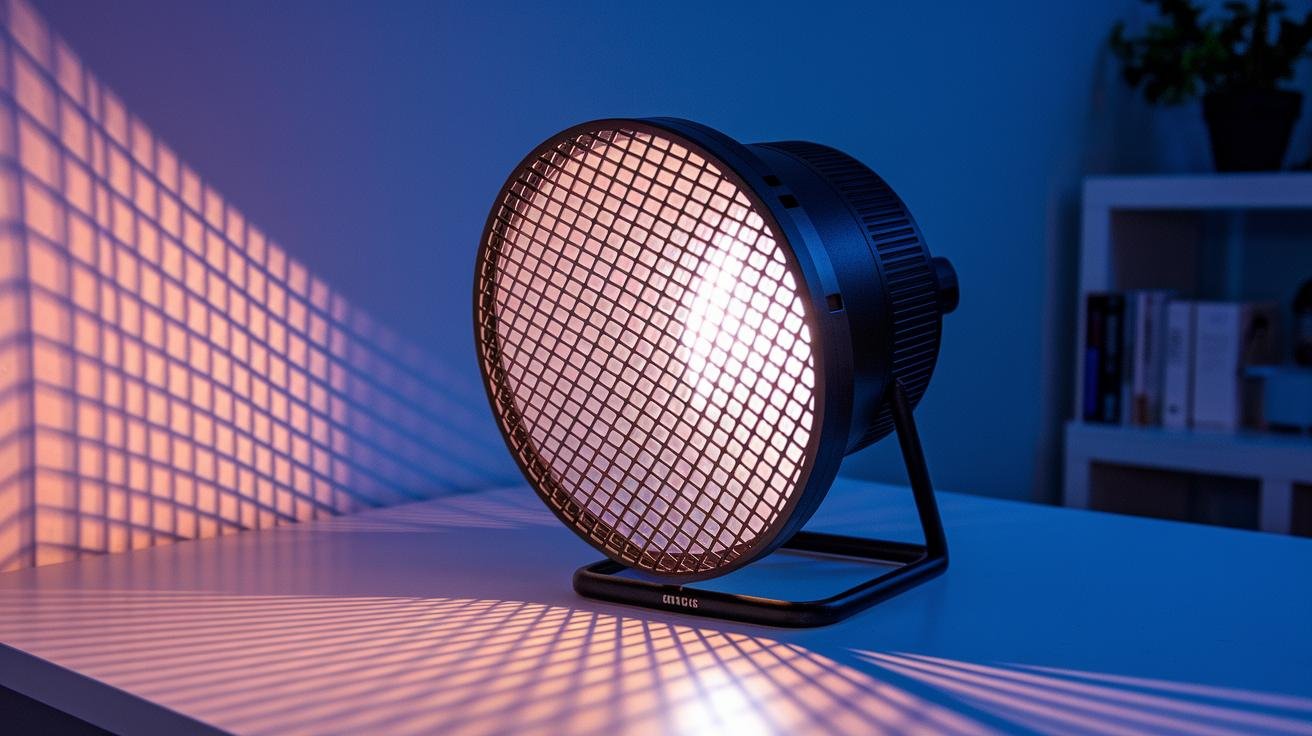
- 250 W infrared lamps – strong, single-point heat for spot treatment and short sessions. Feels like a warm hand on a sore spot.
- LED panels – low-heat, wide coverage for face or body; energy-efficient and usually budget-friendly. Gentle, like a sunbeam on your skin.
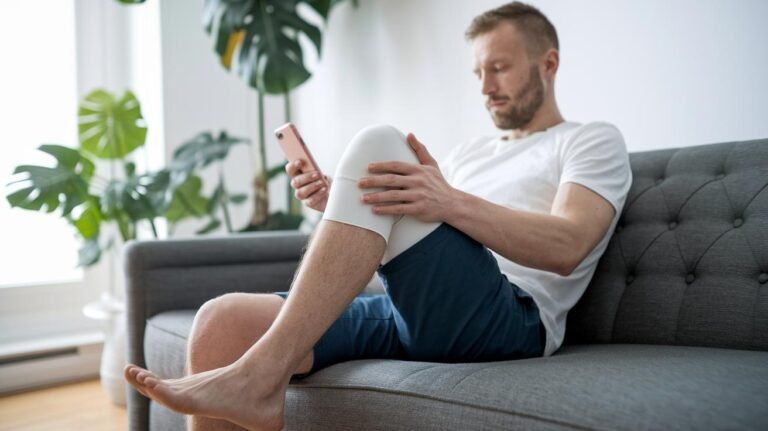
- Portable heating pads – soft and flexible, made for joints and small areas. Cozy.
- Sauna blankets and light-therapy mats – full-body exposure while you rest. Lie down, relax, let warmth spread.
- Handheld wands – focused relief for tight spots and tendons. Pinpointed attention.
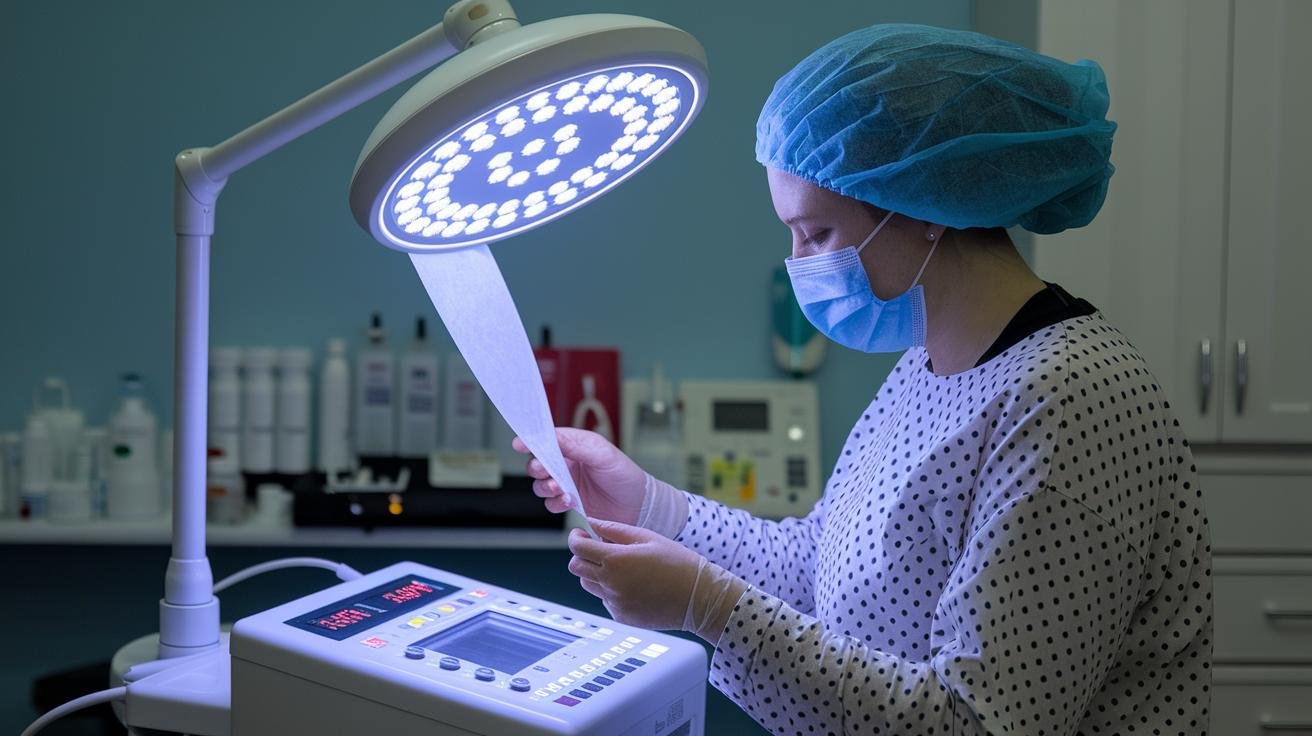
LED versus laser: LEDs give a mix of therapeutic wavelengths and don’t make much heat, so they’re popular for family use at home. Lasers put out a single, concentrated wavelength and can be stronger and warmer, which is why they’re more common in clinics or advanced home units used with professional guidance. Also look for red light and near-infrared (NIR) options , NIR reaches deeper tissues while red light works closer to the skin.
Match the device to your goals. Want better circulation and sleep-friendly sessions? Pick a mat, blanket, or panel. Need quick, local relief after a workout? A wand or pad is better. Want both skin glow and muscle repair? Combo units that blend red light and near-infrared cover surface tissues and deeper muscles. Think about how long you’ll use it each day, where you’ll store it, and whether you prefer hands-free sessions or something portable.
When you shop, check these features:
- FDA listing or clear safety claims (a good sign of basic oversight)
- Treatment-area size that fits your body or pain zones
- Power output and any cooling or temperature controls
- Coverage type – single spot versus full-body
- Simple presets and timers for consistent sessions
- Warranty, build quality, and easy cleaning
Short on space or cash? Choose a compact panel or a small folding mat. For focused pain, pick a wand or heating pad and plan short, frequent sessions rather than long marathons. Short bursts often work better and feel more doable. Oh, and a little care goes a long way: clean the device, store it dry, and follow the manual to keep it working and your sessions safe.
Infrared Light Therapy Protocols and Optimal Session Durations

Aim for 15 to 30 minute sessions, three to five times a week. Short daily sessions can work too. Generally, using the device more often is better than making any single session a lot longer. Think of it like a warm sunrise for your cells, gentle, regular exposure often wins.
Keep an infrared lamp about 50 to 70 cm (20 to 28 inches) from your skin. For LED panels, stay roughly 5 to 15 cm (about 2 to 6 inches) away. Start at the far end of each range and move closer only if it feels comfortable. Example: I began at 15 cm and after two sessions I tried 10 cm; it felt warm and fine. Oh, and don't press the device into your skin, let the warmth float to you.
| Checklist | Guideline |
|---|---|
| Session length | 15–30 minutes |
| 頻率 | 3–5 times per week, or short daily sessions |
| Lamp distance | 50–70 cm (20–28 in) |
| LED distance | 5–15 cm (2–6 in) |
| Starting rule | Begin at the far end of the range and move closer only if comfortable |
Track how you feel for about four weeks, small improvements often show up by then. If you want stronger results, try increasing how often you use it before lengthening each session. Pause and check with a healthcare pro if you feel unusual sensations, intense heat, or notice unexpected skin reactions. And if you take photosensitizing meds or have a light-sensitive condition, talk to your provider first.
Safety Tips and Potential Side Effects for Home Infrared Treatments

These quick tips are for infrared therapy (deep-heat light) you do at home. Think of this as a short, friendly checklist to keep things safe and comfy. Ready? Let’s go.
-
Placement and moisture
- Set the unit on a steady, level surface and use any protective mesh or shield that came with it. Keep it stable.
- Keep the device dry. Don’t let water or sweat drip onto the bulbs or electronics. Don’t use the lamp while bathing or in a damp room.
-
Watch for warning signs
- Check your skin during and after sessions. Look for redness, tightness, unusual warmth, blistering, or burn marks. Stop right away if you see any of these.
- Notice how your whole body feels. If you get dizzy, lightheaded, or suddenly very tired, pause the session. Sit or lie down and rest.
-
First aid for burns
- If a burn happens, run cool (not cold) water over the area for 10 minutes, or apply a cool compress. Don’t use ice.
- Seek medical care if the burn is deep, spreading, or forms blisters, or if it covers a large area.
-
Mild skin effects
- Mild redness, dryness, or itch usually settles with a gentle, fragrance-free moisturizer once the skin cools.
- Stop treatment if irritation gets worse or doesn’t improve.
-
Medical precautions
- If you have a chronic illness, are pregnant, have light sensitivity, or take photosensitizing medications, check with your healthcare provider before you start.
A small, practical tip: keep a towel nearby to catch sweat and protect surfaces. Relax. Breathe. If something feels off, trust that feeling and slow down.
Infrared Light Therapy at Home: Cost, Energy Efficiency, and Buying Advice

Picking the right infrared gear is partly common sense and partly a budgeting choice. Think about how often you’ll use it, where you’ll store it, and whether you want hands-free, full-body warmth or a small, focused device that feels like a warm patch on a sore spot. Have you ever wished a lamp could feel like a mini sauna? This is close.
Price ranges are broad. Entry-level LED (light-emitting diode) panels usually run $100 to $300. Portable sauna blankets start around $500. Full panels, cabin-style saunas, and high-end systems can reach several thousand dollars. If money’s tight, a compact panel or small mat often delivers most of the benefits for a lot less cash.
Energy use is surprisingly low for most LED setups. Typical units draw 50 to 250 watts. Quick math: a 150-watt panel used for 30 minutes is 0.075 kWh (kilowatt-hour). At about $0.15 per kWh, that’s just a few cents per session. So even if the device costs more up front, it can be economical over time compared with laser-style systems that use more power.
When you shop, weigh practical features that matter long term:
- Warranty length and clear service terms.
- Build quality and cleaning instructions.
- Coverage area and power output for your goals.
- Temperature control, presets, and an easy user interface.
- Any FDA listing or clear safety documentation.
A small tip: if more than one person will use it, choose a slightly larger unit for comfort and longer life. Keep the manual handy, simple upkeep, like gentle cleaning and proper storage, helps the device last.
Oh, and one more thing: try before you commit if you can. Test how the warmth feels on your skin and how easy the controls are. Relax. Breathe.
Infrared Light Therapy at Home: FAQs and Troubleshooting Tips

We cleaned up overlapping content so you won’t see the same info across different pages. Wait, let me clarify: troubleshooting and quick fixes like overheating, odd smells, or flickering bulbs now live under Safety Tips and the new Troubleshooting & Maintenance section in Choosing the Right Device.
Timeline and frequency details were moved to Protocols instead. Some users notice visible changes in about 3 to 4 weeks, and that note is now in Protocols so you’ll find the full guidance there. Have you ever wondered when to expect results? That’s where to look.
Cleaning and storage tips are no longer scattered. We combined upkeep advice with Quick-Start and Buying Advice so all the how-to care steps are in one place. It’s easier to find and follow.
Example wording you can use: "See Safety Tips > Troubleshooting & Maintenance for quick fixes if your device overheats or bulbs flicker." Oh, and here’s a neat trick: bookmark those sections for faster help.
If problems stick around, stop use and call the manufacturer or your healthcare provider.
結語
Set up your lamp or panel 50–70 cm from clean, dry skin on a stable surface. Run 20–30 minute sessions once or twice daily, and pick wavelengths for surface or deeper relief.
Compare LEDs, lamps, mats, and wands for coverage and ease of use. Watch for redness, dizziness, or overheating; cool and seek care if burns happen, and keep units dry with protective nets.
Try a short routine for four weeks to notice better sleep, less soreness, and calmer tension. With steady, safe practice, infrared light therapy at home can become a gentle ritual that helps you relax and recharge.
常問問題
Which at-home red or infrared light therapy devices are strongest, medical-grade, or best for full-body use?
The strongest at-home red or infrared devices are high-irradiance LED panels or sauna blankets with combined red (600–700 nm) and near-infrared (NIR, 770–1200 nm) output, wide coverage, and FDA-listed certification.
Do at-home red light and infrared therapies actually work, and what does the Mayo Clinic say about them?
At-home red light and infrared therapy can help skin, pain, and recovery; clinical studies show benefits. The Mayo Clinic calls evidence promising but mixed, urging more high-quality research and medical advice for specific conditions.
Can I safely do infrared therapy at home, and what are basic setup and session tips?
You can safely do infrared therapy at home by placing the unit 50–70 cm from clean, dry skin (lamps) or 5–15 cm for panels, running 20–30 minutes once or twice daily, and keeping moisture away.
What are the dangers or disadvantages of red and infrared light therapy?
Dangers include skin redness, burns, dryness, dizziness or fatigue, and worsened photosensitivity with certain medications; stop use if severe reactions occur and consult your healthcare provider for guidance.
What are near-infrared light therapy devices and how do they differ from red light units?
Near-infrared (NIR, 770–1200 nm) devices penetrate deeper than red light (600–700 nm), targeting muscles and joints; common forms include LED panels, wands, mats, and combo units that treat both surface and deeper tissues.
What should I look for when buying an at-home infrared device (cost, energy, certification)?
Look for FDA-listed models, clear power/output specs, adequate coverage, warranty and maintenance info; expect LED panels at $100–$300, sauna blankets around $500+, and typical power use between 50–250 W.
How soon do people see benefits and what session protocols work best?
People often notice improvements in about four weeks; follow 15–30 minute sessions, three to five times weekly, keeping manufacturer distance guidelines and consistent daily or twice-daily use for faster results.