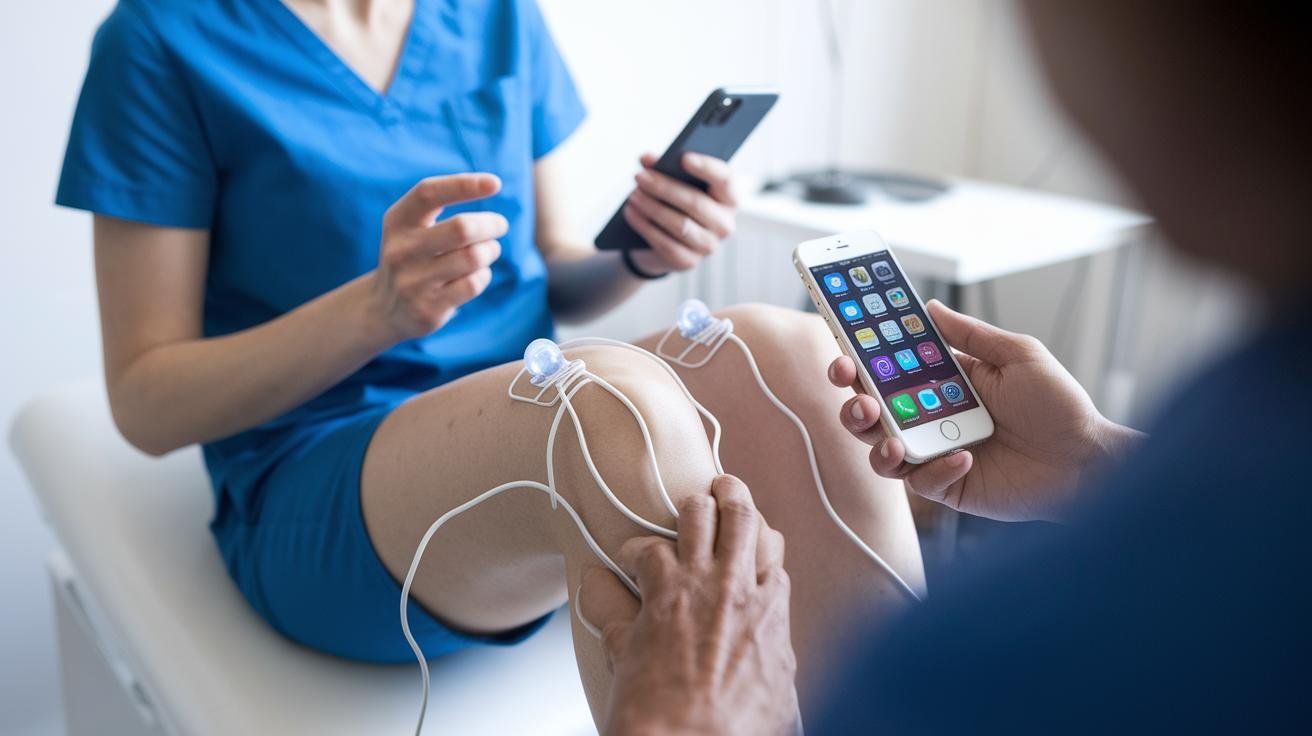
Could tiny, barely-there electrical pulses help you heal faster than rest and rehab alone? Frequency Specific Microcurrent Therapy (FSMT) uses microamp currents (very tiny electrical currents measured in millionths of an amp) tuned to injured tissue, like a radio finding the right station and nudging muscles, nerves, and scar tissue back toward normal function. Wait, let me clarify that. The treatment usually feels like a gentle, warm hum, almost like a mini, cellular-scale massage.
People often say they feel less pain, notice softer scars, and regain range of motion sooner after sessions. Clinical studies show rises in cellular energy (ATP, the cell's fuel) and reductions in inflammation. In truth, results vary by person and condition, but the pattern points to faster recovery when FSMT is used as part of a guided care plan.
Have you ever wondered if it could help your injury? When FSMT is delivered by trained clinicians, it seems to speed healing beyond rest and rehab alone. Oh, and here’s a neat tip: ask your provider about the specific frequencies and treatment plan, because those settings matter for safe, targeted results.
Frequency Specific Microcurrent Therapy Accelerates Recovery
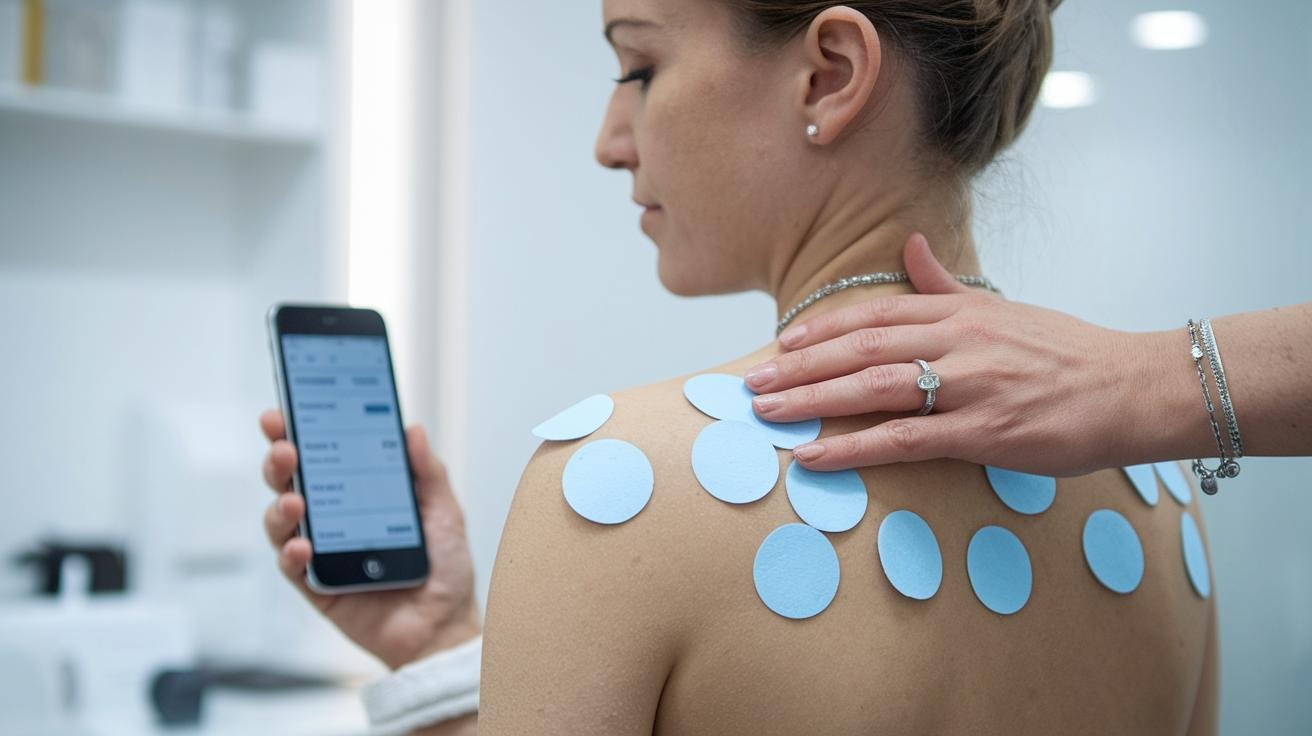
Frequency specific microcurrent therapy (FSMT) is a gentle, non-invasive way to help your body heal using tiny electrical currents. The currents sit in the microamp range (µA, millionths of an amp), so you usually don’t feel them, more like a soft, warm blanket for tired tissues than a zap. Sessions are one-on-one with a trained clinician, about 90 minutes on average, using warm towels, adhesive pads, or graphite gloves while different frequency pairs are run over the area that needs care.
At its heart, FSMT sends sub-sensory pulses at very specific hertz settings that line up with the electrical behavior of injured tissues. Think of it as tuning a radio so the signal matches the damaged spot, nerve, muscle, tendon, bone, or scar tissue, so the tissue can return to normal function rather than just masking pain. This isn’t the same as a standard TENS unit (which uses milliamp currents to block pain signals); FSMT works below 500 µA and is part of the broader field of bioelectrical medicine that treats dysfunction at a cellular level.
People often report less pain, softer scars, better range of motion, and faster recovery after injury or surgery. Clinical studies back that up, showing rises in cellular energy (ATP), increased protein synthesis, and drops in inflammatory markers, real, measurable changes. Have you ever felt tension melt away after a simple massage? FSMT can feel like that, but happening at the cellular scale.
The therapy has been cleared by the FDA under the TENS category since 1994, and when given by trained clinicians it has a strong safety record. Side effects are rare and usually short-lived, mild redness or temporary tiredness is the most common. If you’re curious, ask a qualified practitioner about what a treatment plan would look like for your specific issue.
Mechanism of Action in Frequency Specific Microcurrent Therapy
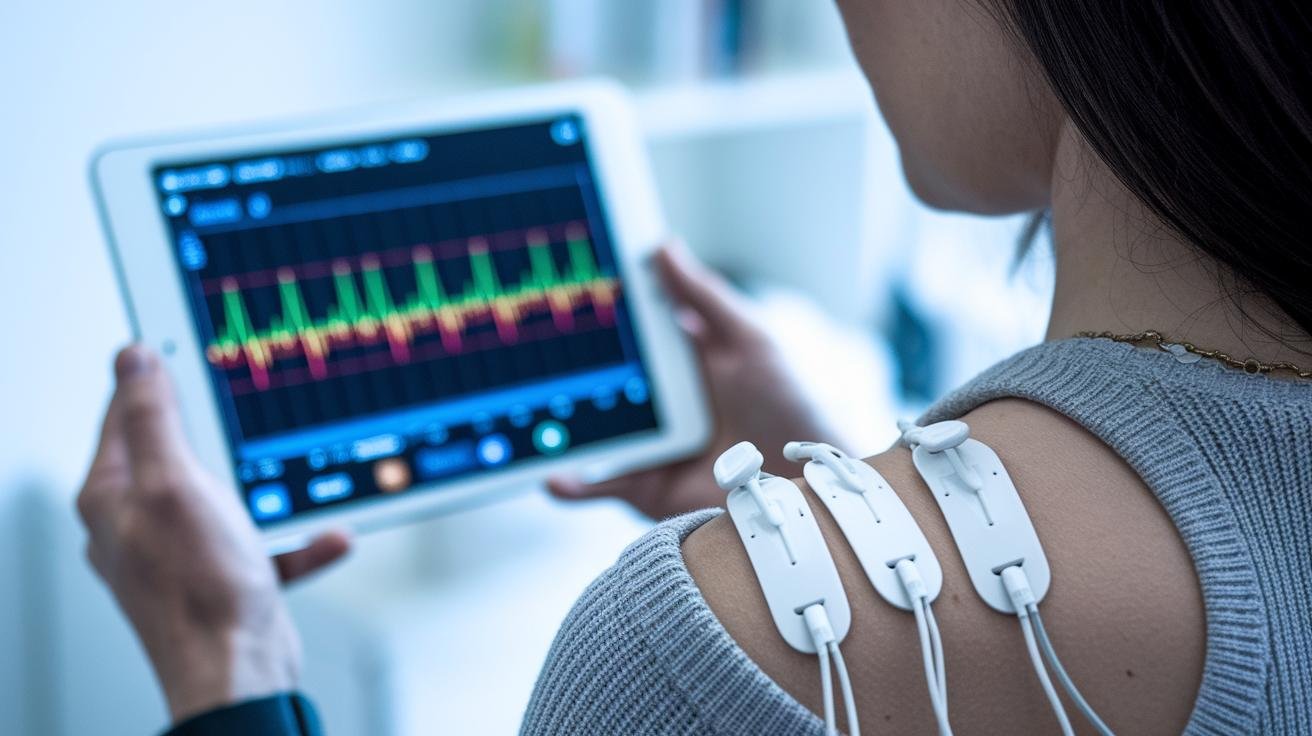
Frequency Specific Microcurrent Therapy (FSMT) uses sub-sensory microamp currents (microampere-level pulses, about a millionth of an amp) that sit below conscious sensation, much lower than TENS (Transcutaneous Electrical Nerve Stimulation). Instead of jolting tissue, these tiny pulses gently match a tissue’s electrical pattern to support natural repair. Imagine a soft, steady hum nudging cells back into rhythm.
Practitioners often run layered frequency pairs (two complementary frequencies used together) and multiple channels at once so nerve, muscle, scar, and bone can be addressed in the same session. That compresses what would otherwise be several single-frequency treatments into one focused visit, saving time and keeping the approach coordinated. Oh, and because it’s sub-sensory, you rarely feel anything, more often you just notice a gradual easing of tension. Have you ever felt relief that quietly showed up?
Treatment Protocols, Electrode Placement, and Session Guidelines for FSMT
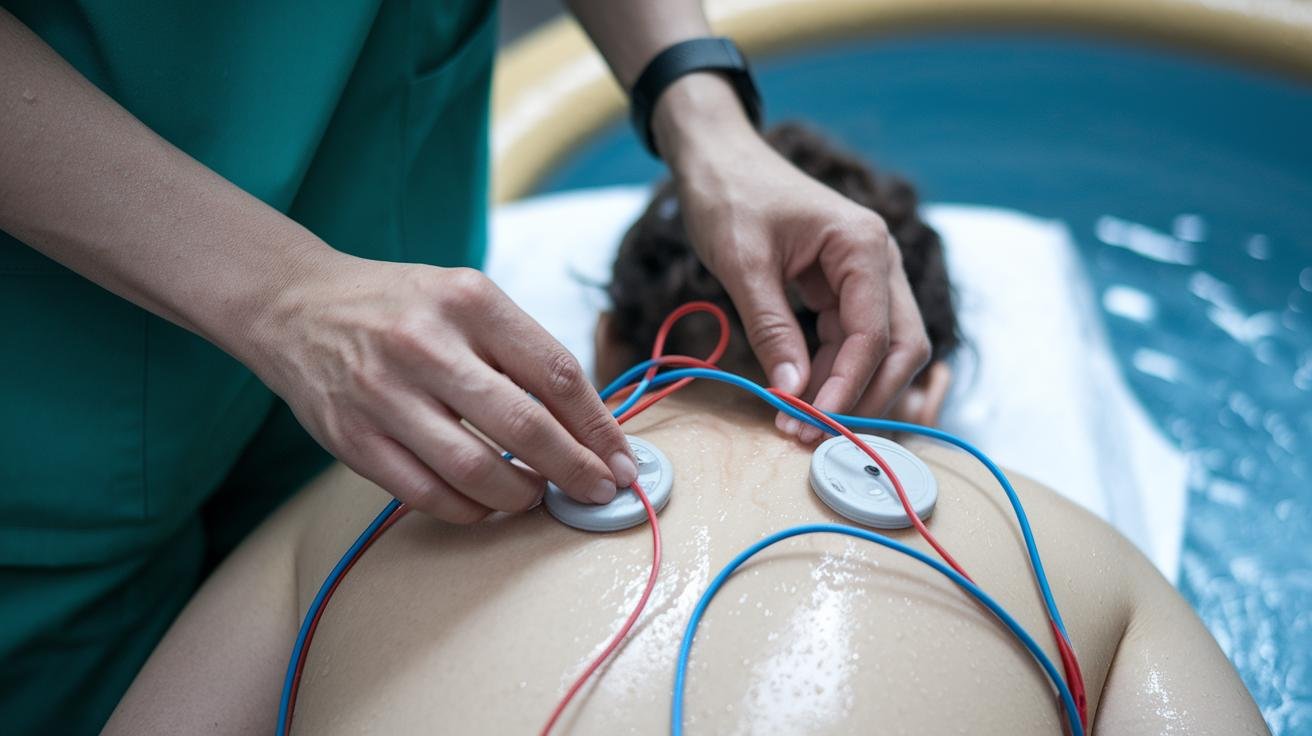
FSMT (Frequency Specific Microcurrent Therapy) sessions usually run about 90 minutes in a one-on-one visit with a trained clinician guiding the work. Clinicians often run multiple frequency pairs at the same time – sometimes up to 19 channels – so nerve, muscle, scar and bone can be treated together while you get manual therapy or corrective exercises. Most people find sessions relaxing, and clinics often price them around $225. Many providers offer treatment out-of-network so they can use longer, evidence-based protocols tailored to your needs.
Electrode Placement Techniques
Electrodes are placed using warm, moist towels, adhesive hydrogel pads, or graphite gloves depending on the area and clinician preference. Make sure skin is clean and free of oils or heavy creams, and check for cuts or open wounds; lightly abrade thick callus if needed for better contact. Practitioners do quick impedance checks (impedance means skin resistance to current) and move pads until they find a low, steady circuit, then anchor the leads so they don’t shift during treatment. Think of placement like mapping a small massage – aim to cover the injured tissue and the pathways feeding into it.
Oh, and here’s a neat trick clinicians use: a gentle tap test or slight hand pressure helps confirm you’re over the right tissue before they start the full protocol.
Pre-Treatment Hydration Guidelines
Drink about 8–10 glasses of plain water (roughly 64–80 oz) across the two hours before your session, and try to drink again after treatment to support electrical conduction and mild detox responses. If you’re chronically dehydrated, older, or on diuretics, you may need more fluid in the 24–72 hours leading up to treatment and a little electrolyte support (a pinch of salt or a light electrolyte drink). Good hydration can lessen transient soreness or that fuzzy, slightly euphoric feeling some people notice after a session.
For acute injuries, early and repeated treatments tend to work best – ideally within hours of the event, and then daily for the first few days when possible. Chronic issues usually start with two to three sessions per week, then taper as improvements hold. The exact plan depends on your diagnosis, symptom pattern, and how tissues respond alongside hands-on care and home exercises. Have questions about what’s right for you? Your clinician can design the course based on what you feel and how you progress.
Clinical Applications and Conditions Treated with Frequency Specific Microcurrent Therapy
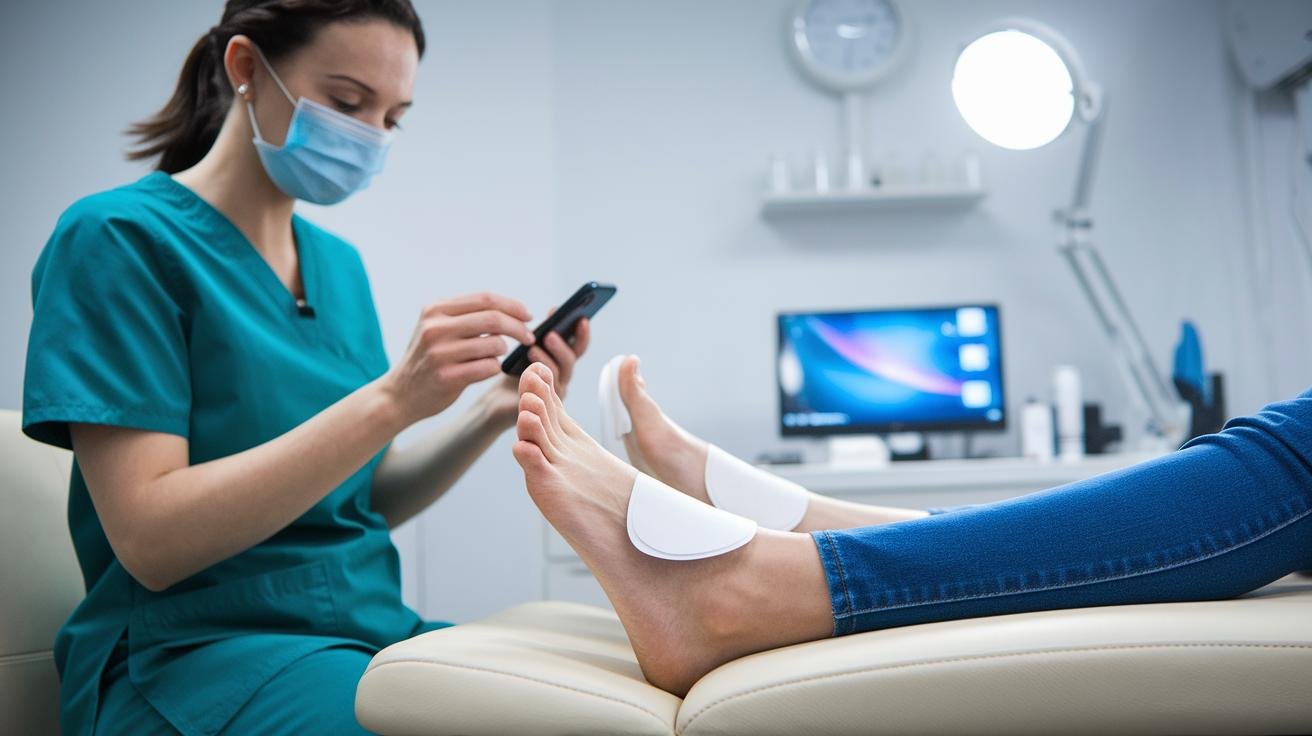
FSMT (Frequency Specific Microcurrent Therapy) uses tiny electrical signals, measured in microamps, to encourage cells to calm and repair. Picture a gentle hum at the cellular level that helps tissue settle and start healing.
It works for both sudden injuries and long-standing pain, especially when meds or surgery feel limited. The goal is to ease chronic pain, lower inflammation, speed sports recovery, help arthritis and fibromyalgia, and support post-surgery healing.
Treatments are tailored to the tissue and symptom pattern, so nerve, muscle, scar, and bone can be addressed in one visit. Think of it like a mini massage for tired or irritated tissue.
- Complex Regional Pain Syndrome (CRPS)
- Fibromyalgia related to spinal trauma
- Plantar fasciitis
- Temporomandibular joint (TMJ) disorder
- Post-stroke pain syndromes
- Tendon and ligament injuries
- Benign prostatic hyperplasia (BPH)
- Shingles lesion inflammation and pain (herpes zoster)
- Kidney stone pain relief
- Surgical scar tissue remodeling
Early care matters. For acute trauma or after surgery, starting FSMT within about four hours can speed healing and shorten recovery. Many clinicians treat daily at first.
For chronic conditions, people often start with a series of sessions a few times per week, then space visits farther apart as gains hold. Have you had pain that won’t budge? Getting an assessment sooner usually gives the best shot at faster, longer-lasting change.
Scientific Evidence, Research Outcomes, and Institutional Adoption of FSMT
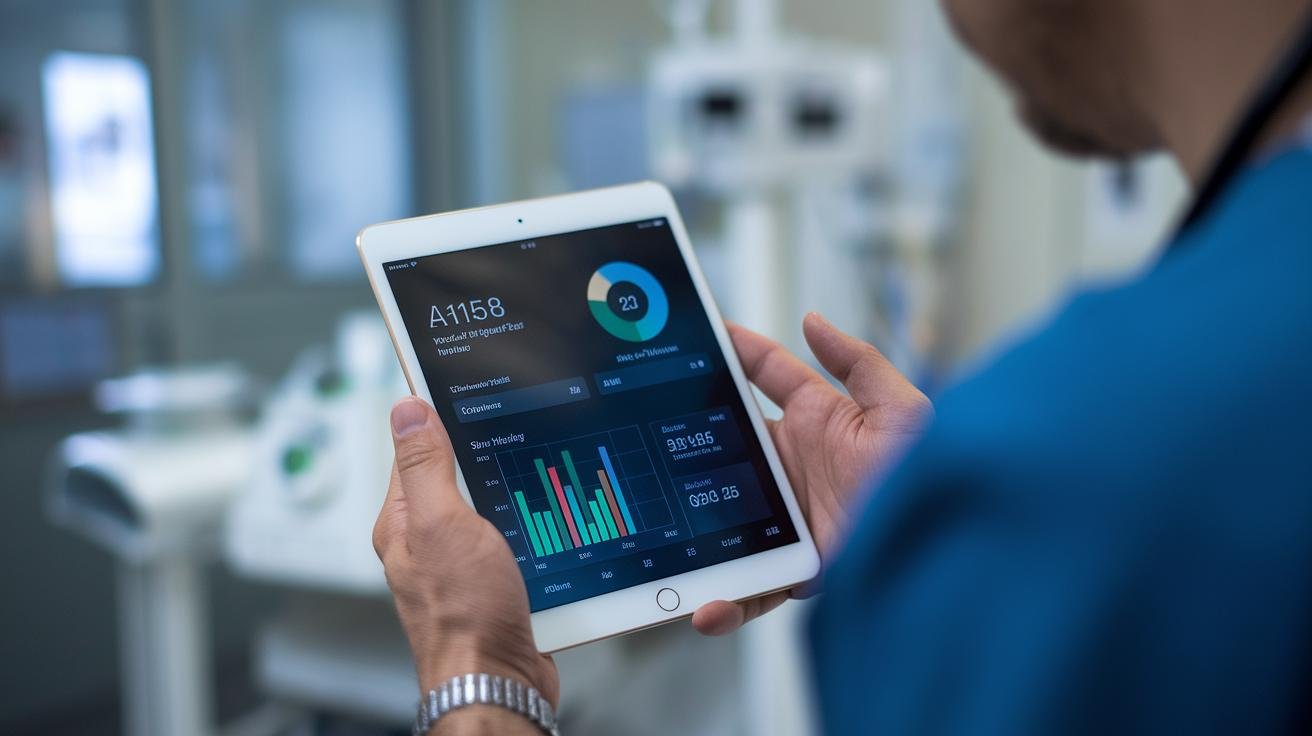
Peer-reviewed studies show measurable shifts at the cellular level after FSMT (Frequency Specific Microcurrent Therapy, a targeted low-level electrical therapy). Scientists report big effects in lab and animal work, and smaller but often meaningful changes in early human studies. Have you ever wondered how strong those changes really are? Let’s look.
Here are the typical reported changes across different study types.
| Metric | Reported change (study type, sample size) |
|---|---|
| ATP production | +500% (in vitro cell-culture, n = 3–6) |
| Protein synthesis | +70% (in vitro + small animal, combined n ≈ 20–40) |
| Inflammation reduction | −60% (animal models, n = 8–20) |
| Healing rate improvement | +100–200% (animal studies + small clinical pilots, combined n ≈ 20–50) |
| Lasting effect duration | 4–7 days (short clinical follow-ups, small trials n = 10–30) |
Keep in mind these numbers change a lot with study type, protocol, and the outcome being measured. In vitro and animal experiments are tightly controlled, so percent changes there can look very large. Human trials so far are smaller, with more modest results, but those results can still matter in real life.
Some major clinical centers have started using FSMT in rehab and pain programs, according to public program summaries. In truth, adoption is growing slowly, clinicians often add FSMT as a complement to rehab, not as a lone fix.
If you’re thinking about FSMT, remember: the lab data is promising, the early human work is encouraging, and larger clinical trials would help make the picture clearer. Want a quick takeaway? FSMT shows real biological effects, but practical benefit depends on how and where it’s used.
Safety, Contraindications, and Patient Preparation for Frequency Specific Microcurrent Therapy
Frequency Specific Microcurrent Therapy (FSMT) has a reassuring safety record when a trained clinician delivers it. Side effects tend to be mild and short-lived – mild redness, a bit of tiredness, temporary soreness, brief lightheadedness, or a gentle euphoric shift as endorphins change. Practitioners watch for reactions during and after sessions so anything unusual gets noticed and addressed fast.
Clinicians screen for contraindications at intake and will suggest other options if FSMT isn’t right for you. For example, they may recommend non-electromagnetic therapies when needed. Wait, let me clarify that – screening helps keep you safe and find a fit that works.
Common absolute contraindications include:
- Demand-type pacemakers or active cardiac pacing devices (these are devices that help control your heartbeat)
- Pregnancy
- Active thrombosis or known blood clots
- Implanted electronic infusion pumps (medication pumps)
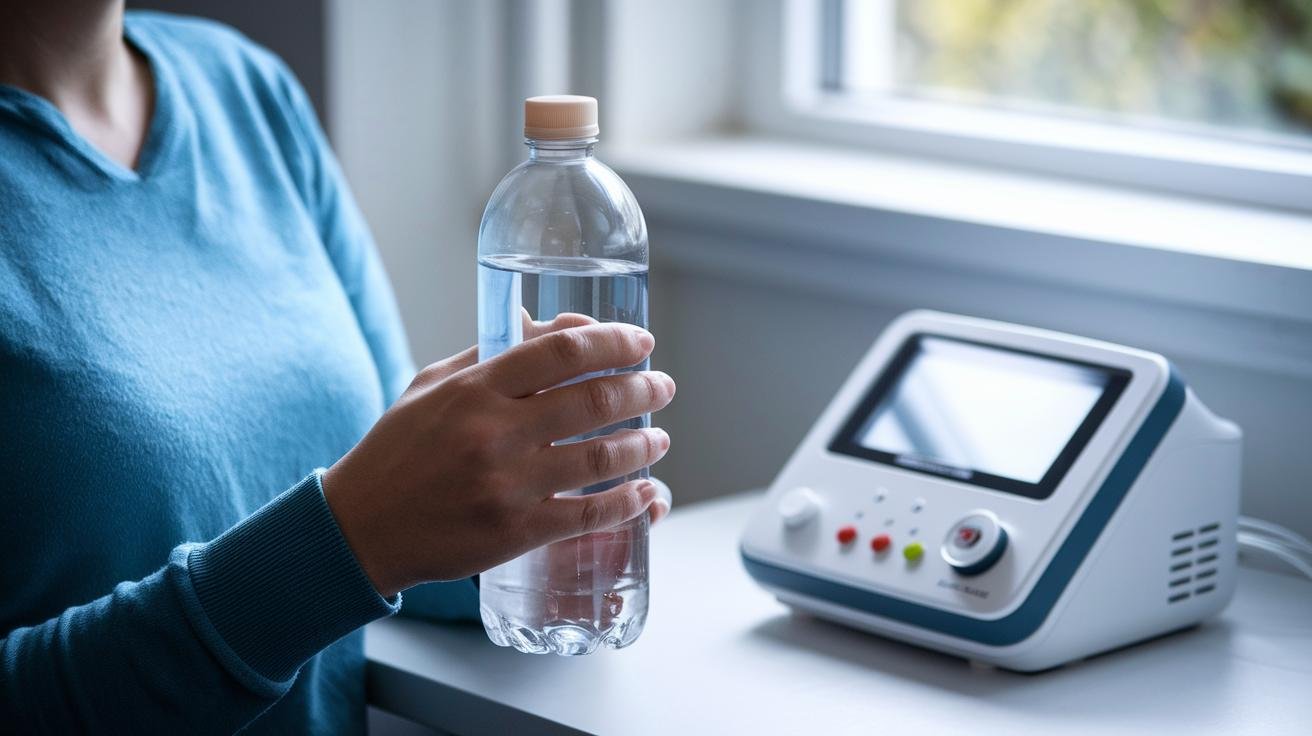
Pre-treatment prep is simple and practical. Aim for about 8 to 10 glasses of plain water the day before your session, and add electrolytes if you’re at risk of dehydration. Avoid heavy alcohol and intense exercise right before treatment. Relax. A short note you might tell your clinician: "I drank 8 glasses yesterday and took an electrolyte drink this morning."
Device Selection, Practitioner Credentials, and Future Directions in FSMT Integration

Choosing gear starts with where you’ll get treated. FSMT (Frequency Specific Microcurrent Therapy) machines used in clinics are medical grade and multi-channel. They run coordinated frequency programs and have safety and monitoring features you usually won’t find on small home units. Think of a clinic setup like a conductor guiding many tiny, precise currents so they work together.
Practitioner credentials matter. Look for clinicians who finished formal FSMT training, logged supervised clinical hours, and can explain why they picked certain frequencies and electrode placements for your issue. Ask for case examples, how they track progress, and what hands-on skills they use alongside microcurrent. If a provider can’t show credentials or a clear plan, it’s reasonable to ask more questions.
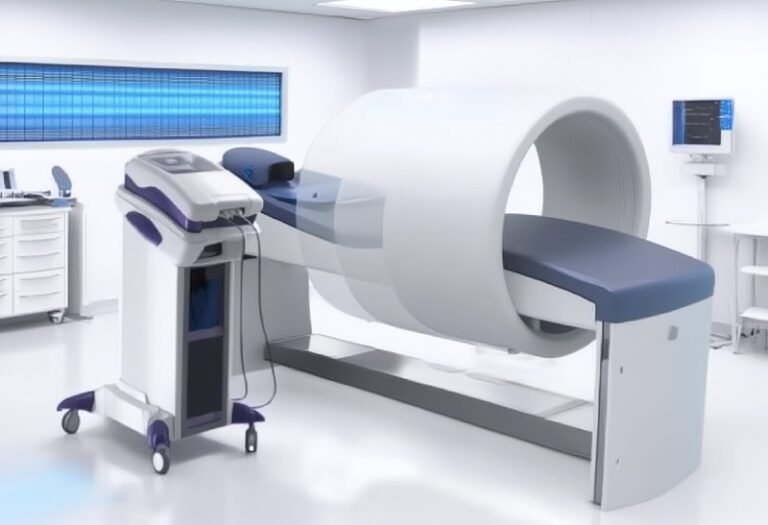
Remote care and mixed-modality treatments are on the rise. Telehealth follow-ups let clinicians safely tweak your home sessions. Many practices combine PEMF (Pulsed Electromagnetic Field therapy) with FSMT to target tissue in different ways. Wait, let me clarify: PEMF uses pulsed magnetic fields, while FSMT uses tiny microamp electrical signals. Together they can feel like a warm sunrise waking up your cells and often complement each other to support recovery and relaxation. Learn more at PEMF technology overview.
結語
We defined FSMT as a noninvasive, painless therapy using sub‑sensory microamp pulses and tissue‑specific frequencies, and we walked through a typical session and electrode techniques.
We also showed how concurrent multi‑frequency delivery helps cells repair, and contrasted it with higher‑current TENS.
We listed clinical uses, shared key research metrics (ATP, protein, inflammation, healing rates), and covered safety, hydration, contraindications, and practitioner training.
frequency specific microcurrent therapy may be a gentle way to ease tension, speed recovery, and support deeper sleep, small steps toward feeling more balanced.
常問問題
What is frequency specific microcurrent treatment?
Frequency specific microcurrent treatment is a noninvasive, painless therapy using sub-sensory microamp electrical pulses tailored to injured tissues, promoting inflammation reduction, tissue repair, and pain relief during a typical 90-minute session.
Does frequency specific microcurrent really work?
Frequency specific microcurrent therapy does show measurable effects in studies, including ATP up 500%, protein synthesis up 70%, inflammation down 60%, and healing rates improving 100–200%.
How does frequency specific microcurrent compare to TENS?
Frequency specific microcurrent differs from TENS by using sub-sensory microamp currents (below 500 µA) and tissue-specific frequency pairs, while TENS uses stronger milliamp pulses that are felt as tingling.
What does an FSM session look like?
An FSM session typically lasts 90 minutes with one-on-one guidance, using moist towels, adhesive pads, or graphite gloves as electrodes, running up to 19 concurrent frequency pairs and often paired with manual therapy.
How much does FSM treatment cost?
FSM treatment typically costs about $225 per 90-minute session; treatments are often out-of-network and considered investigational, so coverage widely varies.
How much does a FSM device cost, and can I use one at home?
Frequency specific microcurrent devices typically cost several thousand dollars for professional multi-channel units. Portable home models exist but often lack full clinical features and usually aren’t FDA-cleared for home use.
Where can I find Frequency Specific Microcurrent therapy near me?
To find FSM therapy near you, search for certified FSM practitioners, check clinic credentials and training, call to confirm 90-minute protocols, and ask about practitioner certification and treatment costs.
What frequencies are used in Frequency Specific Microcurrent?
Frequency specific microcurrent uses tailored frequency pairs matched to tissues; clinicians may run up to 19 concurrent pairs from a large clinical frequency list chosen for each condition.
Is Frequency Specific Microcurrent safe and who should avoid it?
Frequency Specific Microcurrent is generally safe with no reported adverse events under proper use. Avoid it with demand‑type pacemakers, pregnancy, active thrombosis, implanted electronic pumps, and follow hydration guidelines.