
What if feeling steady again didn’t come from a pill or a big program, but from a simple daily plan you can actually use?
WRAP (Wellness Recovery Action Plan) is that plan. Think of it as a pocket guide for your well-being, full of small, practical tools like fresh air, paced breathing, and a short walk that feel like a warm sunrise waking up your cells.
We’ll walk you through WRAP’s six clear steps so you can build a routine that helps you manage symptoms, lean on supports when you need them, and notice relief right away. Ready to try a gentle, steady path back to balance?
Overview of the Wellness Recovery Action Plan Process
WRAP gives you a simple, practical way to feel more in charge, manage symptoms, and start seeing relief right away. You can download templates and sample plans to begin shaping your own plan today. It’s designed to be easy to use.
WRAP is a step-by-step self-management framework , think of it like a pocket map for your wellness. Many people work through it in small groups of 8-10 with two trained peer coaches (a peer is someone with lived experience), but you can also use it on your own. Have you ever wanted a routine you can actually follow? Below are the six core steps, laid out so you can use them as a daily routine.
-
Wellness Toolbox – A short list of simple, often free practices that lift your mood and steady your day. Think fresh air, paced breathing, a walk, or a comforting song , little things that feel like a warm sunrise waking up your cells.
-
Daily Maintenance Plan – Routines and must-do habits that keep you well. Examples: consistent sleep times, gentle movement, healthy meals, and quick check-ins with a friend.
-
Triggers – Outside events or stressors that can push you off balance. Name them, and pair each with a coping action from your toolbox so you know what to try first.
-
Early Warning Signs – Subtle cues your body or mind gives you before things worsen. A tight jaw, foggy thinking, or restless sleep , link each cue to a toolbox tool you can use right away.
-
Crisis Plan – A clear script for supports, communication preferences, and immediate steps if you reach a crisis. Who to call, what you want done, and how others can help in the way you prefer.
-
Post-Crisis Plan – Steps to recover, review what happened, and return to your daily plan. Rest, check in with supports, tweak your toolbox, and learn for next time.
WRAP centers on hope, personal responsibility, and mutual support while you practice self-care. It’s about small, steady habits that help you sleep better, bounce back after a hard day, and feel more steady at home and at work. Relax. Breathe. You’ve got this.
Wellness Recovery Action Plan Core Components
See the Overview above for full descriptions of WRAP’s six parts. Below you'll find one clear example for each component, a ready-to-copy crisis template, and quick tips for adapting WRAP to different groups. Try a sample entry or download the worksheet and fill your own.
-
Wellness Toolbox , short, easy mood-boosters you can use anytime. Example items: 3-minute counted breathing (4-4-6), a brisk 10-minute walk outside, a warm cup of chamomile, a 10-minute PEMF (Pulsed Electromagnetic Field therapy) session to feel a gentle hum of energy, and a small smooth stone to hold. Try a grounding phrase: "I feel my feet on the earth."
-
Daily Maintenance Plan , simple routines that keep you steady. Sample checklist: wake by 7:00, drink 16 oz of water, 10 minutes of gentle movement, 10-minute PEMF session, eat a balanced breakfast, 5-minute morning journal, and lights out by 10:30. Example entry: Morning – stretch, PEMF, hydrate, one short page of gratitude.
-
Triggers , outside events that tend to push you off balance, paired with toolbox responses. Paired examples: sudden deadline: 5-minute breathing and step outside; loud, crowded spaces: noise-cancelling earbuds and a calming playlist; unexpected criticism: pause, sip water, read one supportive note. When plans change, say to yourself, "Okay, one step at a time."
-
Early Warning Signs , small body or mood shifts and matched actions you can try right away. Examples: shallow breathing and tight shoulders: 2 minutes of belly breaths plus a 5-minute PEMF session; an irritable tone in your voice: take a 10-minute walk and hold a grounding stone; trouble sleeping for two nights: reduce screen time and follow an evening routine. Notice your jaw clench? Try this: "Relax my jaw, soften my breath."
-
Crisis Plan , clear steps, who to call, and how you want people to communicate with you. Use the template below to fill in your details and give copies to trusted people.
| Field | Example |
|---|---|
| Full name & DOB | Alex Rivera, 04/12/1985 |
| Emergency contact (name & phone) | Sam Rivera – 555-123-4567 |
| Preferred hospital / clinic | Maplewood Community Hospital |
| What helps me calm | Quiet room, weighted blanket, 10-min PEMF session |
| Things I don’t want | No loud music, no surprise visitors |
| Medications & allergies | Sertraline 50 mg; no penicillin |
| Preferred communicator | Text first; if no reply, call Sam |
| Additional notes | Can’t tolerate bright fluorescent lights |
- Post-Crisis Plan , short, gentle steps to recover and learn what worked. Example checklist: rest for 48 hours, schedule a check-in with your support person, try a light 10-minute PEMF session, journal three things that felt safe, and update your WRAP notes about what helped. Start small. A warm cup of tea and 10 minutes of gentle breathing is a good place to begin.
Tips for tailoring WRAP to different groups:
- Students , keep routines short and portable: 5-minute study breaks, PEMF sessions between classes, and a bedtime wind-down checklist. Example: "Before bed – put phone away, 5-minute breathing, sleep mask."
- Workers , fold WRAP into the workday: set break alarms, try a desk-based breathing routine, and add a quick toolbox card to your email signature. Try this: "At 2 p.m., stand, breathe, walk to the window."
- Older adults , emphasize steady routines, sensory comforts, and easy-to-hold tools like smooth stones or recorded breathing guides. Sample: "Morning – stretch, tea, soft music, short seated PEMF session."
Using WRAP in group settings:
- Share a blank crisis template and let members complete it privately; offer to exchange copies only if everyone agrees.
- Run a short workshop where each person adds one toolbox item and practices it together, like a calming breathing exercise or a 5-minute nature visualization.
- For peer groups, agree on communication norms (text vs. call) and set a simple debrief format for after someone uses their crisis plan.
Try this now , pick one toolbox item and write the exact steps you’ll take when you notice an early warning sign. Ready? Go.
Wellness Recovery Action Plan: Daily Maintenance Plan

Start by choosing five to eight simple daily actions that reliably lift your mood and energy. These are your must-dos, things you can finish most days. Keep a longer list of optional boosters to pull out when you’ve got extra time or energy.
Put the must-dos into a short, doable checklist. Think of it as the core of your wellness recovery action plan, small wins that make self-care feel possible. Finish it more days than not and it becomes your steady rhythm.
Schedule those items with gentle time blocks and reminders. A morning slot for stretching. A midday alarm for a quick walk. An evening wind-down routine that helps you close the day.
Stack habits onto things you already do. After brushing your teeth, try two minutes of counted breathing. It’s like tucking a new habit into an old pocket. Oh, and consider a 10-minute session of PEMF therapy for stress relief (PEMF, Pulsed Electromagnetic Field therapy, a gentle energy treatment) as a steady maintenance tool.
Adapt the plan when life shifts, season changes, busier work weeks, low-energy days. Swap outdoor walks for indoor movement. Shorten sessions when time is tight. Or trade a formal practice for a sensory mini-break, like sipping warm tea and watching sunlight on the leaves.
Track how things feel for a few weeks, then tweak timing, order, or length. Notice what actually helps you feel better, not what looks good on paper. Tiny changes add up.
Keep the plan where you’ll see it, a sticky note, a phone widget, or a printed checklist. Review it once a week with one simple question: what feels easiest to keep? If you use a planner, mark wins in green. Momentum builds fast when you can see it.
Breathe. Repeat. Small steps win.
Wellness Recovery Action Plan: Triggers and Early Warning Signs

Catching triggers and early warning signs early gives you time to reach for tools and stop small shifts from becoming bigger problems. Think of it like noticing the first cool breeze before a storm , you can close the windows, grab a sweater, and feel steadier. Have you ever spotted something small and acted fast? That’s the idea.
Each evening, answer these three quick journal prompts. Do it for a week and patterns will pop up.
- What pushed my mood today?
- What felt different in my body or my thinking?
- What helped, even a little?
Short answers work. Even one line helps you see trends.
Once a month, do a simple trigger-mapping exercise. Draw a circle and put “me” in the middle. Around it, list recent upsetting events, places, or people. Next to each trigger, write one toolbox action to try first , and give quick options: 1-minute, 5-minute, 30-minute. Oh, and label which one you’ll try first so you don’t guess in the moment.
Track early warning signs with easy, low-effort tools:
- Daily mood scale (1–10). Simple.
- Behavior log: time, what happened, how you reacted.
- Basic biometric notes: sleep hours, resting heart rate, or HRV from a device (HRV = heart rate variability, a stress-related metric).
These snapshots help you link feelings to real data. Quiet patterns show up faster that way.
Turn each sign into a short script: “If X happens, do Y.” Make Y sensory and small , breathe slowly, step outside for sunlight, hold a grounding stone, or try a short PEMF (Pulsed Electromagnetic Field therapy) session for physical tension (see PEMF coil and applicator placement guide). Keep scripts one line so you can act without thinking. Habit cards on your phone make choosing an action nearly automatic. Relax. Breathe. Then pick one.
Wellness Recovery Action Plan: Crisis and Post-Crisis Planning

This section is shortened so we don’t repeat the full templates. Use the Crisis Plan template and the Post-Crisis example checklist above for the complete fields and form-ready tables.
Crisis Plan (practice aloud):
Keep your plan where you can grab it quickly and run it out loud with the people who support you so their responses feel natural. Try a short role-play of the first two steps once a month or before stressful times. Have someone read their part while you practice asking for what you need. Oh, and here’s a simple line to try: "I’m feeling overwhelmed; please help me to a quiet room and give me five minutes to breathe." Breathe.
Quick worksheet prompt (10 minutes):
Spend ten minutes filling these core items from the template so the plan is usable now.
- Crisis indicators , write one or two clear, observable signs (for example: "I can’t get out of bed for 24 hours").
- First-response steps , list immediate actions supporters should take, one sentence each (for example: "Use a calm voice and guide me to a quiet space for a 10-minute breathing break").
- Plan access , note where the plan lives and who may see it (for example: "Saved on my phone, printed in the kitchen drawer; shared with my emergency contact").
Post-crisis review schedule (concise):
Add these short check-ins from the Post-Crisis checklist to track recovery and tweak the plan.
- Week 1 , rest, safety check, brief debrief with one supporter.
- Month 1 , fuller debrief, revise your Daily Maintenance Plan, and log what helped.
- Quarterly , review trends, update the plan wording, and note any legal or care changes needed.
Have questions as you go? Ask a supporter to sit with you and read this aloud once. It makes a big difference.
Wellness Recovery Action Plan: Implementation Best Practices
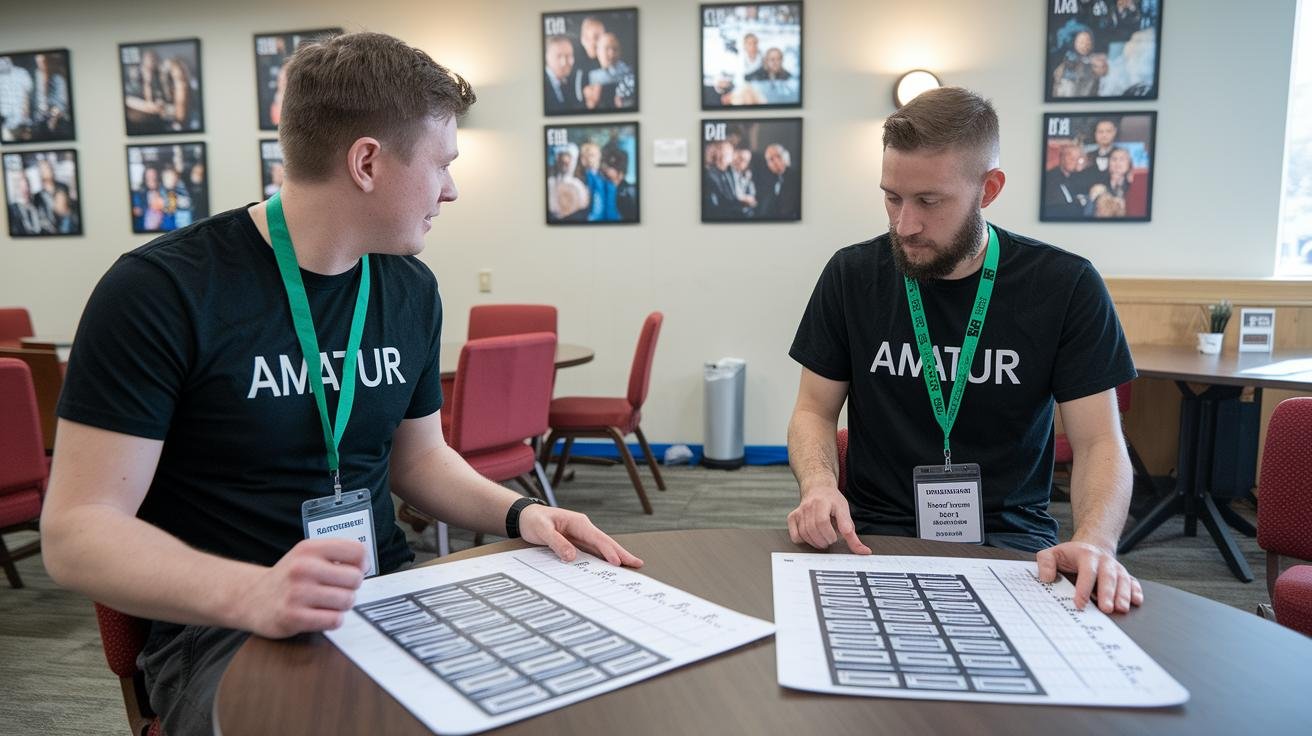
Start with the basics: choose peer facilitators who’ve lived the experience, follow a clear manual, and give people simple, printable tools they can use right away. Those three moves make WRAP easy to adopt, build confidence, and help the plan fit into everyday life.
- Recruit or train peer facilitators with lived experience and solid facilitation practice. Short role-play sessions build confidence fast and keep meetings calm.
- Use a manualized curriculum and printable templates so everyone follows the same clear steps. Paper copies are lifesavers when phones fail.
- Set plain, agreed-on group norms: when to speak, how to ask for privacy, and how to check in after someone shares. Predictability lowers anxiety.
Offer hybrid delivery: a brief in-person kickoff, then weekly phone or video check-ins for follow-up. That keeps momentum without crowding people’s schedules. Think of it like planting a seed in person, then watering it with short check-ins. Grow.
Track a few simple outcomes: mood on a 1 to 10 scale, hours of sleep, and one small goal met each week. Small measures show steady progress and feel doable. You don’t need fancy data to see change.
Advocates for Human Potential provides trainer materials and facilitator tracks to speed setup, and certifications recognized by SAMHSA (Substance Abuse and Mental Health Services Administration) add credibility if your organization wants to scale. If you’re building an internal program, try a "train the trainer" plan to bring skills from outside workshops into your team.
Peer support is the glue. Invite members to co-create the rules, practice short scripts for when someone needs help, and swap concrete toolbox items. When peers model openness, trust grows and people try tools sooner. Keep sharing low-pressure: written notes, short live demos, or silent practice cards work especially well for new members.
Make WRAP portable. Printable templates and simple digital forms help people use the plan between meetings. Tuck a checklist into a workplace wellness packet or fold a crisis-plan card into a wallet. For program leaders, look for ways to fold WRAP into a broader holistic approach to wellness so it complements coaching, movement, and recovery supports.
Start small. Repeat a short practice often. Little gains stack up into steady change. Relax. Breathe.
Wellness Recovery Action Plan: Outcomes and Resources

Research from WRAP users shows real change. People often report better quality of life, more control, renewed hope, and lower levels of anxiety, depression, and other psychiatric symptoms. These aren't just feelings; simple tracking usually shows steady improvement over weeks and months.
Use small, concrete measures anyone can keep up with. Try a daily mood scale (1–10), a sleep log, and one quick weekly goal check (met / not met). For more formal tracking, common brief tools include PHQ-9 (depression questionnaire), GAD-7 (general anxiety scale), and WHO-5 (five-item wellbeing index). Put results on a simple chart so trends become obvious: green days, yellow days, red days. Like a little weather map for your mood.
There are friendly digital planners and printable tools that make this painless. Advocates for Human Potential offers digital forms, printable WRAP templates, and ongoing technical assistance you can use when building a program. If phones aren't handy, paper works great , pocket crisis cards, a fridge checklist, or a folded Daily Maintenance Plan are all easy to grab and use.
Think about sustainability from the start. Schedule short weekly check-ins with a peer or coach to celebrate one win and note one small tweak. Do a quarterly program review that looks at average mood, sleep hours, and goal completion to spot patterns. Train a few internal facilitators so WRAP stays familiar and local, and refresh templates after each review.
Have you tried tracking one simple metric for two weeks? Pick one, record it, and watch how your WRAP grows with the data.
結語
We opened with WRAP’s core benefits, empowerment, stronger self-management, and symptom reduction, and listed the six steps: Wellness Toolbox; Daily Maintenance Plan; Triggers; Early Warning Signs; Crisis Plan; Post-Crisis Plan.
You learned how to build a Daily Maintenance Plan, map triggers and warning signs, and draft Crisis and Post-Crisis plans, plus best practices for group work and printable templates.
Oh, and a neat trick: add short restorative practices into busy days, breathing, a five-minute pause, or a targeted PEMF session.
Grab the templates and use them to start a personalized wellness recovery action plan; small, steady steps bring calmer days and better rest.
常問問題
常問問題
What are the 5 key concepts of wellness recovery action plan?
The five key concepts of WRAP are hope, personal responsibility, education, self-advocacy, and support—principles that guide building the plan’s six practical components for daily wellness and coping.
How to write a wellness recovery action plan?
To write a WRAP, list your Wellness Toolbox, create a Daily Maintenance Plan, identify Triggers and Early Warning Signs, then draft Crisis and Post-Crisis Plans with clear actions and supports.
What is a wellness action plan?
A wellness action plan is a personal, written guide that names daily habits, coping tools, triggers, early warning signs, crisis instructions and recovery steps to help you manage symptoms and stay well.
What is the correct order of the wellness recovery action plan?
The correct order of WRAP is: Wellness Toolbox; Daily Maintenance Plan; Triggers; Early Warning Signs; Crisis Plan; Post-Crisis Plan—follow this sequence when building your plan.