What if getting better didn’t have to come down only to willpower or medication? Imagine a softer, more practical way to heal.
Mind-body therapies like meditation, yoga, massage, acupuncture, and gentle exercise work with medical care to quiet your nervous system. They can soften intense cravings and ease chronic pain, like a warm sunrise loosening tight shoulders.
They do more than calm symptoms. They teach you to ride urges, rebuild steady sleep, and feel more grounded in your body. Have you ever noticed tension melt away after a slow breath or a gentle stretch?
When used alongside standard treatment, these natural tools can speed recovery and lower the chance of relapse. They reduce stress and build your tolerance for hard moments, kind of like training a muscle so it holds up better when life gets tough.
Core Mind-Body Wellness Therapies for Recovery
Mind-body practices work alongside medical care and traditional recovery programs to treat what often drives relapse: chronic stress, anxiety, ongoing pain, and feeling cut off from others. They go beyond easing symptoms. They help calm the nervous system, grow your tolerance for distress, and lower intense cravings.
Research finds mindfulness-based practices (attention and acceptance exercises) can cut cravings a lot and drop stress levels significantly, even if their effect on overall substance use is smaller. Many programs built on meditation, gratitude, and acceptance feel familiar because they echo long-standing recovery traditions like Alcoholics Anonymous. That can make them easier to stick with.
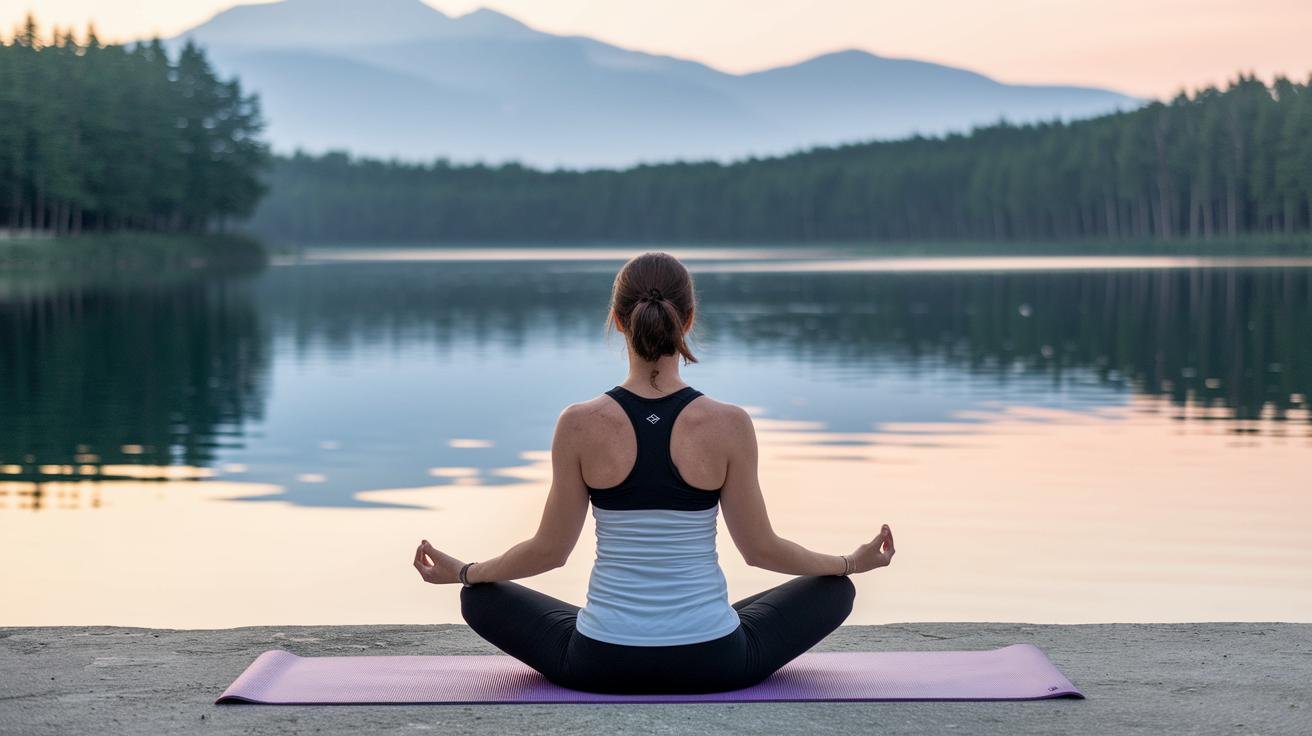
- Meditation , Teaches attention training and urge-surfing (watching a craving like a wave instead of acting on it). It helps interrupt automatic reactions to triggers and steadies emotion. Try a short sit, eyes closed, listening to your breath like tide sounds.
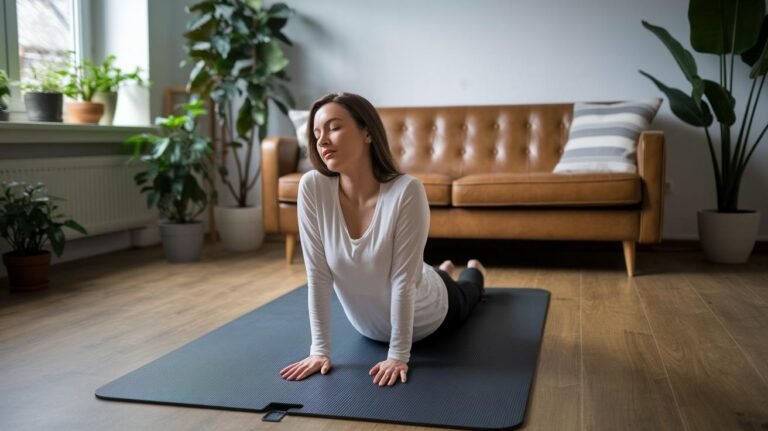
- Yoga , Blends gentle movement, breath work, and meditation to rebuild strength, flexibility, and a quieter mind. It’s a practical, non-drug way to ease chronic pain and reconnect with your body. Think of it as a slow, mindful stretch that warms you from the inside out.
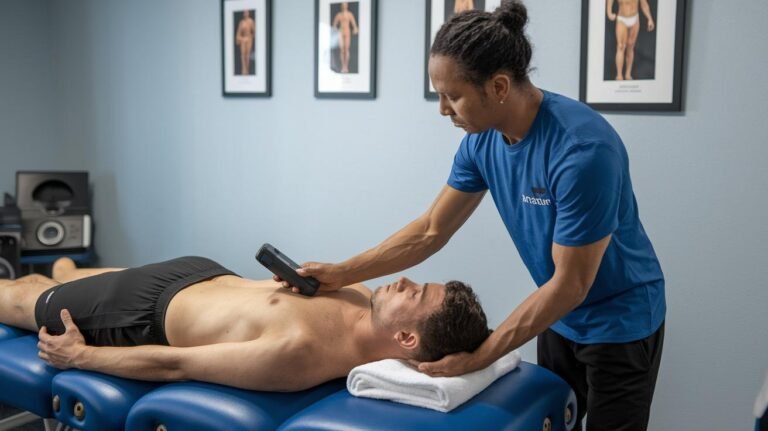
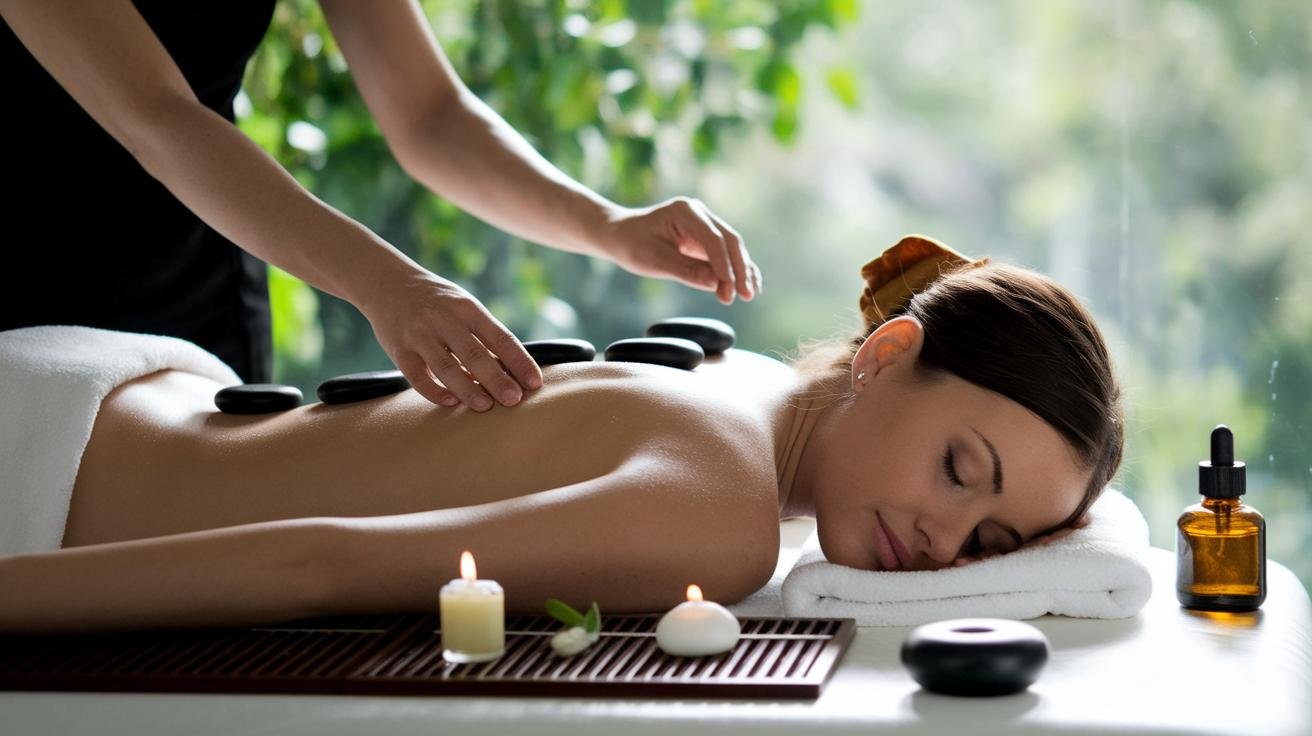
- Massage therapy , Uses touch to lower cortisol, loosen tight muscles, and often improve sleep and mood by boosting circulation. It can feel like your body getting a much-needed sigh of relief.
- Acupuncture , Stimulates specific points with thin needles (a traditional Chinese medicine approach) to ease withdrawal symptoms, reduce anxiety, and encourage endorphin release when combined with other care. Many people describe it as a gentle reset.
- Exercise , Regular movement, from walking to light strength work, raises endorphins, lifts mood, and protects against relapse over time. Even a brisk ten-minute walk can clear the fog and steady your day.
Bringing these five therapies into a balanced recovery plan treats body and mind together. Short daily habits , a ten-minute meditation, a gentle yoga flow, or a brisk walk , add up like small deposits in a savings account. Weekly or monthly massage or acupuncture gives deeper rest and symptom relief. Over time this mix builds emotional resilience, steadier sleep, fewer intense cravings, and a calmer baseline that supports lasting recovery and better everyday living.
Yoga Recovery Routines for Physical and Emotional Healing
Yoga can be a quiet, steady anchor when you’re early in recovery. Think of it like a warm sunrise for your body and mind, easing in slowly so you don’t jolt awake. It helps your muscles relax and your thoughts slow down, so triggers feel less like a tidal wave and more like a passing ripple. Have you ever noticed tension melt away after a few deep breaths? That’s part of it.
Body benefits:
- Strength – Your core and small stabilizer muscles get steadier, which helps posture and simple daily tasks.
- Flexibility – Joints open up, stiffness eases, and the chance of re-injury goes down.
- Non-drug pain management – Moving with the breath often lowers pain signals, so you can manage discomfort without medication.
Mind benefits:
- Mindfulness – Focusing on breath and alignment brings you into the present, cutting down on worry and rumination.
- Emotional regulation – Slow transitions teach you to ride shifting feelings without reacting right away.
- Relapse protection – A regular practice builds your tolerance for discomfort and gives you tools to pause instead of acting on impulse.
Sample 20-minute daily yoga recovery routine:
- Warm-up breathing (3 minutes) – Sit comfortably and do belly breaths: slow inhale, soft exhale. Let your belly rise like a gentle tide.
- Gentle mobilization (4 minutes) – Move through Cat-Cow, neck rolls, and wrist circles to wake up your spine and hands. Move with your breath.
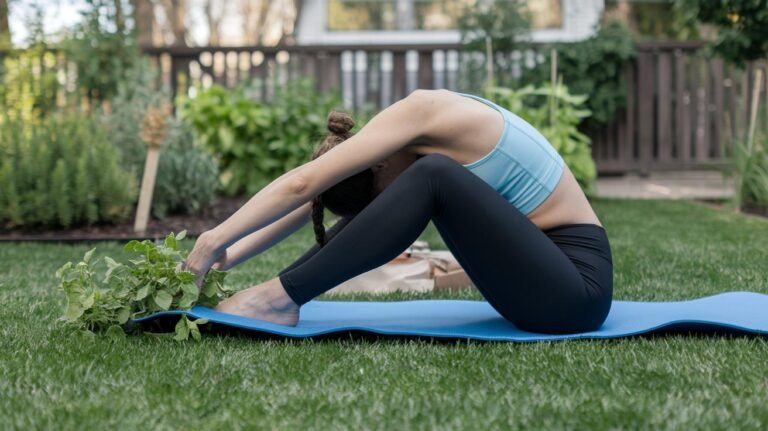
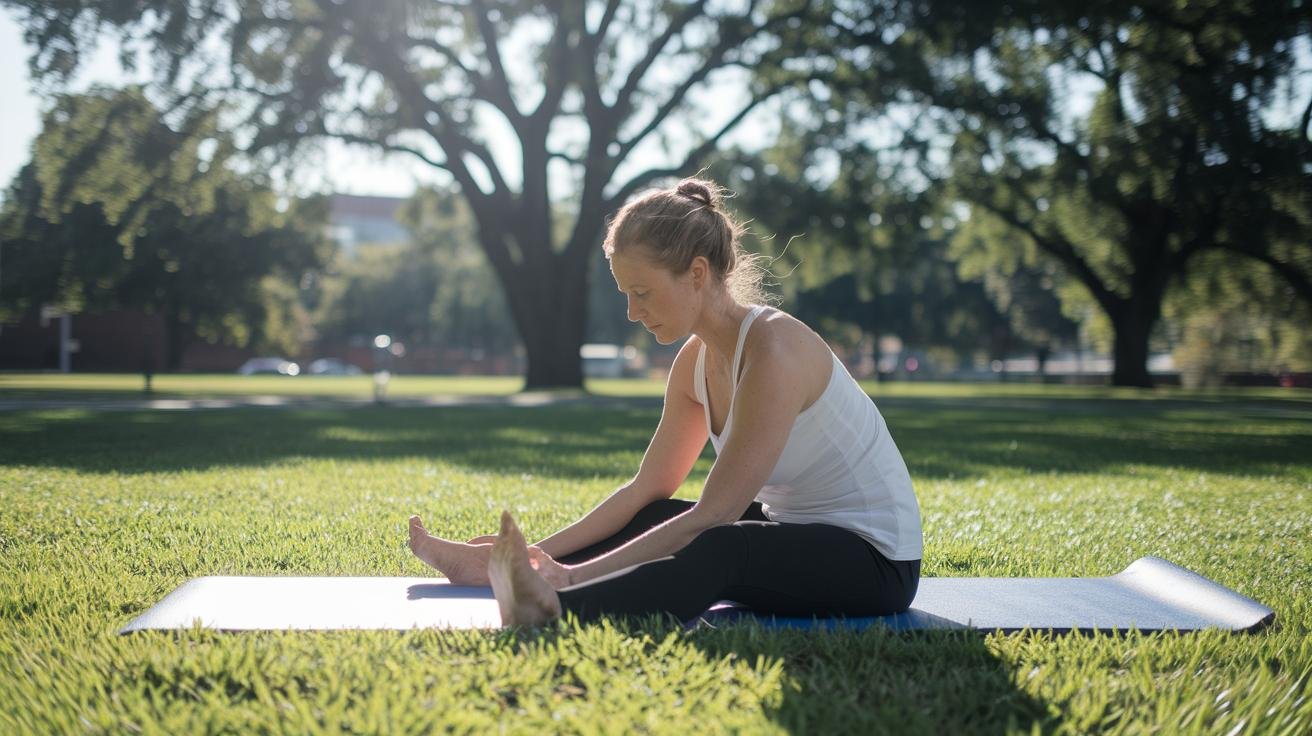
- Five asanas for mobility (10 minutes) – Flow Downward Dog to Plank, then do Warrior II on each side, Bridge pose, Seated Forward Fold, and Supine Knee-to-Chest. Hold each for 60 to 90 seconds, breathing steady. Think of the Downward Dog to Plank flow like a reset button for your back.
- Guided relaxation (3 minutes) – Savasana with a short body scan. On each exhale, whisper to yourself, "soften." Relax into the floor.
Pick teachers who list credentials like RYT or trauma-informed training, and who offer recovery-focused or evidence-based classes. A caring instructor who understands addiction-sensitive pacing makes the practice safer and steadier. Oh, and here’s a neat trick – try a few classes with different teachers until one feels like a good fit.
Meditation and Mindfulness Techniques in Recovery
Formal mindfulness programs give you more than a solo meditation app can. They add structure, live guidance, and repeatable skills you can practice with a coach or a group. Think of it like planting seeds: a brief calm here and there grows into steady habit that eases stress and softens cravings over time.
MBRP (Mindfulness-Based Relapse Prevention)
MBRP is usually an 8-week group program with sessions that run about 60 to 120 minutes. Core practices include the body scan, sitting meditation, and urge surfing (watching cravings as sensations without acting on them). Homework is short, 10 to 30 minutes a day, to help you spot triggers, pause, and choose a different response. Have you ever noticed how pausing for a breath can change everything? This trains that muscle.
MORE (Mindfulness-Oriented Recovery Enhancement)
MORE often runs 8 to 10 sessions and shows up in one-on-one or small-group formats. It mixes mindfulness with positive-psychology tools like gratitude and savoring to rebuild the brain’s natural reward system that substance use can dull. Practices include mindful breathing, savoring pleasant moments (like really tasting a warm cup of tea), and cognitive reappraisal, changing how you interpret stress so it feels less compelling.
MBAT (Mindfulness-Based Addiction Therapy)
MBAT zeroes in on interrupting automatic use patterns and practicing urge surfing. Programs commonly meet weekly for 60 to 90 minutes across about 8 sessions, and they work in groups or one-on-one care. Key moves are short meditations, mapping urges in the body, and rehearsing concrete coping steps to use when cravings peak. Think of it like a fire drill for cravings, practice so you know what to do when alarm bells ring.
Clinical studies show these programs reliably reduce cravings and ease stress, though effects on total substance use are smaller and can fade without ongoing practice. When you pick a program, look for trained facilitators, a fit with your stage of recovery and mental health needs, and a plan to combine mindfulness with medical care and therapy. Oh, and keep practicing, small daily habits keep the calm growing.
Massage Therapy Methods for Recovery
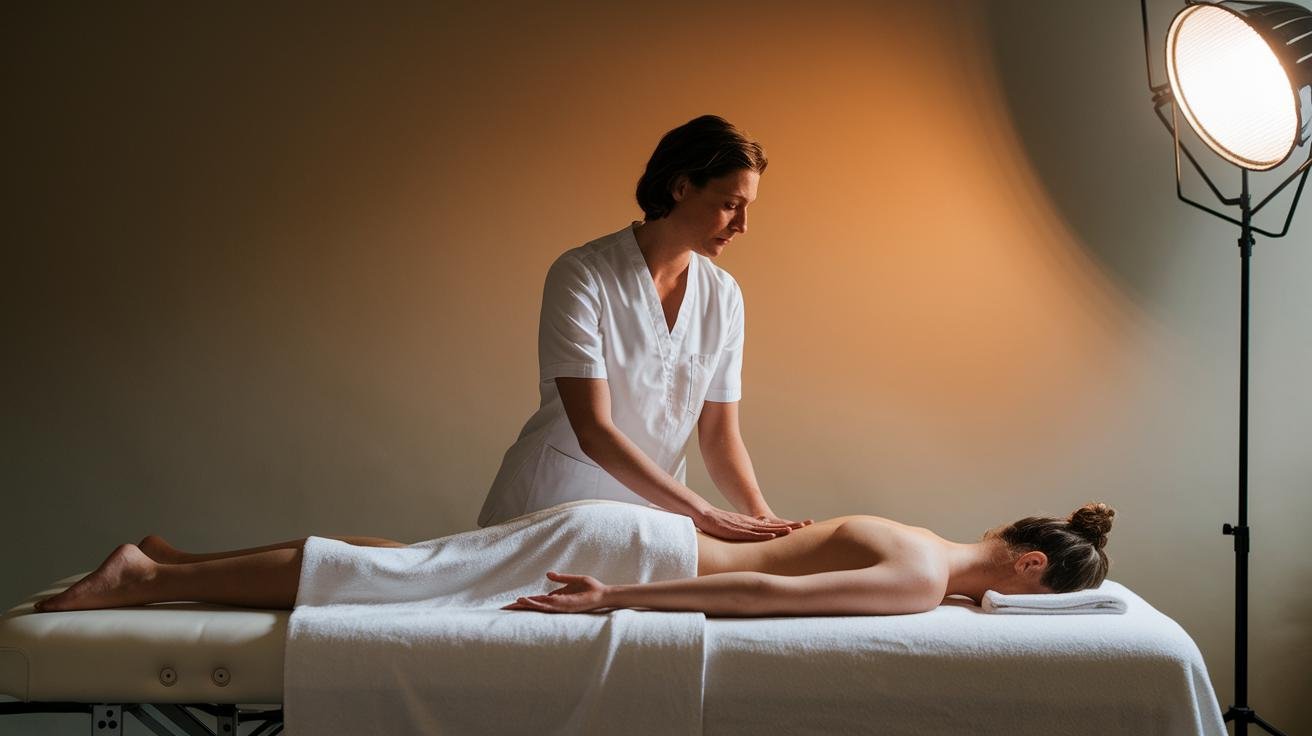
Massage changes your body in ways you can actually feel. It nudges blood flow and the lymph (the fluid that helps remove waste and swelling) so inflammation goes down. Muscles loosen, joints move more freely, and everyday tasks start to feel easier.
Touch reshapes your mind, too. Some sessions lower stress hormones, while deeper work can raise dopamine and serotonin, the brain chemicals tied to mood and calm. Many people sleep better after a massage and wake with less tension and a softer mood. Have you ever felt tension melt away after someone worked a knot? Yeah, that.
Here’s a simple look at three common methods so you know what to expect. Think of each one like a different tool in a toolbox.
Swedish massage is the gentlest. Long, flowing strokes and light to medium pressure help you relax and boost circulation. Sessions usually run 30 to 60 minutes and leave you feeling warm and loose, like a slow sunrise waking up your muscles.
Deep tissue massage goes deeper, literally. Therapists use slower, firmer pressure for 60 to 90 minutes to reach deeper muscle layers and fascia (the connective tissue around muscles). It’s best for chronic knots, scar tissue and long-standing soreness. It can be intense, but that deeper work often brings lasting relief.
Sports massage is tailored to movement and performance. Sessions range from 30 to 90 minutes and focus on mobility, injury prevention, and faster recovery before or after exercise. Expect targeted stretches, friction work, and techniques that help you move better on the field or at the gym.
Which should you choose? Match the method to your pain level, activity goals, and how your body handles pressure. Start gentle if you’re unsure. Or, ask your therapist to blend techniques, many pros mix Swedish strokes with targeted deep work for the best of both worlds.
A small tip: breathe into any tender spots, and drink water afterward to help your body flush out waste. Relax. Your body knows how to heal, and the right massage just gives it a friendly nudge.
Exercise and Movement Modalities in Recovery
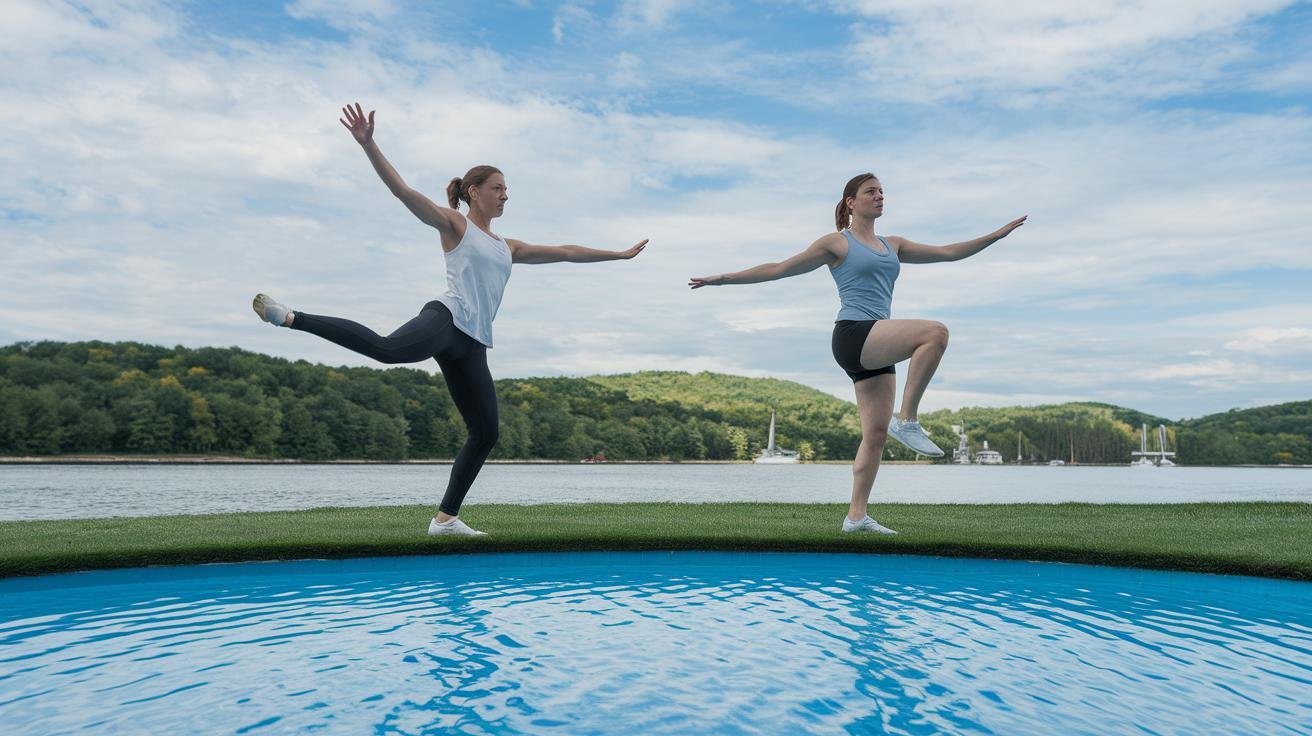
Movement is one of the quickest ways to steady your body and calm your mind during recovery. Start gentle, with short walks, calm pool time, or slow chair-based moves that ease the nervous system and wake up circulation. These options cut down pain signals without jarring joints. Feels safer, right?
Try a ten- to twenty-minute walk each day. Notice your feet on the pavement and the air on your face. That simple sensory focus can lift your mood and clear mental fog. Relax. Breathe.
Water work is especially kind to sore bodies. Aquatic therapy lets the water support your weight so you can move more freely, build confidence, and soften pain. It’s like practice on a softer stage.
When you feel ready, shift into progressive routines that rebuild strength, balance, and resilience. Use physical therapy tools like resistance-band work and rehab methods such as graded strengthening (slowly increasing load) and balance drills to grow capacity safely. Oh, and ask your therapist when to advance , small checks matter.
A simple weekly template to try:
- Two short strength sessions, using bodyweight or light dumbbells.
- Two cardio days, like brisk walking or gentle cycling.
- A daily five-minute balance or mobility drill.
Start low and add a little each week. Think gentle increases, like stepping up to the next rung on a ladder. Slowly increasing load helps your body adapt without flaring pain.
Integrate these practices into a whole-recovery plan and you’ll likely sleep better, move more freely, and feel sharper at your desk. You may even notice mood lifts and fewer cravings when stress hits. Curious what a small, steady routine could do for you? Give it a week and see.
Acupuncture and Complementary Therapies in Recovery
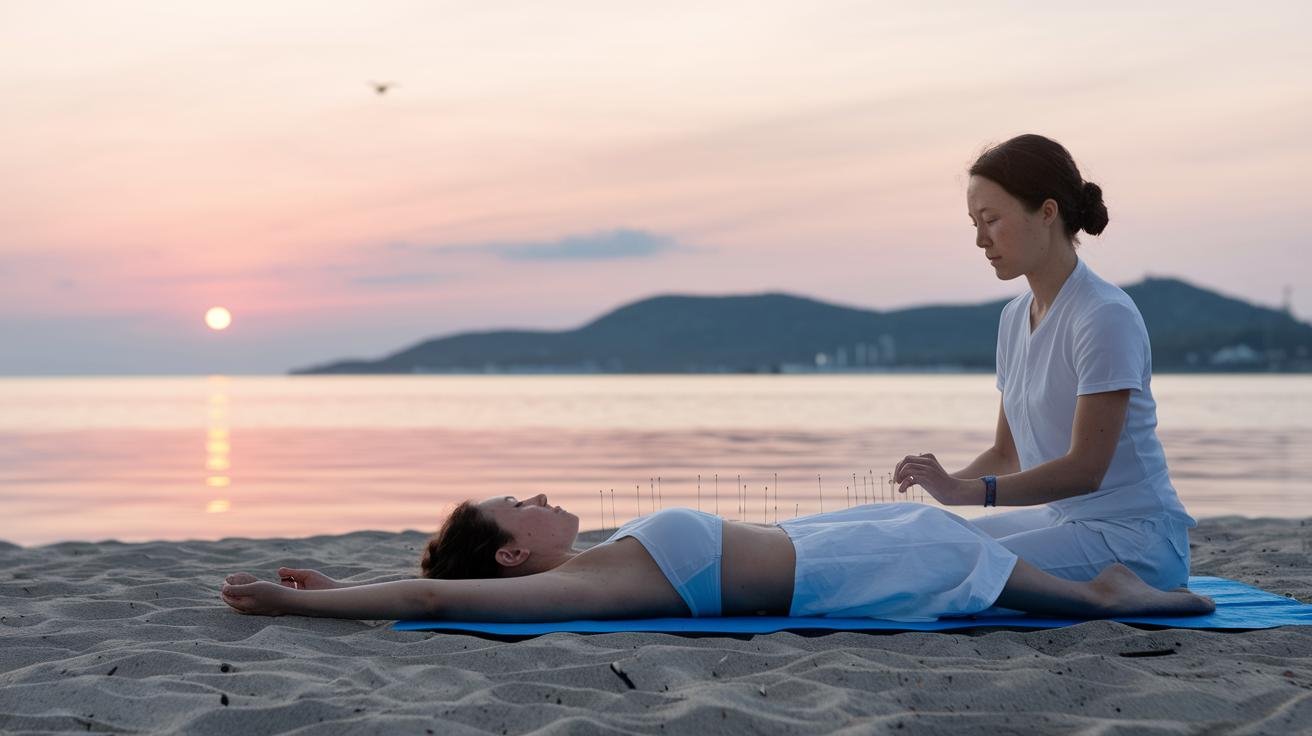
Acupuncture uses ultra-thin, single-use needles to gently stimulate specific points on the body. That small signal wakes sensory nerves and nudges the automatic nervous system (the part that runs things like heart rate and digestion). The result is often a release of endorphins and calming brain chemicals, less heart-rate reactivity, and a quieting of the stress pathways that can drive cravings and withdrawal discomfort.
Have you ever felt tension melt away with a tiny, focused touch? In addiction care, many providers use ear-based protocols like the NADA five-point sequence (NADA – National Acupuncture Detoxification Association). Those ear points aim to lower anxiety and steady cravings. Commonly used points include:
- Shen Men – for calm and relaxation.
- Sympathetic – to soothe the nervous system.
- Kidney, Liver, Lung – to help balance the body’s systems and support recovery.
Practitioners also use body points for specific symptoms. A few useful ones are:
- PC6 (Nei Guan) – eases nausea and nervous tension.
- LI4 – relieves head and face tension.
- SP6 – helps with sleep and grounding.
- ST36 – supports energy and digestion.
Many clinics fold acupuncture into a broader recovery plan alongside meditation or CBT (cognitive behavioral therapy). Sessions often happen in quiet treatment rooms or even outdoors to deepen relaxation. When you’re looking for care, ask about a few things:
- State licensure (L.Ac. or equivalent).
- Experience working with substance-use or dual-diagnosis clients.
- Single-use needle safety and clean needle protocol.
- Trauma-informed practice and a gentle approach.
Typical schedules start with one to three visits per week during early recovery, then taper as symptoms ease. Make sure your medical and therapy team know what you’re doing so the acupuncture work complements other treatments. Oh, and here’s a neat trick: you can try gentle acupressure on PC6 at home for nausea – press with two fingers for a minute or two and breathe slowly. Relax.
Building an Integrative Recovery Plan with Wellness Therapies
Start by writing down what matters most to you right now: physical pain, sleep, mood or anxiety, common triggers, and who supports you. Talk with your medical team about medications, pain conditions, or any dual diagnoses so your plan fits your medical needs. That makes the rest of the plan safer and more useful.
A strong integrative approach mixes medical care, talk therapy, family support, and gentle wellness practices. For example, Ashley Addiction Treatment pairs inpatient and outpatient care, detox (medical supervision to manage withdrawal), relapse prevention, and spiritual support, all under Joint Commission accreditation. That kind of structure keeps things connected instead of scattered.
Think of your recovery plan like a roadmap that points straight to the tools you need. Need help with withdrawal and sleep? More acupuncture or massage might help. Fighting cravings? Mindfulness training can calm the urge. Pain or mobility issues? Targeted exercise or physical therapy helps you move with less fear. What feels most urgent today, and what small habit could you realistically keep?
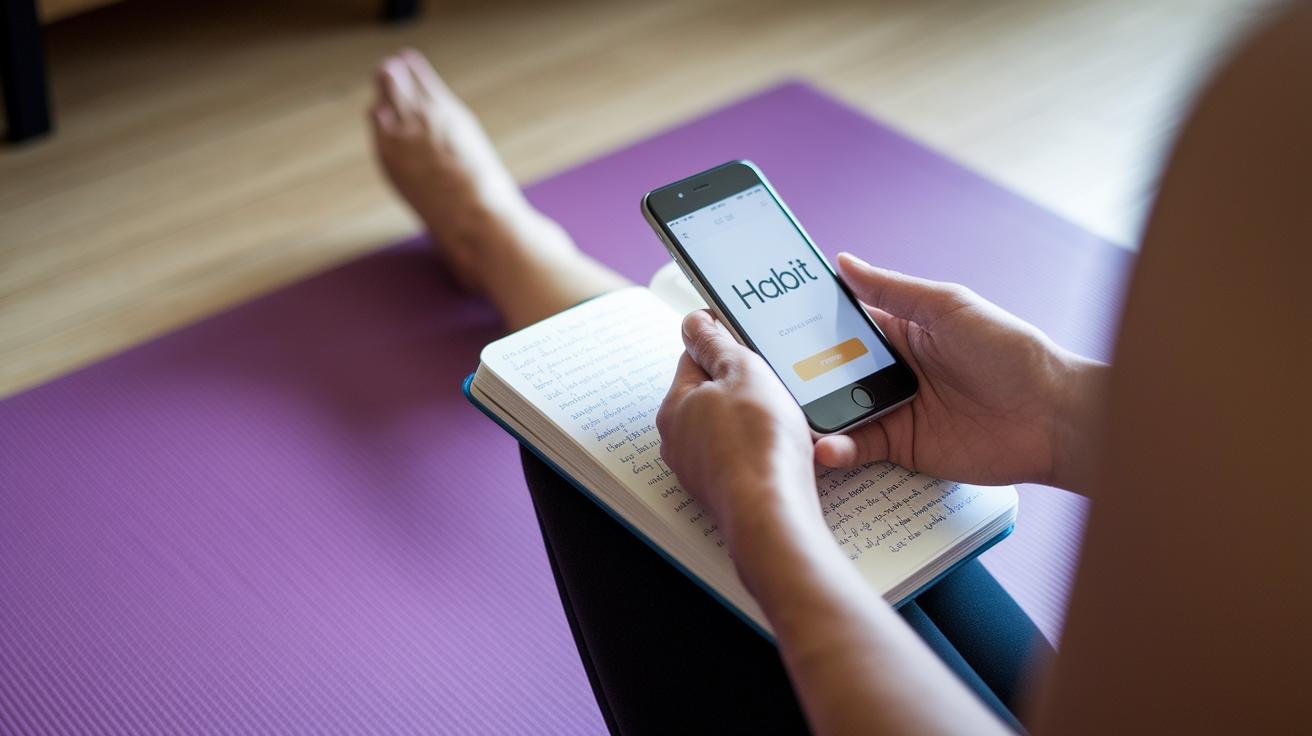
Make a simple schedule and track progress in a journal or an app that logs sleep, mood, cravings, and pain. Try a starter rhythm like this:
- Daily 10-minute meditation.
- Yoga twice a week.
- Two short strength sessions a week.
- One therapeutic massage or acupuncture visit per month (do more often in early recovery).
- Weekly counseling or group work.
As your symptoms shift, tweak how often you do each thing and swap in different therapies so they reinforce one another. Follow a enfoque holístico del bienestar when combining therapies so they work together. Notice the small wins, a calmer night, a shorter craving, easier stairs, and let those wins shape a steady, realistic plan that grows with you.
Palabras finales
In the action, we walked through five science-backed mind-body therapies, meditation, yoga, massage, acupuncture and exercise, and how each eases stress, soothes sore muscles and supports sleep.
You saw a short yoga recovery sequence, evidence-based meditation programs for cravings and stress, massage methods that calm tension, and practical tips for pairing acupuncture and movement into a plan.
Try small, consistent practices and note what helps. These wellness therapies for recovery can bring deeper relaxation, better sleep and a steady boost of energy , you’ll feel it.
Preguntas frecuentes
What are the 7 R’s of recovery?
The 7 R’s of recovery are recognize triggers, resist urges, replace old habits, reach out for support, rebuild routines, restore relationships, and renew purpose—each step helps steady progress and lower relapse risk.
What are the different types of wellness therapies? / What is a holistic approach to recovery?
The different types of wellness therapies include meditation, yoga, massage, acupuncture, structured exercise, nutrition counseling, and mindfulness-based programs; a holistic recovery approach blends these with medical care to treat stress, pain, and isolation.
What are the 5 W’s in recovery?
The 5 W’s in recovery are who, what, when, where, and why—used to plan care: who supports you, what goals matter, when steps occur, where care happens, and why recovery matters to you.