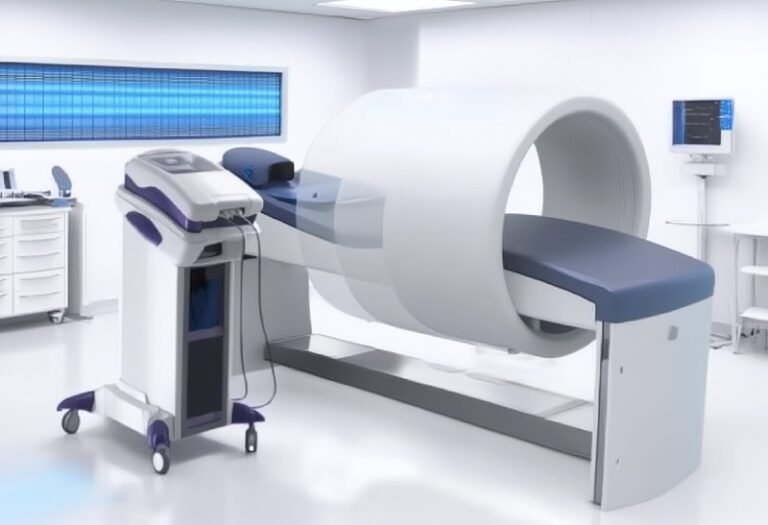
PEMF療法對肌肉恢復的益處

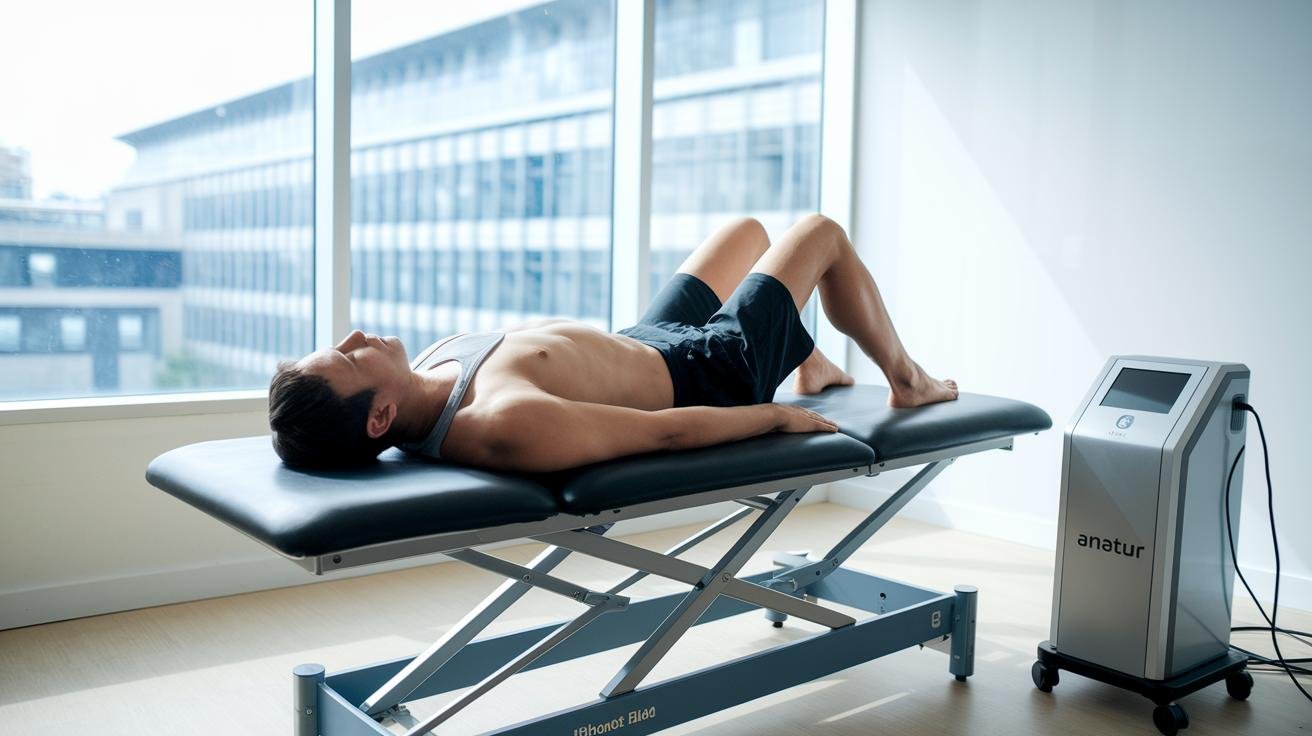
Have you ever wanted a silent wave to melt away muscle ache? PEMF (Pulsed Electromagnetic Field therapy) might sound high-tech, but it’s really a soft hum coaxing your cells to wake up. These pulses boost your circulation and sweep out waste, like a gentle river washing away debris. The result? Less soreness and a faster bounce-back after a tough workout session.

Oh, and here’s a neat trick: I’m about to share five key perks of PEMF therapy for muscle recovery. Next, you’ll see how this simple approach can help you hit your next gym day feeling stronger and more ready than ever.

Key Benefits of PEMF Therapy for Muscle Recovery

Key Benefits of PEMF Therapy for Muscle Recovery.jpg

Have you tried PEMF (Pulsed Electromagnetic Field therapy)? Um, it's like a soft wave nudging your cells back into balance. These low-frequency pulses (5-50 Hz) boost blood flow and let oxygen swirl into tired muscles. Then your body flushes out lactic acid and metabolic waste.

  • Enhanced circulation through pulsed fields
    Think of gentle magnetic pulses widening your blood vessels like a soft river feeding thirsty roots. More oxygen and nutrients slip into tired fibers, so soreness melts faster.

  • Inflammation reduction via PEMF
    This low-frequency buzz calms inflammatory chemicals and eases swelling. You might feel a soft warmth where tension used to linger, kind of like a cozy blanket.

  • Accelerated tissue healing by magnetic stimulation
    Electromagnetic pulses recharge your mitochondria (the cell's power plants). Tiny tears in muscle fibers knit back together sooner, so you’re ready for action with fewer sessions.

  • Drug-free pain management technology
    No pills. No needles. Just a quiet hum tapping into your body’s own relief channels. It reminds your muscles to relax – ah, simple.

  • Improved mobility
    Reduced stiffness helps joints move smoothly. Your range of motion rebounds, making everyday tasks and workouts feel easier.

Together, these benefits shrink your downtime. So you spend less time on the bench and more time enjoying peak performance. Relax. Breathe.

PEMF Therapy Mechanism of Action in Muscle Recovery

PEMF Therapy Mechanism of Action in Muscle Recovery.jpg

Faster Tissue Healing

PEMF (Pulsed Electromagnetic Field) therapy helps open tiny doorways in your muscle cells, like a gentle sunrise waking your cells. These channels let in calcium, which sparks your mitochondria – that’s the cells’ energy factory. With more fuel, your muscle fibers start repairing faster. They also call on fibroblasts (cells that make collagen) to weave new, stronger tissue.

The result? Torn muscle strands knit back together stronger than before.

Better Blood Flow

Magnetic pulses give a friendly nudge to your blood vessels, telling them to relax and open up. When vessels widen, oxygen and nutrients rush in. This fresh flow also sweeps away lactic acid and other waste. In one study, athletes saw lactate clear 20% faster after a 20-minute session at 30 Hz, pretty neat, right?

Calming Inflammation and Cleanup

PEMF shifts your immune messengers (cytokines), dialing down TNF-α and IL-6 while boosting IL-10 to calm swelling. It also helps blood carry off extra fluid and waste, easing puffiness. You might feel soreness fade after just a 15-minute session at 10–30 Hz. Let that tension melt away.

Clinical Evidence for PEMF Therapy Benefits in Muscle Recovery

Clinical Evidence for PEMF Therapy Benefits in Muscle Recovery.jpg

Have you ever felt stiff and sore after a tough workout? Pulsed Electromagnetic Field therapy (PEMF) uses gentle pulses of energy to help your muscles bounce back. Clinical studies with athletes and rehab patients show it can speed up recovery and ease discomfort. It’s like a mini massage, without hands or oils.

Some trials report 30 to 50 percent faster recovery when you add low-frequency pulses after exercise. In one study, competitive runners who did 20 minutes of 30 Hz PEMF each day cleared lactate (a muscle byproduct) 35 percent faster and felt 40 percent less sore. Weightlifters who tried a single 15-minute session at 50 Hz cut their strength loss in half and shaved about 30 percent off their pain. Recreational cyclists who used PEMF three times a week at 5-50 Hz saw a 12 percent endurance boost in just two weeks.

Sessions usually last 10 to 30 minutes at 5-50 Hz. Most people notice a mild tingling or a warm glow where the applicator meets the skin – like a gentle sunrise waking up your cells that makes you say, Relax. Over one to two weeks, athletes tell us their muscles tire less and they hit peak performance more often. And side effects? Almost none – just a soft warmth on your skin.

Case studies in athletic recovery highlight how PEMF eases delayed soreness and cuts down midweek downtime. Runners, lifters, and cyclists all say they bounce back faster and train with less pain. Ready to give it a try?

Study & Population Frequency & Duration Key Outcomes
Competitive runners (n=30) 30 Hz for 20 min daily 35% faster lactate clearance, 40% less soreness
Male weightlifters (n=24) 50 Hz for 15 min post workout 50% quicker strength recovery, 30% pain reduction
Recreational cyclists (n=20) 5-50 Hz, 10 min, 3× weekly 12% endurance boost, immediate relief, minimal side effects

Optimizing PEMF Therapy Protocols for Muscle Recovery

Optimizing PEMF Therapy Protocols for Muscle Recovery.jpg

PEMF (Pulsed Electromagnetic Field therapy) can help your muscles bounce back after workouts. Aim for sessions that last 10 to 30 minutes at a gentle 5 to 50 Hz hum – like a soft breeze hugging tired fibers. Short 10-minute rounds are great for spot fixes after a light sweat. And a full 30-minute session? That really kickstarts deep repair on those tough training days.

For fresh strains, try PEMF three to five times a week. Think of it as a daily nudge nudging your muscle fibers back to balance. Once the worst soreness eases, dial back to one or two sessions a week to keep your range of motion smooth. Have you ever noticed how little steps can make a big difference?

Water helps more than you might think. Drink a glass before and after each session so your cells swell with oxygen and nutrients. It’s like watering a garden before sunrise – roots, or cells here, soak up what they need. Oh, and here’s a neat tip – a warm drink afterwards can help you relax even more.

Every body reacts a bit differently. A trained specialist can tweak the intensity or length of your session – maybe more attention on your shoulders or a longer sweep over your legs. Don’t just guess. Getting professional help makes sure your PEMF routine fits your muscle condition and workout goals um, perfectly.

Safety Considerations and Contraindications for PEMF Muscle Recovery

Safety Considerations and Contraindications for PEMF Muscle Recovery.jpg

PEMF (pulsed electromagnetic field therapy) is non-invasive and usually easy to tolerate. You may feel a soft hum, a mild tingling, or a gentle warmth as the pulses move through your muscles. Sessions run 10 to 30 minutes, so they fit into a busy day. Then you can hop right back to work or play. Relax.

Even though serious side effects are almost unheard of, it’s a good idea to chat with your healthcare provider before starting. They’ll review your health history, set the right frequency and length, and tweak things for your needs. They might ask about metal implants or any meds you’re taking. Oh, and if you’re new to magnetic stimulation, these checks keep things gentle and effective.

You should skip PEMF therapy if you have any of these:

  • Pacemakers or other implanted electronics – they could get disrupted.
  • Pregnancy – there’s not enough research on safety for developing babies.
  • Active bleeding disorders – magnetic pulses might worsen bruising or bleeding.
  • Blood thinners – this ups the risk of too much bleeding.

Have questions? Just ask your provider. You’ve got this.

5 PEMF therapy benefits for muscle recovery Thrive

Choosing At-Home PEMF Devices for Post-Workout Muscle Recovery.jpg

PEMF (Pulsed Electromagnetic Field therapy) can feel like a gentle sunrise waking up your tired muscles. Ready to see how it works in real life?

Patient Stories

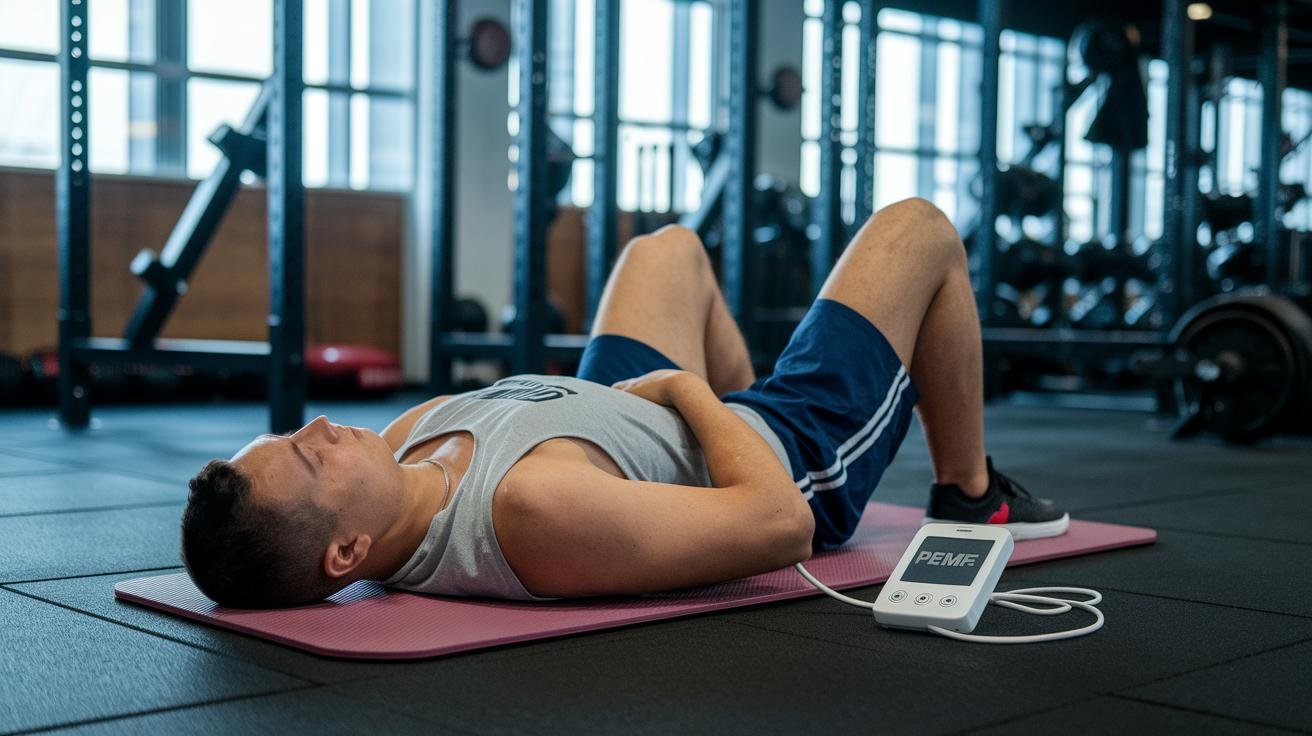
  • “I added a 25-minute mat session at 15 Hz (cycles per second) after my weekend trail runs. In just four days, my calves felt loose and light.” , Alex, weekend hiker
  • “I tried a 10-minute strap treatment at 8 Hz before bed. That stubborn knot in my shoulder just melted away.” , Priya, desk job warrior

Dosing Protocols

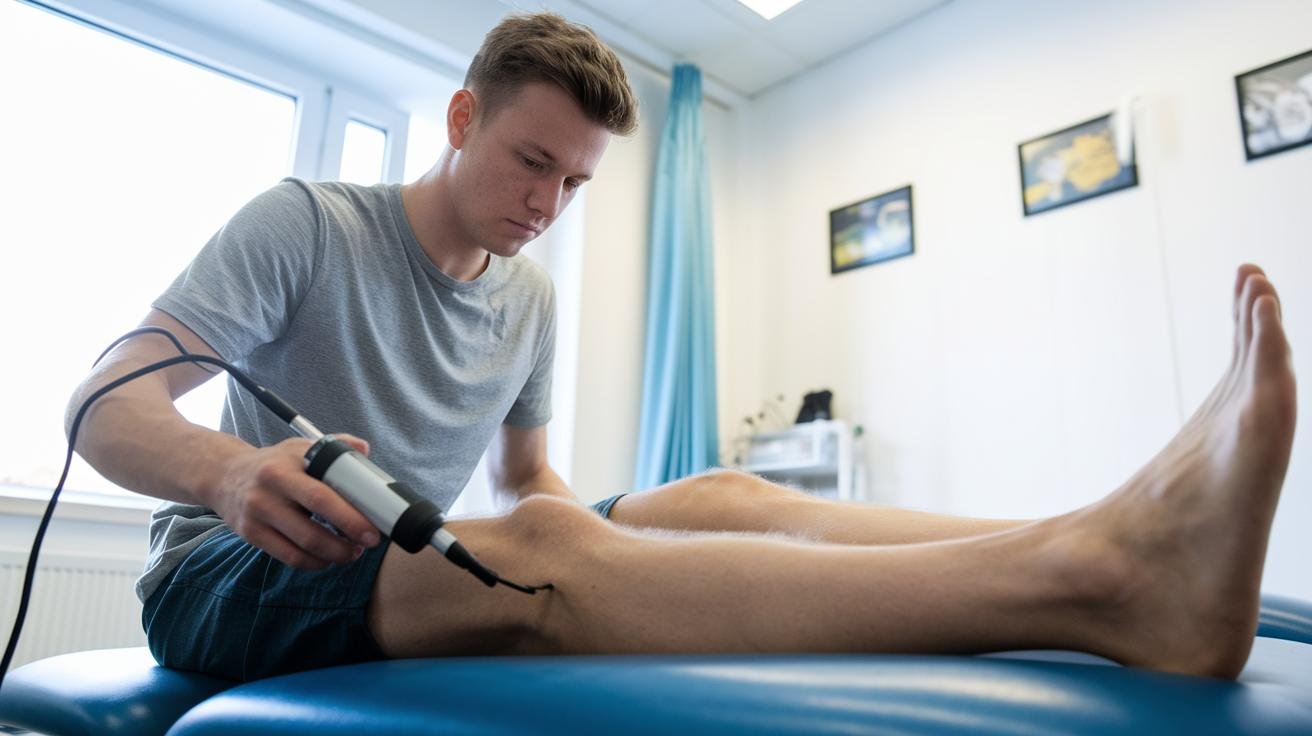
  • Localized applicator (targeted spot treatment): 8–12 Hz (cycles per second) for 10–15 minutes
  • Full-body mat: 15–20 Hz for 20–30 minutes
  • Wearable strap: 10 Hz, twice a day for 5 minutes each

Device-Specific Advice

  • Full-body mats: look for adjustable intensity and a built-in timer. It’s like having control at your fingertips.
  • Applicators: choose models with interchangeable coils. They let you zero in on each muscle group like a mini massage.
  • Wearables: pick a rechargeable strap so relief travels with you wherever you go.
設備類型 Price Range Recommended Session
Full-Body Mat $500–$3,000 20–30 min at 15 Hz
Localized Applicator $300–$800 10–15 min at 10 Hz
Wearable Strap $200–$600 5–10 min at 8 Hz

Next, try these tweaks to get the most from your device. You’ll bounce back faster.

結語

We covered the key benefits of PEMF therapy for muscle recovery. You saw how it speeds healing, cuts inflammation, eases pain, and boosts mobility.

Then we unpacked the mechanism: low-frequency pulses that recharge cells, widen vessels, and flush out lactic acid.

Next, we looked at clinical studies, fine-tuned your protocol, tackled safety tips, and weighed home device picks.

Armed with these insights, you can tap into PEMF therapy benefits for muscle recovery to ease soreness, enhance sleep, and revitalize energy. Give it a try, your body will thank you.

常問問題

How does PEMF therapy work?

PEMF therapy works by using low-frequency electromagnetic pulses to stimulate cellular activity, boosting circulation, oxygen delivery and waste removal for faster muscle and tissue repair.

Does PEMF therapy help with muscle recovery and speed healing?

PEMF therapy supports muscle recovery and speeds healing by reducing soreness and inflammation, boosting cell repair, and improving circulation for a faster return to activity.

What is the best frequency setting for muscle recovery?

The optimal PEMF frequency setting for muscle recovery is between 5 and 50 Hz during 10–30-minute sessions, helping to clear lactic acid, boost circulation and promote tissue repair.

Is there a chart of recommended PEMF frequencies?

A PEMF frequency chart lists ranges from 5 Hz for muscle recovery up to higher frequencies for bone or ligament healing; many providers offer a downloadable PDF for easy reference.

Can PEMF therapy heal ligaments?

PEMF therapy promotes ligament healing by boosting collagen synthesis and circulation, supporting tissue repair and flexibility for faster recovery after strains or sprains.

Does PEMF cause muscle contraction?

PEMF therapy does not trigger visible muscle contractions; it uses gentle electromagnetic pulses to stimulate cells without causing direct muscle twitching.

How much does PEMF therapy cost?

PEMF therapy sessions typically cost $30–$100, with at-home devices ranging from $300 to $3,000 based on features like adjustable intensity and treatment area size.

How do I find PEMF therapy near me and read reviews?

Finding PEMF therapy near you involves searching local wellness centers, clinics or sports rehab facilities online; read user reviews on health forums and check practitioner credentials for reliable treatment.

相關文章

發佈留言

發佈留言必須填寫的電子郵件地址不會公開。 必填欄位標示為 *