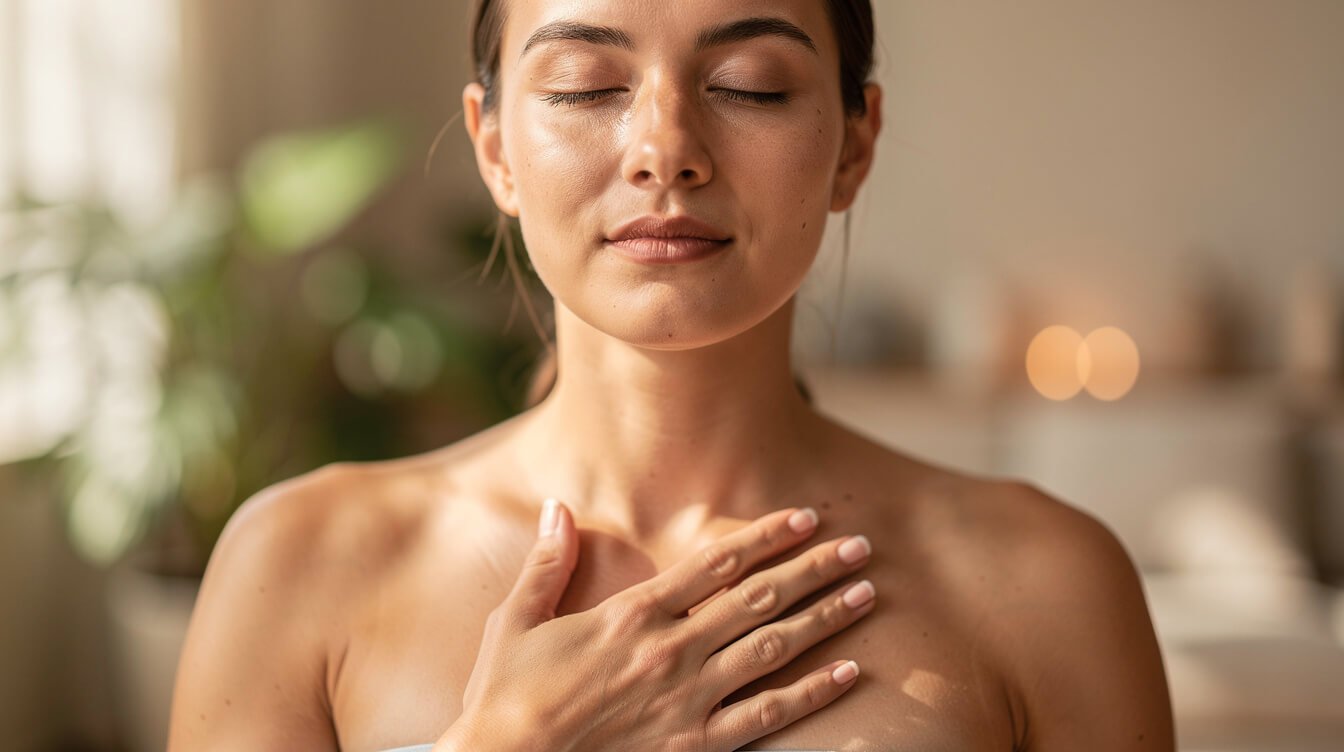
If you’ve ever taken a deep breath to calm yourself before a big moment, you already know something powerful: breathwork for stress relief genuinely works. What you may not realize is just how many simple techniques exist — and how profoundly they may support your physical and mental wellbeing when practiced regularly.
Whether you’re dealing with daily tension, occasional anxiety, or simply want a natural way to feel more centered, breathwork offers an accessible, science-backed path to calm. In this guide, you’ll discover seven practical breathing techniques, learn the science behind why they work, and find out how to build a breathwork practice that fits your daily routine.
What Is Breathwork and Why Does It Work for Stress Relief?
Breathwork refers to any intentional practice of controlling your breathing pattern to influence your mental, emotional, and physical state. While ancient traditions like yoga and meditation have used conscious breathing for thousands of years, modern science is now catching up — and the research is compelling.
When you feel stressed, your body activates the sympathetic nervous system — the well-known “fight-or-flight” response. Your heart rate increases, muscles tense, and breathing becomes rapid and shallow. This was helpful when our ancestors faced physical threats, but in today’s world of traffic jams, deadlines, and information overload, that same stress response often fires without a genuine physical danger.
Here’s where breathwork for stress relief becomes transformative: slow, deliberate breathing activates the vagus nerve, the longest cranial nerve in your body. The vagus nerve acts as a direct communication line between your brain and your internal organs. When stimulated through deep, controlled breathing, it sends a clear signal to your nervous system: you are safe.
Research published in Frontiers in Psychology suggests that diaphragmatic breathing may significantly reduce cortisol levels — your body’s primary stress hormone. A 2023 study in the Journal of Clinical Medicine found that even brief breathwork sessions (as short as five minutes) may measurably improve heart rate variability, a key marker of stress resilience.
The beauty of breathwork is its simplicity. You don’t need equipment, a gym membership, or even a quiet room. Your breath is always with you — and learning to use it intentionally may be one of the most powerful wellness tools you’ll ever discover.
What makes breathwork particularly appealing for stress relief is that the benefits begin immediately. Unlike supplements that take weeks to build up or fitness routines that require months of consistency, your very first conscious breath can shift your body’s stress response. And with regular practice, those benefits compound — research suggests that consistent breathwork may reshape your nervous system’s baseline reactivity over time.
How Breathwork Supports Your Nervous System
To truly appreciate why breathwork for stress relief is so effective, it helps to understand the two branches of your autonomic nervous system and how they interact with your breathing.
The Sympathetic Response: Your Accelerator
Your sympathetic nervous system is like a gas pedal. It speeds everything up: heart rate, breathing rate, blood pressure, and muscle tension. When you’re stressed, this system dominates. Your body floods with adrenaline and cortisol, preparing you for action. While useful in genuine emergencies, chronic activation of this response has been linked to digestive issues, sleep disruption, weakened immunity, and cardiovascular strain.
The Parasympathetic Response: Your Brake
The parasympathetic nervous system is your body’s brake pedal — the “rest-and-digest” mode. When active, it lowers heart rate, relaxes muscles, improves digestion, and promotes recovery. This is the state your body needs to be in for healing, restoration, and deep sleep.
How Breathing Bridges the Gap
Unlike most autonomic functions (you can’t consciously lower your blood pressure or speed up your digestion), breathing is unique: it operates both automatically and under voluntary control. This means you can consciously shift your nervous system from sympathetic to parasympathetic dominance simply by changing how you breathe.
The key mechanism is the exhale. When you extend your exhalation longer than your inhalation, you directly stimulate the vagus nerve and activate parasympathetic activity. This is why nearly every effective breathwork technique emphasizes slow, extended exhales.
If you’re interested in other natural approaches to nervous system support, walking 和 low-intensity exercise like Zone 2 cardio also activate the parasympathetic response through different pathways.
7 Breathwork Techniques for Stress Relief You Can Practice Anywhere
Now for the practical part. Here are seven evidence-informed breathwork techniques for stress relief, ranging from beginner-friendly to slightly more advanced. Each includes step-by-step instructions, timing, and guidance on when it works best.
1. Box Breathing (4-4-4-4)
Also known as square breathing, this technique is used by Navy SEALs and first responders to stay calm under pressure. It’s simple, symmetrical, and remarkably effective.
How to practice:
- Sit comfortably with your feet flat on the floor
- Inhale slowly through your nose for 4 counts
- Hold your breath for 4 counts
- Exhale slowly through your mouth for 4 counts
- Hold your breath (lungs empty) for 4 counts
- Repeat for 4–8 rounds
Best for: Pre-meeting nerves, racing thoughts, restoring focus at work
Time needed: 2–4 minutes
2. The 4-7-8 Technique
Developed by Dr. Andrew Weil, this technique is sometimes called the “relaxing breath.” The extended exhale is what makes it so powerful for activating your parasympathetic nervous system.
How to practice:
- Place the tip of your tongue against the ridge behind your upper front teeth
- Exhale completely through your mouth with a whooshing sound
- Inhale quietly through your nose for 4 counts
- Hold your breath for 7 counts
- Exhale completely through your mouth for 8 counts
- Repeat for 4 cycles
Best for: Falling asleep, calming anxiety, winding down before bed
Time needed: 2–3 minutes
3. Physiological Sigh
This technique, highlighted by Stanford neuroscientist Dr. Andrew Huberman, is arguably the fastest way to reduce stress in real time. A 2023 Stanford study found it may be more effective than meditation for rapid mood improvement.
How to practice:
- Take a deep inhale through your nose
- At the top of the inhale, take a second, shorter sniff through your nose (this maximally inflates the lung’s air sacs)
- Follow with a long, slow exhale through your mouth
- Repeat 1–3 times
Best for: Acute stress moments, panic, immediate calm when you need it right now
Time needed: 15–30 seconds
4. Alternate Nostril Breathing (Nadi Shodhana)
This ancient yogic technique has been practiced for centuries and is traditionally believed to balance the left and right hemispheres of the brain. Modern research suggests it may reduce blood pressure and improve cardiovascular function.
How to practice:
- Sit comfortably and bring your right hand to your nose
- Close your right nostril with your right thumb
- Inhale slowly through your left nostril for 4 counts
- Close your left nostril with your ring finger (both nostrils now closed)
- Hold briefly, then release your thumb and exhale through your right nostril for 4 counts
- Inhale through your right nostril for 4 counts
- Close the right nostril, hold, then exhale through the left nostril
- This completes one cycle. Repeat for 5–10 rounds
Best for: Pre-meditation, mental clarity, balancing energy levels
Time needed: 3–5 minutes
5. Diaphragmatic (Belly) Breathing
This foundational technique is the starting point for most breathwork practices. It retrains your body to breathe deeply into the belly rather than shallowly into the chest — a habit many stressed adults have developed unconsciously.
How to practice:
- Lie down or sit comfortably with one hand on your chest and one on your belly
- Inhale slowly through your nose, letting your belly expand (your chest should remain relatively still)
- Exhale slowly through pursed lips, feeling your belly fall
- Continue for 5–10 minutes
Best for: Beginners, daily stress management, improving breathing habits long-term
Time needed: 5–10 minutes
6. Resonance Breathing (Coherent Breathing)
Resonance breathing involves breathing at a rate of approximately 5–6 breaths per minute (compared to the average 12–20). Research suggests this specific pace may optimize heart rate variability and create a state of cardiovascular coherence.
How to practice:
- Sit or lie down comfortably
- Inhale slowly through your nose for 5–6 counts
- Exhale slowly through your nose for 5–6 counts
- Focus on making the breath smooth and continuous — no pauses between inhale and exhale
- Continue for 10–20 minutes for maximum benefit
Best for: Heart rate variability improvement, emotional regulation, long-term stress resilience
Time needed: 10–20 minutes
7. Lion’s Breath (Simhasana)
This energizing yogic technique adds a physical release component — opening the jaw, sticking out the tongue, and exhaling with force. It’s surprisingly effective at releasing tension held in the jaw, face, and throat.
How to practice:
- Sit comfortably (kneeling or cross-legged works well)
- Inhale deeply through your nose
- Open your mouth wide, stick out your tongue toward your chin
- Exhale forcefully through your mouth with a “haaa” sound
- Focus your gaze upward (between your eyebrows)
- Repeat 4–6 times
Best for: Releasing physical tension (jaw clenching, tight throat), energizing when tired, emotional release
Time needed: 1–2 minutes
When to Use Each Breathwork Technique: A Quick Situational Guide
One of the most common questions about breathwork for stress relief is: which technique should I use and when? Here’s a practical guide to matching the right technique to your situation.
| Situation | Best Technique | Why It Works |
|---|---|---|
| Can’t fall asleep | 4-7-8 Breathing | Extended exhale deeply relaxes the nervous system |
| Sudden anxiety or panic | Physiological Sigh | Fastest stress reduction (15–30 seconds) |
| Before a meeting or presentation | Box Breathing | Balances alertness with calm — won’t make you sleepy |
| Morning centering ritual | Alternate Nostril Breathing | Creates mental clarity and balanced energy |
| Chronic daily stress | Diaphragmatic Breathing | Retrains your baseline breathing pattern |
| During a workout cooldown | Resonance Breathing | Optimizes recovery via heart rate variability |
| Releasing jaw tension or frustration | Lion’s Breath | Physical release of stored tension |
Pro tip: You don’t need to master all seven techniques. Start with one or two that resonate with your most common stress triggers, practice them daily for a week, and then explore others as you build confidence.
🎁 Get a Free Wellness Gift
Enter your name and email below to receive a special wellness gift from OlyLife — absolutely free!
How to Build a Daily Breathwork Practice
Knowing breathwork techniques is one thing — actually practicing them consistently is another. Here’s how to turn breathwork from an occasional tool into a daily wellness habit that compounds over time.
Start With Just 5 Minutes
Research suggests that even 5 minutes of daily breathwork may produce measurable changes in stress markers. You don’t need to commit to 30-minute sessions to see benefits. Begin with what feels manageable and build from there.
Anchor It to an Existing Habit
The easiest way to build a new habit is to attach it to something you already do. Try breathwork:
- After your morning coffee — 3 minutes of box breathing while your coffee cools
- Before lunch — 2 minutes of diaphragmatic breathing to transition from work mode
- Before bed — 4 rounds of 4-7-8 breathing as part of your sleep routine
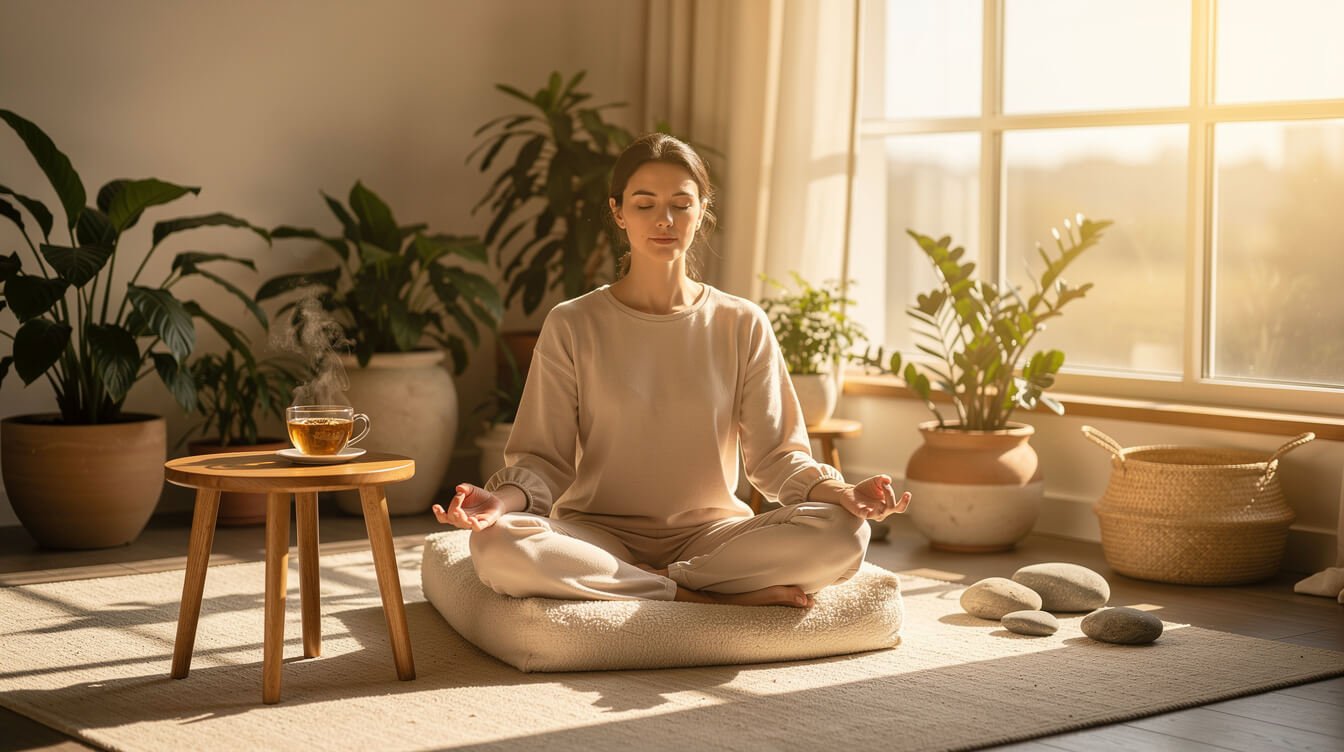
Create a Calming Environment
While breathwork can be done anywhere, having a dedicated space may deepen your practice. Consider a comfortable cushion, soft lighting, and perhaps pairing your breathwork with a topical wellness companion like the OlyLife OptiRelax Gel — applied to your temples or wrists before a session, it may help signal to your body that it’s time to relax.
Track Your Progress
Keep a simple log of how you feel before and after each session. Rate your stress on a 1–10 scale. Over two to three weeks, you’ll likely notice patterns — certain techniques work better at certain times, and your baseline stress level may gradually decrease.
Pair Breathwork With Movement
Breathwork and gentle movement are natural partners. Consider combining your practice with a daily walk — practice diaphragmatic breathing for the first five minutes, then transition to natural breathing for the rest of your walk. This combination of gentle movement and conscious breathing may compound the stress-relief benefits of both practices.
Frequently Asked Questions About Breathwork for Stress Relief
How quickly does breathwork reduce stress?
Some techniques work remarkably fast. The physiological sigh, for example, may produce noticeable calm within 15–30 seconds. Box breathing and the 4-7-8 technique typically take 2–4 minutes to shift your nervous system state. For deeper, lasting changes in your stress baseline, regular daily practice over 2–4 weeks is usually when people report significant improvement.
Can breathwork help with anxiety?
Research suggests that structured breathing exercises may support anxiety management. A meta-analysis in the British Journal of Health Psychology found that breathwork interventions may reduce both state anxiety (temporary anxious feelings) and trait anxiety (a tendency toward anxiousness). However, breathwork is not a replacement for professional mental health support — if you’re experiencing severe or persistent anxiety, please consult a healthcare provider.
Is breathwork safe for everyone?
Gentle breathwork techniques like diaphragmatic breathing and the 4-7-8 method are generally considered safe for most people. However, if you have a respiratory condition, cardiovascular issues, a history of panic disorder, or are pregnant, it’s wise to consult your doctor before starting an intensive breathwork practice. Techniques involving breath retention or rapid breathing deserve extra caution.
How often should I practice breathwork?
For stress management, research suggests that daily practice — even just 5 minutes — is more beneficial than occasional longer sessions. Consistency matters more than duration. Many practitioners find that twice daily (morning and evening) provides the best results for overall nervous system regulation.
Can I combine breathwork with other wellness practices?
Absolutely. Breathwork pairs beautifully with meditation, yoga, gentle exercise, journaling, and even PEMF療法. Many people find that starting a meditation session with 2–3 minutes of box breathing helps them settle into stillness more easily.
What’s the difference between breathwork and meditation?
While there’s overlap, breathwork focuses specifically on conscious breathing patterns to produce physiological changes. Meditation is broader — it may involve breath awareness, but also includes techniques like visualization, body scanning, and mantra repetition. Think of breathwork as one powerful tool within the larger meditation toolkit.
I forget to practice. How do I remember?
Set a gentle phone reminder for the same time each day. Place a visual cue (a sticky note saying “breathe”) on your bathroom mirror or computer monitor. Use the “habit stacking” approach mentioned above — attach breathwork to something you already do every day, like your morning coffee or bedtime routine.
Final Thoughts: Your Most Powerful Wellness Tool Is Already With You
In a world that constantly pulls your attention outward, breathwork for stress relief offers something rare: a way to come home to yourself. No app required. No equipment needed. No monthly subscription.
The seven techniques in this guide represent centuries of wisdom, validated by modern neuroscience. Whether you choose the rapid calm of a physiological sigh, the structured rhythm of box breathing, or the ancient balance of alternate nostril breathing — you’re tapping into your body’s built-in stress management system.
Start small. Choose one technique that resonates with you. Practice it for five minutes today. Notice how you feel. Then do it again tomorrow.
Your breath has been with you since your very first moment on this earth. Learning to use it intentionally may be the simplest, most profound step you take on your wellness journey.
Take Your Wellness Routine Further
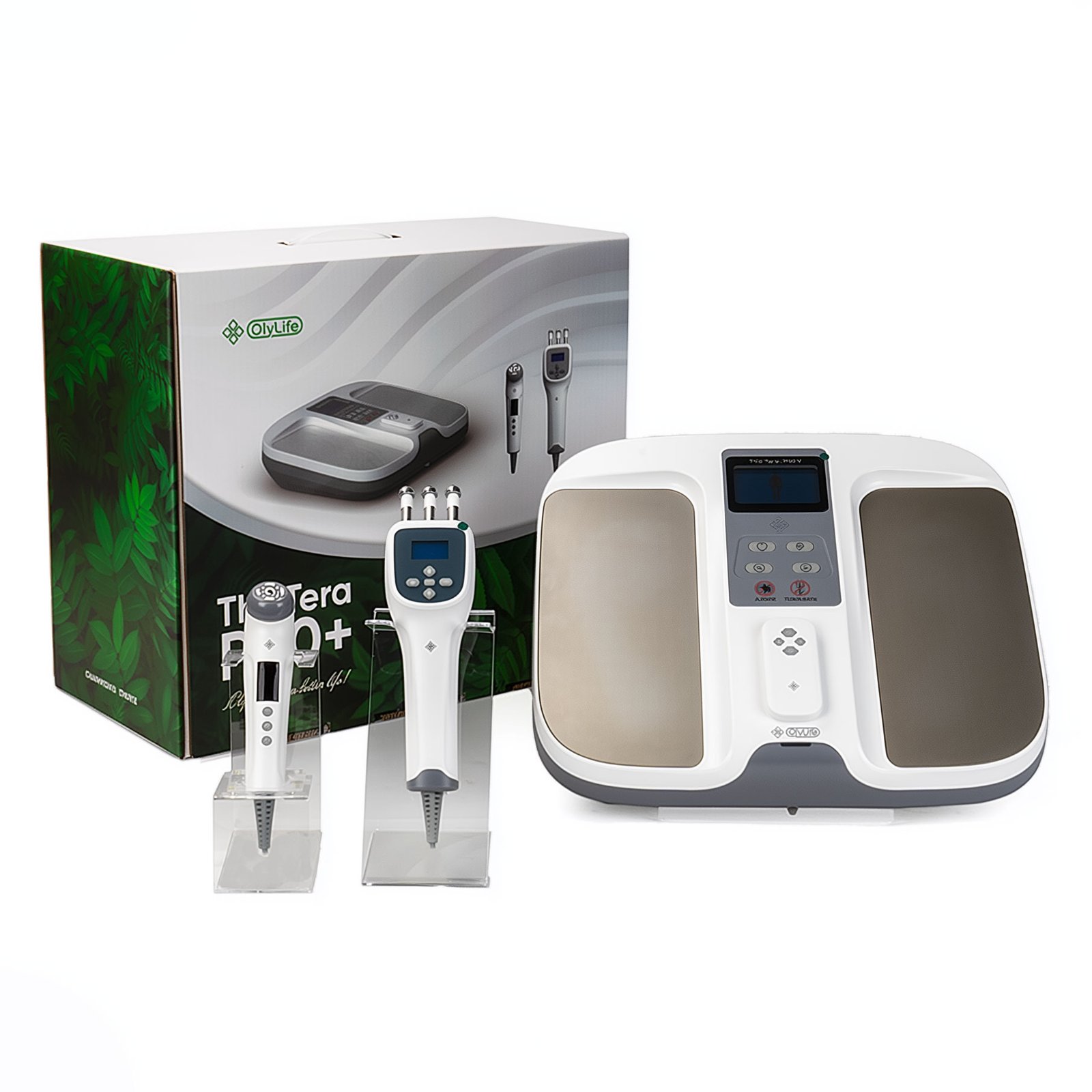
Pair your breathwork practice with the OlyLife Tera-P90+ — a smart PEMF and terahertz therapy system designed to support relaxation and whole-body wellness from the comfort of home.
For a more comprehensive approach to stress relief and whole-body wellness, explore how natural wellness therapies may complement your breathwork practice.