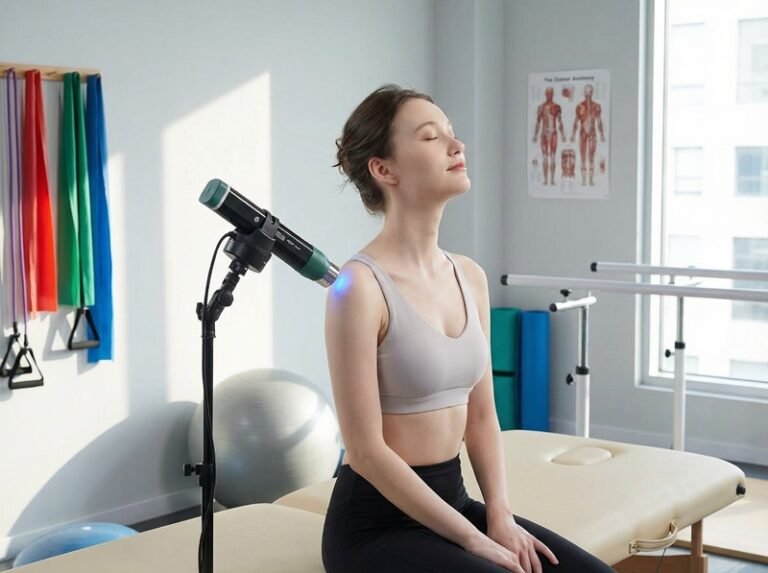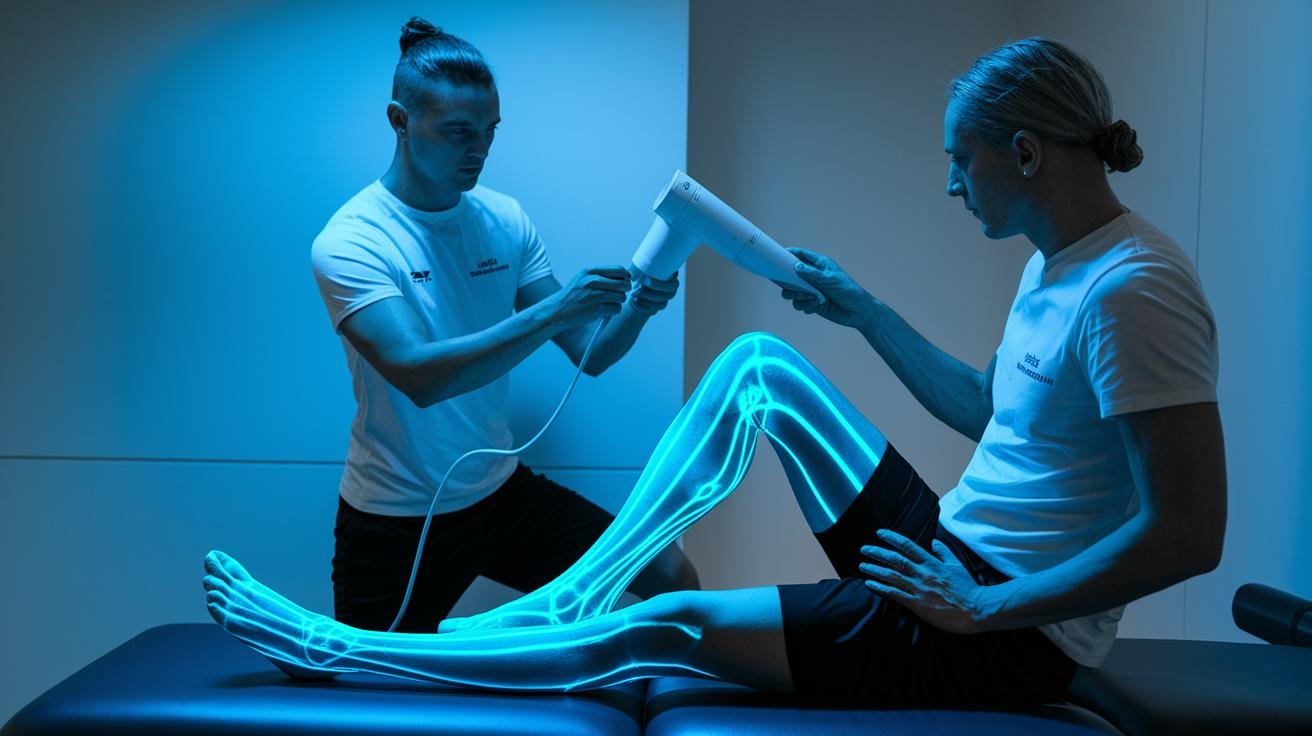
What if a soft wave of energy could help sore muscles heal faster?
Terahertz (THz) waves (0.1 to 10 THz) are part of the electromagnetic spectrum between microwaves and infrared. They slip noninvasively into deeper muscle layers and gently nudge tiny blood vessels open. This improves microcirculation (flow in the smallest blood vessels).
That clearer flow brings fresh oxygen, carries away metabolic waste, and calms local inflammation so tissues can repair faster after a tough workout. Think of it like a warm sunrise waking up your cells. It’s a gentle nudge that helps recovery run smoother and may cut down soreness without drugs or needles.
Have you ever felt tension melt away? Relax. Breathe. Oh, and here’s a neat trick: trying this kind of energy therapy could be a simple, drug-free way to speed recovery.
太赫茲設備促進肌肉恢復和加速癒合的益處

Muscle recovery often comes down to one plain fact: better blood flow helps tissue heal faster. Terahertz (THz) electromagnetic waves (0.1–10 THz) pass non-invasively into deeper muscle layers and boost microcirculation. Tiny blood vessels open a bit more, so oxygen and nutrients reach tired tissue sooner. That clearer flow also helps wash away metabolic waste after hard workouts and gives cells what they need to repair.
On the small scale, THz waves interact with water and proteins , and your body is about 60 percent water. The waves nudge the thin hydration layers and protein structures that sit around cells, improving how cells talk to each other and run their metabolism. Think of it like a warm sunrise waking up your cells. A gentle nudge. Repair processes just run smoother.
There’s also a mild anti-inflammatory effect. Better microcirculation helps tissues exchange fluids more efficiently, so local swelling and inflammatory signals may calm sooner. Some studies and user reports note less soreness and stiffness after THz sessions, probably because tissues clear stress faster when circulation is improved.
During a session you might notice a soft warmth or a faint vibration , part physical heating, part cellular response. Good to know: THz waves are non-ionizing (they don’t carry enough energy to break DNA the way X-rays or UV can), so the safety profile is more like everyday heat or light. That makes THz devices appealing for hands-free, drug-free recovery.
Use THz work alongside a light massage, or right after one, to deepen relaxation and target tense spots without extra pressure. Short, regular sessions can help maintain better oxygenation, hydration, and a healthier tissue environment where cells repair and rebuild. Have you ever felt tension melt away? This might be one gentle way to get there.
Clinical Studies on Terahertz Device Benefits for Muscle Recovery
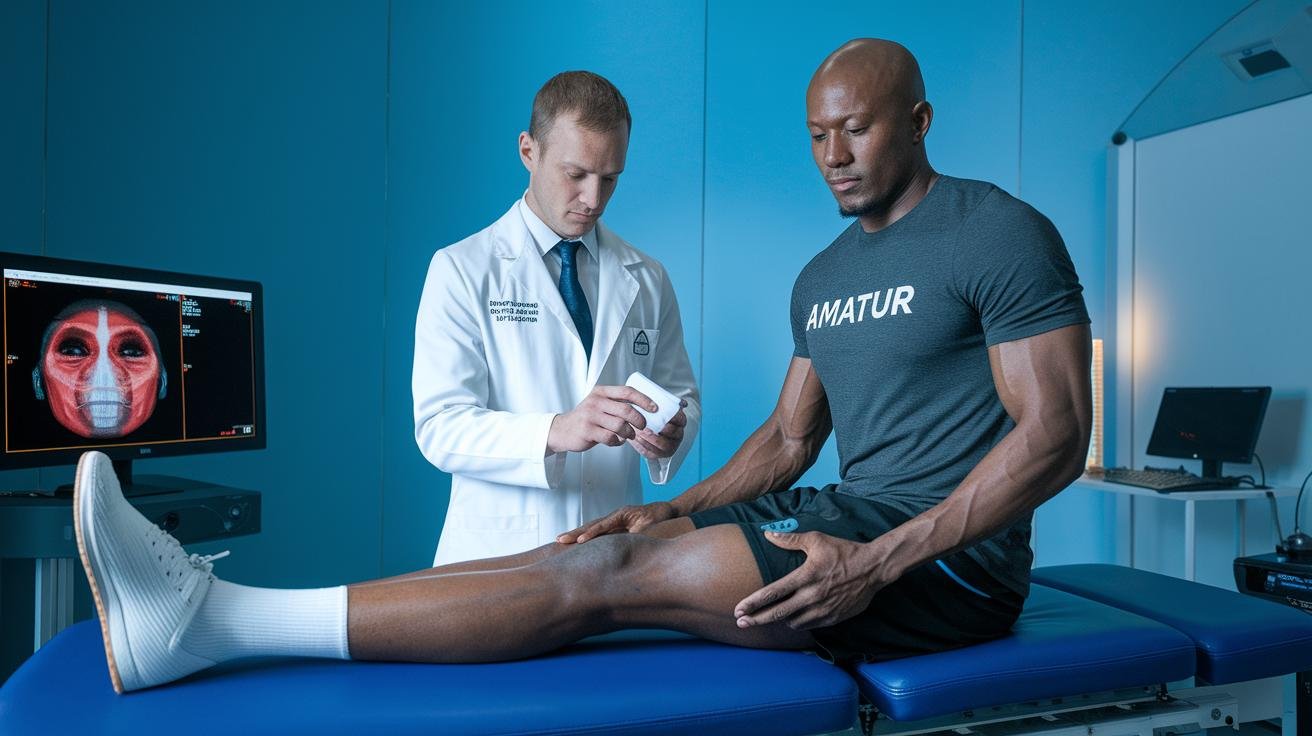
Terahertz (THz) waves (a very high-frequency band of electromagnetic energy between microwaves and infrared) are starting to get attention for easing pain and aiding recovery. In animal studies, short bursts of THz exposure seemed to lower pain signals and change how neurons react to painful input. These are small, early experiments, but they give a biological reason for the relief people often report.
Researchers think a couple of simple mechanisms might explain the effects. One is altered neuronal activity, basically nerve cells quieting down a bit. Another is better microcirculation (tiny blood vessel flow), which could calm sensitive, injured tissue. Picture it like gentle warming and improved circulation around a sore spot, helping it settle.
A few preliminary human trials also report positive signs. Short THz sessions showed improved microcirculation and less post-exercise soreness in some studies. Most of those trials are small, often open-label (participants knew they were getting the real treatment), and they use different device settings, so it’s hard to compare results directly.
User stories mostly fit the trial findings. Some people feel quick relief after one session. Others notice steady, gradual improvement over 4 to 8 weeks of repeated use. Have you ever felt a sore muscle ease after a short tool-based treatment? That’s the kind of thing folks describe.
What the field needs next are larger randomized controlled trials (RCTs) that compare THz therapy to sham treatments and to established options like LED light therapy (LED therapy commonly uses red or near-infrared light for recovery). LED has far more long-term clinical data, so head-to-head studies would help put THz benefits into context.
So, where does that leave you? The evidence is promising but still early. If you’re curious, try short, cautious home sessions and keep a simple log of what you feel and how long relief lasts. Or, even better, look for clinics running controlled trials, you’ll get clearer answers about real-world effectiveness and the clinical evidence that matters.
Safe Usage Protocols to Maximize Terahertz Device Benefits for Muscle Recovery

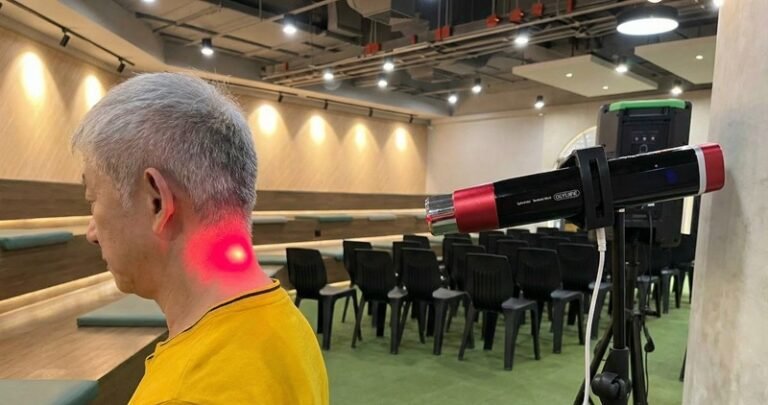
Think of terahertz sessions like short warm sun breaks for tired muscles. Start gently. If you’re new, try 5 to 10 minute sessions. Typical treatments run 10 to 30 minutes per area. Keep the device about 8 to 12 inches from your skin. Don’t overdo it, limit total daily exposure to 30 minutes to lower the chance of temporary redness or warmth.
Before you begin, test a small patch of skin to check for sensitivity. Wear light clothing or expose only the target area so heat can disperse. Drink water before and after sessions, and plan a little quiet time afterward; a short rest helps your body adapt to the increased cellular activity. Relax. Breathe.
Some people should skip terahertz devices. If you have a pacemaker, electronic implant, are pregnant, or have other medical implants, talk with your clinician first. Terahertz waves (a low-energy, non-ionizing part of the electromagnetic spectrum) carry far less risk than X-rays, but implants and some health conditions change the picture.
| Quick Checklist | What to do |
|---|---|
| Intro sessions | Start at 5–10 minutes |
| Typical treatment | 10–30 minutes per area |
| Distance | Keep device 8–12 inches from skin |
| Daily limit | Max 30 minutes total |
| Skin check | Watch for redness or prolonged warmth |
| Medical concerns | Consult a professional if contraindications apply |
Choose devices with clear safety markings, simple controls, and an owner’s manual. If you feel unusual fatigue, prolonged redness, or odd sensations, stop and seek advice. Note the settings you used and how it felt after each short session. Oh, and here’s a neat trick: jot down time, distance and sensation in your phone so you can spot patterns.
Want more detail? Read the full home safety guidelines here: Terahertz therapy safety guidelines for home use
Comparing Terahertz Device Benefits for Muscle Recovery with Other Therapies
Have you ever wondered how terahertz stacks up against other recovery tools? Think of this as a friendly rehab-tech comparison to help you pick what fits your goals.
Terahertz (THz) waves are very high-frequency electromagnetic waves that gently nudge water and protein layers in tissue. That nudge creates a soft warming and improves microcirculation deep in muscles. It’s more about tiny molecular movements than pressure. Feels like a warm, quiet hum across your skin. Relax.
Ultrasound uses mechanical waves that heat tissue by friction. Trained clinicians can aim ultrasound deeply and precisely, so it’s often used in clinic settings for targeted deep heating. Terahertz, by contrast, usually comes in user-friendly handhelds you can use at home and feels like a gentle, broad warming rather than a focused push.
Infrared sits lower on the spectrum and gives a familiar, comforting heat, think of sunlight on your shoulder. Some devices combine THz and far-infrared to pair subtle molecular effects with steady surface warmth. That blend can feel both deep and cozy.
Cryotherapy is the cold option. Short cold bursts cause vessels to constrict, then reopen with a rebound circulation that helps acute swelling. So if you need quick swelling control after an injury, cryo is great. If you want steady circulation and relaxed muscles over time, THz might be more soothing.
PEMF (Pulsed Electromagnetic Field therapy) uses low-frequency fields to encourage cellular repair. It has solid clinical backing for certain conditions. LED light therapy also has a long history, especially for skin healing and tissue recovery. Both focus more on cellular stimulation than on the warming sensation you get with THz or infrared.
Oh, and here’s a neat trick: use cryo right after a fresh injury to control swelling, then switch to a warming approach like THz or infrared to promote circulation and relaxation once acute inflammation eases. Next, PEMF or LED can support longer-term cellular repair.
Which should you pick? Quick rule of thumb:
- Need rapid swelling control: cryotherapy.
- Need targeted deep heating by a pro: ultrasound.
- Want familiar, comforting heat: infrared.
- Want cellular stimulation with clinical backing: PEMF or LED.
- Want gentle, home-friendly warming that improves microcirculation and relaxation: terahertz.
In truth, the best choice depends on your goal, timing, and whether you want a clinic treatment or something you can use at home. Want help picking one for your situation? Tell me about your injury or routine and we’ll figure it out.
太赫茲設備促進肌肉恢復和加速癒合的益處

Match the device to how you plan to use it. Look for tools that combine photobiomodulation (light-based cellular stimulation) with terahertz (THz) output (THz = high-frequency electromagnetic waves). Together they gently nudge cells and improve local circulation, like a warm sunrise waking up your cells, without pressuring the tissue. Have you ever felt tension melt away? This combo can help.
Photobiomodulation usually shows up as red or near-infrared LEDs. Those lights support the THz effect by encouraging cellular activity and boosting local blood flow. Think of the LEDs as a mini wake-up call for tired tissue.
Pay attention to ergonomics. A lightweight, contoured grip makes it easy to hold during multi-minute sessions. If you want hands-free care, try wearable terahertz options. Wearables let you lie back while the device runs gentle programs on your shoulders, lower back, or hips.
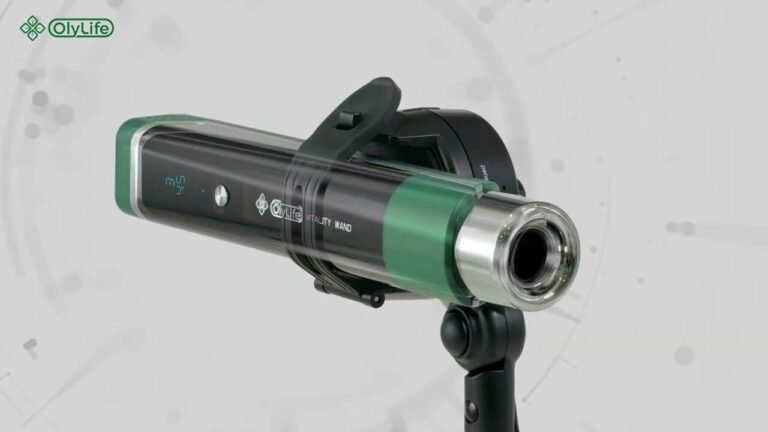
Consider size and power. Small rechargeable wands are great for travel. Bigger units may give stronger thermal output and longer run times. Many consumer tools pair THz frequencies with quartz crystal resonance, blue/red LEDs, and infrared heat. If you prefer a wand-style tool for targeted work around tight spots, try a Terahertz wand.
Quality varies a lot. Some low-cost stones and DIY gua sha tools claim terahertz effects but don’t show lab data. Do a quick cost check: stone-based tools are usually cheaper, handheld wands cost more. Oh, and here’s a neat trick: ask for readable specs on frequency and output up front.
Check for clear regulatory marks and documentation before you buy. Look for FDA (U.S. Food and Drug Administration) or CE (European safety) marking and plain specs that list frequency range and output. Trust the data. Safety matters.
| Feature | What to Look For | Importance |
|---|---|---|
| 頻率範圍 | 0.1–10 THz | Deeper penetration |
| Ergonomics | Lightweight, contoured grip | Comfort during multi-minute sessions |
| Multi-Modal Tech | THz + LED/infrared | Therapeutic synergy |
| Regulatory Approval | FDA / CE marking and readable specs | Validated safety |
🎁 Get a Free Wellness Gift
Enter your name and email below to receive a special wellness gift from OlyLife — absolutely free!
FAQs on Terahertz Device Benefits for Muscle Recovery

- Will my health insurance cover a home terahertz device?
Short answer: rarely. Most plans don’t cover consumer wellness devices, so coverage is uncommon.
If you want to pursue it, see Terahertz Device Benefits For Muscle Recovery / Device Selection for notes on cost versus quality and tips on documenting purchases if you plan to ask your insurer. You might also ask your clinician for supporting documentation or a brief note about medical need.
Example question to ask your provider: "Does my plan cover therapeutic devices used at home for muscle recovery?"
- Can I use THz (terahertz) devices during post-operative rehab?
They can help with comfort and circulation, but only as part of a clinician-guided rehab plan. Check timing, wound status, and how the device fits with other therapies with your surgeon or physical therapist first. Think of it like easing back into a walk after an injury, slow and guided.
For recovery timelines, see Clinical Studies. For health warnings and when to avoid use, see Safe Usage Protocols.
Example phrasing for your clinician: "When can I safely begin light THz sessions after surgery without affecting healing?"
- Where do I find safety details, session timing, and expected recovery?
For safety reminders, contraindications, and how to set up sessions, go to Safe Usage Protocols. For typical recovery timelines and study results, see Clinical Studies.
This FAQ points you to those sections so you get the full guidance without repeating everything here.
結語
We explored how terahertz waves gently reach deep muscle layers, boost microcirculation, calm inflammation and support cellular repair, plus what the early clinical work shows.
We covered safe home protocols, short sessions, proper distance, hydration, compared THz with ultrasound, infrared and PEMF, and pointed out key device features to watch for.
Ready to try? The terahertz device benefits for muscle recovery can bring less soreness, better sleep and renewed energy when used with care. Small steps. Big relief.
常問問題
Terahertz therapy side effects
Terahertz therapy side effects include mild, temporary redness, warmth, or tingling at the treatment site; rare irritation may occur. THz is non-ionizing, but avoid use with pacemakers, pregnancy, or certain implants.
What are the benefits of terahertz healing?
The benefits of terahertz healing include improved microcirculation, deeper muscle-layer penetration, reduced inflammation, and boosted cellular communication and hydration, supporting faster muscle repair and less soreness without ionizing radiation risks.
How to use Terahertz device
Start with 5–10 minute sessions, keep the device 8–12 inches from skin, wear light clothing, hydrate after use, and limit daily exposure to about 30 minutes.
What benefits do terahertz water, bracelets, and stones offer?
Terahertz water, bracelets, and stones are said to improve hydration, microcirculation, and subjective energy or calm; evidence is mostly anecdotal, so expect personal, gradual effects rather than guaranteed clinical results.
Terahertz Therapy Machine — what to look for and do reviews help?
Terahertz therapy machines should offer 0.1–10 THz output, ergonomic design, and regulatory marking; reviews help spot devices that lack true THz output—check independent tests and real-user feedback.
Does infrared help with muscle recovery and how long should red light therapy be?
Infrared and red light therapy help muscle recovery by improving circulation and easing soreness; typical red-light sessions run 10–20 minutes per area, sometimes longer for deeper tissue, for noticeable benefit.
What is the fastest way for muscle recovery?
The fastest way for muscle recovery combines active recovery, hydration, quality sleep, gentle massage or terahertz/infrared therapy, and proper nutrition; rest and progressive loading speed repair and reduce soreness.