Terahertz Wave Therapy For Cellular Regeneration Aids Repair
Could a gentle, non-ionizing band of waves really speed how our cells repair themselves?
Terahertz (THz) wave therapy uses low-energy electromagnetic waves (about 0.1 to 10 THz) that mostly act on the water in your tissues. These waves nudge proteins, quicken enzyme reactions and help nutrients and signals move more freely, without breaking DNA (non-ionizing, so it doesn’t damage genetic material). Think of it like a warm sunrise waking up your cells.
By improving hydration, causing mild vasodilation (a slight widening of blood vessels) and boosting ATP (the cell’s energy molecule), THz gently wakes repair pathways so tissues move through growth and healing sooner. That means damaged areas can mend faster and you may get back to your life with less downtime. Oh, and it’s gentle.
Terahertz Wave Therapy For Cellular Regeneration Aids Repair
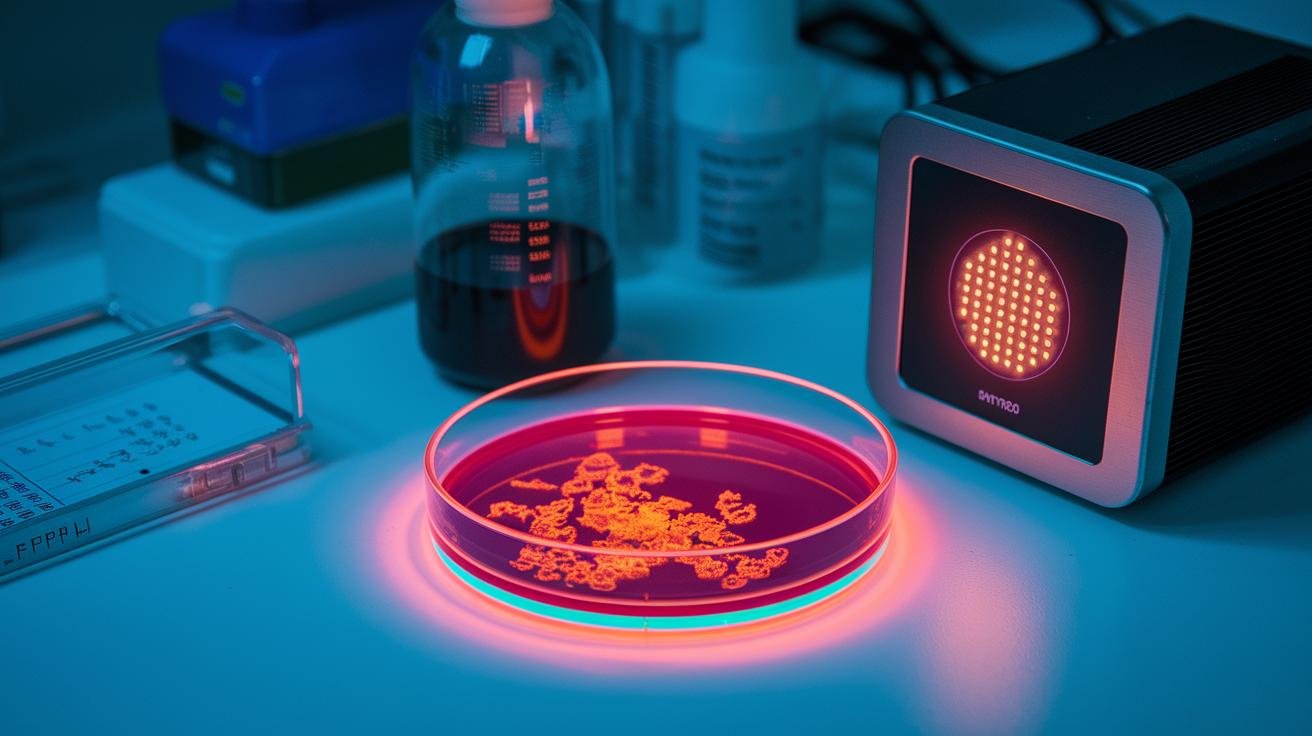
Terahertz (THz) wave therapy uses low-energy electromagnetic waves in the range of about 0.1 to 10 THz, sitting between microwaves and infrared light. These waves are non-ionizing (they don't carry enough energy to break DNA) and they interact strongly with the body's water, which is about 60 percent of our mass. That interaction creates gentle, local thermal and non-thermal effects at the molecular level, nudging proteins and other biomolecules into livelier motion without harming tissue.
- Water molecule resonance and hydration modulation (helps cells hold and move water)
- Protein vibration that speeds enzyme reactions
- Upregulation of genes involved in cell repair
- Improved microcirculation through mild vasodilation
- Increased ATP production and a higher metabolic rate
When THz signals change cell signaling, protein vibrations can speed enzyme activity and alter membrane behavior, so nutrients and signals cross into cells more easily. The pathways activated include ones that boost production of repair enzymes and ones that shift local blood flow, bringing more oxygen and nutrients to tissue around an injury. Research points to terahertz helping DNA repair by increasing repair enzymes rather than causing any ionizing damage.
All of these effects combine: better hydration, faster enzyme action, and mild vasodilation raise ATP availability and quicken metabolism. Cells move through growth and repair cycles sooner, which can mean faster cell proliferation and tighter tissue repair. Have you ever noticed how a warm sunrise wakes a garden? THz therapy can act like that, gently waking cellular processes so damaged tissue can mend faster.
Preclinical and Clinical Evidence of THz-Induced Cellular Proliferation

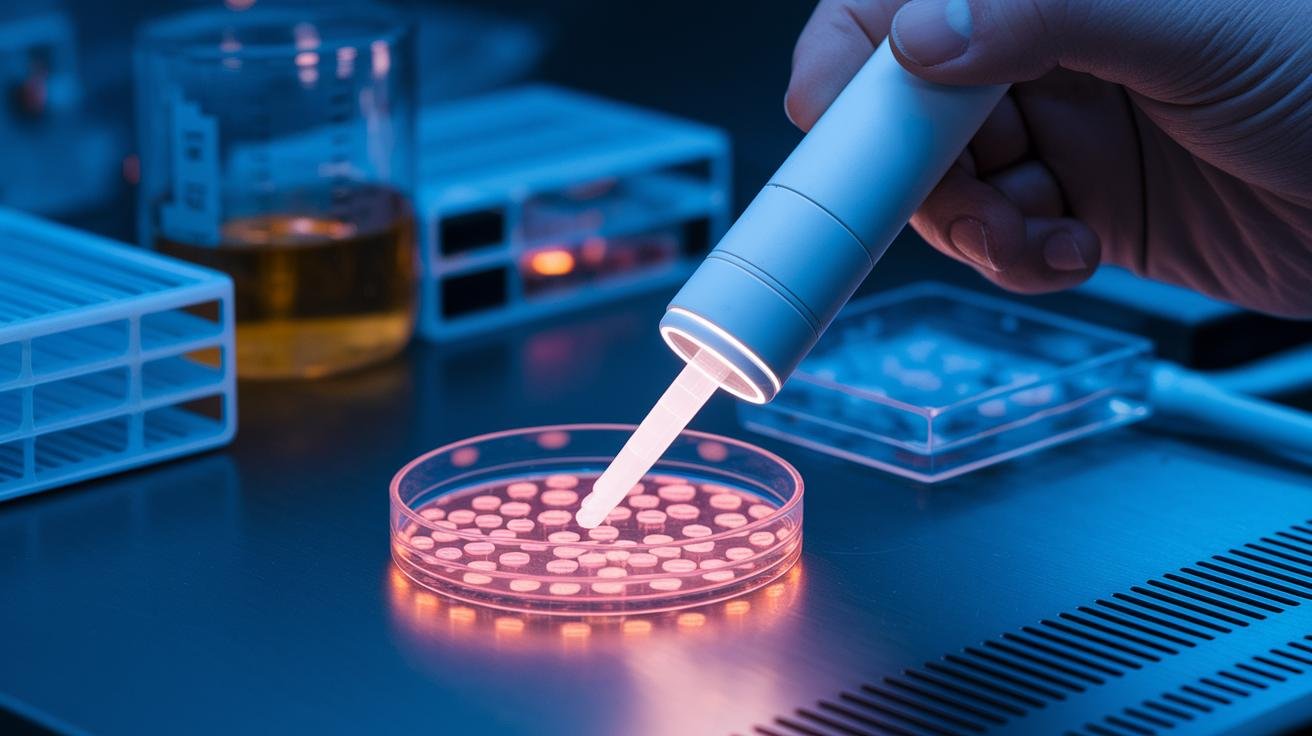
Researchers have started testing terahertz (THz) energy on cells and tissues, and the early lab work looks promising. In cell cultures, fibroblasts exposed to 0.5 to 2 THz pulses showed about a 20 to 25 percent rise in cell growth versus untreated controls. Scientists also saw increases in repair markers after short sessions, which suggests THz signals can nudge resting cells into a more active repair mode without obvious toxicity. Short, repeated exposures often worked best.
In Vitro Terahertz Cell Culture Results
Controlled lab tests used standard assays and markers like Ki-67 (a protein linked to cell division) to track growth. The biggest gains appeared in the 0.5 to 2 THz range. There was a clear dose response: low-power pulses gave small bumps, mid-range doses hit the sweet spot, and higher energy showed diminishing returns. Wait, let me clarify that, more energy didn’t mean more benefit. Timing mattered too. Brief bursts spaced over hours often beat one long session. Different cell types had different sensitivities, but fibroblasts and keratinocytes responded most reliably. Think of it like waking cells gently, like a warm sunrise coaxing them into action.
In Vivo and Ex Vivo Findings
Studies on tissue samples outside the body, or ex vivo (tissue studied outside the body), found higher levels of repair-related proteins after about 15 minutes of THz exposure. In living animals, or in vivo (in living animals), rodent wound studies showed roughly 15 to 20 percent faster closure and less pain behavior compared to sham treatments. A few small human safety studies, each with fewer than 30 participants, used 10 to 20 minute sessions and reported faster healing in some people, though results varied. So far there haven’t been clear safety problems, but sample sizes were small.
In truth, these results are encouraging across cell, tissue, and animal models, but we need larger, randomized human trials to pin down which frequencies, doses, and timings work best for specific injuries and conditions. Have you ever wondered how a subtle wave of energy might speed recovery? The science is hinting at answers, but we’re not there yet.
Protocol Optimization for Terahertz Therapy in Tissue Repair
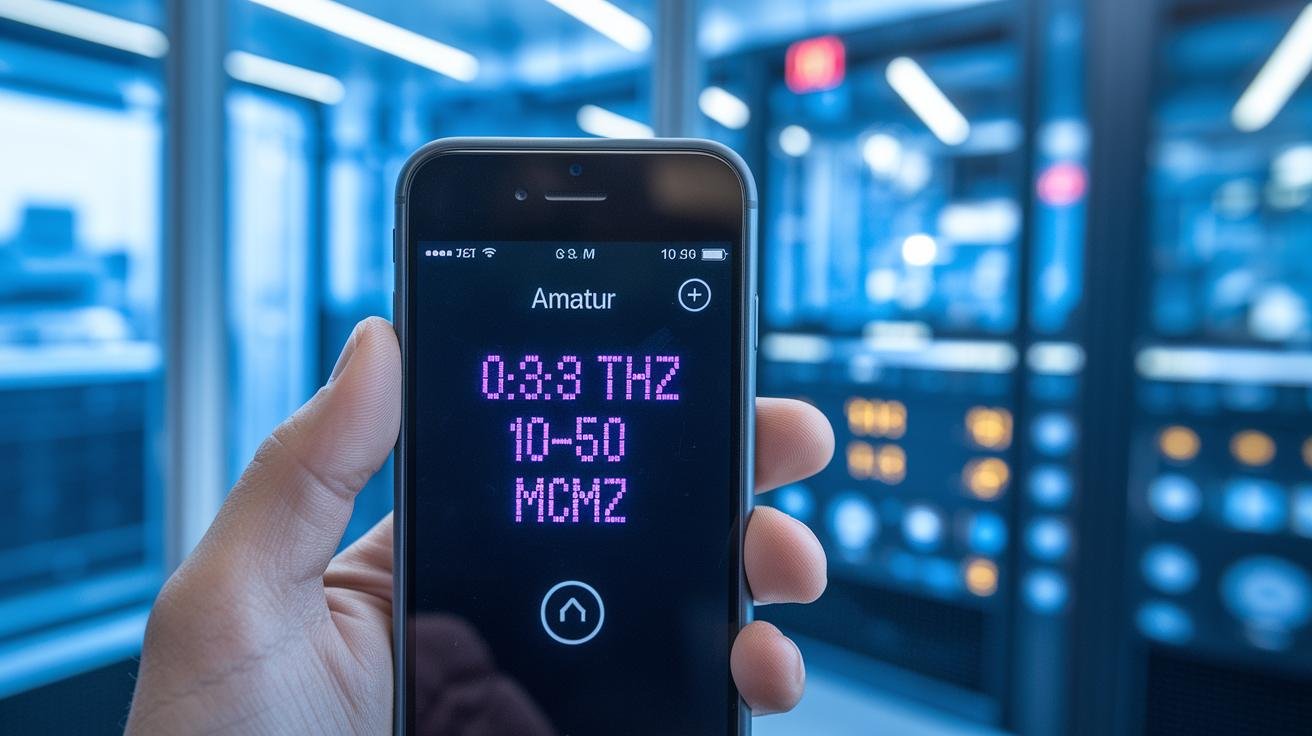
Standardized protocols make terahertz (THz) therapy easier to repeat, safer, and clearer to study. Devices can vary in frequency, beam focus, power output, and feedback, so setting clear parameters keeps treatments consistent and helps avoid unwanted heating. Think of it like tuning a radio to a clear station, small shifts change how tissue responds. With set ranges, clinicians can compare results, fine-tune settings, and match sessions to each stage of healing.
| Parameter | Recommended Range | Notes |
|---|---|---|
| Frequency | 0.3–3 THz | Adjust for penetration depth |
| Duration | 5–30 min | Begin low, monitor response |
| Power Density | 10–50 mW/cm² | Remain non-thermal (no tissue heating) |
Start gentle. Begin with 5–10 minutes per area at the low end of power density, two to three times a week for the first one to two weeks. If the skin shows only mild, brief warmth or light redness, lengthen the session time before increasing power. Move toward 20–30 minutes and up to four or five sessions per week during active repair phases.
For thin tissue or sensitive skin, keep power near 10 mW/cm² and increase exposure time slowly. Use devices with adjustable output, safety cut-offs, and real-time feedback so you can respond quickly. Check calibration regularly to make sure the device is accurate.
Watch the area closely. If you see persistent redness, rising pain, blistering, or any unusual reaction, pause treatment and have a clinician review it. Oh, and here’s a neat trick: cool, gentle compresses can comfort mild warmth after a session, but stop any home care and seek professional advice if signs worsen.
Wait, let me clarify that safety matters more than speed. Progress gradually, log responses, and tailor settings to the person and the healing stage. Small steps, steady monitoring. That’s how you keep treatments effective and safe.
Protocol Optimization

Practical exposure ceilings sit near 50 mW/cm² (milliwatts per square centimeter) for up to about 30 minutes. For routine sessions, aim for device outputs between 10 and 50 mW/cm². Think of it like warming up a sore muscle, gentle, steady, and tuned to how your body responds. See the protocol table below.
| Parameter | Recommended Range / Note |
|---|---|
| Device output | 10–50 mW/cm² |
| Practical ceiling | ~50 mW/cm² (up to ~30 minutes) |
Start low and increase slowly while you log how you feel. Small steps work best, go up a little, wait, note any changes. Oh, and here’s a neat trick: keep a simple journal entry like "Day 1: 10 mW/cm² for 5 minutes; felt mild warmth behind left shoulder." Relax. Breathe.
Safety and Contraindications
Do not use if you have active implanted electronic devices such as pacemakers or neurostimulators.
Avoid use during pregnancy.
Skip treatments over open wounds or active skin conditions.
Most people handle short sessions well. You might feel a brief warmth, slight redness, or tingling, these happen in under 5% of users. Devices often have automatic cutoffs and output monitoring to limit exposure and keep the skin comfortable.
Long-term safety data are limited, so track your treatments and pause for persistent redness, blisters, or increasing pain. If unusual symptoms continue, stop and get a professional assessment before you try again.
Selecting and Using Terahertz Therapy Devices for Cellular Regeneration

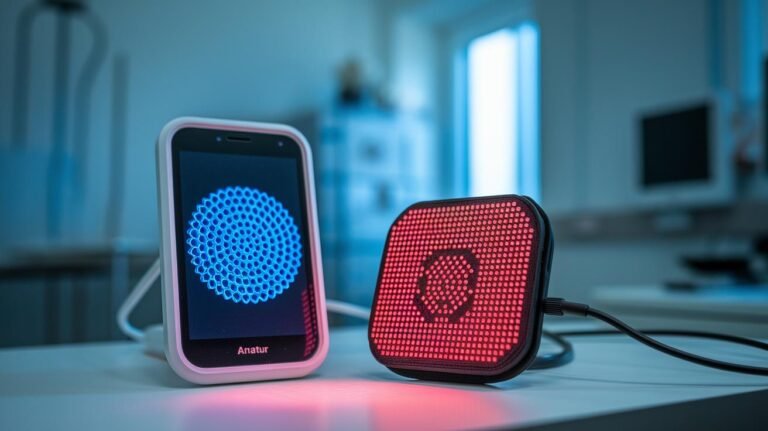
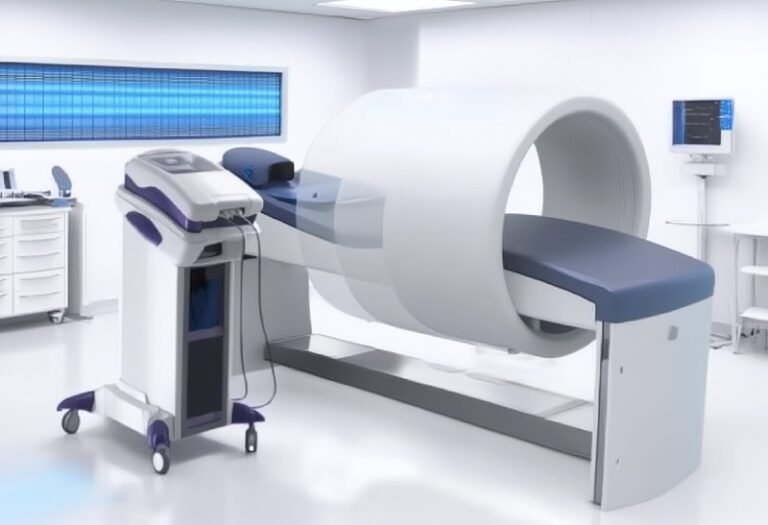
Terahertz (THz) devices come in a few clear groups so you can match the tool to your need. Clinical terahertz emitters are meant for medical settings and usually have adjustable output and safety interlocks. Portable options include handheld wands for treating specific spots at home. Low-power tools, like synthetic-stone gua sha units, are for gentle surface work. There are also advanced emitters that use metamaterials (engineered structures that shape waves) to focus energy a bit deeper, only a few millimeters.
Pick the class that fits your goals. Want repeatable medical protocols? Choose a clinical system. Looking for simple home maintenance? A portable wand often makes sense. Need soft, superficial care after a long day? The gua sha-style tools are calming and easy to use. Which would help you most right now?
Look for thoughtful design over flashy marketing. Useful features include adjustable output, real-time feedback on power, and built-in safety sensors that cut power if the device overheats or goes beyond set limits. Metamaterial-based emitters can help terahertz waves reach slightly deeper tissue without turning the device into a heater.
If you’re considering a clinical-grade unit, check the manufacturer’s specs and the step-by-step support before you buy. See the terahertz therapy device user guide for details. Many consumer devices do not report verified output, so watch for transparent testing data.
Practice simple habits to make treatments safer and more effective. Hold portable wands at a steady distance, move slowly and evenly, and avoid pressing hard, think gentle stroking, not drilling. Clean contact surfaces after each session, follow routine calibration schedules, and log your settings so you can spot patterns over time. For a quick how-to, see how to use a terahertz therapy wand.
Train with a clinician for medical cases and keep notes on session length, device output, and how the tissue responds. Small records help you refine treatment and notice what really works. Relax. Breathe. You’re learning a new skill, and that matters.
🎁 Get a Free Wellness Gift
Enter your name and email below to receive a special wellness gift from OlyLife — absolutely free!
Emerging Trends and Research Frontiers in Terahertz Regenerative Medicine

AI-driven terahertz (THz) therapy is starting to move out of the lab and into real-time treatment tools. Machine learning (ML) models listen to spectral feedback from tissue and tweak frequency, pulse width, and power so the dose stays in a safe, effective window. Think of it like a smart thermostat for healing cells. Closed-loop control can pause output if skin warms, or shift pulses to hit shallow versus slightly deeper tissue, which improves both safety and outcomes.
Wearable, flexible THz patches are being designed to give gentle, continuous exposure for chronic wounds and slow-healing areas. Picture a soft patch that feels like a warm bandage, logs how your skin responds, and delivers tiny milliwatts of THz over hours or days. Nanotechnology is being folded in too, nanoparticle carriers (tiny drug couriers) and drug-loaded vesicles can sit ready until a short THz burst nudges them to release their payload, like opening little lockers where the medicine lives. This makes targeting much tighter and more local.
Teams from different fields are sketching clinical translation plans, from standardized measurement methods to trial designs that pair AI-guided protocols with patches or nanoparticle tools. Regulators and standards groups are starting to set exposure limits and study benchmarks, so safety pathways are becoming clearer. What does this mean for patients? More personalized, adaptive treatments that balance smart device control with predictable safety checks.
Oh, and here’s a neat thought: as the tech gets smarter and the rules get clearer, THz medicine may move from a niche lab curiosity to a practical tool for everyday healing.
Integration of Terahertz Wave Therapy with Other Regenerative Modalities
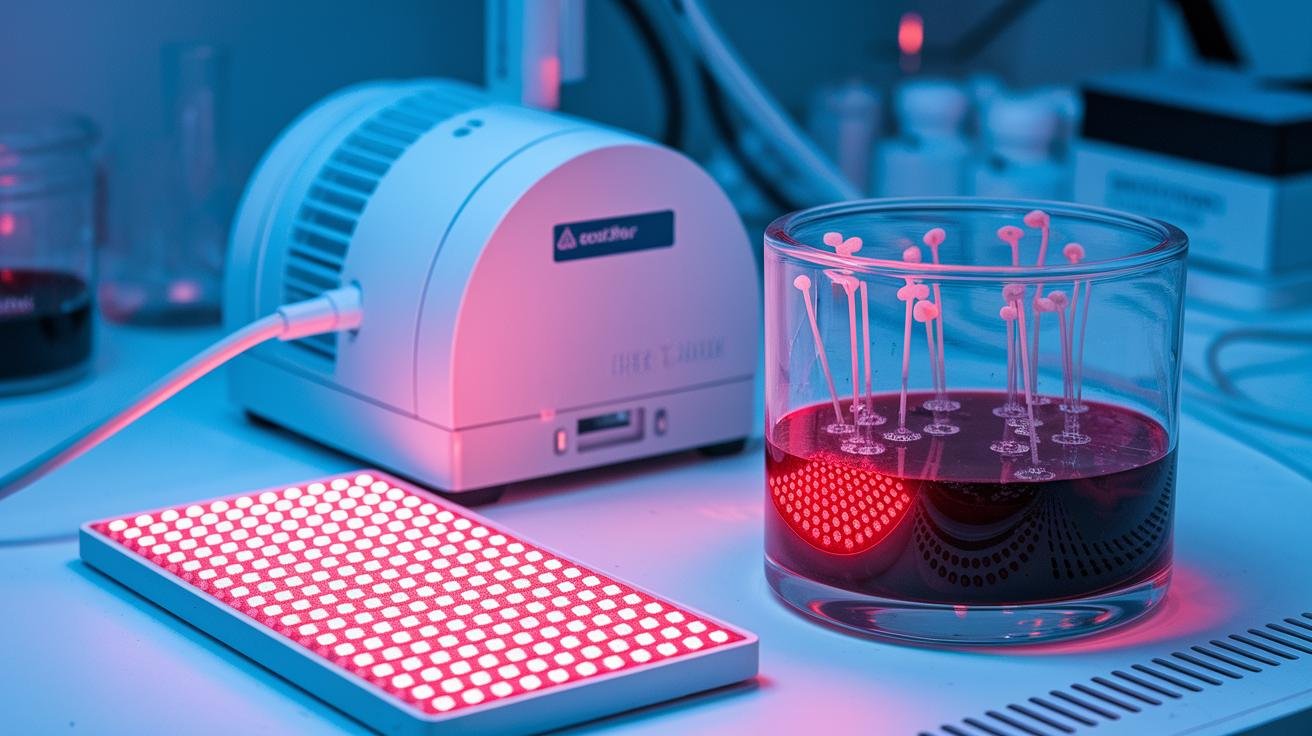
Red light (600–700 nm) and terahertz (THz) help cells in different, but friendly, ways. Red light wakes up mitochondria to make more ATP (the cell’s fuel), like a warm sunrise nudging your body into gear. Terahertz (THz) shifts membrane permeability and water dynamics so nutrients and signals cross cell borders more easily, think of it as opening the windows so fresh air gets in. Both make a cell work better, just by different paths.
So what happens when you use them together? You get complementary effects: one boosts energy, the other makes sure that energy and the building blocks can move where they’re needed. It’s a simple, practical pairing.
Stem Cell and THz Synergy
Researchers testing THz with stem cell therapy saw faster dividing in mesenchymal stem cell cultures (mesenchymal stem cells, or MSCs, are a common type of adult stem cell). In some lab tests, THz-treated MSCs showed about 30% higher proliferation than cells given only one kind of treatment. That’s a solid bump in growth.
In graft models using adipose-derived stem cells plus short THz exposure, teams observed quicker blood vessel ingrowth and improved early tissue integration. In plain terms, new microvasculature formed sooner and the graft settled in better. If you care about repair where tiny blood vessels matter, after surgery or injury, this is promising. Oh, and here’s a neat image: THz feels like priming soil so stem cells can take root faster.
PEMF and THz Combined Outcomes
Pairing THz with PEMF (pulsed electromagnetic field therapy, which uses rhythmic magnetic pulses to influence cell signaling) looks useful for wound beds and grafts. In animal studies, the combo encouraged angiogenesis and led to thicker collagen being laid down. Wounds closed more tightly than with either therapy alone.
The mix seems to cover two needs: THz gets cells ready by improving permeability and water behavior, and PEMF gives rhythmic guidance like a metronome that helps tissue remodel. Put together, implanted or transplanted tissues tend to settle faster and withstand stress better. Could this combo help speed recovery for grafts or stubborn wounds? The early data say yes, and that’s worth watching.
Final Words
We jumped right into terahertz basics, safe 0.1–10 THz ranges and non-ionizing action, and showed how water-molecule resonance, protein vibrations, DNA-repair signaling, microcirculation dilation and ATP rises combine to speed repair. We then moved through in vitro and animal data, early human observations, protocol guides, device tips and safety notes.
Bottom line: terahertz wave therapy for cellular regeneration may quicken tissue repair, ease muscle soreness and support deeper sleep when used with gentle, tested protocols and clinical-grade devices. Try small steps, track how you feel, and stay hopeful, healing can be steady and kind.
FAQ
What does terahertz therapy do to the body and does it have healing benefits?
Terahertz therapy affects the body by interacting with tissue water, driving biomolecule vibrations, improving microcirculation, boosting ATP production and upregulating repair genes, which can speed cell proliferation and tissue repair.
What are the side effects and long-term risks of terahertz therapy, including stroke concerns?
Terahertz therapy side effects commonly include mild skin redness or warmth in under 5% of users; it’s non-ionizing so DNA damage is unlikely, long-term safety isn’t fully known, and no clear link to stroke exists.
What are the disadvantages of terahertz therapy?
The disadvantages of terahertz therapy include limited tissue penetration, small clinical trial sizes, consumer devices often lacking output verification, contraindications for pacemakers or pregnancy, and incomplete long-term safety data.
Are there good reviews or clinical studies supporting terahertz wave therapy for cellular regeneration?
Reviews and studies report promising preclinical results: fibroblast proliferation rose 20-25% in vitro, animal wound closure improved 15-20%, and small Phase I trials showed faster healing but limited sample sizes.
What is terahertz blower therapy and how is it used?
Terahertz blower therapy refers to devices delivering superficial low-power THz emission, often handheld; it’s used for skin and wound areas, requiring manufacturer protocols, safety cutoffs, and verified output before use.
Is terahertz water scientifically proven?
Terahertz water hasn’t been firmly proven; claims of altered water structure exist but peer-reviewed evidence is limited and inconsistent, so health benefits remain unproven.