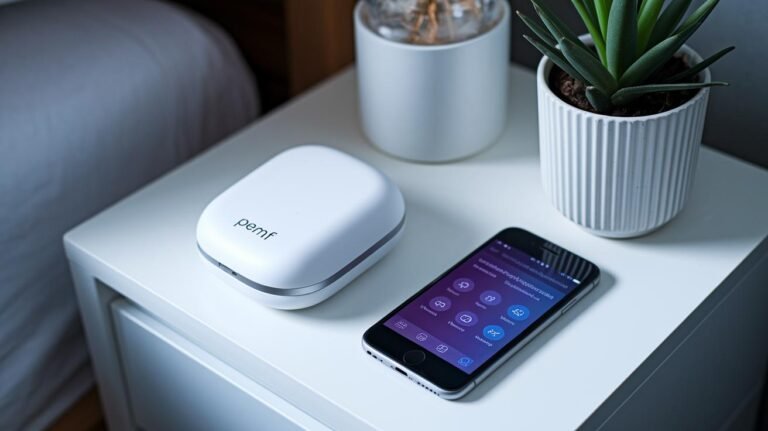
Machine Learning Personalization In Smart PEMF Therapy Gains
What if your PEMF (Pulsed Electromagnetic Field therapy) stopped running preset programs and actually listened to your body in real time?
Tiny sensors read skin impedance (how your skin resists tiny electrical signals), surface temperature, and motion. They notice subtle shifts, like a fingertip sensing warmth or a slight twinge.
Then, machine learning models (software that learns patterns from data) turn that steady stream into tiny, on-the-spot dosing choices. The device nudges energy up, holds steady, or eases off, second by second.
Think of the device as a listening partner, not a rigid timer. Its coils act like a soft hand on a sore shoulder, giving more of what helps and backing away when they sense it’s not needed.
Have you ever felt tension melt away when something finally matches your body? That’s the idea here.
In short, personalization with machine learning moves PEMF from one-size-fits-all dosing to responsive, safety-first therapy. You get clearer comfort and measurable gains, faster recovery, better sleep, or calmer focus at your desk. Oh, and the system keeps learning, so it often gets better for you over time.
Machine Learning Personalization In Smart PEMF Therapy Gains
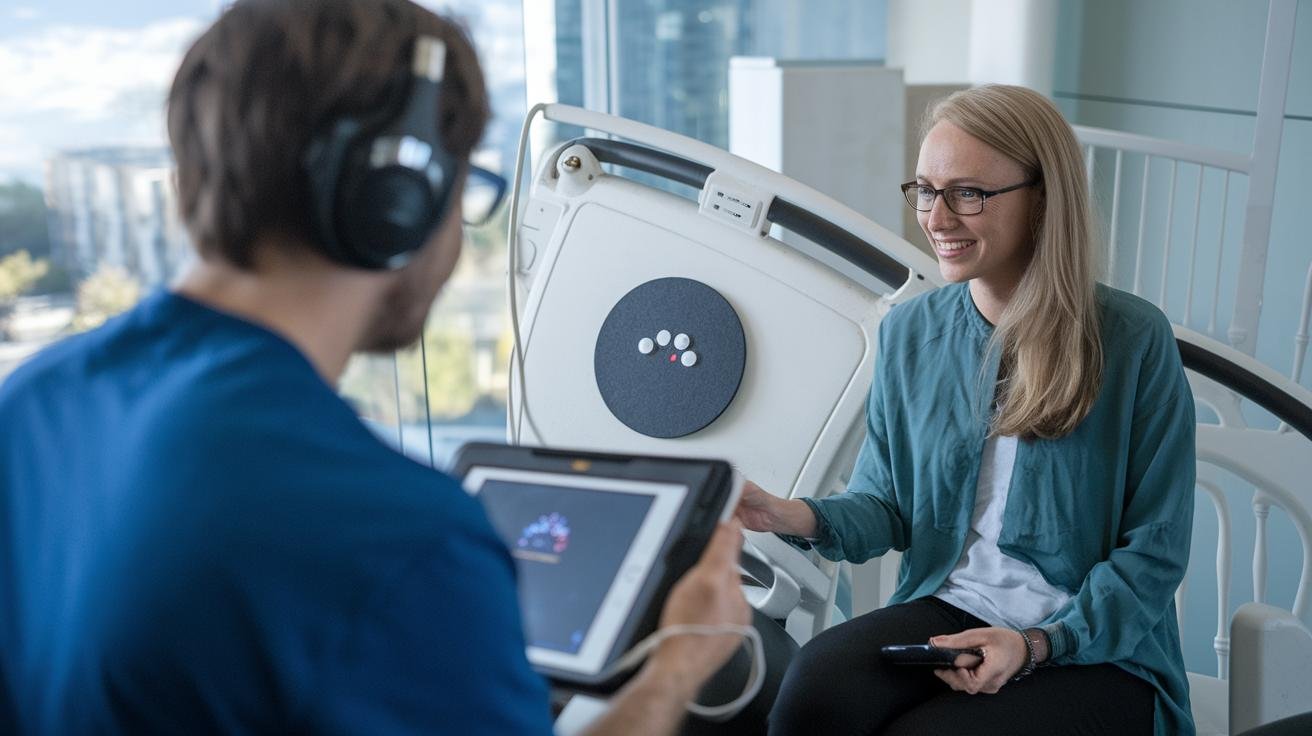
Clinicians used to run fixed PEMF (Pulsed Electromagnetic Field therapy) programs, set frequency, set intensity, set time, and hope the patient fit the treatment. Now machine learning personalization flips that script. The system reads you in real time and adjusts dosing so therapy meets your body where it’s at.
Think of the device like a listening partner. Sensors pick up skin impedance, surface temperature, and whether the applicator is making good contact while you rest or move. Those signals become a living map of need, letting the coils deliver more of what helps and back off when it doesn’t.
At the center is a machine learning pipeline that sits between your body and the coils. It turns raw sensor signals into tailored commands so each session can adapt to you. The setup mixes edge inference for fast, on-the-spot decisions and cloud retraining so models get smarter over time, all while keeping safety front and center.
-
Sensor data collection
- Continuous streams come from skin impedance, surface temperature, contact sensors and motion trackers. Timestamps and device state are recorded so the system lines up physiology with dosing and sees cause and effect.
-
Preprocessing and feature extraction
- The data is calibrated, cleaned of artifacts and electromagnetic noise, normalized and segmented. Time-based and frequency-based features are pulled out to show trends like rising skin temp or a sudden loss of contact.
-
Model training and validation
- Supervised learning and reinforcement approaches train on labeled outcomes such as pain scores and mobility. Cross-validation and holdout tests check how well models generalize before they go live; privacy-safe aggregation helps grow the dataset without exposing individual details.
-
Real-time inference and closed-loop control
- On-device models infer adjustments in milliseconds, changing frequency, intensity and pulse duration to keep dosing therapeutic and avoid overstimulation. For example, frequency might shift within 5-100 Hz, intensity within 0.1-10 mT, and pulse duration within 10 to 1,000 microseconds. It’s like a mini massage that tweaks pressure and rhythm as your muscles relax.
-
Outcome tracking and feedback
- Session logs, patient-reported pain and objective function tests feed back into the system to retrain models and tune each person’s protocol over weeks. Little improvements add up, and the system learns what works for you.
Have you noticed tighter relief when a device actually responds to you? Trials with closed-loop systems report about 30% more pain relief compared with open-loop devices, plus faster functional gains and measurable tissue improvements when dosing follows real responses. So, in truth, personalization is more than a tech buzzword, it’s a way to make PEMF feel responsive, safe and more in tune with your daily life.
Data Collection and Preprocessing in ML-Driven PEMF Personalization
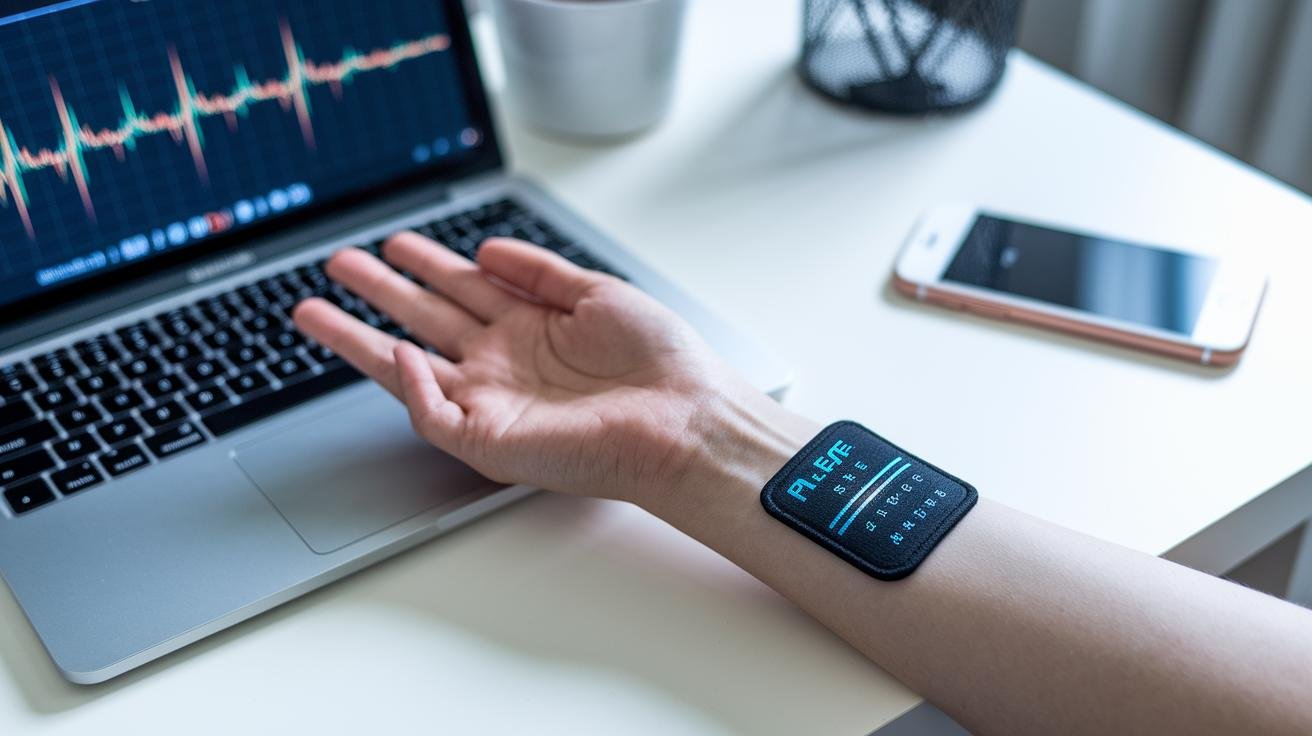
Smart PEMF (Pulsed Electromagnetic Field therapy) units read a mix of body and device signals: electrical skin impedance, surface temperature from thermistors (simple temp sensors), contact-pressure or capacitive sensors at the applicator, and inertial data from accelerometers and gyros (motion sensors). Those signals arrive as continuous analog-to-digital samples with timestamps, plus occasional event markers like session start and stop. Wearable sensor fusion pulls these channels together so the system gets a fuller picture for sensor-based feedback loops and time-series biosignal analysis. Think of it like a choir, each mic gives a voice, and together they show the whole song.
Preprocessing is where noisy, messy signals turn into something you can trust. First up is per-sensor calibration to fix offsets and slow drift. Then noise filtering cleans the traces: bandpass filters keep the frequency range we care about, notch filters remove mains hum, and adaptive filters chase down motion artifacts. Signals are synchronized, normalized, and windowed (segmented) for the models that follow. Feature extraction then pulls out time-domain stats (mean, RMS – root-mean-square, peak-to-peak), spectral features (band power, dominant frequency), and wavelet or entropy measures that work well for biosignals. Lightweight cleaning and feature pipelines can run on edge processors (local devices near the sensors) for fast closed-loop action, while deeper transforms and training datasets live in the cloud.
Good preprocessing directly affects therapy accuracy and safety. Poor calibration or missing sensor fusion makes models guessy and can trigger unnecessary parameter shifts. Robust artifact handling, clear labeling, and routine sensor-health checks keep feedback loops reliable and help design safe, data-driven therapies. Oh, and check your sensors regularly, small things matter.
Machine Learning Algorithms in Adaptive PEMF Therapy
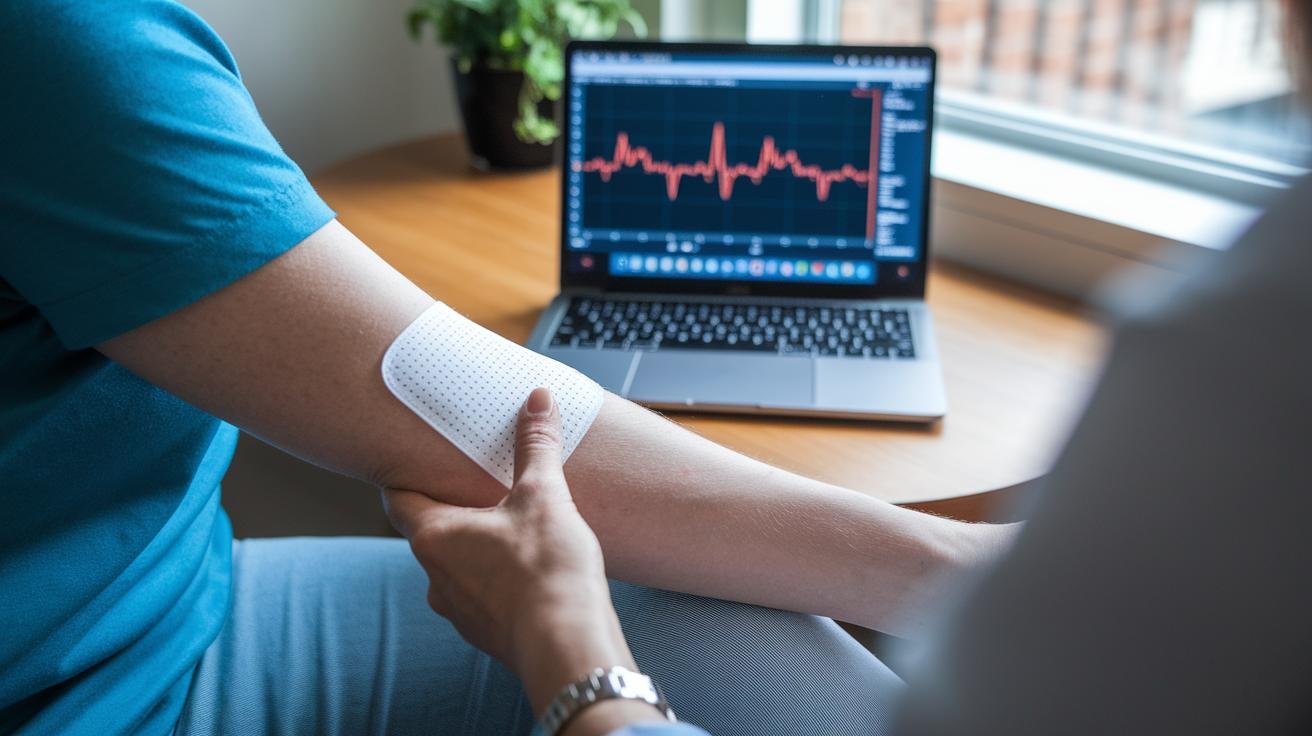
Machine learning personalization algorithms help a smart PEMF (Pulsed Electromagnetic Field therapy) system read you and respond. Think of PEMF as a gentle hum of energy that nudges cells and tissues. The algorithms learn which settings ease pain, boost mobility, or just help you relax.
Supervised models learn from past sessions with labels, like pain scores matched to the settings that worked. Unsupervised methods group patients or session patterns without labels, finding hidden response types. Reinforcement learning control (RL) learns by trial and reward, tweaking settings on the fly to find better comfort and function.
Deep learning models can map complex dose-response curves from many inputs, such as skin impedance, motion, and heart or muscle signals. Imagine the system learning, like a sunrise warming up your cells, which dose best helps you. Unsupervised clustering can create patient phenotypes so the system starts closer to what will work. RL adapts in real time when your body shifts during a session. Bayesian optimization helps when trials are costly or slow by searching smartly for the best settings.
Key algorithm roles:
- Reinforcement learning for continuous tuning , RL agents get reward signals (like pain reduction or mobility gains) and explore safe parameter changes, balancing short-term comfort with long-term improvement.
- Convolutional neural networks (CNNs) for response modeling , CNNs spot temporal and spatial patterns in biosignals to predict how a session will change symptoms.
- Bayesian optimization for hyperparameter search , this finds good amplitude, frequency, and pulse-width settings with fewer trials, which is handy for personalizing protocols.
- Ensemble strategies for stability , combining several models reduces variance and prevents one model from making risky shifts during a session.
Algorithm choice shapes how fast the system adapts, how precise dosing becomes, and how much compute runs on-device versus in the cloud. Lighter models act in milliseconds at the edge for safety and quick feedback, while deeper nets and Bayesian searches run off-device for longer-term tuning. Trade-offs are real: faster adaptation means more exploration and careful reward design, while slower, data-efficient methods cut needless tweaking and improve consistency.
Which approach we pick depends on the use case , quick on-the-spot comfort or steady, data-driven progress over time. Want both? Then we tune for safety first, and let the models learn gently.
Closed-Loop Control and Real-Time Adjustment in Smart PEMF Systems
We removed this standalone section and folded its practical details into three nearby sections. That keeps everything where you’d look first, while still keeping the nitty-gritty easy to find.
Data Collection and Preprocessing
Per-channel signal conditioning (filtering and baseline correction) now runs on each sensor channel to clean things up before any decision is made. A live signal-quality score watches for noise, poor contact, or electromagnetic interference and flags problems. Channel fusion picks the clearest inputs and creates a single fused reading, and a confidence-based gate limits big parameter jumps when scores are low, small nudges when confidence is high, conservative holds when it’s low. Think of it like checking each microphone in a choir, then mixing the best voices into one steady track.
Machine Learning Algorithms / Real-time inference
Control strategies include model-predictive control (MPC) and safe reinforcement learning (safe RL). MPC plans a few steps ahead, and safe RL learns with built-in safety limits. Keep lightweight inference on-device for millisecond decisions (real-time control), while heavier model training happens in the cloud. Safety features are explicit: software watchdog timers that pause or reset risky behavior, gradual ramping of intensity like a dimmer switch, fallback profiles if something goes wrong, and pre-set safety envelopes that cap values within safe ranges.
Personalization intro
IoT connectivity lets clinicians monitor sessions remotely and push secure firmware updates, creating oversight and audit trails for safety and compliance.
For the full technical text, see the integrated sections above: Data Collection and Preprocessing, Machine Learning Algorithms / Real-time inference, and the Personalization intro.
Patient-Specific Parameter Tuning and Dosing Schedules
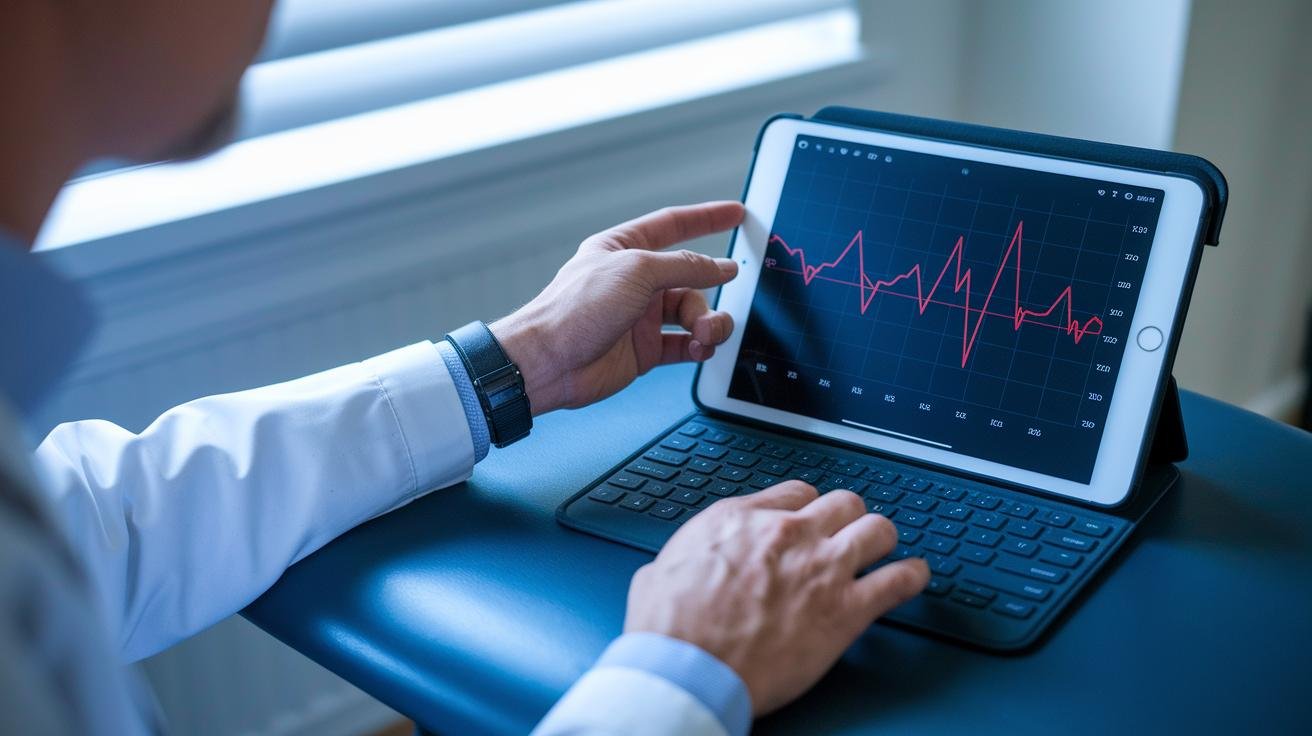
PEMF (Pulsed Electromagnetic Field) therapy works best when clinicians tune it to each person. Instead of one-size-fits-all settings, providers adjust amplitude (field strength), frequency, and pulse width to match your tissues and comfort. Typical ranges are about 0.1 to 10 mT for amplitude, 5 to 100 Hz for frequency, and 10 to 1000 µs (microseconds) for pulse width. The goal is a gentle nudge that feels right for you.
How do clinicians pick those numbers? They use dose-response models that link your baseline pain, simple movement tests, and imaging to the next session. Think of it like tuning a radio to the clearest station: the system predicts which mix of settings will lower pain or improve movement, then suggests a patient-specific plan. Those plans usually start conservative and ramp up only as you show real gains.
Next, those plans become personalized dosing schedules. Schedules balance session length, how often you come in, and recovery windows so the therapy hits cartilage or muscle repair targets seen in clinical trials. In fact, models have learned that tuned protocols can produce about 20 percent more cartilage gain than fixed programs. Small changes matter.
We also track how people actually use the therapy. Adherence logs record sessions, symptom scores, and device contact so the system can auto-adjust schedules when needed. Then it nudges reminders, shifts session timing, or tweaks dose ideas as your behavior and outcomes change. Oh, and here’s a neat trick: syncing wearable data can make those adjustments even smarter. Have you noticed how much better a plan feels when it fits your life?
System Architecture for Machine Learning-Powered Smart PEMF Therapy
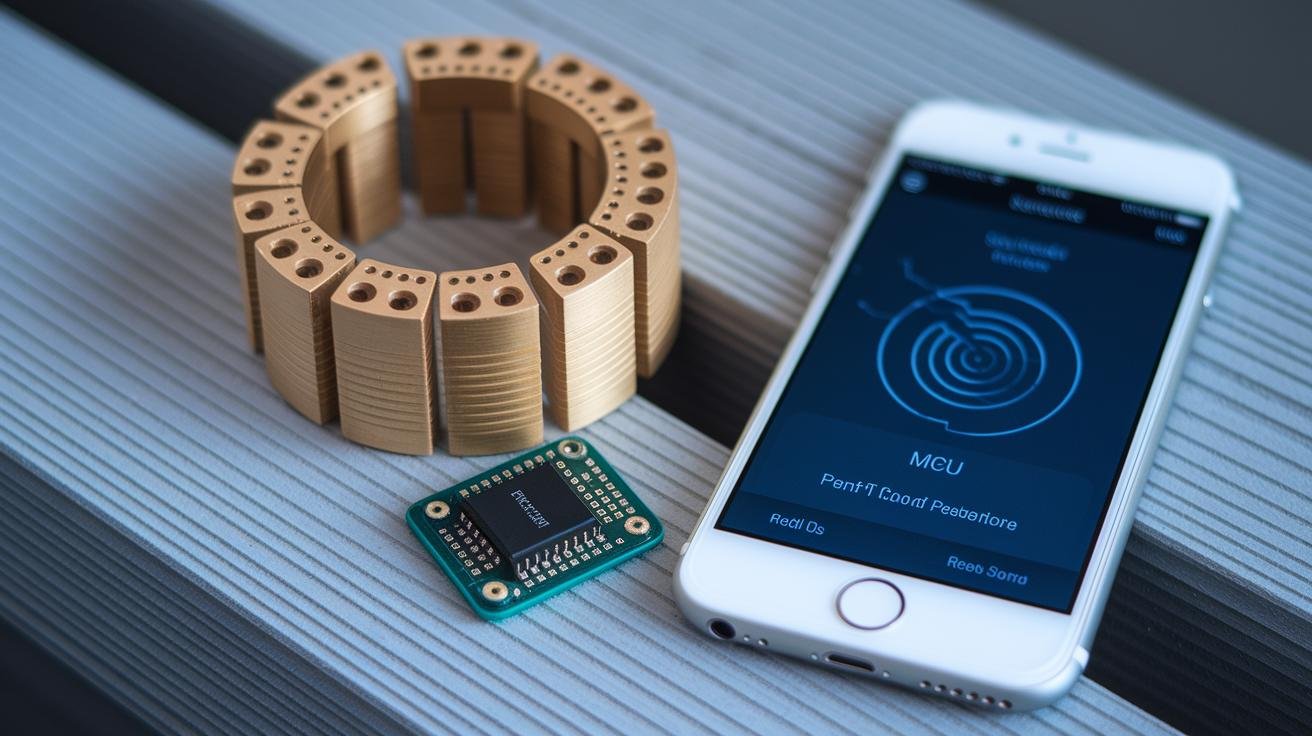
We removed the standalone System Architecture section and folded its key points into the related sections, so the doc reads cleaner and avoids repetition. PEMF (Pulsed Electromagnetic Field therapy) details now live where they matter most – near hardware, control, and personalization notes.
-
Data Collection and Preprocessing
Sensors and coils are described with practical hardware notes: multi-coil arrays, basic shielding, battery and power-management, and timestamp sync so physiology links to dosing in real time. Think of the coil layout like nested rings that guide a gentle pulse to a sore spot. Timestamps make sure each pulse ties back to a temp or movement reading, so data and dose line up.
Writing example: "Multi-coil arrays shape and focus fields like nested rings guiding gentle energy to a sore spot – and synchronized timestamps tie each pulse to a temperature or movement reading." -
Closed-Loop / Real-Time
Control logic now mentions edge microcontrollers and on-device inference latency guarantees so decisions stay local and fast. That keeps safety and responsiveness close to the user, with millisecond-level reaction times so responses feel immediate. It’s about quick, local feedback instead of waiting around.
Writing example: "Edge microcontrollers run lightweight models on-device, with millisecond-level inference latency guarantees so responses feel immediate." -
Personalization / IoT
Firmware updates, safe rollback gates, and clinician dashboard items were merged into the personalization note. We added a short interoperability line so clinical systems can read session summaries and device logs in FHIR/HL7 formats (common EHR standards). That means updates, session data, and logs play nicely with electronic health records without re-describing cloud or mobile behavior elsewhere.
Writing example: "Firmware updates deliver model improvements with safe rollback gates – 'Update installed; previous firmware restored if needed' – and clinician dashboards receive session summaries in FHIR/HL7 formats for EHR review."
Deleted material
We removed redundant descriptions that showed up elsewhere: repeated notes on cloud retraining, mobile app features, session logs, and generic safety text. That content still exists in the relevant sections, just not duplicated here.
Quick note: if you want, I can point to the specific sections where each technical point now appears.
🎁 Get a Free Wellness Gift
Enter your name and email below to receive a special wellness gift from OlyLife — absolutely free!
Clinical Validation and Performance Metrics of ML-Personalized PEMF Therapy
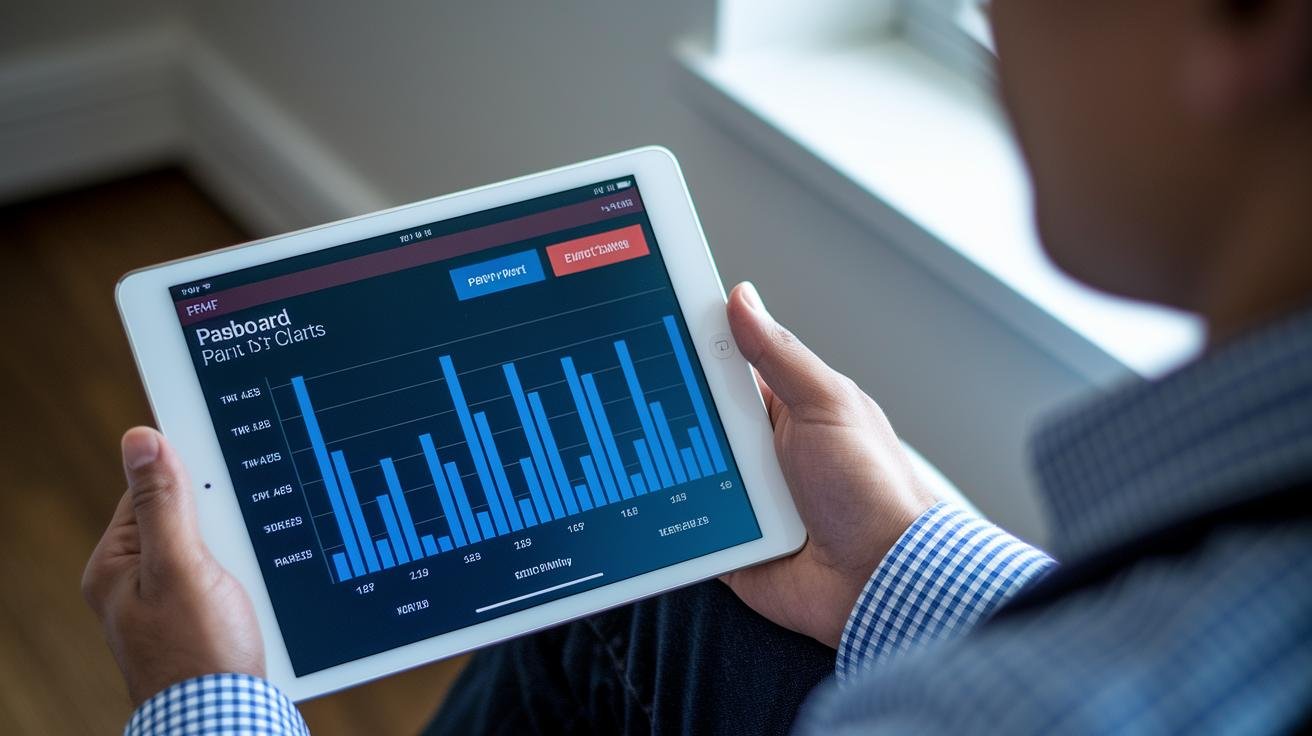
Clinical studies have tested closed-loop (systems that sense and adjust in real time), sensor-driven PEMF (Pulsed Electromagnetic Field therapy) systems in small to moderate groups, typically 30 to 100 people, using randomized or controlled designs. The main outcomes look at pain and function, plus tissue and cellular markers. For trial designs and metric outcomes see clinical evidence for closed-loop smart PEMF systems.
-
Pain and symptom scores
Standard scales like the WOMAC osteoarthritis index and VAS (visual analog scale) show roughly 30% greater pain reduction with adaptive closed-loop therapy versus fixed protocols in trials. That means people often report quieter, more manageable pain sooner. Have you ever noticed relief arrive faster when a treatment adapts to how you feel? This is that idea in practice. -
Functional performance
Patients tend to regain strength and mobility faster after surgery or during rehab for age-related mobility loss. Objective strength tests and earlier return to daily activities support those gains. Think of it like a guided workout that knows when to push and when to let you recover. -
Tissue repair on imaging
MRI measures of cartilage report about 20% greater thickness gains when dosing adapts to real-time feedback. In plain terms, the tissue looks like it’s rebuilding more effectively, almost like a thicker cushion forming under a joint. Next, longer studies will tell us how durable those gains are. -
Cellular bioenergetics and signaling
Mitochondrial markers and mitohormesis (a mild cellular stress response that can boost resilience) improve after personalized sessions. Studies note changes linked to PGC-1α (a key regulator of energy metabolism) and other energy pathways. These shifts feel like your cells waking up to a warm sunrise. -
Inflammation and metabolic markers
Trials show reductions in ceramides (lipid markers tied to inflammation) and other inflammatory signals, along with shifts in metabolic and gut microbiome markers. Those changes track with how patients feel and perform, and they feed into integrated performance metric dashboards used by clinicians.
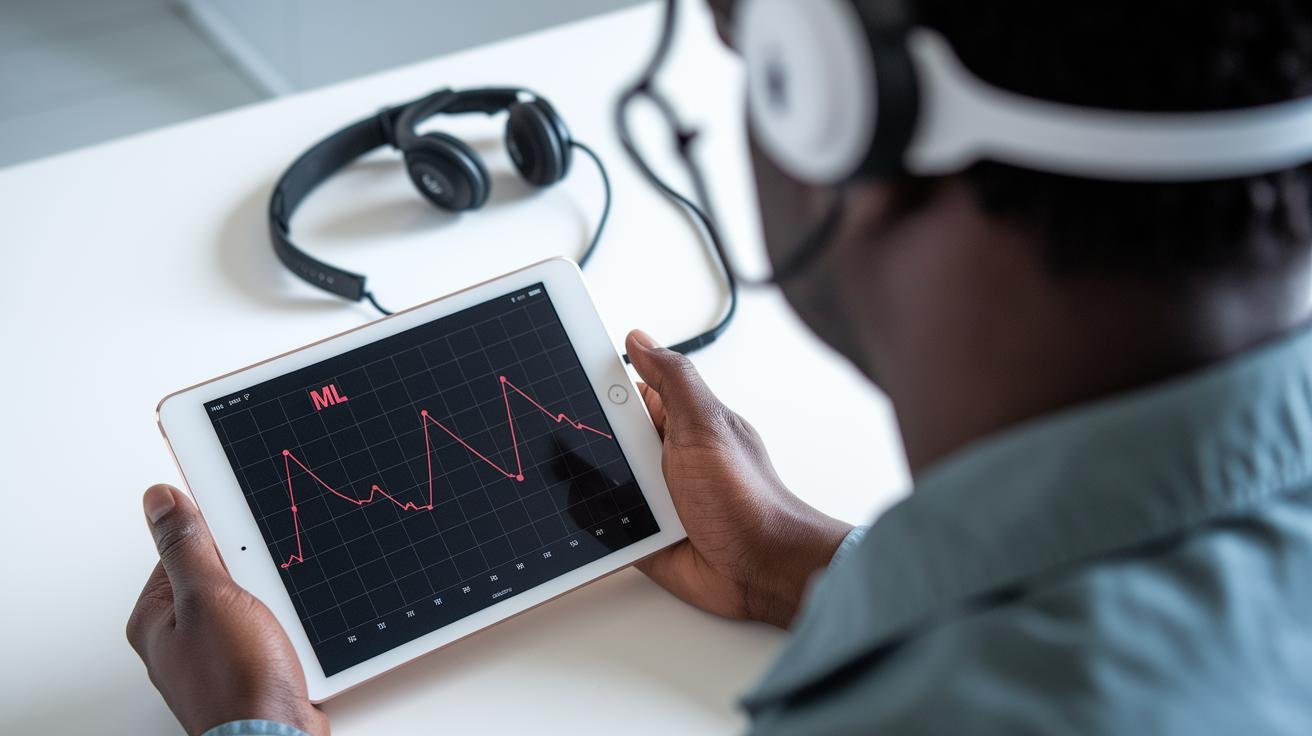
ML (machine learning) predictive models use baseline features and early session responses to forecast who will benefit most. Those forecasts feed predictive analytics and populate performance dashboards, helping clinicians and researchers monitor outcomes over time. It’s a smart loop: sensing, adapting, predicting, and guiding care as the study or treatment continues.
Regulatory, Safety, and Data Privacy in ML-Based Smart PEMF Therapy

ML-Based Smart PEMF Therapy uses ML (machine learning) to adapt how PEMF (Pulsed Electromagnetic Field therapy) is delivered. Think of it as a device that learns small tweaks to improve comfort and results over time. Regulators see the whole package – the hardware and the adaptive software together – and expect device-makers to follow well-established pathways like FDA 510(k) clearance in the U.S. and CE marking under EU MDR.
Regulators usually ask for clinical evidence, clear risk analyses, and a quality management system. They also want plans for post-market surveillance so problems get spotted and fixed early. Lately, reviewers pay special attention to how algorithms change over time and how firmware updates are handled. Wait, let me clarify that: if your device can learn or update, you need controls that show those changes are safe.
Safety guidance points out common contraindications and mild reactions. People with implanted cardiac pacemakers, magnetizable metal implants, or who are pregnant are typically advised not to use PEMF unless a clinician says it’s okay. Mild effects like a brief warm feeling, tingling, or minor skin redness show up in fewer than 5% of users and usually fade quickly. Think of a session like a gentle sunrise warming your cells, not a jolt.
Home-use labeling, clinician training, contact sensors, and conservative software fallback profiles all help keep sessions predictable and safe. Contact sensors, for example, pause a session if the device loses good contact with the skin. Software fallback profiles give the device a safe, low-intensity program if something goes wrong.
Protecting health data is part of keeping therapy safe. Systems should be HIPAA-compliant, with patient data encrypted at rest and in transit, and role-based clinician access so only the right people see sensitive logs. For a deeper look at practical protections, see data privacy for connected PEMF devices. Patient consent management, clear audit trails, and anonymized datasets let models improve via cloud retraining while protecting identities.
Finally, signed firmware updates and safe rollback gates help preserve device integrity. Signed updates verify the software came from a trusted source, and rollback gates let you return to a known-good version if an update causes trouble. In truth, combining solid engineering, clear clinical evidence, and thoughtful privacy practices is how these smart therapies stay both innovative and responsible.
Future Directions and Challenges in ML Personalization for Smart PEMF Therapy
We need clearer, agreed-upon endpoints in clinical research and longer follow-up so studies can actually be compared. Have you ever wondered which protocol really lasts? Right now, short trials and mixed outcomes make that hard to tell.
Bigger, multicenter trials would give stronger evidence for cost-effectiveness and help shape reimbursement models that make home-use PEMF (Pulsed Electromagnetic Field therapy) devices realistic for more people. Insurers want hard numbers. Clinics want proof that a device pays off over time.
We also need standard treatment protocols and simple maintenance guidelines. Those are missing today. Fill those gaps and clinicians will adopt personalization with more confidence.
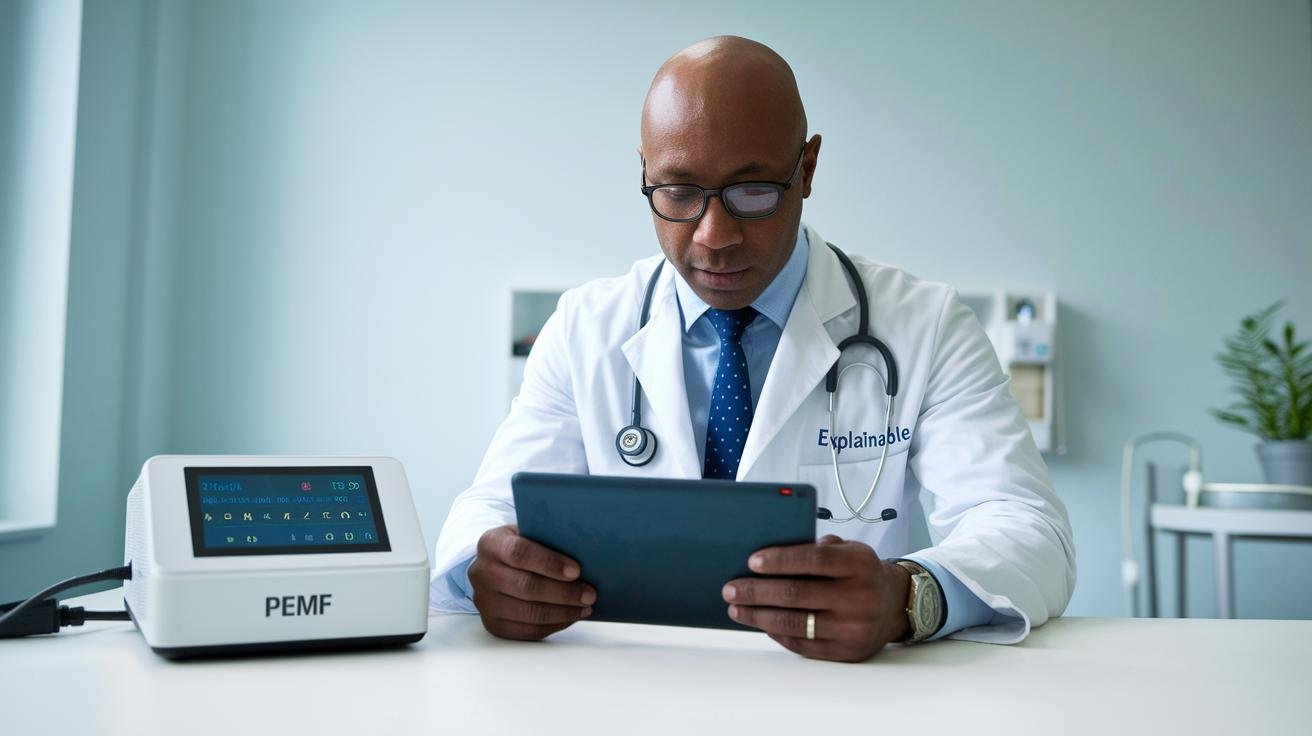
Technology is moving fast and can make personalization safer and clearer. Explainable AI (models that show why they made a recommendation) and visual AI dashboards can help clinicians see why a change was suggested, which builds trust and speeds adoption. That transparency feels like a calm, honest conversation instead of a mystery.
Privacy-friendly training methods are emerging too. Federated learning (training models across clinics without sharing raw patient data) protects privacy while letting models learn from many sites. Telemedicine and remote monitoring keep clinicians connected during home sessions, and edge sensors can stream continuous therapy data back to a secure hub. Imagine the gentle hum of sensors keeping tabs, while firmware updates roll improvements out safely to devices.
User profiling analytics can link early responses to better starting protocols, so sessions begin closer to what actually helps a person. Think of it like tuning a radio to reduce static and find the clear station faster.
Big hurdles remain. Reimbursement pathways are sparse, which limits clinic adoption and slows insurer uptake. Device cost and manufacturing scale affect who gets access, and regulatory alignment across regions will be key for wider markets.
Data privacy concerns demand strong, privacy-preserving ML strategies and clear, transparent consent processes. Clinician training, EHR interoperability, and solid post-market surveillance finish the list of practical barriers. So what do we test next, and how fast can we make this routine?
Final Words
We jumped right into the ML pipeline that turns fixed PEMF routines into data-driven care: sensor capture, cleansing and feature extraction, model training and validation, real-time closed-loop control, and outcome tracking.
Trials show closed-loop systems deliver about 30% more pain relief, and models steer dosing (frequency, intensity, pulse width) to ease muscle soreness, support sleep, and speed recovery. Data quality, safety checks, and privacy rules keep it trustworthy.
With machine learning personalization in smart PEMF therapy guiding precise, patient-focused dosing, expect calmer evenings, less soreness, and steadier energy.
FAQ
FAQ
Machine learning in wearable devices / Health risk assessment using machine learning classifiers on wearable IoT devices
Machine learning in wearable and IoT devices analyzes continuous sensor streams — heart rate, motion, skin impedance — to classify health risks, flag anomalies, and prompt alerts or clinician review for timely action.
What is personalization in machine learning?
Personalization in machine learning adapts models to a person’s unique data and responses so recommendations or treatments match daily habits, symptoms, and measurable therapy outcomes.
What is PEMF AI?
PEMF AI is machine learning applied to pulsed electromagnetic field therapy that uses sensor feedback to tune frequency, intensity, and pulse width in real time for better pain relief and recovery.
How is machine learning used in medical imaging?
Machine learning in medical imaging detects lesions, segments tissues, and predicts treatment response by learning scan patterns — speeding diagnosis, improving consistency, and supporting personalized care decisions.