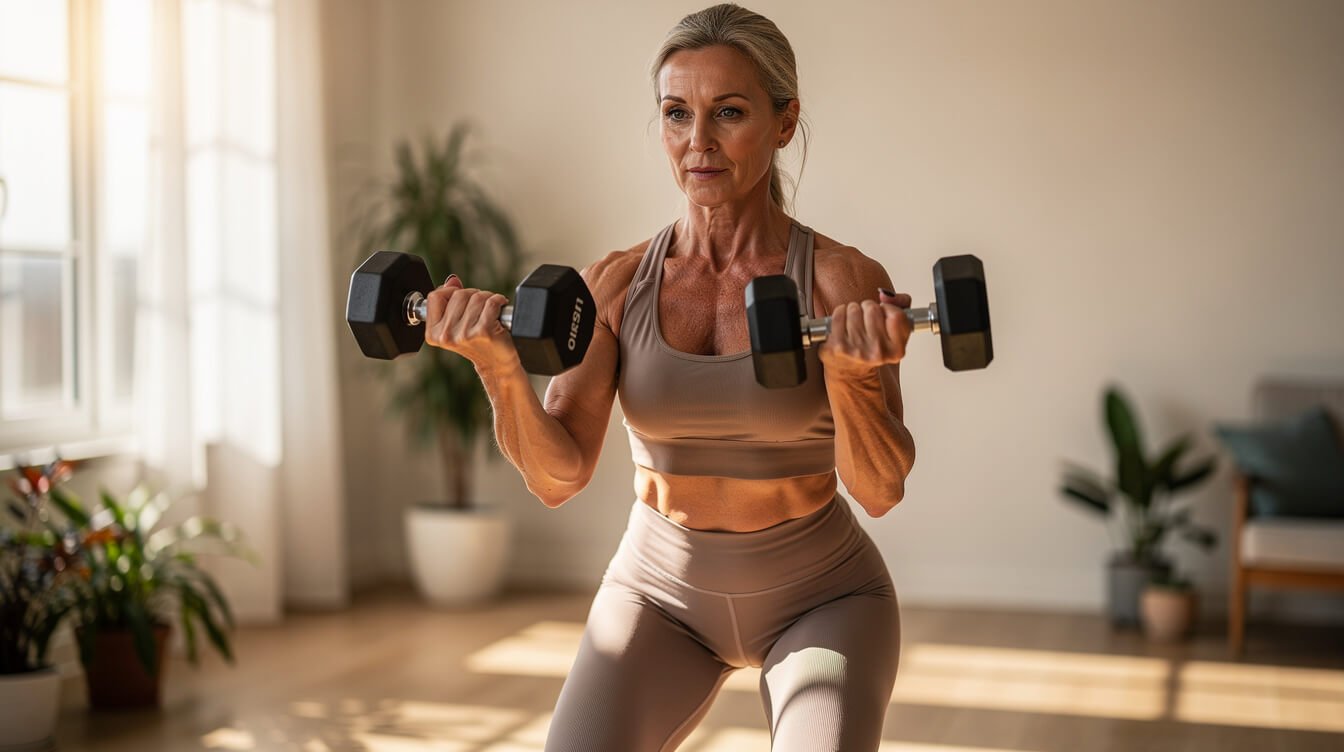
Strength Training for Women Over 40: A Complete Guide to Building Muscle and Confidence
Strength training for women over 40 may be one of the most transformative steps you can take for your health, confidence, and long-term vitality. Whether you’re navigating hormonal shifts, noticing changes in your energy levels, or simply looking for a way to feel stronger and more empowered, resistance training offers benefits that go far beyond the gym.
In this comprehensive guide, we’ll explore why strength training becomes especially important after 40, the science-backed benefits you can expect, exactly how to get started (even if you’ve never lifted a weight before), the best exercises for your body, and how nutrition and recovery work together to help you thrive. Consider this your complete roadmap to building strength, resilience, and whole-body wellness.
Why Strength Training for Women Over 40 Matters More Than Ever

Something significant happens in a woman’s body starting around age 35: muscle mass begins to decline at a rate of 3 to 8 percent per decade. This natural process, called sarcopenia, accelerates after 40 — and without regular strength training, it can lead to reduced metabolism, decreased bone density, and increased risk of injury.
But here’s the encouraging news: research suggests that strength training may effectively counteract these changes at any age. A study published in the Journal of Bone and Mineral Research found that resistance exercise may significantly improve bone density in postmenopausal women, potentially reducing fracture risk.
The Hormonal Factor
After 40, estrogen and progesterone levels begin to fluctuate and eventually decline during perimenopause and menopause. These hormonal shifts can affect everything from how your body stores fat to how quickly your muscles recover after exercise. Lower estrogen levels are associated with decreased muscle protein synthesis, meaning your body may not rebuild muscle as efficiently as it once did.
This is precisely why strength training becomes non-negotiable during this life stage. When you challenge your muscles with resistance, you send signals that tell your body to preserve and build muscle tissue — essentially working with your biology rather than against it.
Beyond Aesthetics
While many women start strength training with aesthetic goals, the deeper benefits are what keep them committed. Improved functional strength means carrying groceries, playing with grandchildren, and traveling with ease. Greater bone density means reduced fracture risk. Better metabolic health means more stable energy throughout the day.
If you’re new to exercise or returning after a break, you might also enjoy the benefits of walking for health as a gentle complement to your strength training routine.
8 Science-Backed Benefits of Strength Training for Women Over 40
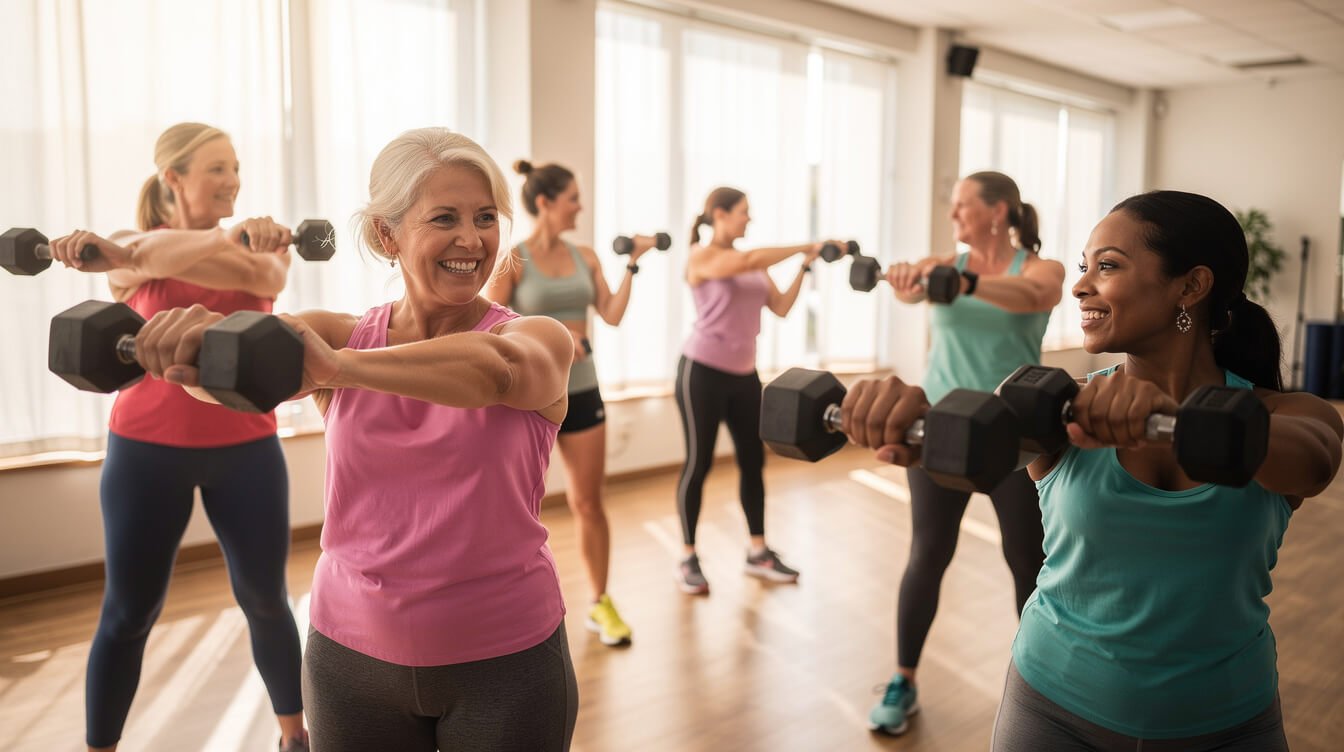
The research supporting strength training for women over 40 is compelling and continues to grow. Here are eight evidence-based reasons to make resistance training a cornerstone of your wellness routine.
1. May Help Preserve and Build Lean Muscle
Progressive resistance training is the most effective method to combat age-related muscle loss. Research suggests that consistent strength training may help women over 40 not only maintain existing muscle mass but potentially build new lean tissue, even well into their 60s and beyond.
2. May Support Stronger Bones
Osteoporosis affects approximately one in three women over 50. Weight-bearing exercises, particularly those involving heavier loads, may stimulate bone-forming cells called osteoblasts. This mechanical stress signals your bones to become denser and more resilient.
3. May Boost Metabolism
Muscle tissue is metabolically active, meaning it burns calories even at rest. As you build lean muscle through strength training, your resting metabolic rate may increase. This can be especially valuable after 40, when many women notice their metabolism naturally slowing down.
4. May Improve Hormonal Balance
Strength training may positively influence several hormones that become particularly important after 40. Research suggests that resistance exercise may help regulate insulin sensitivity, support growth hormone production, and promote the release of endorphins — your body’s natural mood elevators.
5. May Enhance Mental Health and Confidence
The psychological benefits of strength training are profound. Studies have shown that regular resistance exercise may reduce symptoms of anxiety and depression, improve self-esteem, and enhance cognitive function. There’s something uniquely empowering about discovering you’re stronger than you thought.
For additional natural approaches to managing stress, explore our guide on breathwork techniques for stress relief.
6. May Support Heart Health
Heart disease remains the leading cause of death among women. Research published in the Journal of the American Heart Association suggests that strength training, when combined with moderate aerobic activity, may help lower blood pressure, improve cholesterol levels, and reduce cardiovascular risk factors.
Pairing your strength sessions with zone 2 cardio training can create a well-rounded approach to cardiovascular health.
7. May Improve Joint Health and Reduce Pain
Contrary to what many believe, properly performed strength training may actually protect your joints rather than harm them. Strengthening the muscles around your knees, hips, and shoulders provides better support and stability, potentially reducing joint pain and lowering injury risk.
8. May Support Better Sleep Quality
Sleep disturbances are common during perimenopause and menopause. Research suggests that regular strength training may improve both sleep quality and sleep duration. The physical demand of resistance exercise helps regulate your circadian rhythm and may promote deeper, more restorative rest.
How to Get Started with Strength Training After 40
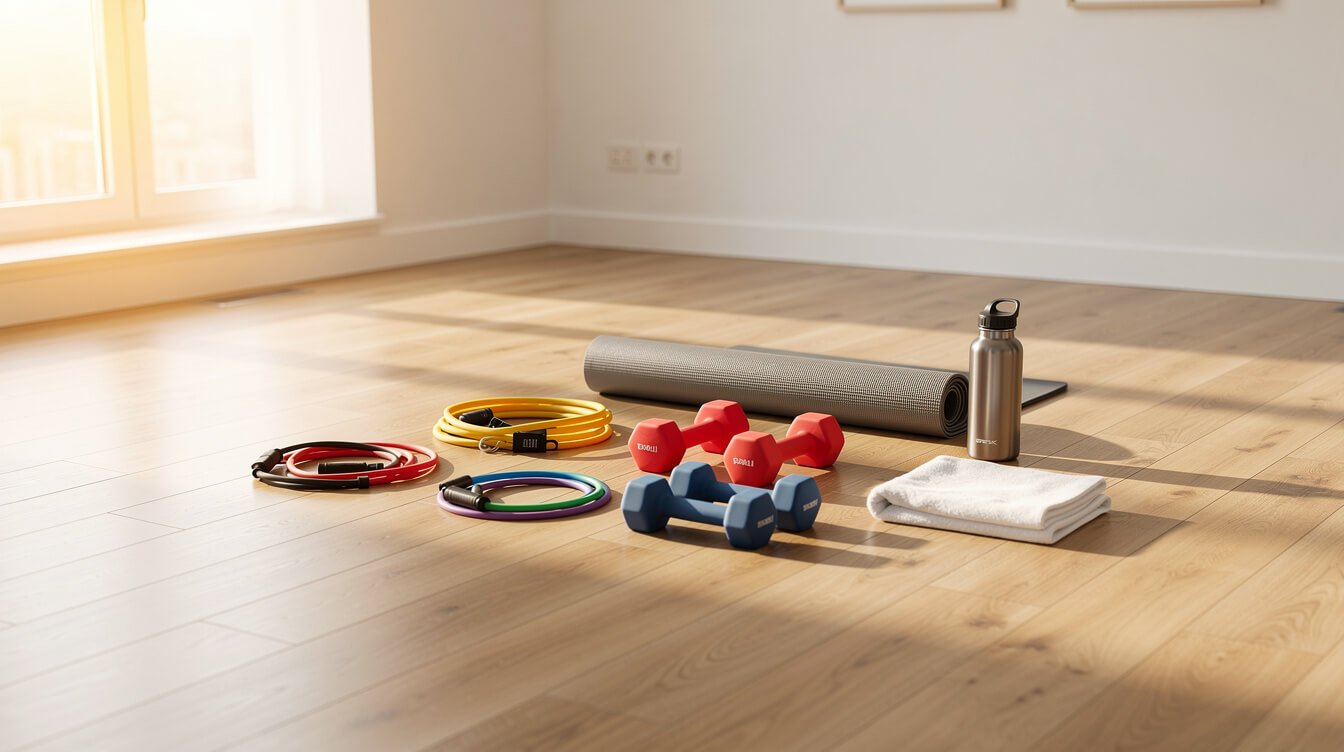
Starting a strength training program doesn’t require a gym membership, expensive equipment, or years of experience. Here’s your practical roadmap to begin safely and effectively.
Essential Equipment for Home Training
You can build an effective home setup with just a few versatile tools:
- Adjustable dumbbells or two to three pairs ranging from 5 to 15 pounds
- Resistance bands (loop bands and long bands with handles)
- A yoga or exercise mat for floor work
- A sturdy chair or bench for supported exercises
- Optional: a kettlebell (15 to 25 pounds) for added variety
Training Frequency and Structure
For women over 40 who are new to strength training, the ideal starting point is two to three sessions per week on non-consecutive days. This allows adequate recovery time — which becomes increasingly important as we age.
A well-structured session looks like this:
- Warm-up: 5 to 10 minutes of light movement (walking, arm circles, bodyweight squats)
- Strength exercises: 4 to 6 exercises targeting major muscle groups, 2 to 3 sets of 8 to 12 repetitions each
- Cool-down: 5 to 10 minutes of stretching and deep breathing
Understanding Progressive Overload
The key to continued progress is progressive overload — gradually increasing the demand on your muscles over time. This doesn’t always mean adding more weight. You can progress by:
- Increasing repetitions (from 8 to 12)
- Adding an extra set
- Slowing down the tempo (3 seconds down, 1 second up)
- Reducing rest time between sets
- Increasing weight by small increments (2 to 5 pounds)
The goal is gradual, sustainable progression — not dramatic jumps that risk injury.
Best Strength Training Exercises for Women Over 40
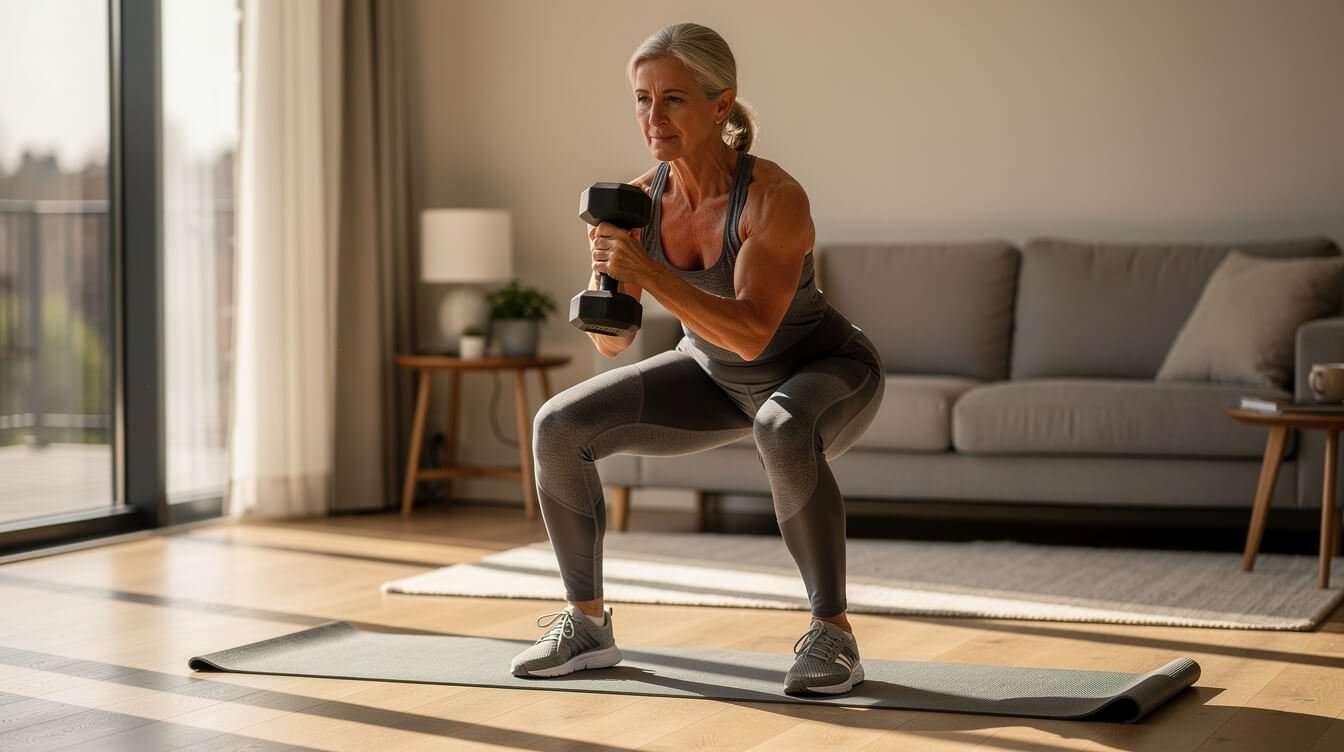
The most effective exercises for women over 40 are compound movements — exercises that work multiple muscle groups simultaneously. These deliver maximum benefit in minimum time while mimicking real-life movement patterns.
Lower Body Essentials
Goblet Squats: Hold a dumbbell or kettlebell at chest height and squat down until your thighs are parallel to the floor. This targets your quadriceps, hamstrings, and glutes while engaging your core. Beginners can squat to a chair for added confidence.
Romanian Deadlifts: With dumbbells at your sides, hinge at the hips while keeping a slight bend in your knees. This powerhouse exercise strengthens your entire posterior chain — hamstrings, glutes, and lower back. Start light and focus on form.
Step-Back Lunges: Step one foot behind you and lower into a lunge. This variation is gentler on the knees than forward lunges and builds single-leg strength essential for balance and stability.
Upper Body Essentials
Dumbbell Rows: Support yourself with one hand on a bench, pull a dumbbell toward your hip. This builds a strong back, improves posture, and may help alleviate the upper back tension that desk work creates.
Overhead Press: Press dumbbells from shoulder height to overhead. Strong shoulders support everyday activities from reaching high shelves to carrying bags.
Push-Ups (Modified or Full): Start on your knees or against a wall if needed. Push-ups work your chest, shoulders, and triceps while building core stability. There’s no shame in modifications — they’re a sign of training intelligence.
Core and Stability
Dead Bug: Lying on your back, extend opposite arm and leg while keeping your lower back pressed to the floor. This trains deep core stability without stressing your neck or back.
Glute Bridges: Lying on your back with knees bent, press your hips toward the ceiling. This activates your glutes and strengthens your pelvic floor — two areas that often need attention after 40.
Sample Beginner Workout
Try this full-body routine two to three times per week:
- Goblet Squats — 3 sets of 10
- Dumbbell Rows — 3 sets of 10 each side
- Glute Bridges — 3 sets of 12
- Overhead Press — 3 sets of 8
- Step-Back Lunges — 3 sets of 10 each leg
- Dead Bug — 3 sets of 10 each side
Rest 60 to 90 seconds between sets. The entire workout takes approximately 30 to 40 minutes.
🎁 Get a Free Wellness Gift
Enter your name and email below to receive a special wellness gift from OlyLife — absolutely free!
Nutrition and Recovery: The Other Half of Strength Training for Women Over 40

Your strength training results are built in the gym, but they’re made in the kitchen and during rest. After 40, nutrition and recovery become even more critical to your progress.
Protein: Your Muscle-Building Foundation
Women over 40 may need more protein than their younger counterparts to support muscle protein synthesis. Research suggests aiming for 0.7 to 1 gram of protein per pound of body weight daily. Spread protein intake across meals and include a source within 30 to 60 minutes after training.
Excellent protein sources include:
- Lean poultry, fish, and eggs
- Greek yogurt and cottage cheese
- Legumes, lentils, and quinoa
- Tofu, tempeh, and edamame
Anti-Inflammatory Nutrition
As we age, chronic low-grade inflammation may slow recovery and contribute to joint discomfort. An anti-inflammatory eating pattern can support your training by including:
- Omega-3 rich foods: salmon, sardines, walnuts, flaxseeds
- Colorful vegetables and fruits: berries, leafy greens, sweet potatoes
- Spices: turmeric, ginger, cinnamon
- Fermented foods: yogurt, sauerkraut, kimchi for gut health support
Recovery Practices That Support Your Training
Recovery isn’t passive — it’s an active part of your training program. Key recovery strategies include:
- Sleep: Aim for 7 to 9 hours of quality sleep. Growth hormone, essential for muscle repair, is primarily released during deep sleep.
- Active recovery: Light walking, gentle yoga, or stretching on rest days keeps blood flowing without taxing your muscles.
- Hydration: Drink at least half your body weight in ounces of water daily, more on training days.
- Stress management: Chronic stress elevates cortisol, which may interfere with muscle recovery. Practices like breathwork, meditation, and spending time in nature can help.
Many women in their 40s and beyond also explore supportive wellness tools like the OlyLife OptiRelax Gel, designed as a soothing companion for post-workout muscle comfort.
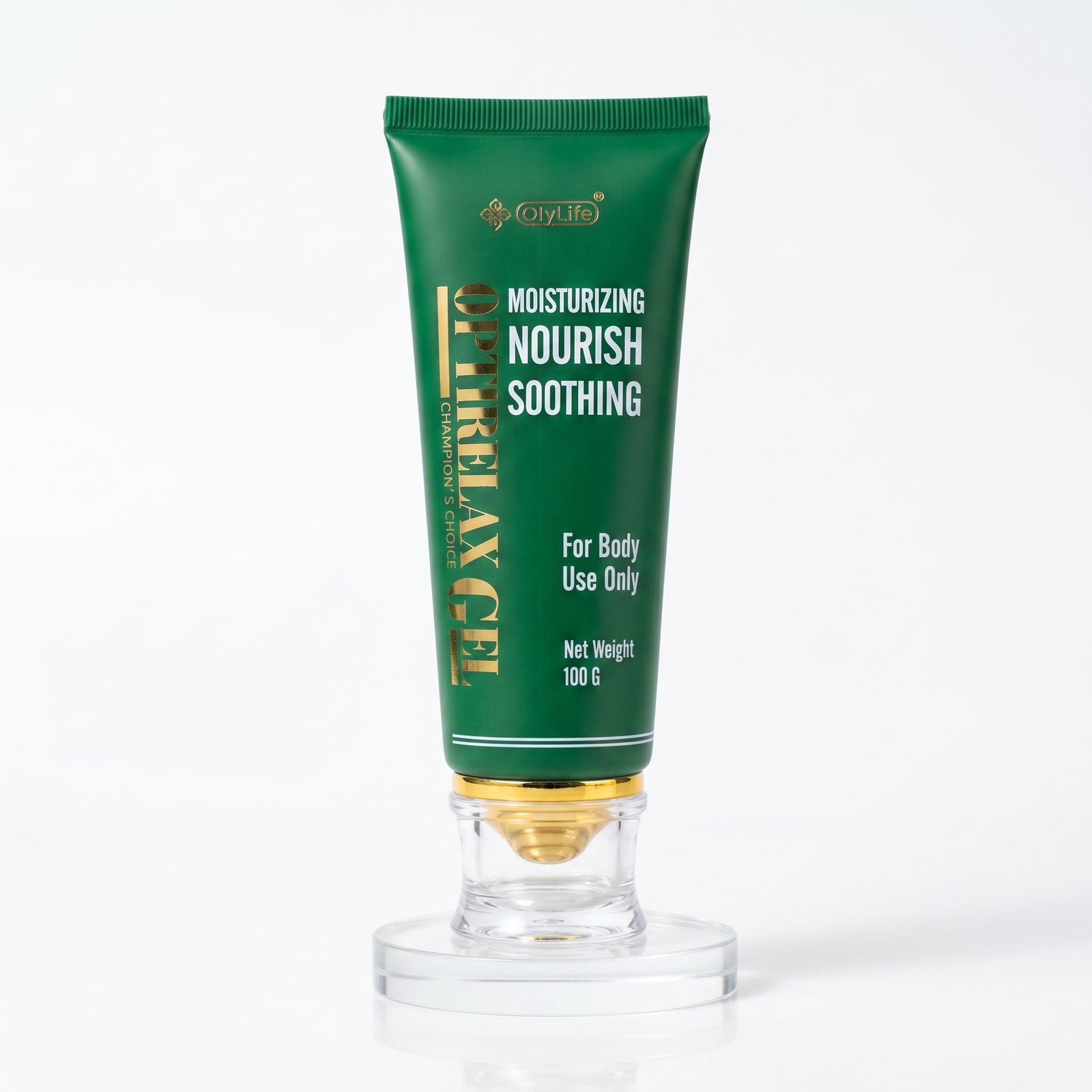
Support Your Post-Workout Recovery
A soothing post-workout companion designed to support muscle comfort and recovery after your strength training sessions.
Common Myths About Women and Weightlifting After 40
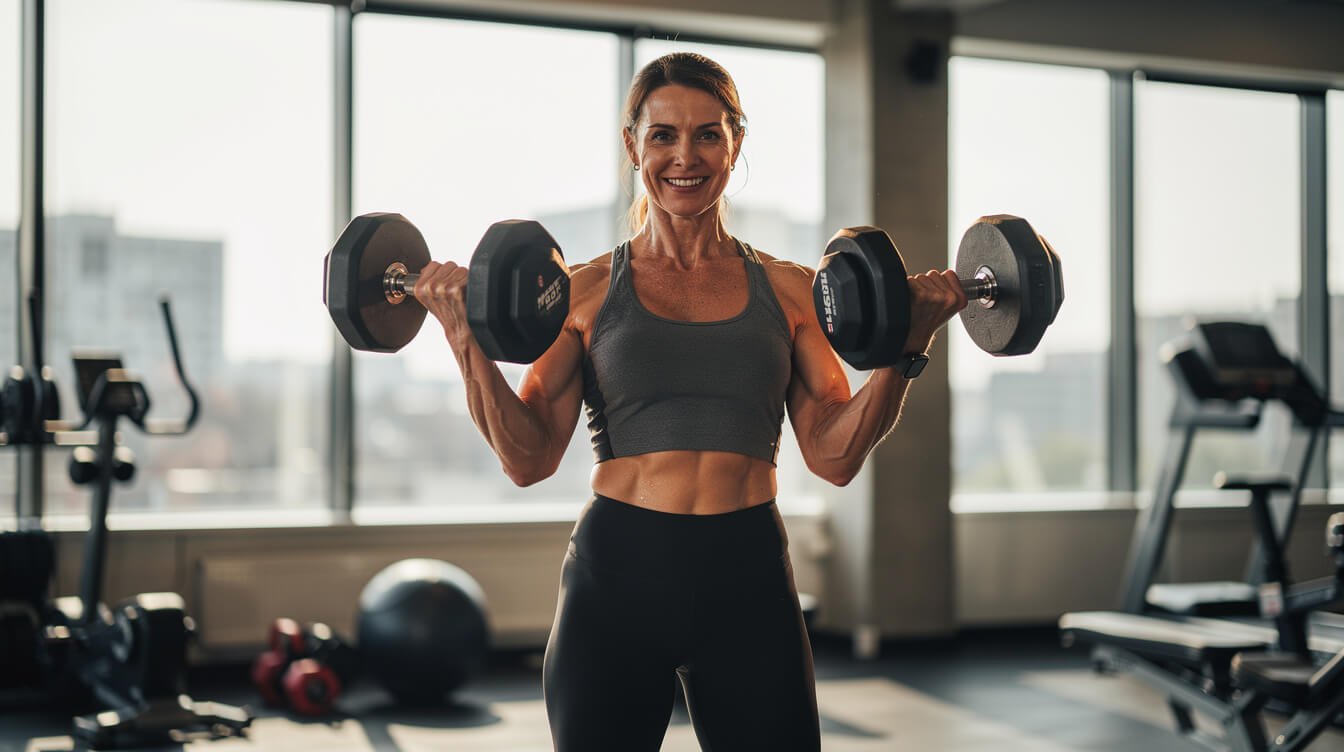
Let’s clear up some persistent misconceptions that keep many women from experiencing the benefits of strength training.
Myth: Lifting Weights Will Make You Bulky
This is perhaps the most enduring myth in women’s fitness. Women naturally produce about 15 to 20 times less testosterone than men, making it physiologically very difficult to develop large, bulky muscles. What strength training does create is lean, defined muscle that gives your body a toned, athletic appearance.
Myth: Cardio Is Better for Weight Loss
While cardiovascular exercise burns calories during the activity, strength training continues burning calories long after your workout ends through a process called excess post-exercise oxygen consumption (EPOC). Additionally, the lean muscle you build increases your resting metabolic rate 24/7.
The most effective approach combines both: strength training two to three times weekly plus regular walking or zone 2 cardio for heart health.
Myth: It’s Too Late to Start After 40
Research consistently shows that significant muscle and strength gains are possible at any age. A landmark study on adults in their 80s and 90s demonstrated meaningful strength improvements with just 8 weeks of resistance training. If they can do it, so can you — and you have a considerable head start.
Myth: You Need a Gym and Heavy Equipment
A pair of dumbbells, some resistance bands, and your own body weight are more than enough to build a challenging and effective program. Many of the most effective exercises — push-ups, lunges, glute bridges, planks — require no equipment at all.
Myth: Soreness Means a Good Workout
Excessive soreness (known as DOMS — delayed onset muscle soreness) isn’t a reliable indicator of workout quality. Moderate soreness that resolves within 48 hours is normal, but severe soreness that lasts longer suggests you’ve done too much, too soon. Listen to your body and progress gradually.
Frequently Asked Questions About Strength Training for Women Over 40
How many days per week should women over 40 strength train?
Two to three days per week is ideal for most women over 40, with at least one rest day between strength sessions. This allows adequate recovery while providing enough stimulus for muscle growth. As you become more experienced, you might train four days per week using an upper/lower body split.
Can strength training help with menopause symptoms?
Research suggests that regular strength training may help manage several menopause symptoms, including mood fluctuations, sleep disturbances, weight gain, and loss of bone density. While it’s not a cure-all, many women report feeling significantly better when they maintain a consistent resistance training routine.
How long does it take to see results from strength training?
Most women notice improvements in strength and energy within two to four weeks of consistent training. Visible changes in muscle definition typically appear within 8 to 12 weeks. However, the internal benefits — improved bone density, better sleep, enhanced mood — begin much sooner than visible changes.
Should women over 40 lift heavy weights?
Yes, with proper form and gradual progression. “Heavy” is relative to your current strength level. The weight should challenge you in the last two to three repetitions of each set while allowing you to maintain good form. As you get stronger, gradually increase the weight to continue progressing.
Is it safe to strength train during perimenopause or menopause?
Strength training is not only safe during perimenopause and menopause — it’s particularly beneficial. The key is listening to your body, allowing adequate recovery, and working with a qualified trainer if you have specific health concerns. Always consult your healthcare provider before starting any new exercise program.
What should I eat before and after strength training?
Before training, eat a balanced snack containing protein and complex carbohydrates about 60 to 90 minutes beforehand — such as Greek yogurt with berries or a banana with almond butter. After training, prioritize protein within 30 to 60 minutes to support muscle recovery. A protein smoothie, chicken with vegetables, or eggs on toast are all excellent post-workout options.
Your Strength Journey Starts Today
Strength training for women over 40 isn’t about chasing a number on a scale or trying to look like you did in your 20s. It’s about building a body that carries you through life with energy, confidence, and resilience. It’s about proving to yourself that age is simply a number — and that your strongest years may still be ahead of you.
Start small. Be consistent. Trust the process. Whether you begin with bodyweight exercises in your living room or pick up your first pair of dumbbells, every repetition is an investment in your future self.
Your body is capable of remarkable things. Give it the stimulus it needs, fuel it with nourishing food, allow it proper rest, and watch as it responds with strength you never knew you had.
For more ways to support your wellness journey, explore our collection of holistic health and wellness resources, and discover how natural approaches to health may complement your new strength training practice.