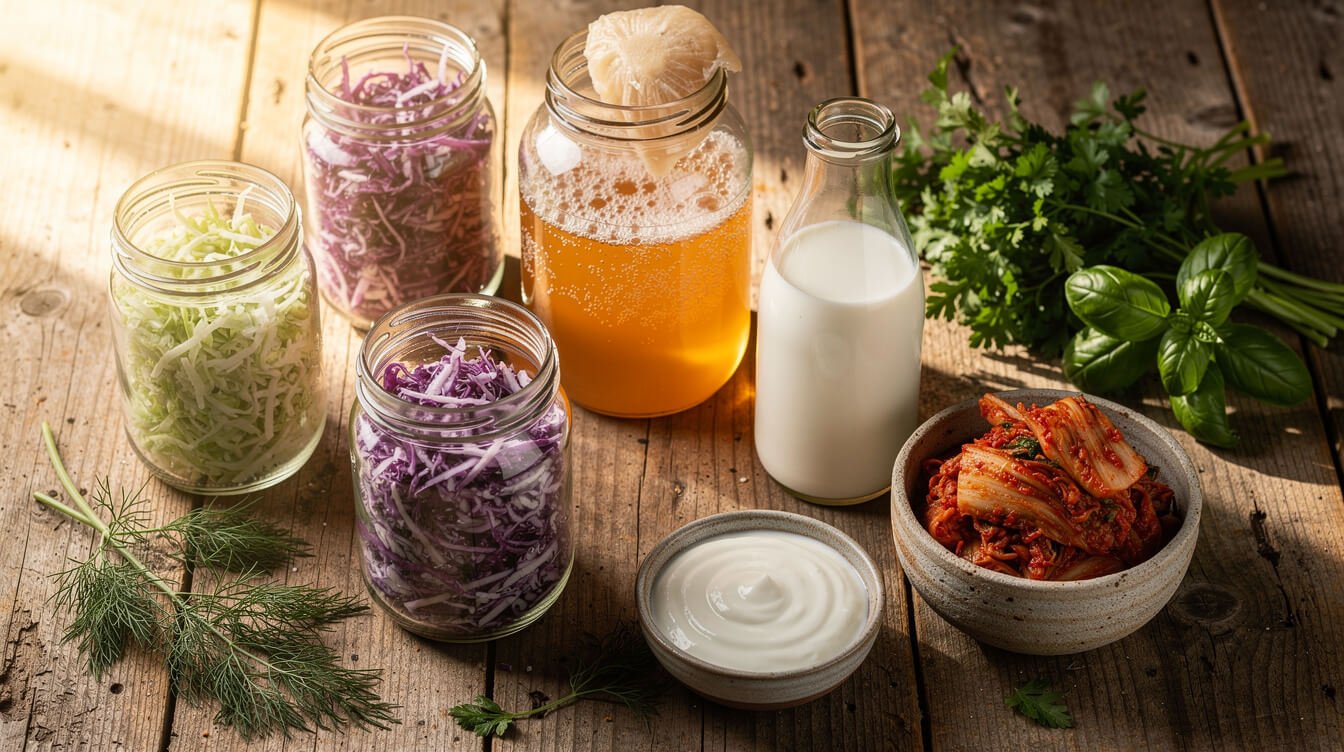
Fermented Foods for Gut Health: Your Complete Guide to a Thriving Microbiome
Your gut is home to trillions of microorganisms that influence everything from digestion and immunity to mood and energy levels. And one of the most powerful, time-tested ways to nourish this inner ecosystem? Fermented foods for gut health. These naturally cultured foods have been a cornerstone of traditional diets around the world for centuries — and modern science is finally catching up to what our ancestors knew intuitively.
Whether you’re dealing with occasional bloating, looking to strengthen your immune response, or simply want to feel more vibrant from the inside out, adding fermented foods to your daily routine may be one of the simplest wellness upgrades you can make. In this comprehensive guide, we’ll explore the science behind fermentation, highlight the best fermented foods for your microbiome, and share practical tips for making them a natural part of your life.
What Are Fermented Foods and Why Do They Matter for Gut Health?

Fermentation is a natural metabolic process where microorganisms like bacteria, yeasts, and molds break down sugars and starches in food, producing beneficial compounds such as organic acids, enzymes, and vitamins. This ancient preservation technique does far more than extend shelf life — it transforms ordinary ingredients into nutritional powerhouses.
When you eat fermented foods for gut health, you’re introducing live beneficial bacteria (probiotics) directly into your digestive system. These friendly microbes help maintain a diverse and balanced gut microbiome — the complex community of organisms living in your intestines that researchers now call your “second brain.”
The Gut Microbiome Connection
A landmark 2021 study from Stanford University found that a diet rich in fermented foods significantly increased microbiome diversity and decreased markers of inflammation in participants over just 10 weeks. The researchers noted that fermented foods were more effective at boosting microbial diversity than a high-fiber diet alone — a finding that surprised many in the nutrition science community.
Your gut microbiome influences:
- Digestive efficiency — helping break down food and absorb nutrients more effectively
- Immune function — approximately 70% of your immune system resides in your gut
- Mental wellbeing — the gut-brain axis connects intestinal health to mood, stress response, and cognitive function
- Metabolic health — supporting healthy weight management and blood sugar balance
- Skin health — reducing systemic inflammation that may contribute to skin conditions
The key takeaway? A thriving gut microbiome isn’t just about digestion — it’s foundational to whole-body wellness.
The 10 Best Fermented Foods for a Healthy Gut

Not all fermented foods are created equal when it comes to gut health benefits. Here are the most researched and beneficial options, ranked by their probiotic potency and nutritional value.
1. Kefir — The Probiotic Powerhouse
Kefir is a tangy, drinkable cultured milk that contains up to 61 different strains of bacteria and yeasts — far more than yogurt. This diversity makes it one of the most potent probiotic foods available. Traditional kefir is made by adding kefir “grains” (a symbiotic culture of bacteria and yeast) to milk and allowing it to ferment for 24-48 hours.
Gut health benefits: Research suggests kefir may help reduce lactose intolerance symptoms, support the growth of beneficial gut bacteria, and exhibit antimicrobial properties against harmful pathogens. A 2023 meta-analysis published in Nutrients found regular kefir consumption was associated with improved digestive comfort and reduced bloating.
How to enjoy it: Drink it plain, blend it into smoothies, use it as a base for overnight oats, or pour it over granola. Water kefir and coconut kefir are excellent dairy-free alternatives.
2. Yogurt — The Gateway Fermented Food
Yogurt is perhaps the most accessible fermented food worldwide. Made by fermenting milk with Lactobacillus bulgaricus and Streptococcus thermophilus, quality yogurt delivers a reliable dose of live cultures with each serving.
Gut health benefits: Studies indicate yogurt consumption may support digestive regularity, enhance nutrient absorption (particularly calcium and B vitamins), and help maintain healthy gut barrier function.
Choosing wisely: Look for yogurt labeled “live and active cultures” with minimal added sugar. Greek yogurt and skyr offer higher protein content. Avoid products with artificial sweeteners, which some research suggests may negatively impact gut bacteria.
3. Sauerkraut — Fermented Cabbage with Centuries of Tradition
This humble fermented cabbage has been a staple in Central European diets for centuries. When made traditionally (without vinegar or pasteurization), sauerkraut is teeming with Lactobacillus bacteria and is an excellent source of vitamins C and K, as well as fiber.
Gut health benefits: The combination of probiotics and prebiotic fiber in sauerkraut may support both the introduction and the feeding of beneficial gut bacteria. Research suggests that the bioactive compounds produced during cabbage fermentation may also have anti-inflammatory properties.
Key tip: Choose raw, unpasteurized sauerkraut from the refrigerated section — shelf-stable versions have been heat-treated, which destroys the live cultures.
4. Kimchi — Korea’s Superfood
Kimchi is a spicy, complex fermented vegetable dish — typically made with napa cabbage, radish, garlic, ginger, and chili flakes. It’s been a cornerstone of Korean cuisine for over 2,000 years and is now recognized globally for its impressive health profile.
Gut health benefits: Kimchi contains diverse Lactobacillus strains along with vitamins A, B, and C. Studies have linked regular kimchi consumption to improved cholesterol markers, enhanced antioxidant status, and better digestive health. The garlic and ginger in kimchi add their own anti-inflammatory and antimicrobial benefits.
Getting started: If you’re new to kimchi, try mild (non-spicy) varieties first. Add it to rice bowls, scrambled eggs, sandwiches, or eat it as a side dish with any meal.
5. Miso — The Umami-Rich Healer
Miso is a traditional Japanese seasoning made by fermenting soybeans with salt and a fungal culture called koji (Aspergillus oryzae). The fermentation process can range from a few weeks to several years, with longer-fermented varieties offering more complex flavors and potentially more beneficial compounds.
Gut health benefits: Miso is rich in enzymes that may support digestion and nutrient absorption. Research from Japan has associated regular miso consumption with reduced risk of certain digestive issues and improved overall gut function. Miso also provides a unique combination of probiotics, amino acids, and minerals.
Best uses: Beyond classic miso soup, try stirring miso into salad dressings, marinades, or glazes. Always add miso to dishes after cooking (off the heat) to preserve its live cultures.
6. Tempeh — The Plant-Based Protein Champion
Tempeh is a whole-food fermented soybean product originating from Indonesia. Unlike tofu, tempeh retains the whole soybean, bound together by a web of Rhizopus mold during fermentation. This gives it a firm texture, nutty flavor, and superior nutritional profile.
Gut health benefits: Tempeh’s fermentation process increases the bioavailability of minerals and produces compounds that may support gut health. It’s also an excellent source of plant-based protein (about 20g per serving), prebiotics, and manganese.
Cooking tips: Slice and pan-fry with tamari, cube it into stir-fries, crumble it into chili, or marinate and grill it. Steaming tempeh for 10 minutes before cooking reduces any bitterness.
7. Kombucha — The Fizzy Probiotic Drink
Kombucha is a fermented tea made by adding a SCOBY (symbiotic culture of bacteria and yeast) to sweetened tea. The fermentation produces a tangy, naturally carbonated beverage rich in organic acids, B vitamins, and beneficial microorganisms.
Gut health benefits: While research on kombucha specifically is still emerging, the organic acids it contains (particularly gluconic and acetic acid) may support digestive health and help maintain a favorable gut pH. Many people report improved digestion and reduced bloating with regular consumption.
Smart choices: Choose brands with low sugar content (under 5g per serving) and look for raw, unpasteurized options. Limit intake to 8-12 ounces per day, especially when starting out.
8. Apple Cider Vinegar (with the “Mother”)
Raw, unfiltered apple cider vinegar contains the “mother” — a colony of beneficial bacteria and enzymes visible as cloudy strands in the bottle. While technically an acetic acid fermentation, it still offers gut-supportive properties.
Gut health benefits: The acetic acid in ACV may support healthy stomach acid levels and digestive efficiency. Some preliminary research suggests it could help support healthy blood sugar response when consumed before meals.
How to use: Dilute 1-2 tablespoons in a glass of water before meals, use it in salad dressings, or add it to marinades. Never drink it undiluted, as the acidity can damage tooth enamel.
9. Natto — The Underappreciated Superfood
Natto is a traditional Japanese food made from soybeans fermented with Bacillus subtilis. Its strong flavor and sticky, stringy texture make it an acquired taste — but its health benefits are remarkable.
Gut health benefits: Natto is one of the richest food sources of vitamin K2, which plays crucial roles in bone and cardiovascular health. The Bacillus subtilis in natto is a robust probiotic that survives stomach acid well, and the enzyme nattokinase has been studied for its potential cardiovascular benefits.
10. Fermented Vegetables — Beyond Cabbage
Almost any vegetable can be lacto-fermented using salt and water, creating a probiotic-rich condiment. Popular options include fermented carrots, beets, green beans, garlic, and mixed vegetable medleys.
Gut health benefits: Fermented vegetables provide a diverse range of Lactobacillus strains along with the fiber and micronutrients of the base vegetables. The fermentation process can also increase the bioavailability of certain vitamins and minerals.
DIY advantage: Home fermentation is simple, affordable, and lets you control exactly what goes into your food. All you need is fresh vegetables, salt, water, and a jar.
How Fermented Foods Support Your Immune System

The connection between fermented foods for gut health and immune function is one of the most exciting areas of current nutritional research. Since roughly 70% of your immune tissue (known as GALT — gut-associated lymphoid tissue) resides in and around your digestive tract, what you eat directly influences how well your body defends itself.
The Gut-Immunity Pathway
Fermented foods may support immune function through several mechanisms:
- Strengthening the gut barrier — Probiotics from fermented foods help maintain the integrity of the intestinal lining, preventing harmful substances from “leaking” into the bloodstream
- Modulating immune cell activity — Certain probiotic strains have been shown to influence the production of immune cells and anti-inflammatory compounds
- Producing short-chain fatty acids (SCFAs) — When gut bacteria ferment fiber, they produce SCFAs like butyrate, which nourish intestinal cells and regulate immune responses
- Competing with pathogens — Beneficial bacteria from fermented foods can outcompete harmful microorganisms for space and resources in the gut
A 2022 study published in Cell found that participants who consumed a high-fermented-food diet showed decreased inflammatory markers (including interleukin-6) over a 10-week period. This reduction in chronic, low-grade inflammation is particularly significant, as persistent inflammation is linked to numerous chronic health conditions.
Seasonal Immune Support
Many traditional cultures instinctively increased their consumption of fermented foods during cold and flu season. Modern research supports this wisdom — regular intake of probiotic-rich foods may help reduce the duration and severity of common respiratory infections. Consider making fermented foods a daily habit rather than a seasonal supplement.
🎁 Get a Free Wellness Gift
Enter your name and email below to receive a special wellness gift from OlyLife — absolutely free!
A Practical Guide to Adding Fermented Foods to Your Daily Routine
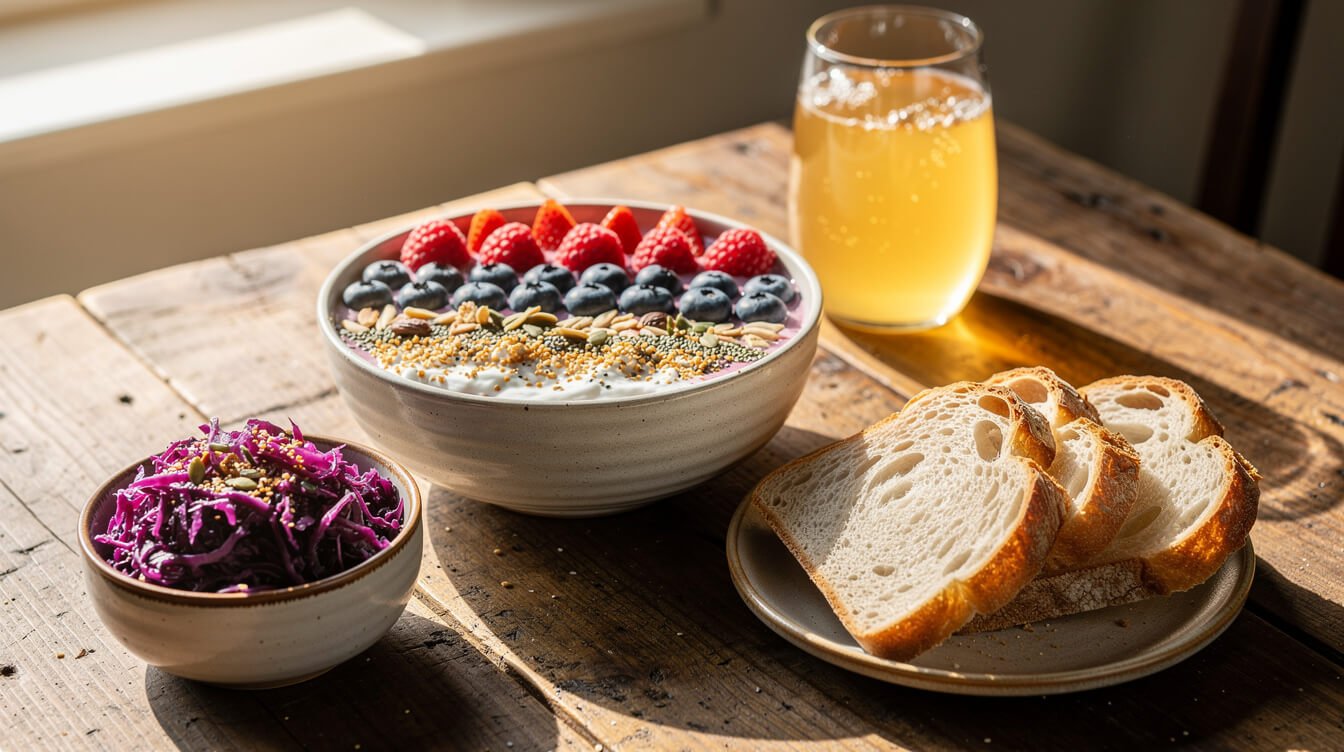
Knowing that fermented foods are beneficial is one thing — actually incorporating them into your meals consistently is another. Here’s a practical framework for making fermented foods a natural part of your everyday eating habits.
The Gradual Approach (Week-by-Week)
Week 1: Start Small
- Add 1-2 tablespoons of sauerkraut or kimchi as a side dish with lunch or dinner
- Have a small cup (4-6 oz) of yogurt or kefir with breakfast
- If you experience any bloating, reduce the amount and increase more slowly
Week 2: Expand Your Repertoire
- Try a new fermented food you haven’t eaten before (miso soup, tempeh stir-fry, or kombucha)
- Aim for 2 different fermented foods per day
- Experiment with fermented condiments in your cooking
Week 3-4: Build the Habit
- Include a fermented food at every meal
- Try making one fermented food at home (sauerkraut is the easiest starting point)
- Notice how you feel — many people report improved digestion and energy within 2-4 weeks
Meal-by-Meal Ideas
Breakfast: Kefir smoothie bowl with berries and granola, yogurt parfait with nuts, or miso broth with a soft egg
Lunch: Grain bowl topped with kimchi and tempeh, sandwich with sauerkraut, or a miso-dressed salad
Dinner: Stir-fry with tempeh, any protein with a fermented vegetable side dish, or soup with miso stirred in at the end
Snacks: Kombucha, yogurt with honey, raw pickles, or apple slices with miso-tahini dip
Important Considerations
Histamine sensitivity: Some fermented foods are high in histamine. If you experience headaches, flushing, or digestive discomfort after eating fermented foods, you may have histamine intolerance. Start with lower-histamine options like fresh yogurt and young sauerkraut, and consider working with a healthcare practitioner.
FODMAP awareness: If you’re following a low-FODMAP diet for IBS, some fermented foods (particularly those made with garlic or high-lactose dairy) may trigger symptoms. Lactose-free kefir, small amounts of aged cheese, and fermented vegetables without garlic tend to be better tolerated.
Fermented Foods and Holistic Wellness: The Bigger Picture

At OlyLife, we believe that true wellness comes from supporting your body’s natural healing mechanisms on multiple fronts. Fermented foods for gut health are a beautiful example of this philosophy in action — working with nature, not against it, to promote balance and vitality.
The Gut-Brain Connection
The vagus nerve — your body’s longest cranial nerve — creates a direct communication highway between your gut and your brain. Research increasingly shows that the composition of your gut microbiome can influence neurotransmitter production, including serotonin (about 95% of which is produced in the gut), dopamine, and GABA.
This is why so many people report not just improved digestion but also better mood, clearer thinking, and reduced anxiety when they start incorporating fermented foods into their diet. Supporting your gut through nutrition is fundamentally supporting your mental and emotional wellbeing too.
Complementary Wellness Practices
Fermented foods work even better as part of a holistic wellness routine. Consider pairing your fermented food habit with:
- Mindful eating — eating slowly and without distractions improves digestion and nutrient absorption
- Stress management — chronic stress damages gut lining and disrupts microbiome balance
- Quality sleep — your gut microbiome follows circadian rhythms and repairs during rest
- Regular movement — exercise has been shown to independently increase microbiome diversity
- Time in nature — exposure to environmental microbes may support immune training and gut diversity
When you support your body through natural healing practices — whether that’s through nutrition, movement, rest, or innovative wellness technologies — you’re working with the body’s innate wisdom rather than overriding it.
Frequently Asked Questions About Fermented Foods and Gut Health

How long does it take for fermented foods to improve gut health?
Most people begin noticing improvements in digestion within 2-4 weeks of regularly consuming fermented foods. However, meaningful shifts in microbiome composition may take 6-10 weeks of consistent intake. The Stanford fermented food diet trial showed significant changes in inflammatory markers and microbiome diversity over a 10-week period.
Can you eat too many fermented foods?
While fermented foods are generally safe, eating large amounts too quickly — especially if you’re not used to them — can cause temporary bloating, gas, or digestive discomfort. This is typically a sign that your gut microbiome is adjusting. Start with small portions and gradually increase. Most health experts suggest 2-3 servings of fermented foods per day as a reasonable target.
Are store-bought fermented foods as good as homemade?
It depends on the product. Look for labels that say “raw,” “unpasteurized,” or “contains live cultures.” These products should be found in the refrigerated section. Shelf-stable versions (like most supermarket pickles or sauerkraut) have been pasteurized, which kills the beneficial bacteria. Quality store-bought fermented foods from brands committed to live cultures can be just as beneficial as homemade.
Do fermented foods replace the need for probiotic supplements?
For most people, a diet rich in diverse fermented foods may provide sufficient probiotic support without supplements. Fermented foods offer advantages that supplements don’t — including prebiotic fiber, enzymes, vitamins, and a wider diversity of bacterial strains. However, specific probiotic supplements may be beneficial for targeted health conditions. Consult with a healthcare practitioner for personalized guidance.
Are fermented foods safe during pregnancy?
Most commercially prepared fermented foods are considered safe during pregnancy and may even be beneficial for maternal and infant microbiome health. However, it’s best to avoid unpasteurized products with a higher risk of contamination (like homemade ferments of uncertain quality) and to discuss any dietary changes with your healthcare provider.
What’s the difference between prebiotics and probiotics in fermented foods?
Probiotics are the live beneficial bacteria found in fermented foods. Prebiotics are types of fiber that feed these beneficial bacteria. Many fermented foods, like sauerkraut and kimchi, contain both — the live cultures (probiotics) plus the vegetable fiber (prebiotics) that nourishes them. This combination is sometimes called “synbiotic” and is considered particularly beneficial for gut health.
Final Thoughts: Nourishing Your Gut, Nourishing Your Life
Incorporating fermented foods for gut health into your daily routine is one of the most accessible, affordable, and enjoyable steps you can take toward better overall wellness. These ancient foods connect us to centuries of traditional wisdom while being backed by a growing body of modern scientific research.
Remember, the goal isn’t perfection — it’s progress. Start with one fermented food you enjoy, eat it consistently, and gradually expand your repertoire. Your gut microbiome is remarkably responsive to dietary changes, and even small, consistent additions can make a meaningful difference in how you feel.
At OlyLife, we’re passionate about helping you discover natural pathways to better health — from the foods you eat to the innovative wellness technologies that support your body’s innate healing potential. Every positive choice you make ripples outward, supporting not just your gut health but your energy, mood, immunity, and quality of life.
Your wellness journey is uniquely yours. And it may be as simple as opening a jar of sauerkraut. 🌿