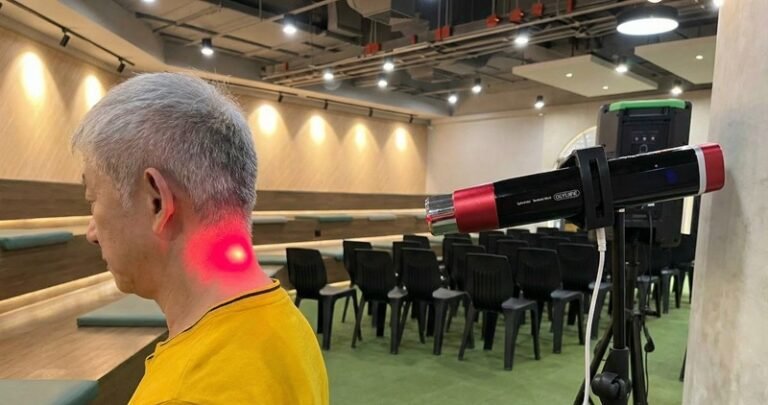
Think charging your PEMF (Pulsed Electromagnetic Field therapy) device battery overnight is harmless? Think again. Small, everyday choices change how long your battery lasts, how well your device performs, and how safe it is to use.
Match the charger to the battery chemistry. Batteries come in different types like lithium-ion or LiFePO4. Use the charger the maker recommends so voltage and current line up with the pack. If they don’t match, the pack can heat up, age faster, or worse.
Pick the right charge rate. Charge rate means how fast you’re filling the battery. Go with the manufacturer’s suggested rate. Too fast and the pack can get hot. Too slow and you might never get the full benefit when you need it.
Watch temperature for charging and storage. Don’t charge in very cold or very hot places. Think cool, dry, shaded , like a kitchen counter away from the stove or a closet shelf. For storage, keep the battery at about 40 to 60 percent charge and at room temperature if you can. This helps the pack hold its charge longer.
Use a proper charger and rely on the pack’s safety features. Many packs have a BMS (Battery Management System) that balances cells and prevents overcharge. If your device has that, great. If not, use a smart charger that stops charging when full. Avoid cheap, unregulated chargers.
Monitor and inspect your pack. Check it for swelling, strong heat, or a funky smell before and after charging. If you see any of these, stop using it. Safety first.
Quick checklist
- Know your battery type and follow the maker’s specs.
- Use a matching charger with the right voltage and current.
- Stick to the recommended charge rate.
- Charge and store at safe temperatures.
- Keep the pack at 40 to 60 percent for long-term storage.
- Rely on a BMS or smart charger.
- Inspect for swelling, heat, or odors before use.
Oh, and here’s a neat trick: set a timer or use a smart plug if you like charging overnight, but only if your charger and pack are designed for it. Have you ever felt a pack get warm after charging? That’s your cue to check things.
Follow these steps and your PEMF device will stay safer and work better, longer. Breathe. Relax. Charge smart.
PEMF Battery Charging And Storage Best Practices Safely
Start by matching the charger output to your pack’s chemistry, voltage and recommended current. PEMF (Pulsed Electromagnetic Field therapy) device packs need current limiting and overcharge protection to stay healthy. Temperature matters: charging above 25°C speeds up wear, and charging below 0°C risks cell damage. When you can, charge at room temperature , think of it like letting the cells warm up gently before a workout.
Here’s a friendly step-by-step checklist for safe PEMF battery charging:
- Use the manufacturer-recommended charger and specs. Check your PEMF therapy devices paperwork when matching charger specs to device requirements.
- Pick a safe charging current. For most lithium-ion packs use about 0.2C to 0.5C for routine charging. 1C or higher is fast charging and creates more heat and faster capacity loss.
- Use a multi-stage charge: bulk stage (constant current up to roughly 80% state-of-charge), absorption stage (constant voltage up to 100%), then float or maintenance mode to hold charge without overworking cells.
- Favor slow charging when possible. Slow charging makes less heat and usually extends cycle life. Fast charging works in a pinch, but expect more internal resistance and shorter lifespan.
- Use trickle or float mode for standby batteries that supply low continuous loads; this keeps charge without overcharging.
A few extra tips. Oh, and here’s a neat trick: if you charge overnight, lower the charge current so the pack finishes gently by morning. It feels kinder to the battery.
Do’s and don’ts
- Do use chargers with overcharge protection and current limiting.
- Do choose chargers that speak to the battery management system (BMS) so charging adjusts automatically.
- Don’t charge in extreme heat or cold; avoid peak-current charging when temperatures are outside the safe range.
- Don’t use chargers that don’t match the battery chemistry or lack proper regulation.
If a pack feels warm while charging, stop charging and let it cool in open air. Place it on a non-flammable surface and give it time to settle. Don’t stuff a warm pack into a bag.
Storage basics
- Store batteries partially charged. Aim for about 40% to 60% state-of-charge for long term storage.
- Keep packs in a cool, dry place out of direct sunlight. Think of a pantry shelf, not a hot garage.
- Check stored batteries every few months and top up to the storage range if needed. A quick look now saves a headache later.
Why this matters
Regular, modest charging with the right protections keeps your PEMF batteries safer and lasting longer. Treat them like living things: cooler is calmer, slower is kinder, and a smart charger is a trusted friend. Have you ever noticed how small habits make big differences? This is one of those cases.
Optimal Storage Conditions for PEMF Batteries
PEMF (pulsed electromagnetic field) battery packs do best stored somewhere cool and dry. Aim for about 32°F to 77°F (0°C to 25°C). Think of a cool, dry closet or a shelf in a climate-controlled room , places that stay steady, not places that swing hot and cold.
High heat speeds up chemical aging. Freezing can damage electrolytes, so don’t put batteries in the freezer. Refrigeration is okay if the temperature stays stable and you protect against moisture. Condensation is the real enemy , use sealed bags or vapor-proof packaging for long storage.
For lithium-ion cells, keep the state of charge (SoC) around 40%–50% (many guides say 50%, but 40%–50% is the sweet spot). That helps keep cell voltages safely above 2 V. Lithium packs often lose about 5% the first day, then roughly 1%–2% per month after that. Store them cool and at ~40% and some packs will show very little loss even after years.
Nickel chemistries (NiCd, NiMH) behave differently. Expect 10%–15% self-discharge on day one, then steady monthly loss. These cells tolerate either full or discharged storage and can often recover 97%–99% capacity after up to a year at 32°F–77°F, especially with a priming charge (a short full recharge before use).
Lead-acid batteries need special care: keep them fully charged to avoid sulfation (a hardening of the plates that cuts capacity). They can drift about 5% per month in storage. Sealed lead-acid packs may have a shelf life up to two years, but always follow the manufacturer’s SoC guidance , many suggest recharging once packs fall to 60%–70%.
Quick checklist for long-term care
- Remove packs from devices to stop internal drain.
- Label date and stored state of charge (SoC); schedule a check every 3 months.
- Use vapor-proof wraps for long holds and keep items off the floor.
- Monitor cell voltages for any storage over 6 months, and recharge to your target SoC when needed.
A small habit, like date-stamped labels and routine checks, keeps batteries healthy and ready when you need them.
Selecting and Maintaining PEMF Battery Chargers
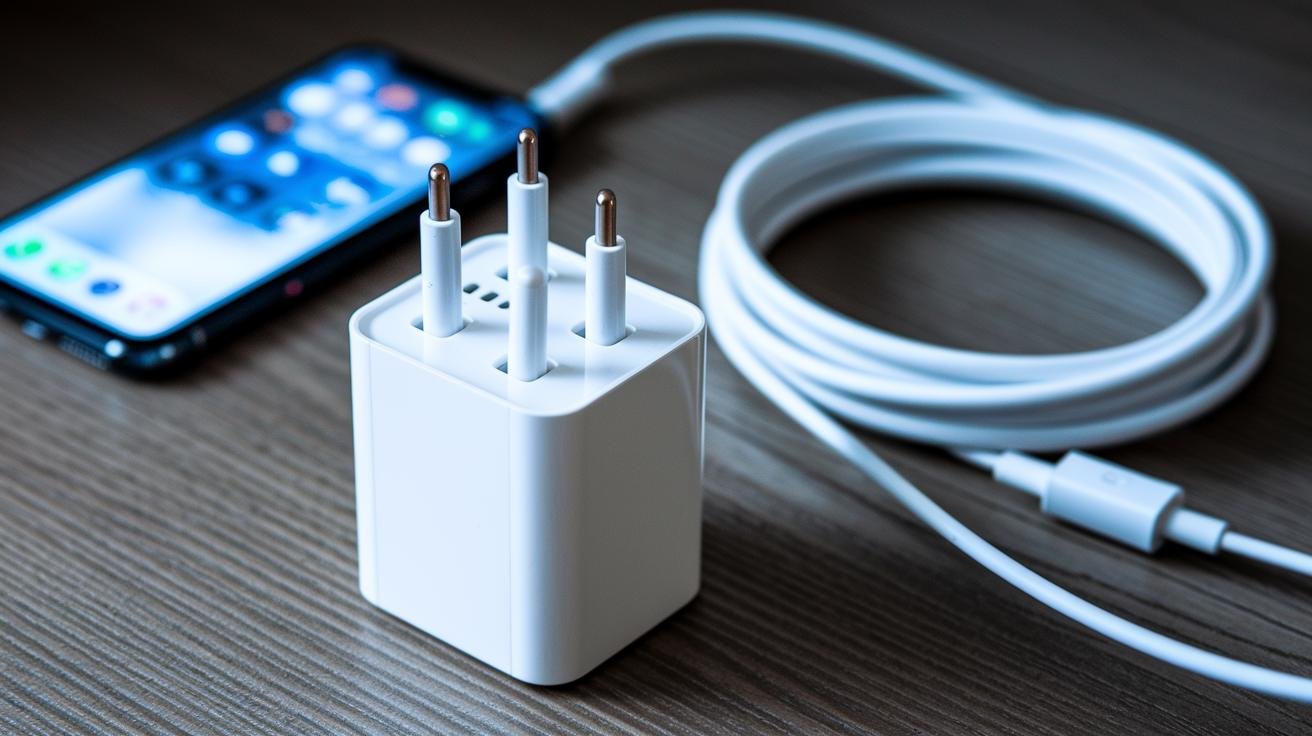
PEMF (Pulsed Electromagnetic Field therapy) battery packs need the right charger to stay healthy. Use the original charger or a maker-recommended one that matches your pack’s battery chemistry, voltage and current specs. It’s not just picky paperwork, matching those specs keeps things safe and working well.
A charger with proper current limiting and overcharge protection helps your cells stay calm, and it lets the BMS (battery management system) do its job. Think of it like a gentle hum instead of a shout during charging. When chargers control current and stop at the right voltage, batteries last longer and run cooler.
Prefer a switch-mode power supply (SMPS). It stays cooler to the touch and keeps voltage steadier when the load changes. Older linear chargers make extra heat and waste energy, and that heat stresses the battery over time.
Connector care is low-effort and pays off. Before each charge, wipe contacts with a dry, lint-free cloth and blow dust out of ports with compressed air. Avoid any liquids near open connectors. Check for bent pins, corrosion or frayed wires, and never force a connector into place.
Use surge protection while charging to guard against mains spikes or unstable power. If you lose power often, consider a small UPS (uninterruptible power supply) for critical charging windows. Store cables loosely coiled and labeled so you don’t tug, twist or kink them, wire fatigue shortens cable life.
Quick practical tips:
- Wipe contacts gently after heavy use or if lotions contact the connector.
- Keep charger vents clear of dust and fabrics.
- Replace cracked, frayed or discolored cables right away.
- Match polarity and connector type every time.
If you’re even a little unsure about a third-party charger, call the manufacturer before you plug it in. Better safe than sorry.
Monitoring PEMF (Pulsed Electromagnetic Field therapy) Battery Health and Maintenance
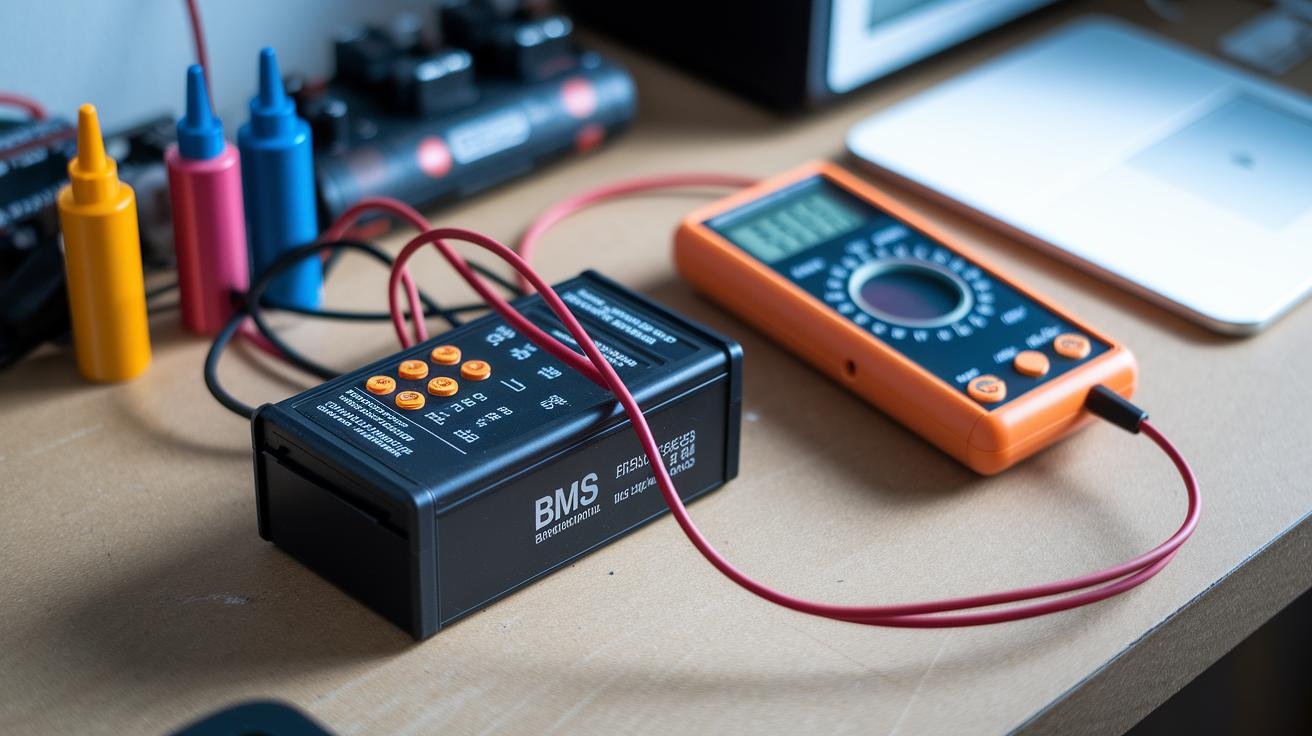
Think of your PEMF battery pack like a steady heartbeat. A few simple checks keep it reliable and safe. Small cell imbalances can grow into bigger problems if you ignore them, so watch individual cell voltages when you can.
Most packs include a battery management system (BMS) (a controller that watches cell voltages, temperature and cycle counts). The BMS often logs cycles, shows voltage warnings, and can flag hot cells or faults. If your pack has an app or a BMS readout, use it for quick diagnostics.
Tools that help:
- Digital multimeter for spot-checking pack and cell voltages.
- Battery analyzer or charger with a capacity-testing mode (load test checks how the pack performs under use).
- BMS logs, or a simple notebook or spreadsheet to track cycles, dates and notes.
Routine schedule:
- Visual inspection every month. Look for swelling, corrosion, cracked housing or loose connectors. If you see swelling, stop using the pack and move it to a fire-safe area.
- Capacity or load testing every 6 to 12 months to spot fading capacity.
- If you store the pack longer than 6 months, check cell voltages and top up or balance as needed.
Terminal cleaning routine:
- Disconnect all power before you touch anything. Safety first.
- Wipe terminals with a dry, lint-free cloth.
- For stubborn grime, use a little contact cleaner or isopropyl alcohol on a cloth, then dry completely.
- Gently brush corrosion with a soft brush, then clean and dry again.
- Reconnect and watch the voltage under a light load for a few minutes.
Maintenance tips:
- Run a balancing cycle about every 6 months and do occasional full charge-discharge runs. These help keep the BMS calibrated and give a clearer view of remaining capacity.
- Track odd behaviors: unusual self-discharge, sudden voltage drops, or rising internal resistance. Those are early warning signs your pack needs service or replacement.
- When in doubt, reach out to the manufacturer or a qualified technician. Better safe than sorry.
Want a quick rule of thumb? Check voltages monthly, test capacity twice a year, and treat any swelling or weird heat as an emergency. Simple habits like these keep your PEMF kit doing its job , calm, steady, and ready when you are.
Troubleshooting Common PEMF Battery Charging Issues

If your PEMF device (Pulsed Electromagnetic Field therapy) shows blinking LEDs or error codes, it usually points to one of three things: overvoltage, undervoltage, or a temperature fault. Check the device manual for the exact code meanings. If your unit has a BMS (Battery Management System), look at its logs for voltage and temperature history so you can see what tripped the warning.
Quick safety checklist:
- If the battery pack feels hot to the touch, cut power right away. Place it on a heat-resistant surface with good airflow and let it cool naturally. Safety first.
- Inspect the charger cable and connector for frays, bent pins, or loose contacts, since damaged leads can cause shorts and odd charging behavior.
- Measure pack and individual cell voltages with a multimeter (voltage meter) before you try another charge. Write down each reading and add a timestamp or take a photo for reference.
- If you notice swelling, leaking, or a burned smell, do not charge or use the pack. Move it to a safe, ventilated area and contact support.
- Use a known-good charger that the manufacturer recommends and that matches the battery chemistry and voltage specs. Mismatched chargers can trigger voltage threshold warnings.
- Prefer chargers and outlets with short-circuit protection and fuses when possible.
Have you ever seen a rapid blink pattern? Log the blink sequence, the temperature, and each step you took. Oh, and here’s a neat trick: snap a quick photo of the LED pattern and the battery label. That little bit of info speeds up help from the manufacturer or a qualified technician.
Lifecycle Management Strategies for PEMF Batteries
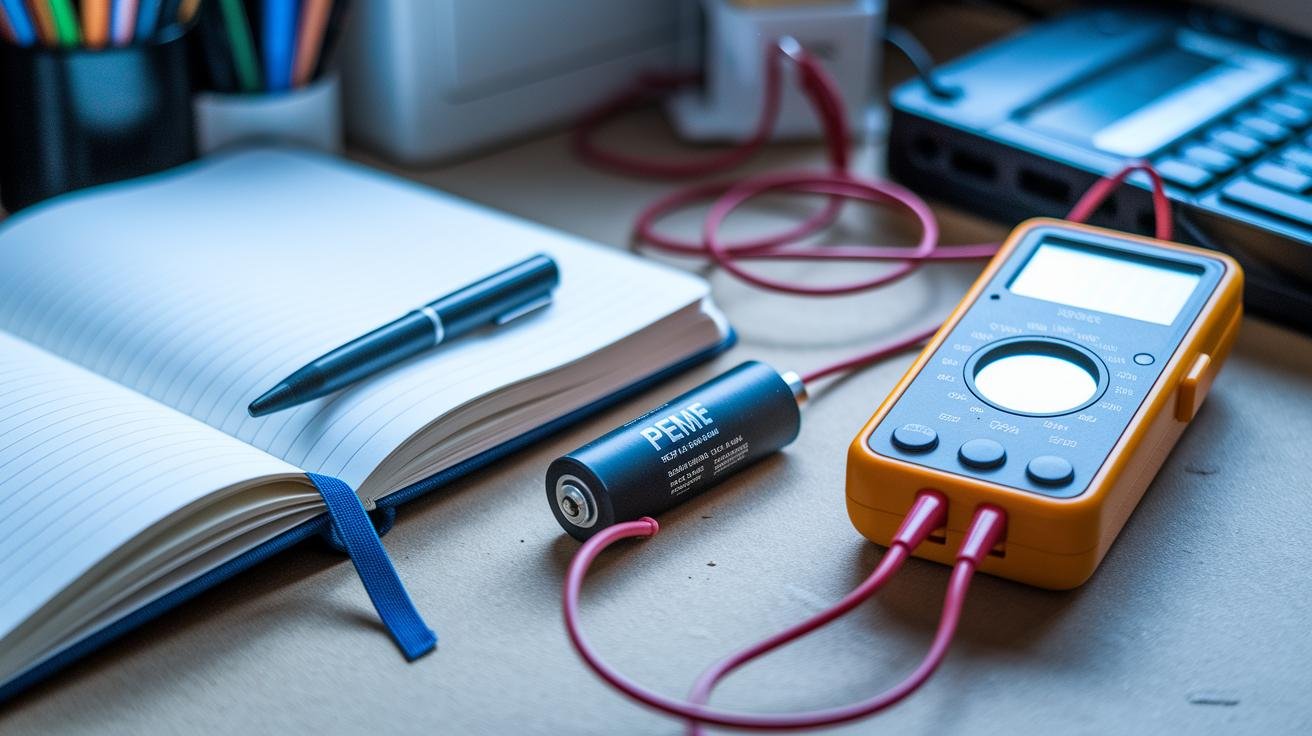
Think of battery care like tending a slow-burning campfire. Little, steady habits keep the warmth longer.
Keep the depth of discharge (DoD) between about 20% and 80% whenever you can. DoD means how much of the battery you use before recharging. Sticking to that range can extend cycle life a lot, often by as much as 50% compared with running the pack to empty each time.
Top off the battery instead of letting it run flat and then charging to 100%. Avoid routine full discharges; they stress lithium cells and shorten useful life. Do a full discharge only now and then to recalibrate the battery management system (BMS) , say every 3 to 6 months as a practical rule.
Know the cycle math. Most lithium-ion cells handle roughly 300 to 500 full cycles before capacity drops near 80%. So tracking cycles matters. A pack you use hard every day will age much faster than one you treat gently.
Keep a simple maintenance routine you’ll actually follow:
- Track charge cycles and dates in a small notebook or an app.
- Run a balancing cycle every 6 months to even out cell voltages (balancing helps all cells share the load).
- Do monthly visual and voltage checks: look for swelling, cracks, or sudden voltage drops.
- Prime nickel-based packs when needed; store lead-acid packs fully charged to avoid plate hardening.
- Replace cables or connectors that show wear, small resistance adds heat and shortens life.
Watch for clear replacement signs: steady capacity loss, visible swelling, rapid self-discharge, or a BMS that keeps tripping. Many users replace packs every 1 to 2 years depending on how often they’re cycled.
Want to take some of the guesswork off your plate? Check out the best smart PEMF devices for athlete recovery for examples of units that track cycles and help manage battery health automatically.
Final Words
In the action, we covered charging steps for PEMF batteries: current limits, the multi-stage charge cycle, and trickle/float modes that protect cells.
You learned storage basics: keep packs at 40–50% charge in cool, dry spots (0–25°C), top up every three months, and remove packs before long storage.
Match chargers to chemistry and voltage, clean contacts, watch BMS warnings, and run capacity checks to spot fading cells.
Follow these PEMF battery charging and storage best practices and you’ll keep packs reliable for calmer sleep, less soreness, and steadier energy.
FAQ
FAQ — PEMF (Pulsed Electromagnetic Field)
Pemf battery charging and storage best practices reddit / Pemf battery charging and storage best practices ati
Use a charger matched to the pack with current limiting and multi-stage charging (bulk to ~80%, absorption to 100%, float/trickle). Store packs at about 40–50% state of charge and keep storage temperatures in the 0–25°C range.
PEMF frequency chart PDF
A PEMF frequency chart PDF lists common therapeutic ranges and intended uses. Get the chart from your device maker or trusted clinical sources and follow your device manual for safe frequency selection.
Can you use PEMF too much?
Yes — overuse can cause temporary fatigue, mild headache, or irritability. Follow manufacturer session limits, start with shorter sessions, and increase gradually if you tolerate it well.
Can you use PEMF if you have metal in your body?
It depends on the implant. Non‑ferromagnetic implants (e.g., titanium) are usually safe; ferromagnetic implants or active electronic implants (pacemakers) are typically contraindicated. Consult your clinician before use.
How to clean a PEMF mat?
Unplug the mat, wipe with a damp lint‑free cloth and mild soap, avoid soaking or harsh solvents, never scrub abrasively, and allow the mat to air‑dry completely before plugging it back in.
Who should not use PEMF machines?
Do not use PEMF if you have a pacemaker or active implanted electronic device, are pregnant, have a seizure disorder, or have recent internal bleeding. Check with your healthcare provider first.
How do I choose and maintain a PEMF charger?
Match charger voltage, battery chemistry and current specs; prefer a regulated switch‑mode supply, use surge protection, and clean connector contacts regularly. See device maker specs at PEMF therapy devices.
How do I monitor PEMF battery health and extend lifespan?
Use a battery management system, log cycle counts, perform capacity/load tests every 6–12 months, limit depth of discharge (about 20–80%), and balance cells semiannually.