Cảm giác nào mang lại sự phục hồi thực sự hơn, áp lực ấm áp của một liệu pháp massage chuyên nghiệp hay một xung động nhẹ nhàng, được khoa học chứng minh, tác động từ bên trong?
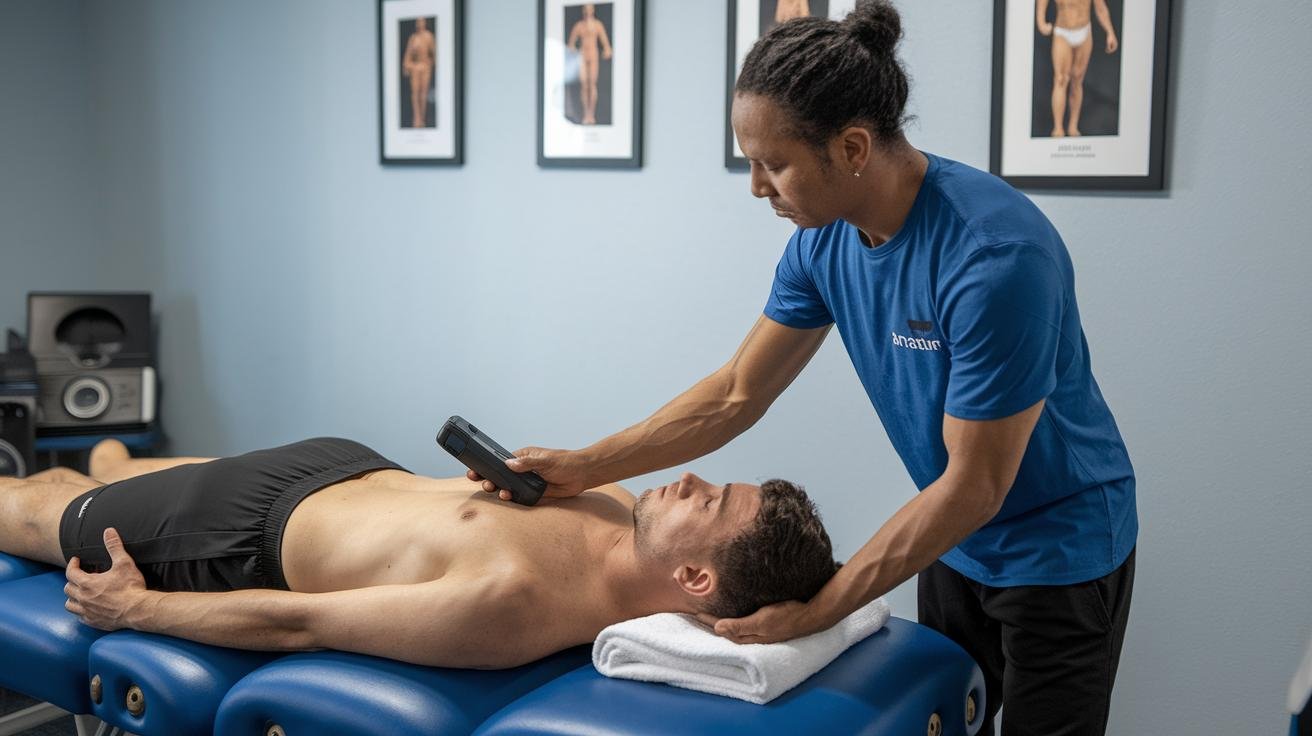
Massage giúp xoa bóp các cơ bị đau, làm giãn các điểm căng cứng, thúc đẩy lưu thông bạch huyết và mang lại sự giảm đau nhanh chóng, trực tiếp mà bạn có thể cảm nhận ngay lập tức.
Liệu pháp PEMF (Liệu pháp điện từ xung) phát ra các xung tần số thấp giúp thay đổi màng tế bào, tăng cường ATP và cải thiện vi tuần hoàn, nhờ đó quá trình chữa lành diễn ra từ bên trong ra ngoài.
Nếu bạn muốn giảm đau ngay trong ngày, hãy thử massage; nếu bạn muốn phục hồi tế bào lâu dài hơn, hãy thử PEMF, kết hợp cả hai thường mang lại sự thoải mái nhanh chóng cùng với khả năng phục hồi sâu hơn.
Liệu pháp massage phục hồi cơ bắp so với liệu pháp PEMF
Khi so sánh liệu pháp massage để phục hồi cơ bắp với liệu pháp PEMF, sự khác biệt rõ ràng nhất nằm ở tác động bề mặt so với tác động sâu vào tế bào. Massage là phương pháp tác động trực tiếp lên cơ bắp, gân, dây chằng và màng bao cơ để làm dịu các điểm căng cứng, phá vỡ các mô kết dính, thúc đẩy lưu thông bạch huyết và tăng cường lưu lượng máu cục bộ. Bạn sẽ cảm nhận được ngay lập tức, áp lực ấm áp, các động tác lăn, sự giải phóng căng thẳng từ từ. Hãy thư giãn.
Liệu pháp PEMF (Liệu pháp trường điện từ xung) sử dụng các trường xung tần số thấp (5-50 Hz) đi xuyên qua da và cơ để thay đổi tính thấm của màng tế bào, tăng sản xuất ATP (năng lượng tế bào) và tăng oxit nitric (một phân tử giúp làm giãn mạch máu). Đó là một luồng năng lượng nhẹ nhàng dưới da, đi sâu vào các sợi cơ và thậm chí cả xương. Bạn đã bao giờ cảm nhận được điều gì đó tác động từ bên trong ra ngoài chưa? Đó chính là ý tưởng của liệu pháp này.
Lợi ích của hai phương pháp này thể hiện khác nhau. Massage giúp làm giãn cơ nhanh chóng, cải thiện độ linh hoạt và mang lại cảm giác thư giãn nhờ endorphin, rất tốt cho việc giảm đau nhức trong ngày hoặc chăm sóc trước và sau sự kiện. PEMF tập trung vào phục hồi lâu dài, giảm viêm và tăng tốc độ phục hồi tế bào bằng cách cải thiện vi tuần hoàn và tín hiệu miễn dịch. Muốn tìm hiểu sâu hơn về cách PEMF hỗ trợ phục hồi cơ bắp lâu dài và tăng hiệu suất? Hãy xem Liệu pháp PEMF có lợi cho việc phục hồi cơ bắp.. Việc sử dụng cả hai trong một quy trình có thể kết hợp giảm đau tức thì với khả năng phục hồi lâu dài.
Những yếu tố thực tế rất quan trọng. Các buổi massage thường kéo dài 30-90 phút và có giá khoảng $60-120 mỗi giờ, với người thực hiện là chuyên viên trị liệu có giấy phép. Các buổi trị liệu PEMF thường kéo dài 15-30 phút tại các phòng khám và có giá khoảng $30-100, hoặc bạn có thể mua thiết bị tại nhà với giá khoảng $500-3.000 để sử dụng thường xuyên. Mức độ an toàn khác nhau: tránh massage nếu bị nhiễm trùng, vết thương hở hoặc có nguy cơ đông máu cao; tránh PEMF nếu bạn có thiết bị điện tử cấy ghép như máy tạo nhịp tim. Hãy lựa chọn dựa trên mục tiêu, ngân sách và mức độ tác động mà bạn muốn. À, và một mẹo hay, hãy thử massage ngay sau buổi trị liệu PEMF để tận dụng lợi thế của các mô được làm ấm và lưu thông máu tốt.
| Nhân tố | Liệu pháp mát-xa | Liệu pháp PEMF |
|---|---|---|
| Cơ chế | Thao tác trực tiếp trên mô mềm, thúc đẩy lưu thông bạch huyết, tăng cường lưu lượng máu cục bộ. | Các trường xung tần số thấp làm thay đổi màng tế bào, tăng cường ATP và oxit nitric. |
| Lợi ích chính | Giảm căng thẳng tức thì, giảm co thắt cơ, cải thiện độ linh hoạt, thư giãn. | Giảm viêm sâu, phục hồi tế bào, cải thiện vi tuần hoàn, phục hồi lâu dài. |
| Thời lượng buổi học | 30-90 phút | 15-30 phút |
| Tính thường xuyên | Sử dụng 1-3 lần mỗi tuần đối với các vấn đề cấp tính. | Sử dụng hàng ngày hoặc cách ngày trong 2-6 tuần để giảm viêm; sau đó duy trì khi cần thiết. |
| Khoảng giá | $60-120 mỗi giờ (phòng khám) | $30-100 mỗi phiên (tại phòng khám); $500-3.000 cho thiết bị tại nhà |
| Hồ sơ an toàn | Tránh sử dụng nếu bị nhiễm trùng, vết thương hở, nguy cơ đông máu hoặc loãng xương nặng. | Chống chỉ định với máy tạo nhịp tim hoặc các thiết bị điện tử cấy ghép khác; tác dụng phụ hiếm gặp khi sử dụng đúng cách. |
Cơ chế phục hồi cơ bắp trong liệu pháp xoa bóp và liệu pháp PEMF
Cơ chế trị liệu bằng massage
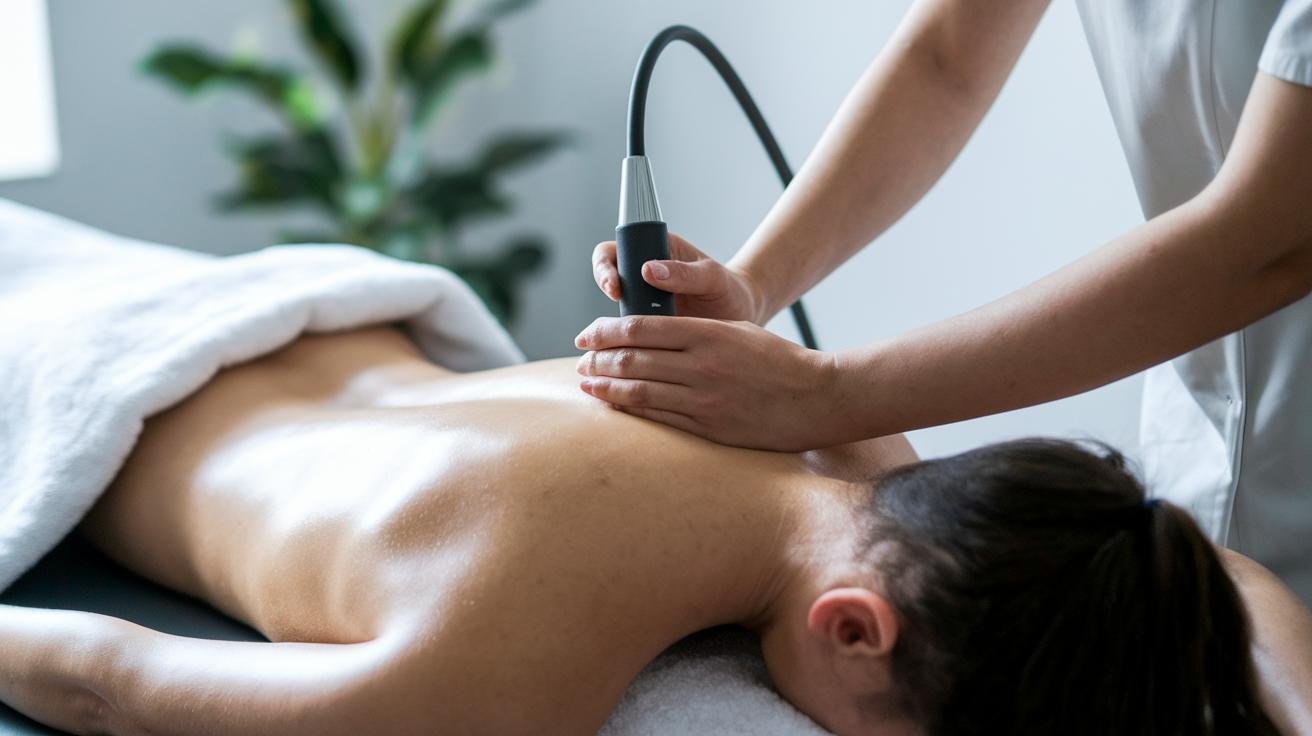
Liệu pháp massage sử dụng các động tác trực tiếp như nhào nặn mạnh, vuốt dài, nén và tác động tập trung vào các điểm kích thích để phá vỡ các dải mô cứng và làm giãn các cơ bị căng. Những động tác này thúc đẩy lưu lượng máu cục bộ, mang oxy và chất dinh dưỡng đến đồng thời giúp loại bỏ axit lactic và chất thải chuyển hóa. Các kỹ thuật dẫn lưu bạch huyết nhẹ nhàng giúp đưa lượng dịch dư thừa về các hạch bạch huyết, làm giảm sưng tấy và đẩy nhanh quá trình làm sạch. Áp lực và nhịp điệu ổn định cũng kích thích sản sinh endorphin và làm dịu hệ thần kinh, giúp giảm các tín hiệu đau và giúp cơ bắp thư giãn. Một buổi nhào nặn ngắn trước khi chạy bộ có thể mang lại cảm giác như một bình minh ấm áp đánh thức đôi bắp chân đang căng cứng của bạn.
Cơ chế trị liệu PEMF
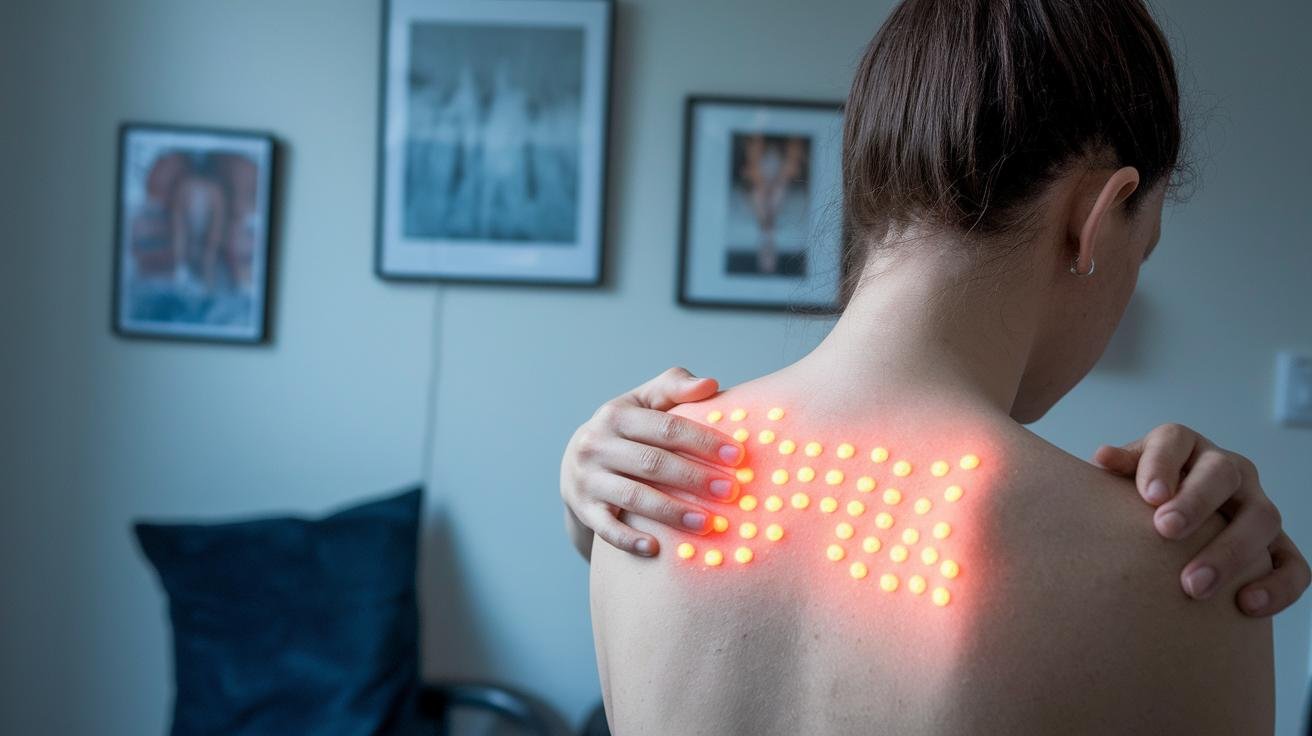
Liệu pháp PEMF (Liệu pháp trường điện từ xung) hoạt động từ bên trong ra ngoài bằng cách sử dụng các xung tần số thấp. Nó giúp màng tế bào cho phép các ion và chất dinh dưỡng đi qua dễ dàng hơn, nhờ đó chất thải được loại bỏ và năng lượng được đưa vào. Điều này có thể làm tăng sản xuất ATP (phân tử năng lượng tế bào), cung cấp cho tế bào nhiều năng lượng hơn để sửa chữa. PEMF cũng thúc đẩy oxit nitric, giúp làm giãn các mạch máu nhỏ và cải thiện vi tuần hoàn, làm dịu tín hiệu miễn dịch để giảm viêm và khuyến khích sản xuất collagen để tăng cường mô liên kết. Hãy coi nó như một sự thúc đẩy tinh tế từ bên trong, hỗ trợ quá trình sửa chữa sâu sắc và lâu dài hơn.
| Liệu pháp | Cơ chế | Lợi ích chính |
|---|---|---|
| Mát xa | Các kỹ thuật trị liệu bằng tay – xoa bóp, vuốt ve, tác động vào các điểm kích thích; dẫn lưu bạch huyết; tăng cường lưu lượng máu cục bộ; loại bỏ axit lactic; giải phóng endorphin và làm dịu hệ thần kinh. | Giảm căng thẳng tức thì, giảm sưng tấy, đào thải chất thải nhanh hơn, giảm đau nhanh và thư giãn cơ bắp. |
| PEMF | Trường xung tần số thấp; cải thiện tính thấm màng tế bào và trao đổi ion; tăng ATP (năng lượng tế bào); giãn mạch máu nhỏ nhờ oxit nitric; điều hòa tín hiệu miễn dịch; kích thích tổng hợp collagen | Tăng cường khả năng phục hồi tế bào, cải thiện vi tuần hoàn, giảm viêm mãn tính, giúp mô liên kết khỏe mạnh hơn theo thời gian. |
Khi có thể, hãy kết hợp cả hai phương pháp: massage để làm mềm các vùng da bị tổn thương trên bề mặt, và sử dụng PEMF để phục hồi tế bào sâu hơn và lâu dài hơn.
Lợi ích và hạn chế dựa trên bằng chứng của việc sử dụng massage so với PEMF trong phục hồi cơ bắp
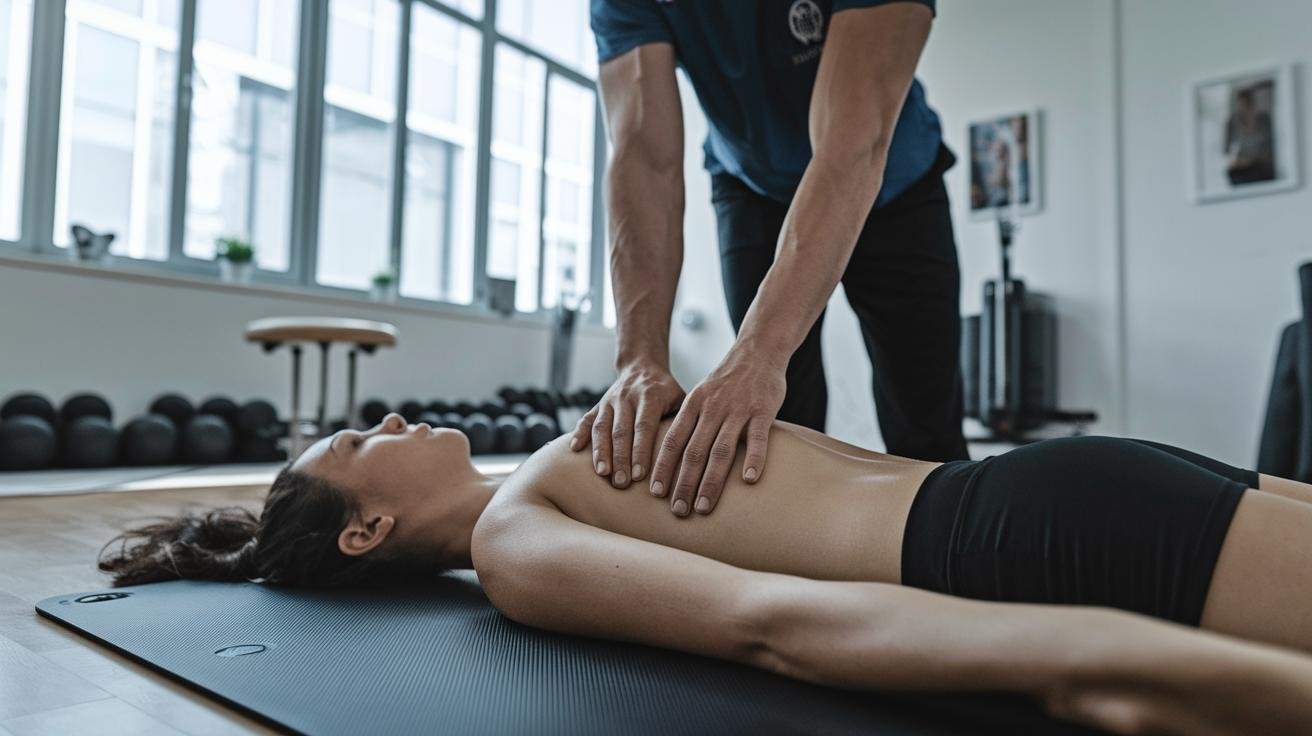
Massage trị liệu bằng tay mang lại hiệu quả nhanh chóng và rõ rệt. Các động tác xoa bóp nhẹ nhàng và tác động vào các điểm kích thích tạo cảm giác như áp lực ấm áp làm giãn các dải cơ bị căng cứng, giảm co thắt và tăng cường lưu lượng máu cục bộ, giúp cơ bắp của bạn cảm thấy thoải mái ngay lập tức. Các buổi trị liệu thể thao và massage mô sâu cũng giúp phá vỡ mô sẹo và loại bỏ axit lactic sau khi tập luyện cường độ cao. Liệu pháp này có thể khiến bạn hơi đau nhức hoặc bầm tím nhẹ, và bạn thường cần đến massage thường xuyên để duy trì hiệu quả.
Liệu pháp PEMF (Liệu pháp điện từ xung) hoạt động chậm hơn và sâu hơn. Các xung tần số thấp giống như một bình minh dịu nhẹ đánh thức các tế bào của bạn: chúng có thể giúp các tế bào tạo ra nhiều ATP hơn (năng lượng mà mỗi tế bào sử dụng), làm dịu các tín hiệu viêm và hỗ trợ hình thành collagen để sửa chữa gân và xương. Các thử nghiệm ngẫu nhiên, có đối chứng giả dược báo cáo sự giảm đáng kể các cơn đau cơ xương khớp mãn tính với rất ít tác dụng phụ được báo cáo. Tác dụng phụ rất hiếm, nhưng cài đặt thiết bị rất quan trọng, và những người có thiết bị điện tử cấy ghép hoặc một số bệnh lý cấp tính nhất định nên tránh PEMF.
Hãy kết hợp cả hai phương pháp để đạt hiệu quả tốt nhất. Massage mang lại sự thoải mái ngay trong ngày, cải thiện phạm vi chuyển động và làm dịu hệ thần kinh, trong khi PEMF hỗ trợ kiểm soát viêm, phục hồi mô và tăng cường khả năng phục hồi lâu dài trong nhiều tuần. Nhiều chuyên gia bắt đầu bằng một buổi massage để làm dịu các mô, sau đó bổ sung thêm các buổi trị liệu PEMF vài lần một tuần để tiếp tục phục hồi. Và đây là một mẹo hay: hãy thử massage sau khi tập luyện để giảm đau tức thì, sau đó sử dụng PEMF vào những ngày nghỉ ngơi để giúp quá trình phục hồi tiếp tục.
Việc bạn chọn phương pháp nào phụ thuộc vào mục tiêu của bạn: giảm đau nhanh chóng và phục hồi khả năng vận động, hay phục hồi mô sâu hơn và lâu dài. Cả hai đều có thể là một phần của kế hoạch phục hồi thông minh. Thư giãn. Hít thở sâu.
Các phác đồ điều trị bằng liệu pháp massage và liệu pháp PEMF trong phục hồi cơ bắp
Các quy trình trị liệu massage
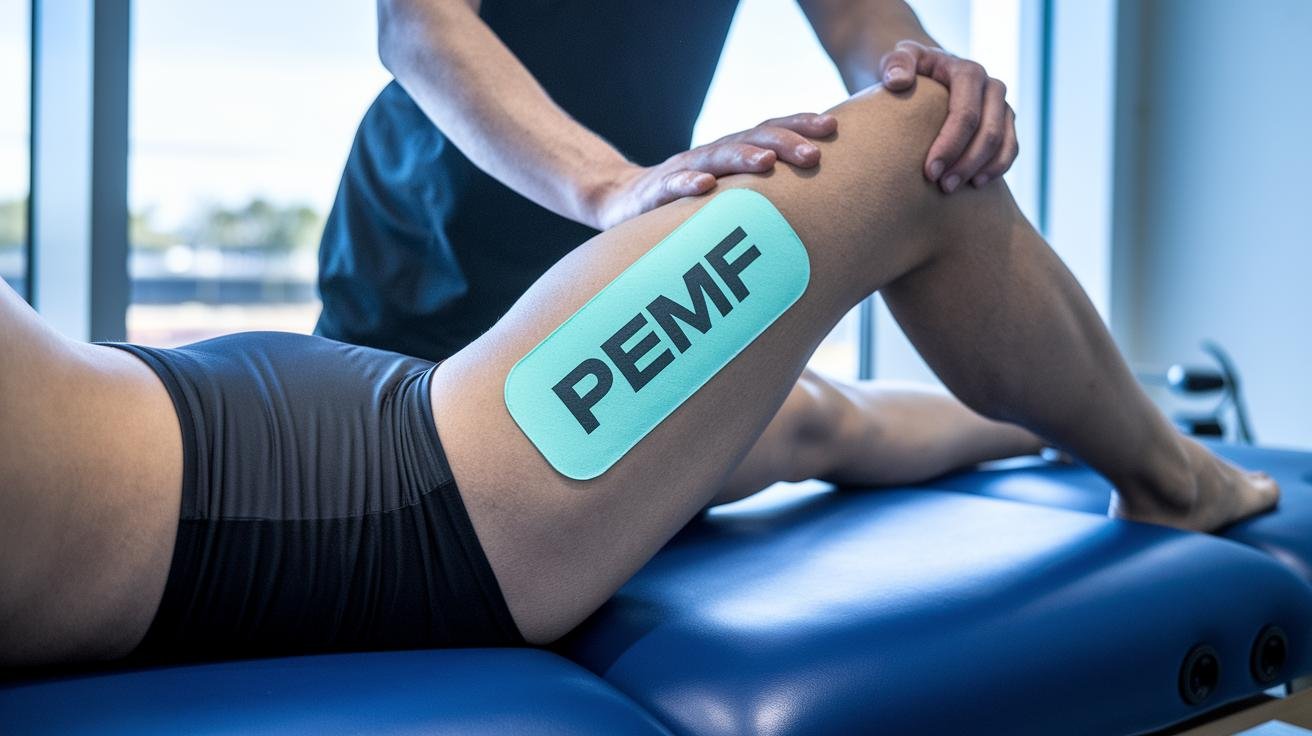
Hầu hết các buổi massage kéo dài từ 30 đến 90 phút. Đối với tình trạng đau nhức cơ đột ngột hoặc sau các sự kiện lớn, hãy lên kế hoạch thực hiện từ một đến ba buổi mỗi tuần cho đến khi bạn cảm thấy tốt hơn. Massage thể thao thường kết hợp các động tác kiểu Thụy Điển với kỹ thuật giải phóng cân màng cơ và bao gồm cả việc tập trung vào các điểm kích thích; trong quá trình tập luyện cường độ cao, bạn có thể thực hiện các buổi tập trung cách ngày.
Lực ấn có thể nhẹ nhàng và êm dịu hoặc mạnh mẽ và sâu. Hãy cho chuyên viên trị liệu biết khi nào bạn muốn giảm lực hoặc khi nào muốn lực ấn mạnh hơn. Sử dụng một loại dầu hoặc kem dưỡng da nhẹ để tay lướt nhẹ nhàng, hãy tưởng tượng cảm giác ấm áp, êm ái giúp làm giãn các sợi cơ bị căng cứng. Hãy lên kế hoạch massage phù hợp với thời gian tập luyện: một buổi massage nhẹ nhàng, ngắn trước khi hoạt động giúp làm ấm cơ bắp, trong khi massage sâu hơn từ 24 đến 48 giờ sau khi tập luyện cường độ cao giúp phá vỡ các mô liên kết và giảm đau nhức.
Tránh massage ở những vùng bị nhiễm trùng, viêm nhiễm hoặc khi chuyên viên trị liệu khuyên bạn nên tạm dừng. À, và một mẹo nhỏ: nếu có thể, hãy vận động nhẹ nhàng hoặc đi bộ ngắn sau buổi trị liệu để giúp lưu thông dịch cơ thể. Thư giãn. Hít thở sâu.
Các phác đồ trị liệu PEMF
Liệu pháp PEMF (Liệu pháp điện từ xung) sử dụng các xung điện từ ngắn để hỗ trợ phục hồi mô. Các buổi điều trị điển hình kéo dài từ 15 đến 30 phút. Thiết bị thường hoạt động trong dải tần từ 5 đến 50 Hz; đối với phục hồi cơ bắp, nhiều chuyên gia lâm sàng nhận thấy tần số lý tưởng nằm trong khoảng 10 đến 30 Hz, và 20 Hz là điểm khởi đầu phổ biến. Các phòng khám có thể khuyến nghị sử dụng hàng ngày hoặc cách ngày trong vòng 2 đến 6 tuần để giảm viêm và đẩy nhanh quá trình phục hồi.
Cường độ thường được đo bằng Gauss (đơn vị đo cường độ từ trường). Hãy bắt đầu với cường độ thấp, cảm nhận sự thoải mái và tăng dần cường độ trong khi theo dõi phản ứng của cơ thể. Các dạng xung khác nhau, như sóng vuông hoặc sóng sin, sẽ thay đổi cảm giác khi điều trị và phản ứng của các mô, vì vậy hãy thử các cài đặt sẵn của thiết bị trước khi tạo chương trình tùy chỉnh. Máy móc tại phòng khám thường chạy các phác đồ hướng dẫn; thiết bị tại nhà mang lại sự tiện lợi và phù hợp cho các buổi điều trị duy trì hai đến ba lần một tuần.
Lưu ý an toàn: Nếu bạn có thiết bị điện tử cấy ghép như máy tạo nhịp tim, hãy hỏi ý kiến bác sĩ trước khi thử liệu pháp PEMF. Kết hợp massage trực tiếp với PEMF có thể mang lại hiệu quả tốt: massage giúp thư giãn các điểm căng trên bề mặt da, và PEMF giúp các tế bào tiếp tục thực hiện quá trình sửa chữa, giống như ánh nắng ấm áp đánh thức các tế bào của bạn. Hãy thử cả hai và xem phương pháp nào phù hợp nhất với quá trình phục hồi của bạn.
Cân nhắc về chi phí và trang thiết bị giữa liệu pháp massage và liệu pháp PEMF.
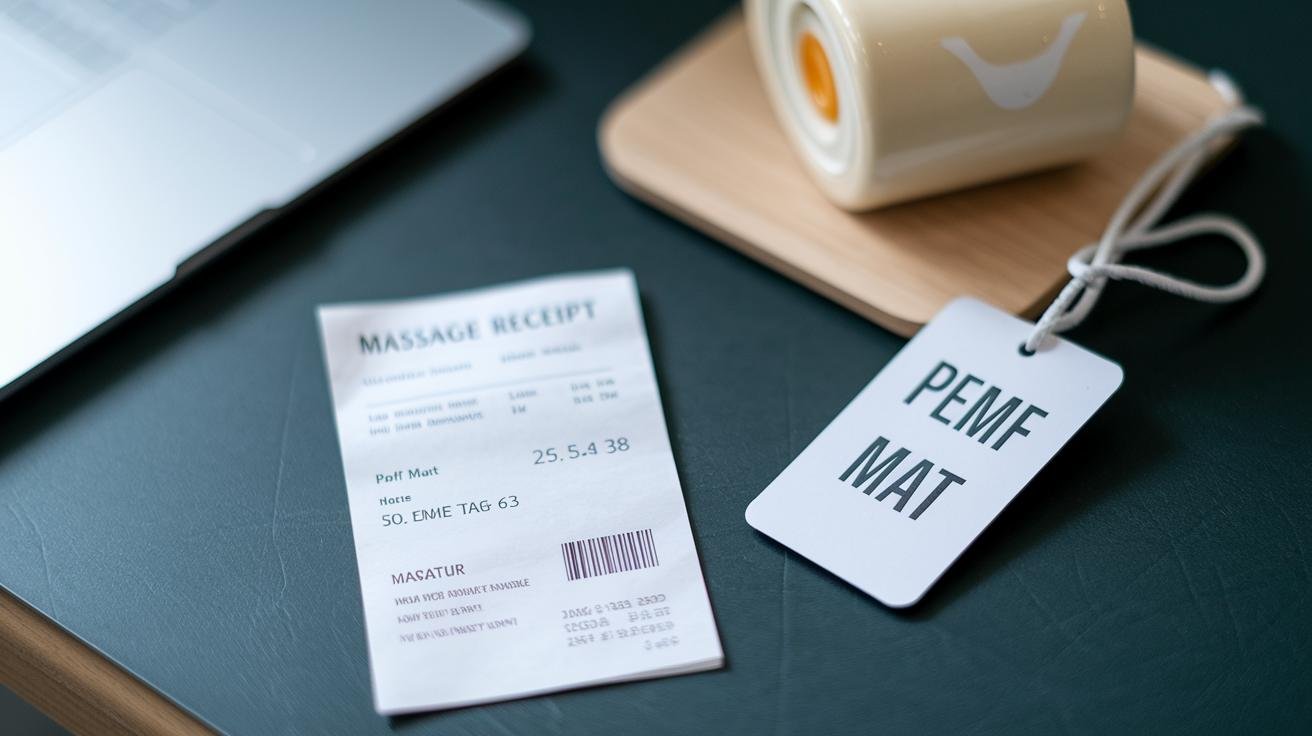
Việc chăm sóc trực tiếp có thể khiến bạn cảm thấy tốn kém ngay lập tức. Các buổi massage thường có giá từ 1.460 đến 1.412 đô la một giờ, và bạn cần đặt lịch với một chuyên viên trị liệu có giấy phép, lái xe đến phòng khám và dành thời gian cho việc đó. Nếu bạn massage hàng tuần để giảm đau nhức dai dẳng, chi phí cho những lần massage đó sẽ nhanh chóng tăng lên.
Liệu pháp PEMF (Liệu pháp điện từ xung) tại các phòng khám thường có giá từ 1.400 đến 1.400 đô la mỗi lần điều trị, và thời gian điều trị thường ngắn hơn. Một tấm thảm hoặc thiết bị PEMF tại nhà có giá khoảng 1.500 đến 1.400 đô la và có thể sử dụng được từ 3 đến 5 năm. Nếu chia đều chi phí cho nhiều lần tự điều trị, khoản đầu tư ban đầu đó có thể giúp giảm chi phí mỗi lần điều trị về lâu dài.
Thiết bị mới thay đổi cả cách tính toán và cảm nhận. Thiết bị PEMF tại nhà mang lại sự tiện lợi và giảm số lần ra ngoài, giống như có một nguồn năng lượng nhẹ nhàng luôn sẵn sàng khi bạn cần. Nhưng hãy kiểm tra tính di động, bảo hành, tính năng an toàn của cảm biến và chứng nhận thiết bị trước khi mua. Và đừng quên tìm hướng dẫn sử dụng rõ ràng để bạn không phải tự mò mẫm trong quá trình điều trị.
Các phòng khám mang lại những lợi ích khác biệt. Họ cung cấp các chuyên viên được đào tạo bài bản và các quy trình được thiết lập sẵn, vì vậy bạn không cần phải học hỏi nhiều. Thêm vào đó, nếu bạn thích sự tiếp xúc trực tiếp của con người, massage mang lại phản hồi thực tế mà thiết bị không thể sánh được. Khoan đã, để tôi làm rõ hơn: một số người thích sự ấm áp từ bàn tay của chuyên viên trị liệu để giảm căng thẳng, trong khi những người khác lại thích sự ổn định của thiết bị.
Vậy làm sao để lựa chọn? Hãy nghĩ xem bạn cần chăm sóc bao nhiêu lần, bạn có muốn sự chăm sóc trực tiếp từ người khác hay không, và liệu bạn có đủ khả năng chi trả cho một thiết bị ban đầu hay không. Tiếp theo, hãy cân nhắc giữa sự tiện lợi và chi phí duy trì. Trên thực tế, thói quen của bạn và những gì cảm thấy tốt nhất cho cơ thể thường sẽ giúp bạn tìm ra lựa chọn phù hợp.
🎁 Nhận quà tặng chăm sóc sức khỏe miễn phí
Hãy nhập tên và email của bạn bên dưới để nhận quà tặng chăm sóc sức khỏe đặc biệt từ OlyLife — hoàn toàn miễn phí!
Hồ sơ an toàn và chống chỉ định của liệu pháp massage so với liệu pháp PEMF
An toàn và chống chỉ định trong liệu pháp mát-xa
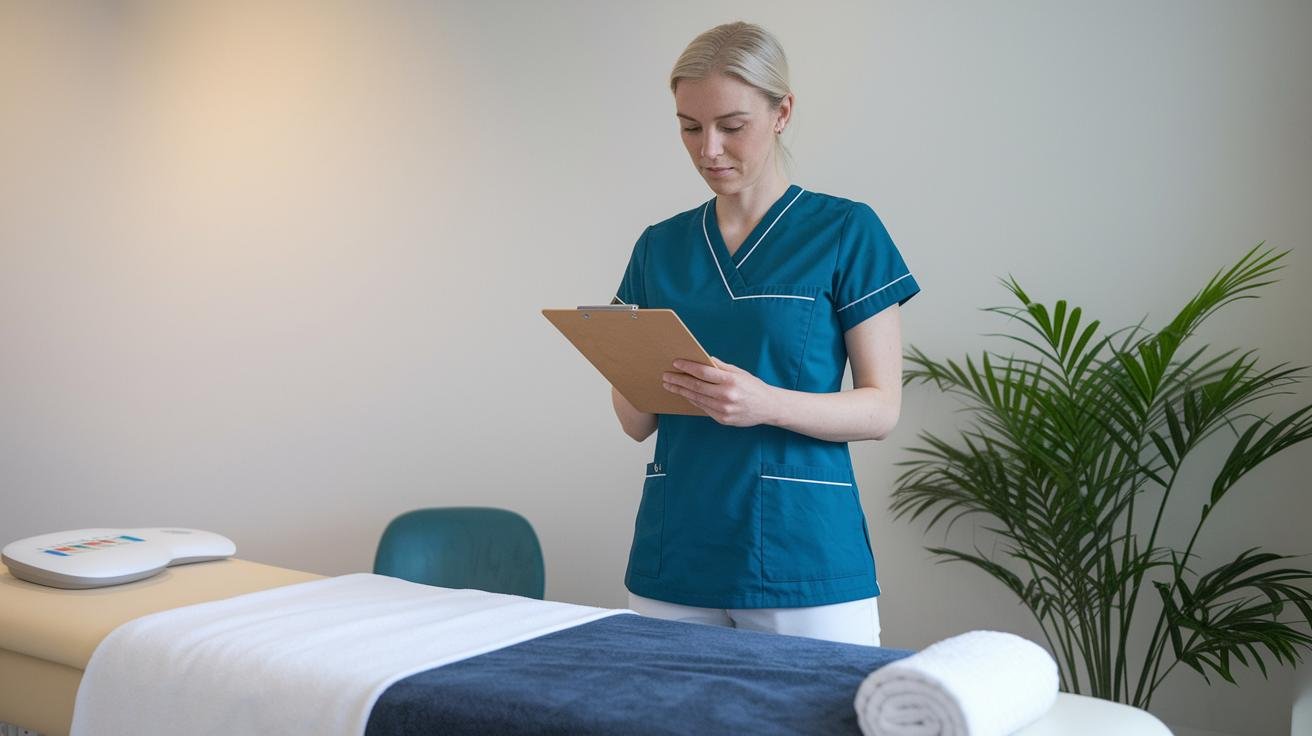
Những lý do thường gặp để trì hoãn hoặc thay đổi lịch massage bao gồm nhiễm trùng, vết thương hở, nguy cơ cao bị đông máu (huyết khối), loãng xương nặng, sốt và huyết áp cao không kiểm soát được. Trước khi thực hiện liệu pháp massage, chuyên viên trị liệu nên hỏi sơ qua về tiền sử bệnh và sàng lọc các nguy cơ này để có thể giảm áp lực, thay đổi kỹ thuật hoặc đề nghị hoãn buổi trị liệu.
Hãy tìm một chuyên viên massage được cấp phép hoặc người được chứng nhận về massage y tế, người am hiểu về giải phẫu học và có thể điều chỉnh độ sâu của các động tác một cách an toàn. Họ nên dừng lại nếu bạn cảm thấy đau nhói, đau nhức bất thường hoặc chóng mặt. Cảm giác đau nhức nhẹ, ngắn hạn sau khi massage sâu là bình thường, giống như cơn đau nhức sau một buổi tập luyện vất vả, nhưng nếu đau dai dẳng hoặc đau nhói thì bạn nên dừng lại và tham khảo ý kiến bác sĩ.
Tính an toàn và chống chỉ định của liệu pháp PEMF
Liệu pháp điện từ xung (PEMF) nhìn chung an toàn khi sử dụng đúng cách, nhưng nó có những hạn chế rõ ràng. Không sử dụng PEMF nếu bạn có các thiết bị điện tử cấy ghép như máy tạo nhịp tim hoặc máy khử rung tim, nếu bạn đang mang thai, đặc biệt là trong ba tháng đầu, nếu bạn đang bị chảy máu hoặc nếu bạn mắc một số chứng rối loạn co giật có thể bị ảnh hưởng.
Tác dụng phụ hiếm gặp, nhưng một số người có thể nhận thấy cảm giác tê nhẹ, mệt mỏi thoáng qua hoặc cảm giác ấm nhẹ, như một làn gió nhẹ trên da. Các thiết bị có cảm biến tích hợp và chức năng tự động tắt giúp ngăn ngừa tiếp xúc quá mức, và các nhà sản xuất uy tín tuân thủ các tiêu chuẩn an toàn, vì vậy hãy kiểm tra tài liệu của người bán. Tại nhà, hãy đọc hướng dẫn sử dụng, bắt đầu với cường độ thấp, giữ thời gian sử dụng trong khoảng thời gian khuyến nghị, tránh đặt thiết bị gần các thiết bị cấy ghép điện tử và hỏi ý kiến bác sĩ nếu bạn không chắc chắn.
Nghiên cứu điển hình: Trải nghiệm của vận động viên với liệu pháp massage và PEMF trong phục hồi cơ bắp
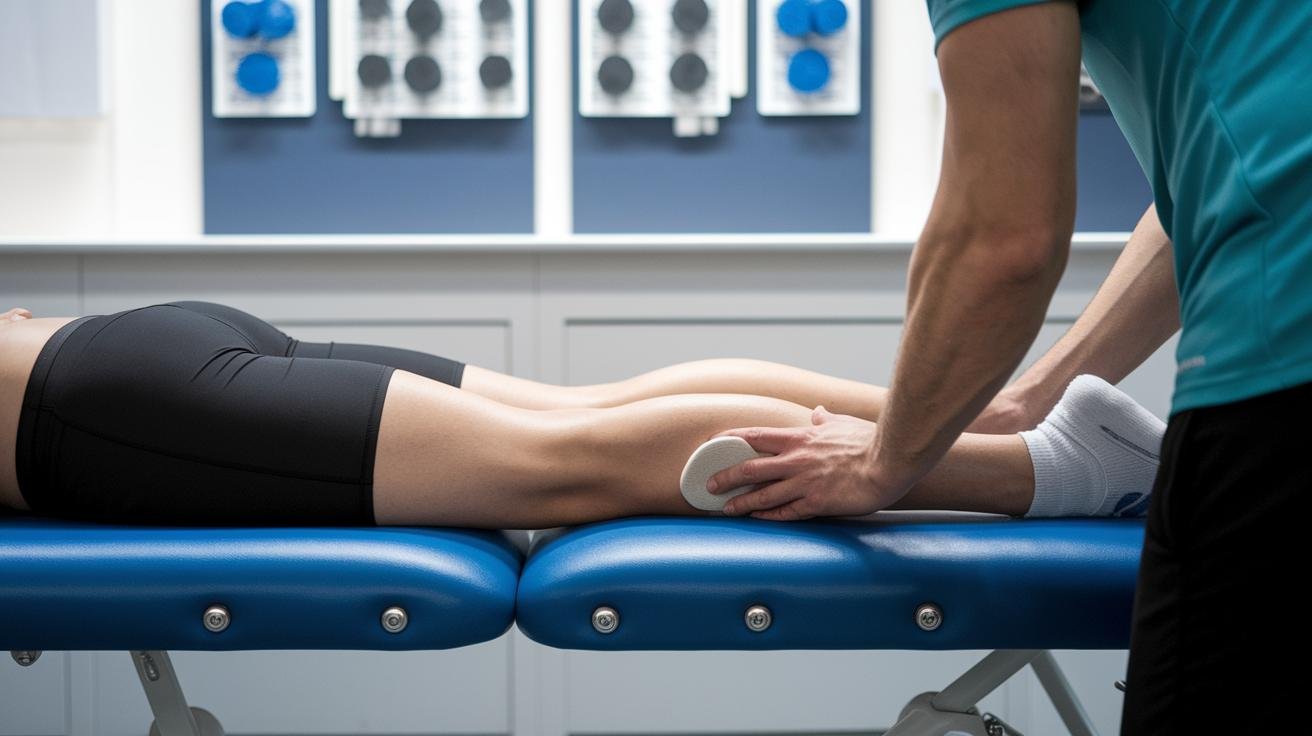
Những nghiên cứu trường hợp ngắn này xem xét cách massage trực tiếp và liệu pháp PEMF (Liệu pháp trường điện từ xung) phối hợp với nhau để đẩy nhanh quá trình phục hồi cơ bắp. Chúng tập trung vào kết quả thực tế của các vận động viên và những cảm giác đơn giản mà bạn có thể hình dung được: bàn tay ấm áp, tiếng rung nhẹ, giảm đau nhức. Sẵn sàng chưa?
Trong một nghiên cứu về vận động viên chạy bộ, những người được massage thể thao trước cuộc đua kết hợp với liệu pháp PEMF sau cuộc đua cảm thấy giảm đau nhức khoảng 60% trong vòng 48 giờ so với nhóm đối chứng. Các vận động viên mô tả massage là ấm áp và tác động trực tiếp, giúp làm giãn các cơ bị căng cứng ngay lập tức. Liệu pháp PEMF tạo cảm giác như một tiếng vo ve nhẹ nhàng giúp cơn đau nhức giảm dần vào ngày hôm sau. Rất hữu ích cho những khoảng thời gian nghỉ ngắn giữa các cuộc đua. Cần phục hồi nhanh chóng? Sự kết hợp này có vẻ rất thiết thực.
Một thử nghiệm về luyện tập sức mạnh đã xem xét những người tham gia sau các buổi tập nặng gây ra DOMS (đau nhức cơ chậm khởi phát). Các vận động viên sử dụng PEMF thường xuyên phục hồi về trạng thái ban đầu nhanh hơn khoảng 301 giây/3 ngày so với những người chỉ được massage. Hãy hình dung PEMF như một cú hích nhỏ bên trong hoặc một lần sạc pin nhỏ giúp cơ bắp nhanh chóng nạp lại năng lượng. Tác dụng của nó rất tinh tế, nhưng nó thể hiện rõ rệt trong hiệu suất tập luyện.
Một nghiên cứu lâm sàng về massage với các vận động viên quần vợt cho thấy các buổi trị liệu massage mô sâu đã cải thiện phạm vi chuyển động khoảng 25% trong hai tuần, giúp cải thiện khả năng di chuyển và tầm với trên sân. Ngoài ra, liệu pháp PEMF được thực hiện hàng ngày ở tần số 20 Hz trong bốn tuần đã làm giảm các chỉ số viêm ở các vận động viên khoảng 35%, một dấu hiệu có thể đo lường được của quá trình hồi phục. Kết hợp lại, liệu pháp massage giúp cải thiện chuyển động nhanh chóng, trong khi PEMF dường như giúp kiểm soát viêm và phục hồi mô lâu dài hơn. Và đây là một mẹo hay: sử dụng massage để cảm thấy dễ chịu ngay lập tức và sử dụng PEMF để hỗ trợ phục hồi trong nhiều ngày và nhiều tuần.
Tóm lại: massage mang lại hiệu quả nhanh chóng, tác động trực quan; PEMF hoạt động êm dịu hơn ở cấp độ tế bào để đẩy nhanh quá trình phục hồi. Hãy sử dụng cả hai phương pháp cùng lúc cho những sự kiện cần thời gian phục hồi ngắn hoặc những giai đoạn tập luyện cường độ cao, khi bạn cần cơ thể hồi phục nhanh hơn. Hãy thử và quan sát phản ứng của cơ bắp chính bạn.
Liệu pháp massage phục hồi cơ bắp so với liệu pháp PEMF
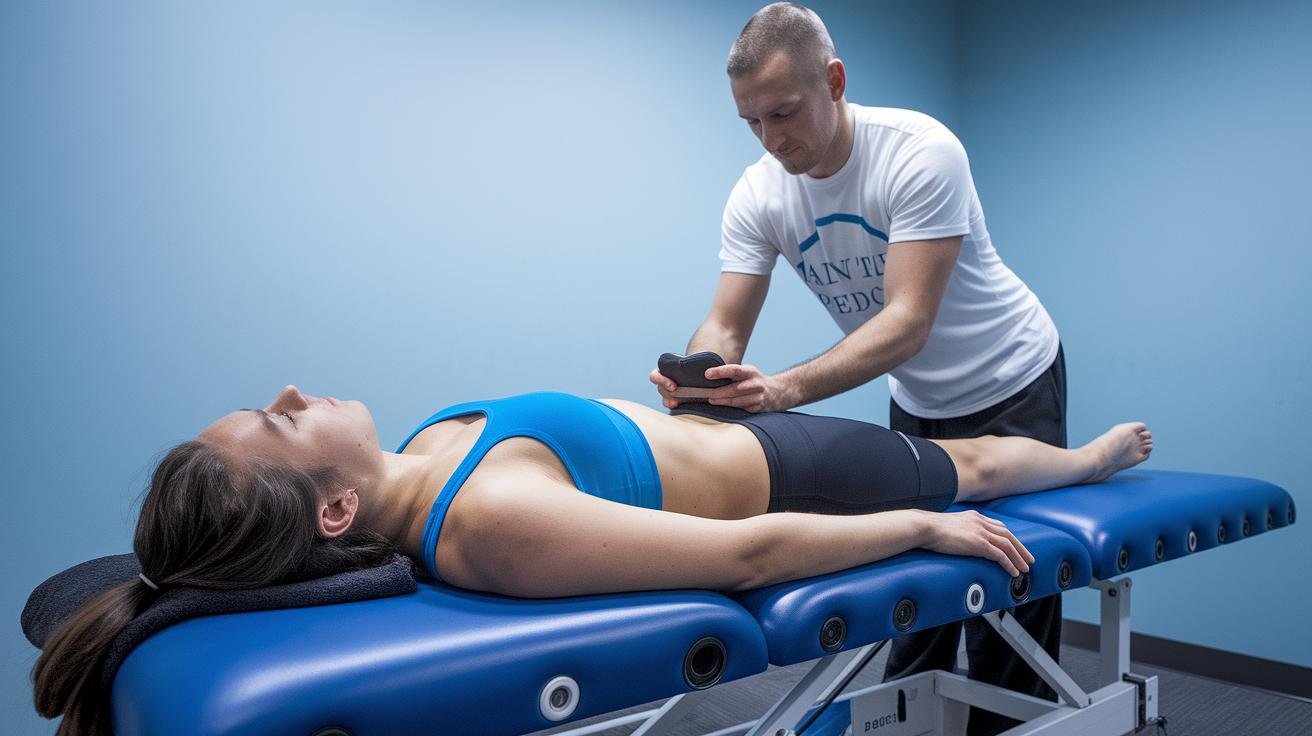
Massage mang lại hiệu quả nhanh chóng và thư giãn tuyệt vời. Những bàn tay chắc chắn, khéo léo sẽ tìm ra các điểm căng cơ, làm dịu các cơn co thắt và xoa dịu hệ thần kinh của bạn chỉ trong một lần điều trị. Bạn sẽ cảm nhận được áp lực, sự giải tỏa, và tiếng thở phào nhẹ nhõm ngay lập tức.
Liệu pháp PEMF (Liệu pháp điện từ xung) hoạt động nhẹ nhàng hơn, ở cấp độ tế bào. Hãy tưởng tượng nó như một luồng năng lượng dịu nhẹ giúp các tế bào tạo ra nhiều nhiên liệu cần thiết hơn và hỗ trợ quá trình phục hồi mô lâu dài. Nó không phải là tác động xoa bóp tức thì mà là giúp cơ thể bạn tái tạo dần dần trong nhiều ngày hoặc nhiều tuần.
Chi phí và cách tiếp cận khác nhau. Massage được tính phí theo từng buổi, vì vậy chi phí sẽ tăng lên nếu bạn đi thường xuyên. Liệu pháp PEMF thường yêu cầu mua thiết bị ngay từ đầu, điều này có vẻ tốn kém, nhưng chi phí mỗi lần sử dụng sẽ giảm dần theo thời gian. Massage cần có chuyên viên trị liệu và lịch hẹn; thiết bị PEMF cho phép bạn sử dụng tại nhà, mặc dù cần một chút thời gian để làm quen với công nghệ.
Bạn nên chọn phương pháp nào? Nếu bạn muốn giảm đau nhanh chóng sau khi tập luyện hoặc một ngày căng thẳng, hãy đặt lịch massage. Nếu bạn hướng đến sự phục hồi ổn định, cải thiện chức năng tế bào hoặc giảm số lần tái khám, liệu pháp PEMF có thể đáng để đầu tư. Và nhiều người sử dụng cả hai: massage để giảm đau tức thì, PEMF để phục hồi từ từ. Xem các phần Cơ chế, Quy trình, Chi phí và Bằng chứng để biết thêm chi tiết.
Lời kết
Trong phần thực hành, chúng tôi đã so sánh massage và PEMF, cách thức hoạt động, kế hoạch điều trị, chi phí, độ an toàn và kết quả đạt được đối với vận động viên.
Massage mang lại hiệu quả tức thì; PEMF tác động sâu hơn, giúp tế bào phục hồi theo thời gian. Chúng tôi đã xem xét các phác đồ, bằng chứng và các trường hợp thực tế, sau đó cân nhắc ưu điểm và nhược điểm.
Nếu bạn đang phân vân giữa liệu pháp massage để phục hồi cơ bắp và liệu pháp PEMF, hãy nghĩ xem bạn muốn giảm căng thẳng nhanh chóng hay phục hồi sâu hơn, lâu dài hơn, cũng như liệu pháp nào phù hợp với lịch trình và ngân sách của bạn. Dù bằng cách nào, những bước nhỏ cũng có thể giúp giảm căng thẳng, làm dịu các cơ bắp đau nhức và giúp bạn ngủ ngon hơn.
Câu hỏi thường gặp
Câu hỏi thường gặp
Massage PEMF là gì?
Liệu pháp massage PEMF sử dụng trường điện từ xung (PEMF) để tạo ra các xung điện từ tần số thấp xuyên qua mô, giúp đẩy nhanh quá trình phục hồi tế bào, giảm viêm và tác động sâu hơn vào các lớp cơ so với chỉ dùng tay.
Máy PEMF là gì?
Máy PEMF là một thiết bị—bao gồm thảm, vòng hoặc đầu bôi—phát ra các trường điện từ xung ở tần số và cường độ đã được thiết lập trong các phiên điều trị từ 15 đến 30 phút, có sẵn dưới dạng thiết bị dùng trong phòng khám hoặc hệ thống dùng tại nhà với giá từ 1.450 đến 3.000 bảng Anh.
Liệu PEMF có giúp phục hồi cơ bắp không?
PEMF giúp phục hồi cơ bắp bằng cách tăng cường tính thấm của màng tế bào, tăng sản xuất ATP (năng lượng tế bào) lên đến 500%, làm dịu viêm và đẩy nhanh quá trình sửa chữa mô, với các thử nghiệm lâm sàng cho thấy lợi ích trong việc giảm đau và chữa lành.
Loại massage nào tốt nhất cho việc phục hồi cơ bắp?
Massage mô sâu và massage thể thao là phương pháp tốt nhất để phục hồi cơ bắp vì chúng giúp phá vỡ mô sẹo, làm dịu các điểm căng cứng, cải thiện phạm vi chuyển động và tăng tốc độ loại bỏ axit lactic sau khi tập luyện.
Khi nào thì không nên sử dụng PEMF?
Bạn không nên sử dụng PEMF nếu bạn có các thiết bị điện tử cấy ghép (như máy tạo nhịp tim), đang trong ba tháng đầu thai kỳ, đang bị chảy máu hoặc bị động kinh mà chưa được bác sĩ cho phép.