10 loại thực phẩm lên men tốt nhất cho sức khỏe đường ruột (và cách ăn nhiều hơn)
Hệ tiêu hóa của bạn là nơi cư trú của hàng nghìn tỷ vi sinh vật ảnh hưởng đến mọi thứ, từ tiêu hóa đến miễn dịch và tâm trạng. Một trong những cách đơn giản nhất để hỗ trợ hệ sinh thái tuyệt vời này? Ăn nhiều thực phẩm lên men để tốt cho sức khỏe đường ruột.
Thực phẩm lên men đã là nền tảng của chế độ ăn truyền thống trên toàn thế giới trong hàng nghìn năm — từ kim chi Hàn Quốc đến dưa cải bắp Đức đến miso Nhật Bản. Nghiên cứu hiện đại đang dần bắt kịp, xác nhận những gì các nền văn hóa này đã biết từ lâu: thực phẩm lên men có thể đóng vai trò quan trọng trong việc hỗ trợ sức khỏe tiêu hóa và sức khỏe tổng thể.
Trong hướng dẫn này, bạn sẽ khám phá 10 loại thực phẩm lên men tốt nhất nên bổ sung vào chế độ ăn uống của mình, tìm hiểu lý do tại sao mỗi loại lại quan trọng đối với hệ tiêu hóa và nhận được những lời khuyên thiết thực để ăn nhiều chúng hơn mỗi ngày.
Những điểm chính cần ghi nhớ
- Thực phẩm lên men cung cấp các lợi khuẩn có lợi, có thể hỗ trợ sự đa dạng hệ vi sinh vật đường ruột và sức khỏe tiêu hóa.
- Sữa chua, kefir và kim chi là những thực phẩm giàu probiotic được nghiên cứu nhiều nhất hiện nay.
- Hãy tìm dòng chữ “chứa vi khuẩn sống và hoạt tính” trên nhãn sản phẩm — các sản phẩm tiệt trùng sẽ mất đi lợi ích của probiotic.
- Hãy bắt đầu với một khẩu phần mỗi ngày và tăng dần lượng để tránh khó chịu về tiêu hóa.
- Sự đa dạng của các loại thực phẩm lên men cung cấp nhiều loại vi khuẩn có lợi hơn.
Thực phẩm lên men là gì?
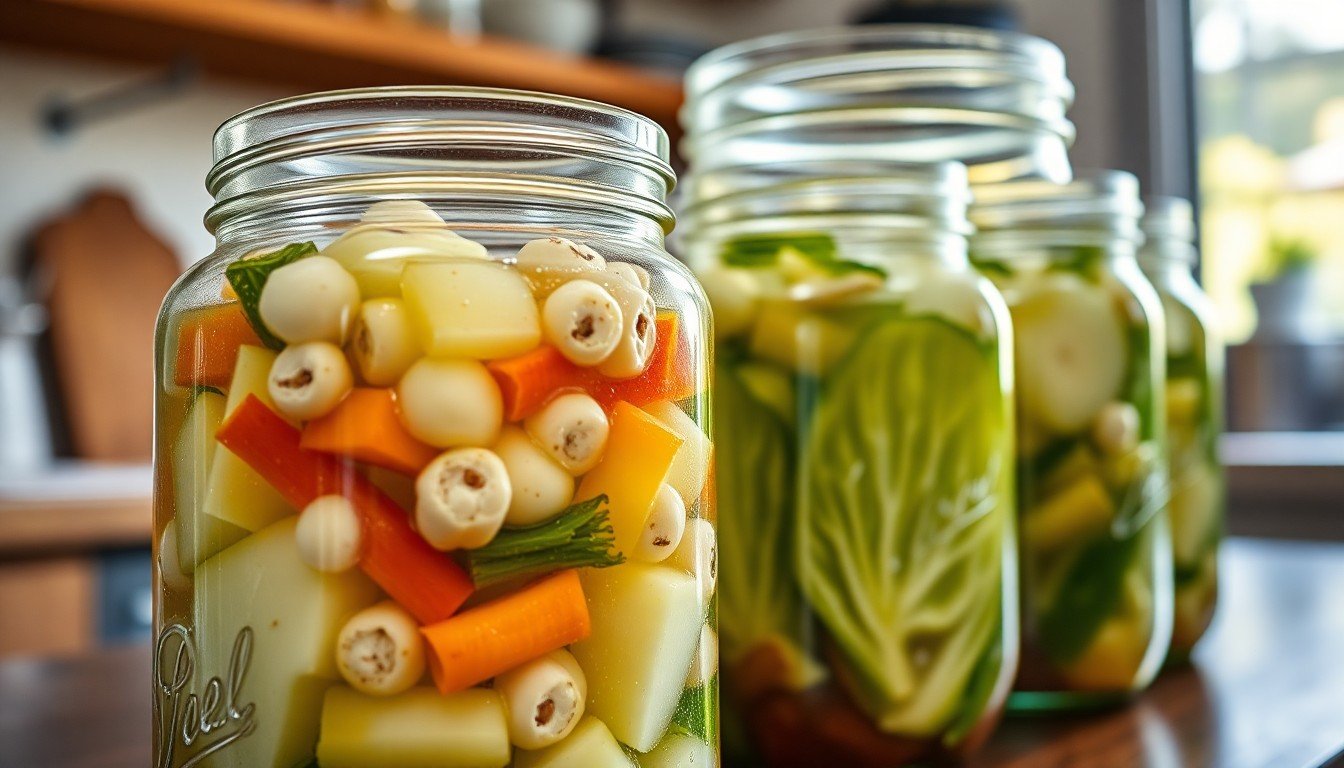
Thực phẩm lên men là những thực phẩm được biến đổi nhờ hoạt động trao đổi chất của vi sinh vật — chủ yếu là vi khuẩn và nấm men. Trong quá trình lên men, các vi sinh vật này phân giải đường và tinh bột, tạo ra các hợp chất có lợi như axit lactic, enzyme, vitamin nhóm B và probiotic.
Quá trình này đã được sử dụng hàng thế kỷ như một phương pháp bảo quản thực phẩm tự nhiên. Trước khi có tủ lạnh, quá trình lên men là cách con người giữ cho rau củ, sữa và đồ uống không bị hư hỏng. Một tác dụng phụ tích cực là gì? Những thực phẩm được bảo quản này hóa ra lại vô cùng bổ dưỡng.
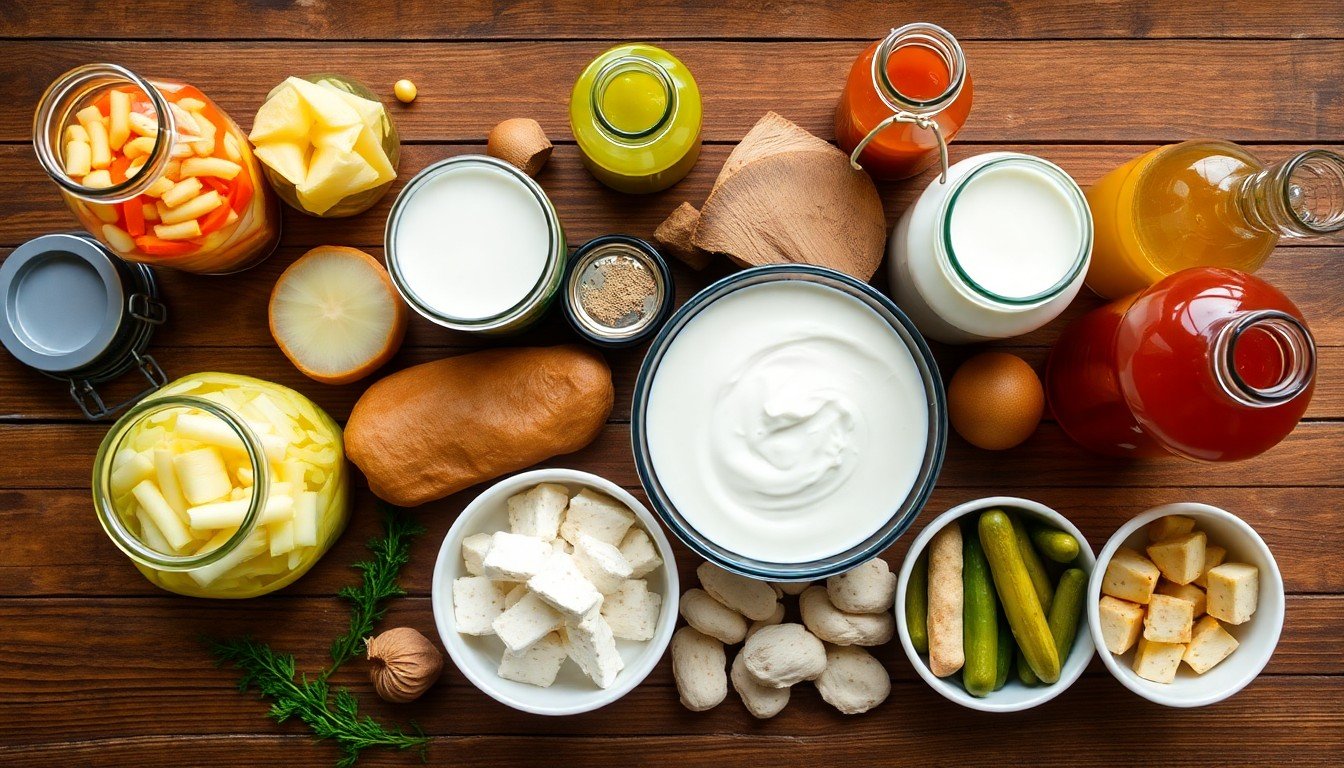
Một số ví dụ phổ biến bao gồm sữa chua, dưa cải bắp muối, kim chi, kombucha, miso và kefir. Mỗi loại trải qua quá trình lên men hơi khác nhau, nhưng tất cả đều có một đặc điểm quan trọng: chúng chứa các vi sinh vật sống có thể có lợi cho hệ tiêu hóa khi được tiêu thụ thường xuyên.
Vì sao thực phẩm lên men hỗ trợ sức khỏe đường ruột

Hệ vi sinh vật đường ruột của bạn — cộng đồng vi khuẩn, nấm và các vi sinh vật khác sống trong đường tiêu hóa — đóng vai trò trung tâm đối với sức khỏe của bạn. Nghiên cứu được công bố trên Tế bào Nghiên cứu cho thấy chế độ ăn giàu thực phẩm lên men làm tăng sự đa dạng hệ vi sinh vật và giảm các dấu hiệu viêm nhiễm ở người tham gia trong khoảng thời gian 10 tuần.
Thực phẩm lên men hỗ trợ sức khỏe đường ruột theo một số cách quan trọng:
- Giới thiệu vi khuẩn có lợi — Các chủng lợi khuẩn như Lactobacillus và Bifidobacterium có thể giúp duy trì sự cân bằng hệ vi khuẩn đường ruột khỏe mạnh.
- Cải thiện khả năng hấp thụ chất dinh dưỡng — Quá trình lên men phân hủy các chất kháng dinh dưỡng như axit phytic, giúp khoáng chất dễ hấp thụ hơn.
- Hỗ trợ sự kết nối giữa ruột và não. — Hệ vi sinh vật đường ruột khỏe mạnh có liên quan đến khả năng điều chỉnh tâm trạng tốt hơn và giảm phản ứng căng thẳng. Tìm hiểu thêm về mối liên hệ này trong hướng dẫn của chúng tôi về Dinh dưỡng và giấc ngủ cho sức khỏe toàn diện
- Tăng cường hàng rào bảo vệ đường ruột — Các axit béo chuỗi ngắn được tạo ra trong quá trình lên men có thể giúp duy trì tính toàn vẹn của niêm mạc ruột.
Điều đáng lưu ý là lợi khuẩn (có trong thực phẩm lên men) hoạt động hiệu quả nhất khi kết hợp với prebiotic – những thực phẩm giàu chất xơ giúp nuôi dưỡng các vi khuẩn có lợi hiện có trong cơ thể. Cả hai cùng nhau tạo ra hiệu ứng cộng sinh, có thể tối ưu hóa sức khỏe hệ tiêu hóa của bạn.
1. Sữa chua — món ăn lên men dễ làm quen

Sữa chua có lẽ là thực phẩm lên men được tiêu thụ rộng rãi nhất trên thế giới — và điều này hoàn toàn có lý. Được làm bằng cách lên men sữa với vi khuẩn Lactobacillus bulgaricus và Streptococcus thermophilus, sữa chua là một nguồn cung cấp probiotic, protein và canxi tiện lợi và ngon miệng.
Khi mua sữa chua, hãy tìm nhãn ghi “vi khuẩn sống và hoạt động” trên bao bì. Điều này đảm bảo các vi khuẩn có lợi đã sống sót qua quá trình sản xuất. Loại sữa chua nguyên chất, không đường là tốt nhất, vì sữa chua có hương vị thường chứa thêm đường có thể gây hại cho sức khỏe đường ruột.
Cách ăn nhiều sữa chua hơn: Bạn có thể dùng sữa chua Hy Lạp làm nền cho sinh tố, trộn với trái cây tươi và các loại hạt cho bữa sáng, hoặc thay thế kem chua trong các công thức nấu ăn. Sữa chua Hy Lạp cung cấp thêm protein, trong khi sữa chua truyền thống thường loãng hơn và có vị chua hơn.
2. Kefir — người anh em họ giàu probiotic của sữa chua

Nếu sữa chua là bước khởi đầu, thì kefir là bước nâng tầm tiếp theo. Loại sữa lên men có vị chua nhẹ, dễ uống này chứa tới 61 chủng vi khuẩn và nấm men khác nhau — đa dạng hơn nhiều so với sữa chua thông thường. Kefir được làm từ hạt kefir, là những quần thể cộng sinh của vi khuẩn và nấm men trông giống như những bông súp lơ nhỏ.
Điều làm cho kefir trở nên đặc biệt là hệ vi sinh vật đa dạng của nó. Trong khi sữa chua chủ yếu chứa các vi khuẩn tạm thời đi qua hệ tiêu hóa, kefir lại chứa các chủng vi khuẩn có thể thực sự cư trú và phát triển trong ruột. Nghiên cứu cho thấy kefir có thể hỗ trợ tiêu hóa lactose, giúp một số người bị nhạy cảm nhẹ với lactose dễ dung nạp hơn.
Cách ăn nhiều kefir hơn: Bạn có thể uống trực tiếp, xay cùng sinh tố, rưới lên granola hoặc dùng thay thế sữa bơ trong làm bánh. Đối với những người tránh dùng sản phẩm từ sữa, kefir nước và kefir sữa dừa là những lựa chọn thay thế tuyệt vời, vẫn mang lại lợi ích probiotic.
3. Dưa cải bắp muối chua — không chỉ là món ăn kèm xúc xích.

Dưa cải bắp muối chua (tiếng Đức nghĩa là “bắp cải chua”) là một trong những món ăn lên men lâu đời và truyền thống nhất trong ẩm thực phương Tây. Được làm đơn giản từ bắp cải và muối, món ăn bình dị này trải qua quá trình lên men lactic tự nhiên tạo ra một loại gia vị giòn, có vị chua nhẹ, giàu lợi khuẩn, chất xơ và vitamin C và K.
Đây là điểm khác biệt then chốt: dưa cải bắp sống, chưa tiệt trùng Đó mới là thứ bạn cần. Những lọ dưa cải bắp muối chua để ở nhiệt độ phòng trong quầy gia vị đã được tiệt trùng, điều này tiêu diệt các vi khuẩn có lợi. Hãy tìm dưa cải bắp muối chua ở khu vực bảo quản lạnh trong siêu thị, hoặc tốt hơn hết, hãy tự làm ở nhà — chỉ cần bắp cải, muối và một cái lọ thủy tinh là đủ.
Làm thế nào để ăn nhiều dưa cải bắp hơn: Thêm vào salad, phết lên bánh mì sandwich, dùng kèm với các món thịt nướng, hoặc ăn trực tiếp từ hũ như một thói quen chăm sóc sức khỏe đường ruột hàng ngày. Bắt đầu với một thìa canh và tăng dần lượng dùng.

Sản phẩm nổi bật
Bình nước OlyLife H+
Nước giàu hydro phân tử có thể hỗ trợ sức khỏe đường ruột và giảm stress oxy hóa. Kết hợp chế độ ăn uống lên men của bạn với việc bổ sung nước giàu hydro để có được sức khỏe tiêu hóa toàn diện.
4. Kimchi — món ăn cay nồng tốt cho sức khỏe đường ruột
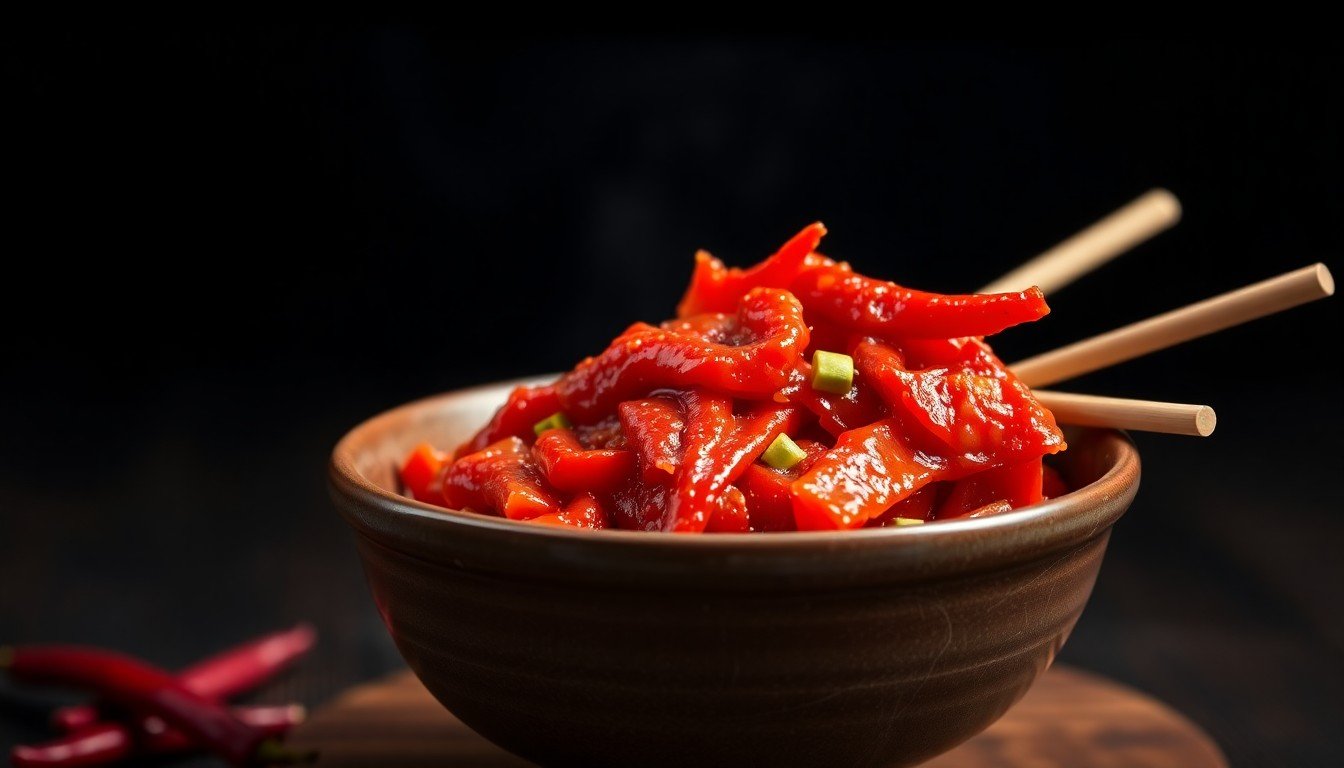
Kimchi là món ăn quốc dân của Hàn Quốc — một món ăn chay lên men cay nồng, đậm đà hương vị, đã là món ăn chính trong chế độ ăn uống của người dân nước này hơn 2.000 năm. Kimchi truyền thống được làm từ bắp cải Napa, củ cải, tỏi, gừng và gochugaru (ớt bột Hàn Quốc), sau đó được lên men trong nước muối giàu vi khuẩn Lactobacillus.
Điều làm nên sự khác biệt của kim chi chính là sự kết hợp giữa lợi khuẩn với các hợp chất thực vật mạnh mẽ. Tỏi, gừng và ớt đều mang đến những đặc tính hỗ trợ sức khỏe riêng. Các nghiên cứu đã chỉ ra rằng việc thường xuyên ăn kim chi có liên quan đến việc cải thiện các chỉ số về sức khỏe tiêu hóa và chức năng miễn dịch.
Cách ăn nhiều kim chi hơn: Bạn có thể dùng kim chi như món ăn kèm với cơm và các món giàu protein, trộn vào cơm chiên, thêm vào các món ăn từ ngũ cốc, hoặc thử dùng kèm với trứng cho bữa sáng. Hương vị đậm đà của kim chi biến những bữa ăn đơn giản thành những món ăn đặc biệt.
5. Kombucha — thức uống probiotic có ga

Kombucha là một loại đồ uống trà lên men được làm bằng cách thêm SCOBY (hỗn hợp cộng sinh của vi khuẩn và nấm men) vào trà đen hoặc trà xanh đã được làm ngọt. Kết quả là một loại đồ uống có vị chua nhẹ, có ga tự nhiên và đã trở thành một trong những loại đồ uống lên men phổ biến nhất trên toàn thế giới.
Mặc dù kombucha có chứa men vi sinh và axit hữu cơ, nhưng điều quan trọng là người tiêu dùng cần phải hiểu biết. Nhiều nhãn hiệu thương mại thêm một lượng đáng kể đường, nước ép hoặc hương liệu sau quá trình lên men. Hãy kiểm tra nhãn dinh dưỡng và chọn những nhãn hiệu có ít hơn 5 gam đường mỗi khẩu phần. Ngoài ra, vì kombucha chứa một lượng nhỏ cồn từ quá trình lên men (thường dưới 0,51g/33g), một số người cần lưu ý điều này.
Cách để uống nhiều kombucha hơn: Hãy thay thế một lon nước ngọt có ga hoặc nước ép trái cây mỗi ngày bằng kombucha. Hãy thử nhiều hương vị khác nhau để tìm ra loại bạn thích. Nếu bạn thích khám phá, việc tự làm kombucha tại nhà khá dễ dàng và tiết kiệm chi phí hơn nhiều.
6. Miso — một loại gia vị giàu vị umami giúp phục hồi sức khỏe đường ruột

Miso là một loại gia vị truyền thống của Nhật Bản được làm bằng cách lên men đậu nành với muối và một loại nấm gọi là koji (Aspergillus oryzae). Thời gian lên men có thể kéo dài từ vài tuần đến vài năm, tạo ra một loại tương đậm đà, thơm ngon, là nền tảng của ẩm thực Nhật Bản.
Có một quy tắc thiết yếu khi dùng miso: không bao giờ đun sôi nó. Việc thêm miso vào chất lỏng đang sôi sẽ tiêu diệt các vi khuẩn có lợi. Thay vào đó, hãy tắt bếp trước khi cho miso vào. Kỹ thuật đơn giản này giúp bảo toàn các lợi ích probiotic làm cho miso trở nên quý giá đối với sức khỏe đường ruột.
Miso có nhiều loại khác nhau — miso trắng (shiro) có vị nhẹ và ngọt, miso vàng đa dụng và có độ đậm vừa phải, còn miso đỏ (aka) thì đậm đà và thơm ngon. Mỗi loại đều mang đến hương vị và thành phần vi sinh vật hơi khác nhau.
Cách ăn nhiều miso hơn: Ngoài dùng trong súp, bạn có thể dùng miso trong các loại nước sốt salad, nước ướp cá hoặc rau củ, nước sốt cho các món nướng, hoặc thậm chí trộn vào nước sốt mì Ý. Một thìa canh miso sẽ làm tăng thêm hương vị tuyệt vời cho hầu hết mọi món ăn.
7. Tempeh — nguồn protein từ thực phẩm nguyên chất chứa lợi khuẩn
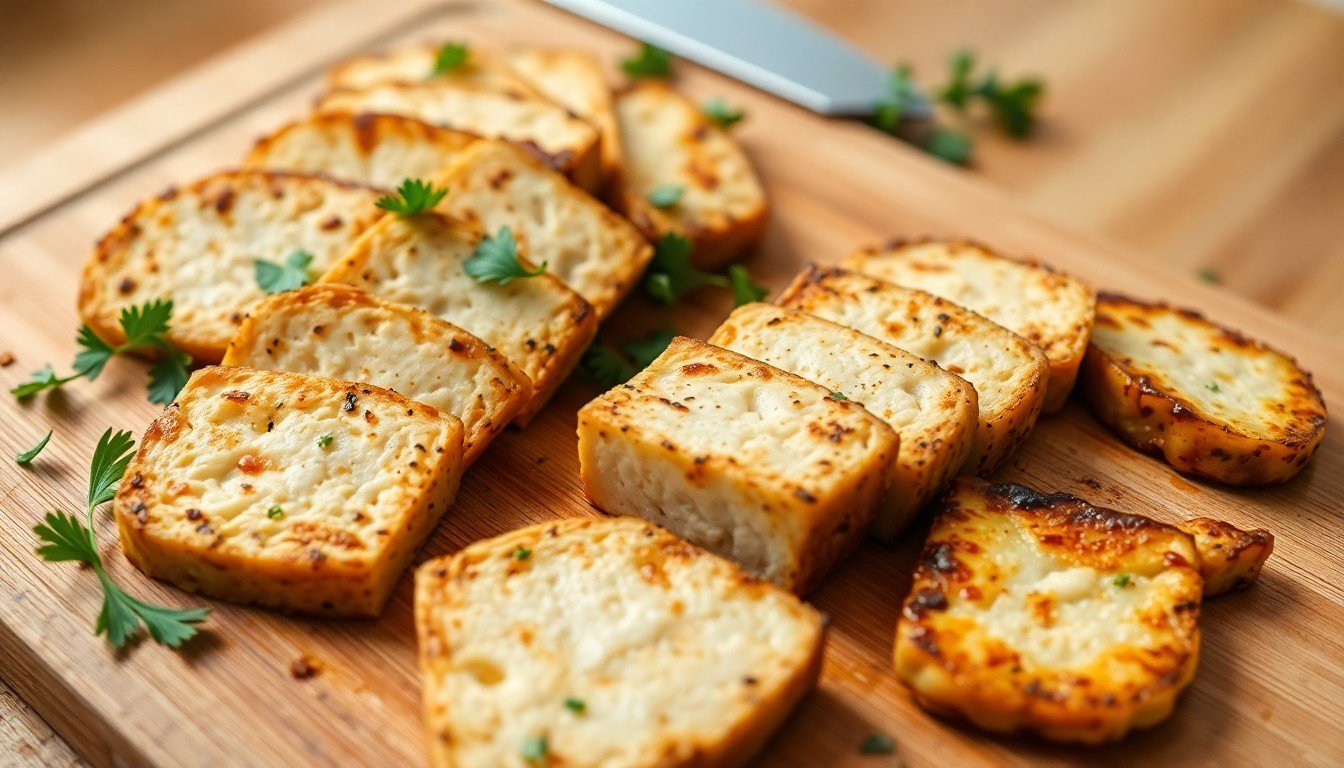
Tempeh là một món ăn chủ yếu của Indonesia được làm từ đậu nành nguyên hạt, được lên men với một loại nấm mốc có tên là Rhizopus oligosporus. Quá trình lên men làm cho đậu nành kết dính lại thành một khối chắc, dễ cắt lát, có vị béo ngậy và hơi nồng. Không giống như đậu phụ (chỉ đơn giản là sữa đậu nành đông tụ), tempeh là một sản phẩm thực phẩm nguyên chất, giữ lại chất xơ và protein của toàn bộ hạt đậu.
Quá trình lên men mang lại cho tempeh một lợi thế dinh dưỡng đáng kể. Nó làm giảm axit phytic (có thể cản trở sự hấp thụ khoáng chất), tăng khả năng tiêu hóa protein và tạo ra vi khuẩn có lợi. Một khẩu phần cung cấp khoảng 20 gram protein hoàn chỉnh, khiến nó trở thành món ăn ưa thích của những người ăn chay.
Uống đủ nước chất lượng có thể hỗ trợ thêm sức khỏe đường ruột của bạn cùng với các thực phẩm giàu probiotic. Bình nước OlyLife H+ Giúp bạn dễ dàng thưởng thức nước hydro phân tử ở bất cứ đâu, bổ sung cho thói quen chăm sóc sức khỏe của bạn.
Cách ăn nhiều tempeh hơn: Bạn có thể thái lát và chiên với nước tương và tỏi, bẻ vụn cho vào các món xào, ướp và nướng, hoặc cắt thành khối vuông nhỏ để ăn kèm với các món cơm trộn. Tempeh thấm gia vị rất tốt và có lớp vỏ ngoài giòn ngon khi nấu chín.
🎁 Nhận quà tặng chăm sóc sức khỏe miễn phí
Hãy nhập tên và email của bạn bên dưới để nhận quà tặng chăm sóc sức khỏe đặc biệt từ OlyLife — hoàn toàn miễn phí!
8. Giấm táo – được lên men nhưng khá phức tạp.
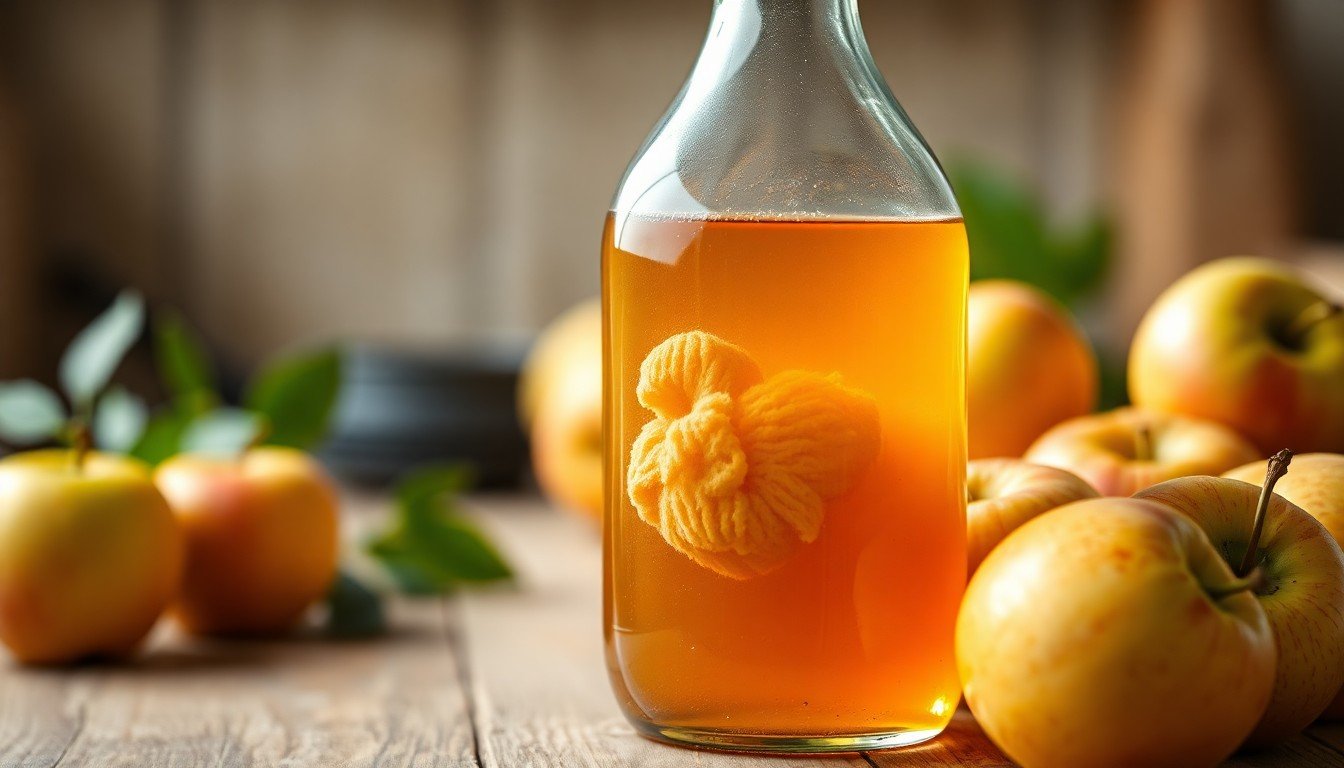
Giấm táo (ACV) là một trong những sản phẩm chăm sóc sức khỏe được quảng bá rầm rộ nhất trong những năm gần đây — và mặc dù nó là một loại thực phẩm lên men hợp pháp, điều quan trọng là phải có những kỳ vọng thực tế. ACV được tạo ra thông qua quá trình lên men hai bước: đầu tiên, nấm men chuyển hóa đường trong táo thành rượu, sau đó vi khuẩn chuyển hóa rượu thành axit axetic.
Chất lỏng đục, dạng sợi mà bạn thấy trong giấm táo chưa lọc được gọi là "mẹ giấm" - một quần thể vi khuẩn và enzyme có lợi. Hãy tìm những chai có nhãn "nguyên chất", "chưa lọc" và "có mẹ giấm" để tận dụng được những lợi ích của quá trình lên men. Tuy nhiên, hàm lượng probiotic trong giấm táo tương đối thấp so với các thực phẩm như sữa chua hoặc dưa cải bắp.
Công dụng thực sự của giấm táo là hỗ trợ hệ tiêu hóa. Một số người thấy rằng một thìa canh giấm táo pha loãng với nước trước bữa ăn giúp giảm đầy hơi hoặc khó tiêu. Axit axetic cũng có thể hỗ trợ điều chỉnh lượng đường trong máu ở mức bình thường khi dùng cùng bữa ăn.
Cách sử dụng giấm táo hiệu quả hơn: Pha 1 muỗng canh giấm táo vào một cốc nước trước bữa ăn, dùng trong các loại nước sốt salad và nước ướp, thêm một chút vào súp, hoặc cho vào nước hầm xương tự làm. Luôn luôn pha loãng – giấm táo nguyên chất có thể làm hỏng men răng và gây kích ứng cổ họng.
9. Dưa muối truyền thống — loại ngâm nước muối lên men

Đây là điều khiến nhiều người ngạc nhiên: Hầu hết các loại dưa muối ở siêu thị thực chất không được lên men. Dưa chua đóng hộp thông thường được làm bằng giấm, tạo nên vị chua nhưng không mang lại lợi ích probiotic nào. Dưa chua lên men đích thực được làm bằng phương pháp ngâm nước muối truyền thống — dưa chuột được ngâm trong nước muối và để lên men tự nhiên.
Trong quá trình lên men nước muối, vi khuẩn Lactobacillus có sẵn trên vỏ dưa chuột chuyển hóa đường thành axit lactic. Điều này tạo ra hương vị chua cay đặc trưng, phức tạp đồng thời sản sinh ra các lợi khuẩn có lợi. Dưa chuột muối thành phẩm giòn, chua và chứa nhiều vi khuẩn có lợi.
Cách tìm mua dưa muối lên men chính hiệu: Hãy tìm trong khu vực bảo quản lạnh của siêu thị (không phải khu vực để ở nhiệt độ phòng). Kiểm tra danh sách thành phần — nó phải ghi rõ dưa chuột, nước, muối, tỏi và thì là. Nếu giấm được liệt kê trong thành phần, thì đó không phải là dưa chuột lên men thực sự. Các thương hiệu như Bubbies và Olive My Pickle sản xuất các loại dưa chuột lên men đích thực.
10. Natto — món ăn kén người nhưng đáng để thử

Natto không dành cho người yếu tim. Món ăn truyền thống của Nhật Bản này — được làm từ đậu nành lên men với vi khuẩn Bacillus subtilis — có mùi thơm nồng, kết cấu dính và độ dai mà nhiều người phương Tây cảm thấy khó ăn. Nhưng những ai vượt qua được sự ngạc nhiên ban đầu thường khám phá ra một món ăn có hương vị độc đáo với những lợi ích sức khỏe đáng kể.
Điều làm cho natto trở nên đặc biệt thú vị là nattokinase, một loại enzyme được sản sinh trong quá trình lên men, đã được nghiên cứu về tiềm năng lợi ích cho tim mạch. Natto cũng là một trong những nguồn cung cấp vitamin K2 dồi dào nhất trong chế độ ăn uống, đóng vai trò quan trọng trong quá trình chuyển hóa canxi và sức khỏe xương. Nghiên cứu cho thấy việc thường xuyên tiêu thụ natto có thể hỗ trợ sức khỏe tim mạch và xương khớp.
Cách bắt đầu ăn natto: Hầu hết người mới bắt đầu đều thấy natto ngon nhất khi ăn kèm với cơm nóng, nước tương, mù tạt và hành lá thái nhỏ. Cơm giúp làm dịu bớt vị nồng của natto. Bạn cũng có thể thử trộn một lượng nhỏ vào các món xào, thêm vào súp miso, hoặc xay cùng bột làm bánh kếp mặn. Hãy bắt đầu với một lượng nhỏ và cho khẩu vị của bạn một vài lần để điều chỉnh.
Cách bổ sung thêm thực phẩm lên men vào chế độ ăn uống của bạn

Việc bổ sung thực phẩm lên men vào chế độ ăn uống hàng ngày không đòi hỏi phải thay đổi hoàn toàn chế độ ăn. Điều quan trọng là bắt đầu từ từ và tăng dần cường độ. Dưới đây là một cách tiếp cận thực tế:
Tuần 1-2: Bắt đầu với một khẩu phần mỗi ngày. Hãy chọn những món quen thuộc như sữa chua hoặc kefir cho bữa sáng. Hãy để hệ tiêu hóa của bạn thích nghi trước khi bổ sung thêm.
Tuần 3-4: Thêm một loại thực phẩm lên men thứ hai. Hãy thử dùng dưa cải bắp muối chua hoặc kim chi như một món ăn kèm với bữa trưa hoặc bữa tối. Chỉ cần một thìa canh thôi cũng được tính.
Tuần thứ 5 trở đi: Đa dạng hóa. Hãy luân phiên sử dụng các loại thực phẩm lên men khác nhau trong suốt tuần. Sự đa dạng là chìa khóa — các loại thực phẩm khác nhau cung cấp các chủng vi khuẩn khác nhau.
Dưới đây là một số thói quen đơn giản bạn có thể xây dựng hàng ngày:
- Bữa sáng: Sữa chua parfait với trái cây, hoặc sinh tố kefir.
- Bữa trưa: Thêm dưa cải bắp muối chua hoặc kim chi làm món ăn kèm.
- Bữa tối: Hãy bắt đầu với súp miso, hoặc thêm tempeh làm nguồn protein.
- Đồ ăn vặt: Uống kombucha thay cho nước ngọt có ga, hoặc ăn một ít dưa muối lên men.
- Nấu ăn: Dùng miso trong nước sốt salad, giấm táo trong nước ướp thịt.
Mẹo bảo quản: Bảo quản thực phẩm lên men trong tủ lạnh để duy trì hàm lượng probiotic. Tuyệt đối không làm nóng thực phẩm lên men trên 46°C (115°F), vì nhiệt độ cao sẽ tiêu diệt các vi khuẩn có lợi. Khi mua sản phẩm thương mại, luôn kiểm tra nhãn mác có ghi “vi khuẩn sống” hoặc “lên men tự nhiên”. Để có cái nhìn toàn diện hơn về việc xây dựng thói quen lành mạnh hàng ngày, hãy khám phá thêm thông tin tại đây. cách tiếp cận toàn diện đối với sức khỏe.
Lời kết
Thực phẩm lên men là một trong những cách đơn giản, tiết kiệm và đã được kiểm chứng qua thời gian để hỗ trợ sức khỏe đường ruột một cách tự nhiên. Từ vị béo ngậy dễ chịu của sữa chua đến vị cay nồng của kim chi, luôn có một loại thực phẩm lên men phù hợp với mọi khẩu vị và mọi bữa ăn.
Khoa học đã chứng minh rõ ràng: chế độ ăn giàu thực phẩm lên men có thể hỗ trợ sự đa dạng của hệ vi sinh vật đường ruột, giảm viêm và cải thiện sức khỏe tiêu hóa tổng thể. Bạn không cần phải ăn cả 10 loại thực phẩm trong danh sách này — chỉ cần thêm một hoặc hai loại vào chế độ ăn hàng tuần cũng có thể tạo ra sự khác biệt đáng kể.
Hãy bắt đầu từ nơi bạn đang đứng, chọn những gì bạn thích và để trực giác của bạn làm phần còn lại. Nếu bạn sẵn sàng tiến xa hơn trên hành trình chăm sóc sức khỏe của mình, hãy tham khảo thêm thông tin từ chúng tôi. kế hoạch hành động phục hồi sức khỏe Điều này có thể giúp bạn xây dựng một thói quen tự chăm sóc bản thân bền vững. Hệ vi sinh vật đường ruột của bạn sẽ cảm ơn bạn.
Câu hỏi thường gặp
- Tôi nên ăn bao nhiêu thực phẩm lên men mỗi ngày?
- Hầu hết các chuyên gia dinh dưỡng khuyên nên bắt đầu với một khẩu phần (khoảng 1/4 đến 1/2 cốc) thực phẩm lên men mỗi ngày và tăng dần lên 2-3 khẩu phần. Hãy lắng nghe cơ thể mình — một số người có thể bị đầy hơi tạm thời khi mới bắt đầu ăn thực phẩm lên men, tình trạng này thường sẽ giảm dần trong vòng một hoặc hai tuần.
- Thực phẩm lên men có an toàn cho tất cả mọi người không?
- Nhìn chung, thực phẩm lên men an toàn cho hầu hết mọi người. Tuy nhiên, những người không dung nạp histamine có thể bị phản ứng với một số thực phẩm lên men nhất định, vì quá trình lên men có thể sản sinh ra histamine. Nếu bạn có hệ miễn dịch suy yếu, hãy tham khảo ý kiến bác sĩ trước khi tăng đáng kể lượng thực phẩm lên men tiêu thụ.
- Sự khác biệt giữa men vi sinh và thực phẩm lên men là gì?
- Các thực phẩm chức năng chứa men vi sinh có chứa các chủng vi khuẩn cụ thể, được đo lường chính xác với liều lượng đậm đặc. Thực phẩm lên men tự nhiên chứa hỗn hợp đa dạng các vi sinh vật sống cùng với các hợp chất có lợi khác như axit hữu cơ, vitamin và enzyme. Nhiều chuyên gia y tế khuyên dùng thực phẩm lên men như một chất bổ sung hoặc thậm chí thay thế cho các thực phẩm chức năng chứa men vi sinh.
- Tôi có thể nhận được những lợi ích tương tự từ thực phẩm lên men đã tiệt trùng không?
- Không. Quá trình tiệt trùng sử dụng nhiệt để tiêu diệt vi khuẩn, bao gồm cả các lợi khuẩn có lợi giúp thực phẩm lên men có giá trị đối với sức khỏe đường ruột. Luôn chọn các loại thực phẩm lên men tươi, chưa tiệt trùng và được bảo quản lạnh để nhận được lợi ích từ lợi khuẩn. Các sản phẩm đã tiệt trùng có thể vẫn cung cấp giá trị dinh dưỡng nhưng thiếu các vi khuẩn sống.
- Cần bao lâu để thực phẩm lên men cải thiện sức khỏe đường ruột?
- Nghiên cứu cho thấy những thay đổi tích cực trong hệ vi sinh đường ruột có thể bắt đầu chỉ sau vài ngày sử dụng thực phẩm lên men. Tuy nhiên, những cải thiện đáng kể và lâu dài về sự đa dạng hệ vi sinh và sức khỏe tiêu hóa thường phát triển sau vài tuần đến vài tháng tiêu thụ đều đặn.
- Thực phẩm lên men có tốt hơn thực phẩm chức năng bổ sung men vi sinh không?
- Thực phẩm lên men có một số ưu điểm so với thực phẩm chức năng: chúng cung cấp nhiều chủng vi sinh vật đa dạng hơn, chứa thêm các chất dinh dưỡng và hợp chất có lợi, và nhìn chung giá cả phải chăng hơn. Tuy nhiên, thực phẩm chức năng có thể hữu ích trong việc điều trị các bệnh cụ thể với các chủng vi sinh vật cụ thể. Hai phương pháp này có thể bổ sung cho nhau một cách hiệu quả.
- Tôi có thể tự làm thực phẩm lên men tại nhà được không?
- Đúng vậy, và nó dễ hơn hầu hết mọi người nghĩ. Dưa cải bắp muối chua, dưa chua ngâm, sữa chua và kombucha đều là những dự án lên men dễ thực hiện cho người mới bắt đầu. Bạn chỉ cần một vài dụng cụ tối thiểu — thường chỉ cần lọ thủy tinh, muối và sự kiên nhẫn. Thực phẩm lên men tự làm có thể đậm đà hơn các sản phẩm mua ở cửa hàng và giá thành lại rẻ hơn rất nhiều.
- Thực phẩm lên men có giúp giảm đầy hơi không?
- Đối với nhiều người, câu trả lời là có. Thực phẩm lên men đưa vào các vi khuẩn có lợi, giúp cải thiện tiêu hóa và giảm sản sinh khí. Tuy nhiên, một số người có thể bị đầy hơi tạm thời khi mới bắt đầu ăn thực phẩm lên men. Tình trạng này thường sẽ tự hết khi hệ vi sinh đường ruột thích nghi. Cách tốt nhất là bắt đầu với khẩu phần nhỏ và tăng dần.