Think treating a headache on its own is smart? Think again. When we ignore sleep, stress, or our relationships, symptoms keep coming back, like stubborn weeds popping up after a rain.
Holistic wellness invites you to see your body, mind, emotions, social ties, and spirit as one simple plan to feel better every day. Have you ever noticed how a bad night’s sleep can make your whole day ache? Wait, let me clarify that, small things add up.
Start by listening to the signals your body gives you and adding tiny, steady habits. Ten minutes of movement, a quick gratitude pause, and better sleep cues can ease pain, lift your mood, and create real, lasting balance. Oh, and here’s a neat trick: set a 2-minute reminder before bed to breathe and note three things you’re grateful for.
Holistic Wellness Overview: Integrating Physical, Mental, Emotional & Spiritual Health
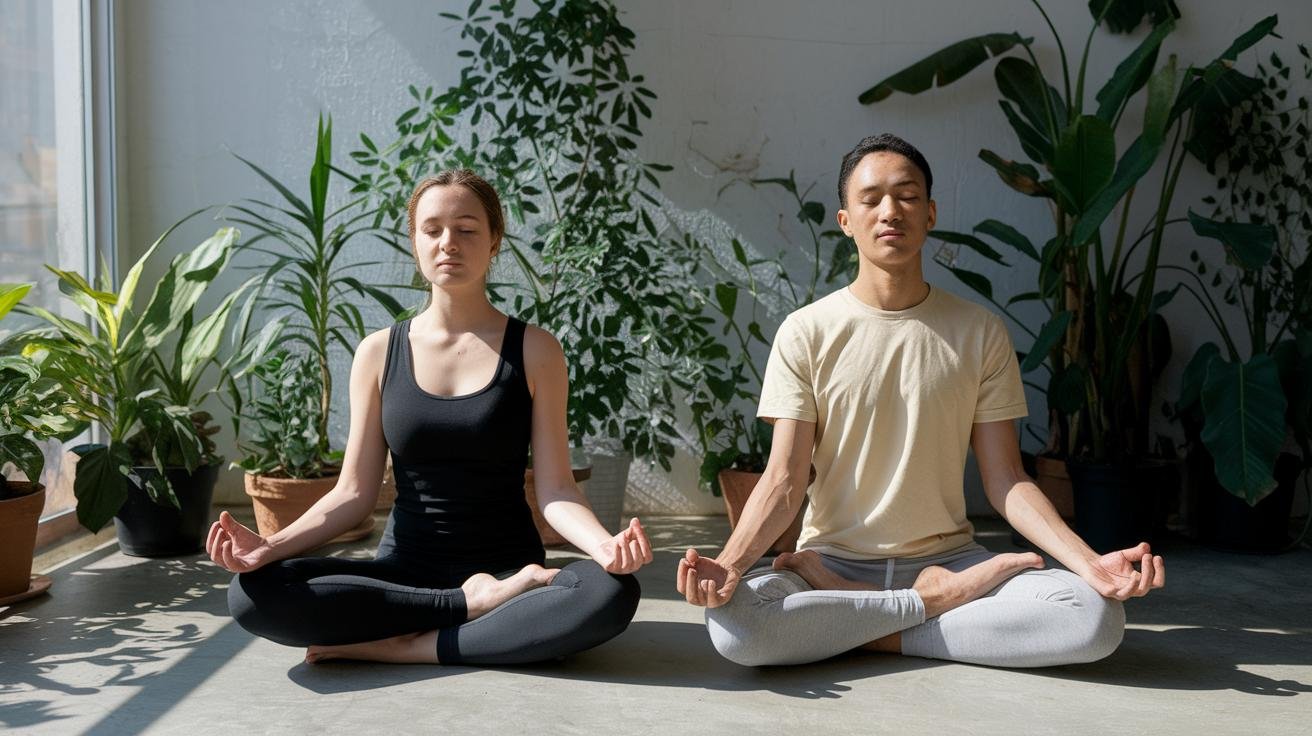
Holistic wellness brings your body, mind, emotions, social life and spirit into one simple plan for feeling better every day. Think of symptoms as signals from the whole system, not just a broken part. When we listen to those signals, we can make small changes that ripple through your life.
Brain research shows physical and emotional pain overlap in some of the same areas of the brain, like the anterior insula and the anterior cingulate cortex (those are parts involved in feeling and attention). So when stress piles up, you might notice fatigue, stomach aches or joint soreness. It’s a clear reminder that mind and body talk to each other.
- Physical health: move, sleep and breathe. Gentle movement, yoga and simple breath exercises calm your nervous system and help restore energy.
- Mental health: practice gratitude, gentle reframing and focused attention to sharpen thinking and brighten your mood.
- Emotional health: name your feelings and trace their roots to build self-awareness and steadier reactions.
- Social health: close, caring relationships lower risks tied to isolation and support long-term brain health.
- Spiritual health: find meaning through meditation, quiet nature time or personal rituals to steady hope and perspective.
These five areas feed each other, so tiny habits matter. Ten minutes of mindful movement, better sleep cues or a quick check-in with a friend add up over time. Oh, and here’s a neat trick: pair a short walk with a gratitude practice and you get double benefit.
That’s the integrative health model in action. It blends medical care with lifestyle habits and complementary therapies, and it asks you to be an active partner in your plan. Tests or treatments get paired with everyday practices so the care reaches deeper, toward root causes, not just symptoms.
Over weeks and months, paying attention to movement, rest, relationships and your inner life brings steady change. Better sleep. Less reactivity. Faster recovery after strain. You feel more resilient, clearer and more connected. Have you ever noticed one small habit making the rest of your day easier? That’s the power of integration.
Nutrition Strategies for Holistic Wellness

If you want food that fuels real vitality, start with whole foods. Pick colorful fruits, leafy greens, whole grains, beans and lean proteins. These real ingredients feed your cells, steady your energy and help immune health and clear thinking. Think of a meal like sunrise light for your cells – simple, unprocessed food wakes up digestion and calms cravings.
Have you heard of the gut-brain axis? It’s the two-way chat between your belly and your mind. Aim for prebiotic fibers (food for friendly gut bacteria) like oats, onions and garlic, and include fermented foods (yogurt, kefir or sauerkraut) to feed those microbes. Balance carbs, protein and healthy fats at each meal so blood sugar stays steady and mood feels calmer.
When it comes to supplements, talk with a clinician first. Consider vitamin D (supports immune function), omega-3s (anti-inflammatory fatty acids) and magnesium (relaxes muscles and helps sleep) if they’re right for you. Keep doses modest and take them with food – they’re not a shortcut to good eating.
Meal-planning makes whole foods easy. Pick two go-to recipes, batch-cook whole grains and roasted veggies, portion meals into clear containers and toss a protein-rich snack in your bag. Little rituals, like a morning bowl of oats with flaxseed, turn healthy choices into habits. Relax. You’re building a foundation that keeps you steady, focused and feeling good.
Movement and Physical Activity Guidelines for Holistic Wellness

A simple cardio routine does a lot for your heart, lungs and mood. Aim for about 150 minutes of moderate aerobic activity each week (walking, swimming or cycling) or 75 minutes if you prefer higher intensity. Mix the pace: steady efforts that let you chat, and shorter bursts that make you breathe harder. Little things add up , a brisk 20-minute walk can clear your head like a cool breeze through the trees.
Strength work helps keep your bones and muscles steady as you age. Try 2 to 3 sessions a week focusing on compound moves like squats, rows and presses, or their bodyweight versions if you’re starting out. Pair that with flexibility work: gentle stretches, yoga flows or targeted mobility exercises to protect joints and widen your range. Oh, and here’s a neat trick: do a few joint mobility drills before you start (leg swings, shoulder circles, ankle rolls) to wake the tissues and cut down stiffness.
Recovery counts just as much as the workout itself. Drink steady water, eat a mix of protein and carbs within a couple hours, and get sleep that lets tissues rebuild. Use foam rolling or gentle yoga to ease tight spots and boost circulation. Give yourself active recovery days too , easy walks, playful movement or simple breath work calm the nervous system and help muscles repair.
Want a quick way to notice progress? Stick with a few small, consistent habits for a few weeks. You’ll probably feel lighter, sleep better, and move more easily. That’s your body responding.
Mind-Body Balance: Stress Management and Mindfulness for Holistic Wellness
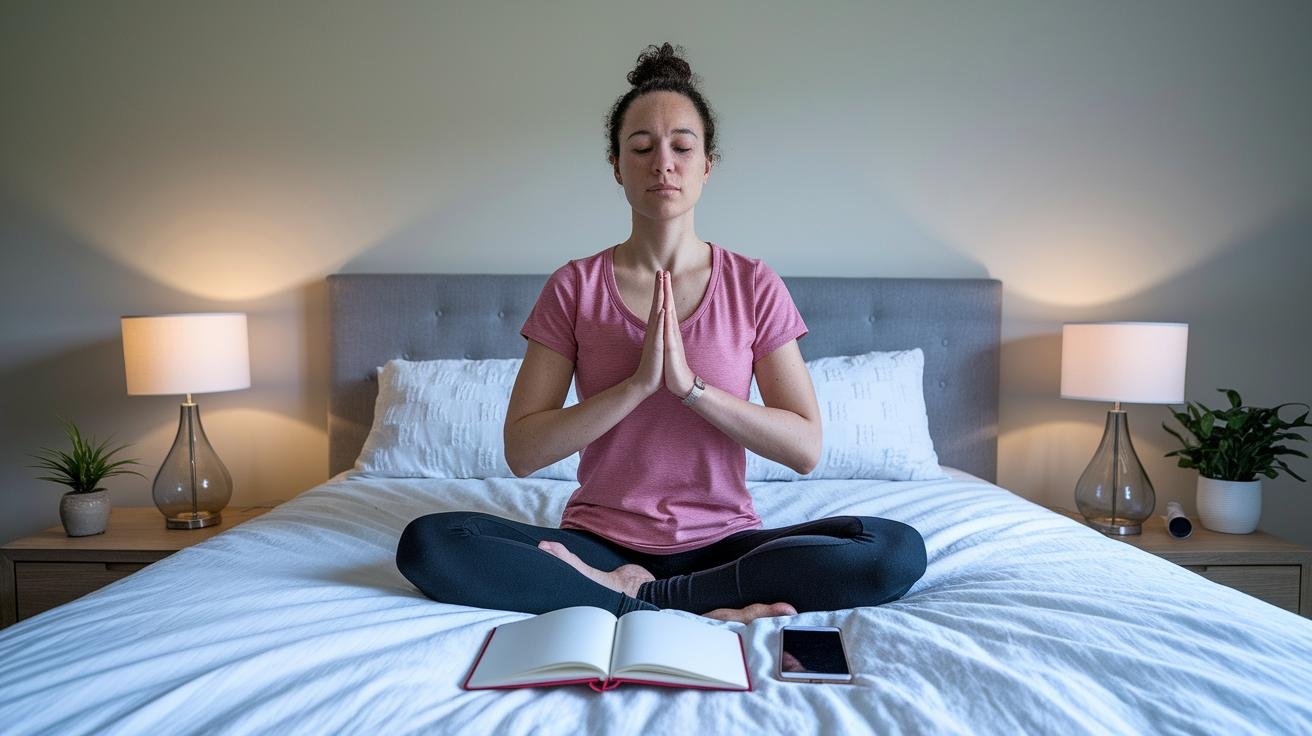
Stress nudges your body and mind out of sync. It can make your muscles tight and your thoughts race, like a radio stuck between stations. Have you ever felt tension melt away after a few slow breaths? Small, regular practices can bring you back to center.
Mindfulness and meditation trigger a relaxation response that lowers anxiety and steadies your nervous system. Breathwork – simple paced breathing like box breathing or the 4-7-8 technique (inhale 4 seconds, hold 7, exhale 8) – helps regulate stress hormones and brings you back to calm fast.
- Mindfulness: Spend 60 seconds noticing your senses. Feel the air on your skin, listen for a faint sound, notice a color. It’s a quick reset that breaks the loop of worry.
- Meditation: Try a short guided sit or a five-minute body scan. Studies show even brief meditation can reduce tension and clear your head.
- Breathwork: Use box breathing (4-4-4-4) or the 4-7-8 technique when stress spikes. Slow, even breaths change your body’s response to pressure. Breathe.
- Journaling: Each night, write three lines , one thing that was hard, one thing that was good, one small win. This habit helps sort emotions and quiet rumination.
- Digital detox: Choose a daily screen-free window, even just 30 minutes. Turning off the noise restores focus and helps your mind unwind.
- Sleep hygiene: Pick a steady bedtime, dim screens an hour before, and build a gentle wind-down routine so sleep can actually repair you.
Make these practices fit your life. One deep breath while you wait for the train. A two-minute check-in before a meeting. A quick gratitude note by the pillow. Tiny moves stack up. You’ll feel calmer, clearer, and more steady.
Holistic Approach To Wellness Promotes Lasting Harmony
Integrative medicine mixes conventional care with evidence-based complementary therapies. It has become part of many people’s routines. Over a third of U.S. adults use at least one complementary therapy to prevent illness, speed recovery, or manage chronic conditions. These approaches often ease stress and help healing alongside medical treatment.
PEMF Therapy introduction
PEMF (Pulsed Electromagnetic Field therapy) uses gentle, pulsing magnetic fields to nudge cells back toward repair and balance. Think of it like a soft wake-up call for cell membranes and circulation, like a warm sunrise waking up your cells. People often notice less soreness, calmer nerves, and quicker recovery after sessions. Have you ever felt tension melt away? If you want short-term calm and long-term tissue support, read more about total-body PEMF benefits and how it fits into a whole-person plan.
Terahertz-wave Therapy introduction
Terahertz-wave therapy (low-energy terahertz-band electromagnetic waves) nudges deep relaxation and helps tissue recovery without surgery. The feeling is subtle , a warm, settling calm, like a slow exhale for your cells. Non-invasive devices target tight spots and let your body’s repair systems work with less friction. In truth, it’s a gentle way to reset tense areas. Learn more about practical uses of terahertz therapy for restorative sessions.
Acupuncture, aromatherapy, and massage each have research showing benefits for relaxation, pain relief, and stress reduction. Sauna bathing helps circulation and supports gentle detox pathways, while contrast hydrotherapy – alternating warm and cool – can cut muscle soreness and inflammation. Sound and energy-based sessions offer another route to rest the nervous system and lift mood. Mix and match these tools with care, and they’ll often improve comfort, sleep, and everyday resilience.
🎁 Get a Free Wellness Gift
Enter your name and email below to receive a special wellness gift from OlyLife — absolutely free!
Holistic Lifestyle Habits and Environmental Factors for Wellness

Close, regular contact with friends and family matters. Strong social bonds can lower your risk of dementia and stroke and help keep your emotions steadier. Try a simple weekly check-in call, a shared meal, or coffee with a neighbor. Small, regular rhythms like that make loneliness less likely and lift your everyday mood.
Time outside soothes the nervous system. A 20-minute walk among trees, gentle outdoor yoga, or standing barefoot on the grass helps lower cortisol (the stress hormone) and clears your thinking. Notice the scent of pine, the feel of sun on your skin, or the breeze on your face. Those little senses nudge your body toward calm.
Your digital habits shape how you rest and work. A digital detox (short breaks from screens) can give you better focus, deeper sleep, and sharper thinking, so build short screen-free windows into each day. Use clear work hours, an end-of-day ritual, and simple notification rules on devices to protect your time. Say no when your plate is full, schedule breaks, and keep the bedroom tech-free, little boundaries protect your energy.
Community helps keep healthy habits going. Group wellness programs and coaching offer accountability, friendly support, and fun ways to move together, think walking groups, classes, or a community garden. Pick one local offering and try it for a month; the social nudge often turns one good habit into several. You might be surprised how much easier healthy choices feel with others.
Oh, and here’s a neat trick, tie a new habit to something you already do. Want to take that 20-minute walk? Do it right after lunch. Want fewer evening screens? Read for 10 minutes before bed instead. Small swaps. Big difference.
Personalizing and Measuring Holistic Wellness

Start by making the plan about you. When you shape your care, you’re more likely to stick with it and get better results. Ask what feels doable, what drains you, and where a small win might fit into your day.
Work with a clinician or coach to match habits to your life, like sleep needs, movement preferences, and any chronic issues. Treat the plan like an experiment you’ll tweak over time. Curious which one change will matter most this week?
Use simple tracking tools to see how you’re doing. Keep a short journal for sleep, mood, and energy notes. Try wearable tech (fitness trackers or smartwatches) or sleep-tracking apps (apps that estimate sleep stages) to collect steps, heart rate, and sleep data. Consider occasional lab checks or stress-hormone testing (like cortisol, the main stress hormone) and a baseline physical exam so you have something to compare. Look at trends, not single days. Weekly or monthly charts show real shifts.
Goals that stick are small and specific. Use SMART goal-setting (Specific, Measurable, Achievable, Relevant, Time-bound) to break big aims into tiny, repeatable steps. Wait, let me clarify: pick one tiny habit you can do most days, then build on it. Pair up with an accountability buddy or coach for regular check-ins, adjust as you learn, and celebrate even the small wins. A tiny success can feel like the morning sun warming your shoulders. Little, steady wins add up and they keep you going.
Final Words
We started with a clear definition of holistic health, how physical, mental, emotional, social and spiritual parts connect, and why emotional strain often shows up as aches or fatigue.
We covered practical steps: whole foods, gut-friendly choices, cardio, strength, breathwork, sleep routines, and therapies like PEMF (Pulsed Electromagnetic Field therapy) and terahertz-wave therapy (non-invasive high-frequency energy).
Pick small goals, track sleep and mood, tweak the plan as you go. Breathe. Rest.
When you use a holistic approach to wellness, stress eases, muscles recover faster and sleep deepens, here’s to calmer, more energized days.
FAQ
Frequently Asked Questions
What is holistic health?
Holistic health is a whole-person approach that treats physical, mental, emotional, social and spiritual well-being as linked, noting emotional distress can show up as fatigue, stomach pain or joint pain.
What does the holistic approach to well-being mean and how is it used in medicine?
The holistic approach to well-being means caring for body, mind and relationships together, used in medicine through integrative care that combines conventional treatment with therapies like acupuncture, counseling and lifestyle change.
What are the components of holistic health and what are the seven pillars of holistic wellness?
The components of holistic health are physical, mental, emotional, social and spiritual well-being; some models add nutrition and sleep or environment to reach seven commonly cited pillars.
What are holistic approaches to wellness?
Holistic approaches to wellness use whole, unprocessed foods, regular movement, mindfulness and breathwork, good sleep habits, strong social ties and complementary therapies to reduce stress and support recovery.
What is an example of a holistic approach?
An example of a holistic approach is a care plan combining yoga and breathwork, a whole-foods diet, therapy, acupuncture and community support to relieve pain, lift mood and improve sleep.
What are the benefits of holistic health and wellness?
The benefits of holistic health include improved physical fitness, more balanced emotions, lower stress, reduced chronic pain, clearer thinking, better productivity and deeper social connection.