Have you ever wondered if a quiet pulse of energy could help a broken bone knit back together faster? PEMF (Pulsed Electromagnetic Field) therapy uses gentle magnetic pulses, think tiny, steady heartbeats, right at the injury site.
These soft pulses wake up osteoblasts (your bone-building cells) and boost microcirculation (tiny blood flow channels). Next, you’ll discover seven ways PEMF therapy speeds up bone fusion, eases pain, and trims healing time so you can get back to what you love, stronger and sooner.
How pulsed electromagnetic field therapy enhances bone healing and recovery

Have you ever wondered if a gentle wave of energy could help mend your bones? Pulsed electromagnetic field therapy (PEMF therapy) sends timed electromagnetic pulses – think of them as tiny, rhythmic hugs – to your fracture site. Those pulses wake up osteoblasts (the bone-building cells) and boost microcirculation (tiny blood flow around the injury) so more nourishing blood reaches the healing area. It feels a bit like a warm sunrise waking up your cells.
Oh, and if you want the full scoop, take a peek at how does PEMF therapy work. Clinically backed, PEMF supports non-union cases and osteoporosis-related fractures. With this approach, you can expect:
- stronger bone union
- faster fracture recovery
- shorter healing time
- less pain
Next, we’ll dive into how PEMF energizes bone cells, highlight key clinical studies, outline typical treatment steps, and see how it stacks up against standard therapies.
Cellular mechanisms of pulsed electromagnetic field therapy for bone regeneration

Have you ever wondered how a gentle wave of energy could nudge your bones into healing? That’s what pulsed electromagnetic field (PEMF) therapy does. Imagine tossing a stone in a tranquil pond. Each soft pulse sends ripples of calcium ions across your bone cells. This extra calcium sparks an inside hum that wakes up pathways like MAPK and Wnt. They then tell osteoblasts (your bone builders) to boost collagen production and lay down a strong new matrix.
Next, PEMF helps release growth factors such as bone morphogenetic proteins (BMP) and extracellular matrix proteins. Think of these proteins as little foremen guiding mineral “workers” to fill in the new scaffold. As minerals settle, they fuse the framework into a healthy shape that’s ready to bear weight.
PEMF’s low-frequency pulses also flip on genes tied to bone hardening, like alkaline phosphatase and osteocalcin. These genes mark more trabecular (spongy) bone growth inside and reinforce the dense cortical layer around a fracture. It’s like sending a second wave of builders to fine-tune and strengthen what’s already forming.
All these effects add up to faster healing and fewer cases of bones not fusing back. Clinical trials back it up! By speaking directly to your cells with calcium ripples, guided proteins and gene switches, PEMF offers a smoother, quicker journey to sturdy recovery.
Clinical evidence supporting pulsed electromagnetic field therapy for bone healing

Have you ever wondered if a gentle wave of energy could speed up your bone healing? PEMF (pulsed electromagnetic field therapy) might just be that helper.
In one study where patients and doctors didn’t know who got the real treatment, 41 people with wrist fractures tried real PEMF or a fake setup. By week four, 76% of the PEMF group saw their bones knit together versus 58% in the fake group. They also got their casts off about six days sooner and said they felt stronger at their follow-up.
Next, a small university trial looked at 18 slow-healing or stalled fractures. Folks did 20-Hz PEMF sessions for 30 minutes each day over eight to twelve weeks. Um, researchers saw clearer bone lines and faster callus growth on X-rays with a big drop in pain.
Lower-intensity PEMF has shown healing rates up to 87% in stubborn femur non-unions. It’s like giving your bones a warm sunrise of energy, boosting proteins and osteoblast (bone-building cell) growth factors. After about six weeks, fractures that had stalled began to solidify.
More case reports back this up, too. Union rates climbed 20–30% above historical averages for shin and upper-arm non-unions. Taken together, these findings build a hopeful story: PEMF therapy can gently guide your body to rebuild bone, even in tough cases.
Protocols and guidelines for pulsed electromagnetic field therapy in bone healing
Ever felt like your bones need a gentle wave of energy? Pulsed Electromagnetic Field therapy (PEMF) can help. For many fractures, aim for daily 30 to 40 minute PEMF sessions over 6 to 12 weeks. Consistency helps your bone cells stay in sync so they can keep building new bone.
- Daily timing. Pick a time and stick with it. Your cells like routine.
- Session length. Keep each session at about 30 to 40 minutes on the injured area. Relax.
- Intensity. Set your device to low strength (1 to 5 mT). You should feel a soft hum not a jolt.
- Frequency. Try 20 to 75 Hz. Use 20 to 30 Hz for new breaks and 50 to 75 Hz for stubborn gaps.
- Extended care. If healing stalls, use nine or more hours per day. This longer exposure can cut weeks off recovery.
Place the coil right over the break so the field sinks deep into bone tissue. It should fit snug but not pinch. Keep your device clean by wiping the coils after each use. Follow the maker’s guide for regular checks so every session works its best.
Key benefits of pulsed electromagnetic field therapy in fracture recovery and bone density

PEMF (Pulsed Electromagnetic Field therapy) feels like a gentle hum around your cells. It nudges cell membranes to swap calcium and phosphate faster. Wait, let me clarify that… It’s like tiny delivery trucks boosting bone rebuilding. Studies also note drops in inflammatory markers like IL-6 and TNF-alpha (molecules that stir up swelling). So the area around a break cools down and tissue feels less tense. Have you ever felt tension melt away? Relax. Breathe.
In one osteoporosis trial, folks using PEMF saw a four to six percent bump in lumbar bone density over six months – double what the control group saw. That firmer scaffold helps prevent new breaks and lays a foundation for long-term bone health. Solid.
Clinical data show healing times cut by up to half. And union rates top ninety percent in stubborn fractures, while standard care sits near seventy percent. Improved microcirculation brings oxygen-rich blood straight to the site. In just weeks, pain eases and each step feels smoother.
PEMF also doubles as a noninvasive aid for soft-tissue repair. Think of your treatment like a mini massage for tired muscles and ligaments. Under that steady hum of energy, cells rebuild more quickly. Um, it’s pretty neat.
All in all, PEMF therapy speeds repair so you move better with less discomfort. You get stronger bones, eased inflammation, and solid fracture unions. No knives. No needles. Just a warm sunrise waking up your cells.
🎁 Get a Free Wellness Gift
Enter your name and email below to receive a special wellness gift from OlyLife — absolutely free!
Safety profile and contraindications of pulsed electromagnetic field therapy for bone healing

Pulsed Electromagnetic Field therapy (PEMF) is like a soft hum around your injured bone. It’s painless, and most people barely notice any side effects. Studies in kids, adults, and seniors show no major problems, just gentle support for healing.
When mild side effects do pop up, they’re usually tiny. You might feel a soft warmth or a slight tingle where the device sits. Some folks report a quick headache or a bit of fatigue, but it clears up fast. Have you ever felt tension melt away?
It’s smart to know who shouldn’t use PEMF. Avoid it if you have implanted electronics, like:
- Pacemakers
- Cochlear implants
- Other active electronic devices
Also stay clear if you’re pregnant or have an active malignancy until your doctor says it’s okay. Play it safe.
Patient tolerability is very high. Most people breeze through daily sessions without a hitch. Therapists often pair PEMF with physical therapy or supplements, and um, they haven’t seen any harmful interactions. Regular check-ins keep safety on point. Relax.
Always chat with your healthcare provider if you have concerns about PEMF therapy safety.
Comparing pulsed electromagnetic field therapy with conventional bone healing treatments
When you stack PEMF (Pulsed Electromagnetic Field) therapy next to low-intensity ultrasound or capacitive coupling, you often see as good, or even better, bone healing. In those tricky breaks that just won’t heal, PEMF hits about 85–90% success versus roughly 75–80% for ultrasound. It’s like a gentle hum of energy whispering to your cells, nudging them awake.
Traditional routes, think surgery or weeks in a stiff cast, come with their own headaches: infection risk, tissue bruising, and drug side effects. With PEMF you skip the scalpels and pills. You just relax while timed pulses wake up osteoblasts (bone-building cells) and boost microcirculation (tiny blood flow) right where your bone needs it.
Clinical reports even point to faster recoveries with PEMF. Patients spend less time stuck in immobilization. They’re back to everyday life sooner, fewer doctor visits, less time off work, and a smaller chance of needing a second procedure. Isn’t that a win?
Sure, clinic-grade PEMF systems can look pricey at first glance. But if you add up surgery plus rehab, they often come out cheaper. Home-use mats and portable coils help spread the cost, maybe you’re using yours while sipping tea. In truth, faster healing with minimal risk often balances out that initial investment.
Practical considerations: devices, costs, and adherence in pulsed electromagnetic field therapy

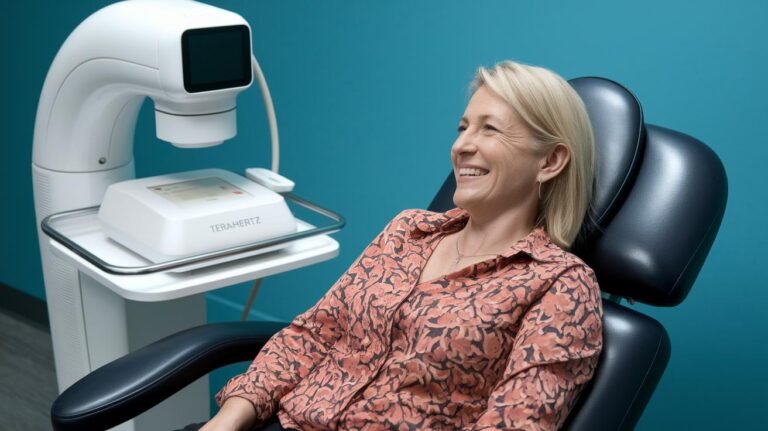
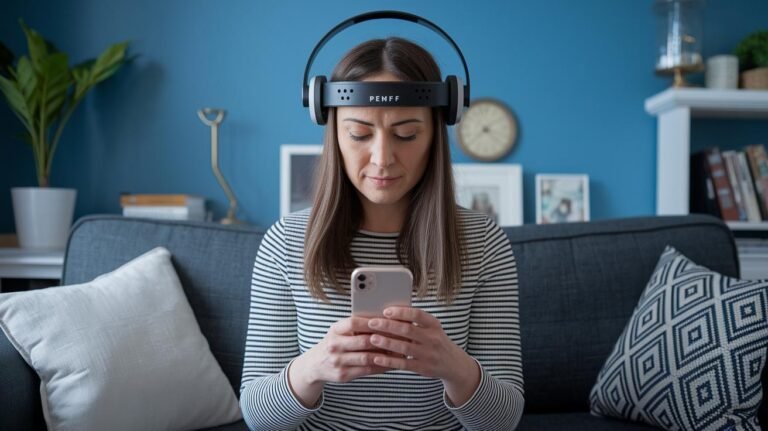
Picking the right devices for pulsed electromagnetic field (PEMF) therapy can really shape your healing path. Have you ever felt a gentle hum, like a warm sunrise waking up tired muscles? Clinic machines (like the Pulse PEMF XL Pro) send stronger fields. But they mean more appointments and drive time. If you’d rather stay home, wearable coils and portable PEMF tools let you unwind on the couch while you heal.
Device options and cost estimates
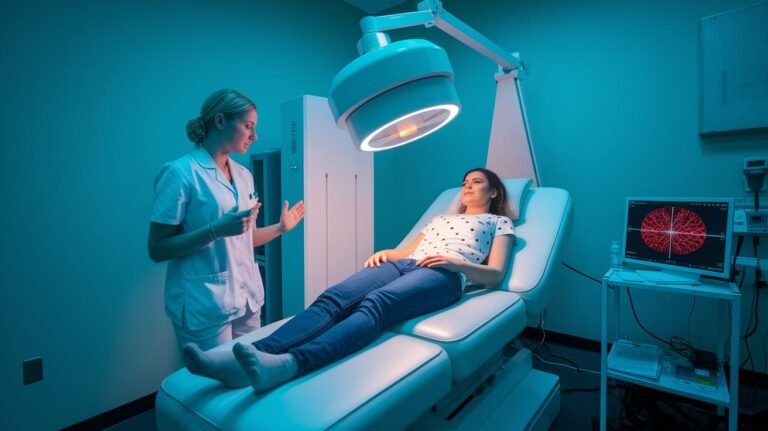
- Clinic-grade machines cost about $2,000 – $3,000. These FDA-cleared devices usually need certified technicians.
- Home PEMF mats run $800 – $1,500. They cover your whole body in daily sessions.
- Wearable coils and portable PEMF tools cost $500 – $1,000. They zero in on a joint or fracture, like a mini massage.
Insurance rarely covers these devices. Most people pay out of pocket, so it’s smart to shop around and see if you can set up a payment plan. Oh, and be sure to read the warranty and return policy before you buy.
Sticking with PEMF feels easier when you weave it into your day. Next, try syncing sessions with your morning coffee or your bedtime wind-down. Then choose coils with soft straps and flexible pads so you don’t squirm for 30–40 minutes. Why not listen to an audiobook or practice slow breaths while you’re at it? It turns treatment time into gentle self-care.
Keeping your device happy is simple. After each use, wipe the coils with a soft cloth, like you’d dust a favorite mug. Then follow the maker’s instructions for occasional calibration checks. A well-cared-for tool keeps the energy humming and helps you see results sooner.
結語
PEMF therapy is a gentle, non-invasive way to spark bone repair at the cellular level.
We saw how it wakes up osteoblasts, the clinical trials showing faster unions, and simple daily protocols you can try.
We compared it to ultrasound and surgery, reviewed safety notes, and checked device options that fit your life.
With the clear benefits of pulsed electromagnetic field therapy for bone healing, you’re set to reclaim strength and look ahead with confidence.