|

冥想的益處:身心健康完全指南

The benefits of meditation extend far beyond simple relaxation — and science is finally catching up to what ancient traditions have known for thousands of years. Whether you’re dealing with chronic stress, struggling with sleep, or simply looking for a way to feel more grounded in your daily life, meditation may be one of the most powerful natural wellness tools available to you.

In this comprehensive guide, we’ll explore the research-backed benefits of meditation for your mind, body, and emotional wellbeing. You’ll discover why millions of people worldwide are turning to this ancient practice, how it actually works in your brain and nervous system, and practical ways to get started — even if you’ve never meditated before.

Benefits of Meditation for Stress Relief and Relaxation

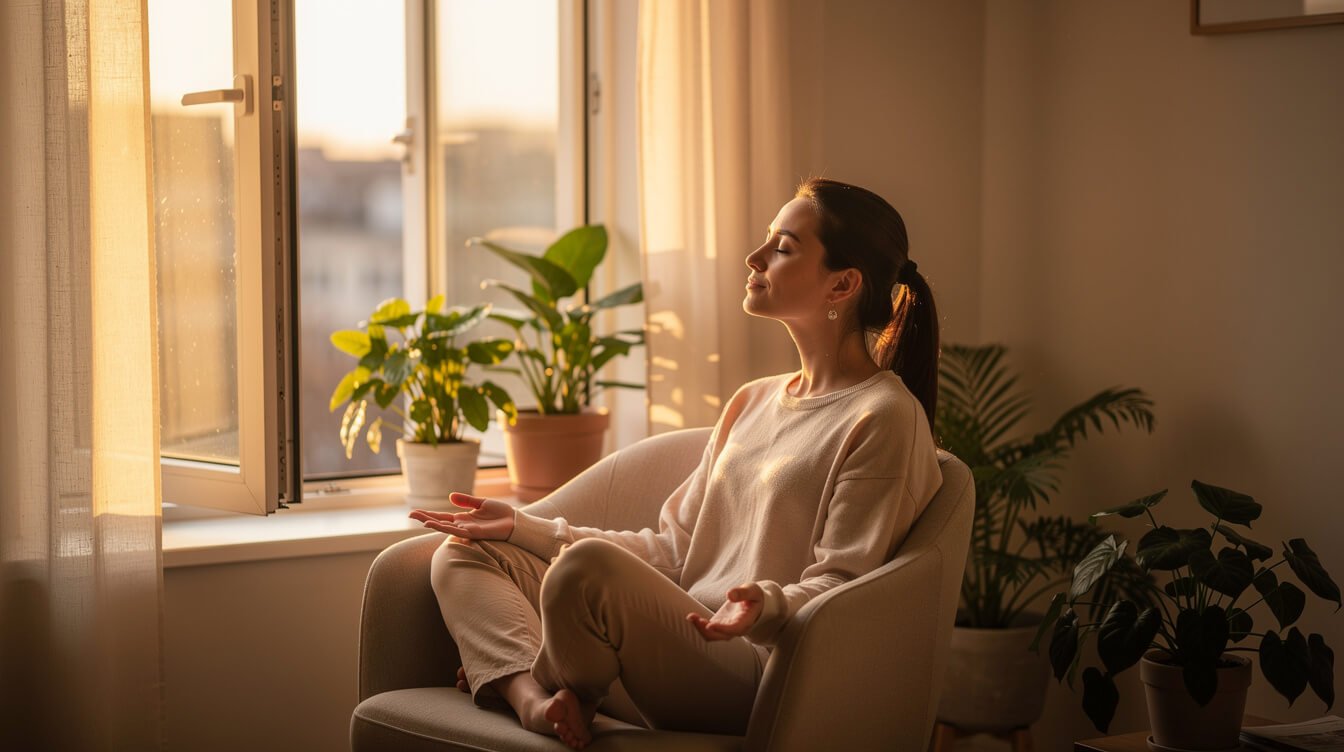
benefits of meditation for stress relief

If there’s one benefit of meditation that nearly every study confirms, it’s the practice’s remarkable ability to reduce stress. When you meditate, your body shifts from the sympathetic nervous system’s “fight-or-flight” response into the parasympathetic “rest-and-digest” state — and the effects may be both immediate and cumulative.

How Meditation May Lower Cortisol

Research suggests that regular meditation practice may reduce levels of cortisol, your body’s primary stress hormone. A landmark study published in Health Psychology found that mindfulness meditation participants showed significantly lower cortisol responses compared to control groups. This isn’t just about feeling calmer in the moment — consistently lower cortisol levels are associated with reduced inflammation, better immune function, and improved metabolic health.

迷走神經連接

One of the most fascinating mechanisms behind meditation’s stress-relieving effects involves the 迷走神經. This long cranial nerve connects your brain to your gut, heart, and lungs. Meditation — especially practices that incorporate slow, rhythmic breathing — may stimulate vagal tone, which research associates with greater emotional resilience and faster recovery from stressful events.

Stress Relief Beyond the Cushion

Perhaps the most compelling aspect of meditation’s stress benefits is that they don’t stop when you open your eyes. Studies suggest that regular meditators may develop a fundamentally different relationship with stress — not eliminating it, but responding to challenges with greater equanimity. Many practitioners report that stressful situations that once triggered anxiety now feel more manageable.

If stress management is your primary goal, you might also explore 呼吸技巧 that complement your meditation practice beautifully.

Benefits of Meditation for Mental Clarity and Focus

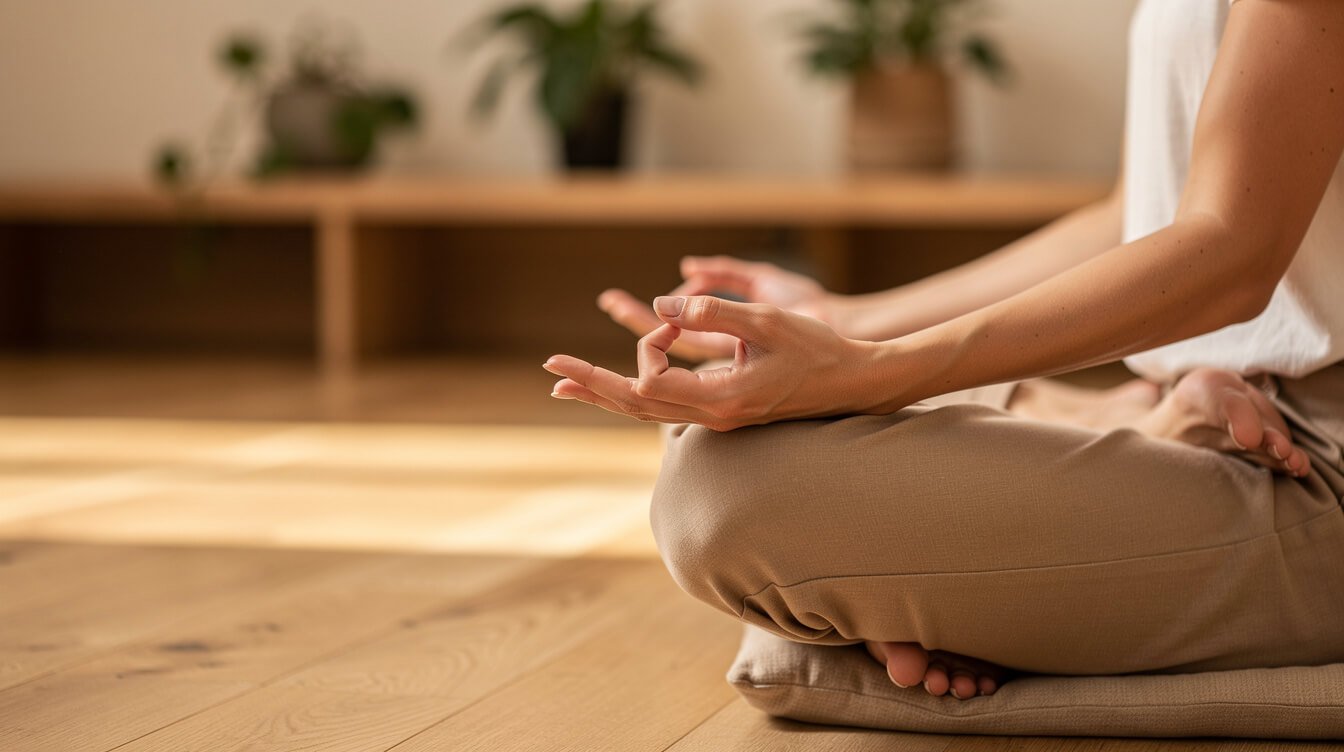
meditation for mental clarity and focus

In our age of constant notifications and digital overwhelm, the ability to focus deeply has become almost a superpower. Research suggests that meditation may be one of the most effective ways to train and strengthen your attention — think of it as exercise for your brain’s focus muscles.

Attention Span and Concentration

A study from the University of California found that participants who completed an intensive meditation retreat showed significant improvements in sustained attention and working memory. What’s particularly encouraging is that even short daily practice — as little as 10 to 15 minutes — may produce measurable improvements in focus within just a few weeks.

Neuroplasticity: How Meditation May Reshape Your Brain

Perhaps the most exciting finding in meditation research is evidence that the practice may physically change brain structure. Neuroscientists at Harvard Medical School found that eight weeks of mindfulness meditation increased gray matter density in brain regions associated with learning, memory, self-awareness, and compassion. At the same time, the amygdala — the brain’s fear and stress center — appeared to shrink.

This is neuroplasticity in action. Your brain isn’t fixed — it’s constantly rewiring itself based on your experiences, and meditation may be one of the most deliberate ways to guide that rewiring toward greater clarity and calm.

Creativity and Problem-Solving

While most competitor articles focus on focus and attention, there’s a lesser-known benefit that deserves attention: meditation may enhance creative thinking. Open-monitoring meditation — where you observe thoughts without judgment — has been linked to improved divergent thinking, the cognitive process behind brainstorming and creative problem-solving. If you’ve ever had your best ideas in the shower, meditation may help you access that same relaxed, open state of mind more consistently.

Emotional Wellness: How Meditation May Support Mental Health

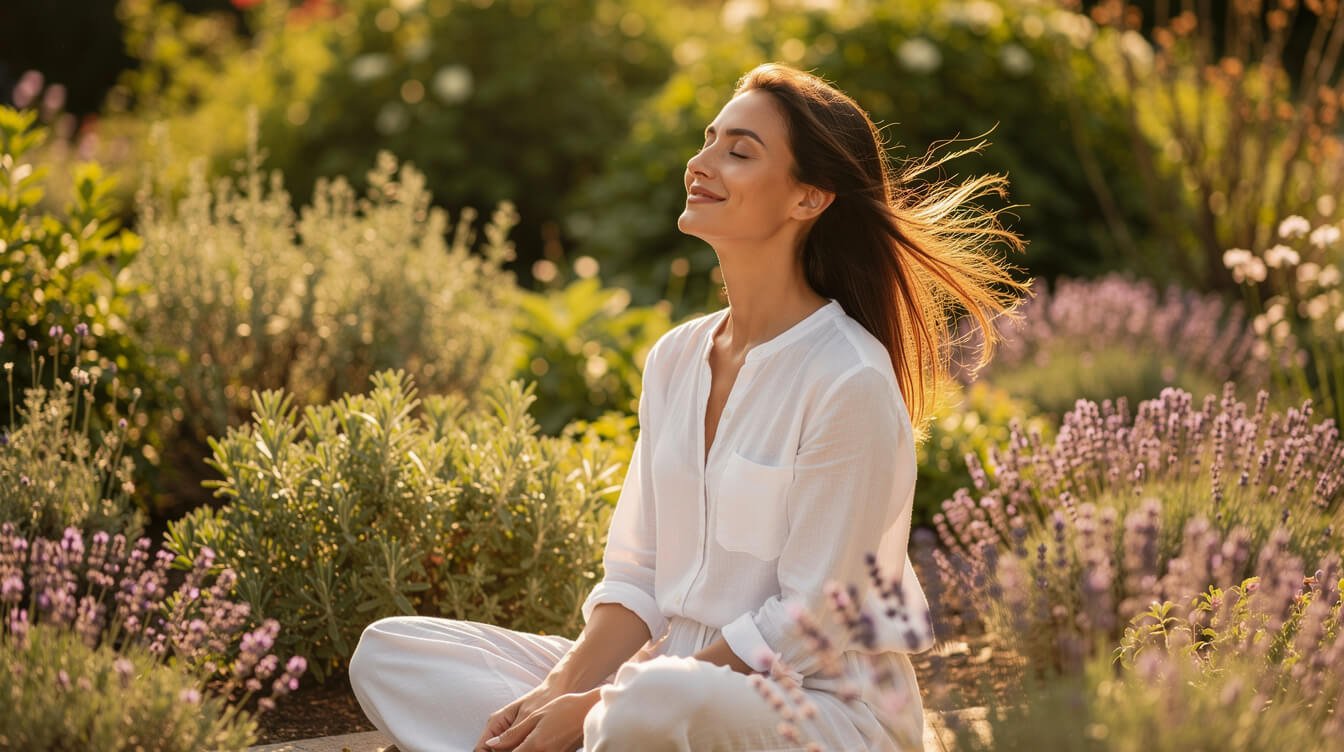
meditation for emotional wellness and mental health

Beyond stress relief and sharper thinking, the benefits of meditation for emotional health may be some of the most life-changing. Research increasingly suggests that a consistent meditation practice may help regulate mood, reduce symptoms of anxiety and depression, and cultivate a deeper sense of emotional resilience.

Anxiety and Depression

A comprehensive meta-analysis published in JAMA內科雜誌, reviewing nearly 19,000 meditation studies, found moderate evidence that mindfulness meditation may reduce anxiety, depression, and pain. What’s notable is that these effects were comparable to those of antidepressant medications for mild to moderate depression — without the side effects.

This doesn’t mean meditation should replace professional treatment. But as a complementary practice, it may offer meaningful support for emotional wellbeing. If you’re exploring natural approaches to emotional balance, 適應原草藥 may also be worth exploring alongside your meditation practice.

Self-Awareness and Emotional Intelligence

Regular meditation may help you develop what psychologists call “metacognitive awareness” — the ability to observe your own thoughts and emotions without being swept away by them. This skill is foundational to emotional intelligence, better relationships, and healthier decision-making.

Practices like loving-kindness meditation (also called metta) take this a step further. Research published in the Journal of Personality and Social Psychology found that just seven weeks of loving-kindness meditation increased positive emotions, social connection, and life satisfaction.

Building Emotional Resilience

Life will always present challenges — meditation may not change that. But research suggests it can change how you respond. Regular meditators often report what scientists call “equanimity” — the ability to remain centered during both pleasant and unpleasant experiences. This isn’t emotional numbness; it’s a deeper stability that allows you to feel fully while staying grounded.

Physical Health Benefits of Meditation

physical health benefits of meditation

While meditation is primarily a mental practice, its effects ripple through your entire body. From cardiovascular health to immune function, research continues to reveal surprising physical benefits of a regular meditation practice.

Heart Health and Blood Pressure

The American Heart Association has reviewed extensive research on meditation and cardiovascular health. Studies suggest that meditation may lower blood pressure by relaxing blood vessel walls, reducing the “fight-or-flight” signals that constrict arteries. For people with hypertension, this may represent a meaningful natural complement to conventional treatment.

睡眠品質

If you struggle with insomnia or restless nights, meditation may help. A study published in JAMA內科雜誌 found that mindfulness meditation significantly improved sleep quality in older adults with moderate sleep disturbances. The practice may work by quieting the “racing mind” that often keeps people awake, activating the relaxation response that prepares your body for sleep.

For a deeper dive into natural sleep support, check out our comprehensive guide to natural sleep remedies.

疼痛管理

Chronic pain affects millions of people, and meditation may offer a surprising avenue for relief. Research from Wake Forest University found that mindfulness meditation reduced pain intensity by approximately 40% and pain unpleasantness by 57% — results that outperformed even morphine in some measures. The mechanism appears to involve changing how the brain processes pain signals rather than blocking them.

If you’re interested in complementary approaches to pain, our guide to 緩解疼痛的自然療法 covers additional research-backed strategies.

Immune Function and Inflammation

Emerging research suggests that meditation may influence immune function at the genetic level. A study from Harvard Medical School found that long-term meditators showed changes in gene expression related to inflammation, cellular metabolism, and oxidative stress. While this research is still evolving, it points toward meditation’s potential as a whole-body wellness practice — not just a mental health tool.

For those already interested in 整體健康方法, meditation fits naturally as a cornerstone practice.

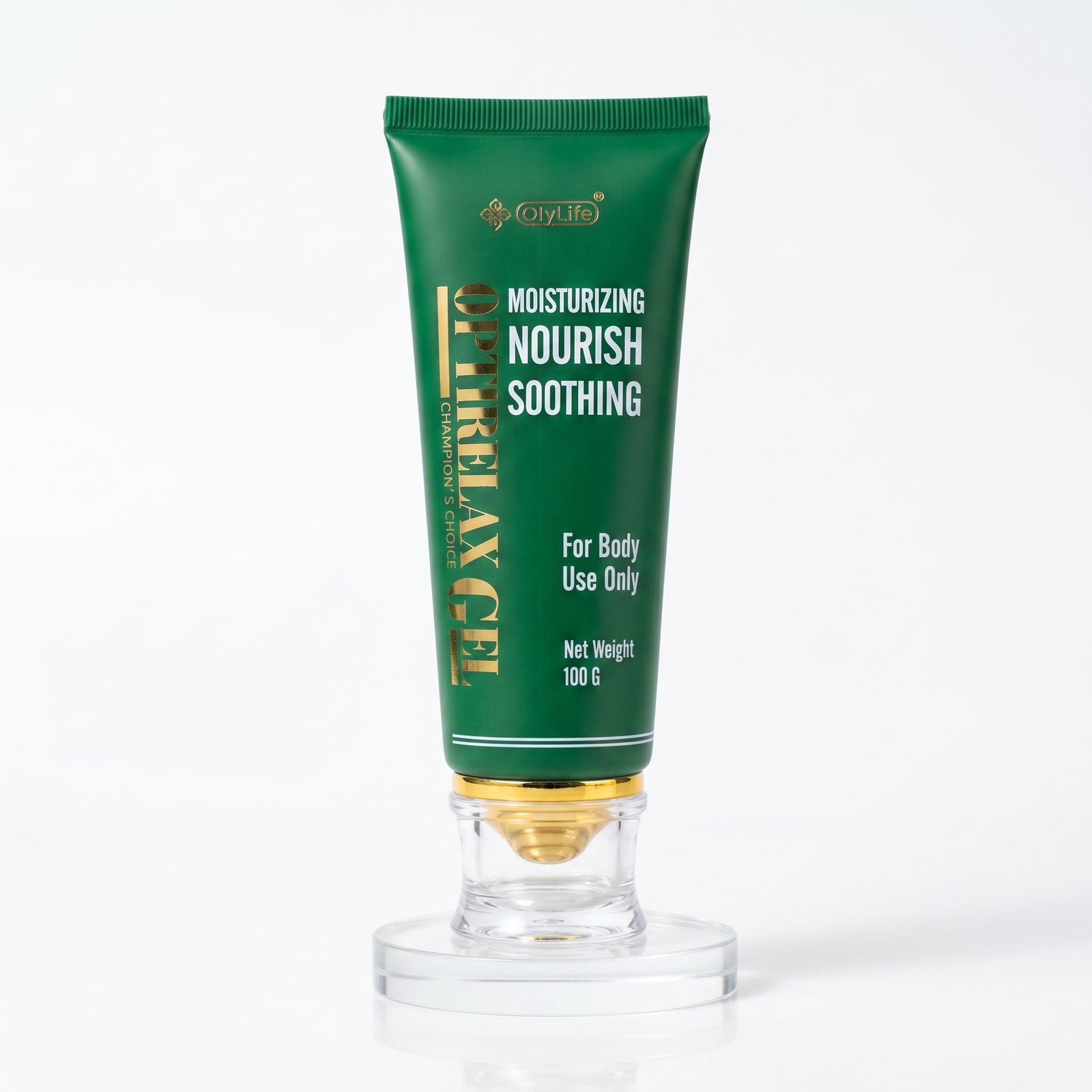
Looking for ways to enhance your relaxation practice? The OlyLife OptiRelax凝膠 is designed to complement your wind-down routine, combining natural botanical ingredients with OlyLife’s Tera-P90+ technology for a soothing body care experience.

How to Get Started With Meditation: A Beginner’s Guide

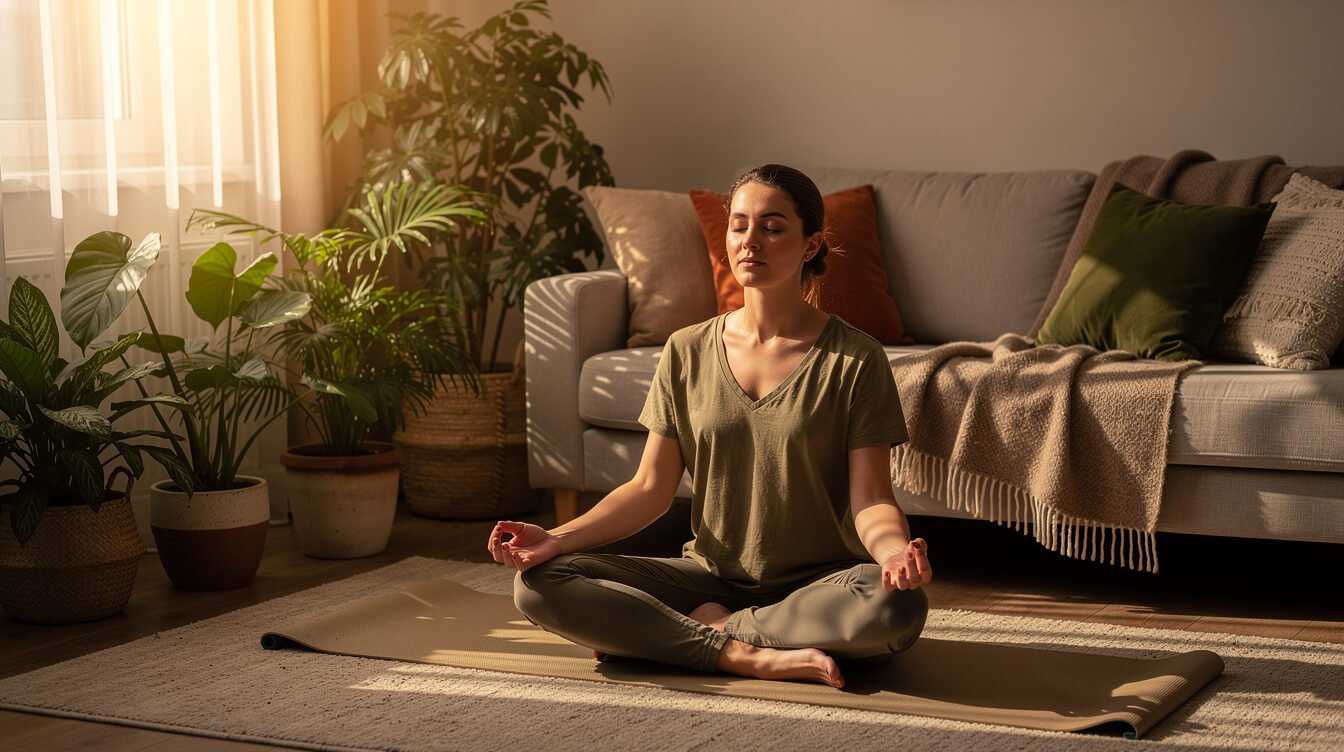
how to get started with meditation

One of the greatest benefits of meditation is its accessibility — you don’t need any special equipment, membership, or training to begin. Here’s a practical guide to starting your practice, whether you have five minutes or thirty.

Choosing Your Meditation Style

There’s no single “right” way to meditate. Here are the most popular and well-researched styles:

  • Mindfulness meditation: Focus on your breath and observe thoughts without judgment. This is the most widely studied form and an excellent starting point for beginners.
  • Guided meditation: Follow a teacher’s voice through a visualization or body scan. Great if you find silence challenging at first.
  • Loving-kindness (metta) meditation: Silently repeat phrases of goodwill toward yourself and others. Research suggests this style may be particularly effective for emotional wellbeing.
  • Body scan meditation: Systematically move your attention through different body parts, noticing sensations. Excellent for body awareness and sleep preparation.
  • Mantra meditation: Repeat a word or phrase (like “om” or “peace”) to anchor your attention. Transcendental Meditation (TM) is the most well-known form.
  • Movement meditation: Practices like tai chi, qigong, or mindful walking combine gentle movement with meditative awareness.

The Minimum Effective Dose

One question no competitor adequately answers: how much meditation is enough? Here’s what the research suggests:

  • 5 minutes daily: May produce noticeable stress reduction within 2 weeks
  • 10-15 minutes daily: The sweet spot for most beginners — associated with measurable improvements in focus and emotional regulation within 4-8 weeks
  • 20-30 minutes daily: The level at which most research studies show significant benefits across all measured outcomes
  • Consistency matters more than duration: Ten minutes every day may be more beneficial than one hour once a week

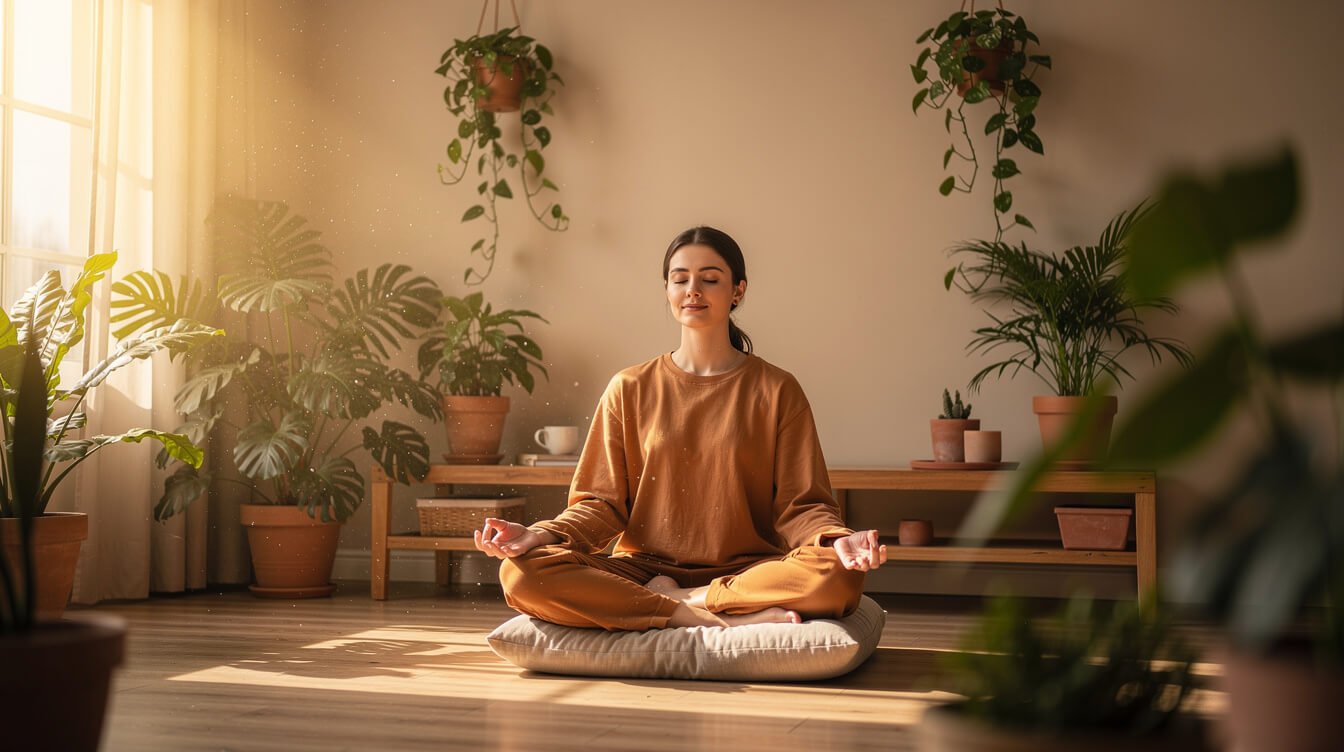
Setting Up Your Practice Space

While you can meditate anywhere, creating a dedicated space may help establish your habit:

  1. Choose a quiet corner — even a small area by a window works beautifully
  2. Add a comfortable cushion or chair — comfort matters more than posture perfection
  3. Set a gentle timer — so you’re not watching the clock
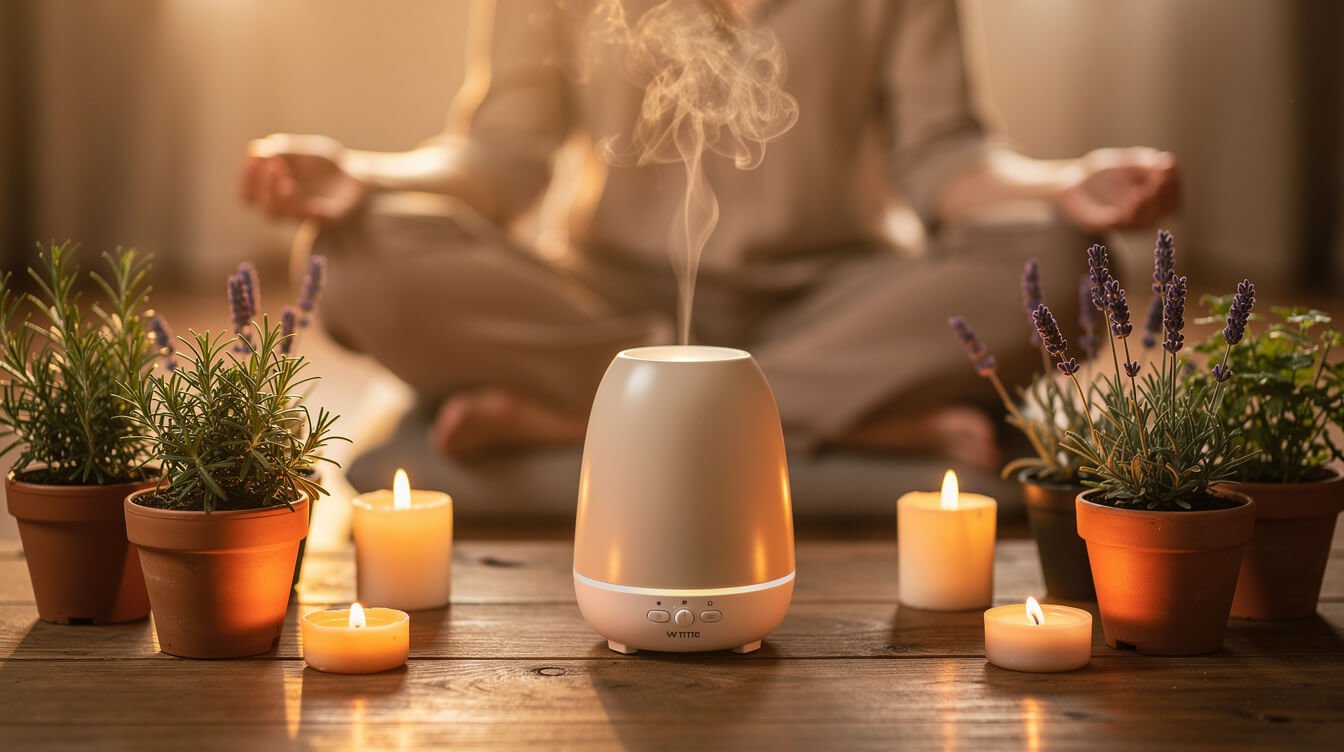
  4. Consider natural elements — a plant, a candle, or an essential oil diffuser can signal “meditation time” to your brain
  5. Keep it simple — an overly elaborate setup may become a barrier rather than an invitation
OlyLife OptiRelax凝膠

Enhance Your Relaxation Ritual

Pair your meditation practice with the OlyLife OptiRelax Gel — a soothing body companion infused with natural botanicals and OlyLife’s Tera-P90+ technology. Perfect for your post-meditation wind-down.

🎁 領取免費健康禮品

在下方輸入您的姓名和電子郵件地址,即可免費獲得 OlyLife 提供的特別健康禮物!

免費健康禮包

Meditation and Natural Wellness: A Holistic Approach

meditation combined with natural wellness therapies

While meditation is powerful on its own, it may become even more effective when integrated into a broader natural wellness routine. Here’s how meditation connects with other evidence-informed wellness practices.

Meditation and Breathwork

Breathwork and meditation are natural companions. Techniques like box breathing, alternate nostril breathing, and 4-7-8 breathing may deepen your meditative state while activating the parasympathetic nervous system. Many experienced practitioners begin their meditation sessions with 5 minutes of structured 呼吸練習 to transition from daily activity to stillness.

Meditation and Aromatherapy

Essential oils may enhance your meditation experience by engaging the olfactory system — which connects directly to your brain’s limbic system (the emotional center). Research suggests that certain scents may support the meditative state:

  • Lavender: Traditionally associated with calm and relaxation
  • Frankincense: Used in contemplative practices for thousands of years
  • Sandalwood: Research suggests it may promote a sense of tranquility
  • Cedarwood: May support grounding and present-moment awareness

Meditation and Adaptogenic Herbs

Adaptogens — herbs traditionally used to help the body resist stressors — may complement your meditation practice by supporting your body’s stress response at the biochemical level. While meditation works from the “top down” (mind influencing body), adaptogens like ashwagandha, rhodiola, and holy basil may work from the “bottom up” (supporting hormonal and nervous system balance). Together, they may represent a more complete approach to stress management.

Meditation and the Gut-Brain Axis

One of the most exciting frontiers in meditation research is its potential connection to gut health. The vagus nerve — which meditation may help stimulate — is the primary communication highway between your brain and your digestive system. Early research suggests that meditation may positively influence the gut microbiome, which in turn affects mood, immune function, and overall wellness. This bidirectional relationship means that caring for your mind through meditation may also mean caring for your gut.

Frequently Asked Questions About the Benefits of Meditation

frequently asked questions about benefits of meditation

How long does it take to experience the benefits of meditation?

Many people report feeling calmer after just one session. However, research suggests that measurable changes in stress hormones, brain structure, and emotional regulation typically emerge after 4 to 8 weeks of consistent daily practice (10-20 minutes per day). Some benefits, like improved attention, may appear even sooner — within 2 weeks of regular practice.

Can meditation replace medical treatment?

No. While research supports meditation as a valuable complementary practice, it should not replace professional medical treatment for serious conditions. Always consult with your healthcare provider, especially if you’re managing anxiety, depression, chronic pain, or other medical conditions. Meditation works best as part of a comprehensive wellness approach.

Is meditation safe for everyone?

Meditation is generally considered safe for most people. However, some individuals — particularly those with a history of trauma, severe anxiety, or certain psychiatric conditions — may experience discomfort during certain meditation practices. If you experience persistent distress during meditation, consider working with a qualified meditation teacher or mental health professional who can guide you toward practices that feel supportive rather than overwhelming.

What if I can’t stop my mind from wandering?

This is the most common concern for beginners — and it’s based on a misunderstanding. The goal of meditation is not to stop thinking. It’s to notice when your mind has wandered and gently return your attention. That moment of noticing is actually the practice. Every time you catch your mind wandering and redirect it, you’re strengthening your attention — like doing a mental bicep curl. A “wandering” meditation session may be more beneficial than you think.

Do I need to sit cross-legged on the floor?

Absolutely not. You can meditate in a chair, lying down, standing, or even walking. The most important thing is that you’re comfortable enough to stay relatively still (or move gently, in movement meditation) without significant physical distraction. If sitting on the floor is uncomfortable, use a chair with your feet flat on the ground — your meditation will be just as effective.

Can children benefit from meditation?

Research suggests that mindfulness practices may benefit children and adolescents, potentially improving attention, emotional regulation, and social skills. Schools that have implemented meditation programs report reduced behavioral issues and improved academic focus. For children, shorter sessions (3-5 minutes) with guided or playful approaches tend to work best.

Embrace the Benefits of Meditation in Your Wellness Journey

The benefits of meditation are both ancient wisdom and modern science converging on the same truth: taking time to sit quietly with your own awareness may be one of the most transformative things you can do for your health and wellbeing.

Whether you’re drawn to meditation for stress relief, better sleep, emotional balance, or simply a greater sense of peace in your daily life, the research is clear — this practice may offer meaningful support across virtually every dimension of wellness.

You don’t need to meditate for hours. You don’t need a perfect space. You don’t need to clear your mind completely. Start with five minutes tomorrow morning. Sit comfortably, close your eyes, and simply notice your breath. When your mind wanders — and it will — gently bring it back. That’s it. That’s meditation.

And from that small beginning, something remarkable may grow.

訂閱我們的健康資訊簡訊

每週取得健康小貼士、自然健康資訊和獨家優惠,直接寄至您的信箱。.

健康資訊

相關文章

發佈留言

發佈留言必須填寫的電子郵件地址不會公開。 必填欄位標示為 *