Holistic Wellness: Your Complete Guide to Whole-Body Health
What Is Holistic Wellness? Understanding the Whole-Person Approach

Holistic wellness is a way of living that honors every dimension of who you are — body, mind, emotions, spirit, and social connections. Unlike conventional health approaches that often focus on isolated symptoms, holistic wellness recognizes that these dimensions are deeply interconnected. When one area suffers, the others feel it. When one area thrives, everything else begins to shift.
The word “holistic” comes from the Greek holos, meaning “whole.” It’s a concept rooted in ancient healing traditions — from Ayurveda and Traditional Chinese Medicine to indigenous practices around the world — that modern science is increasingly validating. Research published in the Journal of Alternative and Complementary Medicine has shown that integrative, whole-person approaches to health may lead to better outcomes than treating individual symptoms in isolation.
At its core, holistic wellness invites you to ask a deeper question: rather than “What’s wrong with me?”, it asks “What does my whole self need to thrive?” This shift in perspective changes everything — from how you eat and move to how you manage stress, nurture relationships, and find meaning in daily life.
For those new to this approach, think of your wellbeing as a wheel with five interconnected spokes: physical, mental, emotional, spiritual, and social. If any spoke weakens, the entire wheel wobbles. True holistic health means tending to each spoke with equal care and intention.
The Five Pillars of Holistic Wellness

Understanding the five pillars of holistic wellness gives you a practical framework for building a more balanced, vibrant life. Each pillar supports the others, creating a foundation of resilience that helps you navigate challenges with greater ease.
Physical Wellness: Your Body as Foundation
Physical wellness extends far beyond exercise and diet — though both matter deeply. It encompasses sleep quality, hydration, movement patterns, and how you nourish your body at a cellular level. Research suggests that consistent, gentle movement may be more beneficial than intense exercise performed sporadically.
Key physical wellness practices include:
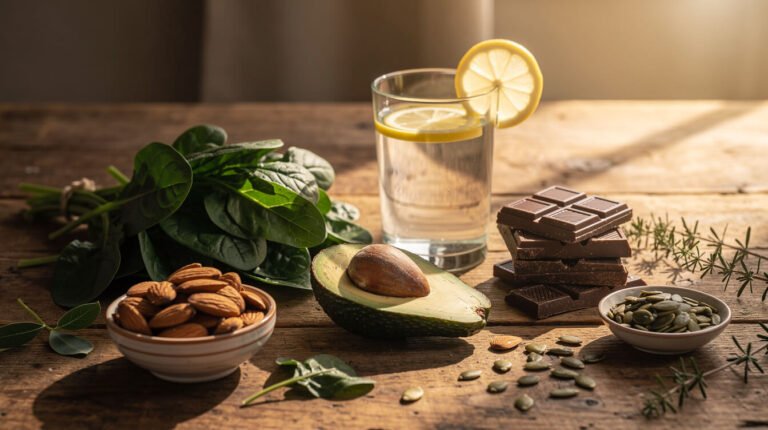
- Nutrient-dense eating — prioritizing whole foods, anti-inflammatory ingredients, and colorful plant-based meals
- Restorative sleep — aiming for 7–9 hours using natural sleep support strategies
- Daily movement — walking, yoga, tai chi, or any activity that feels joyful rather than punishing
- Hydration awareness — drinking water mindfully throughout the day
- Body-based therapies — massage, dry brushing, and earthing practices that support circulation and relaxation
Mental Wellness: Cultivating a Calm, Clear Mind
Mental wellness is about cognitive vitality — the ability to think clearly, learn continuously, and maintain curiosity throughout your life. It also involves managing the information overload that characterizes modern living. A holistic approach to mental wellness might include puzzles and learning new skills alongside meditation practices that quiet mental chatter.
Emotional Wellness: Honoring Your Inner Landscape
Emotional wellness doesn’t mean being happy all the time. It means developing the capacity to experience the full spectrum of human emotions without being overwhelmed by them. Practices like journaling, breathwork, and mindful self-compassion help build emotional resilience. When you can sit with difficult emotions rather than suppressing them, you process and release them more effectively.
Spiritual Wellness: Finding Meaning and Connection
Spiritual wellness is deeply personal and doesn’t require any specific religious practice. It’s about connecting with something larger than yourself — whether that’s nature, community, creativity, or a sense of purpose. Practices like spending time in nature, gratitude journaling, meditation, and sound healing can deepen your sense of spiritual connection.
Social Wellness: The Power of Human Connection
Humans are wired for connection. Research consistently shows that strong social bonds may be one of the most significant predictors of longevity and overall wellbeing. The Harvard Study of Adult Development — one of the longest-running studies on human happiness — found that the quality of your relationships may be the single strongest predictor of health and life satisfaction.
Social wellness means nurturing relationships that uplift you, setting healthy boundaries, and contributing to your community in meaningful ways. It also means recognizing when isolation is affecting your health and taking gentle steps to reconnect — whether through shared meals, group wellness activities, volunteer work, or simply being more present in conversations.
Daily Holistic Wellness Practices You Can Start Today

The most powerful holistic wellness practices aren’t complicated or expensive — they’re simple habits woven into the fabric of daily life. Here’s a morning-to-evening framework that touches every pillar of wellness without requiring hours of extra time.
Morning Rituals (15–20 Minutes)
How you begin your day sets the tone for everything that follows. A holistic morning routine might include:
- Wake with intention — before reaching for your phone, take three deep breaths and set a simple intention for the day
- Hydrate first — drink a glass of warm water with lemon to gently support digestion and hydration
- Move gently — 5–10 minutes of stretching, yoga, or a short walk outside
- Grounding practice — step barefoot onto grass or soil for 5 minutes if weather permits (this ancient practice, also known as earthing, may help regulate your nervous system)
Midday Reset (5–10 Minutes)
By midday, stress hormones often peak and energy dips. A brief reset can transform your afternoon:
- Mindful eating — put away screens during lunch, chew slowly, and notice flavors and textures
- Breathing break — practice 4-7-8 breathing (inhale for 4 counts, hold for 7, exhale for 8) to activate your parasympathetic nervous system
- Nature exposure — even 5 minutes near plants, trees, or sunlight may help reset your circadian rhythm and boost mood
Evening Wind-Down (20–30 Minutes)
Your evening routine is just as important as your morning one. Practices that support holistic wellness before bed include:
- Digital sunset — reduce screen exposure 60–90 minutes before bed
- Gratitude journaling — write three things you’re grateful for (research suggests this simple practice may improve sleep quality and emotional wellbeing)
- Gentle self-care — a warm bath with Epsom salts, aromatherapy with calming essential oils like lavender, or gentle self-massage
- Herbal support — a cup of chamomile or passionflower tea to signal your body that it’s time to rest
Holistic Wellness and Natural Therapies: Ancient Wisdom Meets Modern Science
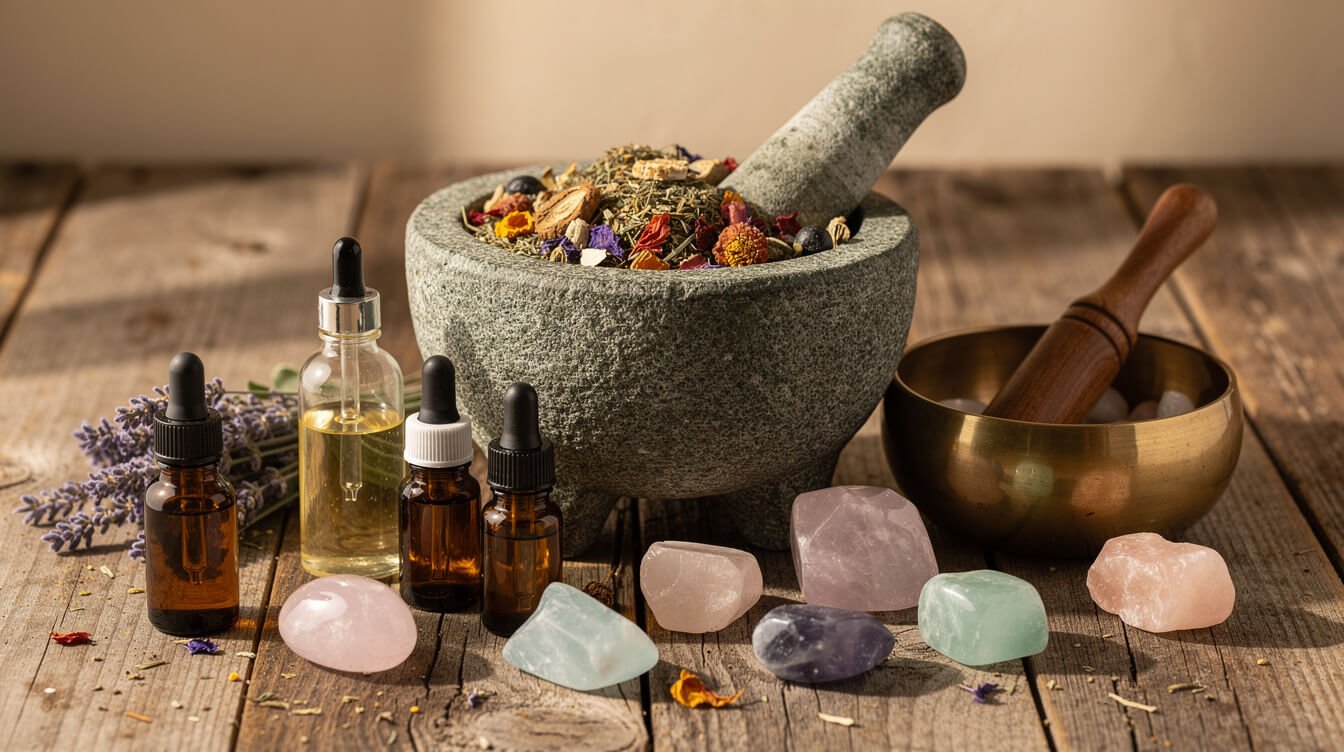
One of the most exciting aspects of holistic wellness is the growing body of research supporting practices that ancient cultures have used for centuries. Modern science is beginning to understand why these traditions work, giving us evidence-informed tools for whole-body health.
Energy-Based Modalities
Practices that work with the body’s bioelectric and electromagnetic fields are gaining attention in the wellness community. Pulsed electromagnetic field (PEMF) therapy, for example, uses specific frequencies that may support cellular function and recovery. Research published in peer-reviewed journals suggests that PEMF may support circulation, comfort, and overall vitality.
Similarly, terahertz frequency therapy is an emerging modality that works with frequencies naturally present in the human body. While research is still evolving, early studies suggest these frequencies may support the body’s natural resonance and cellular communication.
If you’re curious about how frequency-based therapies fit into a holistic wellness routine, explore the range of wellness tools available at OlyLife — designed to complement your natural health journey.
Adaptogenic Herbs
Adaptogens are a class of herbs and mushrooms traditionally used to help the body adapt to stress. Popular adaptogens include ashwagandha (traditionally used for stress resilience and sleep support), rhodiola (which may support mental stamina), and reishi mushroom (valued for its potential immune-supporting properties). A comprehensive guide to adaptogens for stress can help you choose the right herbs for your needs.
Mind-Body Practices
Yoga, tai chi, qigong, and meditation have millennia of traditional use and growing scientific validation. These practices may help regulate the nervous system, reduce cortisol levels, improve flexibility, and cultivate mindfulness — touching multiple pillars of holistic wellness simultaneously.
What makes mind-body practices so valuable for holistic wellness is their ability to bridge the gap between physical sensation and mental awareness. A single yoga session, for instance, involves intentional breathing (emotional regulation), body awareness (physical wellness), focused attention (mental wellness), and often a sense of inner stillness (spiritual wellness). Few other practices engage so many dimensions at once.
Frequency and Sound Therapies
The use of specific sound frequencies for wellness is one of the oldest healing traditions on Earth. From Tibetan singing bowls to modern frequency music, sound-based practices may help shift brainwave patterns, promote relaxation, and support emotional release. Combined with other holistic approaches, frequency therapies offer a gentle yet powerful pathway to balance.
🎁 Get a Free Wellness Gift
Enter your name and email below to receive a special wellness gift from OlyLife — absolutely free!
Nutrition as the Foundation of Holistic Wellness

You’ve likely heard the phrase “food is medicine” — and from a holistic wellness perspective, this couldn’t be more accurate. What you eat affects not just your physical body but your mood, cognitive function, energy levels, and even your spiritual clarity.
The Holistic Plate
Rather than counting calories or restricting food groups, a holistic approach to nutrition focuses on nourishment. Each meal is an opportunity to support your whole self:
- Rainbow eating — different colored fruits and vegetables provide different phytonutrients that support various body systems
- Gut-friendly foods — fermented foods like kimchi, sauerkraut, kefir, and yogurt support the gut microbiome, which research increasingly links to mood, immunity, and overall health
- Anti-inflammatory focus — turmeric, ginger, fatty fish, berries, and leafy greens may help reduce chronic inflammation
- Mindful preparation — cooking with intention and gratitude transforms meal preparation from a chore into a wellness practice
Hydration Beyond Water
While pure water is essential, holistic hydration also includes herbal teas, bone broth, coconut water, and water-rich fruits and vegetables. Some wellness practitioners suggest that the quality of water matters as much as the quantity — filtered water, spring water, or even hydrogen water may offer additional benefits beyond basic hydration.
Holistic wellness tip: Try eating seasonally and locally when possible. Seasonal foods naturally provide the nutrients your body needs most at each time of year — cooling fruits in summer, warming root vegetables in winter.
Creating Your Personalized Holistic Wellness Plan

The beauty of holistic wellness is that there’s no one-size-fits-all prescription. Your ideal wellness plan reflects your unique constitution, lifestyle, goals, and preferences. Here’s how to build one that actually works — and lasts.
Step 1: Assess Your Current Wellness Wheel
Rate each of the five pillars on a scale of 1–10:
- Physical wellness: How does your body feel day to day?
- Mental wellness: How clear and focused is your thinking?
- Emotional wellness: How well do you process and express emotions?
- Spiritual wellness: How connected do you feel to purpose and meaning?
- Social wellness: How nourishing are your relationships?
The pillar with the lowest score is often the best place to start. Small improvements in your weakest area tend to create the most noticeable shifts in overall wellbeing.
Step 2: Choose One Practice Per Pillar
Instead of overhauling your entire life at once (which rarely sticks), select just one simple practice for each pillar. For example:
- Physical: A 15-minute daily walk
- Mental: 5 minutes of meditation or a daily crossword puzzle
- Emotional: Evening gratitude journaling
- Spiritual: Weekly time in nature
- Social: One meaningful conversation per day without screens
Step 3: Build Gradually Over 90 Days
Research on habit formation suggests it takes an average of 66 days for a new behavior to become automatic. Give yourself a full 90 days before evaluating and adjusting your plan. Track your progress not by numbers on a scale, but by how you feel — energy levels, sleep quality, mood stability, and overall sense of vitality.
Step 4: Listen to Your Body
Perhaps the most important principle in holistic wellness is learning to listen to your body’s signals. Fatigue, pain, anxiety, digestive discomfort — these aren’t inconveniences to push through. They’re messages from your body asking for attention and care. A holistic approach means honoring those signals rather than suppressing them.
Body awareness practices like nervous system regulation techniques and body scanning meditation can sharpen your ability to read these signals. Over time, you’ll develop an intuitive understanding of what your body needs — more rest, different foods, movement, connection, or simply space to breathe.
Step 5: Embrace Seasonal Wellness
Nature moves in cycles, and holistic wellness traditions worldwide suggest that aligning your habits with the seasons may support deeper balance. In spring and summer, you might emphasize lighter foods, more outdoor activity, and social connection. In autumn and winter, consider turning inward — prioritizing warming nourishment, restorative practices, self-care rituals like reflexology, and reflective journaling. Seasonal eating, in particular, ensures your body receives the nutrients most relevant to the current climate and your body’s natural rhythms.
Frequently Asked Questions About Holistic Wellness

What’s the difference between holistic wellness and holistic medicine?
Holistic medicine is a branch of healthcare practiced by trained providers who treat the whole person. Holistic wellness is a broader lifestyle philosophy that anyone can adopt — it encompasses daily habits, mindset shifts, and self-care practices that support whole-person health without necessarily requiring a practitioner.
Is holistic wellness scientifically supported?
Many holistic wellness practices have strong scientific backing. Meditation, yoga, anti-inflammatory nutrition, adequate sleep, social connection, and nature exposure have all been studied extensively, with research published in peer-reviewed journals supporting their benefits. Other practices have centuries of traditional use and emerging scientific interest. A holistic approach means being open to both evidence-based and traditionally supported practices.
Can holistic wellness replace conventional medicine?
Holistic wellness is best viewed as a complement to — not a replacement for — conventional medical care. Many people find that holistic practices enhance their overall health, potentially reducing the need for intervention over time. Always consult with qualified healthcare providers for medical concerns.
How long does it take to see results from a holistic wellness approach?
Some benefits — like improved sleep from an evening routine or reduced stress from breathwork — may be noticeable within days. Deeper shifts in energy, mood, and overall vitality typically emerge over 4–12 weeks of consistent practice. Holistic wellness is a lifelong journey, not a quick fix.
What role does technology play in holistic wellness?
While holistic wellness often emphasizes natural approaches, certain technologies may complement traditional practices. Tools like PEMF devices, red light therapy panels, and biofeedback monitors can provide data-driven insights into your body’s responses. The key is using technology as a support tool rather than a replacement for the body awareness and intuitive self-care that form the heart of holistic living.
Do I need to change everything at once?
Absolutely not. The most sustainable approach is to start with one or two practices that resonate with you and build from there. Even small, consistent actions — a daily 5-minute meditation, a weekly nature walk, or simply drinking more water — can create meaningful change over time.
Final Thoughts: Your Holistic Wellness Journey Starts Now
Holistic wellness isn’t a destination — it’s a way of moving through life with greater awareness, intention, and care for every part of who you are. In a world that often asks you to fragment yourself into separate roles and responsibilities, choosing a holistic approach is a radical act of self-integration.
You don’t need a perfect morning routine, an expensive retreat, or a complete lifestyle overhaul. You simply need a willingness to pay attention — to your body’s signals, your emotional landscape, your need for connection and meaning. Start where you are. Choose one practice that speaks to you. Give it time. Notice what shifts.
Whether you’re drawn to grounding practices, breathwork techniques, nutrient-rich eating, or exploring emerging therapies like PEMF and terahertz technology, the path to holistic wellness is yours to walk at your own pace.
The most important step? The next one you take.