Frequency Music for Healing: How Sound Frequencies May Support Your Mind and Body
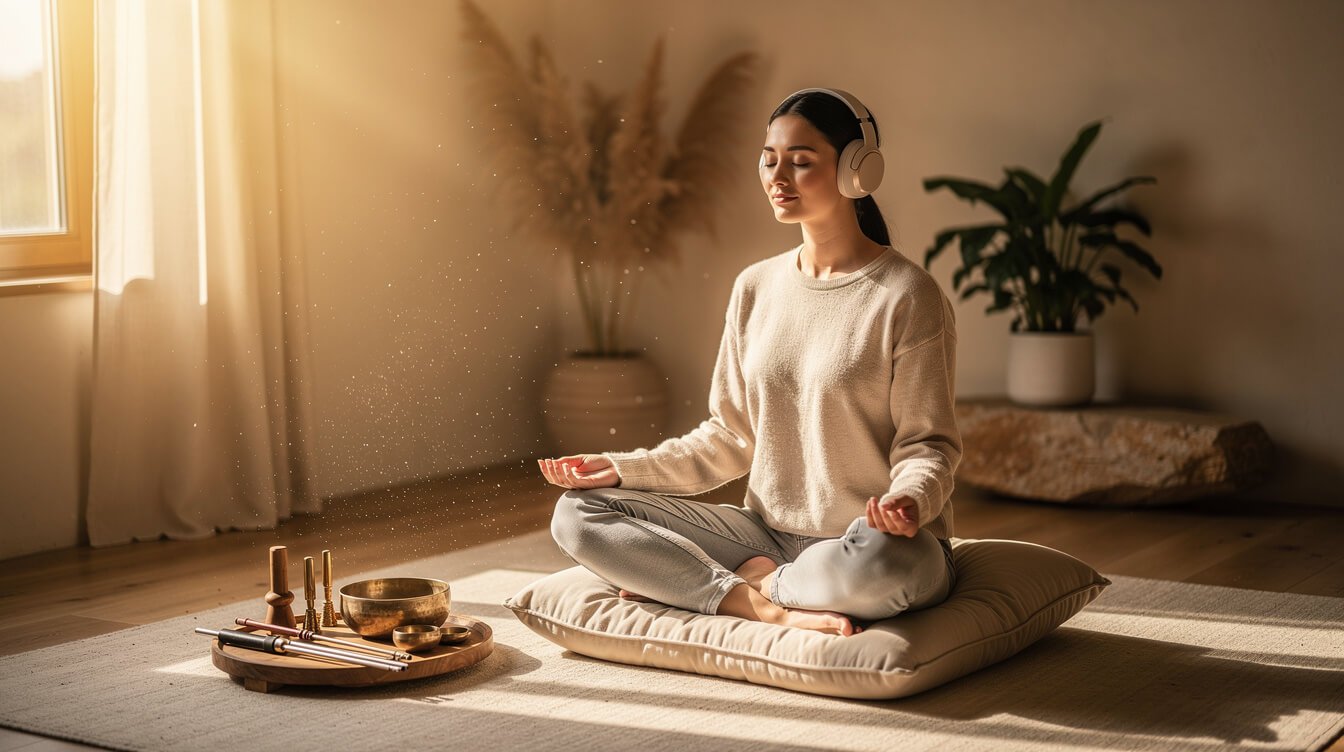
What if the right music could do more than lift your mood — what if it could actually support your body’s natural healing processes? Frequency music for healing is a growing wellness practice rooted in the idea that specific sound vibrations may positively influence your brain, nervous system, and overall wellbeing. From ancient Tibetan singing bowls to modern binaural beat playlists, people around the world are turning to carefully tuned frequencies as a complement to meditation, stress relief, and holistic self-care.
In this comprehensive guide, you’ll discover what frequency music for healing actually is, explore the science behind how sound affects your brain and body, learn about the most popular healing frequencies, and find practical ways to incorporate this powerful practice into your daily wellness routine.
What Is Frequency Music for Healing?
Frequency music for healing refers to music and audio tracks specifically designed or tuned to particular sound frequencies — measured in hertz (Hz) — that are believed to promote physical, mental, and emotional wellbeing. Unlike standard music composed primarily for enjoyment, healing frequency music is created with therapeutic intent, using precise tonal vibrations to influence the listener’s physiological and psychological state.
This practice has ancient roots. Gregorian monks chanted in specific tonal patterns as early as the 10th century, and many scholars believe these chants utilized what we now call the Solfeggio frequencies — a set of sacred tones used in spiritual and healing traditions for centuries. Tibetan singing bowls, crystal bowls, gongs, and tuning forks have similarly been used across cultures as vibrational healing tools for thousands of years.
Today, the practice has evolved to include digitally produced audio tracks that deliver precise frequencies through headphones or speakers. These tracks may feature:
- Solfeggio frequencies — specific tones (174 Hz, 285 Hz, 396 Hz, 417 Hz, 528 Hz, 639 Hz, 741 Hz, 852 Hz, 963 Hz) associated with different healing properties
- Binaural beats — two slightly different frequencies played in each ear, causing the brain to perceive a third “beat” frequency
- Isochronic tones — evenly spaced pulses of sound at specific frequencies
- Nature-infused soundscapes — natural sounds layered over therapeutic frequencies
- 432 Hz tuning — music tuned to A=432 Hz instead of the standard A=440 Hz, sometimes called “Verdi’s A”
Whether you prefer ancient instruments or modern digital compositions, the core principle remains the same: specific sound vibrations may interact with your body’s own frequencies to encourage balance, relaxation, and healing.
The Science Behind Frequency Music and Your Brain
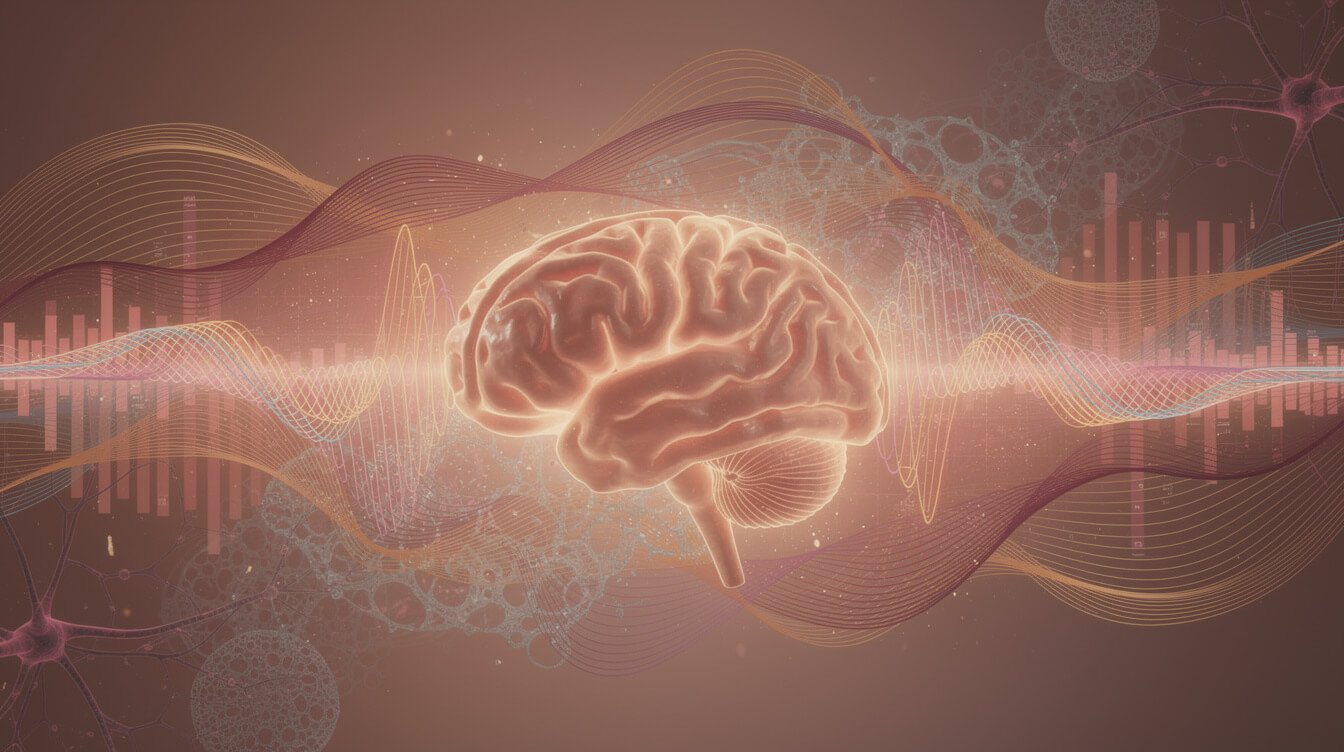
While the full mechanisms are still being studied, several well-documented scientific principles help explain how frequency music for healing may work.
Brainwave Entrainment
Your brain produces electrical patterns called brainwaves that correspond to different states of consciousness. Research published in Frontiers in Human Neuroscience (2017) demonstrates that external rhythmic stimuli — including sound frequencies — can synchronize brainwave activity through a process called brainwave entrainment (also known as neural entrainment or auditory driving).
Here’s how different brainwave states relate to healing frequency music:
- Delta waves (0.5–4 Hz) — deep sleep and physical restoration. Frequency music targeting delta states may support deep relaxation and recovery
- Theta waves (4–8 Hz) — deep meditation, creativity, and emotional processing. Associated with REM sleep and memory consolidation
- Alpha waves (8–13 Hz) — calm alertness, relaxation, and stress reduction. A 2019 study in Journal of Alternative and Complementary Medicine found alpha-frequency stimulation significantly reduced anxiety in participants
- Beta waves (13–30 Hz) — active thinking, focus, and problem-solving
- Gamma waves (30–100 Hz) — peak concentration, information processing, and heightened perception
The Vagus Nerve Connection
Sound vibrations may directly stimulate the vagus nerve — the longest cranial nerve that connects your brain to your heart, lungs, and digestive system. Research in Neuroscience & Biobehavioral Reviews has shown that vagal stimulation through sound can activate the parasympathetic nervous system, promoting a state of calm and facilitating the body’s natural healing processes.
This may help explain why many people report feeling deeply relaxed — sometimes even tearful — during sound healing sessions. The vibrations aren’t just heard by your ears; they’re felt throughout your body, potentially influencing your nervous system regulation at a fundamental level.
Cortisol and Stress Reduction
A 2020 systematic review in PLOS ONE examining the effects of sound interventions found that participants who listened to specific healing frequencies showed measurable reductions in cortisol levels — the body’s primary stress hormone. The review also noted improvements in heart rate variability (HRV), blood pressure, and self-reported anxiety scores.
These findings align with broader research on music therapy. The American Music Therapy Association recognizes that structured music interventions can reduce stress, manage pain, and support emotional wellbeing — and frequency-specific music may offer these benefits with particular precision.
Cellular Resonance Theory
Every cell in your body vibrates at its own natural frequency. Proponents of frequency healing suggest that illness and imbalance may be associated with cells vibrating at “off” frequencies, and that exposure to specific therapeutic frequencies may help restore optimal cellular vibration. While this theory requires more rigorous clinical research, preliminary studies in Journal of Infrared, Millimeter, and Terahertz Waves have explored how different electromagnetic frequencies interact with biological tissues.
The 7 Solfeggio Frequencies Explained
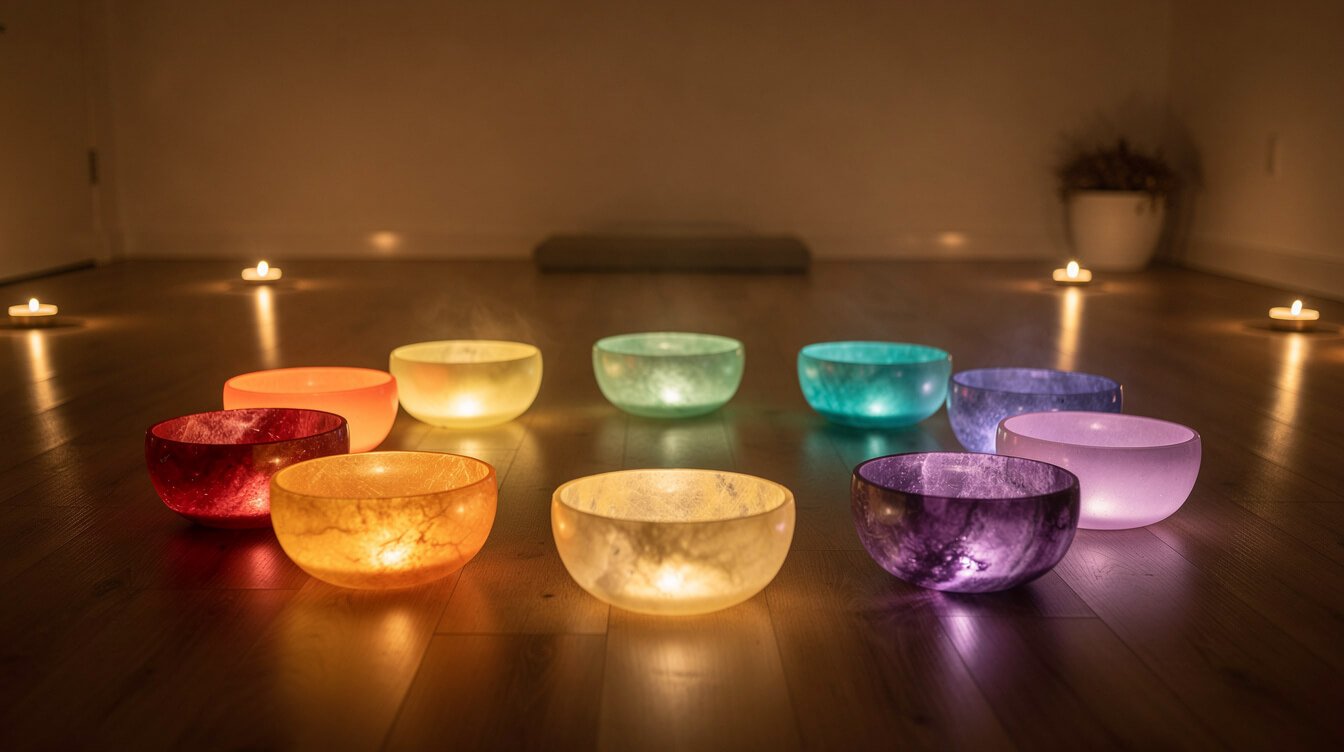
The Solfeggio frequencies are perhaps the most well-known set of healing tones, with roots in ancient Gregorian chants. Each frequency is traditionally associated with specific healing properties and corresponds to one of the body’s seven main energy centers (chakras). Here’s what you should know about each one:
396 Hz — Releasing Fear and Guilt
Associated with the root chakra at the base of the spine, 396 Hz is believed to help release deeply held patterns of fear, anxiety, and guilt. Practitioners suggest this frequency may support feelings of safety and groundedness — similar to the calming effects of earthing and grounding practices.
417 Hz — Facilitating Change
Linked to the sacral chakra, 417 Hz is traditionally used to help clear negative energy and facilitate positive transformation. Sound therapists often recommend this frequency for people navigating major life transitions or working through emotional blocks.
528 Hz — The “Love Frequency”
Perhaps the most celebrated Solfeggio frequency, 528 Hz is often called the “Miracle Tone” or “Love Frequency.” Research by biochemist Dr. Glen Rein at the Quantum Biology Research Lab found that 528 Hz music increased UV light absorption in DNA by 8.2%, suggesting a potential effect on cellular health. This frequency corresponds to the solar plexus chakra and is associated with transformation, clarity, and peace.
639 Hz — Harmonizing Relationships
Associated with the heart chakra, 639 Hz is believed to promote harmony in relationships, enhance communication, and foster compassion. Sound healers often use this frequency in group settings to create a sense of connection and emotional openness.
741 Hz — Awakening Intuition
Linked to the throat chakra, 741 Hz is traditionally associated with self-expression, problem-solving, and emotional clarity. Some practitioners suggest it may help with detoxification processes and promoting a cleaner, more simplified way of living.
852 Hz — Spiritual Connection
Connected to the third eye chakra, 852 Hz is believed to support intuition, inner strength, and spiritual awareness. This frequency is popular in meditation practices aimed at deepening self-reflection and mindfulness practices.
963 Hz — Divine Consciousness
Associated with the crown chakra, 963 Hz is sometimes called the “Frequency of the Gods.” It’s believed to promote connection to higher consciousness, oneness, and spiritual awakening. Many practitioners combine this frequency with deep breathing exercises for enhanced meditative states.
While scientific research on individual Solfeggio frequencies is still emerging, the overall body of evidence supports that specific sound frequencies can meaningfully influence brain activity, emotional states, and physiological responses. For a deeper exploration of how these frequencies relate to broader healing frequency practices, including their connection to modern wellness technology, explore our comprehensive guide.
Beyond Solfeggio: Binaural Beats, Isochronic Tones, and 432 Hz Music
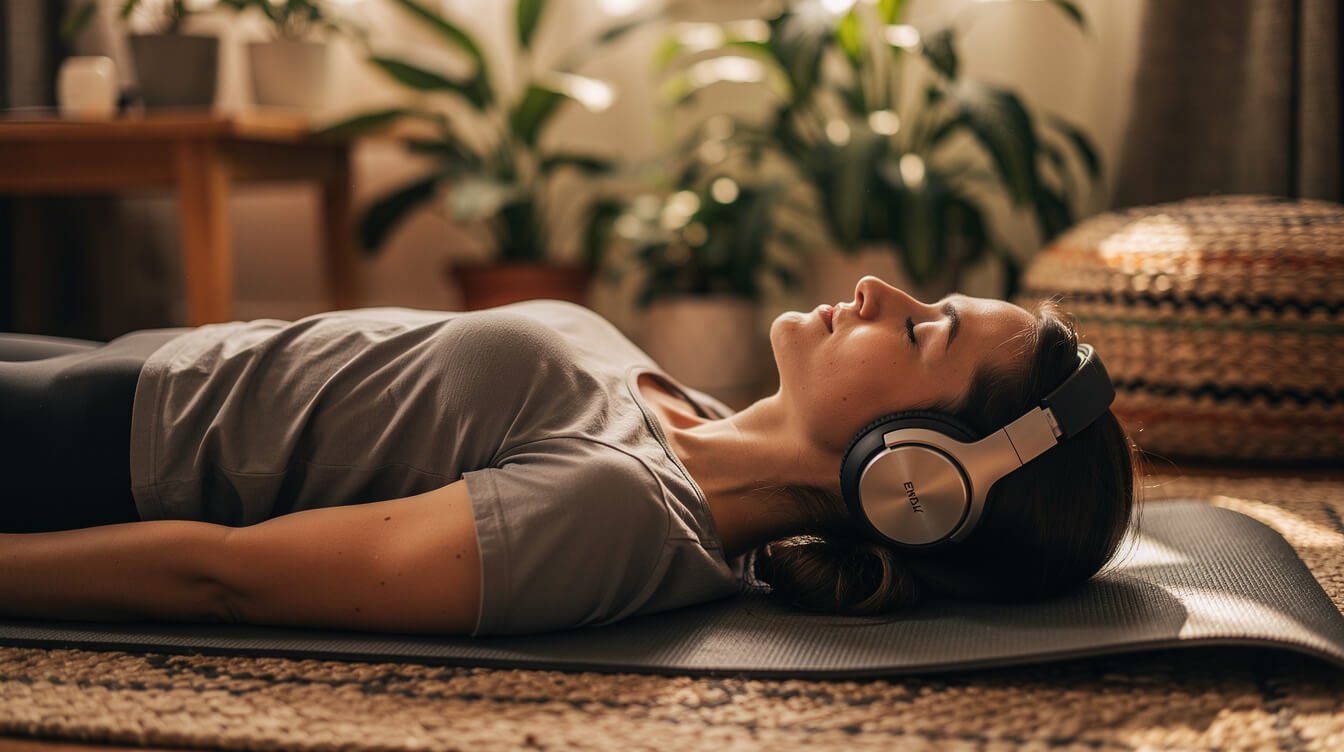
The world of frequency music for healing extends well beyond the Solfeggio scale. Here are the other major types you should know about:
Binaural Beats
Binaural beats work by playing two slightly different frequencies in each ear (one per ear through headphones). Your brain perceives a third frequency — the mathematical difference between the two — and begins to synchronize its brainwave activity to that frequency. For example, if your left ear receives 200 Hz and your right ear receives 210 Hz, your brain perceives a 10 Hz binaural beat, which falls in the alpha brainwave range associated with relaxation.
A meta-analysis published in Psychological Research (2023) found moderate evidence that binaural beats can reduce anxiety, with the strongest effects observed at theta (4–8 Hz) and alpha (8–13 Hz) frequencies. Key findings include:
- Theta binaural beats (4–8 Hz) — may support deep meditation, creativity, and emotional processing
- Alpha binaural beats (8–13 Hz) — research suggests potential benefits for stress reduction and relaxation
- Delta binaural beats (0.5–4 Hz) — may support deeper sleep quality when listened to before bed
- Gamma binaural beats (30+ Hz) — early research links to enhanced focus and cognitive performance
Important note: Binaural beats require stereo headphones to work properly — the effect depends on each ear receiving a distinct frequency.
Isochronic Tones
Unlike binaural beats, isochronic tones are evenly spaced, clearly defined pulses of a single tone that turn on and off at a specific frequency. Because the stimulation is more distinct, some researchers suggest isochronic tones may be more effective at brainwave entrainment than binaural beats — and they don’t require headphones.
A 2021 study in Brain Sciences found that isochronic tones at 10 Hz (alpha range) significantly increased alpha brainwave power in participants, suggesting they may be an effective tool for promoting relaxed, meditative states.
432 Hz Tuning
Standard modern music is typically tuned to A=440 Hz. Proponents of 432 Hz tuning argue that this alternative tuning creates music that sounds warmer, more natural, and more harmonious with the body’s own vibrations. A 2019 study published in Explore: The Journal of Science and Healing found that music played at 432 Hz resulted in a slight but significant decrease in heart rate compared to the same music at 440 Hz, suggesting a calming physiological effect.
While the 432 Hz movement remains somewhat controversial in the music world, many wellness practitioners and listeners report subjectively different — and often more relaxing — experiences when listening to 432 Hz-tuned compositions.
Nature Sound Frequencies
Natural soundscapes — birdsong, ocean waves, rainfall, forest sounds — contain complex frequency patterns that research suggests may promote relaxation and cognitive restoration. A landmark 2017 study in Scientific Reports found that natural sounds activated the parasympathetic nervous system and promoted “rest-digest” nervous system activity, while artificial sounds triggered sympathetic “fight-or-flight” responses.
Many modern frequency music tracks layer healing frequencies over natural soundscapes, combining the specific benefits of targeted frequencies with the restorative qualities of nature sounds — an approach that aligns beautifully with practices like walking in nature and earthing.
How to Use Frequency Music for Healing: A Practical Daily Guide

Knowing about healing frequencies is one thing — integrating them into your daily life is where the real transformation may begin. Here’s a practical, time-of-day guide to help you get started:
Morning Practice (5–15 Minutes)
Start your day with frequencies that promote calm alertness and positive energy:
- 528 Hz (Love Frequency) — listen during your morning stretching or breathwork practice to set a positive, heart-centered tone for the day
- Alpha binaural beats (10 Hz) — play softly during breakfast or journaling to promote relaxed focus
- 432 Hz ambient music — use as gentle background during your morning routine to ease the transition from sleep to wakefulness
Midday Reset (5–10 Minutes)
Combat afternoon stress and mental fatigue with a brief frequency music break:
- 741 Hz — traditionally associated with mental clarity and problem-solving, ideal for a midday cognitive reset
- Alpha-theta binaural beats (7–10 Hz) — a brief session with eyes closed can help reset your nervous system and reduce accumulated stress
- Nature soundscapes with embedded frequencies — even 5 minutes of forest sounds or ocean waves with subtle healing tones can provide measurable stress relief
Evening Wind-Down (15–30 Minutes)
Prepare your body and mind for restorative sleep:
- 396 Hz — help release the day’s accumulated tensions, worries, and anxious thoughts
- Theta binaural beats (4–6 Hz) — promote the transition from active thinking to drowsy, pre-sleep relaxation
- Delta frequency music (1–3 Hz) — research suggests these ultra-low frequencies may support deeper, more restorative sleep stages
Weekly Deeper Practice (30–60 Minutes)
Set aside time once a week for an immersive healing frequency experience:
- Create a comfortable, distraction-free space with dim lighting
- Use quality headphones for binaural beat sessions (over-ear recommended for comfort)
- Choose a frequency that addresses your current primary concern — stress (alpha), emotional processing (theta), physical recovery (delta), or spiritual connection (963 Hz)
- Combine with grounding exercises or gentle breathwork for enhanced effect
- Journal after your session to track which frequencies resonate most with you
Frequency Selection Quick Reference
| Goal | Recommended Frequency | Duration | Best Time |
|---|---|---|---|
| Stress relief | 396 Hz or alpha binaural (10 Hz) | 10–20 min | Anytime |
| Better sleep | Delta binaural (2 Hz) or 432 Hz | 20–30 min | Before bed |
| Focus & productivity | Beta binaural (15–20 Hz) or 741 Hz | 15–45 min | Morning/midday |
| Deep meditation | Theta binaural (6 Hz) or 963 Hz | 20–60 min | Morning or evening |
| Emotional healing | 528 Hz or 639 Hz | 15–30 min | Evening quiet time |
| Physical recovery | 174 Hz or delta (1–3 Hz) | 30–60 min | Post-exercise or rest |
| Creative inspiration | Theta binaural (5–7 Hz) or 852 Hz | 15–30 min | Before creative work |
🎁 Get a Free Wellness Gift
Enter your name and email below to receive a special wellness gift from OlyLife — absolutely free!
Frequency Music and Modern Wellness Technology
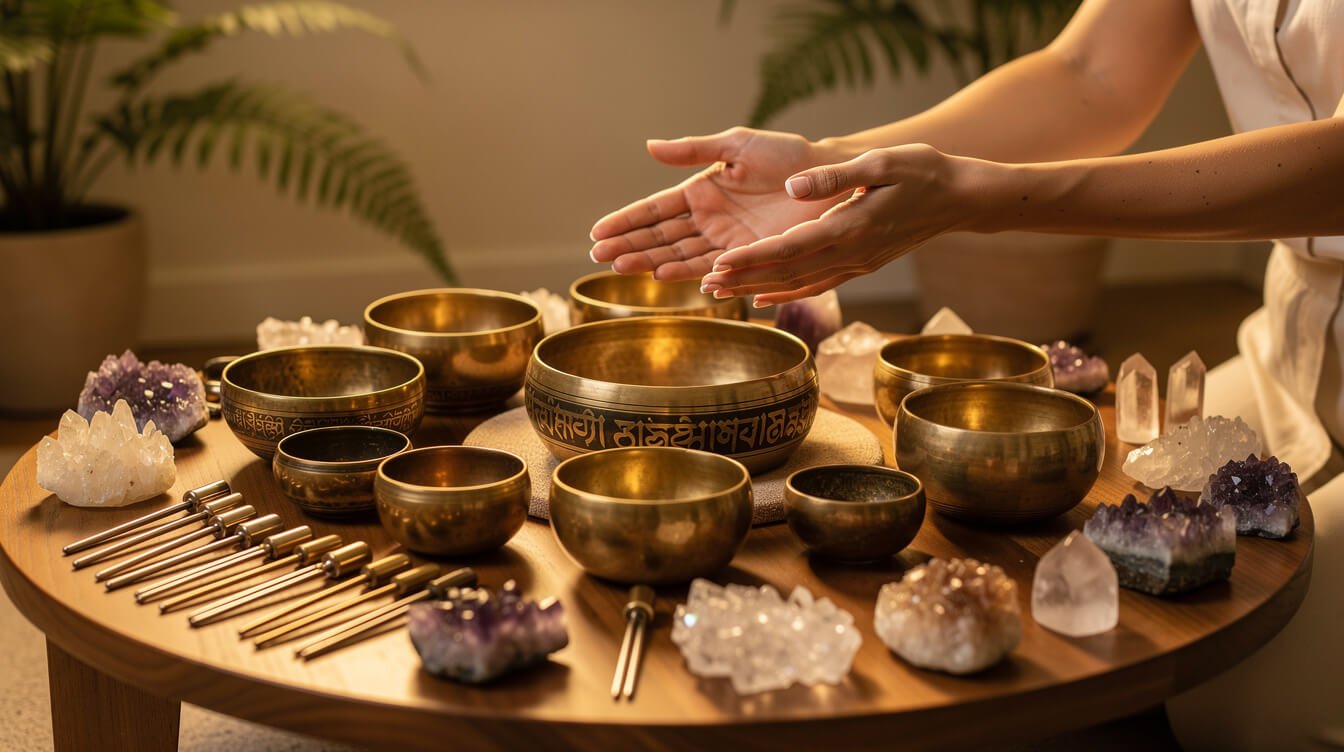
The principles behind frequency music for healing connect naturally to a broader understanding of how vibrations and electromagnetic frequencies may support the body. Just as sound frequencies can influence brainwave patterns through auditory stimulation, other frequency-based therapies work at the cellular level through different delivery mechanisms.
The Schumann Resonance Connection
The Earth itself produces a fundamental electromagnetic frequency of approximately 7.83 Hz — known as the Schumann resonance. This frequency falls in the alpha-theta brainwave range, which is associated with relaxation, meditation, and healing states. Some researchers theorize that our bodies evolved in resonance with this natural frequency, and that modern life (artificial lighting, electronic devices, indoor living) may disrupt this connection.
Practices like earthing — making direct physical contact with the ground — may help restore this natural frequency alignment. A 2020 review in Explore found that earthing was associated with improvements in HRV, cortisol levels, and inflammation markers, potentially through reconnection with the Earth’s natural electromagnetic field.
From Sound to Electromagnetic Frequencies
The concept of therapeutic frequencies extends beyond sound into the electromagnetic spectrum. Pulsed electromagnetic field (PEMF) therapy uses specific electromagnetic frequencies — often in the same 1–30 Hz range targeted by healing music — to support cellular health, circulation, and recovery.
Research published in Bioelectromagnetics suggests that PEMF frequencies between 1–10 Hz may activate the parasympathetic nervous system — the same “rest and repair” state that theta and delta frequency music aims to promote. This fascinating overlap between acoustic and electromagnetic frequency therapy suggests that our bodies respond to beneficial vibrations through multiple pathways.
If you’re curious about how frequency-based approaches extend beyond sound, explore our guides on how PEMF therapy works and the PEMF frequency chart to understand the full spectrum of therapeutic frequencies available today.
Frequently Asked Questions About Frequency Music for Healing

Does frequency music actually work, or is it just a placebo?
While more research is needed, the evidence isn’t purely placebo. Brainwave entrainment through sound is a well-documented neurological phenomenon — your brain measurably synchronizes with external rhythmic stimuli. Studies in Frontiers in Human Neuroscience and Psychological Research have demonstrated objective changes in brainwave patterns, cortisol levels, and heart rate variability in response to specific frequencies. That said, individual responses vary, and the field would benefit from larger, more rigorous clinical trials.
What is the best frequency music for healing anxiety?
Research suggests alpha-range frequencies (8–13 Hz) delivered through binaural beats may be most effective for anxiety reduction. The Solfeggio frequency of 396 Hz is also traditionally recommended for releasing fear and promoting safety. For immediate stress relief, try combining 10 Hz alpha binaural beats with nervous system calming techniques like the physiological sigh (double inhale through the nose, long exhale through the mouth).
How long should I listen to frequency music for healing benefits?
Most studies showing positive effects used sessions of 15–30 minutes. For general wellness, 10–20 minutes daily is a reasonable starting point. For deeper therapeutic goals (sleep improvement, chronic stress management), 20–30 minute sessions may be more beneficial. Consistency matters more than duration — a daily 10-minute practice likely produces better results than occasional hour-long sessions.
Do I need special headphones for frequency music?
For binaural beats specifically, yes — you need stereo headphones that deliver different frequencies to each ear. Over-ear headphones generally provide the best experience. For Solfeggio frequencies, isochronic tones, and 432 Hz music, headphones enhance the experience but aren’t required — these frequencies can be effective through speakers as well.
Can frequency music replace medical treatment?
No. Frequency music for healing is a complementary wellness practice, not a substitute for professional medical care. If you’re dealing with a health condition, work with your healthcare provider and consider frequency music as one element of a holistic approach that may also include proper nutrition, regular movement, anti-inflammatory practices, and quality sleep.
Is it safe to listen to frequency music while sleeping?
Generally, yes — delta frequency music (0.5–4 Hz) and low-volume Solfeggio tones are commonly used as sleep aids. Keep the volume low and comfortable. If you use headphones while sleeping, consider sleep-specific headband headphones designed to be worn comfortably in bed. People with epilepsy or seizure disorders should consult their doctor before using any brainwave entrainment audio, as certain frequencies may trigger seizures in susceptible individuals.
What’s the connection between frequency music and PEMF therapy?
Both use specific frequencies to influence the body — frequency music works through acoustic vibration (sound waves affecting brainwaves and the nervous system), while PEMF therapy delivers electromagnetic pulses that interact with cells directly. Interestingly, both often target similar frequency ranges (1–30 Hz), and both aim to promote the parasympathetic “rest and repair” state. Some practitioners combine both modalities — listening to healing frequency music during a PEMF session — for a multi-sensory approach to frequency-based wellness.
Which frequency music should a complete beginner start with?
Start with 432 Hz ambient music — it’s the most accessible and doesn’t require headphones. Simply play it softly in the background while relaxing, journaling, or doing gentle stretches. Once you’re comfortable, try a 10 Hz alpha binaural beat session (with headphones) for 15 minutes before bed. From there, explore the Solfeggio frequencies based on your specific needs using the quick reference table above. The key is to start gently and notice how different frequencies make you feel — your subjective response is a valuable guide.
Embracing Frequency Music as Part of Your Wellness Journey
Frequency music for healing sits at a fascinating intersection of ancient wisdom and modern neuroscience. While we don’t yet have all the answers about exactly how and why specific frequencies affect us, the growing body of research — combined with thousands of years of traditional practice — suggests that sound vibrations may be a genuinely powerful tool for supporting mental, emotional, and physical wellbeing.
The beauty of this practice is its accessibility. You don’t need expensive equipment, extensive training, or a dedicated healing space. A pair of headphones, a quiet moment, and an open mind are all you need to begin exploring how frequency music may support your personal wellness journey.
Whether you’re drawn to the ancient Solfeggio tones, the scientifically studied binaural beats, or the gentle warmth of 432 Hz compositions, the most important step is simply to start listening — and to notice what resonates with you. Your body has remarkable wisdom, and frequency music may help you tune back into it.
Consider pairing your frequency music practice with other evidence-based wellness approaches like breathwork, walking in nature, earthing, and gut-supporting nutrition to create a truly holistic approach to your health and happiness.