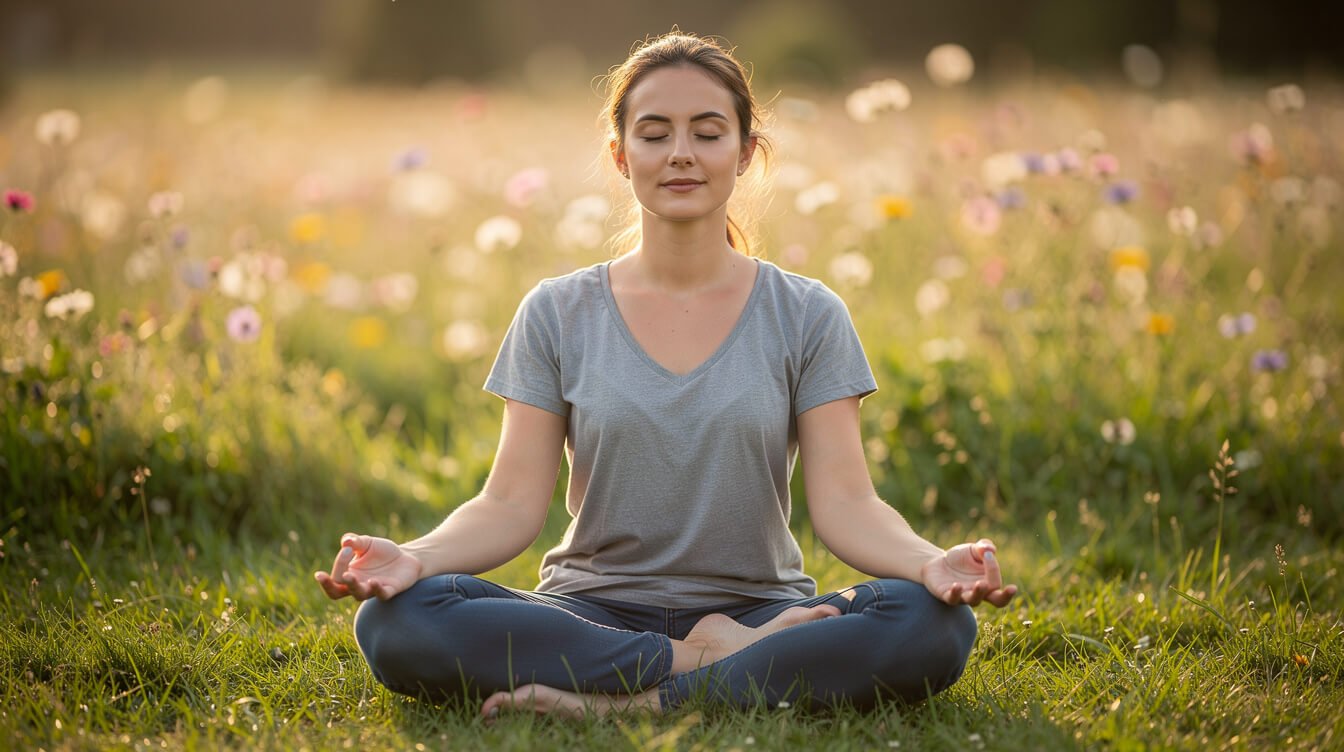
When stress hits, your body tenses, your thoughts race, and the present moment slips away. Grounding exercises are simple, science-backed techniques that pull you back — reconnecting your mind with your body and your body with the world around you. Whether you’re managing daily stress, navigating anxiety, or simply looking for a way to feel more centered, these practices may offer the calm anchor you’ve been searching for.
In this guide, you’ll discover 12 grounding exercises drawn from both modern neuroscience and traditional wellness wisdom — including sensory techniques for immediate relief, physical practices that reconnect you with the earth, and breathwork methods that may help regulate your nervous system from the inside out.
What Are Grounding Exercises and Why Do They Matter?

Grounding exercises are practices designed to bring your attention back to the present moment through deliberate sensory engagement, physical awareness, or controlled breathing. When you feel overwhelmed, anxious, or disconnected, these techniques act as an anchor — helping you shift from a reactive, stress-driven state to one of calm presence.
The term “grounding” actually carries two complementary meanings in the wellness world:
- Psychological grounding — techniques that use your senses and awareness to interrupt anxious thought patterns and bring you back to the here and now (the 5-4-3-2-1 method, body scanning, mindful breathing)
- Physical grounding (earthing) — the practice of making direct contact with the earth’s surface, which research suggests may help reduce inflammation and support nervous system regulation
What makes grounding exercises so valuable is that they work with your body’s existing systems. Rather than fighting stress, you’re redirecting your nervous system toward safety and calm. A 2017 review published in Frontiers in Human Neuroscience found that mindfulness-based practices — including grounding techniques — were associated with measurable reductions in cortisol, the body’s primary stress hormone.
And unlike many wellness practices that require special equipment or extensive training, grounding exercises are free, portable, and effective within minutes. You can practice them at your desk, in a park, before a difficult conversation, or during a sleepless night.
The Science Behind Grounding Exercises

Understanding why grounding exercises work makes them even more powerful. The science centers on your autonomic nervous system (ANS) — the part of your nervous system that controls involuntary responses like heart rate, breathing, and digestion.
Your Nervous System’s Stress Response
When you perceive a threat — whether it’s a car swerving toward you or an overflowing inbox — your sympathetic nervous system activates the “fight-or-flight” response. Your heart rate climbs, muscles tense, breathing becomes shallow, and stress hormones like cortisol and adrenaline flood your bloodstream.
This response was essential for our ancestors escaping predators. But in modern life, chronic activation of this system — from work pressure, financial worry, or information overload — keeps your body stuck in a low-grade emergency state. Over time, this may contribute to inflammation, poor sleep, digestive issues, and mood imbalances. Research published in PNAS (Carnegie Mellon, 2012) demonstrated that chronic psychological stress actually reduces the body’s ability to regulate its own inflammatory response.
How Grounding Activates Your Calm System
Grounding exercises work by engaging your parasympathetic nervous system — the “rest-and-digest” counterpart to fight-or-flight. Specifically, many grounding techniques activate the vagus nerve, the longest cranial nerve in your body, which runs from your brainstem through your neck, chest, and abdomen.
According to Dr. Stephen Porges’s Polyvagal Theory, your nervous system operates in three primary states:
- Ventral vagal (safe and social) — you feel calm, connected, and present
- Sympathetic (mobilized) — you feel anxious, agitated, or on edge
- Dorsal vagal (shutdown) — you feel numb, disconnected, or frozen
Grounding exercises help you move toward the ventral vagal state — the place where healing, connection, and clear thinking happen. When you deliberately engage your senses, slow your breathing, or make physical contact with the earth, you send safety signals through the vagus nerve that help your entire system settle. If you’re looking to explore this further, our guide on how to calm your nervous system covers 12 additional techniques rooted in the same science.
The Earthing Connection
Physical grounding (earthing) adds another scientific dimension. A comprehensive review published in the Journal of Inflammation Research (2015) found that direct skin contact with the earth’s surface allows the transfer of free electrons into the body, which may function as natural antioxidants. A separate review in Explore (2020) documented improvements in heart rate variability (HRV), cortisol regulation, and self-reported mood among earthing practitioners. You can explore the full research in our deep dive on earthing benefits.
5 Sensory Grounding Exercises for Immediate Calm
These exercises use your five senses to interrupt anxious thought loops and anchor you in the present moment. They require no equipment and can be practiced anywhere — making them ideal for moments when stress arrives without warning.
1. The 5-4-3-2-1 Technique
This is arguably the most well-known grounding exercise, and for good reason — it systematically engages all five senses, pulling your attention away from spiraling thoughts and into your immediate surroundings.
How to practice:
- Name 5 things you can see (a crack in the ceiling, sunlight on the wall, the color of a book spine)
- Name 4 things you can touch (the texture of your shirt, the cool surface of your desk, the weight of your feet on the floor)
- Name 3 things you can hear (a distant conversation, the hum of an appliance, birds outside)
- Name 2 things you can smell (coffee, fresh air, your hand soap)
- Name 1 thing you can taste (toothpaste, water, the inside of your mouth)
Research from the Journal of Clinical Psychology (2019) suggests that sensory-focused interventions like this one may help reduce the intensity of intrusive thoughts associated with anxiety and PTSD.
2. Cold Water Reset
Splashing cold water on your face or submerging your hands in ice water triggers the mammalian dive reflex — an involuntary response that slows your heart rate and redirects blood flow to vital organs. A study published in the International Journal of Circumpolar Health (2023) found that cold water exposure activates the parasympathetic nervous system rapidly, making this one of the fastest grounding exercises available.
How to practice: Run cold water over your wrists for 30 seconds, or fill a bowl with ice water and submerge your hands for 15–30 seconds. Focus on the sensation — the shock, then the numbness, then the tingling warmth that follows.
3. Body Scan Meditation
A body scan systematically moves your attention through each part of your body, noticing sensations without judgment. This practice is rooted in mindfulness-based stress reduction (MBSR), developed by Jon Kabat-Zinn at the University of Massachusetts Medical School.
How to practice: Sit or lie down comfortably. Starting at the top of your head, slowly move your attention downward — forehead, jaw, neck, shoulders, arms, hands, chest, belly, hips, legs, feet. Spend 10–20 seconds on each area, simply noticing what you feel. A 2019 study in Psychosomatic Medicine found that regular body scan practice was associated with reduced cortisol reactivity to stress.
4. Mindful Object Focus
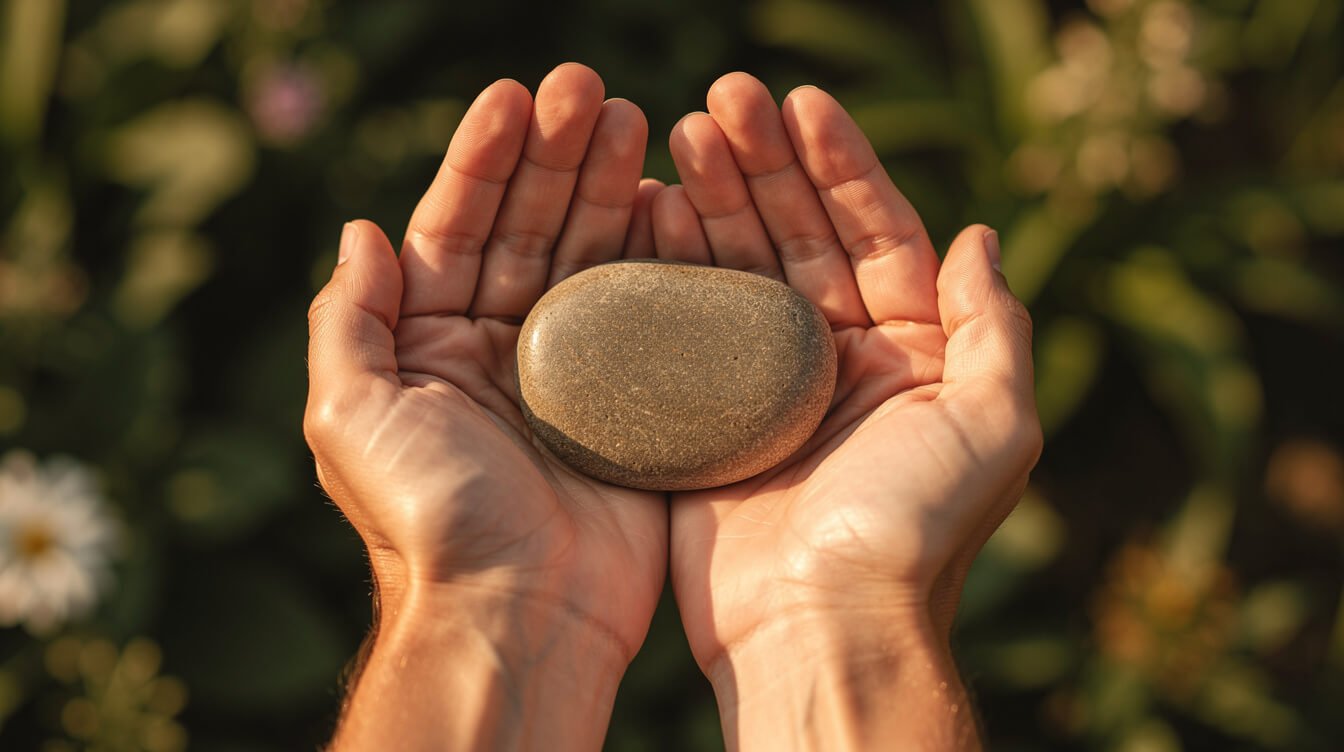
Choose a small object — a stone, a piece of fabric, a leaf, a mug — and study it with complete attention for 2–3 minutes. Notice its weight, texture, temperature, color, imperfections, and how it feels as you turn it in your hands.
This technique works by saturating your working memory with sensory input, leaving less mental bandwidth for anxious thoughts. Keep a “grounding object” in your pocket or on your desk for quick access throughout the day.
5. Aromatherapy Grounding
Your sense of smell has a direct neural pathway to the amygdala and hippocampus — brain regions involved in emotional processing and memory. This makes scent one of the fastest routes to shifting your emotional state.
How to practice: Keep a small bottle of essential oil (lavender, peppermint, or eucalyptus work well) nearby. When stress rises, place a drop on your wrists, inhale deeply, and focus entirely on the scent for 5–10 slow breaths. A 2022 meta-analysis in the Journal of Clinical Medicine found that lavender aromatherapy was associated with significant reductions in self-reported anxiety across multiple clinical settings.
4 Physical Grounding Exercises to Reconnect with Your Body

While sensory grounding works through your mind, physical grounding exercises work through your body — using movement, touch, and direct earth connection to help your nervous system regulate. These practices are especially powerful for people who tend to “live in their heads” or feel disconnected from their physical selves.
1. Barefoot Earthing
Walking barefoot on natural surfaces — grass, soil, sand, or stone — is one of the oldest and most intuitive grounding practices. The research behind earthing suggests that the earth’s surface carries a mild negative electrical charge, and direct skin contact allows the transfer of free electrons into your body.
A review in Explore (2020) documented that earthing practices were associated with improvements in HRV, reduced blood viscosity, and lower cortisol levels. The Journal of Environmental and Public Health (2012) published a comprehensive review supporting the hypothesis that earthing may have anti-inflammatory effects through electron transfer.
How to practice: Walk barefoot on grass, soil, or sand for 15–30 minutes. Morning dew amplifies conductivity. Focus on the sensations — temperature, texture, the give of the earth under your weight. For a deeper exploration of this practice, read our complete guide to earthing benefits.
2. Progressive Muscle Relaxation (PMR)
Developed by physician Edmund Jacobson in the 1930s, PMR involves systematically tensing and releasing muscle groups throughout your body. The deliberate contrast between tension and release teaches your body what relaxation actually feels like — and sends a powerful “all clear” signal to your nervous system.
How to practice:
- Start with your feet — tense the muscles for 5 seconds, then release for 15 seconds
- Move upward: calves, thighs, glutes, abdomen, hands, arms, shoulders, face
- Focus on the contrast between tension and release in each muscle group
- Complete the full sequence in 10–15 minutes
A meta-analysis in BMC Psychiatry (2008) found that PMR produced clinically significant reductions in anxiety symptoms, with effects comparable to cognitive-behavioral interventions in some populations.
3. Somatic Shaking (TRE)
Trauma Release Exercises (TRE), developed by Dr. David Berceli, work on the principle that the body stores stress and tension in the muscles — particularly the psoas, the deep hip flexor often called the “muscle of the soul.” Somatic shaking involves triggering gentle, involuntary tremors that help release this stored tension.
How to practice: Stand with feet shoulder-width apart. Perform a series of light exercises to fatigue the leg muscles (wall sits, forward bends, gentle squats). Then lie on your back with knees bent and feet flat, and allow your legs to tremble naturally. The shaking may spread to your torso and arms. Practice for 5–15 minutes. Research published in the Journal of Traumatic Stress found that TRE was associated with reduced PTSD symptoms in some populations.
4. Mindful Walking in Nature
Combining walking with deliberate sensory awareness creates a moving meditation that grounds you simultaneously through movement and environmental engagement. The Japanese practice of shinrin-yoku (forest bathing) formalizes this approach.
Research published in Environmental Health and Preventive Medicine found that walking in natural settings — even for just 15 minutes — was associated with reduced cortisol, lower blood pressure, and improved mood compared to walking in urban environments. A JAMA Internal Medicine study found that walking just 7,000 steps daily was associated with significantly lower mortality risk.
How to practice: Walk slowly through a natural setting. With each step, feel your heel contact the ground, roll through the midfoot, and push off from the toes. Notice the colors, sounds, and smells around you. If your mind wanders, gently return attention to the sensations of walking.
For those interested in how gentle movement supports overall wellness, our guide to low-impact cardio for beginners explores additional options that complement a grounding practice.
Many people who practice regular grounding also find that complementary wellness approaches — like PEMF therapy — may further support nervous system regulation. PEMF (pulsed electromagnetic field) devices deliver gentle frequencies, typically in the 1–10 Hz range, that research suggests may help activate the parasympathetic nervous system. It’s a modern complement to the ancient practice of connecting with the earth’s natural electromagnetic field. You can learn more about how PEMF therapy works in our dedicated guide.
3 Breathwork-Based Grounding Exercises

Your breath is unique among autonomic functions — it happens automatically, but you can also control it deliberately. This makes breathwork one of the most direct pathways to shifting your nervous system state. These three techniques have strong research support and can be practiced in under five minutes.
1. The Physiological Sigh
Discovered by Stanford neuroscientist Dr. Andrew Huberman’s lab, the physiological sigh is a specific breathing pattern that research suggests may be the fastest way to reduce real-time stress. A 2023 study published in Cell Reports Medicine found that just five minutes of cyclic physiological sighing was more effective at reducing anxiety and improving mood than mindfulness meditation of the same duration.
How to practice: Take two quick inhales through the nose (a full inhale, then a second “top-up” inhale), followed by one long, slow exhale through the mouth. The double inhale reinflates the tiny air sacs (alveoli) in your lungs, and the extended exhale activates the vagus nerve. Repeat 5–10 times.
2. Box Breathing (4-4-4-4)
Used by Navy SEALs and first responders, box breathing creates a rhythmic, predictable pattern that signals safety to your nervous system.
How to practice:
- Inhale slowly through your nose for 4 seconds
- Hold your breath for 4 seconds
- Exhale slowly through your mouth for 4 seconds
- Hold empty for 4 seconds
- Repeat for 4–6 cycles (about 2 minutes)
A study in Frontiers in Human Neuroscience (2017) found that controlled breathing techniques like box breathing were associated with significant reductions in cortisol levels and improvements in sustained attention.
3. Diaphragmatic (Belly) Breathing
Most people breathe shallowly into their upper chest, which can perpetuate the stress response. Diaphragmatic breathing — breathing deeply into your belly — engages the diaphragm muscle, which physically stimulates the vagus nerve as it contracts.
How to practice: Place one hand on your chest and one on your belly. Breathe in slowly through your nose, directing the breath into your belly so that your lower hand rises while your upper hand stays relatively still. Exhale slowly through pursed lips. Aim for 6–8 breaths per minute (about 4 seconds in, 6 seconds out). Practice for 5–10 minutes.
Research published in Frontiers in Human Neuroscience (2017) found that participants who practiced diaphragmatic breathing for eight weeks showed significant reductions in cortisol and improved sustained attention compared to controls. For a complete library of breathing techniques, explore our guide to breathwork for stress relief.
🎁 Get a Free Wellness Gift
Enter your name and email below to receive a special wellness gift from OlyLife — absolutely free!
How to Build a Daily Grounding Practice

The most effective grounding practice is one you actually do. Rather than attempting a 30-minute session once a week, research suggests that brief, consistent practice produces better results. Here’s a practical framework for weaving grounding exercises into your daily rhythm.
Morning Anchor (5–10 Minutes)
Start your day grounded before the world rushes in:
- Minutes 1–2: Diaphragmatic breathing — 6 slow breaths to activate your parasympathetic system
- Minutes 3–5: Quick body scan — notice how you feel from head to toe without judgment
- Minutes 6–10 (if time allows): Step outside barefoot on grass or soil for 5 minutes of earthing
Midday Reset (2–3 Minutes)
When afternoon stress peaks or mental fog sets in, use a quick grounding reset:
- Option A: 5-4-3-2-1 sensory technique (60 seconds)
- Option B: Cold water on wrists + 5 physiological sighs (90 seconds)
- Option C: Step outside and walk barefoot in the grass for 2 minutes
Evening Wind-Down (10–15 Minutes)
Prepare your nervous system for restful sleep — research published in PLOS ONE (2019) found that poor sleep quality was associated with elevated inflammation markers (CRP and IL-6), making evening nervous system regulation especially important:
- Minutes 1–5: Progressive muscle relaxation (abbreviated — focus on jaw, shoulders, hands, and feet)
- Minutes 6–10: Full body scan with extended exhales
- Minutes 11–15: Box breathing or 4-7-8 breathing (inhale 4, hold 7, exhale 8)
Weekly Deeper Practice
Once a week, dedicate 30–60 minutes to a more immersive grounding experience:
- Nature walk: 30–60 minutes of mindful walking in a park, forest, or along a beach
- Extended earthing: 30+ minutes of barefoot contact with natural ground
- Somatic practice: 15–20 minutes of TRE or gentle yoga with grounding focus
- Combined practice: Walk barefoot in nature while practicing 5-4-3-2-1 awareness
4-Week Progressive Protocol
| Week | Focus | Daily Time | Techniques |
|---|---|---|---|
| 1 | Foundations | 5 min | Diaphragmatic breathing + 5-4-3-2-1 |
| 2 | Body connection | 10 min | Add body scan + PMR |
| 3 | Earth connection | 15 min | Add barefoot earthing + nature walking |
| 4 | Full integration | 15–20 min | Morning/midday/evening routine with weekly deep practice |
Supporting your grounding practice with anti-inflammatory nutrition and attention to gut-brain connection health may amplify your results. Research from Stanford (published in Cell, 2021) found that consuming six or more servings of fermented foods daily was associated with increased microbial diversity and reduced inflammatory markers — creating a physiological foundation that supports nervous system regulation.
Frequently Asked Questions About Grounding Exercises
How quickly do grounding exercises work?
Many grounding exercises produce noticeable effects within 60–90 seconds. The physiological sigh and cold water reset tend to be the fastest — you may feel your heart rate slow and tension ease within 3–5 breaths or 30 seconds of cold exposure. Longer-term benefits like improved baseline stress resilience typically develop over 2–8 weeks of consistent daily practice.
Can grounding exercises help during an anxiety or panic attack?
Yes. The 5-4-3-2-1 technique and physiological sighing are specifically designed for acute anxiety moments. By engaging your senses and activating the vagus nerve, these practices may help interrupt the escalating sympathetic nervous system response. However, if you experience frequent panic attacks, consider working with a mental health professional who can provide personalized support alongside these techniques.
What is the best grounding exercise for beginners?
Diaphragmatic (belly) breathing is often the best starting point — it’s simple, can be practiced anywhere, and has strong research support. Once you’re comfortable with deliberate belly breathing, add the 5-4-3-2-1 technique for variety. Within a week, most people develop enough awareness to benefit from body scanning and barefoot earthing.
Do grounding exercises replace therapy or medical treatment?
No. Grounding exercises are complementary wellness practices — they may support mental and physical health but are not a substitute for professional mental health care, prescribed medications, or medical treatment. If you’re managing a clinical condition like PTSD, generalized anxiety disorder, or depression, work with a qualified healthcare provider who can integrate grounding techniques into your broader treatment plan.
Can children practice grounding exercises?
Absolutely. Children respond particularly well to sensory-based grounding exercises like 5-4-3-2-1 and cold water resets. Body scanning can be adapted with playful language (“notice if your feet feel warm or cool”). Barefoot outdoor play is a natural form of earthing that many children instinctively practice. Start with 1–2 minutes and keep it playful rather than structured.
How does earthing relate to grounding exercises?
Earthing is a specific type of physical grounding that involves direct skin contact with the earth’s surface. While psychological grounding exercises (5-4-3-2-1, body scan) work through sensory attention and neural pathways, earthing is hypothesized to work through electron transfer from the earth’s surface. Both approaches support nervous system regulation, and combining them — such as practicing deep breathing while standing barefoot on grass — may be especially effective. Learn more in our complete guide to earthing benefits.
Can grounding exercises help with sleep?
Research suggests yes. Evening grounding practices — particularly progressive muscle relaxation, body scanning, and diaphragmatic breathing — may help prepare your nervous system for sleep by activating the parasympathetic response. A review in PLOS ONE (2019) found that poor sleep was associated with elevated inflammation markers, and practices that support nervous system regulation may help break this cycle. Earthing has also been associated with improved sleep quality and normalized cortisol rhythms in preliminary studies.
How does PEMF therapy relate to grounding?
PEMF (pulsed electromagnetic field) therapy delivers gentle electromagnetic frequencies that may complement physical grounding practices. While earthing connects you with the earth’s natural electromagnetic field (the Schumann resonance at ~7.83 Hz), PEMF devices deliver targeted frequencies in the 1–10 Hz range that research suggests may support parasympathetic nervous system activation. Think of PEMF as a modern, indoor complement to the ancient practice of earthing — especially useful during seasons or situations where barefoot outdoor time isn’t practical. Learn more about PEMF therapy for pain and recovery.
Final Thoughts
Grounding exercises remind us of something beautifully simple: you already have everything you need to find calm. Your senses, your breath, your body, and the earth beneath your feet are always available — waiting to help you return to the present moment.
The science is clear that these practices may support nervous system regulation, reduce stress hormones, and improve overall wellbeing. And the beauty of grounding is that you don’t need to master all 12 techniques at once. Start with one that resonates — perhaps a few minutes of belly breathing each morning, or a barefoot walk in the park this weekend — and let your practice grow naturally from there.
Your nervous system has been working hard to protect you. These grounding exercises are a way of gently telling it: you’re safe now. You can rest.