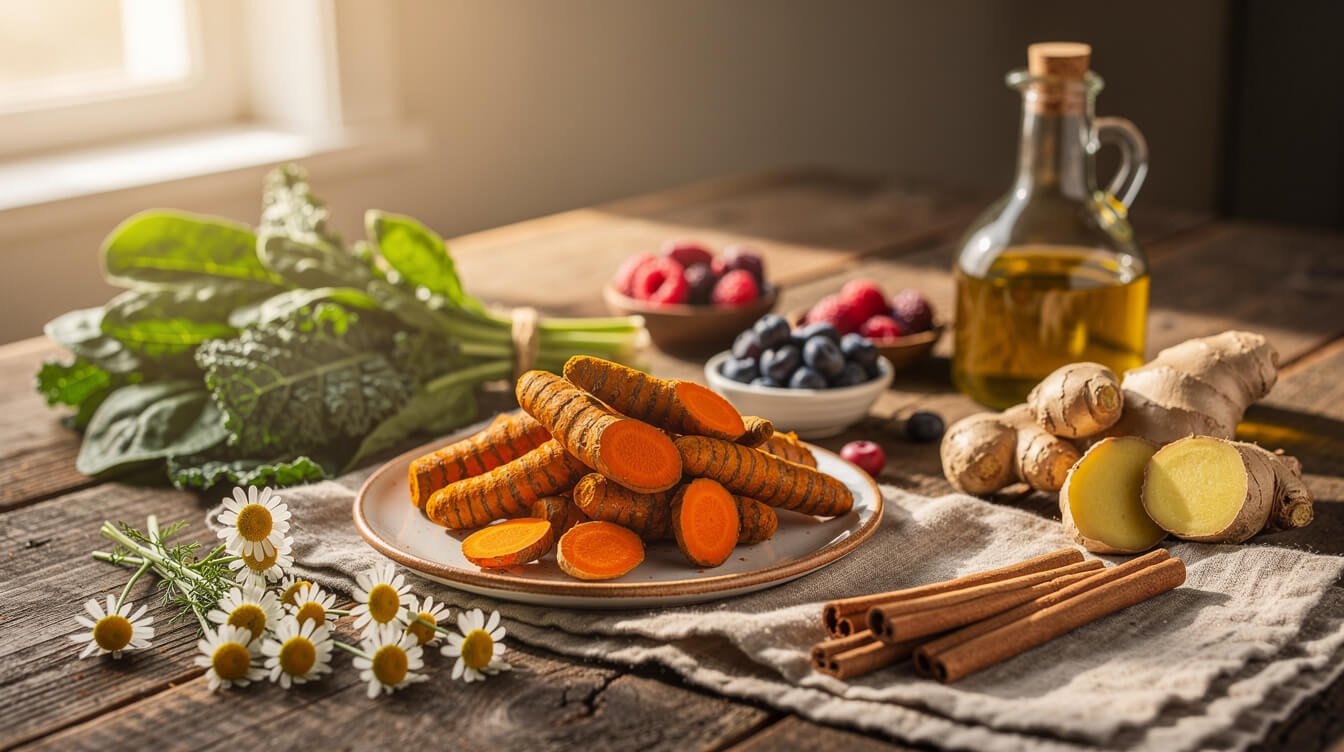
If you’ve been dealing with persistent aches, stiffness, or fatigue, your body may be sending you a message about inflammation. The good news? There are many natural remedies for inflammation that research suggests may help — and most of them start with simple, everyday choices you can make right now.
Chronic inflammation doesn’t always announce itself with dramatic symptoms. It often simmers quietly beneath the surface, contributing to everything from joint discomfort and digestive issues to brain fog and low energy. While acute inflammation is your immune system’s healthy, protective response to injury or infection, chronic inflammation is a different story — and it’s one that millions of people are navigating every day.
In this comprehensive guide, we’ll explore 15 evidence-based approaches to reducing inflammation naturally. From the foods on your plate to the way you breathe, move, and rest — your daily habits may have a powerful influence on your body’s inflammatory response. Let’s dive in.
What Is Inflammation — and When Does It Become a Problem?

Inflammation is your body’s natural defense mechanism. When you cut your finger or catch a cold, your immune system activates white blood cells and other protective compounds to fight off invaders and begin healing. This is acute inflammation — it’s temporary, targeted, and essential for survival.
Chronic inflammation, on the other hand, occurs when this immune response doesn’t shut off. Instead of resolving within days, it persists for weeks, months, or even years. According to research published in Nature Medicine (2019), chronic low-grade inflammation is now recognized as a root factor in many of the most common health conditions of our time, including heart disease, type 2 diabetes, certain cancers, and autoimmune disorders.
Common Signs of Chronic Inflammation
While only a healthcare professional can diagnose chronic inflammation through blood markers like C-reactive protein (CRP) and interleukin-6 (IL-6), there are several everyday signals your body may send:
- Persistent joint stiffness or body aches
- Frequent digestive issues (bloating, gas, irregular bowel movements)
- Ongoing fatigue that sleep doesn’t resolve
- Brain fog or difficulty concentrating
- Skin issues like redness, rashes, or premature aging
- Frequent infections or slow wound healing
- Unexplained weight gain, especially around the midsection
If several of these sound familiar, it may be worth exploring natural approaches to support your body’s inflammatory balance. Recognizing the signs of poor gut health is often a helpful starting point, since the gut is a major hub of immune activity.
Anti-Inflammatory Foods That May Help Calm Your Body
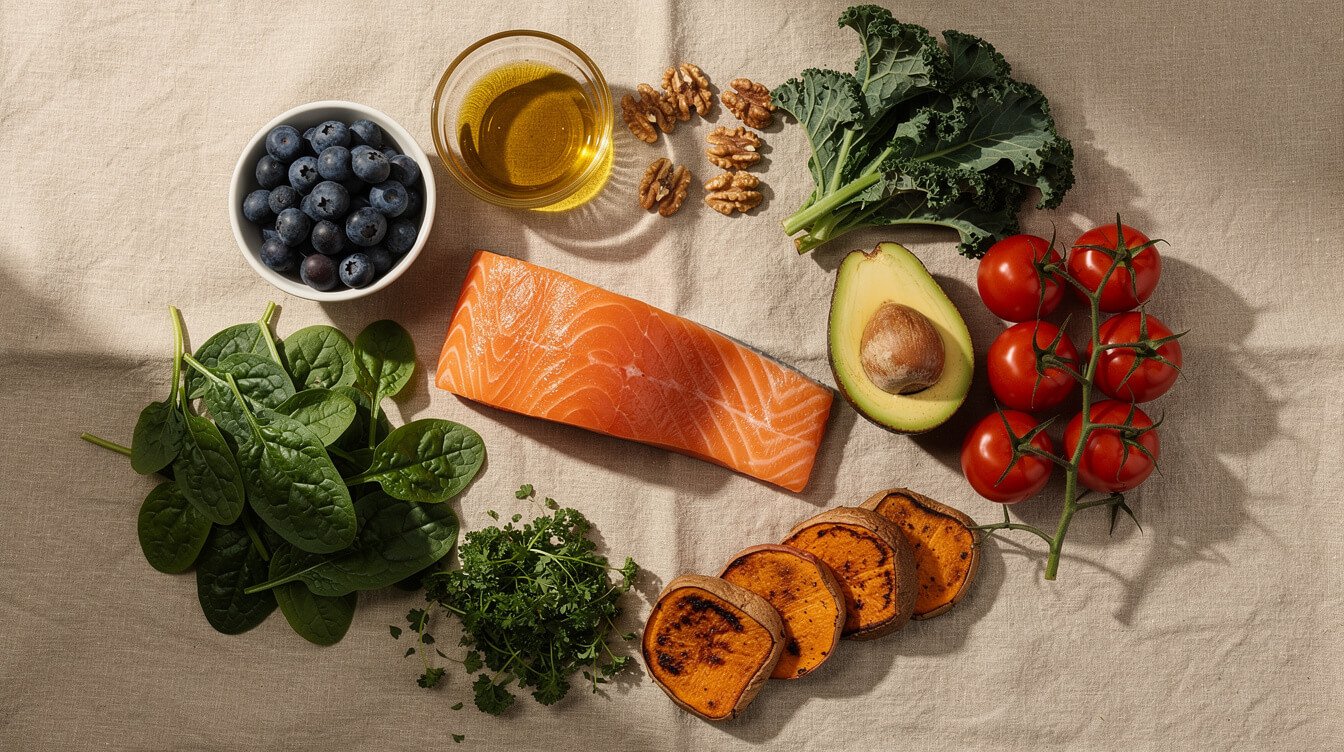
One of the most powerful natural remedies for inflammation starts on your plate. A growing body of research — including a landmark 2021 study from Stanford University published in Cell — shows that dietary choices have a direct and measurable impact on inflammatory markers in the body.
Top Anti-Inflammatory Foods to Include Daily
- Fatty fish (salmon, mackerel, sardines) — Rich in omega-3 fatty acids EPA and DHA, which research in the Journal of Clinical Lipidology (2017) shows may significantly reduce inflammatory cytokines like TNF-alpha and IL-6.
- Leafy greens (spinach, kale, Swiss chard) — Packed with antioxidants, polyphenols, and vitamin K, which research suggests may help modulate the inflammatory response.
- Berries (blueberries, strawberries, blackberries) — Contain anthocyanins, powerful antioxidant compounds that a 2019 Advances in Nutrition review linked to lower levels of inflammatory markers.
- Extra virgin olive oil — Contains oleocanthal, a compound researchers at the Monell Chemical Senses Center found has anti-inflammatory properties similar to ibuprofen.
- Walnuts and almonds — Provide alpha-linolenic acid (ALA), a plant-based omega-3 that may support the body’s anti-inflammatory pathways.
- Tomatoes — Rich in lycopene, an antioxidant that a 2020 European Journal of Nutrition meta-analysis associated with reduced markers of systemic inflammation.
- Avocados — Contain both monounsaturated fats and carotenoids that may help counteract inflammation triggered by processed foods.
Equally important is what you reduce. Ultra-processed foods, refined sugars, trans fats, and excessive alcohol are all associated with increased inflammatory markers. A simple shift toward whole, plant-rich eating — even without a rigid “diet” — can make a meaningful difference.
Fermented foods deserve special mention here. The Stanford Cell study (2021) found that participants who consumed six servings of fermented foods daily for 10 weeks showed significantly increased microbiome diversity and reduced levels of 19 inflammatory proteins, including IL-6. Incorporating yogurt, kefir, sauerkraut, kimchi, or kombucha into your routine may support both gut health and a calmer inflammatory response.
Herbs and Spices That Research Suggests May Reduce Inflammation
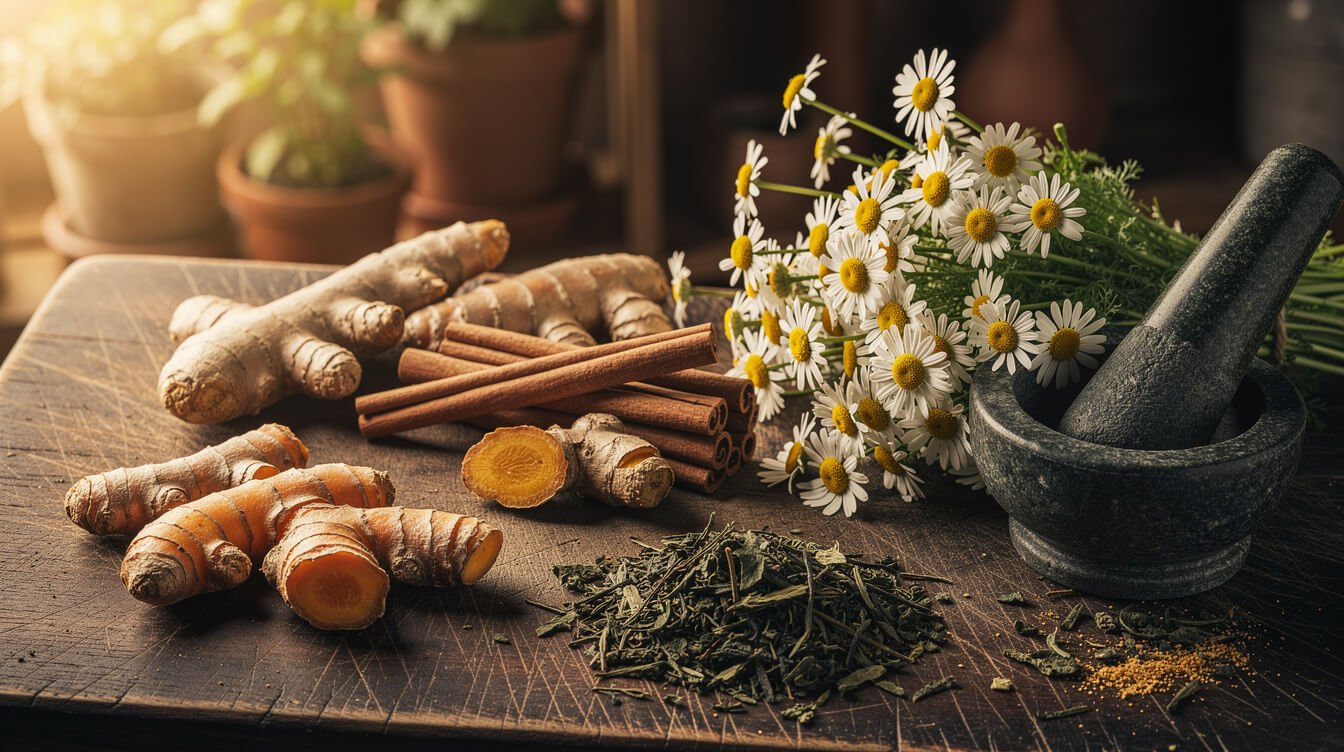
Nature’s medicine cabinet is stocked with herbs and spices that traditional healing systems have used for thousands of years — and modern research is beginning to explain why they may work.
Turmeric (Curcumin)
Perhaps the most well-studied anti-inflammatory herb, turmeric contains curcumin — a bioactive compound that a 2017 meta-analysis in the Journal of Medicinal Food found may significantly reduce levels of CRP, a key marker of systemic inflammation. The catch? Curcumin is poorly absorbed on its own. Pairing it with black pepper (which contains piperine) may increase absorption by up to 2,000%, according to research in Planta Medica.
Ginger
Ginger root contains gingerols and shogaols — bioactive compounds that a 2020 systematic review in Phytotherapy Research found may inhibit pro-inflammatory enzymes COX-2 and 5-LOX. Whether grated into meals, brewed as tea, or taken as a supplement, ginger has a long history as a traditional remedy for inflammatory conditions.
More Anti-Inflammatory Herbs and Spices
- Cinnamon — Contains cinnamaldehyde, which research in Food & Function (2015) suggests may reduce inflammation and oxidative stress.
- Rosemary — Rich in carnosic acid and rosmarinic acid, both associated with anti-inflammatory effects in preclinical studies.
- Green tea — Contains EGCG (epigallocatechin gallate), a catechin that multiple studies link to reduced inflammatory markers and improved immune function.
- Boswellia (Indian frankincense) — Boswellic acids have shown promise in clinical trials for supporting joint comfort, particularly for osteoarthritis.
- Garlic — Contains diallyl disulfide and allicin, compounds that research suggests may inhibit pro-inflammatory cytokines.
These herbs and spices aren’t magic bullets — but when woven into your daily meals and routines, they may contribute to a more balanced inflammatory response over time.
Movement and Exercise as Natural Remedies for Inflammation

You might not think of exercise as an anti-inflammatory — but research consistently shows that regular physical activity is one of the most effective ways to reduce chronic inflammation. A 2017 study published in Brain, Behavior, and Immunity found that just 20 minutes of moderate exercise triggered an anti-inflammatory cellular response, reducing levels of TNF-alpha by up to 5%.
The key word here is moderate. Overtraining can actually increase inflammation, while gentle, consistent movement supports a healthier inflammatory balance. Here are some of the most inflammation-friendly forms of exercise:
Best Types of Movement for Inflammation
- Walking — The most accessible and consistently researched form of anti-inflammatory exercise. A 2019 study in JAMA Internal Medicine found that even 7,000 steps daily was associated with significantly reduced inflammatory biomarkers.
- Yoga and gentle stretching — A 2019 meta-analysis in Brain Plasticity found that regular yoga practice may reduce IL-6 and CRP levels. The combination of movement, breathwork, and mindfulness makes yoga particularly effective.
- Zone 2 cardio — Low-intensity sustained activity (cycling, swimming, brisk walking) trains your mitochondria and has been associated with reduced systemic inflammation.
- Strength training — Resistance exercise releases myokines — anti-inflammatory molecules produced by contracting muscles. A 2018 Medicine & Science in Sports & Exercise study found that regular resistance training reduced CRP levels.
- Low-impact cardio — Swimming, cycling, and elliptical training offer cardiovascular benefits without the joint stress that can exacerbate inflammation.
- Tai chi — A 2020 meta-analysis in the Annals of Internal Medicine found that this gentle practice may significantly reduce inflammatory markers while improving balance and mobility.
The most important thing? Consistency over intensity. Aim for 150 minutes of moderate movement per week — the amount the American Heart Association recommends for cardiovascular health. Your body’s inflammatory response improves with regular, sustained activity over weeks and months.
Mind-Body Practices That May Help Cool Chronic Inflammation

Here’s something many inflammation guides overlook: chronic stress is one of the most potent drivers of chronic inflammation. When you’re stressed, your body releases cortisol — and while short-term cortisol is anti-inflammatory, chronically elevated cortisol actually increases inflammation by desensitizing immune cells to its regulatory effects. A 2012 study from Carnegie Mellon University, published in the Proceedings of the National Academy of Sciences, demonstrated this mechanism clearly.
This means that managing your stress response isn’t just good for your mental health — it’s a powerful natural remedy for inflammation.
Evidence-Based Stress-Reduction Practices
- Breathwork — Techniques like diaphragmatic breathing and the physiological sigh activate the parasympathetic nervous system. A 2023 study in Cell Reports Medicine from Stanford found that just 5 minutes of daily cyclic sighing improved mood and reduced physiological stress markers.
- Meditation — A 2016 meta-analysis in Biological Psychiatry found that mindfulness meditation reduced CRP, IL-6, and cortisol levels. Even 10-15 minutes daily may make a difference.
- Nervous system regulation — Practices like vagus nerve stimulation (cold water exposure, humming, ear massage), somatic shaking, and progressive muscle relaxation help shift your nervous system from fight-or-flight to rest-and-digest mode.
- Nature exposure (shinrin-yoku) — Japanese forest bathing research published in Environmental Health and Preventive Medicine has shown that spending time in nature may reduce cortisol, blood pressure, and inflammatory markers.
- Earthing (grounding) — A growing body of research, including a 2020 review in Explore, suggests that direct contact with the earth’s surface may reduce inflammation by providing electrons that neutralize free radicals.
For those exploring complementary approaches, technologies like PEMF (pulsed electromagnetic field) therapy have shown early promise. Research suggests that specific low-frequency electromagnetic fields may support the body’s natural repair processes and help modulate the inflammatory response. The OlyLife Tera-P90+ combines PEMF and terahertz technology in a home-use device designed to support whole-body wellness — a gentle, non-invasive complement to the lifestyle practices above. You can learn more about how PEMF therapy works and its potential role in natural pain support.
🎁 Get a Free Wellness Gift
Enter your name and email below to receive a special wellness gift from OlyLife — absolutely free!
Lifestyle Habits That Support an Anti-Inflammatory Life

Beyond food, herbs, movement, and stress management, several daily habits may play a significant role in your body’s inflammatory balance.
1. Prioritize Quality Sleep
Sleep is when your body does its deepest repair work. A 2019 study published in PLOS ONE found that poor sleep quality was associated with elevated inflammatory markers including CRP and IL-6. The research suggests that consistently getting 7-9 hours of quality sleep may be one of the most impactful anti-inflammatory habits you can adopt. For practical tips on calming your nervous system before bed, check out our detailed guide.
2. Support Your Gut Health
Roughly 70% of your immune system resides in your gut. When the gut lining becomes compromised — a condition sometimes called “intestinal permeability” — inflammatory molecules can enter the bloodstream and trigger systemic inflammation. Supporting your microbiome through diverse fiber intake, fermented foods, and reduced ultra-processed food consumption may help maintain a healthier inflammatory balance. Explore the fascinating gut-brain connection to understand how deeply your digestive health influences your whole-body wellness.
3. Stay Hydrated
Dehydration stresses your cells and may amplify inflammatory signaling. While individual needs vary, aiming for 8-10 glasses of water daily — and more during exercise or hot weather — supports your body’s ability to flush inflammatory waste products and maintain healthy cellular function.
4. Reduce Environmental Toxin Exposure
Emerging research links environmental exposures — including microplastics, pesticide residues, and endocrine disruptors — to increased systemic inflammation. Simple steps like choosing glass over plastic food storage, filtering your drinking water, eating organic when possible, and choosing natural personal care products may reduce your inflammatory burden over time.
5. Maintain a Healthy Weight
Adipose tissue (body fat) isn’t just energy storage — it’s metabolically active and produces inflammatory cytokines. Research published in Obesity Reviews (2021) confirmed that even modest weight loss may significantly reduce circulating inflammatory markers. The approaches we’ve covered — anti-inflammatory eating, regular movement, quality sleep, and stress management — naturally support healthy weight maintenance too.
6. Try Infrared Light Therapy
Photobiomodulation, or infrared light therapy, is an emerging complementary approach that research suggests may reduce inflammation at the cellular level. Near-infrared light penetrates tissue and may support mitochondrial function, enhancing the body’s natural repair processes. This pairs well with other modalities like frequency-based wellness approaches and electromagnetic healing.

Support Your Body’s Natural Recovery
The OlyLife Tera-P90+ combines PEMF and terahertz technology to support your body’s natural wellness processes. Gentle, non-invasive, and designed for daily home use — a modern complement to your holistic wellness routine.
Frequently Asked Questions About Natural Remedies for Inflammation

What is the strongest natural anti-inflammatory?
Curcumin (from turmeric) is one of the most extensively researched natural anti-inflammatory compounds, with multiple meta-analyses supporting its ability to reduce inflammatory markers like CRP. However, the most effective approach is combining multiple strategies — anti-inflammatory foods, regular movement, quality sleep, and stress management work synergistically rather than relying on any single remedy.
How long does it take for natural remedies to reduce inflammation?
Most people begin noticing improvements in energy and comfort within 2-4 weeks of consistent dietary and lifestyle changes. However, measurable reductions in inflammatory blood markers (like CRP) typically take 6-12 weeks of sustained effort. The Stanford fermented foods study showed significant changes at the 10-week mark. Be patient — your body needs time to recalibrate.
Can you reduce inflammation without medication?
For many people, yes. Research consistently shows that dietary changes, regular exercise, stress management, and quality sleep may significantly reduce chronic low-grade inflammation. However, if you have a diagnosed inflammatory condition (like rheumatoid arthritis or inflammatory bowel disease), always work with your healthcare provider. Natural approaches often work best as complements to — not replacements for — medical treatment when needed.
What are the worst foods for inflammation?
Research consistently identifies these as the most pro-inflammatory dietary choices: refined sugars and high-fructose corn syrup, trans fats (partially hydrogenated oils), excess omega-6 fatty acids (from seed oils like soybean and corn oil in excess), refined carbohydrates (white bread, pastries), processed meats, and excessive alcohol. Reducing these while increasing whole, plant-rich foods may meaningfully shift your inflammatory balance.
Does drinking water help reduce inflammation?
Staying well-hydrated supports your body’s ability to clear inflammatory waste products and maintain healthy cellular function. While water alone isn’t a direct anti-inflammatory, chronic dehydration stresses your cells and may amplify inflammatory signaling. Adequate hydration is a foundational habit that supports all other anti-inflammatory strategies.
Can stress really cause inflammation?
Absolutely. Chronic psychological stress elevates cortisol levels, and over time this leads to cortisol resistance — where immune cells become less responsive to cortisol’s anti-inflammatory signals. This allows inflammation to persist unchecked. The Carnegie Mellon study (2012) and subsequent research confirm that stress management is a legitimate and important anti-inflammatory strategy. Our guides on breathwork for stress relief and nervous system regulation offer practical techniques you can start today.
Is PEMF therapy useful for inflammation?
Early research suggests that PEMF (pulsed electromagnetic field) therapy may help modulate the inflammatory response at the cellular level. A 2020 meta-analysis by Yang et al. found that PEMF therapy showed promise for reducing inflammation-related pain. While more research is needed, many people use PEMF as a complementary approach alongside diet and lifestyle changes. Learn more about what PEMF means and how it works.
What daily routine helps reduce inflammation?
A simple anti-inflammatory daily routine might include: morning sunlight exposure and gentle movement (walking or yoga), an anti-inflammatory breakfast with berries and green tea, midday stress-management break (breathwork or a short walk), an evening meal rich in colorful vegetables, healthy fats, and herbs like turmeric and ginger, followed by a calming bedtime routine that supports 7-9 hours of quality sleep. Consistency over perfection is the key.
Final Thoughts: Building Your Anti-Inflammatory Lifestyle
Chronic inflammation doesn’t develop overnight — and it won’t resolve overnight either. But the encouraging truth backed by an ever-growing body of research is that your daily choices matter enormously. Every anti-inflammatory meal, every walk in nature, every mindful breath, and every good night’s sleep contributes to a calmer, more balanced inflammatory response.
You don’t need to overhaul your entire life at once. Start with one or two changes that feel manageable — perhaps adding turmeric to your morning routine and taking a daily 20-minute walk. As those habits become second nature, layer in additional practices. Over time, these small, consistent choices may add up to profound changes in how your body feels and functions.
Remember: this isn’t about perfection. It’s about building a lifestyle that supports your body’s remarkable ability to heal, adapt, and thrive. You have more power over inflammation than you might think — and every step you take toward a more anti-inflammatory life is a step toward feeling more like yourself.
For more on supporting your wellness naturally, explore our guides on lymphatic drainage massage benefits, earthing and grounding, and the gut-brain connection.