Your lymphatic system works quietly behind the scenes every day — filtering waste, supporting your immune response, and helping maintain fluid balance throughout your body. Yet unlike your heart, which pumps blood automatically, your lymphatic system has no central pump. It relies on movement, breathing, and sometimes a helping hand to keep things flowing smoothly.
That’s where lymphatic drainage massage comes in. This gentle, rhythmic technique has been used for nearly a century to support the body’s natural detoxification processes, reduce swelling, and promote overall wellness. Whether you’re recovering from surgery, managing a chronic condition, or simply looking for ways to support your body naturally, understanding the benefits of lymphatic drainage massage may open the door to a gentler approach to whole-body health.
In this guide, we’ll explore what lymphatic drainage massage is, how your lymphatic system works, the science-backed benefits, who may benefit most, and practical ways to support lymphatic health in your daily routine.
What Is Lymphatic Drainage Massage?
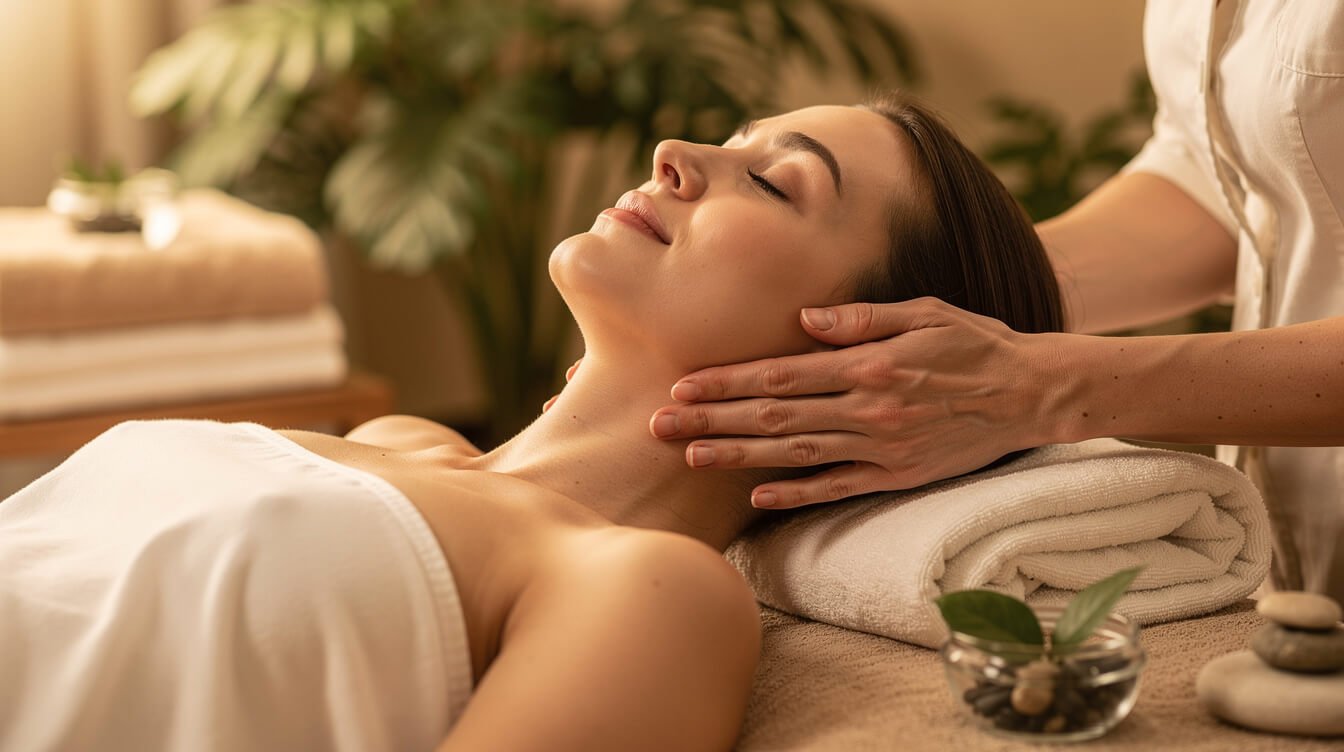
Lymphatic drainage massage — also known as manual lymphatic drainage (MLD) — is a specialized, gentle massage technique designed to encourage the natural flow of lymph fluid through your body. Unlike deep tissue or Swedish massage, which targets muscles and uses firm pressure, lymphatic drainage uses very light, rhythmic strokes that follow the direction of lymph flow toward your lymph nodes.
The technique was developed in the 1930s by Danish physiotherapist Dr. Emil Vodder and his wife Estrid. While treating patients with chronic sinusitis in the French Riviera, they noticed that many had swollen lymph nodes. By applying gentle, rhythmic hand movements along the lymphatic pathways, they observed significant improvements in their patients’ symptoms. This led to the formalization of the Vodder technique, which remains one of the most widely practiced forms of lymphatic drainage today.
Since then, several other approaches have been developed, including the Foldi method, the Casley-Smith technique, and the Leduc method. While each varies slightly in hand movements and sequencing, they all share the same fundamental principle: gentle, directional pressure that supports your lymphatic system rather than forcing it.
What makes lymphatic drainage fundamentally different from traditional massage is the pressure. While a typical massage may use 10-15 pounds of pressure per square inch, lymphatic drainage uses only about 1-4 ounces — roughly the weight of a nickel on your skin. This is because the lymphatic vessels sit just below the surface of your skin, and too much pressure can actually compress them and impede flow.
How Your Lymphatic System Works
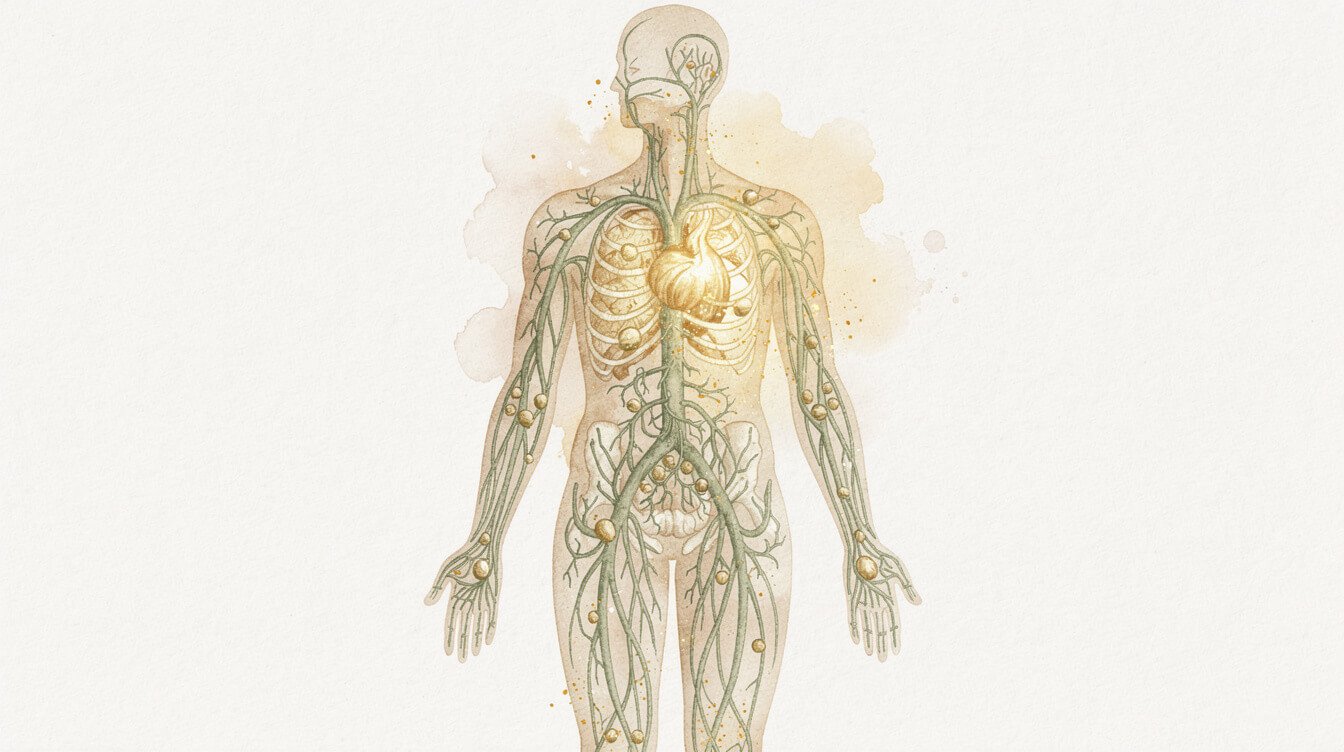
To understand why lymphatic drainage massage may be beneficial, it helps to know how this remarkable system operates. Your lymphatic system is a vast network of vessels, nodes, and organs that spans your entire body — working alongside your circulatory system to maintain fluid balance, transport immune cells, and remove cellular waste.
The Key Components
- Lymph fluid: A clear-to-yellowish fluid that circulates through your lymphatic vessels. It carries white blood cells, proteins, cellular waste, and other substances that need to be filtered and recycled.
- Lymphatic vessels: A network of thin-walled tubes that collect lymph fluid from your tissues. Unlike blood vessels, lymphatic vessels have one-way valves that prevent fluid from flowing backward.
- Lymph nodes: You have approximately 600-700 lymph nodes throughout your body, concentrated in your neck, armpits, chest, abdomen, and groin. These small, bean-shaped structures act as filtration stations — trapping bacteria, viruses, and other harmful substances so your immune cells can neutralize them.
- Lymphatic organs: Your spleen, thymus, tonsils, and bone marrow all play roles in producing, maturing, and storing the immune cells that patrol your lymphatic system.
Why Movement Matters
Here’s the critical difference between your lymphatic and cardiovascular systems: your heart pumps blood through your arteries at roughly 3-4 liters per minute. Your lymphatic system, however, has no pump. Instead, it relies on three primary mechanisms to keep lymph moving:
- Skeletal muscle contraction: When you move, walk, or exercise, your muscles squeeze the lymphatic vessels and push fluid along. This is one reason why regular walking supports whole-body wellness.
- Breathing: Deep diaphragmatic breathing creates pressure changes in your chest and abdomen that help draw lymph fluid upward through the thoracic duct — the largest lymphatic vessel in your body. This is another reason breathwork practices may support your overall health.
- Manual stimulation: External pressure — whether from massage, dry brushing, or vibration — can help move stagnant lymph fluid through the vessels and toward the lymph nodes for processing.
When any of these mechanisms is impaired — due to sedentary lifestyles, surgery, injury, or chronic illness — lymph fluid can accumulate in your tissues, leading to swelling, sluggishness, and compromised immune function. This is where lymphatic drainage massage becomes particularly valuable.
7 Science-Backed Lymphatic Drainage Massage Benefits

Research into lymphatic drainage massage has expanded significantly in recent decades. While some benefits are well-established in clinical settings, others are supported by emerging evidence that continues to build. Here’s what the science suggests.
1. Reduces Swelling and Fluid Retention
This is the most thoroughly researched benefit of lymphatic drainage massage. MLD is considered a frontline treatment for lymphedema — a condition characterized by chronic swelling, most commonly in the arms or legs. A systematic review published in the Journal of Cancer Survivorship (2015) found that complete decongestive therapy, which includes MLD as a core component, significantly reduced limb volume in breast cancer-related lymphedema patients. The International Lymphoedema Framework recommends MLD as part of the standard treatment protocol for all stages of lymphedema.
2. Supports Immune Function
Your lymphatic system is foundational to your immune response. By promoting lymph flow, lymphatic drainage massage helps ensure that immune cells — particularly lymphocytes — circulate efficiently to where they’re needed. A 2019 study in the European Journal of Physical and Rehabilitation Medicine found that MLD improved immune cell counts in post-mastectomy patients, suggesting a direct link between lymphatic stimulation and immune system support.
3. Aids Post-Surgical Recovery
Lymphatic drainage massage is increasingly recommended after surgical procedures, particularly cosmetic surgeries like liposuction, abdominoplasty, and breast augmentation. The gentle technique helps reduce post-operative swelling, may minimize bruising, and can support faster tissue healing. The UCLA Health system notes that MLD is becoming a standard recommendation for post-cosmetic surgery recovery protocols.
4. May Reduce Stress and Promote Relaxation
The gentle, rhythmic nature of lymphatic drainage massage activates your parasympathetic nervous system — the “rest and digest” branch that counteracts your stress response. Research published in the Journal of Physical Therapy Science found that MLD significantly reduced heart rate and blood pressure in participants, indicating a measurable shift toward relaxation. A separate study on abdominal lymphatic massage found reductions in cortisol levels and improvements in subjective stress scores. If you’re working on calming your nervous system naturally, lymphatic drainage may be a gentle complement to your existing practices.
5. Supports Skin Health and Appearance
By improving lymphatic circulation in the tissues just below your skin, MLD may help reduce puffiness (particularly in the face), improve skin tone, and support the delivery of nutrients to skin cells. Some practitioners and patients report improvements in cellulite appearance, though the research on this specific benefit remains limited. The most consistent skin-related benefit is the reduction of facial puffiness and under-eye swelling — which is why facial lymphatic massage has gained popularity in skincare routines.
6. May Help Manage Chronic Pain Conditions
Several studies have explored lymphatic drainage massage for chronic pain conditions. A 2016 review in the Journal of Manipulative and Physiological Therapeutics found evidence supporting MLD for fibromyalgia symptom management, including reductions in pain intensity and stiffness. The technique has also shown promise for rheumatoid arthritis and chronic venous insufficiency. While lymphatic drainage alone may not replace other pain management approaches, it may serve as a gentle complementary practice.
7. Supports Natural Detoxification
Your lymphatic system is your body’s primary waste removal network — filtering cellular debris, metabolic byproducts, and toxins from your tissues. When lymph flow slows, these substances can accumulate. By supporting efficient lymphatic circulation, MLD helps your body’s natural detoxification processes work as intended. This isn’t about extreme cleanses or crash diets — it’s about giving your body’s built-in filtration system the support it needs to function optimally. Combining lymphatic support with gut-supporting foods like fermented foods can create a holistic approach to whole-body wellness.
Who May Benefit from Lymphatic Drainage Massage?
While lymphatic drainage massage was originally developed for lymphedema patients, its applications have expanded significantly. Here are the groups that may benefit most.
People Managing Lymphedema
This remains the primary clinical indication for MLD. Whether lymphedema results from cancer treatment, surgery, or congenital conditions, lymphatic drainage is a cornerstone of complete decongestive therapy (CDT) and is recommended by major medical institutions worldwide.
Post-Surgical Recovery
If you’re recovering from any surgical procedure — particularly orthopedic, cosmetic, or cancer-related surgery — MLD may help reduce swelling and support healing. Many surgeons now recommend starting lymphatic drainage within days of the procedure, depending on the type of surgery.
People with Chronic Conditions
Conditions like fibromyalgia, chronic fatigue syndrome, rheumatoid arthritis, and chronic venous insufficiency may all be associated with impaired lymphatic function. While MLD isn’t a cure for these conditions, it may offer gentle symptom relief as part of a comprehensive wellness approach.
Athletes and Active Individuals
Intense physical activity creates metabolic waste and inflammation in your tissues. Lymphatic drainage may support faster recovery between training sessions by helping clear these byproducts. Some athletes use MLD as part of their recovery protocol alongside gentle low-impact movement and zone 2 cardio for active recovery.
Desk Workers and Frequent Travelers
Prolonged sitting — whether at a desk or on a long flight — can impair lymphatic flow, particularly in your legs. If you notice swollen ankles after flights or heavy legs after long workdays, your lymphatic system may be telling you it needs more support.
Anyone Seeking Stress Relief
Even without a specific medical condition, the deeply relaxing nature of lymphatic drainage massage makes it a valuable practice for anyone managing daily stress. The parasympathetic activation it promotes can complement other nervous system regulation techniques you may already practice.
How to Support Your Lymphatic System Naturally Every Day

Professional lymphatic drainage massage is wonderful — but your lymphatic health doesn’t have to depend on clinic visits alone. Here are evidence-informed ways to support your lymphatic system as part of your daily wellness routine.
Dry Brushing
Using a natural-bristle brush on dry skin before your shower is one of the simplest at-home lymphatic support techniques. Brush in long, gentle strokes toward your heart — starting at your feet and hands, working inward. This helps stimulate the superficial lymphatic vessels just below your skin. Use light pressure — you’re not exfoliating, you’re encouraging lymph flow.
Movement and Exercise
Because your lymphatic system depends on muscle contractions to move fluid, regular physical activity is perhaps the single most important thing you can do for lymphatic health. Walking, swimming, yoga, and rebounding (bouncing on a mini trampoline) are all particularly effective. Yoga inversions like legs-up-the-wall pose (Viparita Karani) use gravity to help drain accumulated lymph from your lower extremities. Even gentle strength training supports lymphatic circulation through rhythmic muscle contraction.
Deep Breathing Practices
Your thoracic duct — the largest lymphatic vessel — empties into your bloodstream near your collarbone. Deep diaphragmatic breathing creates a vacuum effect that draws lymph upward through this duct. Practicing breathwork for just 5-10 minutes daily can meaningfully support lymphatic drainage, especially when combined with gentle movement.
Hydration
Lymph fluid is approximately 95% water. Dehydration thickens your lymph, making it harder to flow through the vessels. Aim for adequate daily hydration — typically 8-10 glasses of water — and consider starting your morning with warm lemon water to gently stimulate your digestive and lymphatic systems.
Herbs and Foods That May Support Lymphatic Health
Several herbs have traditionally been used to support lymphatic function, though research is still emerging:
- Cleavers (Galium aparine): One of the most well-known lymphatic herbs in Western herbalism, traditionally used as a lymphatic tonic
- Echinacea: Research suggests it may support lymph node function and immune cell activity
- Calendula: Traditionally used to support lymphatic circulation and reduce congestion
- Red clover: May support lymphatic flow and has been traditionally used for lymphatic cleansing
- Turmeric and ginger: Both have anti-inflammatory properties that may support healthy lymphatic function
On the food side, anti-inflammatory foods — leafy greens, citrus fruits, berries, nuts, and fatty fish — support the overall environment in which your lymphatic system operates. A diet that reduces systemic inflammation allows your lymphatic system to focus on its primary filtration duties rather than being overwhelmed by inflammatory byproducts. Nurturing your gut-brain connection through mindful eating also supports the extensive lymphatic tissue in your digestive tract.
Complementary Wellness Technologies
Modern wellness approaches offer additional ways to support lymphatic circulation. Pulsed electromagnetic field (PEMF) therapy, for example, uses gentle electromagnetic fields that may support microcirculation and cellular health at a fundamental level. Research suggests that PEMF may enhance blood flow and cellular repair — processes that work hand-in-hand with your lymphatic system. Infrared light therapy is another complementary approach that may support circulation and tissue health. When combined with regular movement and manual techniques like dry brushing or self-massage, these technologies can be part of a comprehensive lymphatic wellness routine.
Earthing and Grounding
Emerging research on earthing — the practice of making direct skin contact with the earth’s surface — suggests it may reduce inflammation and improve circulation. Since inflammation and poor circulation both contribute to lymphatic stagnation, grounding practices may offer indirect support for your lymphatic health as well.
🎁 Get a Free Wellness Gift
Enter your name and email below to receive a special wellness gift from OlyLife — absolutely free!
What to Expect During a Lymphatic Drainage Session
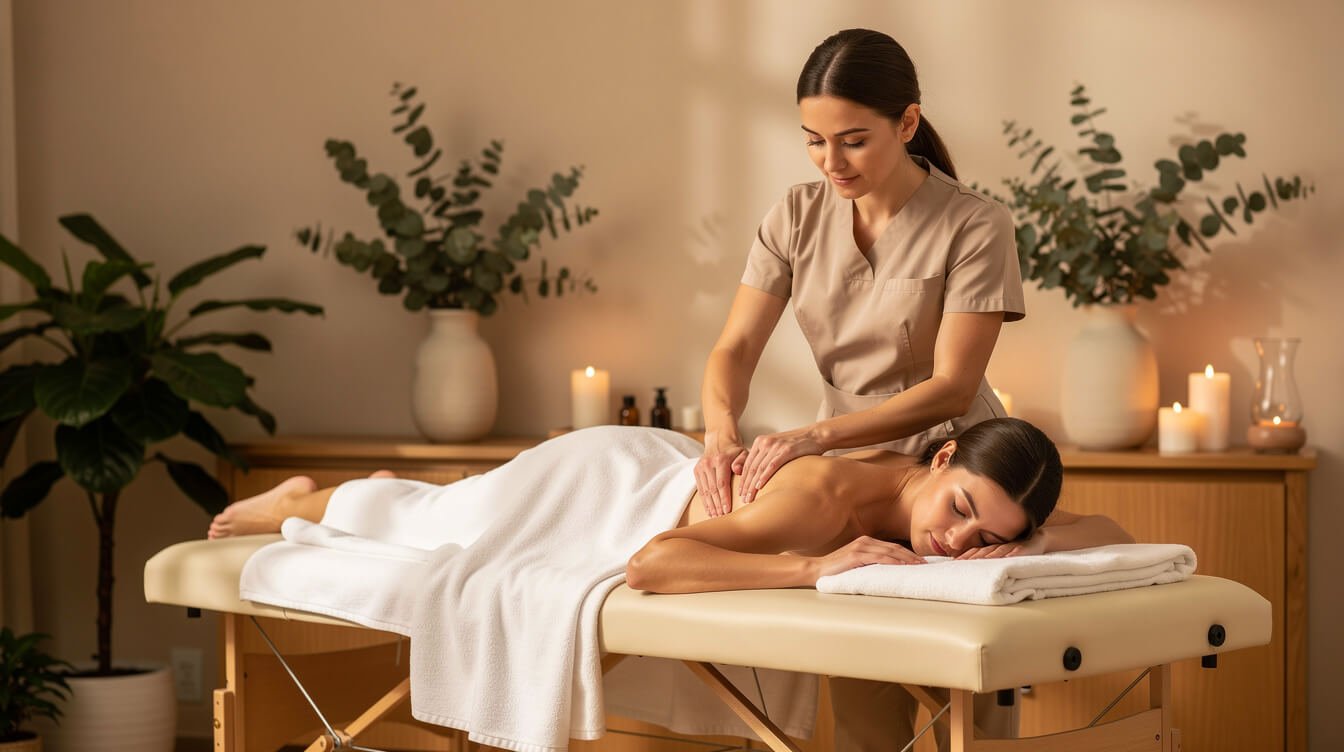
If you’re considering trying professional lymphatic drainage massage, here’s what a typical session looks like.
Finding a Qualified Therapist
Look for a licensed massage therapist or physical therapist who has specific training in manual lymphatic drainage. Certifications to look for include CLT (Certified Lymphedema Therapist) or specific training in the Vodder, Foldi, or Casley-Smith methods. If you have lymphedema, seek a therapist who specializes in complete decongestive therapy (CDT).
During the Session
A typical MLD session lasts 60-90 minutes. The therapist will use very light, rhythmic hand movements — often described as gentle waves or circular motions — along your lymphatic pathways. Sessions usually begin by “clearing” the lymph nodes in your neck and axillary (armpit) area, then progressively working outward to guide fluid back toward these drainage points.
You may feel very relaxed during the session — many people fall asleep. The pressure is so light that it doesn’t cause soreness. After the session, you may experience increased urination (your body processing the mobilized lymph fluid) and a sense of lightness or reduced puffiness.
How Often?
For medical conditions like lymphedema, your therapist will develop a treatment schedule — often 3-5 times per week initially, tapering as symptoms improve. For general wellness and preventive maintenance, many practitioners recommend 1-2 sessions per month. During periods of illness recovery, post-surgery, or high stress, more frequent sessions may be beneficial.
At-Home Self-Massage Basics
While professional MLD is more effective for specific conditions, you can practice basic self-lymphatic massage at home. The key principles are:
- Use very light pressure — lighter than you think
- Always stroke toward the nearest lymph node cluster
- Start by gently pumping the lymph nodes in your neck (just below your ears) with slow, circular motions
- Work from proximal to distal — clear the central areas first, then guide fluid from your extremities inward
- Breathe deeply throughout the practice
Safety, Risks, and When to Consult a Professional

Lymphatic drainage massage is generally considered very safe when performed by a trained practitioner. However, there are important contraindications to be aware of.
When to Avoid Lymphatic Drainage Massage
Do not receive MLD if you have:
- Active infection or fever: MLD can spread infection through the lymphatic system
- Deep vein thrombosis (DVT) or blood clots: Massage could dislodge a clot
- Congestive heart failure: Mobilizing additional fluid could overwhelm an already-stressed heart
- Acute kidney failure: Your body may not be able to process the additional fluid
- Active cancer (without physician approval): While MLD is widely used in cancer survivorship, active cancer treatment requires medical clearance
- Untreated infections in the area to be treated: Including cellulitis or open wounds
Possible Side Effects
Most people experience no negative side effects from lymphatic drainage massage. Some may notice:
- Increased urination for 24-48 hours (a normal sign your body is processing mobilized fluid)
- Mild fatigue or lightheadedness immediately after the session
- Temporary increase in thirst
- Rarely, mild headache
These effects are generally mild and resolve quickly. Stay well hydrated before and after your session to support your body’s processing.
When to See a Doctor
If you notice persistent or worsening swelling, sudden swelling in a limb, or swelling accompanied by pain, redness, or warmth, consult a healthcare provider before seeking lymphatic drainage massage. These symptoms may indicate an underlying condition that requires medical evaluation.
Support Your Body’s Natural Wellness
Discover how OlyLife’s wellness technology may complement your lymphatic health routine with gentle, non-invasive support for circulation and cellular wellness.
Frequently Asked Questions About Lymphatic Drainage Massage

Does lymphatic drainage massage help with weight loss?
Lymphatic drainage massage is not a weight loss treatment. While reducing fluid retention may result in temporary changes on the scale, MLD does not burn calories or reduce body fat. UCLA Health researchers specifically note that any weight changes are due to fluid shifts, not fat loss. For sustainable wellness, focus on a balanced approach that includes regular movement and nourishing foods.
How quickly will I notice benefits?
Many people notice reduced puffiness and a sense of lightness after their very first session. For chronic conditions like lymphedema, meaningful improvement typically develops over several weeks of consistent treatment. For general wellness benefits, most practitioners suggest committing to at least 4-6 sessions to evaluate the effects.
Can I do lymphatic drainage massage on myself?
Yes — basic self-lymphatic massage techniques can be effective for general wellness support. However, if you have lymphedema or another medical condition, it’s important to learn proper technique from a certified therapist before practicing at home. Self-massage works best as a supplement to professional treatment, not a replacement.
How does lymphatic drainage differ from regular massage?
The primary difference is pressure and intention. Regular massage uses moderate to firm pressure to release muscle tension. Lymphatic drainage uses extremely light pressure (about 1-4 ounces) and follows specific pathways toward your lymph nodes. The two serve different purposes and can complement each other beautifully in a wellness routine.
Is lymphatic drainage massage painful?
No — lymphatic drainage massage should never be painful. The pressure is so gentle that some people initially wonder if it’s doing anything at all. If you experience pain during a session, tell your therapist immediately. Pain usually means too much pressure is being applied.
Can PEMF therapy complement lymphatic drainage?
Research suggests that pulsed electromagnetic field therapy may support microcirculation and cellular health — processes that work alongside your lymphatic system. While PEMF doesn’t replace lymphatic drainage massage, the two approaches target complementary aspects of your body’s circulation and recovery systems. Some wellness practitioners incorporate both into their protocols for a more comprehensive approach to electromagnetic healing and whole-body support.
How often should I get lymphatic drainage massage?
For medical conditions, follow your therapist’s recommended schedule (often 3-5 times weekly initially, tapering over time). For general wellness maintenance, 1-2 sessions per month is a common recommendation. Between professional sessions, daily practices like dry brushing, deep breathing, and gentle movement can help maintain lymphatic flow.
Does insurance cover lymphatic drainage massage?
Coverage varies by insurance plan and diagnosis. Lymphatic drainage massage for diagnosed lymphedema is more commonly covered, especially when prescribed by a physician and performed by a certified lymphedema therapist. For general wellness purposes, MLD is typically considered an out-of-pocket expense. Check with your insurance provider for specific coverage details.
Final Thoughts
Your lymphatic system is one of the unsung heroes of your body’s wellness infrastructure — quietly filtering, protecting, and maintaining balance every moment of every day. Lymphatic drainage massage offers a gentle, evidence-informed way to support this vital system, whether you’re managing a specific health condition or simply looking for ways to help your body function at its natural best.
The beauty of lymphatic health is that it doesn’t require dramatic interventions. Small, consistent practices — a morning dry brushing ritual, daily walks, deep breathing, nourishing foods, and the occasional professional lymphatic massage — can make a meaningful difference in how you feel day to day. Your body already knows how to heal and maintain itself. Sometimes it just needs a little gentle encouragement to do its best work.
Remember: always consult with a healthcare provider before starting lymphatic drainage massage if you have any underlying health conditions. And when in doubt, listen to your body — it’s remarkably good at telling you what it needs.