
PEMF Meaning: What Pulsed Electromagnetic Field Therapy Is and How It May Support You
If you’ve come across the term PEMF while researching natural wellness options, you’re not alone. PEMF meaning — Pulsed Electromagnetic Field — refers to a type of therapy that uses gentle electromagnetic pulses to support the body’s natural processes. It may sound complex, but the science behind it is surprisingly accessible, and the potential benefits have captured the attention of researchers and wellness enthusiasts alike.
In this comprehensive guide, we’ll break down exactly what PEMF means, explore the fascinating history behind this technology, explain how it may work at the cellular level, and help you understand whether PEMF therapy could be a meaningful addition to your wellness routine. Whether you’re completely new to the concept or looking to deepen your understanding, you’ll find everything you need right here.
What Does PEMF Stand For? Understanding the Basics of PEMF Meaning

PEMF stands for Pulsed Electromagnetic Field. Let’s break that down word by word to truly understand the PEMF meaning:
- Pulsed — the electromagnetic energy is delivered in brief, rhythmic bursts rather than as a constant stream. This pulsing pattern is key to how the therapy interacts with your body’s cells.
- Electromagnetic — refers to a type of energy that combines both electric and magnetic components. Electromagnetic fields exist naturally all around us — the Earth itself generates one, and every cell in your body produces tiny electromagnetic signals.
- Field — describes the area of influence surrounding the energy source. When a PEMF device operates, it creates a field of pulsing energy that may penetrate through skin, muscle, and bone.
Here’s what makes the PEMF meaning particularly interesting: your body already operates within natural electromagnetic fields. The Earth’s own magnetic field — known as the Schumann resonance — pulses at approximately 7.83 Hz. PEMF therapy devices are designed to produce frequencies that may complement these natural fields, essentially speaking the same electromagnetic language your cells already understand.
Unlike the high-frequency electromagnetic radiation from devices like X-ray machines, PEMF therapy uses low-frequency, non-ionizing electromagnetic pulses. These are closer in nature to the frequencies your body encounters naturally, which is one reason researchers have been interested in their potential therapeutic applications.
Think of it this way: just as specific sound frequencies may influence your mood and relaxation, specific electromagnetic frequencies may support cellular processes in your body. The concept isn’t as exotic as it might first appear.
A Brief History of PEMF Therapy

The story of PEMF therapy stretches back further than most people realize. Understanding this history helps contextualize the PEMF meaning within decades of scientific exploration.
Early Electromagnetic Research (1800s–1900s)
The relationship between electromagnetism and biology fascinated scientists as early as the 1800s. Nikola Tesla experimented with electromagnetic fields and their effects on the human body. By the early 1900s, researchers were already documenting how electromagnetic energy might influence biological tissue.
The NASA Connection
One of the most significant chapters in PEMF history came from an unexpected source: NASA. In the early 2000s, NASA funded a four-year research study led by Dr. Thomas Goodwin to investigate how PEMF might support tissue repair and growth. The motivation was practical — astronauts in space lose bone density and muscle mass due to the absence of Earth’s natural electromagnetic field. NASA’s research suggested that specific pulsed electromagnetic frequencies may support cellular regeneration, a finding that energized the broader scientific community.
FDA Approvals and Medical Recognition
PEMF therapy gained a significant milestone in 1979 when the FDA approved it for bone healing in non-union fractures — cases where broken bones had failed to heal through conventional treatment. Since then, PEMF has received additional FDA approvals:
- 1979: Non-union bone fractures
- 1998: Urinary incontinence and muscle stimulation
- 2004: Cervical fusion surgery recovery
- 2006: Depression and anxiety (via rTMS, a related technology)
- 2011: Brain cancer treatment (via tumor-treating fields)
These approvals don’t mean PEMF is a cure for these conditions, but they do indicate that the scientific and medical establishment has recognized the potential of electromagnetic field therapies. Today, research continues to explore how PEMF may support various aspects of health and wellness.
From Clinical to Home Use
What was once available only in hospitals and specialized clinics has become increasingly accessible. Modern PEMF devices range from professional-grade systems used by healthcare practitioners to portable, user-friendly devices designed for home wellness routines. This democratization of the technology is part of what’s driving the growing interest in understanding PEMF meaning.
How PEMF May Work at the Cellular Level

To understand the PEMF meaning in practical terms, it helps to know what may be happening inside your body during a session. While research is ongoing, scientists have proposed several mechanisms through which PEMF may influence cellular activity.
The Cell Membrane Connection
Every cell in your body has a measurable electrical charge across its membrane — called the membrane potential. Healthy cells typically maintain a voltage of around -70 to -90 millivolts. When cells are stressed, injured, or aging, this voltage may drop, potentially compromising the cell’s ability to function optimally.
PEMF therapy is thought to work by delivering gentle electromagnetic pulses that may help restore and maintain healthy cell membrane potential. Think of it as giving your cells a gentle electromagnetic “recharge.”
Ion Channel Activation
Your cell membranes contain tiny protein structures called ion channels — gateways that control the flow of calcium, sodium, potassium, and other ions in and out of cells. Research suggests that pulsed electromagnetic fields may influence these ion channels, potentially improving nutrient absorption and waste removal at the cellular level.
The Circulation Factor
Several studies have examined how PEMF may support microcirculation — the flow of blood through your smallest blood vessels. Improved microcirculation could theoretically enhance oxygen delivery and nutrient transport to tissues throughout the body. If you’re interested in other natural approaches to supporting circulation, regular walking is another evidence-backed method worth exploring.
Cellular Energy Production
Your cells produce energy through structures called mitochondria — often called the “powerhouses” of the cell. Some researchers have suggested that PEMF may support mitochondrial function, potentially enhancing cellular energy production (ATP). For a deeper dive into the mechanisms involved, our guide on how PEMF therapy works covers the science in greater detail.
7 Potential Benefits of PEMF Therapy

Now that you understand the PEMF meaning and the basic science, let’s explore the potential benefits that have researchers and wellness practitioners excited. Remember — PEMF is not a medical treatment or cure. The benefits described here are based on emerging research, and individual experiences may vary.
1. May Support Pain Management
Pain relief is one of the most widely studied applications of PEMF therapy. Multiple studies, including a comprehensive review published in Bioelectromagnetics, suggest that PEMF may help modulate pain perception. The electromagnetic pulses may influence nerve signaling and reduce inflammation-related discomfort.
2. May Help Reduce Inflammation
Chronic low-grade inflammation is increasingly recognized as a factor in many health concerns. Research published in the Journal of Inflammation Research indicates that PEMF may help regulate the body’s inflammatory response by influencing cytokine production — the chemical messengers that control inflammation.
3. May Support Bone Health and Recovery
This is the area with the longest track record — remember, the FDA first approved PEMF for bone healing in 1979. Studies suggest that pulsed electromagnetic fields may stimulate osteoblast activity (the cells responsible for building new bone tissue) and support calcium absorption.
4. May Enhance Circulation
Research has examined PEMF’s potential to improve blood flow, particularly microcirculation. Better circulation may mean improved oxygen delivery to tissues, enhanced nutrient transport, and more efficient removal of metabolic waste products.
5. May Support Sleep Quality
Some studies have explored PEMF’s effects on sleep, particularly through its potential influence on the production of melatonin — your body’s natural sleep hormone. Certain low-frequency PEMF settings are designed to promote relaxation and may complement other natural relaxation techniques in your evening routine.
6. May Aid Recovery and Performance
Athletes and active individuals have shown particular interest in PEMF therapy for post-exercise recovery. Research suggests that PEMF may support muscle recovery by reducing exercise-induced inflammation and potentially enhancing cellular repair processes.
If you’re exploring recovery-focused wellness tools, the OlyLife Tera-P90+ combines PEMF with terahertz frequency technology in a portable, home-friendly system designed to support your daily wellness routine.
7. May Support Mood and Stress Response
The FDA’s approval of repetitive transcranial magnetic stimulation (rTMS) for depression highlights the broader connection between electromagnetic fields and brain health. While standard PEMF devices differ from rTMS machines, some research suggests that certain PEMF frequencies may support relaxation and stress management, particularly at frequencies that correspond to alpha and theta brainwave states.
Types of PEMF Devices and How They’re Used

Understanding the PEMF meaning also means knowing the different forms this technology takes. Modern PEMF devices come in several formats, each designed for different use cases and lifestyles.
PEMF Mats
Full-body PEMF mats are among the most popular home-use options. You simply lie on the mat during a session, allowing the electromagnetic field to reach your entire body. Sessions typically last 15–30 minutes and can easily be incorporated into a morning or evening routine. PEMF mats are particularly popular for general wellness, sleep support, and relaxation.
Handheld and Portable Devices
Portable PEMF devices allow you to target specific areas of the body. These compact units are popular with athletes, travelers, and anyone who wants to focus PEMF therapy on particular zones — like a stiff shoulder, tired legs, or an area of discomfort. Many modern portable devices combine PEMF with other technologies like terahertz frequencies for a multi-modal approach.
Wand-Style Devices
Wand-style PEMF devices offer a middle ground between full-body mats and small applicators. They provide focused, directional electromagnetic pulses that can be guided over the body. This format is popular for self-care wellness routines because of its ease of use and versatility.
Clinical and Professional Systems
Professional-grade PEMF systems are used by healthcare practitioners, physiotherapists, and sports medicine professionals. These tend to offer more powerful outputs and more precise frequency control than home-use devices. If you’re considering clinical PEMF, always consult with a qualified healthcare provider first.
Choosing the Right Frequency
PEMF devices operate across a range of frequencies, and different frequencies may serve different purposes. Low frequencies (1–10 Hz) are often associated with relaxation and sleep support, while moderate frequencies (10–50 Hz) may be more suited to circulation and recovery. Our PEMF frequency chart provides a detailed breakdown of which frequencies are used for what.
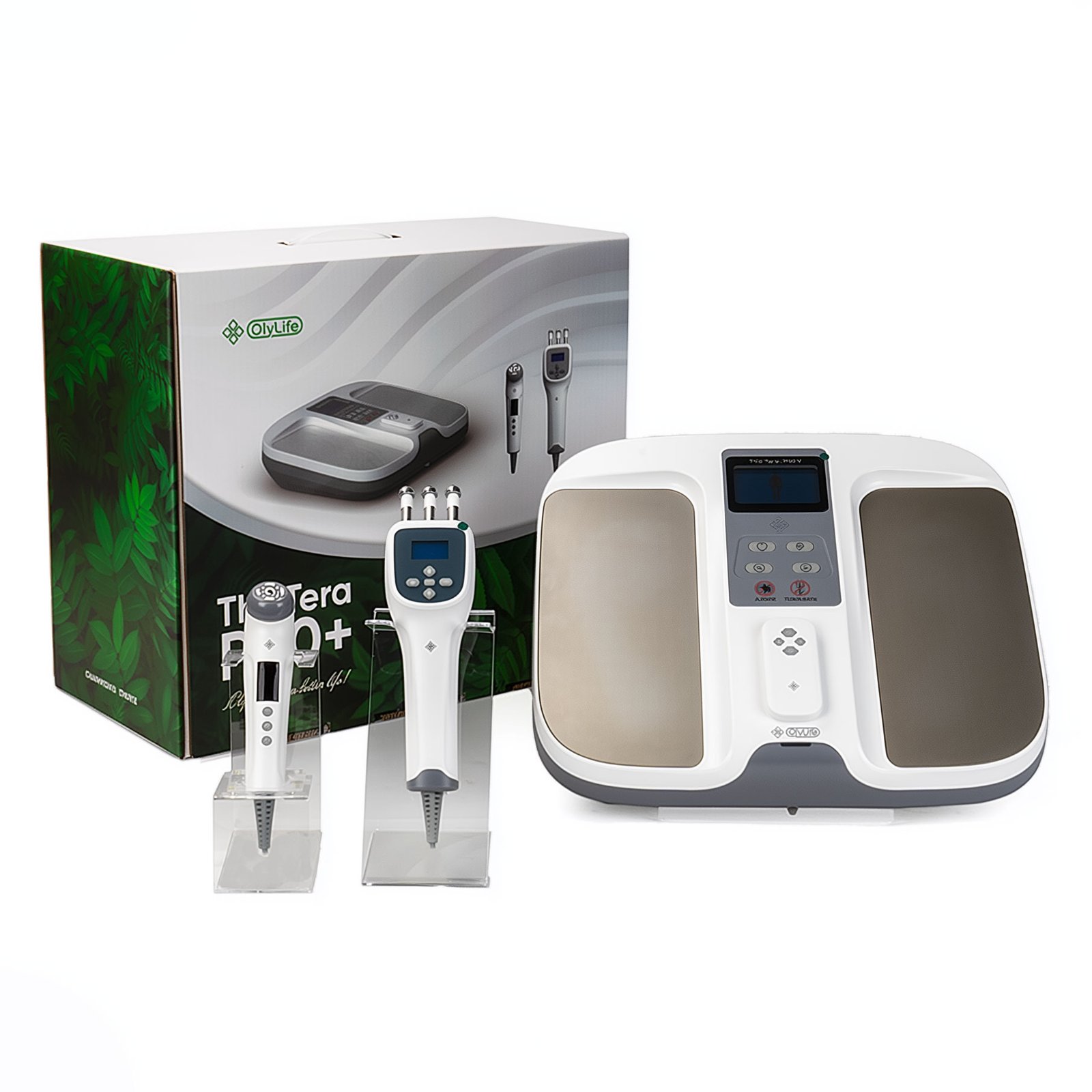
Experience PEMF Therapy at Home
The OlyLife Tera-P90+ combines PEMF and terahertz frequency technology in one portable device — designed to support your daily wellness routine from the comfort of home.
🎁 Get a Free Wellness Gift
Enter your name and email below to receive a special wellness gift from OlyLife — absolutely free!
Who May Benefit from PEMF Therapy?

The PEMF meaning extends beyond just understanding the technology — it’s about knowing whether it could be relevant to your wellness journey. Here are some groups who have shown particular interest in PEMF therapy:
Active Adults and Athletes
Whether you’re a competitive athlete or simply someone who enjoys regular exercise, PEMF therapy has gained popularity as a recovery tool. Many sports professionals incorporate PEMF sessions into their post-training routines, potentially supporting faster recovery and reduced muscle soreness.
Adults Over 50
As we age, cellular energy production naturally declines, and recovery from physical activity takes longer. PEMF therapy’s potential to support cellular function, bone health, and circulation makes it particularly appealing to older adults looking for non-invasive wellness support.
People Managing Chronic Discomfort
Individuals dealing with ongoing joint stiffness, muscle tension, or general discomfort have been among the earliest adopters of home PEMF devices. While PEMF is not a treatment for any medical condition, some users report that regular sessions complement their existing wellness practices. Be sure to read about PEMF therapy side effects to understand what to expect.
Wellness Enthusiasts
If you already practice mindfulness, breathwork, grounding, or other holistic wellness approaches, PEMF therapy may naturally fit into your routine. Many wellness-focused individuals appreciate PEMF as a technology-assisted way to support the body’s natural processes.
Important Precautions
While PEMF is generally considered safe for most adults, there are some groups who should exercise caution or avoid PEMF therapy:
- Pregnant women — PEMF is not recommended during pregnancy
- People with pacemakers or other implanted electronic devices — electromagnetic fields could potentially interfere with device function
- People with active bleeding disorders — PEMF’s potential circulatory effects warrant caution
- Anyone with a medical condition — always consult your healthcare provider before starting any new wellness practice
Frequently Asked Questions About PEMF Meaning

What is the full form of PEMF?
PEMF stands for Pulsed Electromagnetic Field. It refers to a type of therapy that delivers low-frequency electromagnetic pulses to the body through specially designed devices. The term encompasses both the technology itself and the therapeutic application of pulsed electromagnetic energy.
Is PEMF the same as a regular magnet?
No. Regular magnets produce a static (constant) magnetic field, while PEMF devices produce pulsed (intermittent) electromagnetic fields. This pulsing characteristic is considered key to the potential therapeutic effects, as it more closely mimics the dynamic electromagnetic environment your cells naturally operate within.
Is PEMF therapy safe?
PEMF therapy is generally considered safe for most healthy adults when used as directed. It uses non-ionizing, low-frequency electromagnetic pulses — similar in nature to the electromagnetic fields that naturally exist in the environment. However, it’s important to follow device instructions and consult with a healthcare provider if you have any medical conditions, implanted devices, or concerns.
How long does a PEMF session typically last?
Most home PEMF sessions last between 15 and 30 minutes, depending on the device and the intended purpose. Many users incorporate sessions into their morning routine to start the day or their evening routine to support relaxation. Some devices offer pre-programmed sessions optimized for specific goals.
Can you use PEMF therapy at home?
Yes. Modern PEMF technology has evolved to include a range of home-friendly devices — from full-body mats to portable handheld units and wand-style devices. Home PEMF devices are designed to be user-friendly and safe for regular use, making it easier than ever to explore PEMF therapy as part of your daily wellness routine.
How often should you use PEMF?
Usage frequency varies by device and individual goals. Many users find benefit in daily sessions of 15–30 minutes, while others use PEMF several times per week. It’s generally recommended to start with shorter, less frequent sessions and gradually increase as your body adjusts. Always follow the manufacturer’s guidelines for your specific device.
What does a PEMF session feel like?
Most people report feeling a gentle pulsing or tingling sensation during a PEMF session, particularly at higher intensity settings. Many describe the experience as relaxing — some even fall asleep during mat sessions. The sensation is typically subtle and non-invasive. Your first session should always use the lowest intensity setting to see how your body responds.
Is PEMF the same as TENS?
No. TENS (Transcutaneous Electrical Nerve Stimulation) delivers electrical current through the skin via electrode pads, primarily targeting surface nerves for pain relief. PEMF uses electromagnetic fields that may penetrate deeper into the body without requiring direct skin contact. The two technologies work through different mechanisms and have different applications.
Final Thoughts on PEMF Meaning and Your Wellness Journey
Understanding the PEMF meaning is the first step toward deciding whether this fascinating technology deserves a place in your wellness toolkit. From its roots in NASA research to its growing presence in homes around the world, pulsed electromagnetic field therapy represents a bridge between cutting-edge science and natural wellness principles.
The key takeaways are simple: PEMF stands for Pulsed Electromagnetic Field, it works by delivering gentle electromagnetic pulses that may support your body’s natural cellular processes, and decades of research suggest it has potential across a range of wellness applications — from supporting comfort and circulation to promoting relaxation and recovery.
As with any wellness practice, PEMF therapy works best as part of a holistic approach to health. Combine it with regular movement, mindful breathing, good nutrition, and adequate rest for the best results. And always consult with your healthcare provider before starting any new wellness routine, especially if you have existing health conditions.
Your wellness journey is uniquely yours — and understanding what PEMF means is a wonderful place to begin exploring this innovative approach to supporting your body naturally.