Aromatherapy Benefits: Your Complete Guide to Natural Healing With Essential Oils
Aromatherapy benefits extend far beyond simply enjoying a pleasant scent. For thousands of years, cultures around the world have harnessed the therapeutic power of plant-derived essential oils to support relaxation, ease tension, improve sleep quality, and promote whole-body wellness. Today, modern research is catching up with what traditional healers have known for centuries — that the aromatic compounds in essential oils may genuinely support your physical and emotional wellbeing.
Whether you’re brand new to essential oils or looking to deepen your aromatherapy practice, this guide walks you through everything you need to know. You’ll discover the science behind how aromatherapy works, explore seven evidence-backed benefits, learn which essential oils match your wellness goals, and find practical techniques you can start using at home today.
What Is Aromatherapy? A Journey From Ancient Wisdom to Modern Wellness
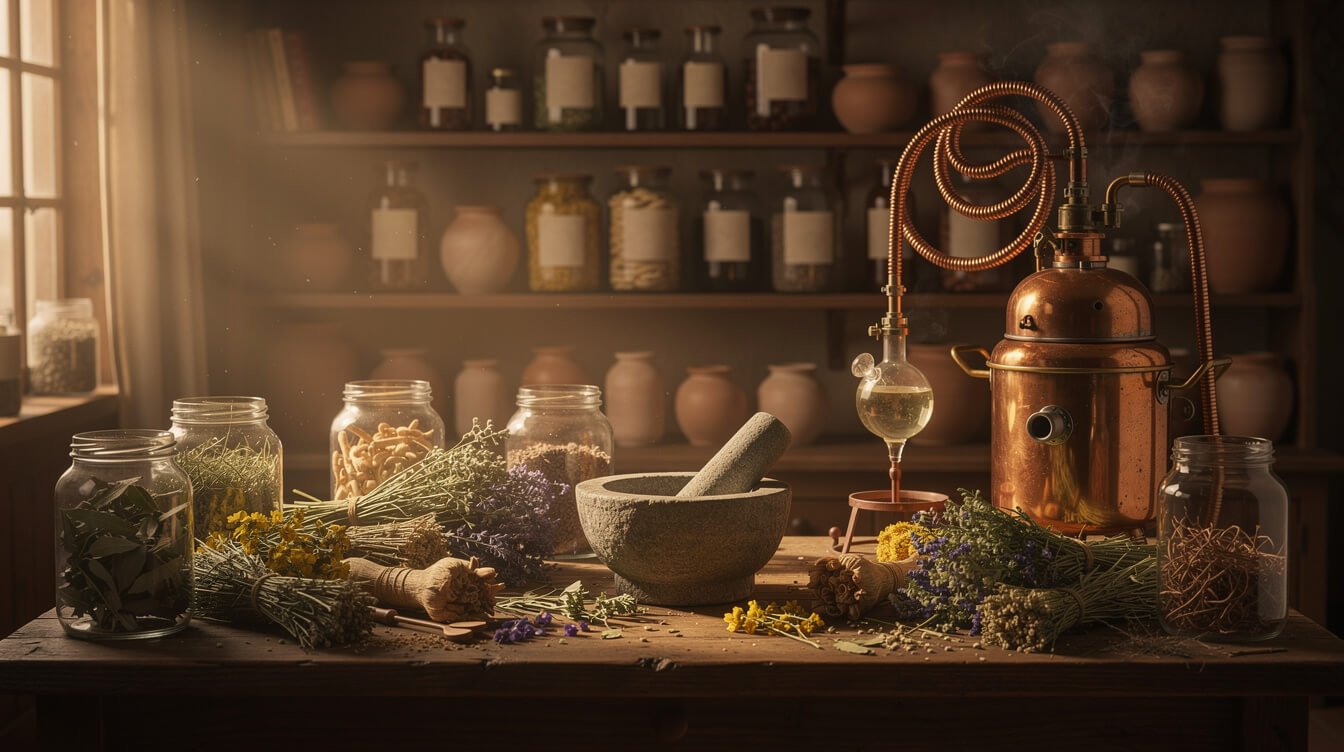
Aromatherapy — sometimes called essential oil therapy — is the practice of using concentrated plant extracts to support health and wellbeing. These essential oils are distilled or cold-pressed from flowers, leaves, bark, roots, and fruits, capturing the volatile aromatic compounds that give each plant its distinctive fragrance and therapeutic properties.
Ancient Roots, Timeless Wisdom
The history of aromatherapy stretches back more than 5,000 years. Ancient Egyptians used aromatic oils in religious ceremonies, embalming practices, and medicinal preparations — cedarwood, myrrh, and frankincense were considered sacred. In Traditional Chinese Medicine (TCM), aromatic herbs and incense have been used for millennia to balance qi (vital energy) and promote healing. Ayurvedic practitioners in India incorporated essential plant oils into massage, bathing, and spiritual rituals long before the term “aromatherapy” existed.
The modern term “aromatherapie” was coined in 1937 by French chemist René-Maurice Gattefossé, who discovered lavender oil’s remarkable ability to heal burns after a laboratory accident. His work inspired decades of clinical research into the therapeutic properties of essential oils.
How Aromatherapy Works: The Science of Scent
When you inhale essential oil molecules, they travel through your nasal passages to the olfactory bulb — a structure directly connected to the brain’s limbic system. The limbic system is your emotional command center, influencing mood, memory, stress responses, and even heart rate. This direct neural pathway explains why certain scents can instantly shift your emotional state.
Research published in the Journal of Alternative and Complementary Medicine has shown that olfactory stimulation from essential oils can modulate neurotransmitter activity, including serotonin and dopamine — the same “feel-good” chemicals targeted by many conventional treatments for anxiety and depression.
When applied topically (always properly diluted), essential oil molecules are small enough to penetrate the skin and enter the bloodstream, where they may exert anti-inflammatory, antimicrobial, or analgesic effects depending on the oil used.
7 Evidence-Backed Aromatherapy Benefits for Your Wellbeing
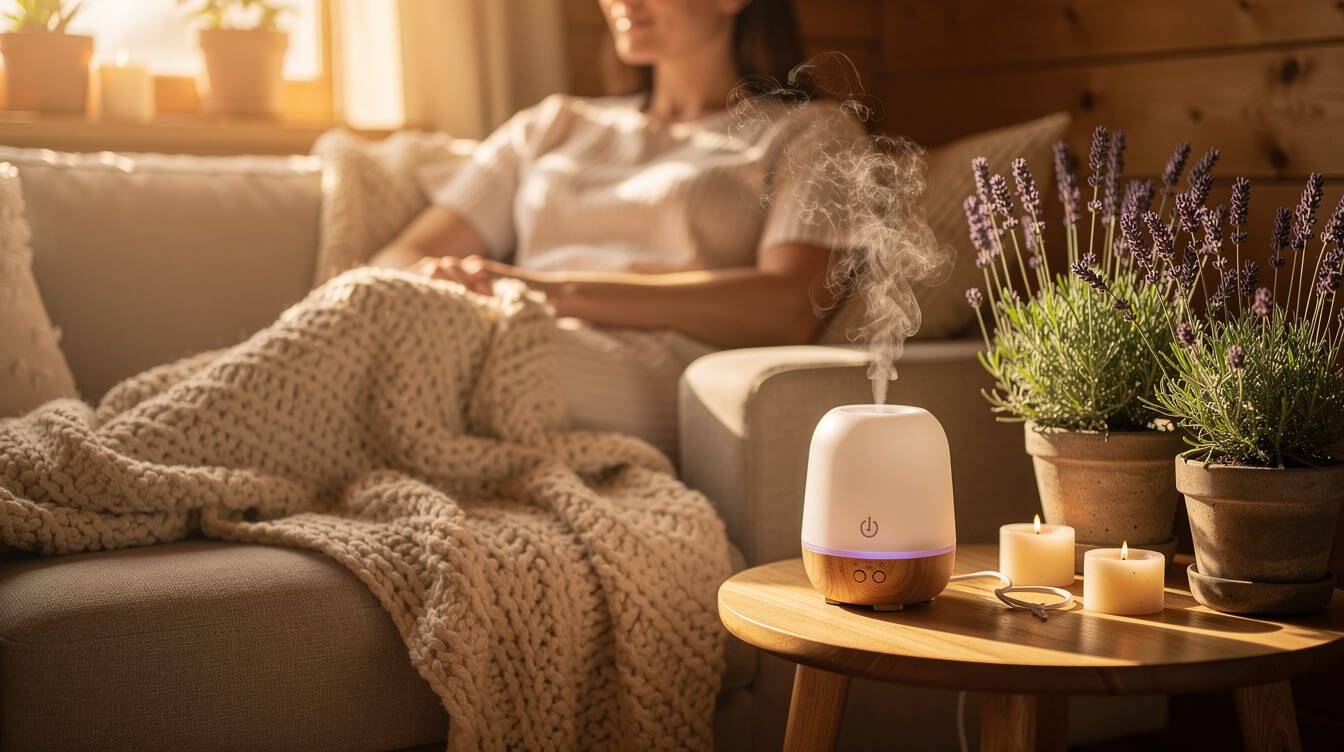
While aromatherapy shouldn’t replace medical treatment, a growing body of research suggests that essential oils may offer meaningful support for several aspects of health. Here are seven aromatherapy benefits backed by scientific evidence.
1. Stress and Anxiety Reduction
Perhaps the most well-documented benefit of aromatherapy is its potential to reduce stress and anxiety. A 2022 systematic review in BMC Complementary Medicine and Therapies analyzed 25 clinical trials and found that aromatherapy — particularly with lavender, bergamot, and ylang-ylang — significantly reduced anxiety scores compared to control groups. The effect was especially pronounced when combined with massage therapy.
Lavender essential oil has been studied extensively for its calming properties. Research suggests it may lower cortisol levels (your body’s primary stress hormone) and activate the parasympathetic nervous system — your body’s natural “rest and restore” mode. If you’re interested in other natural approaches to calming your nervous system, aromatherapy pairs beautifully with breathwork and gentle movement.
2. Better Sleep Quality
Struggling with sleep? Aromatherapy may help. A meta-analysis published in the Journal of Alternative and Complementary Medicine found that lavender aromatherapy significantly improved sleep quality across multiple studies. Participants who inhaled lavender essential oil before bed reported falling asleep faster, sleeping more deeply, and waking feeling more refreshed.
Other oils traditionally used for sleep support include chamomile, cedarwood, and vetiver. For a comprehensive approach to better rest, explore our guide to natural sleep remedies — aromatherapy is one of the most accessible tools in your sleep wellness toolkit.
3. Natural Pain Relief Support
Several essential oils have demonstrated analgesic (pain-relieving) properties in clinical research. Peppermint oil, for example, contains menthol — a compound shown to activate cold-sensitive receptors in the skin, creating a cooling sensation that may help ease headaches and muscle tension. A 2019 study in Pain Research and Management found that peppermint oil applied to the forehead was as effective as acetaminophen for tension headaches.
Eucalyptus and rosemary oils contain compounds like 1,8-cineole that research suggests may have anti-inflammatory and analgesic properties, making them popular choices for muscle recovery after exercise.
4. Mood Enhancement and Emotional Balance
Citrus essential oils — particularly orange, lemon, and bergamot — have shown promising results for mood enhancement. A study in Frontiers in Behavioral Neuroscience found that citrus aromas activated brain regions associated with positive emotions and reduced activity in areas linked to anxiety and depressive symptoms.
Ylang-ylang and clary sage are also valued in aromatherapy for their potential to promote emotional equilibrium. Many practitioners combine these with grounding scents like frankincense or sandalwood to create a balanced, uplifting aromatic experience.
5. Immune System Support
Certain essential oils possess antimicrobial properties that may support your body’s natural defenses. Tea tree (melaleuca) oil has been extensively studied for its antibacterial, antiviral, and antifungal properties. Eucalyptus oil contains compounds that research suggests may help support respiratory health, particularly during seasonal transitions.
Oregano, thyme, and cinnamon oils also show potent antimicrobial activity in laboratory studies, though more human clinical trials are needed. Supporting your immune health through holistic nutrition alongside aromatherapy creates a more comprehensive wellness approach.
6. Improved Focus and Cognitive Performance
Need a mental boost? Rosemary essential oil has been studied for its potential cognitive benefits. Research published in Therapeutic Advances in Psychopharmacology found that exposure to rosemary aroma improved speed and accuracy on cognitive tasks. The key compound, 1,8-cineole, was actually detected in participants’ blood after inhalation, suggesting a direct biochemical effect.
Peppermint oil has also shown promise for enhancing alertness and concentration. A study at Wheeling Jesuit University found that peppermint aroma improved memory, attention, and processing speed compared to control conditions.
7. Skin Health and Circulation
When properly diluted in a carrier oil, certain essential oils may support skin health. Tea tree oil is widely used for its antibacterial properties in skincare, while frankincense has been traditionally valued for its potential skin-rejuvenating effects. Lavender oil may help soothe minor skin irritations, and chamomile is often used for its gentle, calming properties on sensitive skin.
Aromatherapy massage — combining essential oils with skilled touch — may also support healthy circulation and lymphatic drainage, helping your body’s natural detoxification processes.
Essential Oils Guide: The Best Oils for Every Wellness Goal
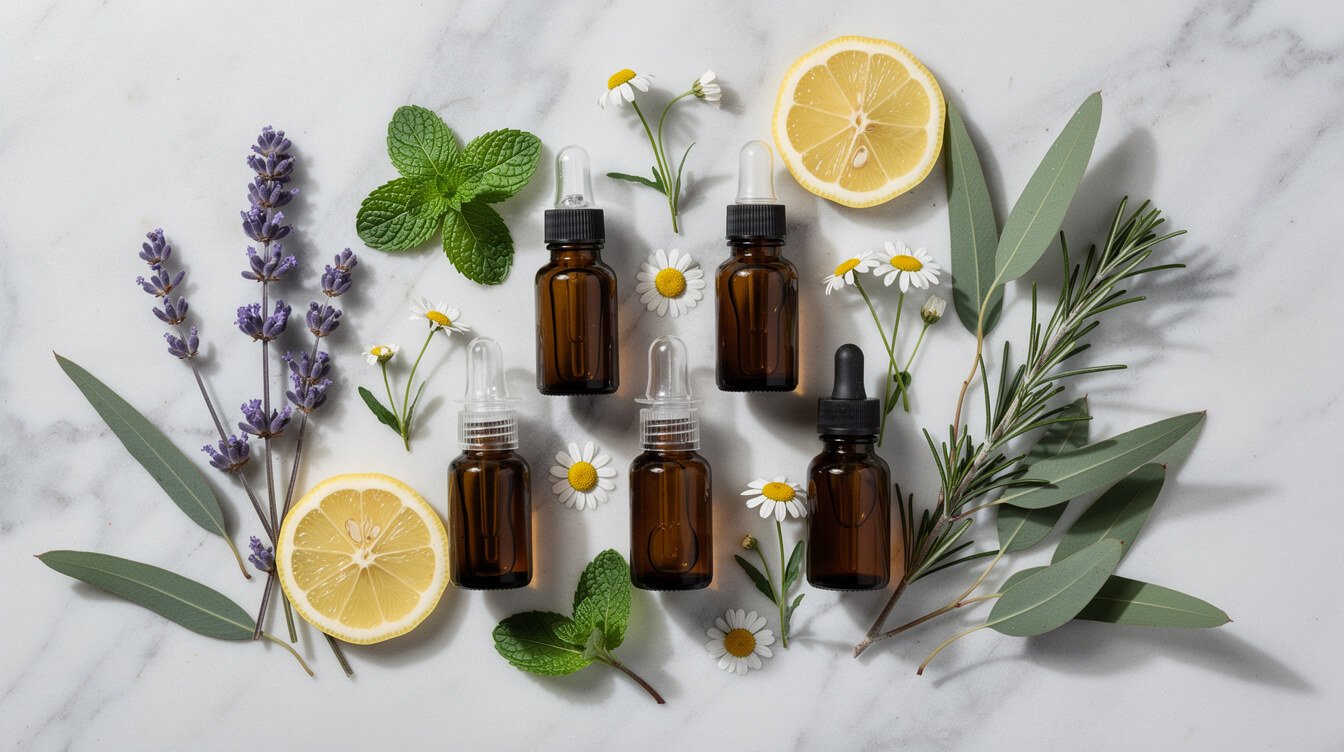
With hundreds of essential oils available, choosing the right ones can feel overwhelming. Here’s your practical guide to the most versatile and well-researched essential oils, organized by wellness goal.
For Calm and Relaxation
- Lavender — The gold standard for relaxation. Research consistently supports its calming, sleep-promoting, and anxiety-reducing properties. Gentle enough for beginners.
- Chamomile (Roman) — Sweet, apple-like fragrance with deeply soothing properties. Traditionally used for anxiety, digestive comfort, and sleep support.
- Ylang-ylang — Rich, floral aroma that may help lower blood pressure and reduce stress. Often used in meditation and evening wind-down rituals.
For Energy and Focus
- Peppermint — Crisp, invigorating scent that research suggests may enhance alertness, memory, and physical performance. Also traditionally used for headache relief.
- Rosemary — Woody, herbaceous aroma studied for cognitive enhancement. May support mental clarity and concentration during work or study.
- Lemon — Bright, uplifting citrus scent associated with improved mood and focus. Natural air-freshening properties as a bonus.
For Pain and Muscle Recovery
- Eucalyptus — Contains anti-inflammatory compounds that may ease muscle soreness and support respiratory comfort. Excellent in post-workout blends.
- Wintergreen — Contains methyl salicylate, traditionally used for joint and muscle discomfort. Use sparingly and always diluted.
- Ginger — Warming oil that may help increase circulation and ease muscle stiffness. Pairs well with a gentle massage.
For Immune Support
- Tea Tree — One of the most studied essential oils for antimicrobial activity. Widely used in natural cleaning products and skincare.
- Oregano — Potent antimicrobial properties, though it requires careful dilution due to its strength. Best used short-term.
- Frankincense — Ancient oil revered for its potential immune-modulating and anti-inflammatory properties. Also valued for meditation and spiritual practice.
For Skin Health
- Lavender — Gentle and versatile, traditionally used to soothe minor skin irritations and support a healthy complexion.
- Tea Tree — Well-researched for acne-prone and blemish-prone skin. Its antibacterial properties make it a staple in natural skincare.
- Geranium — Balancing oil that may help regulate sebum production, making it suitable for both oily and dry skin types.
How to Practice Aromatherapy at Home: 5 Simple Methods
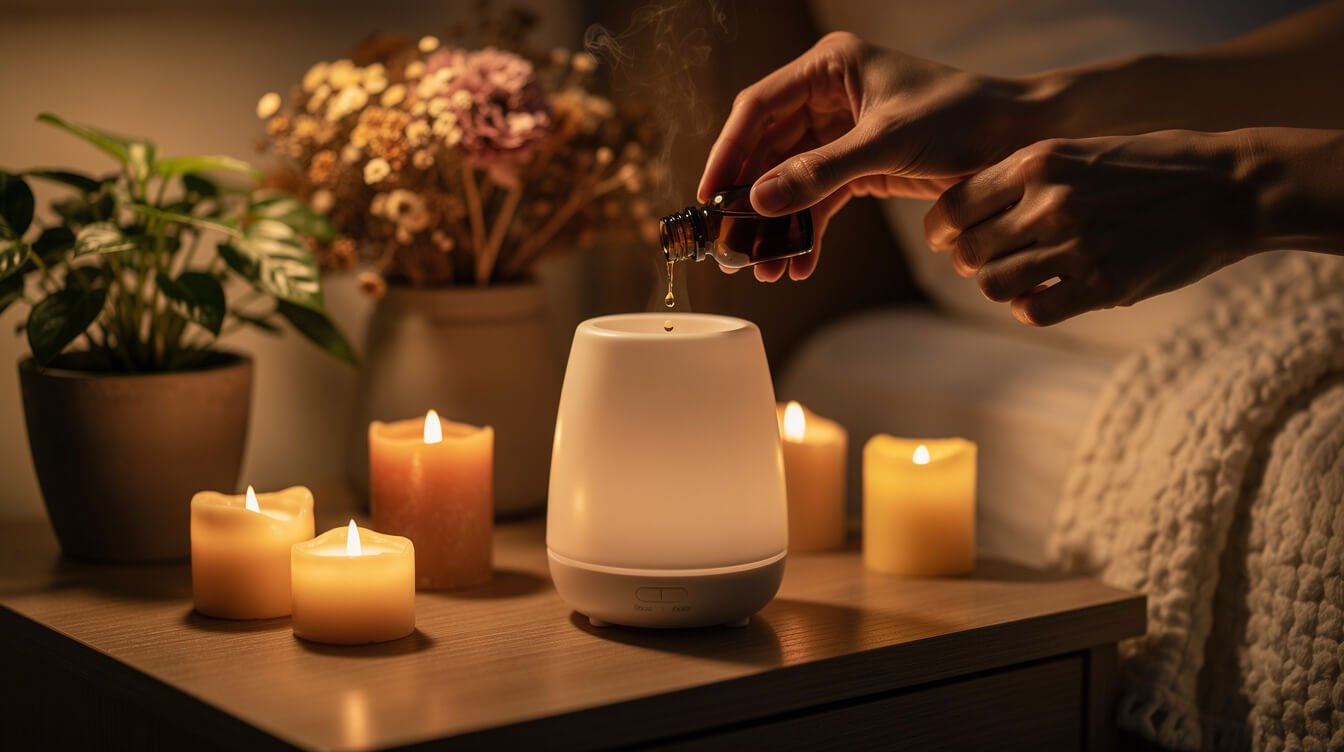
One of the greatest aromatherapy benefits is how accessible it is. You don’t need expensive equipment or professional training to start enjoying essential oils at home. Here are five simple methods to bring aromatherapy into your daily wellness routine.
1. Diffusion (Most Popular)
An ultrasonic or nebulizing diffuser disperses essential oil molecules into the air, allowing you to breathe in the therapeutic aromas throughout your space. Add 3–5 drops of your chosen oil (or blend) to a diffuser filled with water and run for 30–60 minutes at a time.
Best for: Creating a calming bedroom atmosphere, freshening shared spaces, supporting respiratory comfort during seasonal changes.
2. Topical Application
Essential oils can be applied to the skin when properly diluted in a carrier oil (like jojoba, coconut, or sweet almond oil). The standard dilution for adults is 2–3% — roughly 12–15 drops of essential oil per ounce of carrier oil. Apply to pulse points (wrists, temples, behind ears) or areas of tension.
Best for: Targeted muscle relief, facial skincare, personal fragrance, reflexology and massage.
3. Aromatic Bath
Add 5–8 drops of essential oil mixed with a dispersant (like Epsom salts, milk, or a carrier oil) to a warm bath. Never add essential oils directly to bath water — they won’t mix and can cause skin irritation. This combines the aromatherapy benefits of inhalation with the soothing effects of warm water therapy.
Best for: Evening wind-down, muscle recovery, stress relief, self-care rituals.
4. Steam Inhalation
Add 2–3 drops of essential oil to a bowl of hot water, drape a towel over your head, close your eyes, and breathe deeply for 5–10 minutes. This is particularly effective with eucalyptus or peppermint during times when you need respiratory support.
Best for: Respiratory comfort, sinus support, facial steaming for skincare.
5. Aromatherapy Massage
Combine the power of touch with essential oils by adding a properly diluted blend to your massage routine. The combination of skilled touch and aromatic compounds creates a synergistic effect that research suggests may be more effective than either approach alone.
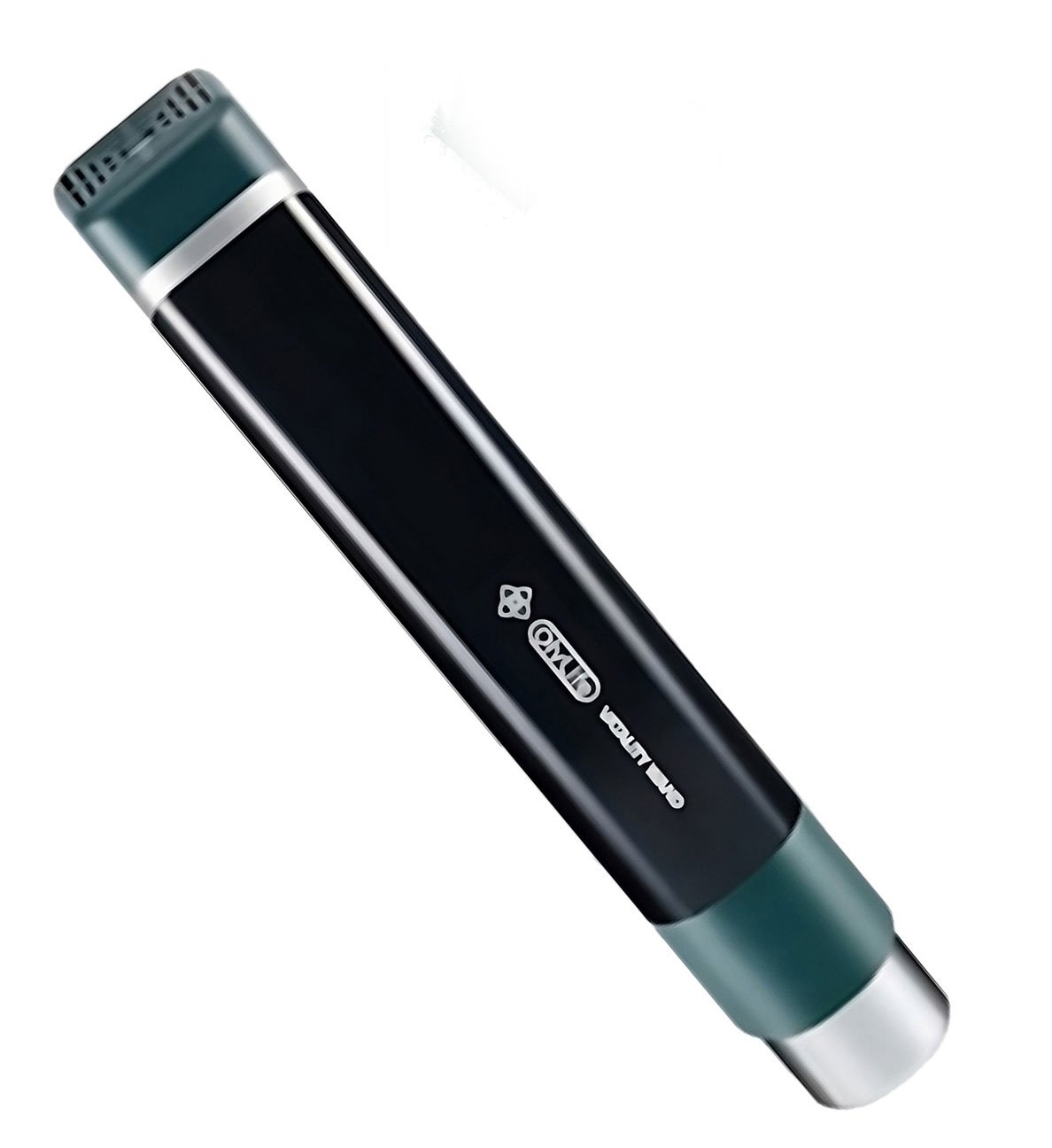
For an enhanced wellness experience, consider pairing your aromatherapy massage with complementary therapies. The OlyLife Vitality Wand uses terahertz frequency and PEMF technology that may complement the relaxation and circulation benefits of aromatherapy massage — creating a multi-sensory wellness ritual that addresses both surface-level tension and deeper energetic balance.
🎁 Get a Free Wellness Gift
Enter your name and email below to receive a special wellness gift from OlyLife — absolutely free!
Aromatherapy Blends for Common Wellness Needs
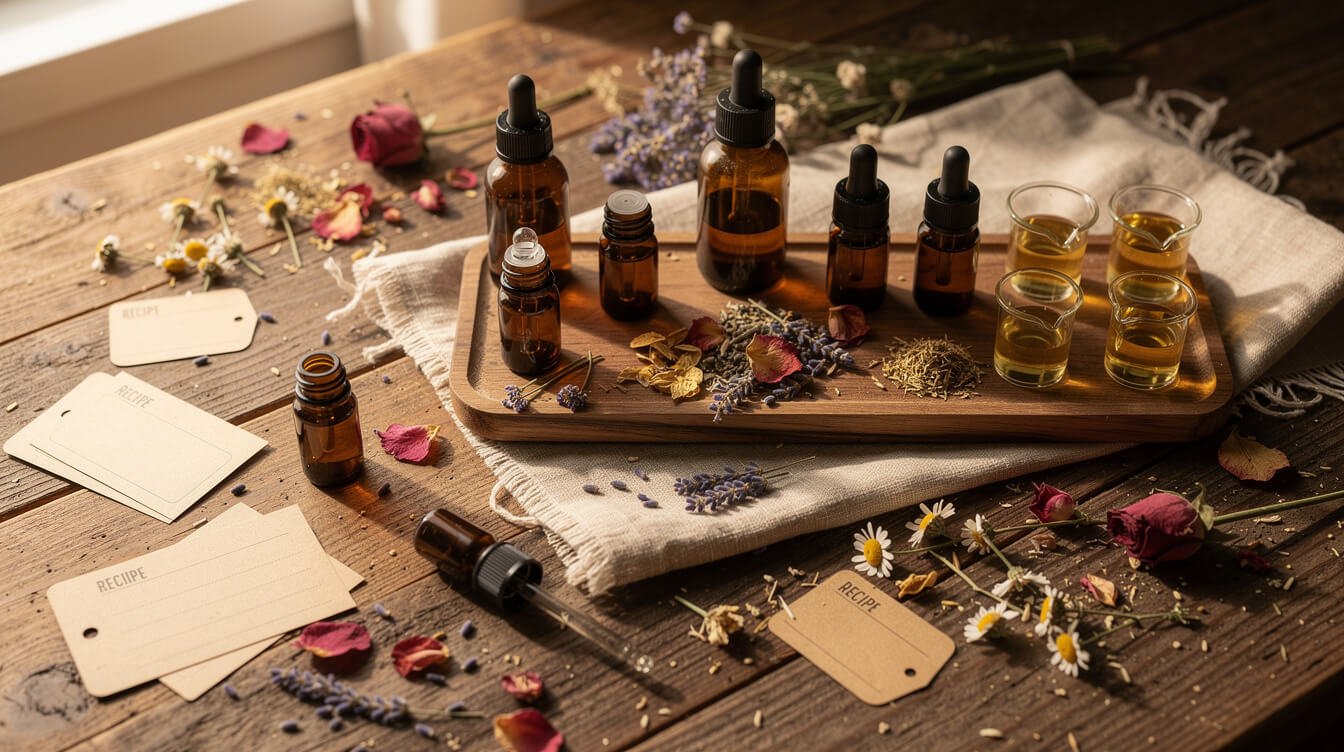
Creating your own essential oil blends is one of the most rewarding aspects of an aromatherapy practice. Here are five beginner-friendly recipes using a standard 10 ml roller bottle with carrier oil.
Sweet Dreams Sleep Blend
- 4 drops lavender
- 3 drops cedarwood
- 2 drops Roman chamomile
- 1 drop vetiver
- Fill with sweet almond oil
Apply to the bottoms of feet and pulse points 20 minutes before bed. This gentle blend combines the sedative properties of lavender and chamomile with the grounding warmth of cedarwood and vetiver.
Calm and Centered Stress Relief Blend
- 4 drops bergamot
- 3 drops lavender
- 2 drops frankincense
- 1 drop ylang-ylang
- Fill with jojoba oil
Roll onto wrists and inhale deeply during stressful moments. Bergamot’s uplifting citrus quality balances beautifully with the grounding depth of frankincense.
Morning Clarity Focus Blend
- 4 drops rosemary
- 3 drops peppermint
- 2 drops lemon
- 1 drop basil
- Fill with fractionated coconut oil
Apply to temples and the back of the neck when you need mental sharpness. This invigorating blend is perfect for morning work sessions or study time.
Recovery Warrior Muscle Blend
- 4 drops eucalyptus
- 3 drops peppermint
- 2 drops ginger
- 1 drop black pepper
- Fill with arnica-infused oil or sweet almond oil
Massage into sore muscles after exercise. The cooling eucalyptus and peppermint provide immediate relief, while warming ginger and black pepper may support circulation to the area.
Guardian Shield Immune Support Blend
- 3 drops tea tree
- 3 drops eucalyptus
- 2 drops lemon
- 2 drops frankincense
- Fill with jojoba oil
Apply to the bottoms of feet daily during times when you want extra immune support. Nourishing your body with fermented foods for gut health alongside your aromatherapy practice creates a powerful one-two punch for your immune system.
Enhance Your Wellness Ritual
Pair your aromatherapy practice with the OlyLife Vitality Wand — combining terahertz frequency and PEMF therapy for a complete mind-body wellness experience.
Aromatherapy Safety: What Every Beginner Should Know
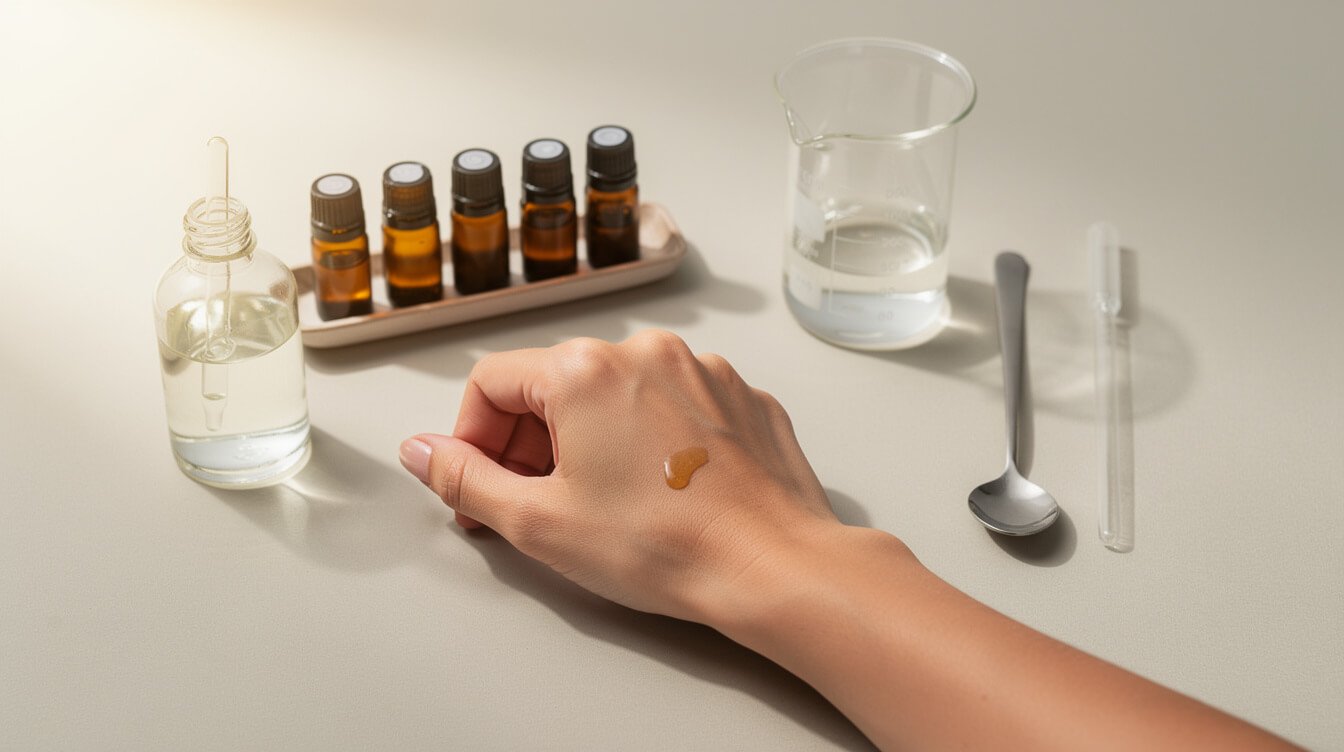
While aromatherapy benefits are well-documented, essential oils are potent plant concentrates that deserve respect. Following these safety guidelines ensures you enjoy their therapeutic properties without risk.
Always Dilute Before Topical Use
Pure essential oils are too concentrated to apply directly to skin (with rare exceptions like lavender on minor burns — and even this is debated). Always dilute in a carrier oil:
- Adults: 2–3% dilution (12–15 drops per ounce of carrier oil)
- Elderly or sensitive skin: 1% dilution (6 drops per ounce)
- Children (6+): 0.5–1% dilution (3–6 drops per ounce)
- Children under 6: Consult a qualified aromatherapist or healthcare provider
Perform a Patch Test
Before using any new essential oil on your skin, apply a small amount of your diluted blend to the inside of your forearm. Wait 24 hours and check for any redness, itching, or irritation. This simple step can prevent uncomfortable reactions.
Pregnancy and Nursing Cautions
Some essential oils — including rosemary, clary sage, cinnamon, and wintergreen — should be avoided during pregnancy. If you’re pregnant or nursing, consult your healthcare provider before using any essential oils, and stick to gentle options like lavender and chamomile at low dilutions.
Pet Safety Awareness
Many essential oils that are safe for humans can be harmful to pets, particularly cats and birds. Tea tree, eucalyptus, citrus oils, and peppermint can be toxic to cats. If you have pets, diffuse oils in well-ventilated areas where your pet can leave freely, and never apply essential oils to your pet’s skin or fur.
Quality Matters: Choosing Therapeutic-Grade Oils
Not all essential oils are created equal. Look for oils that are:
- 100% pure — no synthetic fragrances, fillers, or carrier oils added
- GC/MS tested — gas chromatography/mass spectrometry testing verifies purity and composition
- Properly stored — in dark glass bottles (amber or cobalt blue) to protect from light degradation
- Ethically sourced — sustainable harvesting practices that respect both people and ecosystems
Complementary Wellness Practices
Aromatherapy works beautifully alongside other holistic practices. Combining essential oils with reflexology, gentle movement, anti-inflammatory nutrition, and mindfulness meditation creates a comprehensive wellness approach that addresses your wellbeing from multiple angles.
Frequently Asked Questions About Aromatherapy
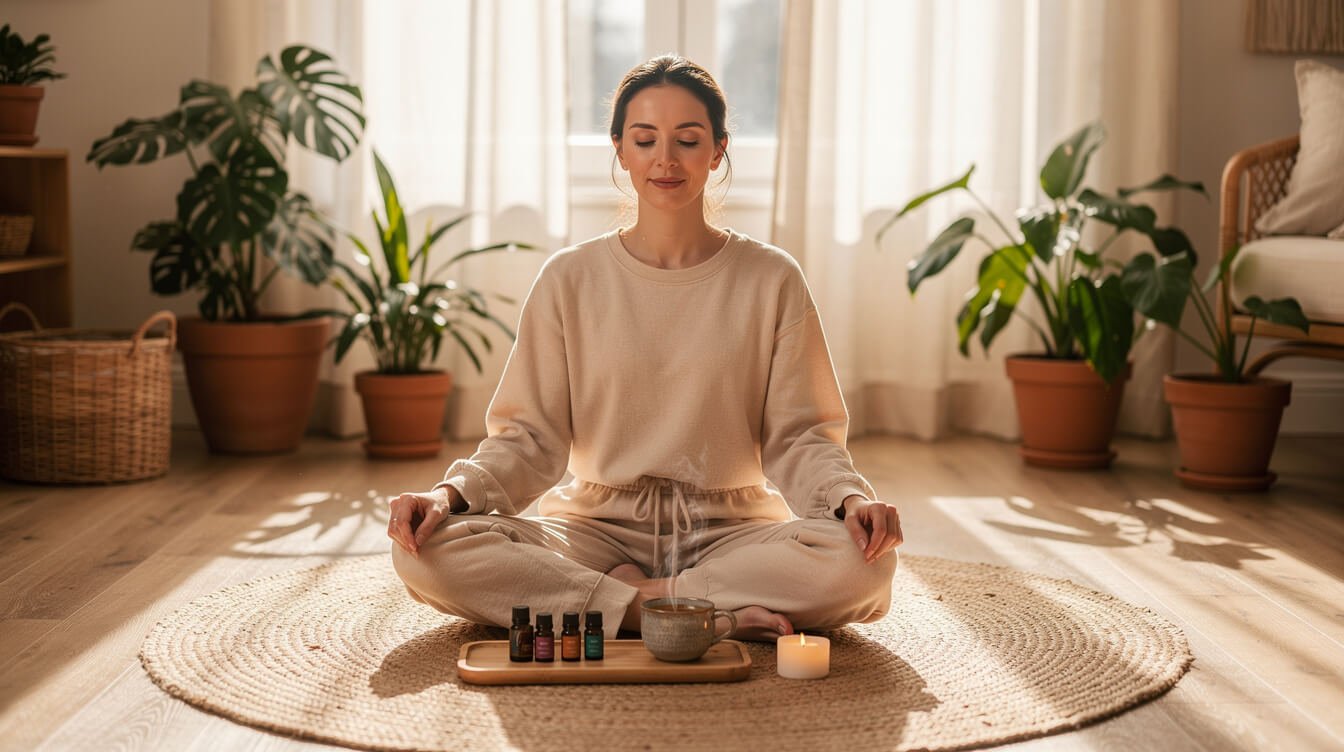
Does aromatherapy actually work?
Yes — though the extent and mechanisms are still being studied. Multiple clinical trials have demonstrated measurable effects of essential oils on anxiety, sleep quality, pain perception, and mood. Lavender is the most extensively researched oil, with consistent evidence supporting its calming and sleep-promoting properties. While aromatherapy shouldn’t replace medical treatment, it may be a valuable complementary wellness tool.
How quickly does aromatherapy take effect?
Inhalation aromatherapy can produce noticeable effects within minutes, as scent molecules reach the limbic system almost instantly. Topical applications may take 20–60 minutes as the oils absorb through the skin. For chronic wellness goals like better sleep or reduced anxiety, consistent use over 2–4 weeks typically yields the most meaningful results.
Can I use essential oils if I have allergies?
Essential oil sensitivities are different from seasonal allergies, but reactions are possible. Always perform a patch test before topical use, and start with low concentrations when diffusing. If you have asthma or respiratory sensitivities, introduce essential oils gradually and in well-ventilated spaces. Discontinue use if you experience any adverse reaction.
Is it safe to ingest essential oils?
This is a topic of debate in the aromatherapy community. Most qualified aromatherapists and healthcare organizations advise against ingesting essential oils without direct guidance from a trained clinical aromatherapist or healthcare provider. Essential oils are highly concentrated — a single drop of peppermint oil, for example, is equivalent to approximately 28 cups of peppermint tea.
What’s the difference between aromatherapy and using essential oils?
Aromatherapy specifically refers to the therapeutic use of essential oils for health and wellbeing — it’s a purposeful, informed practice. Simply using essential oils for fragrance (like in a candle or room spray) isn’t technically aromatherapy unless you’re intentionally selecting oils for their therapeutic properties and using proper application methods.
Can aromatherapy replace medical treatment?
No. Aromatherapy is a complementary wellness practice, not a replacement for medical care. It works best as part of a holistic approach to wellbeing — alongside proper nutrition, regular movement, quality sleep, and professional medical care when needed. Always consult your healthcare provider before using aromatherapy to address specific health concerns.
Final Thoughts: Starting Your Aromatherapy Journey
The world of aromatherapy benefits is vast and deeply rewarding. From the ancient Egyptian temples where frankincense smoke rose in sacred ceremony, to the modern research labs where scientists are unlocking the neurochemistry of scent — humans have always understood, intuitively, that the aromatic world of plants has something powerful to offer our wellbeing.
You don’t need to become an expert overnight. Start with just one or two oils — lavender and peppermint are excellent first choices — and experiment with simple diffusion or diluted topical application. Pay attention to how different scents make you feel. Notice which oils help you unwind after a stressful day, which ones help you focus during work, and which ones make your bedtime routine feel like a true sanctuary.
As you grow more comfortable, explore blending, try new oils, and discover how aromatherapy weaves naturally into your existing wellness practices — whether that’s your morning meditation, your post-workout recovery, or your evening wind-down ritual. The best aromatherapy practice is the one that becomes a joyful, consistent part of your daily life.
Your wellness journey is uniquely yours. Aromatherapy is simply one more beautiful, natural tool to help you feel your best — one mindful breath at a time. 🌿