
Lymphatic Drainage Benefits: Your Complete Guide to a Healthier Lymphatic System
Your body has a hidden wellness system working quietly behind the scenes — and most people never think about it. The lymphatic system is your body’s natural drainage network, responsible for filtering waste, supporting immunity, and keeping fluids balanced. Understanding lymphatic drainage benefits could be the missing piece in your holistic health journey, and the good news is that supporting this vital system doesn’t require expensive treatments or clinical visits.
Whether you’re dealing with persistent puffiness, sluggish energy, or simply want to give your body’s natural detoxification pathways a boost, this guide covers everything you need to know — from evidence-based benefits to simple at-home techniques you can start today.
What Is the Lymphatic System and Why Does It Matter?
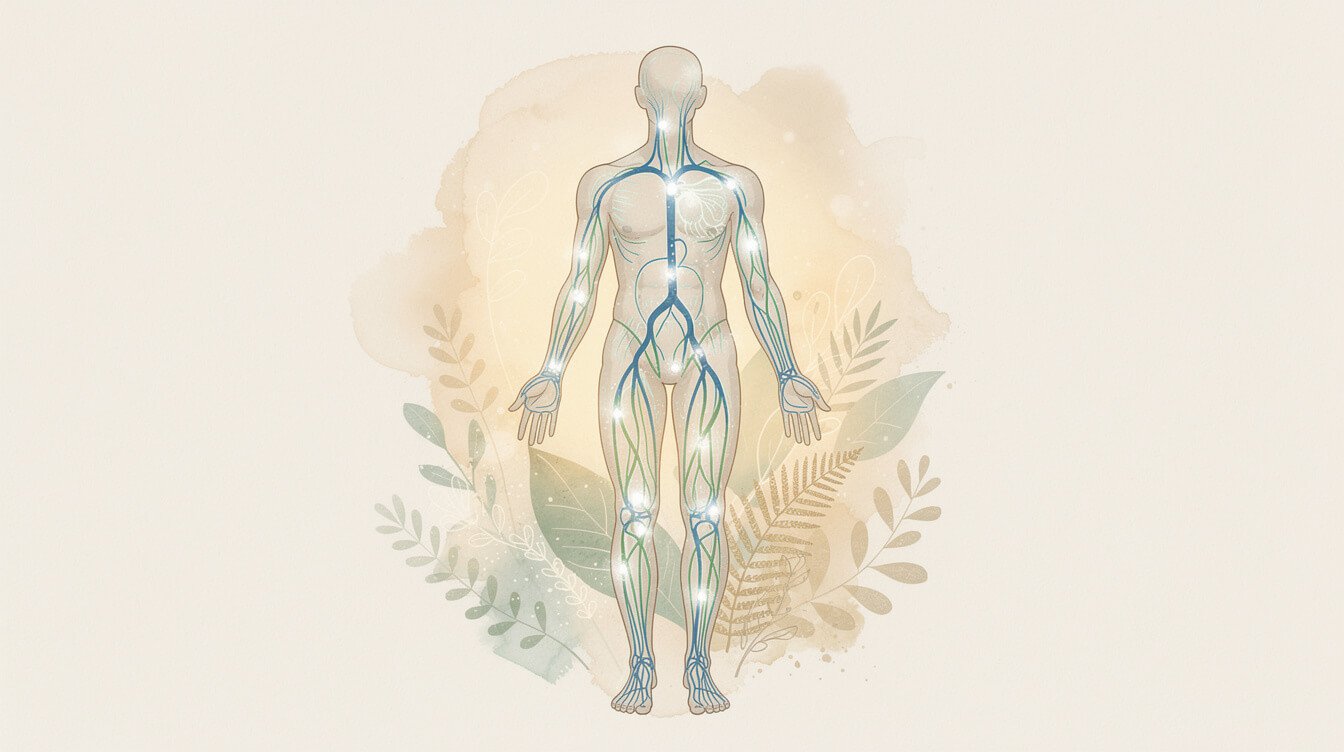
Think of your lymphatic system as your body’s internal cleanup crew. While your cardiovascular system has the heart to pump blood, the lymphatic system relies entirely on movement, breathing, and muscle contractions to circulate lymph fluid through a vast network of vessels, nodes, and organs.
This network spans your entire body — from the tiny capillaries beneath your skin to the larger ducts that drain into your bloodstream near the collarbone. Along the way, approximately 600 to 700 lymph nodes act as biological filters, trapping bacteria, viruses, and cellular waste before they can cause harm.
Key Functions of the Lymphatic System
- Immune defense: Lymph nodes produce and store white blood cells (lymphocytes) that identify and neutralize pathogens — your frontline defense against illness
- Fluid balance: The system collects excess interstitial fluid from tissues and returns it to the bloodstream, preventing swelling and edema
- Waste removal: Metabolic waste, dead cells, and toxins are filtered through lymph nodes and processed for elimination
- Nutrient absorption: Specialized lymphatic vessels in the small intestine (lacteals) absorb dietary fats and fat-soluble vitamins
Unlike your heart-driven circulatory system, the lymphatic system has no central pump. This means it depends on your daily habits — movement, hydration, breathing, and even the foods you eat — to function optimally. When lymphatic flow becomes sluggish, you may notice puffiness, fatigue, frequent colds, or that general feeling of being “stuck.” That’s where understanding lymphatic drainage benefits becomes genuinely transformative.
8 Evidence-Based Lymphatic Drainage Benefits You Should Know

Research continues to reveal just how important healthy lymphatic flow is for overall wellbeing. Here are eight lymphatic drainage benefits supported by scientific evidence and clinical observation:
1. May Reduce Swelling and Fluid Retention
The most well-documented benefit of lymphatic drainage is its ability to reduce edema — excess fluid buildup in tissues. A systematic review published in the Cochrane Database of Systematic Reviews found that manual lymphatic drainage techniques significantly reduced limb volume in patients with lymphedema. Even for those without clinical conditions, supporting lymphatic flow may help reduce everyday puffiness in the face, ankles, and fingers.
2. Supports Immune System Function
Your lymphatic system is essentially the highway of your immune response. When lymph fluid moves efficiently through nodes, immune cells can identify threats faster and mount more effective responses. Research published in Nature Reviews Immunology highlights the lymphatic system’s critical role in immune surveillance and response coordination. Supporting healthy lymphatic flow means supporting your body’s natural ability to fight illness.
3. May Enhance Post-Exercise Recovery
After intense physical activity, metabolic waste products accumulate in muscle tissue. Efficient lymphatic drainage helps clear these byproducts more quickly, which may reduce soreness and speed recovery. A study in the Journal of Sports Medicine and Physical Fitness found that lymphatic drainage techniques applied after exercise reduced participants’ perceived muscle soreness compared to passive rest alone.
4. Supports Healthy Skin Appearance
Sluggish lymphatic flow can contribute to dull skin, under-eye puffiness, and even breakouts. When waste products linger in facial tissues, they can trigger inflammation and oxidative stress. Improved lymphatic circulation may help deliver fresh nutrients to skin cells while clearing away cellular debris — which is why many aestheticians incorporate lymphatic techniques into facial treatments. The result? A more vibrant, naturally glowing complexion.
5. May Promote Relaxation and Stress Reduction
The gentle, rhythmic nature of lymphatic drainage techniques activates the parasympathetic nervous system — your body’s “rest and digest” mode. Research in the Journal of Manual and Manipulative Therapy has shown that manual lymphatic drainage can reduce cortisol levels and heart rate, creating a profound sense of calm. This connection between lymphatic health and relaxation is often overlooked, but it’s one of the most immediately noticeable benefits. If you’re exploring other ways to calm your nervous system, our guide to grounding exercises offers 12 science-backed techniques worth trying.
6. Supports Digestive Wellness
Remember those lacteals — the lymphatic vessels in your small intestine? They play a crucial role in absorbing dietary fats and fat-soluble vitamins (A, D, E, and K). When your lymphatic system is functioning well, nutrient absorption improves. Research also suggests a connection between lymphatic health and gut inflammation — a sluggish lymphatic system may contribute to intestinal swelling and discomfort. For a deeper dive into gut wellness, explore our complete guide to fermented foods for gut health.
7. May Support Healthy Detoxification Pathways
While the word “detox” is often overused in wellness circles, the lymphatic system genuinely plays a role in your body’s natural waste removal processes. It collects cellular debris, metabolic byproducts, and environmental toxins from tissues and routes them to lymph nodes for filtration. When this system flows efficiently, your body’s natural detoxification pathways work more effectively. This isn’t about miracle cleanses — it’s about supporting the biology your body already has in place.
8. May Help Manage Chronic Inflammation
Emerging research suggests that impaired lymphatic function may contribute to chronic low-grade inflammation — a root factor in many modern health concerns. A study published in JCI Insight demonstrated that lymphatic dysfunction can amplify inflammatory responses in tissues. By supporting healthy lymphatic flow, you may help your body maintain a more balanced inflammatory response. Our comprehensive guide to natural remedies for inflammation explores 15 additional evidence-based approaches worth considering.
Natural Ways to Support Lymphatic Drainage at Home
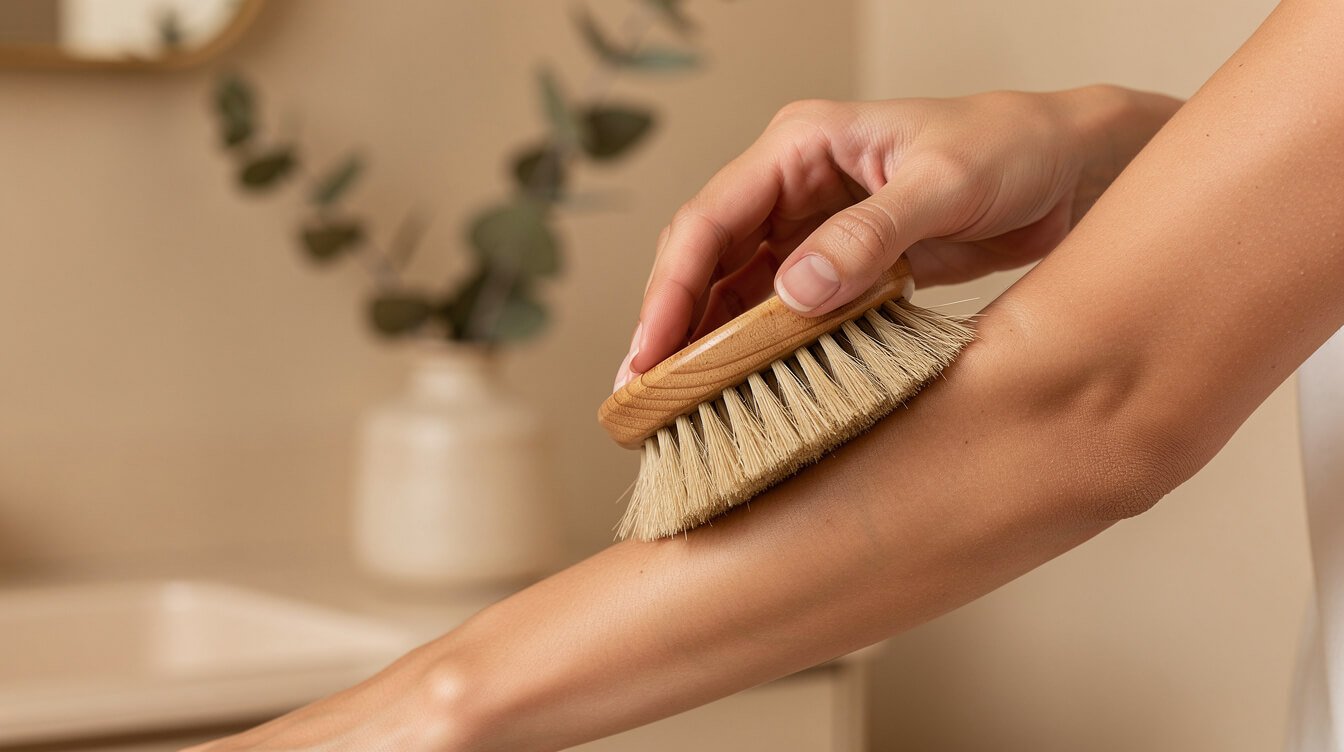
One of the most empowering aspects of lymphatic health is that you don’t need a clinic or expensive equipment to support it. These natural techniques can be woven into your daily routine:
Dry Brushing
This centuries-old Ayurvedic practice involves brushing the skin with a natural-bristle brush in gentle, sweeping strokes toward the heart. Dry brushing is thought to stimulate the superficial lymphatic vessels just beneath the skin’s surface, encouraging fluid movement toward the lymph nodes.
How to practice: Using a soft, natural-bristle brush, start at your feet and brush upward in long, gentle strokes. Move from your hands up your arms, always brushing toward your heart. Spend 3 to 5 minutes before your morning shower for the best results.
Rebounding (Mini-Trampoline Exercise)
Gentle bouncing on a mini-trampoline — or rebounder — is one of the most effective ways to stimulate lymphatic flow. The rhythmic up-and-down motion creates changes in gravitational force that help open and close the one-way valves in your lymphatic vessels, encouraging fluid to move through the system.
Even 10 to 15 minutes of gentle rebounding daily may make a noticeable difference in how energized and light you feel. You don’t need to jump high — a gentle health bounce where your feet barely leave the mat is enough.
Deep Diaphragmatic Breathing
Your thoracic duct — the largest lymphatic vessel in your body — runs right alongside your diaphragm. When you practice deep belly breathing, the expansion and contraction of the diaphragm creates a pumping action that moves lymph fluid upward from the lower body. Research from the Medical Hypotheses journal suggests that diaphragmatic breathing may be one of the most underappreciated tools for lymphatic health.
Try this: Inhale slowly through your nose for 4 counts, letting your belly expand fully. Hold for 2 counts. Exhale slowly through your mouth for 6 counts. Repeat 10 times, ideally in the morning and before bed.
Movement and Exercise
Any form of regular movement supports lymphatic drainage because muscle contractions physically squeeze lymphatic vessels and push fluid along. Walking, swimming, yoga, and stretching are all excellent choices. Yoga is particularly beneficial because inversions (like legs-up-the-wall pose) use gravity to encourage lymphatic return from the lower extremities.
Self-Massage Techniques
You can perform simple lymphatic self-massage using very light pressure — lymphatic vessels sit just beneath the skin, so you need only a gentle touch. Using your fingertips, make slow, circular motions along the lymphatic pathways: from your neck down toward the collarbone, from your wrists up toward your armpits, and from your ankles up toward your groin.
Hydrotherapy (Contrast Showers)
Alternating between warm and cool water during your shower causes blood vessels and lymphatic vessels to dilate and constrict, creating a natural pumping effect. End your shower with 30 seconds of cool water after 2 to 3 minutes of warm water, repeating 2 to 3 cycles. This simple habit can invigorate your entire circulatory and lymphatic system.
Foods That May Support Your Lymphatic System

What you eat directly influences how well your lymphatic system functions. Since the lymphatic system is closely tied to both immune health and inflammation management, an anti-inflammatory, nutrient-dense diet is your best foundation.
Hydration Comes First
Lymph fluid is approximately 95% water. When you’re dehydrated, lymph becomes thicker and more sluggish, making it harder for your body to filter waste effectively. Aim for at least 8 glasses of water daily — more if you’re active or live in a warm climate. Adding a squeeze of fresh lemon may further support lymphatic flow, as citrus fruits contain compounds that may help thin lymph fluid.
Anti-Inflammatory Foods
Chronic inflammation can impair lymphatic vessel function. Foods rich in omega-3 fatty acids (wild-caught salmon, sardines, walnuts, flaxseeds), colorful berries (blueberries, cranberries, raspberries), and leafy greens (spinach, kale, Swiss chard) all provide anti-inflammatory compounds that may support healthy lymphatic tissue. For a comprehensive look at how nutrition supports holistic wellness, our complete guide to holistic health nutrition covers the foundations.
Gut-Supportive Foods
Since a significant portion of your lymphatic system resides in and around your gut (known as gut-associated lymphoid tissue or GALT), maintaining a healthy microbiome supports lymphatic function. Probiotic-rich foods like kimchi, sauerkraut, kefir, and yogurt help maintain the diverse microbial community your GALT depends on.
Foods to Limit
Highly processed foods, excess sodium, refined sugars, and artificial additives can all contribute to fluid retention and inflammation — two factors that burden your lymphatic system. Reducing these while increasing whole, unprocessed foods gives your lymphatic system the best chance to function efficiently.
🎁 Get a Free Wellness Gift
Enter your name and email below to receive a special wellness gift from OlyLife — absolutely free!
Herbs and Botanicals That May Support Lymphatic Health

Traditional herbal medicine has long recognized certain plants for their potential to support lymphatic function. While modern research is still catching up, many of these herbs have centuries of traditional use behind them:
Cleavers (Galium aparine)
Often called the quintessential “lymphatic herb,” cleavers has been used in Western herbal traditions for centuries to support gentle lymphatic cleansing. Herbalists traditionally recommend it as a spring tonic to help the body release stagnation. It’s typically prepared as a cool infusion or taken as a tincture.
Calendula (Calendula officinalis)
Known primarily for its skin-healing properties, calendula is also traditionally used to support lymphatic movement. Research in Planta Medica has explored its anti-inflammatory and immune-modulating properties, which may indirectly support lymphatic function by reducing tissue inflammation around lymphatic vessels.
Echinacea (Echinacea purpurea)
While most people reach for echinacea at the first sign of a cold, traditional herbalists have long valued it for lymphatic support. Some clinical research suggests echinacea may stimulate lymphocyte activity and support the movement of immune cells through the lymphatic system.
Red Clover (Trifolium pratense)
Another traditional lymphatic herb, red clover contains isoflavones and other compounds that herbalists associate with gentle detoxification support. It’s commonly consumed as a tea or tincture and is often combined with cleavers in traditional lymphatic formulas.
Astragalus (Astragalus membranaceus)
This adaptogenic root has been a cornerstone of Traditional Chinese Medicine for over 2,000 years. Modern research, including studies published in the Journal of Ethnopharmacology, suggests that astragalus may support immune cell production and lymphatic tissue health — making it a valuable addition to any lymphatic support protocol.
Support Your Body’s Natural Flow
The OlyLife Vitality Wand combines terahertz and PEMF technology to gently support circulation and whole-body wellness. Portable, non-invasive, and designed for daily self-care — a modern companion for your lymphatic health journey.
How Emerging Wellness Technologies May Support Lymphatic Flow

While traditional techniques form the foundation of lymphatic support, emerging wellness technologies offer exciting new possibilities for those seeking additional support. These modalities work by enhancing the body’s natural processes rather than replacing them.
PEMF (Pulsed Electromagnetic Field) Therapy
PEMF therapy delivers gentle electromagnetic pulses that may help stimulate cellular activity and microcirculation. Research published in Bioelectromagnetics has explored how pulsed electromagnetic fields may influence fluid dynamics in tissues, potentially supporting the movement of lymphatic fluid. For those who use PEMF as part of their wellness routine, the potential circulatory benefits may complement other lymphatic drainage techniques. Our comprehensive guide to PEMF mat benefits explores the research behind this technology in detail.
If you’re curious about incorporating PEMF into your lymphatic wellness routine, the OlyLife Vitality Wand combines terahertz and PEMF technology in a portable device designed for targeted wellness support — making it easy to pair with your daily self-care practices.
Terahertz Frequency Technology
Terahertz waves occupy a frequency band between microwave and infrared on the electromagnetic spectrum. Preliminary research suggests these frequencies may resonate with water molecules in biological tissues, potentially supporting cellular hydration and microcirculation. Since lymph fluid is predominantly water, some wellness practitioners are exploring whether terahertz technology may complement traditional lymphatic support techniques.
Infrared Therapy
Far-infrared therapy uses gentle heat to penetrate deeper tissue layers, potentially supporting vasodilation and fluid movement. Some studies suggest that infrared exposure may help reduce tissue edema and support post-exercise recovery — both of which relate to healthy lymphatic function. Infrared saunas and wearable infrared devices have become increasingly popular in holistic wellness circles.
Vibration Therapy
Whole-body vibration platforms create mechanical oscillations that cause rapid muscle contractions — similar to the effect of rebounding. Some research suggests these contractions may support lymphatic vessel pumping and fluid return. While the evidence is still emerging, vibration therapy represents another tool in the growing toolkit of technology-assisted lymphatic support.
Frequently Asked Questions About Lymphatic Drainage Benefits

How do I know if my lymphatic system needs support?
Common signs of sluggish lymphatic flow include persistent puffiness (especially in the morning), frequent colds or infections, fatigue that doesn’t improve with rest, skin issues like dullness or breakouts, and a general feeling of heaviness or stiffness. While these symptoms can have many causes, they may indicate your lymphatic system could benefit from additional support through movement, dietary changes, and the techniques outlined in this guide.
How often should I practice lymphatic drainage techniques?
For general wellness maintenance, incorporating 2 to 3 lymphatic-supportive practices daily is a good starting point. This might look like dry brushing before your morning shower, a 10-minute walk at lunch, and deep breathing exercises before bed. Consistency matters more than intensity — gentle daily practices tend to yield better results than occasional intensive sessions.
Can lymphatic drainage help with weight loss?
While lymphatic drainage won’t directly cause fat loss, reducing fluid retention can create a noticeable difference in how your body looks and feels. Improved lymphatic function may also support better nutrient absorption and waste removal, which can complement a healthy weight management plan. However, it’s important to approach lymphatic health as one piece of your overall wellness picture rather than a weight loss strategy.
Is lymphatic drainage safe for everyone?
Most natural lymphatic support techniques — like dry brushing, deep breathing, and gentle exercise — are safe for most people. However, individuals with active infections, blood clots, heart conditions, or certain cancers should consult their healthcare provider before starting lymphatic drainage practices. Manual lymphatic drainage for clinical lymphedema should always be performed by a certified therapist.
How long before I notice lymphatic drainage benefits?
Many people report feeling lighter, more energized, and less puffy within the first week of consistent lymphatic support practices. Deeper benefits like improved immune resilience and reduced inflammation may take 4 to 6 weeks of regular practice to become noticeable. As with most holistic wellness approaches, patience and consistency are key.
Final Thoughts: Making Lymphatic Health Part of Your Wellness Journey
Your lymphatic system works tirelessly to keep you healthy — filtering waste, defending against illness, and maintaining the delicate fluid balance your body needs to thrive. Yet it rarely gets the attention it deserves in mainstream wellness conversations.
The beautiful thing about supporting your lymphatic system is that it doesn’t require complicated protocols or expensive interventions. Simple daily practices — a few minutes of dry brushing, conscious deep breathing, regular movement, nourishing whole foods, and adequate hydration — can make a profound difference in how your body functions and how you feel.
By understanding the many lymphatic drainage benefits and incorporating even a few of the techniques in this guide into your routine, you’re taking a powerful step toward more vibrant, balanced health. Your body already knows how to heal and renew itself — sometimes it just needs a little support to flow freely.
Ready to explore more natural approaches to whole-body wellness? Discover how natural sleep remedies can complement your lymphatic health routine, or learn how frequency-based healing may support your overall wellbeing.