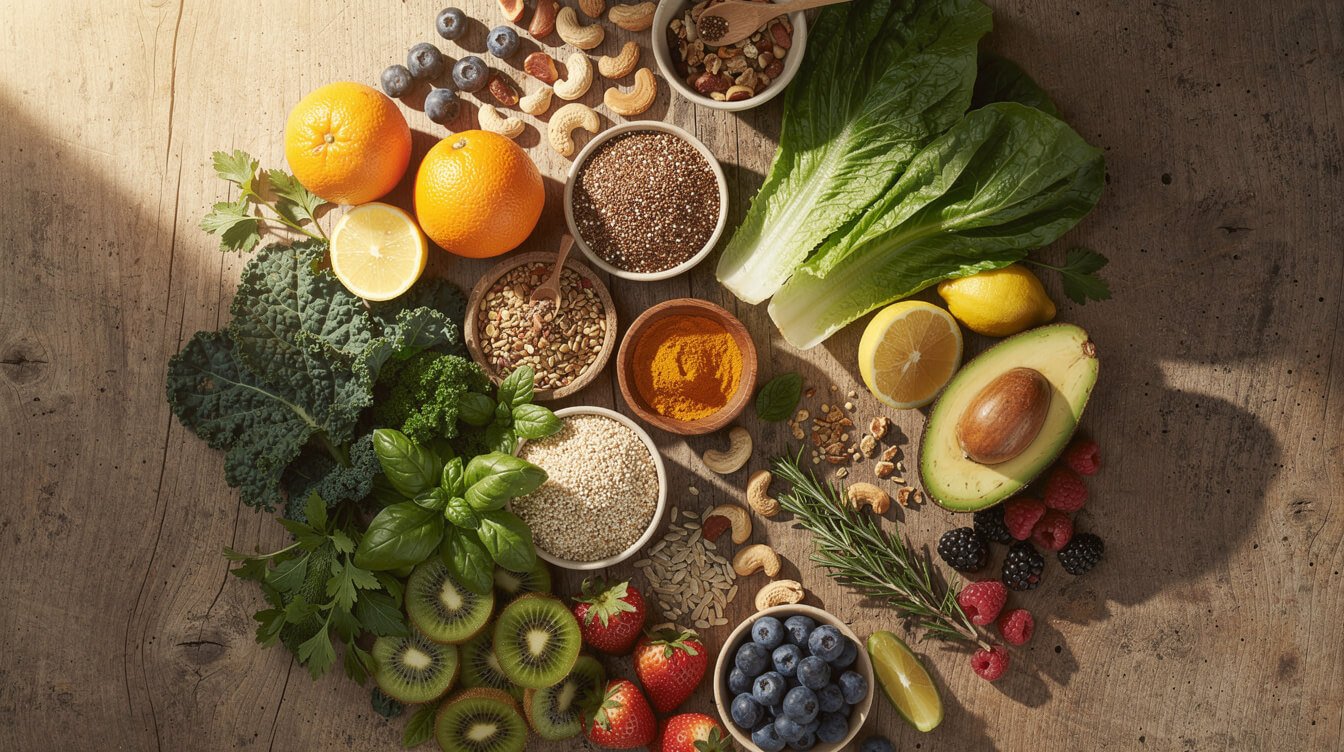
Holistic Health Nutrition: A Complete Guide to Nourishing Your Body, Mind, and Spirit
What if the key to better health wasn’t about counting calories, eliminating food groups, or following the latest diet trend — but about nourishing your whole self? That’s the foundation of holistic health nutrition, an approach to eating that honors the connection between what you put on your plate and how your body, mind, and spirit respond.
Unlike conventional dieting, holistic health nutrition doesn’t focus on restriction. Instead, it emphasizes whole foods, mindful eating, and the understanding that nutrition affects far more than just your waistline. From your gut microbiome to your mood, from your energy levels to your immune resilience, every bite you take sends a message to your body.
In this comprehensive guide, you’ll discover what holistic health nutrition truly means, the science that supports it, the core principles that make it work, and a practical roadmap for integrating it into your daily life — no matter where you’re starting from.
What Is Holistic Health Nutrition?

Holistic health nutrition is an approach to food and eating that considers the whole person — not just physical symptoms or calorie counts, but the interconnected web of physical, mental, emotional, and even spiritual well-being. Rather than treating food as mere fuel, holistic nutrition views it as one of the most powerful tools available for supporting your body’s natural healing processes.
The concept isn’t new. Hippocrates, the father of modern medicine, famously said “Let food be thy medicine and medicine be thy food” over 2,400 years ago. Traditional healing systems like Ayurveda (dating back 5,000 years in India) and Traditional Chinese Medicine have always understood that food, health, and the whole person are inseparable.
Holistic Nutrition vs. Conventional Dieting
Where conventional nutrition often focuses narrowly on macronutrients, calorie deficits, or eliminating specific food groups, holistic health nutrition takes a wider view:
- Conventional approach: “How many calories does this have?” → focus on numbers and restriction
- Holistic approach: “How does this food support my body, mind, and overall wellness?” → focus on nourishment and connection
This doesn’t mean holistic nutrition ignores science — quite the opposite. It integrates nutritional science with an understanding of the gut-brain connection, the role of stress in digestion, and the importance of bio-individuality (the recognition that no single diet works for everyone).
The Five Pillars of Holistic Nutrition
- Whole foods first: Prioritizing minimally processed, nutrient-dense foods
- Bio-individuality: Recognizing that each body has unique nutritional needs
- Food as medicine: Using nutrition to support the body’s innate healing capacity
- Mind-body awareness: Understanding how emotions, stress, and mindset affect digestion and nutrient absorption
- Sustainable balance: Building eating patterns you can maintain for life, not just a few weeks
The Science Behind Holistic Health Nutrition

Holistic nutrition isn’t just philosophy — it’s increasingly supported by modern research. Here’s what science tells us about the principles that underpin this approach to eating.
Your Gut Microbiome: The Foundation
Perhaps the most compelling scientific support for holistic nutrition comes from microbiome research. A landmark 2021 study published in Cell by Stanford researchers found that participants who ate six or more servings of fermented foods daily for 10 weeks showed increased microbial diversity and reduced markers of inflammation, including interleukin-6 (IL-6). This suggests that what you eat directly shapes the ecosystem inside your gut — and that ecosystem, in turn, influences everything from your immune function to your mood.
Your gut is home to roughly 100 trillion microorganisms. Research published in Nature Microbiology (2019) has linked specific gut bacteria — including Coprococcus and Dialister — to quality of life and depression risk. When holistic nutritionists emphasize gut health, they’re drawing on this growing body of evidence that connects your digestive system to your brain, immune system, and overall vitality.
If you’re curious about what your gut might be telling you, our guide to signs of poor gut health covers the warning signals worth paying attention to.
Anti-Inflammatory Nutrition
Chronic, low-grade inflammation is now understood to be a driver behind many modern health challenges. A 2019 review in Nature Medicine described it as a “unifying mechanism” underlying conditions from cardiovascular disease to metabolic syndrome.
The holistic nutrition emphasis on whole, plant-rich, anti-inflammatory foods aligns directly with research on the Mediterranean diet, which has been associated with reduced markers of inflammation (C-reactive protein, IL-6) in multiple clinical trials. A 2017 meta-analysis in the Journal of Medicinal Food found that curcumin (from turmeric) significantly reduced C-reactive protein levels, while research in Phytotherapy Research (2020) demonstrated ginger’s ability to inhibit inflammatory pathways (COX-2 and 5-LOX).
For a deeper exploration of anti-inflammatory strategies, see our guide to natural remedies for inflammation.
Nutrition and Mental Health
The emerging field of nutritional psychiatry confirms what holistic practitioners have long observed: food profoundly affects mood and cognitive function. Your gut produces approximately 95% of your body’s serotonin and about 50% of its dopamine. A 2020 systematic review in Molecular Psychiatry found that dietary patterns rich in fruits, vegetables, whole grains, and fish were associated with a reduced risk of depression.
This mind-food connection is central to holistic health nutrition — and it’s one reason why the approach considers emotional and mental well-being alongside physical health.
7 Core Principles of Holistic Health Nutrition
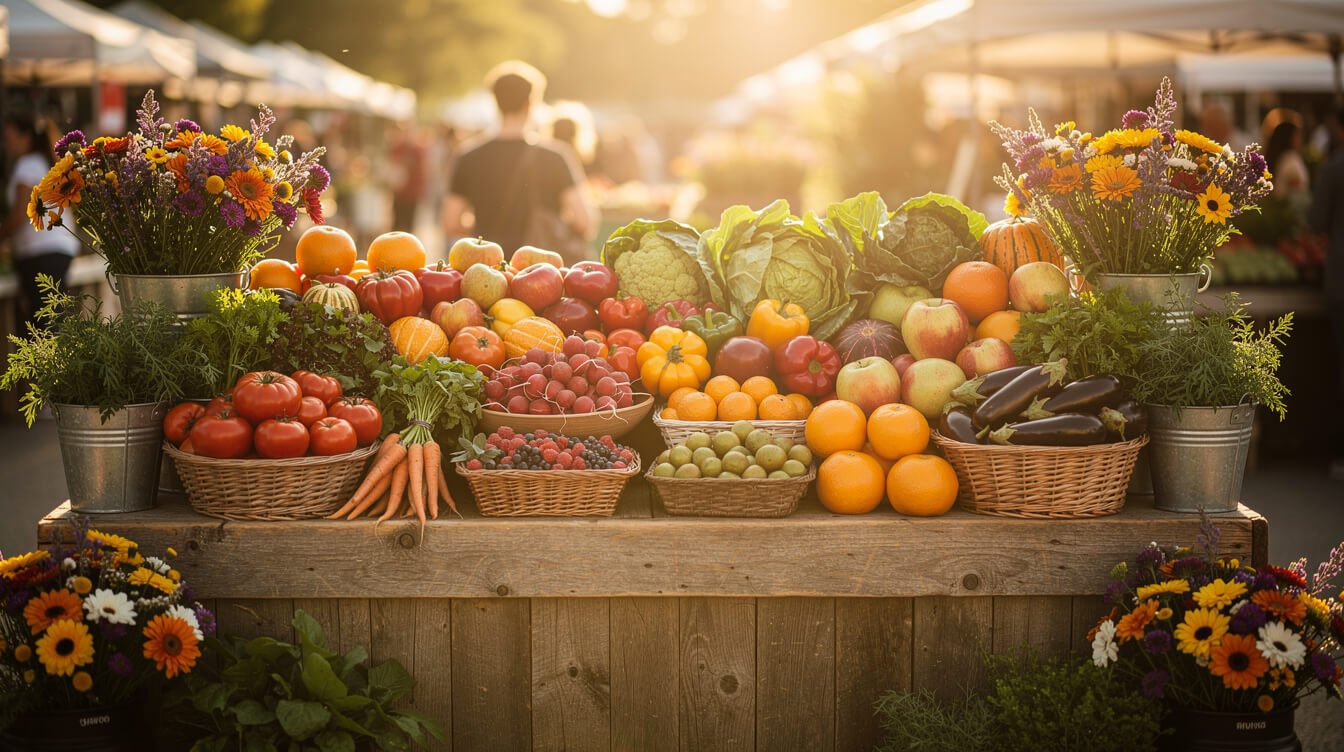
While holistic nutrition honors bio-individuality, certain foundational principles apply broadly. Here are the seven pillars that guide a holistic approach to eating.
1. Choose Whole, Unprocessed Foods
The cornerstone of holistic health nutrition is simple: eat foods as close to their natural state as possible. Whole foods — fresh vegetables, fruits, whole grains, legumes, nuts, seeds, and quality animal proteins — deliver nutrients in the complex, synergistic forms your body evolved to recognize and use.
Ultra-processed foods, by contrast, have been stripped of fiber, micronutrients, and beneficial plant compounds, then loaded with refined sugars, industrial seed oils, and artificial additives. A 2019 randomized controlled trial in Cell Metabolism found that participants eating ultra-processed diets consumed roughly 500 more calories per day and gained weight, compared to those eating whole food diets of equal availability.
2. Prioritize Plant Diversity
Research from the American Gut Project suggests that people who eat 30 or more different plant foods per week have significantly more diverse gut microbiomes than those who eat fewer than 10. Diversity matters because different plant fibers feed different beneficial bacteria, creating a more resilient and functional gut ecosystem.
This doesn’t mean you need exotic superfoods. Simply rotating your vegetables, fruits, herbs, spices, nuts, and seeds throughout the week builds extraordinary diversity over time.
3. Include Gut-Supporting Fermented Foods
Fermented foods are a cornerstone of holistic nutrition, providing both probiotics (live beneficial bacteria) and postbiotics (beneficial compounds produced during fermentation). The Stanford Cell study mentioned above demonstrated their power to reshape the microbiome and reduce inflammation.
Aim for 2–3 servings of fermented foods daily: yogurt, kefir, sauerkraut, kimchi, miso, tempeh, or kombucha. Start slowly if these are new to your diet — your gut needs time to adapt. Our complete guide to fermented foods for gut health walks you through the best options and how to incorporate them.
4. Emphasize Anti-Inflammatory Foods
A holistic plate naturally leans anti-inflammatory. Focus on:
- Omega-3-rich foods: Wild-caught fatty fish (salmon, sardines, mackerel), walnuts, flaxseeds, chia seeds
- Colorful produce: Berries (anthocyanins), leafy greens, tomatoes (lycopene), sweet potatoes (beta-carotene)
- Healing spices: Turmeric with black pepper (for enhanced absorption), ginger, cinnamon, rosemary
- Healthy fats: Extra virgin olive oil (oleocanthal — a natural anti-inflammatory compound), avocado, coconut oil
5. Eat Seasonally and Locally When Possible
Seasonal eating is a time-honored holistic principle. Foods harvested at their peak ripeness typically contain higher concentrations of vitamins, minerals, and antioxidants. Eating seasonally also naturally provides variety — supporting gut diversity — and connects you to the rhythms of the natural world.
In summer, your body naturally benefits from cooling, hydrating foods like cucumbers, watermelon, and fresh salads. In winter, warming, grounding foods like root vegetables, soups, and stews support your body’s need for sustained energy and warmth.
6. Hydrate Mindfully
Hydration is a foundational yet often overlooked element of holistic nutrition. Water supports every cellular function in your body — from nutrient transport and toxin elimination to joint lubrication and temperature regulation. Most adults benefit from approximately 2–3 liters of water daily, adjusted for activity level, climate, and individual needs.
Holistic hydration goes beyond plain water: herbal teas, bone broth, water-rich fruits and vegetables, and electrolyte-balanced beverages all contribute. Minimize sugary drinks, excessive caffeine, and alcohol, which can dehydrate and burden your body’s detoxification pathways.
7. Practice Mindful Eating
How you eat may be as important as what you eat. Eating in a stressed, distracted, or rushed state activates your sympathetic nervous system (the “fight or flight” response), which diverts blood away from your digestive organs and impairs enzyme secretion. Research published in Appetite (2017) found that mindful eating practices reduced binge eating, emotional eating, and external eating behaviors.
Simple mindful eating practices include: eating without screens, chewing thoroughly (20–30 times per bite), pausing between bites, and noticing flavors, textures, and your body’s satiety signals. For more on activating your body’s rest-and-digest state, explore our guide to calming your nervous system.
Building Your Holistic Plate: Essential Food Categories
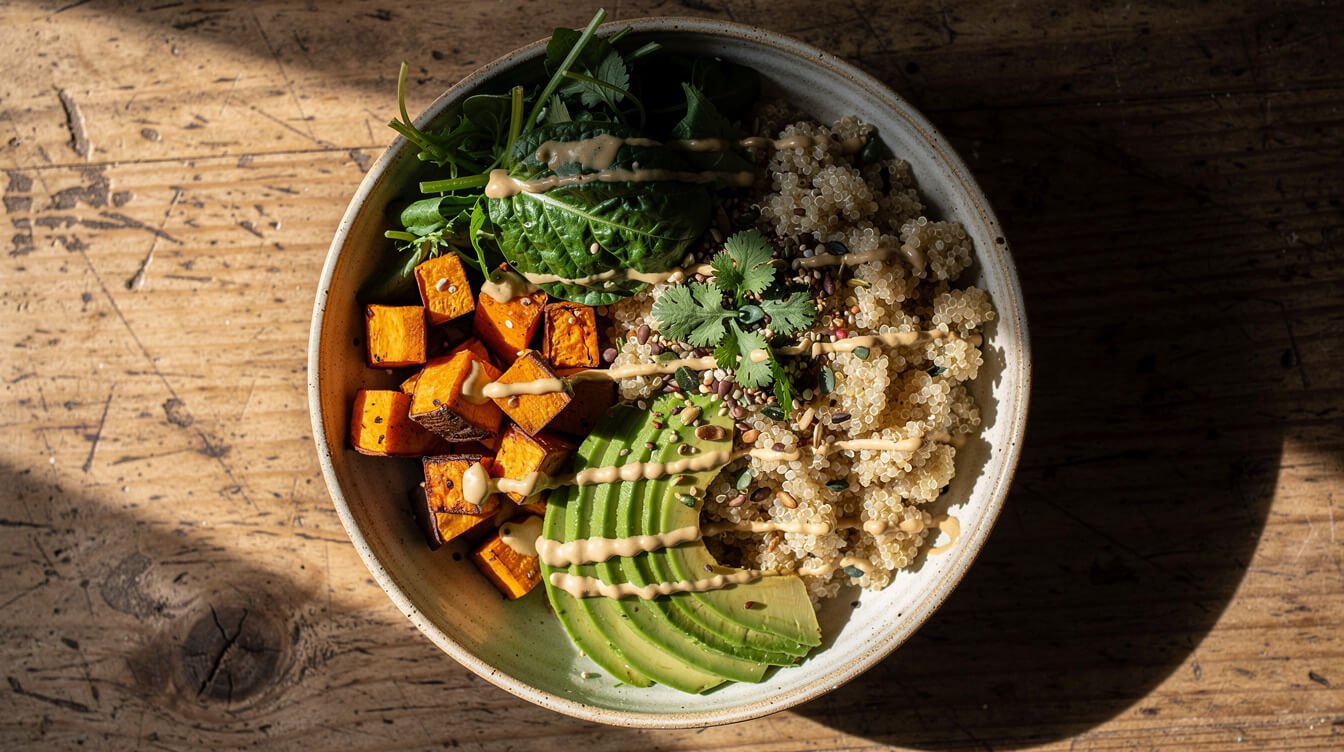
A holistic health nutrition approach doesn’t require complicated meal plans or exotic ingredients. It’s about consistently choosing nutrient-dense foods from these essential categories and combining them in ways that support your unique body.
Colorful Vegetables and Fruits
Different colors indicate different phytonutrients — plant compounds that support health in unique ways:
- Red (tomatoes, beets, red peppers): Lycopene, betalains — cardiovascular and antioxidant support
- Orange/Yellow (sweet potatoes, carrots, turmeric): Beta-carotene, curcumin — immune and anti-inflammatory support
- Green (spinach, broccoli, kale): Chlorophyll, sulforaphane — detoxification and cellular health
- Blue/Purple (blueberries, purple cabbage, eggplant): Anthocyanins — brain health and anti-aging
- White/Tan (garlic, onions, mushrooms): Allicin, beta-glucans — immune support and prebiotic function
Aim for at least 5–7 servings of colorful produce daily, with as much variety as you can manage throughout the week.
Quality Proteins
Protein provides the amino acids your body needs for tissue repair, enzyme production, immune function, and neurotransmitter synthesis. Holistic nutrition emphasizes quality and sourcing:
- Wild-caught fish: Salmon, sardines, mackerel (omega-3s + protein)
- Pasture-raised eggs: Complete amino acid profile + choline for brain health
- Legumes: Lentils, chickpeas, black beans (protein + prebiotic fiber)
- Organic poultry and grass-fed meat: In moderation, for those who include animal products
- Plant-based complete proteins: Quinoa, hemp seeds, tempeh, spirulina
Healthy Fats
Your brain is roughly 60% fat, and every cell membrane in your body requires fatty acids. Holistic nutrition champions fats that reduce inflammation and support cognitive function:
- Extra virgin olive oil: Rich in oleocanthal (a compound with ibuprofen-like anti-inflammatory properties, identified by researchers at the Monell Chemical Senses Center)
- Avocado: Monounsaturated fats + potassium + fiber
- Nuts and seeds: Walnuts (omega-3s), almonds (vitamin E), flaxseeds (lignans), chia seeds (fiber + omega-3s)
- Coconut oil: Medium-chain triglycerides (MCTs) for quick energy
Complex Carbohydrates and Fiber
Holistic nutrition doesn’t fear carbohydrates — it distinguishes between refined and complex. Whole grains, root vegetables, and legumes provide sustained energy, prebiotic fiber for your gut bacteria, and essential B vitamins:
- Whole grains: Brown rice, oats, quinoa, buckwheat, millet
- Root vegetables: Sweet potatoes, beets, parsnips, turnips
- Legumes: Lentils, chickpeas, black beans (dual protein + fiber source)
Prebiotic fiber from these foods feeds your beneficial gut bacteria, strengthening the microbiome foundation that supports your entire body. Foods like garlic, onions, asparagus, bananas, and oats are especially rich in prebiotic compounds.
Herbs, Spices, and Adaptogens
These concentrated sources of plant medicine have been used for millennia and are increasingly validated by modern research:
- Turmeric: Curcumin — potent anti-inflammatory (pair with black pepper for up to 2,000% better absorption, per research in Planta Medica)
- Ginger: Gingerols and shogaols — digestive and anti-inflammatory support
- Cinnamon: Cinnamaldehyde — may support healthy blood sugar regulation
- Ashwagandha: An adaptogen traditionally used to support the body’s stress response (classified as a rasayana in Ayurveda)
- Reishi mushroom: Traditionally used for immune modulation and calm
- Holy basil (tulsi): Adaptogenic herb traditionally used for stress resilience and mental clarity
🎁 Get a Free Wellness Gift
Enter your name and email below to receive a special wellness gift from OlyLife — absolutely free!
The Mind-Body Nutrition Connection

One of the most important — and most overlooked — aspects of holistic health nutrition is the recognition that digestion doesn’t happen in isolation from your mental and emotional state. Your gut and brain are in constant bidirectional communication, and understanding this relationship can transform how you approach food.
The Gut-Brain Axis
The gut-brain connection runs primarily through the vagus nerve — the longest cranial nerve in your body, carrying information between your gut and brain in both directions. Approximately 80% of vagal nerve fibers are afferent (carrying messages from gut to brain), meaning your gut is constantly updating your brain about its state.
This is why holistic nutrition considers emotional and mental health inseparable from dietary choices. Research published in Frontiers in Neuroscience (2018) found that vagus nerve stimulation influenced mood, anxiety, and gut function simultaneously — confirming the bidirectional nature of this relationship.
How Stress Affects Digestion
When you’re stressed, your body diverts resources away from digestion toward survival functions. Cortisol — the primary stress hormone — suppresses digestive enzyme production, reduces blood flow to the gut, and can increase intestinal permeability (often called “leaky gut”). Over time, chronic stress can reshape your gut microbiome composition, favoring less beneficial bacterial species.
This is why holistic health nutrition extends beyond the plate. Practices that support nervous system regulation — including breathwork, grounding exercises, and gentle movement — are considered essential complements to a wholesome diet.
Mindful Eating as a Healing Practice
Mindful eating isn’t just a trendy concept — it’s a practical tool for better digestion and nutrient absorption. When you eat slowly and attentively, you activate your parasympathetic nervous system (the “rest and digest” mode), which:
- Increases saliva production (beginning carbohydrate digestion)
- Stimulates stomach acid and digestive enzyme secretion
- Enhances intestinal motility for proper nutrient absorption
- Improves your ability to recognize true hunger and satiety signals
A study in BMJ Open (2018) found that eating slowly was associated with lower BMI and reduced odds of obesity, while fast eating was linked to weight gain — independent of what was being consumed.
Sleep, Movement, and Nutrition
Holistic nutrition recognizes that food doesn’t exist in a vacuum. Research in PLOS ONE (2019) found that poor sleep quality was associated with increased inflammatory markers (C-reactive protein and IL-6), which can undermine even the most nutritious diet. Meanwhile, a 2018 study in Medicine & Science in Sports & Exercise found that regular physical activity positively influenced gut microbiome diversity.
This interconnection is why holistic health professionals often recommend combining nutrition improvements with movement practices like walking, zone 2 cardio, or strength training — and prioritizing restorative sleep.
How to Start Your Holistic Nutrition Journey: A Practical Guide

Transitioning to holistic health nutrition doesn’t require overhauling your entire diet overnight. The most sustainable approach is gradual, compassionate, and focused on adding nourishing foods rather than restricting.
Week 1: Assess and Observe
Spend the first week simply noticing your current eating patterns without judgment:
- How many whole, unprocessed foods do you currently eat?
- How many different plant foods appear in your weekly rotation?
- Do you eat when stressed, rushed, or distracted?
- How does your body feel 30–60 minutes after different meals?
This awareness phase is foundational. Keep a simple food-mood journal to track patterns between what you eat and how you feel physically and emotionally.
Week 2: Add Before You Subtract
Rather than eliminating foods, start adding nutrient-dense options:
- Add one extra serving of vegetables to lunch and dinner
- Introduce one new fermented food (start with a small portion of sauerkraut or yogurt)
- Replace one refined grain with a whole grain (e.g., white rice → brown rice or quinoa)
- Add one anti-inflammatory spice to your cooking (turmeric in scrambled eggs, ginger in tea)
Week 3: Build Your Holistic Pantry
Stock your kitchen with versatile whole food staples:
- Grains and legumes: Brown rice, quinoa, oats, lentils, chickpeas
- Nuts and seeds: Walnuts, almonds, flaxseeds, chia seeds, pumpkin seeds
- Healthy oils: Extra virgin olive oil, coconut oil, sesame oil
- Spices: Turmeric, ginger, cinnamon, cumin, garlic
- Fermented staples: Sauerkraut, miso paste, apple cider vinegar with mother
- Herbal teas: Chamomile, peppermint, ginger, tulsi
Week 4: Embrace Seasonal Eating and Meal Planning
Begin incorporating seasonal produce and simple meal planning:
- Visit a local farmers market to discover what’s in season
- Plan 3–4 meals for the week using seasonal ingredients
- Batch-prepare foundational ingredients (cook a pot of grains, roast a tray of vegetables, prepare a jar of homemade dressing)
- Experiment with a new-to-you fruit, vegetable, or herb each week
A Sample Day of Holistic Eating
Here’s what a day of holistic health nutrition might look like:
- Morning (7:00 AM): Warm water with lemon → overnight oats with chia seeds, berries, walnuts, and a sprinkle of cinnamon. Cup of tulsi tea.
- Mid-morning (10:00 AM): Small handful of almonds + an apple. Glass of water with a pinch of mineral salt.
- Lunch (12:30 PM): Large Buddha bowl with quinoa, roasted sweet potato, sautéed greens, kimchi, avocado, pumpkin seeds, and tahini dressing. Eaten slowly, without screens.
- Afternoon (3:30 PM): Ginger tea + hummus with carrot and cucumber sticks.
- Dinner (6:30 PM): Wild salmon with turmeric-roasted cauliflower, steamed broccoli, and brown rice. Side of sauerkraut. Glass of water.
- Evening (8:30 PM): Chamomile tea. Gratitude for the nourishment of the day.
Notice how this day includes 20+ different plant foods, multiple fermented foods, anti-inflammatory spices, quality protein, healthy fats, and moments of mindfulness — all without restriction or complicated recipes.
Frequently Asked Questions About Holistic Health Nutrition

What is the difference between holistic nutrition and regular nutrition?
Conventional nutrition typically focuses on macronutrients (protein, carbs, fats) and calorie balance. Holistic health nutrition takes a broader view, considering the whole person — including gut health, emotional well-being, stress levels, sleep quality, and lifestyle factors alongside dietary choices. It emphasizes whole foods, bio-individuality, and the mind-body connection rather than one-size-fits-all dietary recommendations.
Can holistic nutrition help with digestive issues?
Many people find that a holistic approach to nutrition — emphasizing whole foods, fermented foods, adequate fiber, and stress management — supports improved digestion over time. The Stanford Cell study (2021) demonstrated that a diet rich in fermented foods increased microbiome diversity and reduced inflammatory markers within 10 weeks. However, persistent digestive issues should always be evaluated by a qualified healthcare provider.
Is holistic nutrition evidence-based?
Yes. While holistic nutrition draws on traditional wisdom from Ayurveda, Traditional Chinese Medicine, and other healing systems, its core principles — whole foods, plant diversity, anti-inflammatory eating, gut health support, and mindful eating — are all supported by peer-reviewed research. The field of nutritional psychiatry, microbiome science, and anti-inflammatory nutrition continues to validate these approaches.
How long does it take to see results from holistic nutrition changes?
Many people notice initial improvements in energy and digestion within 1–2 weeks of increasing whole food intake and reducing ultra-processed foods. Gut microbiome shifts typically become measurable within 2–4 weeks (per the Stanford fermented foods study, significant changes appeared by week 10). Deeper changes in inflammation markers, mood stability, and chronic symptoms may take 2–3 months of consistent holistic eating.
Do I need to be vegetarian or vegan to follow holistic nutrition?
Absolutely not. Holistic health nutrition honors bio-individuality — the recognition that different bodies thrive on different dietary patterns. Some people do best with a plant-based approach, while others benefit from including quality animal proteins. The key principles remain the same regardless: whole foods, plant diversity, anti-inflammatory choices, and mindful eating.
Can holistic nutrition support mental health?
Research increasingly supports the connection between nutrition and mental well-being. The gut-brain connection — including the gut’s role in producing serotonin and dopamine — means that dietary choices directly influence mood and cognitive function. Studies in Molecular Psychiatry have linked whole food-rich dietary patterns to reduced depression risk, while processed diets have been associated with increased anxiety and mood disorders.
What role does stress play in holistic nutrition?
Stress is a critical factor. Chronic stress impairs digestion, increases inflammation, disrupts the gut microbiome, and can drive cravings for ultra-processed comfort foods. Holistic health nutrition addresses this by incorporating stress-management practices — such as breathwork, earthing, and grounding exercises — as essential companions to dietary improvements.
How does holistic nutrition connect to PEMF and energy wellness?
Holistic health is about supporting the body through multiple complementary pathways. Just as nutrition nourishes at the cellular level, PEMF therapy (Pulsed Electromagnetic Field therapy) works by supporting cellular energy production, circulation, and the body’s natural recovery processes. Many holistic wellness practitioners combine nutritional strategies with energy-based therapies for comprehensive well-being support. The principle is the same: work with your body’s natural processes rather than against them.
Final Thoughts: Nourishing Your Whole Self
Holistic health nutrition is ultimately about returning to a fundamental truth: your body is wise, and when you give it the right raw materials — whole foods, plant diversity, fermented foods, anti-inflammatory compounds, adequate hydration, and mindful eating — it knows how to heal, balance, and thrive.
This isn’t about perfection. It’s about progress, awareness, and the daily choice to nourish yourself with intention. Start where you are. Add one more vegetable to your plate. Try a new fermented food. Sit down for your next meal without your phone. Each small step builds toward a profound shift in how you feel — physically, mentally, and emotionally.
Your body has been waiting for this kind of care. It may be time to start listening to what it’s been asking for all along.