How to Calm Your Nervous System: 12 Natural Techniques Backed by Science
Do you ever feel like your body is stuck on high alert — heart racing, muscles tense, mind spinning — even when there is no real danger? If so, you are not alone. Learning how to calm your nervous system is one of the most important skills you can develop for your overall health and wellbeing.
Your nervous system controls everything from your heartbeat and digestion to your mood and sleep quality. When it gets stuck in stress mode, the ripple effects touch every aspect of your life. The good news? Your body has powerful built-in mechanisms for returning to calm, and with the right techniques, you can activate them on demand.
In this comprehensive guide, you will discover 12 natural, science-backed techniques to calm your nervous system — from quick breathing exercises that work in seconds to daily habits that build lasting resilience. Whether you are dealing with chronic stress, anxiety, or simply the demands of modern life, these practices may help you find your way back to balance.
What Happens When Your Nervous System Gets Stuck in Overdrive

Your nervous system is designed to protect you. When you face a genuine threat, your sympathetic nervous system triggers the fight-or-flight response — flooding your body with cortisol and adrenaline, increasing your heart rate, and sharpening your focus. This is a lifesaving mechanism that has kept humans alive for millennia.
The problem begins when this stress response gets stuck in the “on” position. In modern life, the triggers are rarely physical threats. Instead, they are work deadlines, financial worries, relationship tensions, social media overload, and the constant pressure to keep up. Your nervous system cannot always tell the difference between a charging predator and a stressful email — so it reacts the same way.
When your nervous system stays dysregulated for weeks or months, the signs often show up as:
- Persistent anxiety or a feeling of being “on edge” even during safe moments
- Difficulty sleeping or waking up still exhausted
- Digestive issues like bloating, nausea, or irritable bowel symptoms — your gut is deeply connected to your nervous system through the gut-brain axis
- Brain fog and difficulty concentrating
- Muscle tension, especially in the neck, shoulders, and jaw
- Emotional reactivity — feeling overwhelmed by small things
- Weakened immunity — getting sick more often
- Chronic fatigue that rest alone does not fix
If several of these feel familiar, your nervous system may be asking for help. Research published in Psychoneuroendocrinology (2020) confirms that chronic sympathetic activation is associated with increased inflammation, impaired immune function, and higher risk of cardiovascular issues. The encouraging news is that your nervous system is remarkably adaptable — and with consistent practice, you can retrain it to find calm more easily.
Understanding Your Nervous System: Sympathetic vs. Parasympathetic
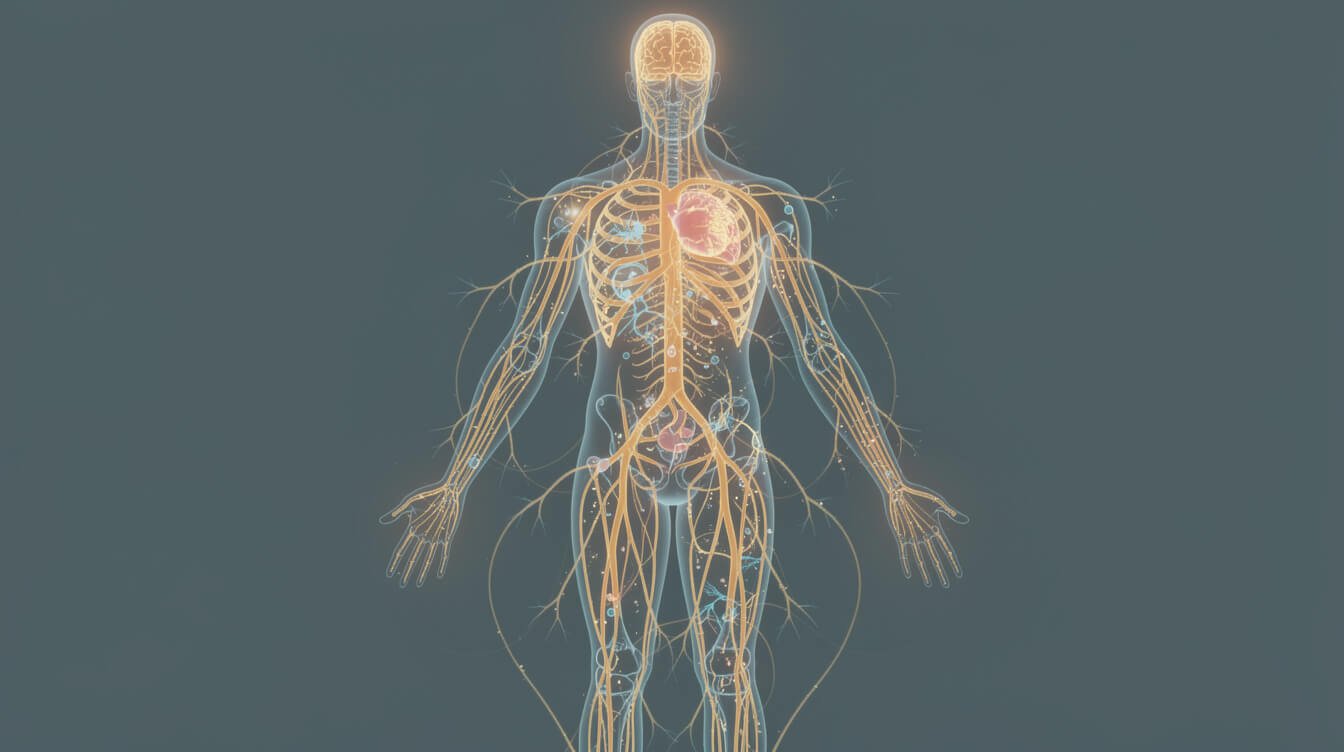
Before diving into techniques, it helps to understand the two branches of your autonomic nervous system — the system that runs your body’s involuntary functions behind the scenes.
The Sympathetic Nervous System (Your Accelerator)
This is your “go” system. It activates when you perceive a threat — real or imagined — and prepares your body for action. Heart rate increases, breathing becomes shallow and fast, digestion slows down, and your muscles tense up. In short bursts, this response is healthy and necessary. Problems arise when it stays activated chronically.
The Parasympathetic Nervous System (Your Brake Pedal)
This is your “rest and digest” system. When activated, it slows your heart rate, deepens your breathing, stimulates digestion, and promotes healing and recovery. This is the state you want to spend most of your time in — and learning how to calm your nervous system is essentially learning how to engage this parasympathetic response.
The Vagus Nerve: Your Body’s Master Reset Button
The vagus nerve is the longest cranial nerve in your body, running from your brainstem down through your neck, chest, and abdomen. It is the primary communication highway between your brain and your organs. When you stimulate the vagus nerve, you directly activate your parasympathetic nervous system — shifting your body from stress mode to calm mode.
Dr. Stephen Porges’ Polyvagal Theory describes three nervous system states: the ventral vagal state (safe, social, engaged), the sympathetic state (fight or flight), and the dorsal vagal state (freeze, shutdown). The goal of nervous system regulation is not to eliminate stress entirely, but to build the capacity to move fluidly back to that ventral vagal state — where you feel safe, connected, and present.
How to Calm Your Nervous System Fast: Breathwork Techniques

If you want the single most powerful tool for calming your nervous system in real time, breathwork is your answer. Your breath is the only autonomic function you can consciously control — making it a direct bridge between your voluntary and involuntary nervous systems.
When you deliberately slow and deepen your exhale, you stimulate the vagus nerve, which signals your brain that it is safe to relax. Here are four techniques that research supports for parasympathetic activation:
1. The Physiological Sigh (Works in Seconds)
Discovered by Stanford neuroscientist Dr. Andrew Huberman, the physiological sigh is the fastest known way to calm your nervous system in real time. A 2023 study published in Cell Reports Medicine found that just five minutes of cyclic sighing significantly reduced anxiety and improved mood compared to mindfulness meditation.
How to do it: Take a double inhale through your nose (one short inhale followed immediately by a second, deeper inhale to fully expand your lungs), then release a long, slow exhale through your mouth. The extended exhale is what activates your parasympathetic response. Repeat 3–5 times.
2. Box Breathing (4-4-4-4)
Used by Navy SEALs and first responders, box breathing creates a structured rhythm that signals safety to your brain.
How to do it: Inhale for 4 counts, hold for 4 counts, exhale for 4 counts, hold for 4 counts. Repeat for 4–8 cycles. The equal timing creates a predictable pattern that your nervous system interprets as stability.
3. The 4-7-8 Technique
Developed by Dr. Andrew Weil, this technique emphasizes a prolonged exhale — the key to parasympathetic activation.
How to do it: Inhale through your nose for 4 counts, hold for 7 counts, exhale slowly through your mouth for 8 counts. The 2:1 exhale-to-inhale ratio is what makes this technique particularly effective for calming your nervous system before sleep.
4. Diaphragmatic (Belly) Breathing
Also called abdominal breathing, this technique engages your diaphragm rather than your chest muscles, which directly stimulates the vagus nerve.
How to do it: Place one hand on your chest and one on your belly. Breathe in through your nose, directing the breath so your belly rises while your chest stays relatively still. Exhale slowly through your nose or mouth. Aim for 6–8 breaths per minute (about 4 seconds in, 6 seconds out). Research in Frontiers in Human Neuroscience (2017) found that diaphragmatic breathing significantly lowered cortisol levels and increased sustained attention.
Vagus Nerve Activation: Your Body’s Built-In Calm Button

Beyond breathwork, there are several direct methods to stimulate the vagus nerve and activate your parasympathetic response. These techniques work because the vagus nerve has accessible branches in your face, ears, throat, and abdomen.
5. Cold Water Exposure
Exposing your face or body to cold water triggers the mammalian dive reflex — an automatic response that slows your heart rate and activates your parasympathetic nervous system. A 2023 review in the International Journal of Circumpolar Health found that regular cold water exposure improved vagal tone and reduced sympathetic nervous system reactivity.
How to start: Splash cold water on your face, hold a cold pack against the sides of your neck, or end your shower with 30 seconds of cold water. Start gently and build your tolerance over time. Even brief cold exposure can calm your nervous system within seconds.
6. Humming, Singing, and Gargling
The vagus nerve passes directly through your vocal cords and the muscles at the back of your throat. Any activity that vibrates these structures stimulates vagal tone.
How to practice: Hum a low, steady note for 30–60 seconds and notice the vibration in your chest and throat. Sing along to your favorite songs. Gargle vigorously with water for 30 seconds. Chanting “om” or other sustained tones is particularly effective — which is one reason why sound healing and frequency-based therapies have been used in wellness traditions for thousands of years.
7. Gentle Ear Massage
A branch of the vagus nerve (the auricular branch) runs through your outer ear. Gentle stimulation of this area can promote parasympathetic activation.
How to practice: Using your thumb and forefinger, gently massage the outer rim of your ear, the tragus (the small flap in front of your ear canal), and the area behind your earlobes. Spend 1–2 minutes on each ear. This is a subtle but effective way to calm your nervous system during meetings, commutes, or any stressful moment.
8. Yoga and Gentle Stretching
Slow, intentional movement practices like yoga and tai chi have been shown to significantly improve vagal tone. A 2019 meta-analysis in Brain Plasticity found that yoga practice enhanced parasympathetic activity and reduced stress hormones. The combination of controlled breathing, gentle movement, and mindful awareness creates a powerful nervous system reset.
Restorative yoga poses — like legs-up-the-wall, child’s pose, and supported bridge — are especially effective because they place your body in positions that naturally promote relaxation and venous return.
Grounding, Movement, and Nature for Nervous System Balance
Your nervous system did not evolve in a world of fluorescent lights and concrete. It evolved in nature — surrounded by soil, sunlight, fresh air, and open space. Reconnecting with these elements may be one of the most powerful ways to regulate your stress response.
9. Earthing and Grounding
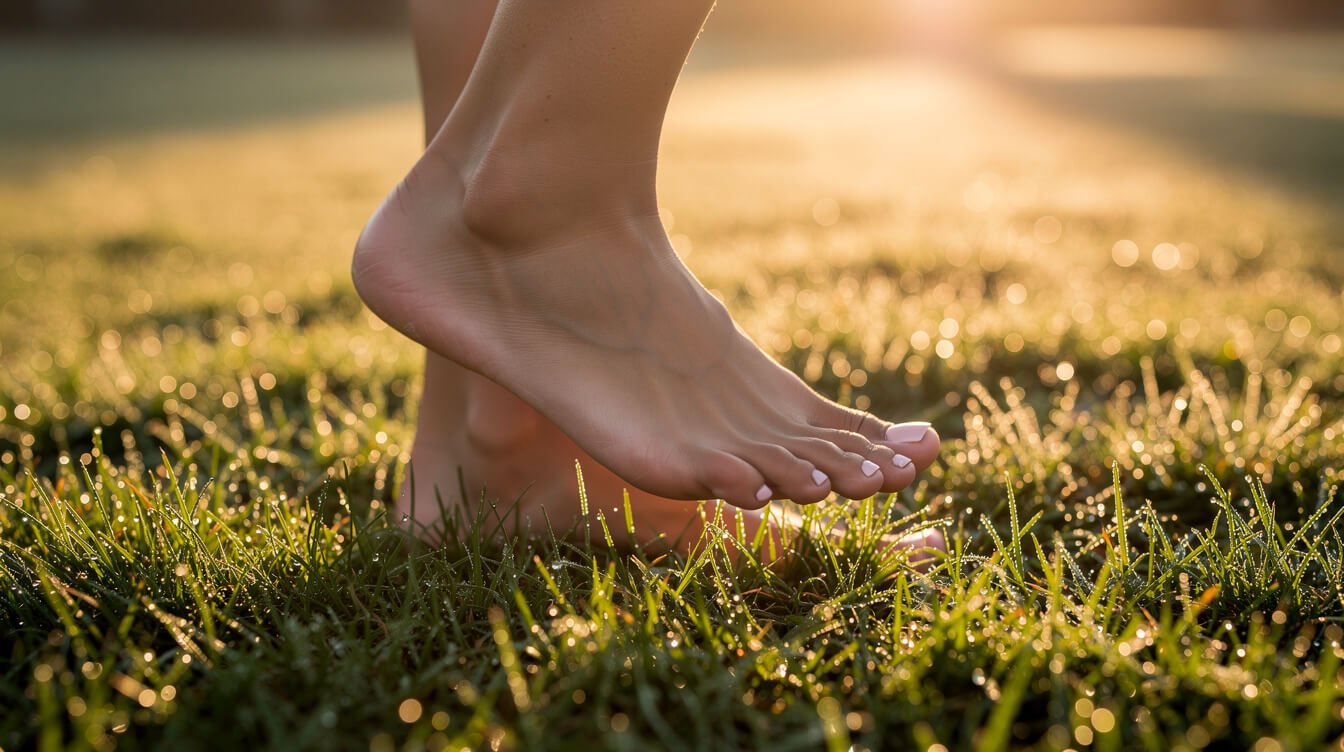
Earthing — making direct skin contact with the earth’s surface — has emerged as a fascinating area of wellness research. The theory suggests that when your bare skin touches grass, soil, sand, or natural water, you absorb free electrons that may help neutralize excess free radicals in your body.
A 2020 review in Explore found that earthing appeared to support parasympathetic activity, improve heart rate variability (a key marker of nervous system flexibility), and reduce cortisol levels. Even 20–30 minutes of barefoot walking on grass or sitting with your hands in soil may help shift your nervous system toward calm.
10. Walking in Nature
The Japanese practice of shinrin-yoku (forest bathing) has been extensively studied for its effects on the autonomic nervous system. Research published in Environmental Health and Preventive Medicine found that walking in forested environments significantly reduced cortisol, lowered blood pressure, and increased parasympathetic activity compared to urban walking.
You do not need a forest to benefit. Even a 20-minute walk in a local park or tree-lined neighborhood can help. Walking itself is one of the most underrated wellness practices — and combining it with nature amplifies the nervous system benefits. Aim for a pace that allows conversation. The goal is gentle, rhythmic movement, not intense exercise.
11. Somatic Shaking and Movement
Somatic practices work by releasing tension that your body has been physically holding. Animals naturally shake after a threatening experience to discharge stress hormones — think of a gazelle trembling after escaping a predator. Humans often suppress this natural impulse, trapping stress energy in the body.
How to practice: Stand with your feet hip-width apart, bend your knees slightly, and allow your body to shake gently for 2–5 minutes. Start with your legs and let the movement spread naturally through your torso and arms. You may also try Trauma Release Exercises (TRE), which use specific positions to activate your body’s natural tremor response. Many people report feeling noticeably calmer and lighter after just a few minutes of intentional shaking.
🎁 Get a Free Wellness Gift
Enter your name and email below to receive a special wellness gift from OlyLife — absolutely free!
Daily Habits That Build Long-Term Nervous System Resilience

Quick techniques are invaluable for acute stress, but lasting nervous system health comes from consistent daily practices. Think of it like physical fitness — a single workout helps, but a regular routine transforms your capacity.
12. Sleep: Your Nervous System’s Nightly Reset
During deep sleep, your parasympathetic nervous system takes over and your body performs critical repair and restoration. Chronic sleep deprivation keeps your sympathetic system elevated, making it nearly impossible to achieve lasting calm during the day.
Prioritize these habits: Keep a consistent sleep and wake time (even on weekends), avoid screens for 60 minutes before bed, keep your bedroom cool and dark, and consider a wind-down ritual that includes one of the breathwork techniques described above. Research in PLOS ONE (2019) found that adults who maintained consistent sleep schedules showed significantly better heart rate variability — a direct marker of nervous system flexibility.
Anti-Inflammatory Nutrition
What you eat directly affects your nervous system. A diet high in processed foods, refined sugar, and inflammatory fats can keep your body in a low-grade state of inflammation that perpetuates sympathetic activation. On the other hand, anti-inflammatory foods — like leafy greens, fatty fish, berries, turmeric, and fermented foods — support gut health, which is intimately connected to nervous system function through the gut-brain axis.
If you have been experiencing signs of poor gut health, addressing your digestive wellness may be a key part of calming your nervous system long-term.
Regular Movement
Consistent, moderate exercise is one of the most well-documented ways to improve vagal tone and nervous system resilience. You do not need intense workouts — in fact, zone 2 cardio (low-intensity exercise where you can still hold a conversation) may be especially beneficial because it builds aerobic capacity without triggering a stress response. Strength training also supports nervous system health by improving hormonal balance and reducing chronic inflammation.
Reducing Stimulant Overload
Caffeine directly stimulates your sympathetic nervous system. If you are struggling with anxiety, poor sleep, or a constant feeling of being wired, consider reducing your caffeine intake or setting a firm cutoff time (ideally before noon). The same applies to excessive screen time, doom-scrolling, and constant notification alerts — all of which keep your nervous system in a state of low-grade vigilance.
PEMF Therapy for Nervous System Support
Pulsed electromagnetic field (PEMF) therapy is an emerging wellness technology that uses gentle electromagnetic pulses to support cellular function. Research suggests that specific PEMF frequencies — particularly in the low-frequency range (1–10 Hz) that mirrors your brain’s relaxation rhythms — may help promote parasympathetic activation and support the body’s natural recovery processes.
If you are curious about what PEMF therapy is and how it works, devices like the OlyLife Tera-P90+ combine PEMF with terahertz technology, offering a convenient way to integrate frequency-based wellness into your daily routine. Many users incorporate a 15–30 minute session as part of their evening wind-down to help their body transition from the day’s stress into a calmer state. You can learn more about how PEMF therapy works at the cellular level and explore the PEMF frequency chart to understand which frequencies correspond to relaxation and recovery.
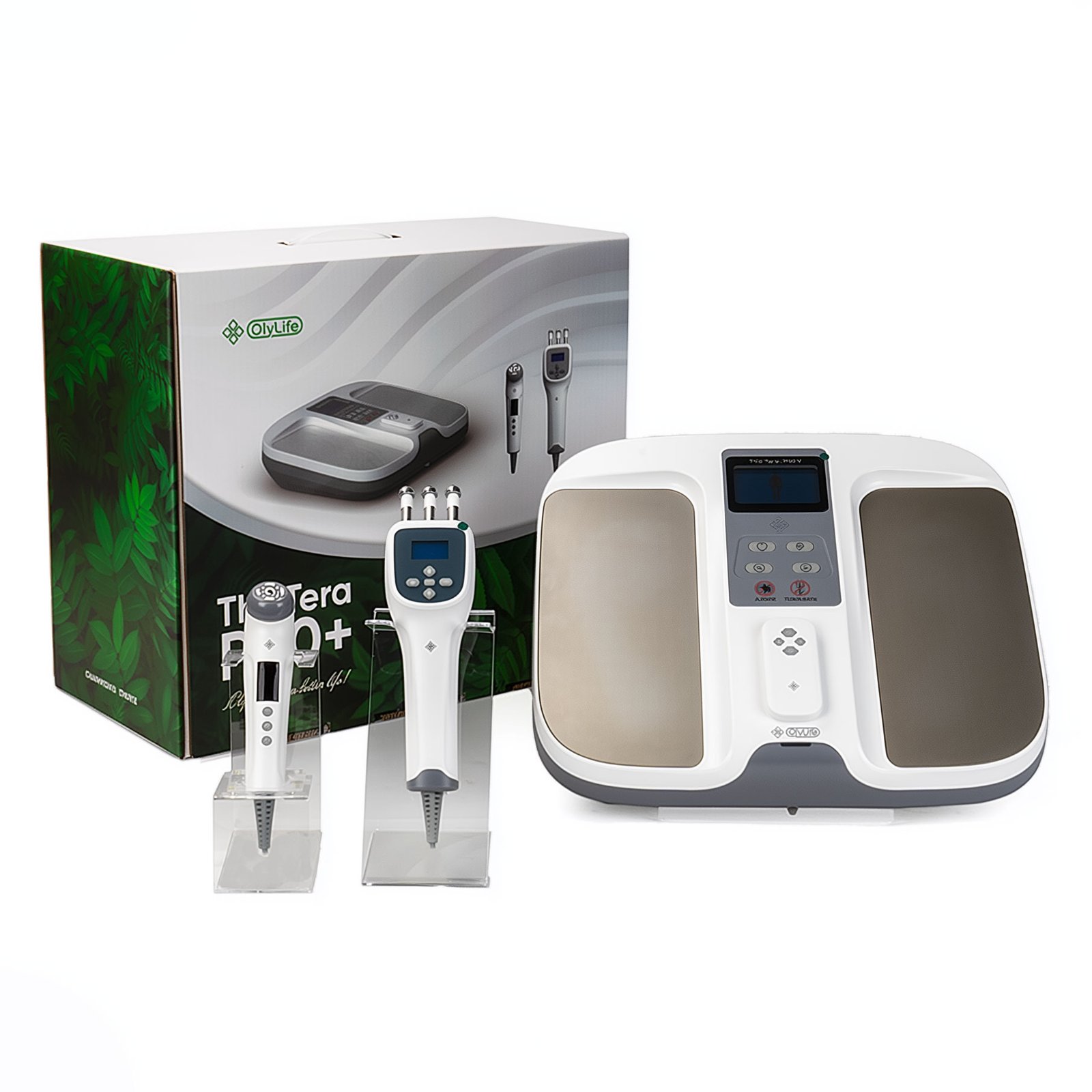
Support Your Nervous System Naturally
The OlyLife Tera-P90+ combines PEMF and terahertz technology to support relaxation, recovery, and whole-body wellness — right from the comfort of your home.
Frequently Asked Questions About How to Calm Your Nervous System

How long does it take to calm a dysregulated nervous system?
Quick techniques like the physiological sigh or cold water exposure can shift your state within seconds to minutes. However, if your nervous system has been chronically dysregulated, building lasting resilience typically takes 4–12 weeks of consistent daily practice. Think of it as retraining a habit — your nervous system needs repeated positive signals before it trusts that it is safe to relax as a default.
What is the fastest way to calm your nervous system?
The physiological sigh (double inhale through the nose, long exhale through the mouth) is the fastest evidence-based technique — research shows it can reduce stress markers in as few as 1–3 breaths. Splashing cold water on your face also works within seconds by triggering the dive reflex.
Can anxiety permanently damage your nervous system?
While chronic stress can create persistent patterns of dysregulation, the nervous system is highly neuroplastic — meaning it can rewire and heal with consistent practice. Prolonged stress can change neural pathways and sensitize your stress response, but these changes are generally reversible through techniques like breathwork, vagus nerve stimulation, therapy, and lifestyle modifications.
What foods calm the nervous system?
Foods rich in magnesium (dark leafy greens, pumpkin seeds, dark chocolate), omega-3 fatty acids (fatty fish, walnuts, flaxseeds), B vitamins (whole grains, legumes, eggs), and probiotics (yogurt, kefir, sauerkraut) all support nervous system health. Avoiding excess caffeine, alcohol, and highly processed foods is equally important, as these can perpetuate sympathetic activation.
Is it normal to feel tired after calming your nervous system?
Yes, this is very common and actually a healthy sign. When your body finally exits fight-or-flight mode, the accumulated fatigue from sustained sympathetic activation becomes apparent. Your body may need extra rest as it catches up on the recovery it has been deferring. Allow yourself to rest without judgment — this is part of the healing process.
How does the vagus nerve affect anxiety?
The vagus nerve is the primary pathway for activating your parasympathetic (“rest and digest”) response. Higher vagal tone — the efficiency with which your vagus nerve operates — is associated with greater emotional regulation, lower anxiety, and faster recovery from stress. Techniques that stimulate the vagus nerve (breathing exercises, cold exposure, humming, earthing) directly counteract the sympathetic activation that drives anxiety.
Can exercise help calm a dysregulated nervous system?
Moderate, consistent exercise is one of the best ways to improve nervous system regulation. It enhances vagal tone, reduces baseline cortisol, and improves heart rate variability. However, intense or excessive exercise can actually increase sympathetic activation in people who are already highly stressed. If your nervous system is dysregulated, start with gentle movement — walking, yoga, swimming, or zone 2 cardio — and build intensity gradually.
What role does PEMF therapy play in nervous system health?
PEMF (pulsed electromagnetic field) therapy delivers gentle electromagnetic pulses that may support cellular recovery and relaxation. Research suggests that low-frequency PEMF — particularly frequencies that mirror alpha and theta brainwave states — may help promote parasympathetic activation. While more research is needed, many people incorporate PEMF therapy as a complement to the breathwork, movement, and lifestyle practices described in this guide.