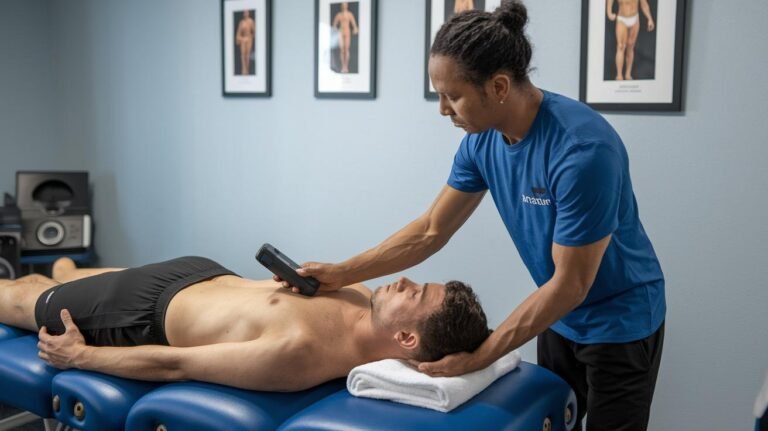
Earthing Benefits: How Grounding May Support Your Health Naturally
What Is Earthing and Why Does It Matter?
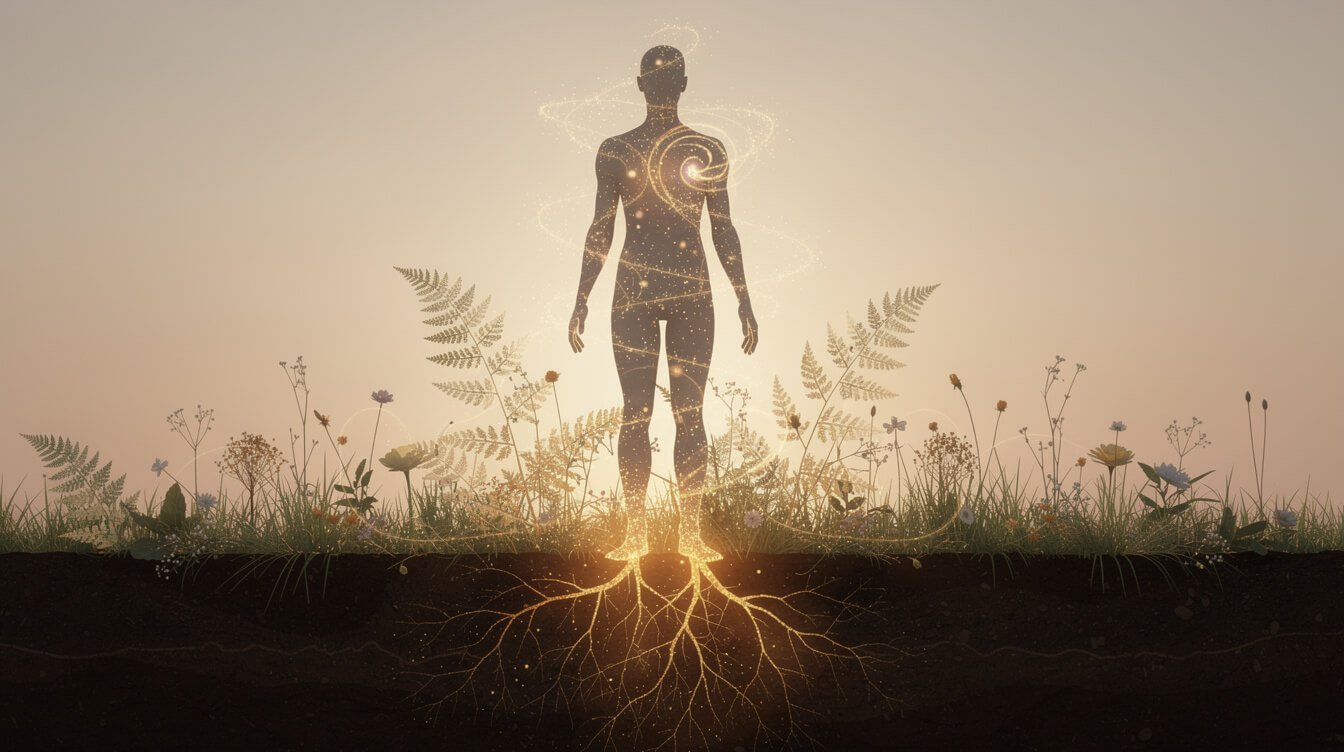
Earthing — also known as grounding — is the simple practice of making direct physical contact with the Earth’s surface. Whether you’re walking barefoot on grass, standing on sand, or wading through a stream, earthing connects your body to the planet’s natural electrical charge.
The concept may sound surprisingly simple, and that’s because it is. For most of human history, our ancestors walked barefoot, slept on the ground, and maintained a constant electrical connection with the Earth. Modern life has changed that. Rubber-soled shoes, insulated buildings, and elevated beds have effectively disconnected us from the surface beneath our feet.
Research suggests that this disconnection may matter more than we realize. The Earth’s surface carries a subtle negative electrical charge, rich in free electrons. When your bare skin touches the ground, your body may absorb these electrons — a process that supporters believe could influence inflammation, stress, sleep, and overall wellbeing.
While the science is still emerging, the growing body of research on earthing benefits has caught the attention of wellness practitioners, integrative health professionals, and anyone looking for natural ways to support their health. Let’s explore what the evidence says and how you can bring this ancient practice into your modern life.
The Science Behind Earthing Benefits

To understand why earthing may support your health, it helps to know a little about the electrical relationship between your body and the Earth.
The Earth’s Electrical Field
The Earth maintains a continuous negative electrical charge on its surface. This charge is sustained by thousands of lightning strikes occurring around the globe every hour, each one pumping electrons into the ground. These free electrons are concentrated at the surface — exactly where your feet make contact.
Your body, meanwhile, is a bioelectrical system. Your heart, brain, muscles, and immune system all rely on electrical signals to function. When you make direct contact with the Earth’s surface, electrons flow freely between the ground and your body, much like the grounding wire in your home’s electrical system.
The Electron Transfer Hypothesis
The central theory behind earthing is called the electron transfer hypothesis. It proposes that when you touch the Earth, negatively charged electrons enter your body and may help neutralize positively charged free radicals — unstable molecules that contribute to oxidative stress and chronic inflammation.
A 2015 review published in the Journal of Inflammation Research examined multiple studies on grounding and inflammation. The researchers found that earthing appeared to reduce markers of inflammation, improve immune responses, and accelerate wound healing in several controlled experiments.
While more large-scale research is needed, these early findings suggest that something meaningful happens when our bodies reconnect with the Earth’s surface — and that the electrical exchange between skin and soil may be at the heart of it.
What Research Has Found So Far
Studies on earthing, though often small in scale, have reported consistent themes across multiple outcomes:
- Reduced inflammation markers — measured through thermal imaging and blood chemistry
- Improved blood flow — red blood cell surface charge increases, reducing viscosity
- Cortisol regulation — nighttime cortisol patterns normalized in grounded subjects
- Faster recovery — delayed-onset muscle soreness decreased in grounded athletes
- Improved heart rate variability — suggesting positive effects on autonomic nervous system function
It’s important to note that many of these studies used small sample sizes, and the field would benefit from larger randomized controlled trials. That said, the consistency of positive findings across different research groups is encouraging for anyone curious about earthing’s potential.
7 Potential Earthing Benefits Backed by Research

While scientists continue to explore earthing benefits, several areas show particularly promising results. Here’s what the research suggests so far.
1. May Help Reduce Chronic Inflammation
Chronic inflammation is linked to nearly every major health condition — from heart disease and diabetes to autoimmune disorders and depression. Earthing research consistently points to reduced inflammatory markers in grounded individuals.
Thermal imaging studies have shown visible reductions in inflammation after just 30 minutes of grounding, with patients reporting decreased pain and swelling. The theory is that free electrons from the Earth act as natural antioxidants, neutralizing the free radicals that drive inflammatory processes.
2. May Support Better Sleep Quality
One of the most commonly reported earthing benefits is improved sleep. A study published in the Journal of Alternative and Complementary Medicine found that participants who slept grounded showed normalized cortisol secretion patterns — with lower nighttime cortisol levels and a healthier cortisol rhythm overall.
Since cortisol directly affects your sleep-wake cycle, this normalization may explain why many people report falling asleep faster and waking more refreshed after incorporating earthing into their routine. If you’re exploring natural approaches to better rest, our guide to breathwork for stress relief pairs beautifully with an evening grounding practice.
3. May Reduce Stress and Improve Mood
A 2018 study involving massage therapists — a group prone to occupational stress — found that four weeks of grounding during work and sleep led to measurable reductions in stress biomarkers. Participants reported improved mood, decreased fatigue, and less physical pain.
The autonomic nervous system appears to shift toward parasympathetic (rest-and-digest) dominance during grounding, which may explain the calming effect many people describe. This aligns with what we know about other grounding practices like mindful walking, which similarly activates the body’s relaxation response.
4. May Support Cardiovascular Health
One of the more intriguing findings in earthing research involves blood viscosity. A study by cardiologist Dr. Stephen Sinatra and colleagues found that grounding significantly reduced blood viscosity — a major factor in cardiovascular disease.
When you’re grounded, your red blood cells appear to develop a greater surface charge (known as zeta potential), causing them to repel each other and flow more freely. This effect is similar to what blood-thinning medications achieve, though through an entirely different mechanism. Improved blood flow means better oxygen delivery to tissues and reduced strain on your heart.
5. May Help Manage Pain
Delayed-onset muscle soreness (DOMS) — the ache you feel after intense exercise — has been studied in the context of grounding. Research suggests that grounded individuals experience less muscle damage and faster recovery after physical activity.
The anti-inflammatory mechanism of earthing may explain this benefit. By reducing the inflammatory cascade that follows tissue stress, earthing could support faster healing and less discomfort. Athletes and active individuals may find earthing especially valuable as a recovery tool alongside practices like zone 2 cardio training.
6. May Boost Immune Function
Your immune system relies on a delicate balance of inflammatory and anti-inflammatory responses. When chronic inflammation tilts that balance, your immune defenses may suffer. By potentially reducing chronic inflammation, earthing may help restore immune equilibrium.
Some researchers have also explored whether the electron transfer from earthing directly supports white blood cell function, though this area needs more investigation. What we do know is that many of the downstream effects of earthing — better sleep, lower stress, reduced inflammation — are all factors that independently support healthy immune function.
7. May Support Wound Healing
A recent study of 21 individuals with diabetes found that one hour of daily grounding for a month accelerated wound healing — a particularly significant finding given that wound healing is often impaired in people with the condition. Thermal imaging documented visible improvements in tissue repair and blood flow to the wound sites.
While this study was small, it suggests that earthing’s effects on circulation and inflammation may have practical applications for tissue repair and recovery.
If you’re curious about bringing frequency-based wellness into your daily routine — indoors or out — the OlyLife Tera-P90+ Smart PEMF and Terahertz Therapy System delivers targeted electromagnetic frequencies designed to complement your body’s natural healing processes.
How to Practice Earthing: 8 Simple Methods

One of the best things about earthing is its simplicity. You don’t need expensive equipment or special training — just a willingness to reconnect with the ground beneath you. Here are eight practical ways to bring earthing benefits into your daily life.
1. Walk Barefoot on Natural Surfaces
The most straightforward earthing practice is simply removing your shoes and walking on grass, soil, sand, or unpainted concrete. Start with 15–20 minutes daily and gradually increase as it becomes part of your routine. Morning dew on grass is especially pleasant and conductive.
2. Garden with Bare Hands
Digging in the soil, planting seeds, or pulling weeds with bare hands provides direct skin-to-earth contact. Gardening also offers the added benefits of physical activity, sunlight exposure, and the meditative quality of working with plants.
3. Swim in Natural Bodies of Water
Lakes, rivers, and the ocean are excellent conductors. Swimming or wading in natural water provides full-body grounding contact. Saltwater is particularly conductive, making ocean swimming one of the most effective earthing practices available.
4. Sit or Lie on the Ground
Find a comfortable spot on grass, sand, or bare earth and sit or lie down for 20–30 minutes. Combine this with deep breathing exercises or meditation for a deeply restorative experience.
5. Practice Outdoor Yoga or Stretching
Moving your yoga or stretching practice outdoors onto natural ground combines the benefits of movement, mindfulness, and earthing. The multiple contact points during yoga poses maximize your connection with the Earth’s surface.
6. Eat Meals Outdoors
Set up a blanket on the grass for a picnic-style meal. Sitting barefoot while eating combines earthing with the digestive benefits of a relaxed, outdoor setting. It’s a simple lifestyle shift that requires no extra time — just a change of location.
7. Create a Grounding Morning Routine
Start your day by stepping outside barefoot for 5–10 minutes. Combine this with morning sunlight exposure, which helps regulate your circadian rhythm. This one-two combination of earthing and natural light may set a positive tone for your entire day.
8. Use Grounding Periods During Recovery
After exercise, consider spending 15–20 minutes grounding to potentially support recovery. Sit or lie on grass after a run, or walk barefoot in your garden after a strength training session. The anti-inflammatory effects may complement your body’s natural recovery processes.
🎁 Get a Free Wellness Gift
Enter your name and email below to receive a special wellness gift from OlyLife — absolutely free!
Earthing and Modern Wellness Technology

Earthing belongs to a broader family of wellness practices that work with the body’s natural electrical and energetic systems. Understanding this connection can help you build a more comprehensive approach to your health.
The Frequency Connection
The Earth resonates at a specific frequency — approximately 7.83 Hz, known as the Schumann resonance. This frequency falls within the alpha brainwave range, which is associated with calm, relaxed alertness. Some researchers believe that earthing helps your body synchronize with this natural frequency, potentially explaining its calming effects.
This concept of therapeutic frequencies extends beyond earthing. Healing frequency therapies — including sound healing and electromagnetic approaches — work on similar principles. The idea that specific frequencies may support different aspects of health has deep roots in both traditional practices and modern research.
PEMF Therapy: Earthing’s Technological Companion
Pulsed Electromagnetic Field (PEMF) therapy operates on a related principle. While earthing connects you to the Earth’s static electrical field, PEMF devices deliver targeted electromagnetic pulses at specific frequencies designed to support cellular health. Both approaches aim to optimize your body’s electrical environment.
Research on PEMF therapy has shown promising results for pain management, inflammation reduction, and recovery support — many of the same outcomes observed in earthing studies. For people who want the benefits of electromagnetic wellness but can’t always get outdoors, PEMF technology offers a practical indoor alternative. Our PEMF frequency chart provides a helpful reference for understanding how different frequencies may support various aspects of health.
Building a Holistic Wellness Practice
Earthing works best as part of a broader wellness approach. Combine it with:
- Regular movement — even gentle walking for health amplifies earthing’s benefits when done barefoot
- Stress management — breathwork and meditation pair naturally with grounding sessions
- Nutrition — anti-inflammatory foods support the same pathways that earthing may influence. Addressing signs of poor gut health is another important piece of the puzzle
- Quality sleep — earthing’s cortisol-regulating effects may enhance your existing sleep hygiene practices
- Frequency-based therapies — PEMF and terahertz technology complement outdoor earthing with targeted, indoor-friendly support
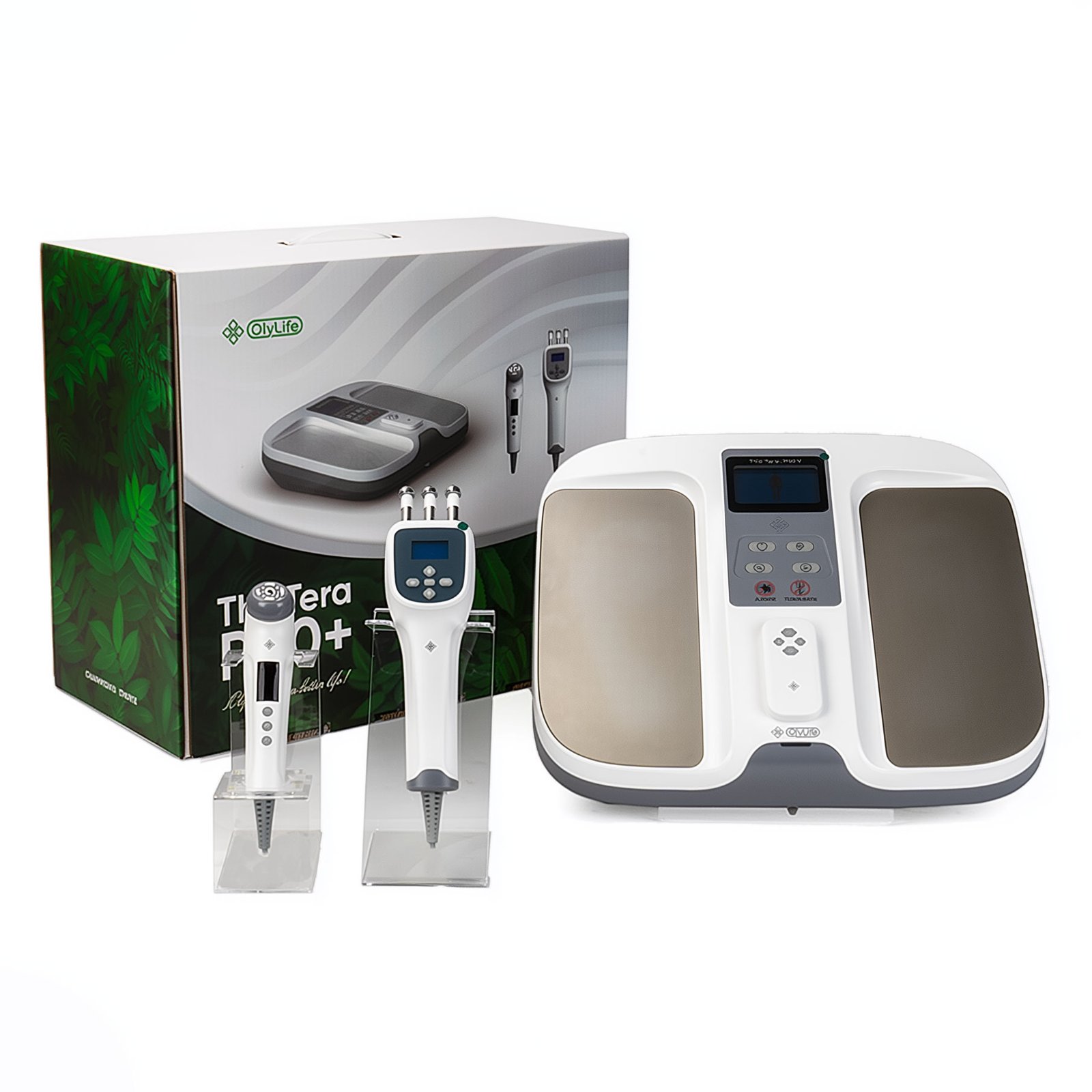
Support Your Wellness with Frequency Therapy
The OlyLife Tera-P90+ combines PEMF and terahertz technology to deliver therapeutic frequencies — bringing the benefits of electromagnetic wellness into your home.
Frequently Asked Questions About Earthing

How long do you need to practice earthing to feel benefits?
Many people report noticing subtle effects — like feeling calmer or more centered — after just 15–20 minutes of barefoot contact with the earth. Research studies have used sessions ranging from 30 minutes to several hours. For sleep benefits, consistent daily practice of at least 20–30 minutes appears to be most effective. Start with whatever time you have and build from there.
Can you practice earthing indoors?
While direct contact with natural surfaces is the most studied form of earthing, grounding mats and sheets are available that connect to your home’s grounding system. Some people use these products while sleeping or working at a desk. However, the research on indoor grounding products is more limited than on direct outdoor earthing. When possible, outdoor practice on natural surfaces is recommended.
What surfaces work best for earthing?
Conductive natural surfaces include grass, soil, sand, gravel, and natural bodies of water. Concrete (without paint or sealant) is also somewhat conductive since it contains minerals and moisture. Surfaces that block earthing include asphalt, wood, rubber, plastic, and vinyl. For maximum benefit, choose moist natural surfaces — dewy grass and wet sand are particularly effective conductors.
Is earthing safe for everyone?
Earthing is generally considered safe for most people. However, individuals on blood-thinning medications should consult their healthcare provider before beginning a regular grounding practice, as some research suggests earthing may affect blood viscosity. People with open wounds should avoid earthing on rough surfaces, and anyone with foot sensitivity should choose smooth, clean surfaces.
Does earthing work through clothing?
For earthing to work, your skin needs direct contact with a conductive surface. Synthetic fabrics (polyester, nylon) block electron transfer. Natural fabrics like thin cotton may allow some conductivity when damp, but bare skin provides the most reliable connection. Focus on exposing your feet, hands, or any large area of skin to the ground.
What’s the difference between earthing and grounding techniques for anxiety?
Earthing (also called grounding) specifically refers to physical contact with the Earth’s surface for potential electrical benefits. “Grounding techniques” in a mental health context are cognitive exercises — like the 5-4-3-2-1 sensory method — used to manage anxiety and stay present. While they share a name and both may reduce stress, they work through different mechanisms. That said, many people find that physical earthing also helps with emotional grounding and mental clarity.
Final Thoughts: Reconnecting with the Earth Beneath Your Feet
In a world of complex wellness trends and expensive health interventions, earthing stands out for its remarkable simplicity. The practice of placing your bare feet on the ground — something every generation before us did naturally — may offer meaningful benefits for inflammation, sleep, stress, cardiovascular health, and recovery.
The science is still growing, and we approach these findings with appropriate curiosity rather than certainty. What we can say is that spending time in direct contact with the Earth costs nothing, carries virtually no risk, and connects you with the natural world in a way that feels genuinely good.
Whether you start with a five-minute barefoot walk in your garden each morning or a longer grounding session in your favorite park, the key is to begin. Pay attention to how you feel before and after. Many people discover that this simple practice becomes one of the most grounding — in every sense of the word — parts of their day.
Your body was designed to connect with the Earth. Perhaps it’s time to let it.