
If you live with persistent discomfort — whether it’s a stiff lower back, aching joints, or lingering post-workout soreness — you’re not alone. Chronic pain affects hundreds of millions of people worldwide, and many are searching for natural approaches that go beyond medication. PEMF therapy for pain is emerging as one of the most promising non-invasive options, using gentle electromagnetic pulses to support the body’s own healing processes at the cellular level.
In this comprehensive guide, we’ll explore exactly how pulsed electromagnetic field therapy may help with pain relief, which types of pain it’s most commonly used for, what the research actually says, and how you can use PEMF therapy at home as part of your daily wellness routine.
What Is PEMF Therapy?

Pulsed Electromagnetic Field (PEMF) therapy is a non-invasive wellness technology that delivers low-frequency electromagnetic pulses to the body. These gentle pulses pass through skin, muscle, and bone to interact with your cells at a fundamental level — influencing cellular charge, improving ion exchange, and supporting natural biological processes.
Unlike static magnets you might find in a bracelet or mattress pad, PEMF devices produce pulsing electromagnetic fields that change rapidly over time. This pulsing action is what makes the therapy effective — it mimics the natural electromagnetic frequencies found in the Earth’s own magnetic field, which living organisms have evolved alongside for millennia.
PEMF technology has been studied since the 1970s, and the U.S. FDA has approved certain PEMF devices for specific applications, including bone healing (since 1979) and treatment of depression. Today, a growing body of research suggests that PEMF therapy may also support pain management, making it an increasingly popular choice for people seeking drug-free relief.
If you want a deeper dive into the science behind this technology, our guide on how PEMF therapy works covers the cellular mechanisms in detail.
How PEMF Therapy May Help With Pain Relief

Understanding why PEMF therapy for pain may be effective starts with understanding what happens at the cellular level when electromagnetic pulses interact with your body. Research points to several interconnected mechanisms that work together to address both the symptoms and underlying causes of pain.
Reducing Inflammation at the Source
Inflammation is one of the most common drivers of chronic pain. When tissues are damaged or irritated, the body’s inflammatory response can become overactive, leading to swelling, heat, and persistent discomfort. PEMF therapy has been shown in multiple studies to help modulate this inflammatory response by influencing the behavior of immune cells and reducing the production of pro-inflammatory cytokines.
Rather than simply masking inflammation like some medications do, PEMF pulses may help restore the body’s natural inflammatory balance — allowing healing to proceed while dialing down unnecessary pain signals.
Improving Circulation and Oxygen Delivery
Healthy blood flow is essential for healing. When circulation is compromised — whether from injury, sedentary habits, or chronic conditions — tissues don’t receive the oxygen and nutrients they need to repair themselves. PEMF therapy may support microcirculation, helping to open up small blood vessels (capillaries) and improve the delivery of oxygen-rich blood to damaged tissues.
Better circulation also means more efficient removal of metabolic waste products like lactic acid, which can contribute to muscle soreness and stiffness.
Supporting Cellular Repair and Regeneration
Every cell in your body maintains an electrical charge across its membrane — this is called the transmembrane potential. When cells are damaged or stressed, this voltage drops, and the cell’s ability to function, communicate, and repair itself diminishes. PEMF therapy may help restore optimal cellular voltage, essentially “recharging” cells so they can resume normal function.
This cellular recharge supports the production of adenosine triphosphate (ATP) — the energy currency that powers virtually every biological process, including tissue repair and regeneration.
Modulating Pain Signals
Pain perception isn’t just about tissue damage — it’s about how your nervous system processes and transmits signals. PEMF therapy may influence nerve signaling by affecting the electrical activity within nerve cells. Some research suggests that electromagnetic pulses can help “gate” pain signals, reducing the intensity of pain messages sent to the brain.
This mechanism is similar in concept to how TENS (transcutaneous electrical nerve stimulation) works, but PEMF operates at much lower frequencies and penetrates more deeply into tissues without requiring electrode placement on the skin.
Promoting Natural Endorphin Release
Endorphins are your body’s natural painkillers — neurotransmitters that bind to opioid receptors and reduce the perception of pain. Some studies suggest that PEMF therapy may stimulate the release of endorphins and other feel-good neurotransmitters, contributing to both pain relief and an overall sense of well-being.
Types of Pain That PEMF Therapy May Support

One of the most compelling aspects of PEMF therapy for pain is its versatility. Because it works at the cellular level rather than targeting a single symptom or pathway, it may be beneficial for a wide range of pain conditions. Here are the types of pain most commonly addressed with PEMF therapy.
Chronic Back Pain
Back pain is the single most common chronic pain condition worldwide. Whether caused by disc degeneration, muscle strain, poor posture, or spinal stenosis, chronic back pain can be debilitating. PEMF therapy may help by reducing inflammation around spinal structures, relaxing tense muscles, and supporting the repair of damaged connective tissue.
Joint Pain and Osteoarthritis
Osteoarthritis — the gradual wearing down of cartilage in joints — affects millions of adults, particularly in the knees, hips, and hands. A 2020 meta-analysis published in Pain Research and Management found that PEMF therapy had clinically significant effects on pain reduction in patients with osteoarthritis. The therapy may help by reducing joint inflammation, improving synovial fluid circulation, and supporting cartilage health.
Fibromyalgia
Fibromyalgia is a complex chronic pain condition characterized by widespread musculoskeletal pain, fatigue, and tender points throughout the body. Because fibromyalgia involves central sensitization — where the nervous system amplifies pain signals — PEMF therapy’s potential to modulate nerve signaling may be particularly relevant for this condition.
Neuropathic Pain
Nerve-related pain, including conditions like peripheral neuropathy and sciatica, can be especially challenging to treat. PEMF therapy may support nerve health by improving blood flow to nerve tissues, reducing inflammatory pressure on nerves, and supporting nerve cell repair processes.
Sports Injuries and Muscle Recovery
Athletes and active individuals have long used PEMF therapy to accelerate recovery from sprains, strains, and overuse injuries. The therapy’s ability to reduce inflammation, improve circulation, and support cellular repair makes it a natural fit for post-exercise recovery. Many professional sports teams now incorporate PEMF into their recovery protocols.
Combining PEMF with other recovery practices like walking for gentle movement and breathwork for stress relief may create a comprehensive recovery routine.
Headaches and Migraines
Some research suggests that PEMF therapy may help reduce the frequency and intensity of tension headaches and migraines. The therapy’s effects on blood flow, muscle tension in the neck and shoulders, and nerve signaling may all contribute to headache relief.
Post-Surgical Pain
Following surgery, PEMF therapy may support faster recovery by reducing post-operative inflammation and swelling, promoting wound healing, and helping manage pain without additional medication. Some orthopedic surgeons already recommend PEMF therapy as part of post-surgical rehabilitation protocols.
What Research Says About PEMF and Pain

The scientific evidence for PEMF therapy for pain has grown substantially over the past two decades. While more large-scale clinical trials are always needed, the existing body of research is encouraging. Here’s a snapshot of what the science shows.
Key Studies and Findings
A comprehensive 2020 meta-analysis by Yang et al., published in Pain Research and Management and cited over 130 times, examined multiple randomized controlled trials of PEMF therapy for various pain conditions. The analysis concluded that PEMF therapy demonstrated clinically significant effects on pain reduction compared to placebo groups.
Research published in Biomedicine & Pharmacotherapy (Hu et al., 2020) reviewed PEMF applications for musculoskeletal pain and found promising results for conditions including osteoarthritis, low back pain, and fibromyalgia. The researchers noted PEMF’s safety profile as a significant advantage over pharmacological interventions.
FDA Recognition
The U.S. Food and Drug Administration has cleared specific PEMF devices for several applications since 1979, beginning with non-union bone fractures. While FDA clearance doesn’t cover all pain conditions, it demonstrates that the technology has met safety and efficacy standards for certain medical uses.
Understanding the Evidence Landscape
It’s important to approach the research with balanced expectations. While many studies show positive results, the field would benefit from more large-scale, long-term trials. Different PEMF devices use different frequencies, intensities, and treatment protocols, which can make direct comparisons challenging.
What the research consistently suggests is that PEMF therapy is remarkably safe, well-tolerated, and shows meaningful potential for pain management — especially when used as part of a comprehensive wellness approach. For a deeper look at the full evidence base, see our article on PEMF therapy benefits.
How to Use PEMF Therapy for Pain at Home

One of the greatest advantages of modern PEMF technology is accessibility. You no longer need to visit a clinic for every session — today’s portable devices allow you to incorporate PEMF therapy into your daily routine from the comfort of your home.
Choosing the Right Device Type
PEMF devices come in several form factors, each suited to different needs:
- Handheld wands: Portable and targeted — ideal for localized pain in specific areas like the knee, shoulder, or lower back. Multi-technology wands that combine PEMF with terahertz frequencies, such as the OlyLife Tera-P90+, offer versatile whole-body applications.
- PEMF mats: Full-body treatment surfaces that you lie on — great for widespread pain conditions or general wellness. Learn more in our PEMF mat benefits guide.
- Wearable devices: Compact units you can strap to a specific body part for extended, low-intensity sessions.
- Portable systems: Mid-range devices that balance portability with power. Our portable PEMF machine buyer’s guide covers what to look for.
Recommended Frequency Settings for Pain
Different PEMF frequencies may target different aspects of pain and healing. Here’s a general guide:
- 1–10 Hz (Delta/Theta range): May support deep relaxation, reduce muscle tension, and promote sleep — helpful for pain that disrupts rest
- 10–30 Hz (Alpha/low Beta range): Often used for general pain relief, inflammation reduction, and tissue repair
- 30–100 Hz (Beta/Gamma range): May be more effective for acute pain, sports injuries, and localized inflammation
For a complete breakdown of which frequencies may work best for specific conditions, see our PEMF frequency chart.
Daily Pain Relief Protocol
Here’s a sample daily routine for using PEMF therapy to manage pain:
- Morning session (15–20 minutes): Start your day with a low-frequency session (5–10 Hz) to reduce overnight stiffness and prepare your body for movement
- Targeted session (10–15 minutes): Apply the device directly to your primary pain area using a moderate frequency (10–30 Hz) for focused relief
- Evening wind-down (15–20 minutes): Use a gentle, low-frequency session (1–5 Hz) before bed to promote relaxation and support restorative sleep
Consistency matters more than session length. Most practitioners recommend daily use for at least 2–4 weeks before evaluating results, as cellular-level changes take time to produce noticeable improvements.
Placement and Application Tips
For targeted pain relief, place the device directly over or as close as possible to the affected area. For referred pain (where the source differs from where you feel discomfort), you may also want to treat the origin point. For example, with sciatica, treating both the lower back and the affected leg may provide better results.
Always follow your specific device’s guidelines for session length and intensity. If you’re new to PEMF therapy, start with shorter sessions at lower intensities and gradually increase as your body adapts. For important safety information, review our guide on PEMF therapy side effects.
🎁 Get a Free Wellness Gift
Enter your name and email below to receive a special wellness gift from OlyLife — absolutely free!
PEMF Therapy vs Other Natural Pain Relief Methods

PEMF therapy isn’t the only natural approach to pain management, and it often works best as part of a broader wellness strategy. Here’s how it compares to other popular methods.
PEMF vs TENS Therapy
TENS (Transcutaneous Electrical Nerve Stimulation) uses electrical currents applied through skin electrodes to block pain signals. While effective for surface-level pain, TENS doesn’t penetrate as deeply as PEMF and primarily works by disrupting pain signals rather than addressing underlying inflammation or cellular damage. PEMF’s electromagnetic pulses reach deeper tissues and may promote actual healing rather than just symptom management.
PEMF vs Acupuncture
Both PEMF and acupuncture aim to restore the body’s natural energy flow and promote healing. Acupuncture has centuries of traditional use and growing research support, but requires in-person sessions with a trained practitioner. PEMF offers the convenience of home use with similar goals of improving circulation and modulating pain signals.
PEMF vs Massage Therapy
Massage therapy excels at relieving muscle tension, improving circulation, and promoting relaxation. PEMF therapy works at a deeper cellular level and can address pain in structures that massage can’t easily reach, such as deep joints and bones. Many people find that combining both approaches provides comprehensive relief.
PEMF vs Over-the-Counter Pain Medications
NSAIDs (like ibuprofen) and acetaminophen provide quick pain relief but come with potential side effects — including gastrointestinal issues, liver strain, and cardiovascular risks with long-term use. PEMF therapy offers a drug-free alternative with a remarkably clean safety profile. While it may take longer to notice effects, PEMF addresses root causes rather than temporarily masking symptoms.
The Complementary Approach
The most effective pain management strategies often combine multiple modalities. PEMF therapy pairs well with gentle movement like daily walking, mind-body practices like breathwork, and grounding practices like earthing. Together, these approaches address pain from multiple angles — physical, cellular, and neurological.
Some people also explore healing frequencies alongside PEMF to support their overall wellness journey.
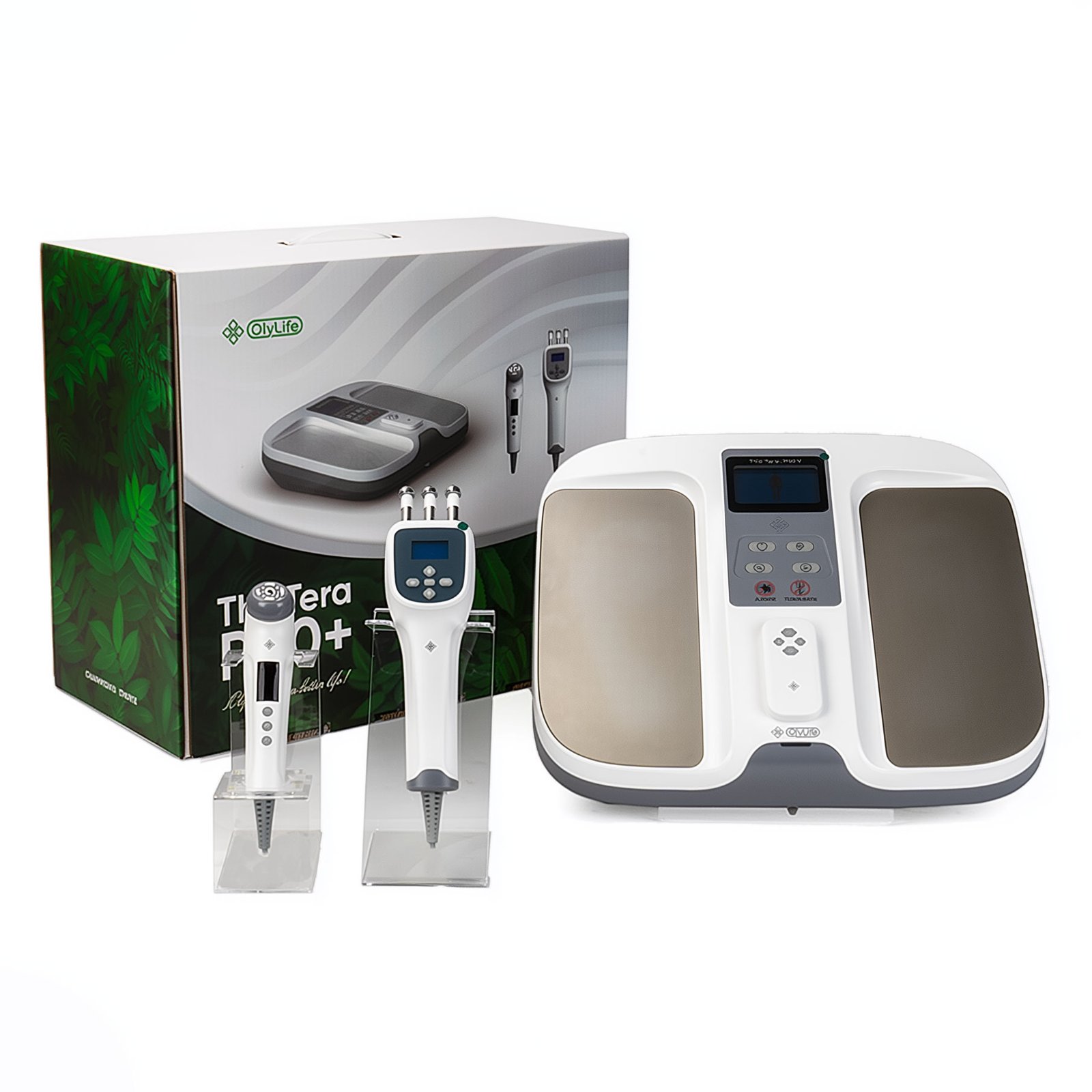
Support Your Pain Relief Journey Naturally
Experience the power of advanced PEMF and terahertz technology in one portable device. The Tera-P90+ may support your natural pain relief journey with multi-frequency therapy you can use at home.
Frequently Asked Questions About PEMF Therapy for Pain

Is PEMF therapy safe for pain relief?
PEMF therapy is widely considered safe and non-invasive. It has been studied for decades and has a strong safety profile. However, PEMF is generally not recommended for people with active implanted electronic devices (such as pacemakers), during pregnancy, or for those with active bleeding conditions. Always consult your healthcare provider before beginning any new wellness therapy.
How long does it take for PEMF therapy to help with pain?
Results vary depending on the type and severity of pain, the device used, and individual factors. Some people report feeling relief during or immediately after their first session, while others may need 2–4 weeks of consistent daily use to notice meaningful improvements. Chronic conditions typically take longer than acute pain.
Can I use PEMF therapy alongside my current pain medications?
In most cases, yes. PEMF therapy is a non-pharmacological approach and generally does not interfere with medications. However, some people find they can gradually reduce their reliance on pain medications over time with consistent PEMF use. Always work with your healthcare provider before adjusting any medication regimen.
How often should I use PEMF therapy for pain?
Most practitioners recommend 1–3 sessions daily, each lasting 15–30 minutes. Consistency is more important than session length. Daily use typically yields better results than occasional sessions. The optimal frequency and duration may vary based on your specific condition and device specifications.
Does PEMF therapy work for all types of pain?
PEMF therapy shows the strongest research support for musculoskeletal pain conditions, including osteoarthritis, back pain, and fibromyalgia. While it may support relief for other pain types, results can vary. It’s best viewed as one component of a comprehensive pain management approach rather than a standalone solution for all pain conditions.
What does PEMF therapy feel like during a session?
Most people feel a gentle warmth, a mild tingling sensation, or simply a sense of relaxation during PEMF sessions. Some people feel nothing at all during the session but notice improvements afterward. The therapy is generally comfortable and painless — if you experience any discomfort, reduce the intensity or session length.
Can PEMF therapy replace medical treatment for pain?
PEMF therapy is best used as a complementary approach alongside — not as a replacement for — professional medical care. If you’re experiencing chronic or severe pain, consult with a healthcare provider to develop a comprehensive treatment plan. PEMF can be a valuable addition to your pain management toolkit, but it should not delay necessary medical evaluation or treatment.
What’s the difference between PEMF and static magnets for pain?
Static magnets (found in bracelets, mattress pads, and shoe inserts) produce a constant, unchanging magnetic field. PEMF devices produce pulsing electromagnetic fields that change rapidly, which is what allows them to interact meaningfully with cellular processes. The scientific evidence supporting PEMF therapy is substantially stronger than for static magnets. To understand this distinction better, read our article on what PEMF means.
Final Thoughts
Living with pain doesn’t have to mean choosing between medication side effects and simply enduring discomfort. PEMF therapy for pain offers a genuinely promising middle path — a non-invasive, drug-free approach that works with your body’s natural healing processes rather than against them.
The research is encouraging, the safety profile is strong, and today’s portable PEMF devices make it easier than ever to incorporate this technology into your daily wellness routine. Whether you’re dealing with chronic back pain, joint stiffness, post-exercise soreness, or the widespread discomfort of fibromyalgia, PEMF therapy may support the relief you’ve been searching for.
As with any wellness approach, consistency and patience are key. Give your body time to respond, combine PEMF with other healthy habits like movement, breathwork, and proper nutrition, and work with your healthcare provider to build a pain management plan that’s right for you.
Your body has remarkable healing potential — sometimes it just needs the right support to unlock it.