FAQ Friday: 5 Common Questions About Mindfulness and Meditation, Answered
Happy Friday! 🌿 Whether you’re curious about meditation or have tried it and felt unsure, you’re not alone. Mindfulness is one of the most talked-about wellness practices — and one of the most misunderstood. Here are five questions we hear most often, answered simply.
1. Do I Need to “Empty My Mind” to Meditate?
This is the biggest myth about meditation. You don’t need to stop thinking — that’s essentially impossible. Mindfulness is about noticing your thoughts without getting swept away by them. Think of it like sitting beside a river: the water (your thoughts) keeps flowing, and your job is simply to watch it pass. Each time you notice your mind wandering and gently bring attention back, that is the practice.
2. How Long Should I Meditate as a Beginner?
Start with just 3–5 minutes. Research suggests that even brief daily meditation sessions may support stress reduction and emotional regulation. Consistency matters more than duration. Once 5 minutes feels comfortable, gradually extend to 10 or 15. There’s no magic number — the best session length is one you’ll actually do every day.
🎁 Get a Free Wellness Gift
Enter your name and email below to receive a special wellness gift from OlyLife — absolutely free!
3. What’s the Difference Between Mindfulness and Meditation?
Mindfulness is a quality of awareness — paying attention to the present moment with curiosity and without judgment. Meditation is a formal practice that helps cultivate mindfulness. You can practice mindfulness anywhere: while walking, eating, or even washing dishes. Seated meditation is simply a dedicated time to strengthen that skill.
4. Can Mindfulness Actually Help With Stress?
Research suggests yes. Studies published in journals like JAMA Internal Medicine have found that mindfulness meditation programs may help reduce anxiety, depression symptoms, and perceived stress. The practice may work by activating the parasympathetic nervous system — your body’s natural “rest and digest” mode. Pairing mindfulness with breathwork techniques may amplify these calming effects.
5. When Is the Best Time to Practice?
The honest answer: whenever you’ll actually do it. That said, many people find morning meditation sets a calm, focused tone for the day. Others prefer an evening session to unwind. If you’re building a morning wellness routine, try pairing a short meditation with some gratitude practice and gentle stretches — even 10 minutes may help you feel more grounded.
Your Friday Wellness Challenge
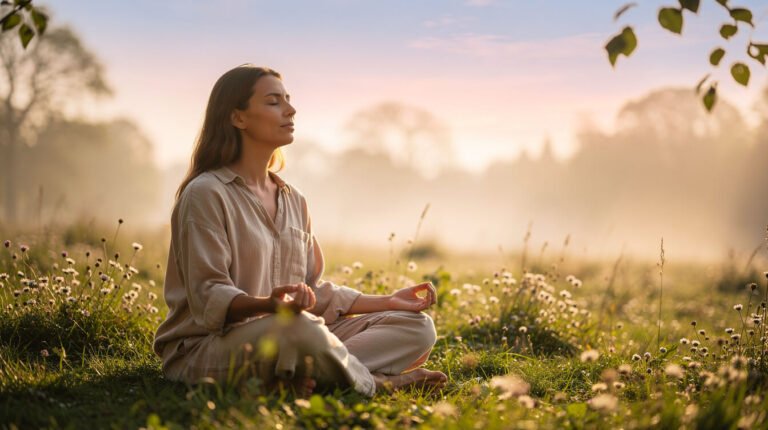
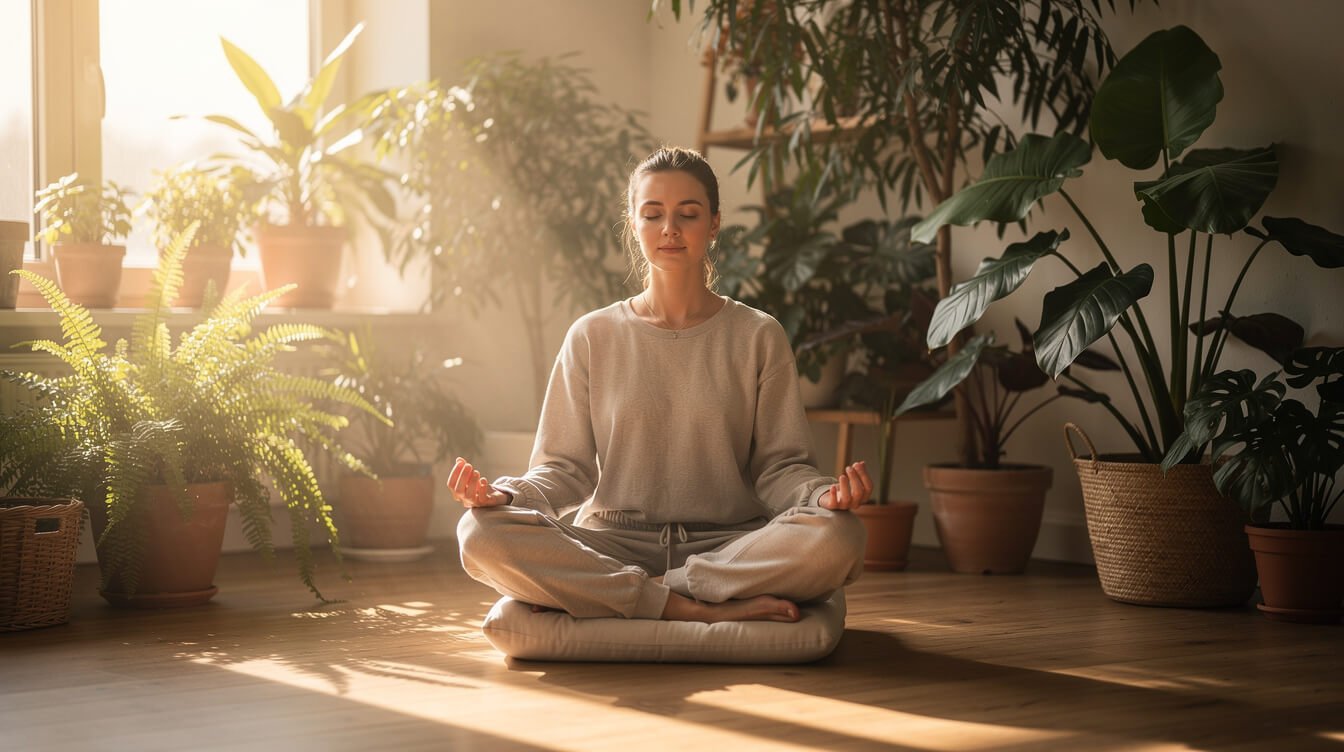
This weekend, try a simple 3-minute meditation: sit comfortably, close your eyes, and focus on the sensation of your breath entering and leaving your nose. When your mind wanders (it will!), gently return your attention to the breath. That’s it. No apps needed, no special equipment — just you and a few quiet minutes. ✨
Mindfulness is a journey, not a destination. Start small, be patient with yourself, and notice how even tiny moments of presence may shift your day.