Fermented foods for gut health have been making headlines — and for good reason. From the tangy crunch of sauerkraut to the creamy richness of yogurt, these ancient foods are now backed by modern science showing they may genuinely transform your digestive wellness. If you’ve been curious about how kimchi, kefir, or miso might support your microbiome, you’re in the right place.
In this comprehensive guide, we’ll explore what fermentation actually does to food, which fermented foods offer the most gut-friendly benefits, and how to incorporate them into your daily routine — whether you’re a complete beginner or looking to deepen your practice. Let’s dive into the science behind one of nature’s oldest wellness strategies.
What Are Fermented Foods and Why Do They Matter for Gut Health?
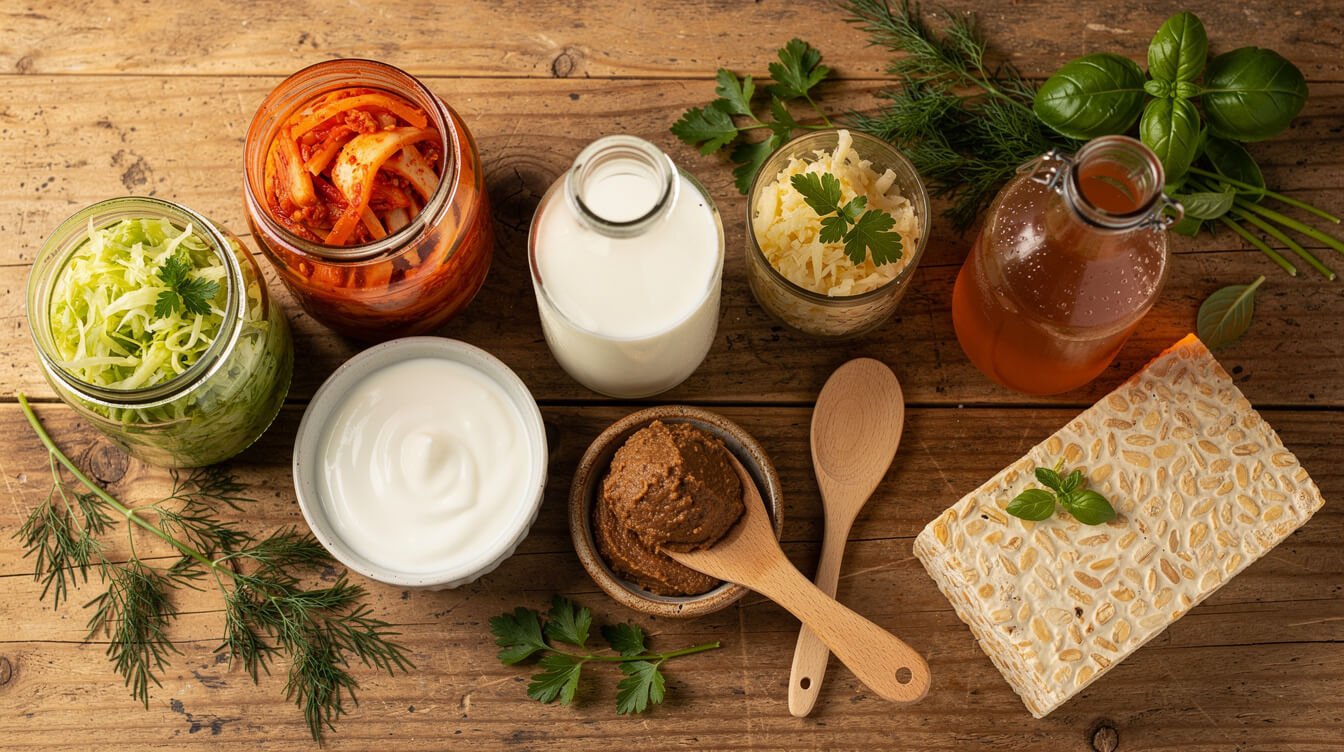
Fermentation is a natural process where microorganisms — including bacteria, yeasts, and molds — transform sugars and starches in food into acids, alcohols, or gases. This ancient preservation technique has been practiced across cultures for thousands of years, from Korean kimchi and Japanese miso to European sauerkraut and Indian lassi.
But fermentation does far more than preserve food. The International Scientific Association of Probiotics and Prebiotics (ISAPP) defines fermented foods as “foods made through desired microbial growth and enzymatic conversions of food components.” During this process, microorganisms create beneficial compounds — including organic acids, short-chain fatty acids, vitamins, and bioactive peptides — that may support your health in ways that unfermented foods simply cannot.
The Gut Microbiome: Your Internal Ecosystem
Your gut houses roughly 38 trillion microorganisms — a community collectively known as the gut microbiome. These bacteria, fungi, and viruses play crucial roles in digestion, immune function, nutrient absorption, and even mood regulation through the gut-brain connection.
When your microbiome is diverse and balanced, digestion runs smoothly, your immune system functions well, and inflammation stays in check. When it’s disrupted — through poor diet, stress, antibiotics, or lack of microbial exposure — you may notice signs of poor gut health like bloating, fatigue, skin issues, or mood changes.
This is where fermented foods come in. They may introduce beneficial live microorganisms directly into your digestive system while also providing the metabolic byproducts that help your existing gut bacteria thrive.
How Fermented Foods Support Your Gut Microbiome
The connection between fermented foods and gut health isn’t just folk wisdom — it’s increasingly supported by rigorous scientific research. Here’s what the science tells us about how these foods may benefit your microbiome.
The Stanford Cell Study: A Landmark Finding
One of the most significant studies on fermented foods and gut health came from Stanford University in 2021, published in the journal Cell. Researchers found that participants who consumed six servings of fermented foods daily for 10 weeks experienced a measurable increase in gut microbiome diversity — one of the strongest indicators of gut health.
Perhaps more remarkably, the fermented food group also showed decreased markers of inflammation, including reduced levels of interleukin-6 (IL-6) and other inflammatory proteins. This was particularly notable because chronic low-grade inflammation is linked to conditions ranging from heart disease to depression.
Probiotics vs. Postbiotics: A Dual Benefit
Fermented foods deliver gut benefits through two complementary pathways:
- Live microorganisms (probiotics): Foods like yogurt, kefir, and raw sauerkraut contain living bacteria that may colonize your gut — even temporarily — and support digestive function. Common strains include Lactobacillus, Bifidobacterium, and Saccharomyces species.
- Metabolic byproducts (postbiotics): Even pasteurized fermented foods offer benefits. During fermentation, microorganisms produce organic acids, B vitamins, vitamin K2, short-chain fatty acids, and bioactive peptides that may support gut barrier integrity and immune function.
This dual mechanism means that both raw and cooked fermented foods have something to offer — a nuance that many articles miss.
Microbiome Diversity: Why It Matters
Research consistently links greater microbial diversity to better health outcomes. A 2019 study in Nature Microbiology found that lower microbial diversity was associated with higher rates of depression and reduced quality of life, while diverse microbiomes correlated with better metabolic health, stronger immunity, and improved mental wellbeing.
Fermented foods are one of the most accessible, whole-food strategies for increasing this diversity — no supplements required.
12 Best Fermented Foods for Gut Health

Not all fermented foods are created equal when it comes to gut benefits. Here are 12 of the best options, ranked by their evidence-backed potential to support your microbiome.
1. Yogurt
The most familiar fermented food in many Western diets, yogurt is produced by fermenting milk with Lactobacillus bulgaricus and Streptococcus thermophilus. Look for varieties labeled “live and active cultures” and opt for plain, unsweetened versions to avoid added sugars that can feed less beneficial gut bacteria. Greek yogurt offers the added benefit of higher protein content.
2. Kefir
Often called “drinkable yogurt,” kefir actually contains a wider variety of beneficial bacteria and yeasts than yogurt — typically 30 or more different strains compared to yogurt’s 2-7. Made from kefir grains (a symbiotic culture of bacteria and yeast), it’s also generally well-tolerated by people with mild lactose sensitivity, as fermentation breaks down much of the lactose.
3. Sauerkraut (Raw, Unpasteurized)
This fermented cabbage dish is a powerhouse of Lactobacillus bacteria. Raw, refrigerated sauerkraut from the health food aisle contains live cultures — unlike shelf-stable versions that have been heat-processed. Beyond probiotics, sauerkraut provides fiber, vitamin C, vitamin K, and iron. One study found that sauerkraut juice contains over 28 distinct bacterial strains.
4. Kimchi
Korea’s national dish combines fermented vegetables (typically napa cabbage and radish) with garlic, ginger, and chili peppers. Research suggests kimchi may support gut health while also providing antioxidants and anti-inflammatory compounds from its spice blend. A 2023 review in Critical Reviews in Food Science and Nutrition highlighted kimchi’s potential to support metabolic health and immune function.
5. Miso
This fermented soybean paste, a staple of Japanese cuisine, is rich in enzymes and beneficial bacteria. While miso is typically consumed cooked in soup (which reduces live cultures), it still provides valuable postbiotic compounds and nutrients including manganese, zinc, and B vitamins. For maximum probiotic benefit, add miso to dishes after cooking rather than boiling it.
6. Tempeh
Made from fermented soybeans bound together by Rhizopus mold, tempeh is a complete protein source that’s also rich in prebiotics — the fiber that feeds beneficial gut bacteria. Fermentation makes soy’s nutrients more bioavailable and reduces anti-nutritional factors like phytic acid. It’s an excellent option for plant-based eaters seeking both protein and gut support.
7. Kombucha
This fermented tea beverage has exploded in popularity, and for good reason. Made using a SCOBY (symbiotic culture of bacteria and yeast), kombucha contains organic acids, B vitamins, and a variety of probiotic strains. Choose varieties with less than 5 grams of sugar per serving and be aware that some commercial brands are heavily sweetened.
8. Fermented Pickles (Naturally Fermented)
True fermented pickles — made with salt brine rather than vinegar — contain live Lactobacillus cultures. Look for pickles in the refrigerated section labeled “naturally fermented” or “lacto-fermented.” Standard vinegar pickles, while tasty, don’t offer the same probiotic benefits.
9. Kvass
This traditional Eastern European fermented beverage, typically made from rye bread or beets, is rich in Lactobacillus bacteria and B vitamins. Beet kvass, in particular, combines the probiotic benefits of fermentation with the nitric oxide-boosting properties of beets — potentially supporting both gut and cardiovascular health.
10. Natto
A Japanese staple made from soybeans fermented with Bacillus subtilis, natto is one of the richest food sources of vitamin K2 — essential for bone and cardiovascular health. It also contains nattokinase, an enzyme researched for its potential to support healthy circulation. The sticky texture and strong flavor are an acquired taste, but the gut benefits are substantial.
11. Apple Cider Vinegar (With the Mother)
Raw, unfiltered apple cider vinegar contains the “mother” — a colony of beneficial bacteria formed during fermentation. While it’s not as probiotic-rich as yogurt or kefir, it contains acetic acid and polyphenols that may support digestive function. Use it in salad dressings or diluted in water before meals.
12. Sourdough Bread
True sourdough undergoes long fermentation with wild Lactobacillus and yeast cultures. While baking kills the live bacteria, fermentation pre-digests gluten and phytic acid, making sourdough easier to digest than conventional bread. The fermentation process also produces beneficial compounds that may support gut barrier function — even without live cultures.
How to Add Fermented Foods to Your Daily Routine

Knowing which fermented foods to eat is one thing — actually building them into your daily routine is another. Here’s a practical, sustainable approach to increasing your fermented food intake.
Start Low, Go Slow
If you’re new to fermented foods, your gut may need time to adjust. Begin with one small serving per day — a tablespoon of sauerkraut, a few ounces of kefir, or a small bowl of miso soup. Gradually increase over 2-3 weeks as your digestive system adapts. Jumping straight to six servings daily (as in the Stanford study) can cause temporary bloating or gas.
The Daily Fermented Foods Schedule
Once you’ve adapted, aim for 2-3 servings daily across different meals. Here’s a sample day:
- Morning: Plain yogurt or kefir with fruit and nuts, or sourdough toast with avocado
- Lunch: A side of kimchi or sauerkraut with your main meal, or miso soup as a starter
- Afternoon: A small glass of kombucha as a refreshing alternative to sugary drinks
- Dinner: Tempeh stir-fry, or a drizzle of apple cider vinegar dressing on your salad
Diversity Is Key
Just as your gut microbiome thrives on diversity, varying your fermented food sources introduces a wider range of beneficial microorganisms. The Stanford study emphasized that it was the variety of fermented foods — not just the volume — that drove the most significant microbiome improvements. Rotate through different options throughout the week.
Pair with Prebiotic-Rich Foods
Prebiotics are the fibers that feed beneficial gut bacteria. Pairing fermented foods with prebiotic-rich foods creates a synbiotic effect — you’re introducing good bacteria and giving them fuel simultaneously. Excellent prebiotic sources include garlic, onions, asparagus, bananas, oats, and Jerusalem artichokes.
Supporting your gut through food is just one piece of the wellness puzzle. Regular walking, stress-reducing breathwork, and adequate sleep all contribute to a healthier gut environment. When your body is calm and well-rested, your digestive system functions at its best.
🎁 Get a Free Wellness Gift
Enter your name and email below to receive a special wellness gift from OlyLife — absolutely free!
Making Fermented Foods at Home: A Beginner’s Guide
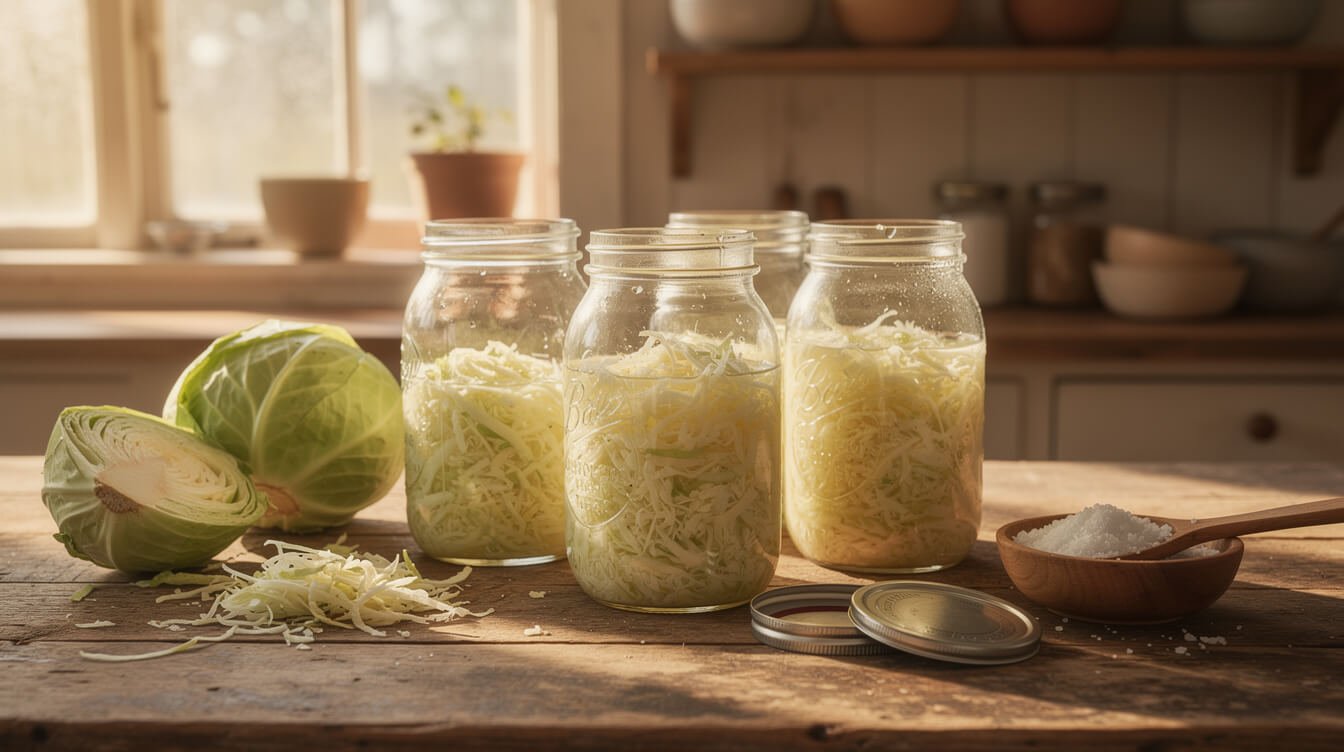
Home fermentation is simpler than most people realize — and it gives you control over ingredients, fermentation time, and flavor. Here are three beginner-friendly recipes to get you started.
Simple Sauerkraut (7-14 Days)
You only need two ingredients: cabbage and salt.
- Finely shred one medium head of cabbage and place in a large bowl
- Add 1 tablespoon of sea salt and massage firmly for 5-10 minutes until the cabbage releases liquid
- Pack tightly into a clean glass jar, pressing down so the brine covers the cabbage
- Cover loosely and leave at room temperature (65-75°F) for 7-14 days
- Taste periodically — transfer to the refrigerator when it reaches your desired tanginess
Pro tip: The key to successful fermentation is keeping the vegetables submerged below the brine. Use a small plate or fermentation weight to hold them down. If you see white film (kahm yeast) on the surface, simply skim it off — it’s harmless.
Water Kefir (24-48 Hours)
Water kefir grains ferment sugar water into a lightly fizzy, probiotic-rich beverage — perfect if you’re dairy-free.
- Dissolve 3 tablespoons of sugar in 4 cups of warm water, then cool to room temperature
- Add 3 tablespoons of water kefir grains
- Cover with a cloth and rubber band, ferment at room temperature for 24-48 hours
- Strain out the grains (they can be reused indefinitely) and enjoy plain or with fruit juice
Coconut Yogurt (12-24 Hours)
For a dairy-free probiotic option, ferment full-fat coconut milk with a high-quality probiotic capsule or yogurt starter culture. Combine in a clean jar, keep warm (around 110°F — a warm oven with just the light on works well), and ferment for 12-24 hours until thickened and tangy.
The connection between your gut and nervous system means that nurturing your microbiome through fermented foods may also support emotional resilience and stress response — yet another reason to make these foods a regular part of your routine.

Support Your Gut-Brain Wellness
The Tera-P90+ combines PEMF and terahertz technology to support your body’s natural recovery processes — including the vagus nerve pathway that connects your gut and brain.
Who Should Be Cautious with Fermented Foods?

While fermented foods are generally safe and beneficial for most people, certain individuals should approach them with care.
Histamine Sensitivity
Fermented foods naturally contain histamine and other biogenic amines. If you experience headaches, skin flushing, nasal congestion, or digestive discomfort after eating aged cheeses, wine, or fermented foods, you may have histamine intolerance. In this case, start with lower-histamine options like fresh yogurt or coconut kefir, and avoid aged or heavily fermented foods like aged cheese, kombucha, and fish sauce.
SIBO (Small Intestinal Bacterial Overgrowth)
If you’ve been diagnosed with SIBO, introducing additional bacteria through fermented foods may temporarily worsen symptoms like bloating, gas, and abdominal pain. Work with a healthcare practitioner to address the overgrowth first, then gradually reintroduce fermented foods during the rebuilding phase.
Compromised Immune Function
People who are immunocompromised — whether from medication, chemotherapy, or underlying conditions — should consult their healthcare provider before consuming raw fermented foods containing live cultures. Cooked fermented foods (like miso soup or tempeh) are generally a safer starting point.
Medication Interactions
Certain fermented foods may interact with medications. Tyramine-rich fermented foods (aged cheese, soy sauce, fermented sausages) can cause dangerous blood pressure spikes in people taking MAO inhibitor antidepressants. Vitamin K2 in natto may interact with blood-thinning medications like warfarin. Always discuss dietary changes with your doctor if you take prescription medications.
Taking a holistic approach to wellness — combining fermented foods with practices like grounding, nervous system regulation, and gentle movement — may support your body’s natural healing processes from multiple angles. Some wellness enthusiasts also explore PEMF therapy devices like the Tera-P90+, which uses pulsed electromagnetic fields at low frequencies that may support vagus nerve activation and, by extension, the gut-brain axis that influences your microbiome health.
Frequently Asked Questions About Fermented Foods and Gut Health

How long does it take for fermented foods to improve gut health?
Most research suggests you may notice digestive improvements within 2-4 weeks of consistent daily consumption. The Stanford Cell study showed measurable microbiome diversity changes after 10 weeks. However, individual results vary based on your starting gut health, the variety of fermented foods consumed, and overall dietary patterns. Consistency matters more than quantity.
Can I get the same benefits from probiotic supplements?
Probiotic supplements typically contain 1-10 specific strains, while fermented foods may deliver dozens of strains along with prebiotics, postbiotics, vitamins, and minerals that supplements can’t replicate. Research suggests whole fermented foods may offer broader benefits than isolated probiotic strains. That said, specific clinical conditions may benefit from targeted probiotic supplementation — discuss with your healthcare provider.
Are pasteurized fermented foods still beneficial?
Yes, though in different ways. Pasteurization kills live cultures, but fermented foods still retain beneficial postbiotic compounds — organic acids, vitamins, bioactive peptides, and pre-digested nutrients — that support gut health. Cooked miso soup and baked sourdough bread, for example, no longer contain live bacteria but still offer digestive benefits from fermentation byproducts.
How many servings of fermented foods should I eat daily?
The Stanford study used six servings daily to achieve significant results, but most nutrition experts suggest 2-3 servings daily as a practical, sustainable target. One serving equals roughly ½ cup of yogurt or kefir, ¼ cup of sauerkraut or kimchi, 1 cup of kombucha, or 1 tablespoon of miso paste. Start with one serving and gradually increase.
Can fermented foods help with bloating?
For many people, yes — fermented foods may reduce bloating over time by improving microbial balance and digestive enzyme activity. However, when you first start eating fermented foods, you may experience temporary increased bloating as your gut adjusts to new bacterial populations. This typically resolves within 1-2 weeks. If bloating persists or worsens, reduce your intake and increase more gradually.
Do fermented foods help with weight management?
Emerging research suggests a connection between gut microbiome diversity and healthy weight maintenance. A 2021 review in Nutrients found that regular fermented food consumption was associated with lower BMI and reduced visceral fat. While fermented foods alone won’t cause weight loss, they may support metabolic health as part of a balanced diet and active lifestyle that includes regular zone 2 cardio and strength training.
Is kombucha as healthy as other fermented foods?
Kombucha offers probiotic benefits, but the sugar content varies dramatically between brands — some contain as much sugar as soda. Choose brands with less than 5 grams of sugar per serving, or better yet, brew your own to control sweetness. While kombucha provides beneficial organic acids and some probiotic strains, foods like kefir and sauerkraut generally offer a wider variety of beneficial microorganisms per serving.
Can children eat fermented foods?
Yes — many cultures introduce fermented foods to children from an early age. Plain yogurt is often one of the first foods recommended for babies over 6 months. For older children, small portions of kefir, mild sauerkraut, or miso soup can be excellent additions to their diet. Avoid kombucha for young children due to its trace alcohol content (typically 0.5% or less).
Final Thoughts: Small Bites, Big Impact
Fermented foods for gut health represent one of the simplest, most accessible wellness strategies available — one that cultures around the world have practiced for millennia. The modern science now catching up to this ancient wisdom confirms what traditional healers have long understood: nurturing the trillions of microorganisms in your gut may be one of the most impactful things you can do for your overall wellbeing.
You don’t need to overhaul your entire diet overnight. Start with one fermented food you genuinely enjoy, make it a daily habit, and gradually expand your repertoire. Whether it’s a morning kefir smoothie, a lunchtime serving of kimchi, or an evening miso soup, each serving is an investment in your gut health — and by extension, your immune function, mood, energy, and vitality.
Your gut microbiome is a living ecosystem that responds to what you feed it. Choose to feed it well, and it may reward you with better digestion, stronger immunity, and a deeper sense of wellness that radiates outward. Combined with holistic practices like breathwork, grounding, and regular movement, a fermented-food-rich diet becomes part of a complete wellness lifestyle that supports your body from the inside out.