
Are you tired of feeling tired? You’re not alone. Millions of people struggle with restless nights, groggy mornings, and that frustrating gap between wanting to sleep well and actually doing it. The solution often isn’t a pill or an expensive gadget — it’s a set of practical, evidence-informed sleep hygiene tips that help your body do what it’s naturally designed to do: rest, repair, and recharge.
In this comprehensive guide, we’ll walk through every dimension of healthy sleep hygiene — from optimizing your bedroom environment and daily habits to the foods, mind-body techniques, and common mistakes that make the difference between a restless night and truly restorative sleep. Whether you’re a lifelong light sleeper or simply looking to sharpen your routine, these sleep hygiene tips are your roadmap to waking up refreshed.
What Is Sleep Hygiene and Why Does It Matter?

If you’ve ever tossed and turned through a restless night, you already know how much poor sleep affects everything — your energy, your mood, your ability to focus, and even your long-term health. Sleep hygiene tips are the daily habits, routines, and environmental adjustments that set your body up for consistently restful, restorative sleep.
Think of sleep hygiene the way you think about dental hygiene. You wouldn’t expect healthy teeth without brushing and flossing regularly. Similarly, quality sleep doesn’t just happen — it’s the result of intentional practices that signal your brain and body that it’s time to wind down, rest, and repair.
Research suggests that adults who follow consistent sleep hygiene practices fall asleep faster, wake up less during the night, and report higher overall sleep satisfaction. The Centers for Disease Control and Prevention (CDC) estimates that roughly one in three American adults doesn’t get the recommended seven to nine hours of sleep per night — and poor sleep hygiene is one of the most common and correctable contributing factors.
The good news? Unlike many health challenges, improving your sleep hygiene doesn’t require expensive equipment, medications, or drastic lifestyle changes. Most of the tips in this guide are simple adjustments you can start implementing tonight. Whether you’re dealing with occasional restlessness or chronic difficulty sleeping, these evidence-informed strategies may help you reclaim the deep, nourishing rest your body craves.
Sleep Hygiene Tips for Optimizing Your Bedroom Environment
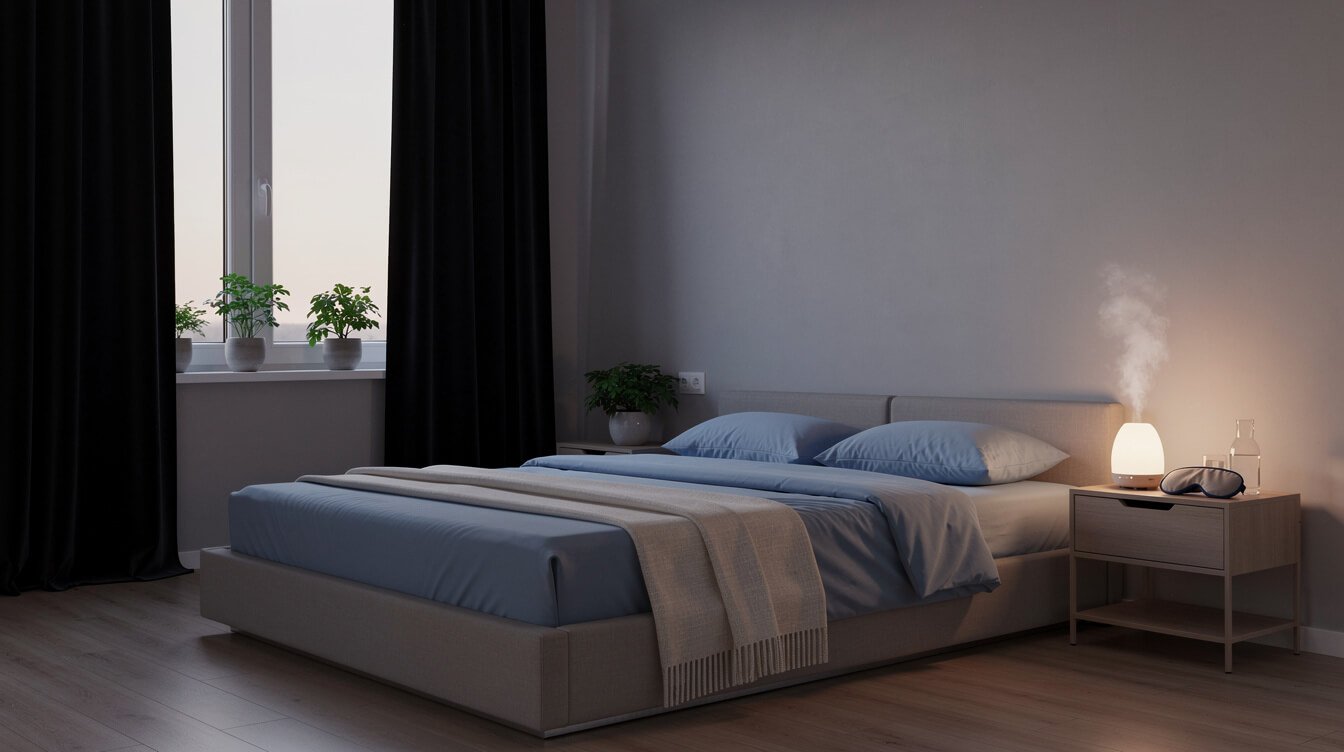
Your bedroom environment plays a surprisingly powerful role in how quickly you fall asleep and how deeply you stay asleep. Small changes to temperature, light, and sound can make a significant difference in your overall sleep quality.
Keep Your Room Cool
Your body’s core temperature naturally drops as you prepare for sleep. Research suggests that a bedroom temperature between 60°F and 67°F (15°C–19°C) supports this natural cooling process and may help you fall asleep faster. If your room is too warm, your body has to work harder to regulate its temperature, which can lead to restlessness and frequent waking.
Control Light Exposure
Light is your circadian rhythm’s most powerful cue. Even small amounts of ambient light — from streetlamps, electronic devices, or hallway lights — can suppress melatonin production and interfere with deep sleep cycles. Consider these adjustments:
- Blackout curtains or shades — block external light sources completely
- Remove or cover LED indicators — those tiny standby lights on electronics add up
- Use a sleep mask — an affordable solution if you can’t fully darken your room
- Switch to warm-toned nightlights — if you need some light for safety, choose amber or red tones that don’t suppress melatonin
Minimize Noise Disruptions
Sudden changes in noise levels — a dog barking, traffic, a partner snoring — are more likely to wake you than consistent background sound. White noise machines, fans, or nature sound apps create a steady auditory backdrop that masks disruptive noises. If you’re curious about how sound frequencies may support relaxation, our guide to therapeutic sound vibrations explores this topic in depth.
Choose the Right Bedding
Your mattress and pillows should support your preferred sleeping position without creating pressure points. Natural fiber sheets — cotton, linen, or bamboo — tend to breathe better than synthetic materials, helping regulate body temperature throughout the night. If you wake up with aches or stiffness, your bedding may be due for an upgrade.
Reserve Your Bed for Sleep
One of the most effective sleep hygiene tips is deceptively simple: use your bed only for sleep and intimacy. Working, scrolling, eating, or watching television in bed trains your brain to associate the bedroom with wakefulness. Over time, this weakens the mental connection between “bed” and “sleep,” making it harder to drift off when you actually want to rest.
Sleep Hygiene Tips for Your Daily Habits and Routine

What you do during the day profoundly influences how well you sleep at night. These habit-based sleep hygiene tips create a foundation for consistent, restorative rest.
Set a Consistent Sleep Schedule
Going to bed and waking up at roughly the same time every day — including weekends — is perhaps the single most impactful sleep hygiene habit you can develop. Your body’s internal clock (circadian rhythm) thrives on consistency. When you vary your sleep and wake times by more than an hour, you create a form of “social jet lag” that disrupts your natural sleep-wake cycle.
Practical tip: Set a bedtime alarm 30 minutes before your target sleep time. This reminds you to start winding down rather than getting absorbed in one more episode or one more chapter.
Get Morning Sunlight
Exposure to bright natural light within the first 30 to 60 minutes of waking is one of the most powerful ways to anchor your circadian rhythm. Morning sunlight tells your brain to suppress melatonin and boost alertness hormones, which in turn helps your body release melatonin at the right time come evening. Even 10 to 15 minutes of outdoor light on a cloudy day provides enough lux to trigger this response.
Move Your Body — But Time It Right
Regular physical activity is consistently associated with better sleep quality. Studies suggest that moderate aerobic exercise — walking, swimming, cycling — may reduce the time it takes to fall asleep and increase total sleep time. However, timing matters:
- Morning or afternoon exercise tends to offer the greatest sleep benefits
- Vigorous exercise within 2 hours of bedtime can elevate core body temperature and stimulate adrenaline, making it harder to wind down
- Gentle evening movement — yoga, stretching, or a slow walk — is generally fine and may even promote relaxation
Be Strategic About Caffeine and Alcohol
Caffeine has a half-life of approximately five to six hours, meaning half of your afternoon coffee is still circulating in your system at bedtime. Most sleep researchers recommend a caffeine cutoff of early to mid-afternoon — around 1:00 to 2:00 PM for most people.
Alcohol is trickier. While a glass of wine may make you feel drowsy, alcohol fragments sleep architecture, reducing REM sleep and increasing nighttime awakenings. If you enjoy an evening drink, try finishing it at least three hours before bed and pairing it with food and water.
Limit Naps Wisely
Short naps of 20 to 30 minutes can boost alertness without interfering with nighttime sleep. However, napping after 3:00 PM or sleeping longer than 30 minutes during the day can reduce your body’s natural sleep drive, making it harder to fall asleep at night. If you’re struggling with nighttime sleep, consider eliminating daytime naps temporarily to rebuild that sleep pressure.
Natural Sleep-Promoting Foods and Nutrients

What you eat — and when you eat it — can meaningfully influence your sleep quality. Certain nutrients play direct roles in the biochemical processes that regulate sleep, and incorporating them into your evening routine may support better rest.
Magnesium — The Relaxation Mineral
Magnesium supports over 300 enzymatic processes in your body, including those involved in nervous system regulation and muscle relaxation. Research suggests that magnesium supplementation may improve sleep quality, particularly in older adults and those with low magnesium levels. Food sources include:
- Dark leafy greens (spinach, Swiss chard)
- Pumpkin seeds and almonds
- Dark chocolate (in moderation)
- Avocado and bananas
Tryptophan-Rich Foods
Tryptophan is an amino acid that your body converts into serotonin and then melatonin — the hormone that signals sleepiness. Foods naturally rich in tryptophan include turkey, chicken, eggs, cheese, nuts, and seeds. Pairing tryptophan-rich foods with complex carbohydrates (like whole grains or sweet potato) may enhance absorption.
Tart Cherry Juice
Tart cherries are one of the few natural food sources of melatonin. Several small studies suggest that drinking tart cherry juice in the evening may modestly increase sleep time and sleep efficiency. It’s a gentle, natural option worth exploring if you enjoy the flavor.
Herbal Teas for Wind-Down
A warm cup of herbal tea is both a sleep-promoting ritual and a source of calming plant compounds. Traditional options include:
- Chamomile — contains apigenin, a flavonoid that binds to receptors in the brain associated with relaxation
- Valerian root — traditionally used as a natural sleep aid, though research results are mixed
- Passionflower — may increase GABA levels in the brain, promoting calm
- Lavender — research suggests lavender tea may reduce anxiety and improve sleep quality
If you’re interested in a deeper look at how natural approaches may support your body’s detoxification and recovery processes — including during sleep — our complete guide to natural detoxification covers evidence-informed methods you can try at home.
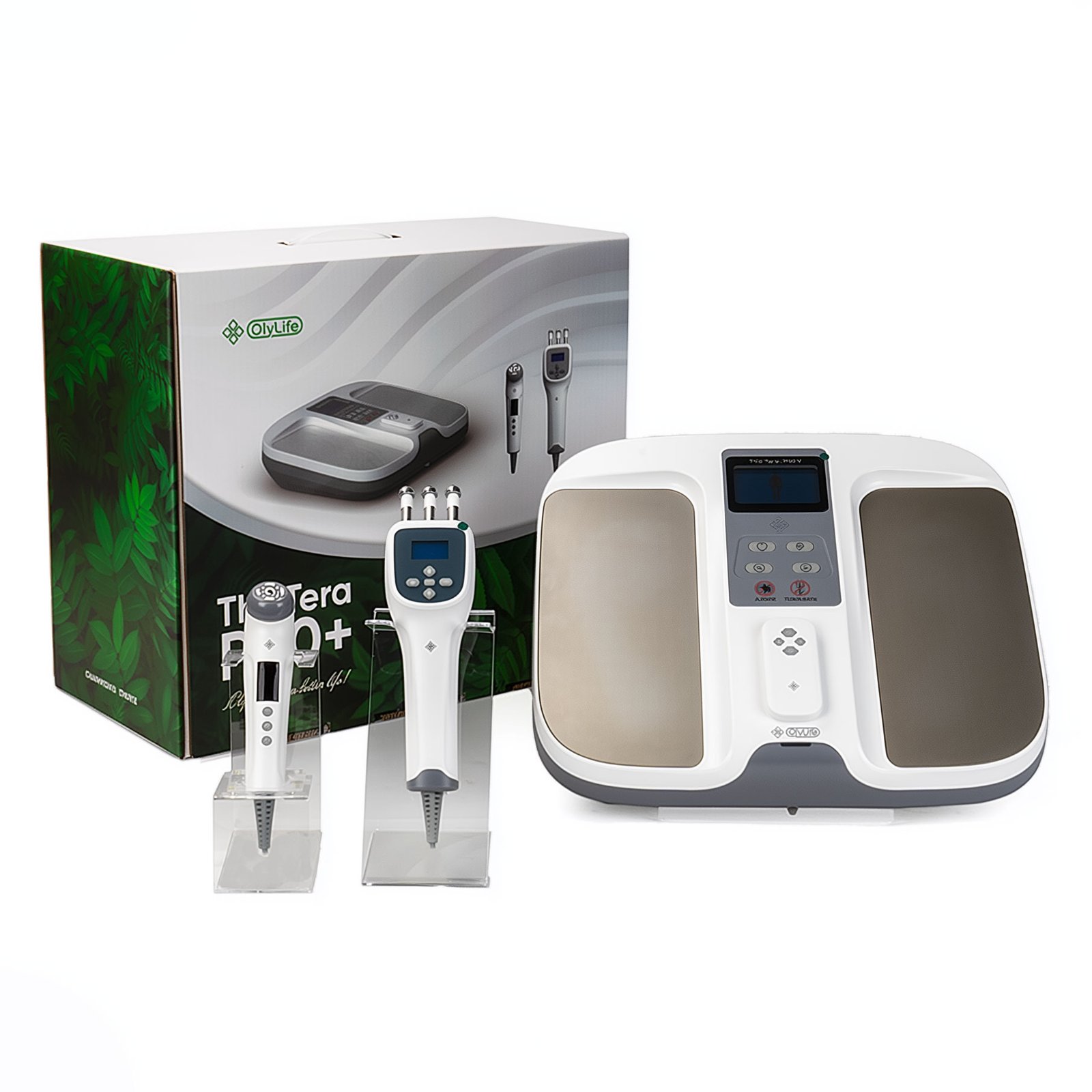
Beyond nutrition, some people find that supporting their body’s natural relaxation response through gentle therapeutic technologies may complement a healthy sleep routine. The OlyLife Tera-P90+ uses PEMF (pulsed electromagnetic field) technology, which research suggests may support relaxation and help the body prepare for restful sleep.
Foods to Avoid Before Bed
Just as some foods support sleep, others can sabotage it. In the two to three hours before bed, try to limit:
- Heavy, rich, or spicy meals — these can cause discomfort and acid reflux when lying down
- Sugary snacks — blood sugar spikes and crashes can trigger nighttime waking
- Large fluid intake — to minimize middle-of-the-night bathroom trips
Mind-Body Sleep Hygiene Tips for Deeper Rest
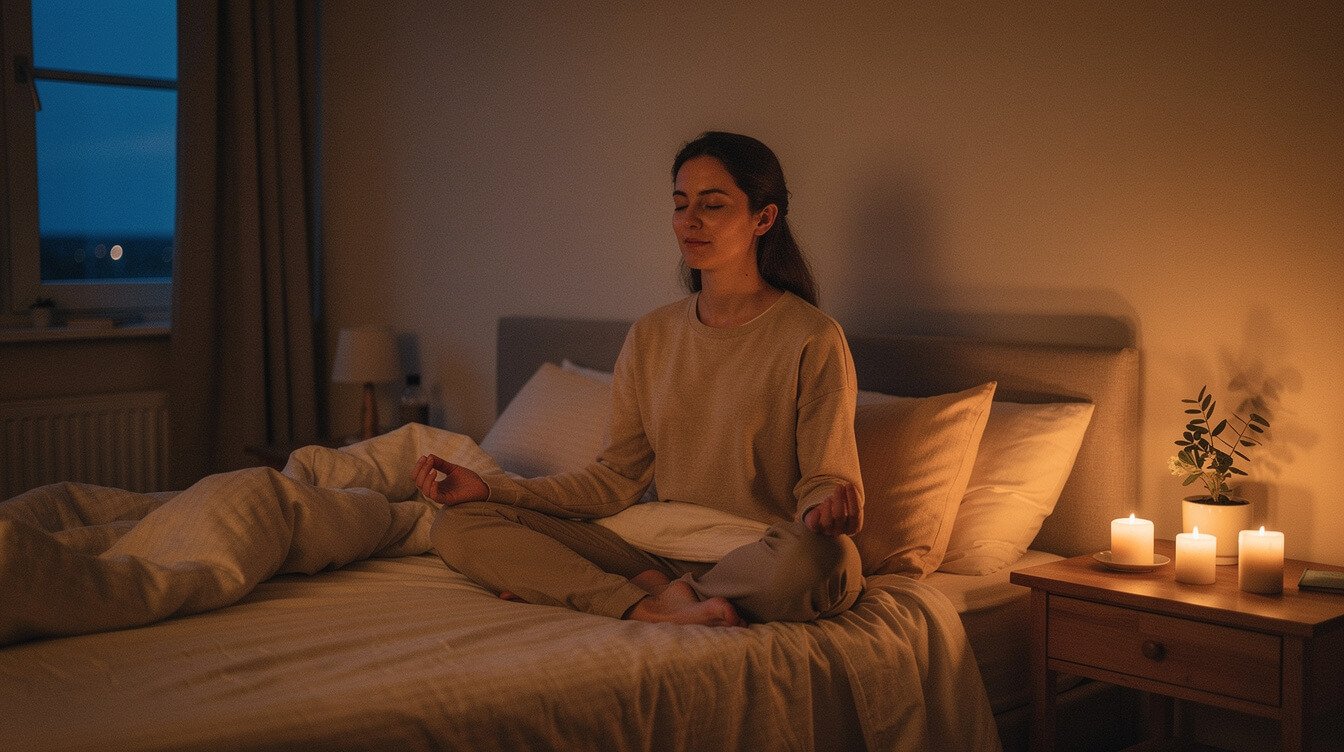
An overactive mind is one of the most common barriers to falling asleep. These mind-body techniques help quiet mental chatter and activate your parasympathetic nervous system — the “rest and digest” mode that prepares your body for sleep.
Create a Wind-Down Routine
A consistent pre-sleep routine lasting 30 to 60 minutes signals to your brain that the day is ending. Choose two or three calming activities and perform them in the same order each night. Options include:
- Reading a physical book (not a screen)
- Taking a warm bath or shower
- Gentle stretching or restorative yoga
- Journaling or writing a gratitude list
- Listening to calming music or a sleep meditation
Practice Deep Breathing
Slow, diaphragmatic breathing activates the vagus nerve and shifts your nervous system from sympathetic (“fight or flight”) to parasympathetic (“rest and digest”). Try the 4-7-8 technique:
- Inhale quietly through your nose for 4 counts
- Hold your breath for 7 counts
- Exhale slowly through your mouth for 8 counts
- Repeat 3 to 4 cycles
For more breathwork techniques that may support relaxation, explore our guide to simple breathwork techniques.
Try a Body Scan Meditation
Body scan meditation involves slowly directing your attention to each part of your body, noticing sensations without judgment, and consciously releasing tension. Start at your toes and work upward to the crown of your head. This practice helps redirect racing thoughts toward physical awareness, which naturally calms the mind. If you’re new to meditation, our complete guide to meditation benefits is a great place to start.
Write Your Worries Down
If anxious thoughts tend to spiral when your head hits the pillow, try a “brain dump” before bed. Spend five minutes writing down everything on your mind — tasks for tomorrow, worries, random thoughts. Research suggests that the physical act of writing transfers these concerns from your working memory onto paper, reducing cognitive arousal and helping you fall asleep faster.
Manage Screen Time
Blue light from phones, tablets, and computers suppresses melatonin production and tricks your brain into thinking it’s still daytime. Aim to power down screens at least 60 minutes before bed. If that’s not realistic, use blue-light filtering glasses or enable “night mode” on your devices — though reducing screen content that’s mentally stimulating (news, social media, work emails) is equally important.
Support Your Nightly Wind-Down
The OlyLife Tera-P90+ combines PEMF and terahertz frequency technology to support relaxation and whole-body wellness — a gentle companion for your evening self-care routine.
🎁 Get a Free Wellness Gift
Enter your name and email below to receive a special wellness gift from OlyLife — absolutely free!
Common Sleep Hygiene Mistakes to Avoid
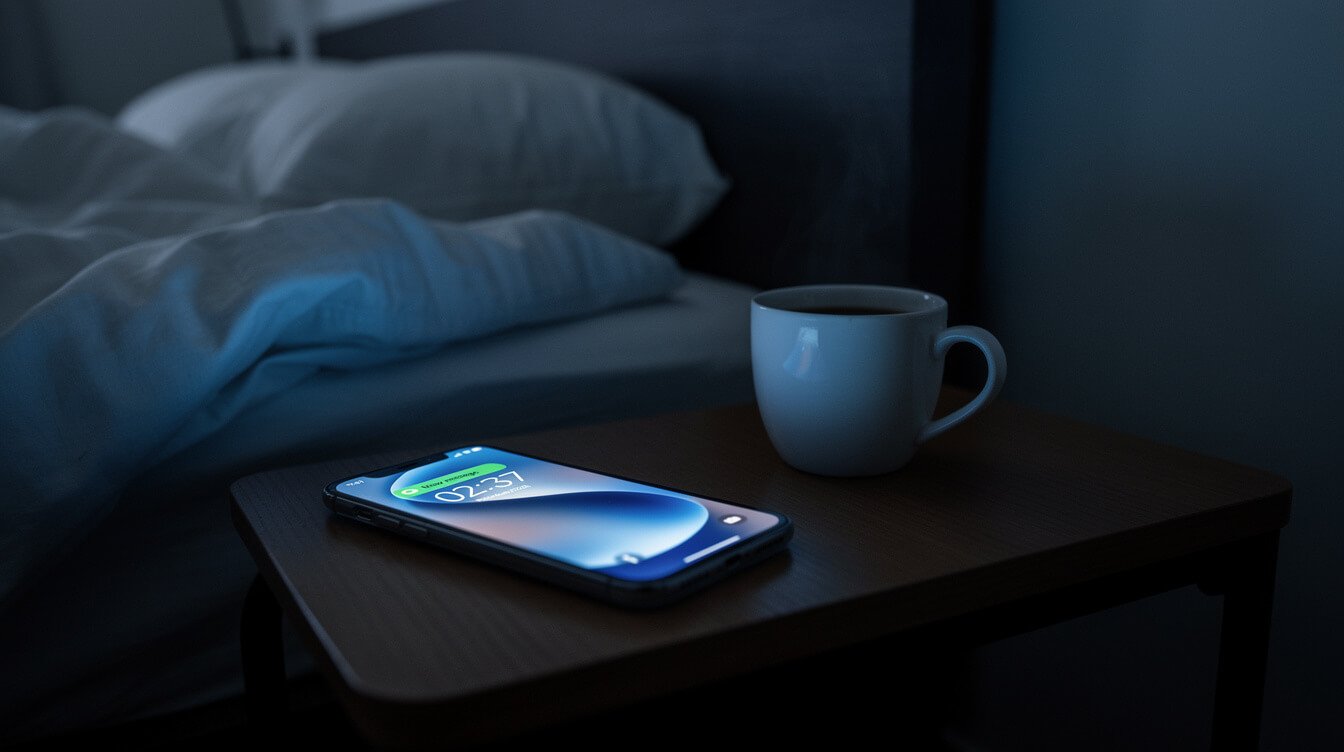
Even well-intentioned sleepers sometimes fall into habits that undermine their sleep quality. Recognizing these common mistakes is the first step toward correcting them.
Staying in Bed When You Can’t Sleep
If you’ve been lying awake for more than 20 minutes, staying in bed can actually reinforce the association between your bed and wakefulness. Sleep specialists recommend the “20-minute rule”: get up, move to another room, and do something calm (reading, gentle stretching, deep breathing) until you feel drowsy, then return to bed. This retrains your brain to associate bed with falling asleep, not lying awake.
Inconsistent Weekend Sleep Patterns
Sleeping in two or three extra hours on Saturday and Sunday feels restorative, but it disrupts your circadian rhythm in a pattern researchers call “social jet lag.” The Monday morning grogginess many people feel isn’t just psychological — it’s a genuine chronobiological mismatch. Aim to keep weekend wake times within one hour of your weekday schedule.
Using Alcohol as a Sleep Aid
A nightcap may help you fall asleep faster, but alcohol dramatically reduces sleep quality in the second half of the night. It suppresses REM sleep, increases sleep fragmentation, and can worsen sleep apnea symptoms. Over time, relying on alcohol for sleep can create a cycle of dependency that makes natural sleep even harder to achieve.
Relying on Sleeping Pills Long-Term
Over-the-counter and prescription sleep medications have their place for short-term use under medical guidance. However, many sleep aids lose effectiveness over time as your body builds tolerance, and some carry risks of dependency. Behavioral approaches to sleep — like the sleep hygiene tips in this guide — address root causes rather than masking symptoms and are considered first-line treatment by most sleep medicine practitioners.
Clock-Watching
Checking the time when you can’t sleep increases anxiety (“It’s 2:00 AM and I have to be up in four hours!”), which further delays sleep onset. Turn your clock away from view or remove it from the bedroom entirely. Trust your alarm to wake you at the right time and let go of tracking the minutes.
Frequently Asked Questions About Sleep Hygiene Tips

How long does it take for sleep hygiene improvements to work?
Most people notice improvements within one to two weeks of consistently practicing better sleep hygiene. However, if you’ve had disrupted sleep patterns for months or years, it may take three to four weeks for your circadian rhythm to fully recalibrate. Be patient with the process — your body is relearning healthy sleep patterns, and consistency matters more than perfection.
Is it normal to wake up during the night?
Yes. Brief nighttime awakenings are a normal part of healthy sleep architecture. The average adult wakes up several times per night between sleep cycles — most people simply don’t remember these micro-awakenings. The concern arises when you wake up fully and can’t fall back asleep within 15 to 20 minutes, which may indicate that your sleep hygiene, stress levels, or sleep environment need attention.
What’s the best sleep position for quality rest?
Sleep position is largely a matter of personal comfort, but research generally favors sleeping on your side. Side sleeping supports spinal alignment, may reduce snoring and sleep apnea symptoms, and is recommended during pregnancy. Back sleeping works well for people without snoring issues, while stomach sleeping tends to strain the neck and lower back over time.
Can sleep hygiene tips help with insomnia?
Sleep hygiene practices are a foundational component of Cognitive Behavioral Therapy for Insomnia (CBT-I), which is considered the gold standard treatment for chronic insomnia. For many people with mild to moderate sleep difficulties, improved sleep hygiene alone may be sufficient. For persistent insomnia, working with a healthcare provider who specializes in sleep medicine is recommended — sleep hygiene tips provide the foundation, and a professional can help address deeper contributing factors.
Do sleep supplements like melatonin really work?
Melatonin supplements may be helpful for specific situations — jet lag, shift work, or adjusting to a new time zone — because they help recalibrate your circadian clock. However, research on melatonin for general insomnia is mixed, and the quality of over-the-counter supplements varies widely. If you’re considering melatonin, start with a low dose (0.5–1 mg) taken 30 to 60 minutes before bed, and consult your healthcare provider for personalized guidance.
Should I track my sleep with a wearable device?
Sleep trackers can provide useful general insights into sleep duration and patterns. However, they aren’t as accurate as clinical sleep studies, and some people develop “orthosomnia” — anxiety about achieving perfect sleep metrics — which paradoxically worsens sleep quality. Use trackers as a general guide, not a definitive measure, and pay more attention to how you feel during the day than what your device reports.
Final Thoughts — Building Your Personal Sleep Hygiene Routine
Better sleep isn’t about mastering every single tip on this list overnight. It’s about choosing two or three changes that resonate with your lifestyle and practicing them consistently until they become second nature. Then add another one. And another.
Start where it feels easiest. Maybe that’s setting a consistent wake time, even on weekends. Maybe it’s swapping your late-night scroll for a chapter of a book. Perhaps it’s dimming the lights an hour before bed or savoring a cup of chamomile tea as a nightly ritual.
Your body wants to sleep well. It’s wired for rest and recovery. These sleep hygiene tips simply remove the barriers that modern life has placed between you and the deep, restorative sleep you deserve.
If you’re also exploring holistic approaches to support your overall wellness — from PEMF therapy benefits to meditation practices — remember that quality sleep is the foundation everything else builds upon. Prioritize your rest, and watch how every other aspect of your wellbeing follows.
Sweet dreams. 🌿