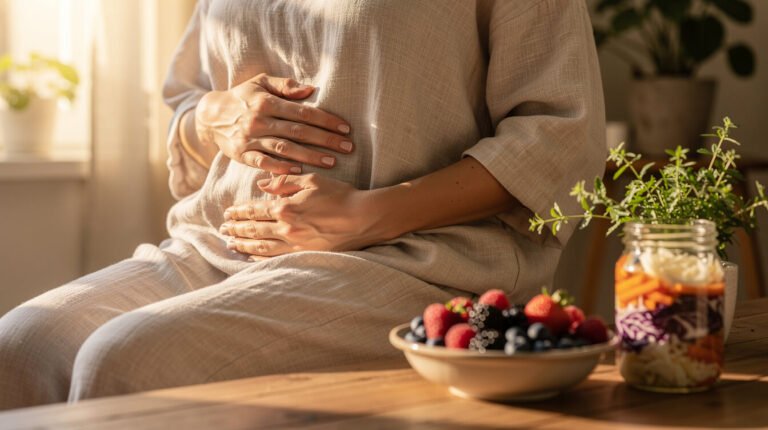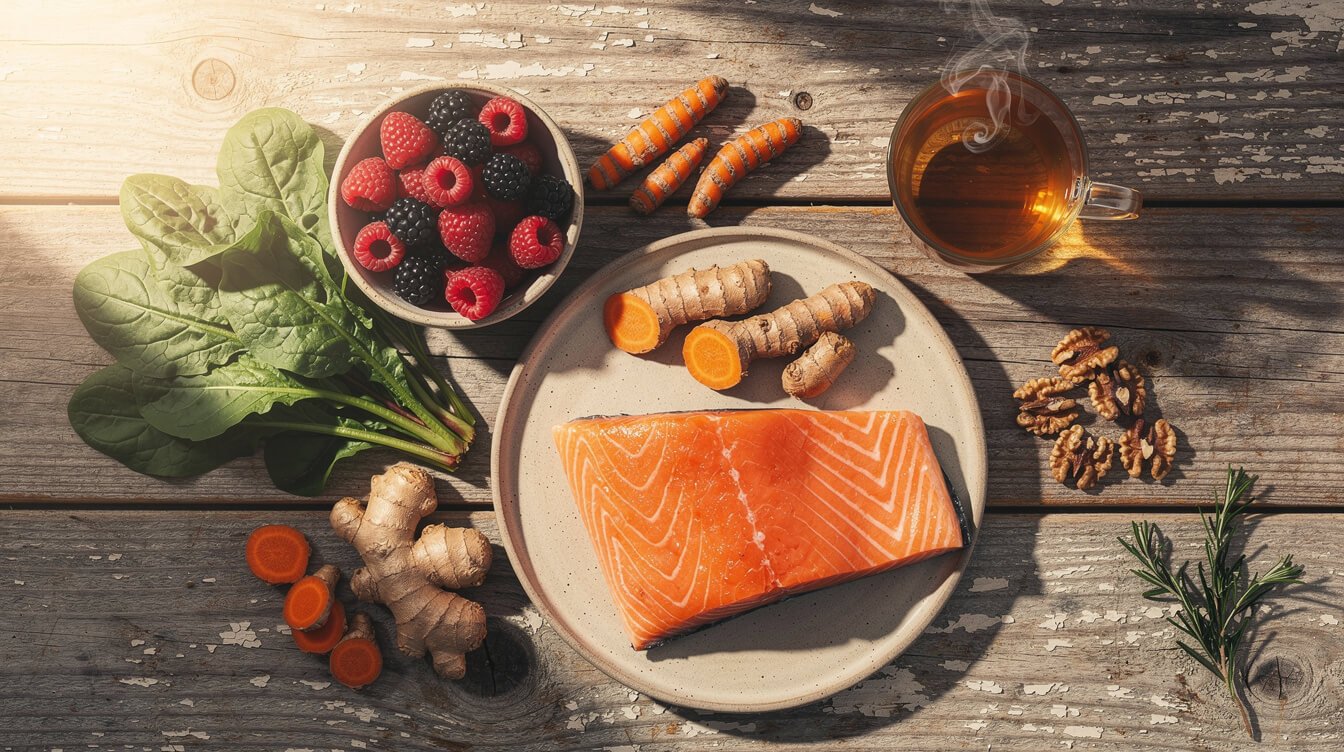
If you’ve ever found yourself curled up with a heating pad wondering whether there’s a better way, you’re not alone. For millions of women, monthly period cramps range from mildly annoying to genuinely debilitating — and while reaching for pain medication is a common response, research suggests that the anti inflammatory foods for period cramps sitting in your kitchen may offer meaningful, natural relief.
The connection between what you eat and how you feel during your cycle is more powerful than most people realize. Inflammatory compounds called prostaglandins are the primary drivers of menstrual pain, and certain foods can either dial that inflammation up or bring it down. In this guide, we’ll walk you through the science behind period cramps, the most effective anti-inflammatory foods to include in your diet, drinks that may soothe discomfort, foods to avoid, and a practical meal plan you can start using right away.
Why Anti-Inflammatory Foods May Help With Period Cramps
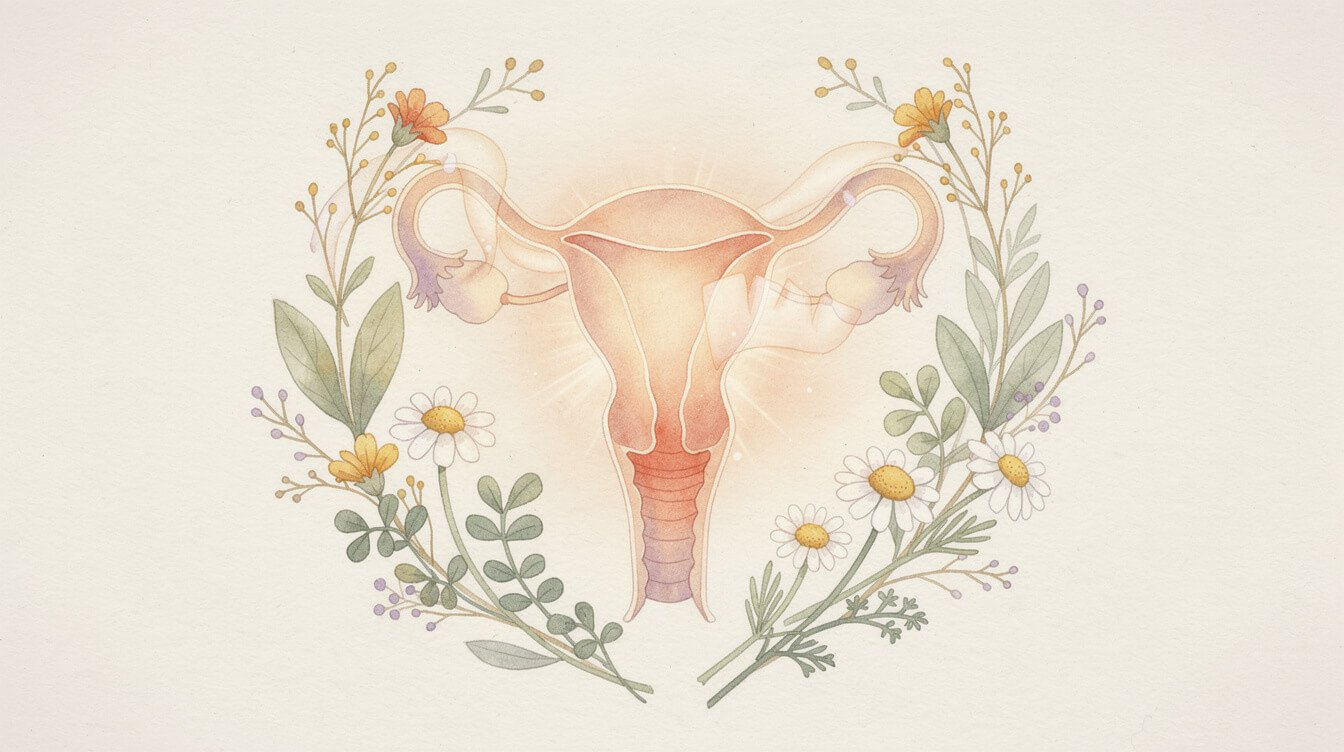
To understand why anti-inflammatory foods may ease period pain, it helps to know what’s actually happening inside your body during menstruation.
The Prostaglandin Connection
Each month, as the uterine lining prepares to shed, cells in the endometrium release chemicals called prostaglandins. These hormone-like compounds trigger uterine muscle contractions that help expel the lining — and they’re also the primary source of cramping pain. Research published in the Journal of Obstetrics and Gynaecology has shown that women who experience more severe cramps tend to have higher levels of prostaglandins in their menstrual fluid.
Here’s the key: prostaglandins are synthesized from arachidonic acid, an omega-6 fatty acid found primarily in animal products and processed foods. When your diet is rich in pro-inflammatory omega-6 fats and low in anti-inflammatory omega-3s, your body produces more of these pain-triggering prostaglandins.
How Food Shifts the Balance
Anti-inflammatory foods work through several mechanisms to potentially reduce period pain:
- Omega-3 fatty acids compete with arachidonic acid for the same enzymes, potentially reducing prostaglandin production
- Antioxidants (like polyphenols and flavonoids) may help neutralize oxidative stress associated with inflammation
- Magnesium may help relax uterine smooth muscle, easing the intensity of contractions
- Fiber-rich foods support healthy estrogen metabolism — excess estrogen can thicken the uterine lining, leading to higher prostaglandin production when it sheds
This isn’t just theory. A 2025 study published in PubMed found a significant association between higher anti-inflammatory food intake and reduced severity of primary dysmenorrhea (period pain). The evidence suggests that dietary changes may be a meaningful complementary approach to managing monthly discomfort.
Top Anti-Inflammatory Foods That May Ease Period Pain
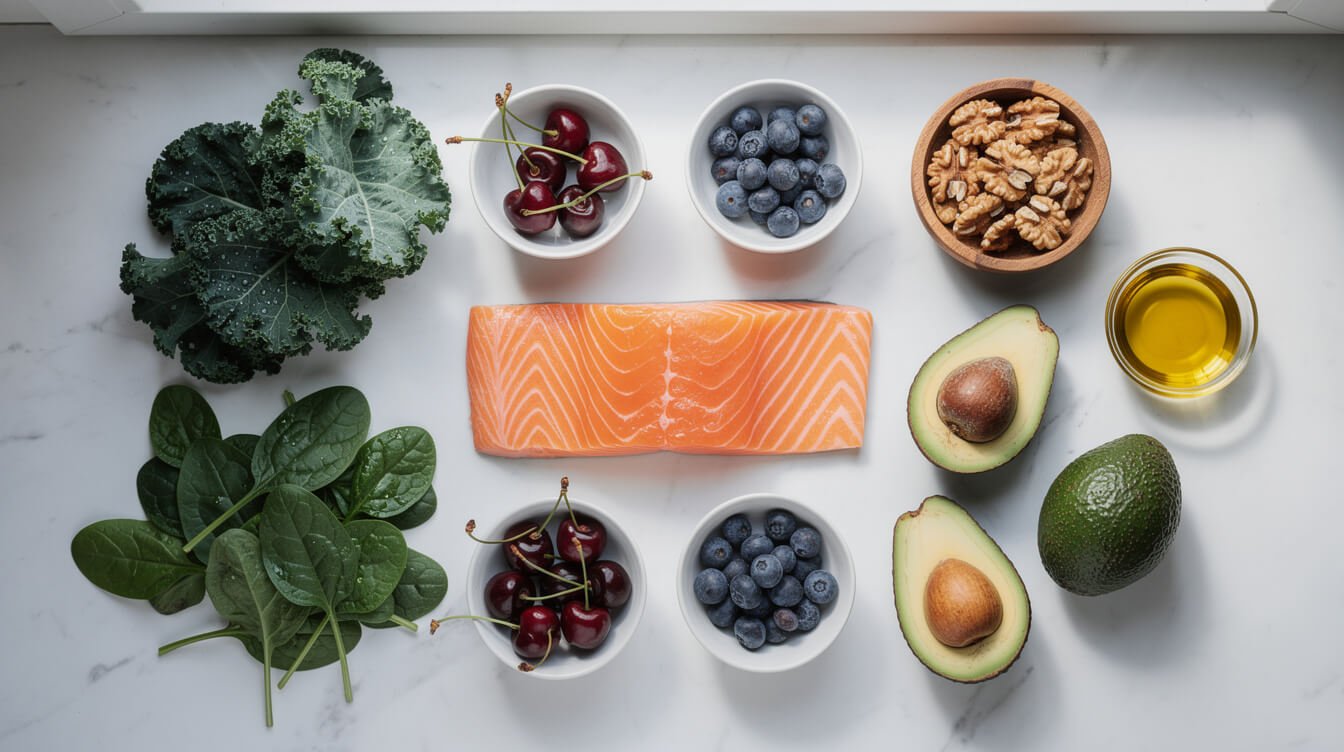
Not all anti-inflammatory foods are created equal when it comes to period pain. These are the ones with the strongest research backing and the most relevant nutrient profiles for menstrual comfort.
Omega-3 Rich Foods
Fatty fish like wild salmon, sardines, mackerel, and anchovies are among the most potent natural sources of EPA and DHA omega-3 fatty acids. These directly compete with the inflammatory omega-6 pathway that produces pain-causing prostaglandins. A study in the European Journal of Clinical Nutrition found that women who consumed more omega-3s reported significantly less menstrual pain.
If you don’t eat fish, flaxseeds, chia seeds, hemp seeds, and walnuts provide plant-based ALA omega-3s. While the conversion rate to EPA and DHA is lower, these foods still offer meaningful anti-inflammatory benefits.
Berries and Cherries
Blueberries, strawberries, raspberries, and tart cherries are packed with anthocyanins — powerful antioxidant compounds that research suggests may help reduce inflammation. Tart cherries in particular have been studied for their ability to lower inflammatory markers like C-reactive protein (CRP). During your period, incorporating a daily serving of mixed berries may support your body’s natural anti-inflammatory processes.
Dark Leafy Greens
Spinach, kale, Swiss chard, and collard greens deliver a triple benefit for period cramp relief. They’re rich in magnesium (which may help relax uterine muscles), calcium (which plays a role in muscle contraction regulation), and iron (which helps replenish what’s lost through menstrual bleeding). Just one cup of cooked spinach provides roughly 157 mg of magnesium — nearly 40% of the daily recommended intake.
Turmeric and Ginger
These two warming spices are anti-inflammatory powerhouses. Turmeric contains curcumin, which research suggests may inhibit the COX-2 enzyme — the same pathway targeted by ibuprofen. Ginger has been studied specifically for menstrual pain, with a meta-analysis in the journal Pain Medicine finding that ginger supplementation was significantly more effective than placebo for reducing period cramp severity.
Try grating fresh ginger into tea or adding turmeric to smoothies, soups, and anti-inflammatory breakfast bowls during the days leading up to and during your period.
Nuts and Seeds
Almonds, walnuts, pumpkin seeds, and sunflower seeds are excellent sources of magnesium, vitamin E, and healthy fats. Vitamin E in particular has been studied for its role in menstrual pain — a randomized controlled trial found that vitamin E supplementation significantly reduced prostaglandin levels and menstrual pain intensity compared to placebo.
Extra Virgin Olive Oil
A staple of the Mediterranean diet, extra virgin olive oil contains oleocanthal — a natural compound with anti-inflammatory properties similar to ibuprofen. Using olive oil as your primary cooking fat and salad dressing base is a simple way to increase your daily anti-inflammatory intake.
Anti-Inflammatory Drinks for Period Cramp Relief
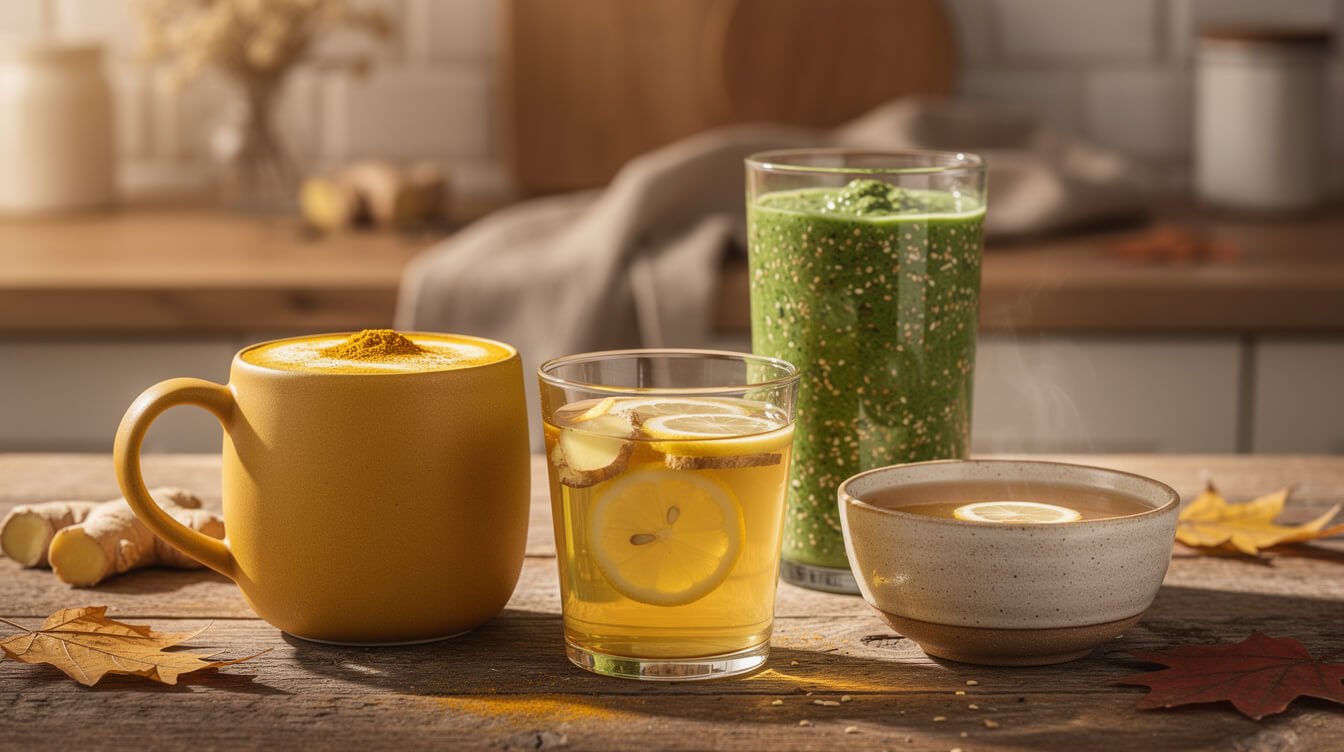
What you drink during your period matters just as much as what you eat. These beverages may help soothe inflammation and ease cramping from the inside out.
Golden Milk (Turmeric Latte)
This traditional Ayurvedic drink combines turmeric, ginger, black pepper (which enhances curcumin absorption by up to 2,000%), and warm milk (dairy or plant-based). It’s comforting, anti-inflammatory, and the warmth itself may help relax tense muscles. Sip a cup in the evening during the first few days of your cycle for a soothing ritual.
Ginger Tea
Fresh ginger tea is one of the most well-researched natural remedies for menstrual pain. Steep 1-2 inches of sliced fresh ginger in hot water for 10-15 minutes, then add a squeeze of lemon and a touch of raw honey. Research suggests that consuming ginger tea starting 2-3 days before your period may help reduce the severity of cramps.
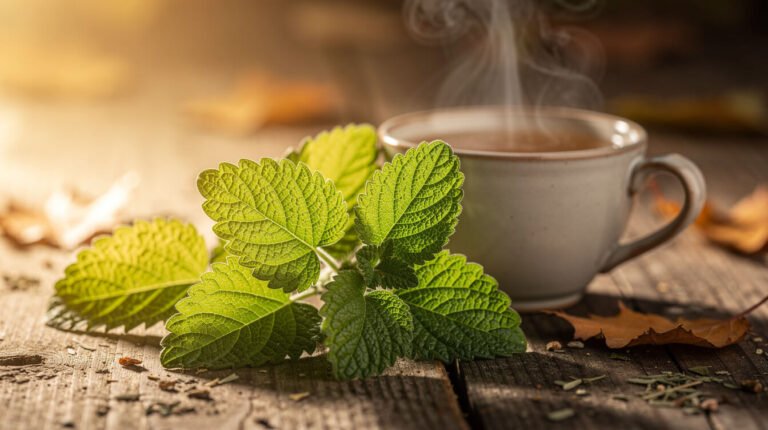
Chamomile Tea
Chamomile has traditionally been used to ease menstrual discomfort, and modern research supports this use. A study published in the Iranian Journal of Pharmaceutical Research found that chamomile tea consumption was associated with reduced menstrual pain severity. Its mild sedative properties may also help with the sleep disruption that often accompanies period cramps.
Green Smoothies
Blending leafy greens with berries, banana, flaxseed, and ginger creates a nutrient-dense anti-inflammatory powerhouse in a single glass. A simple recipe: one cup of spinach, half a cup of frozen blueberries, one banana, one tablespoon of ground flaxseed, a small piece of fresh ginger, and water or coconut water. This delivers magnesium, omega-3s, antioxidants, and potassium in one serving.
Bone Broth
Rich in glycine and other amino acids, bone broth may support your body’s natural anti-inflammatory response. It’s also deeply warming and hydrating — important when your body is losing fluid during menstruation. Sip it warm between meals or use it as a base for nourishing soups loaded with anti-inflammatory vegetables.
Foods That May Worsen Period Cramps
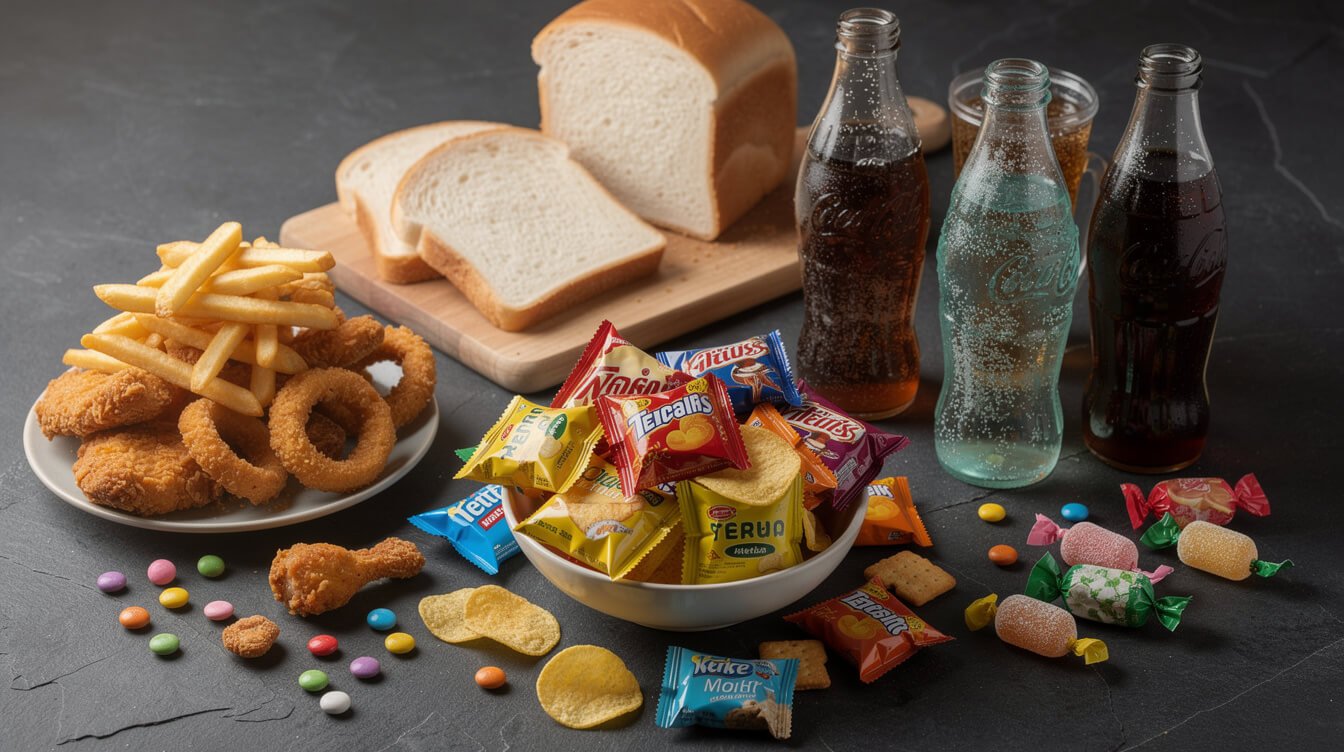
Just as certain foods may help reduce period pain, others can potentially make it worse by promoting inflammation and disrupting hormonal balance. Consider reducing or avoiding these during your period.
Refined Sugar and Processed Sweets
Sugar triggers a rapid inflammatory response in the body. When blood sugar spikes and crashes, it can intensify mood swings, fatigue, and cramping. Processed sweets like candy, cookies, and pastries are often high in both sugar and inflammatory trans fats. If you’re craving something sweet, reach for naturally sweet options like dates, dark chocolate (70% cacao or higher, which actually contains anti-inflammatory flavonoids), or fresh fruit.
Highly Processed and Fried Foods
Fast food, fried snacks, and ultra-processed packaged foods tend to be high in omega-6 fatty acids, trans fats, and refined seed oils — all of which may promote the production of inflammatory prostaglandins. Reducing your intake of these foods in the week leading up to your period may help ease cramping.
Excess Caffeine
While moderate coffee consumption has some anti-inflammatory benefits, excessive caffeine can constrict blood vessels (potentially worsening cramps), increase anxiety, and disrupt sleep — all of which can amplify period discomfort. Consider switching to green tea or herbal teas during your period, which offer gentle antioxidants without the caffeine spike.
Excess Alcohol
Alcohol is a known inflammatory agent that can also disrupt hormonal balance and increase bloating. During menstruation, your body is already working hard — adding alcohol to the mix can intensify cramping, fatigue, and mood changes. If you choose to drink, consider limiting intake and prioritizing hydration.
Excess Salt and Sodium
High sodium intake contributes to water retention and bloating, which can make period discomfort feel worse. Processed foods, canned soups, deli meats, and salty snacks are common culprits. Season your food with herbs, spices, lemon juice, and garlic instead of relying on salt for flavor.
🎁 Get a Free Wellness Gift
Enter your name and email below to receive a special wellness gift from OlyLife — absolutely free!
Sample Anti-Inflammatory Meal Plan for Your Period
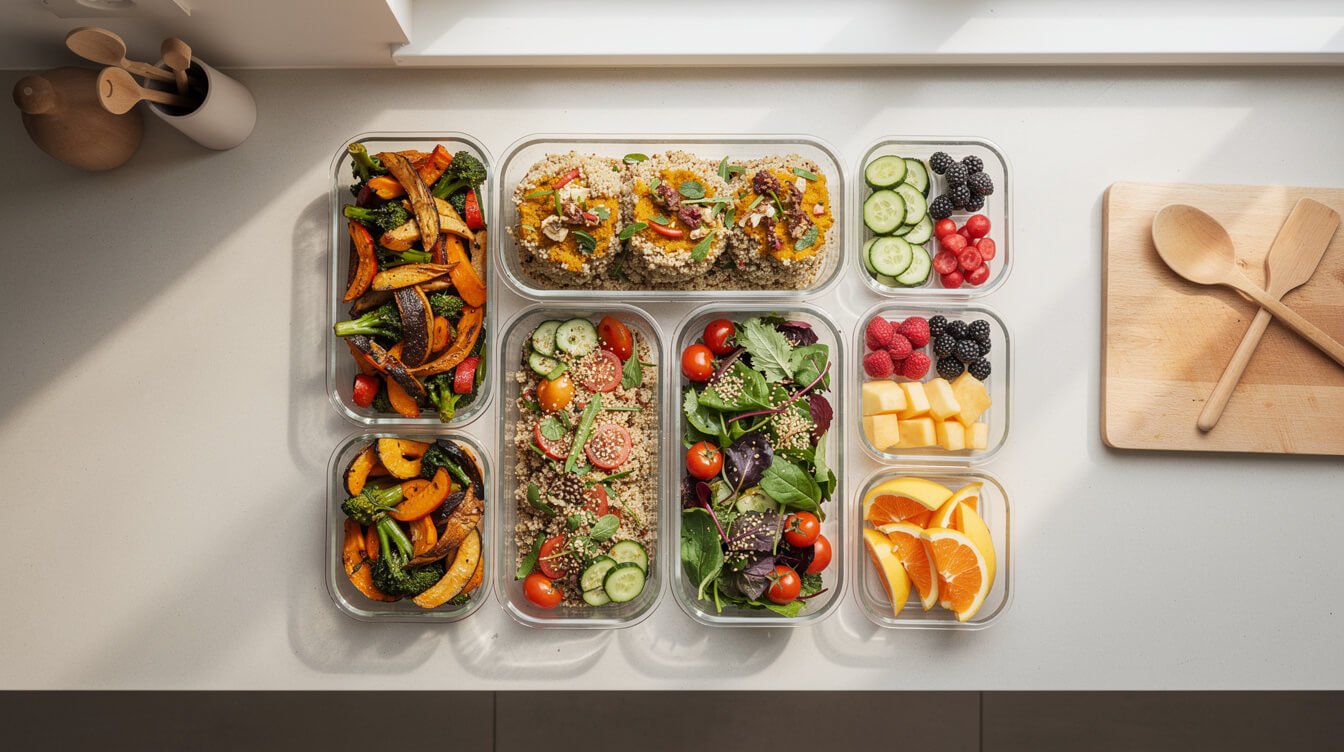
Knowing which foods help is one thing — putting them into practice is another. Here’s a simple three-day anti-inflammatory meal plan designed for the first few days of your cycle, when cramps tend to be most intense.
Day 1
- Breakfast: Overnight oats made with chia seeds, walnuts, blueberries, and a drizzle of raw honey
- Lunch: Large spinach salad with grilled salmon, avocado, pumpkin seeds, cherry tomatoes, and extra virgin olive oil dressing
- Snack: Golden milk latte with a small handful of almonds
- Dinner: Turmeric-ginger butternut squash soup with a side of sautéed kale and quinoa
Day 2
- Breakfast: Green smoothie (spinach, frozen cherries, banana, flaxseed, ginger, coconut water)
- Lunch: Sweet potato and black bean bowl with avocado, cilantro-lime dressing, and hemp seeds
- Snack: Apple slices with almond butter and a sprinkle of cinnamon
- Dinner: Baked mackerel with roasted Brussels sprouts, sweet potatoes, and a lemon-tahini drizzle
Day 3
- Breakfast: Warm anti-inflammatory breakfast bowl with cooked oats, turmeric, walnuts, banana, and a dash of cinnamon
- Lunch: Lentil soup with carrots, celery, garlic, and fresh ginger, served with a mixed greens side salad
- Snack: Chamomile tea with a small serving of dark chocolate (70%+ cacao) and fresh raspberries
- Dinner: Stir-fried tofu with broccoli, bell peppers, and snap peas in a ginger-sesame sauce over brown rice
Meal prep tip: Prepare your smoothie ingredients in individual freezer bags on Sunday. When cramps hit, you can simply dump a bag into the blender — no chopping, no measuring, no fuss.
Beyond Diet: Complementary Natural Approaches for Anti-Inflammatory Foods for Period Cramps

While an anti-inflammatory diet can be a powerful foundation, combining it with other natural practices may amplify the relief. These evidence-informed approaches work well alongside dietary changes.
Gentle Movement
It might be the last thing you feel like doing, but gentle exercise — yoga, walking, light stretching — may actually help reduce period cramps. Physical activity increases blood flow, promotes endorphin release (your body’s natural painkillers), and may help reduce the perception of pain. Restorative yoga poses like child’s pose, reclining bound angle, and gentle spinal twists are particularly well-suited for menstrual comfort.
Heat Therapy
A heating pad or warm water bottle applied to the lower abdomen is one of the oldest and most effective natural remedies for pain relief. Research has shown that continuous low-level topical heat therapy may be as effective as ibuprofen for period cramp relief. Pair your heating pad with a cup of ginger tea and some dark chocolate for a truly comforting anti-inflammatory ritual.
Stress Management
Chronic stress increases cortisol, which promotes systemic inflammation and can worsen period symptoms. Practices like meditation, deep breathing exercises, journaling, or simply spending time in nature may help lower stress-related inflammation. Even 10 minutes of mindful breathing before bed during your period can make a noticeable difference.
Hydration
Staying well-hydrated supports your body’s natural detoxification processes and may help reduce bloating, which often accompanies period cramps. Aim for 8-10 glasses of water daily, and consider adding electrolytes (a pinch of sea salt and a squeeze of lemon) if you’re experiencing heavy flow.
Frequently Asked Questions About Anti-Inflammatory Foods and Period Cramps
How quickly can anti-inflammatory foods help with period cramps?
While some women notice improvement within one cycle of dietary changes, research suggests that the most significant benefits typically appear after 2-3 months of consistent anti-inflammatory eating. Think of it as a cumulative effect — the longer you maintain an anti-inflammatory diet, the more your baseline inflammation decreases, which may translate to progressively easier periods over time.
Can I eat anti-inflammatory foods only during my period, or should I eat them all month?
For the best results, aim to eat anti-inflammatory foods consistently throughout your entire cycle, not just during menstruation. The inflammatory processes that contribute to period pain begin well before bleeding starts — prostaglandin production ramps up in the days leading up to your period. Maintaining a consistently anti-inflammatory diet helps keep your baseline inflammation lower, so there’s less inflammatory “fuel” available when your period arrives.
Are supplements as effective as whole foods for period cramp relief?
Whole foods offer a complex matrix of nutrients, fiber, and phytochemicals that work synergistically — something a single supplement can’t replicate. That said, certain targeted supplements like omega-3 fish oil, magnesium glycinate, and vitamin E have shown promise in clinical studies for menstrual pain. If you’re considering supplements, they work best as a complement to (not a replacement for) an anti-inflammatory diet. Always consult with a healthcare provider before starting new supplements.
What if I have dietary restrictions — can I still eat anti-inflammatory?
Absolutely. An anti-inflammatory diet is highly adaptable. If you’re vegetarian or vegan, focus on plant-based omega-3 sources (flaxseeds, chia seeds, walnuts, algae-based supplements), legumes, leafy greens, and spices like turmeric and ginger. If you’re gluten-free, most anti-inflammatory foods are naturally gluten-free — fruits, vegetables, fish, nuts, seeds, and olive oil. The core principle is the same regardless of dietary restrictions: emphasize whole, minimally processed foods rich in antioxidants and healthy fats.
Should I see a doctor about my period cramps?
While dietary changes may help manage normal menstrual discomfort, severe period pain that interferes with daily activities, gets worse over time, or is accompanied by other symptoms (very heavy bleeding, pain outside of menstruation, pain during intercourse) should always be evaluated by a healthcare professional. Conditions like endometriosis, fibroids, and adenomyosis require medical diagnosis and treatment.
Final Thoughts: Nourishing Your Body Through Your Cycle
Managing period cramps doesn’t have to mean reaching for the medicine cabinet every month. By building your diet around anti inflammatory foods for period cramps — omega-3-rich fish, colorful berries, dark leafy greens, warming spices like turmeric and ginger, and nourishing whole foods — you’re giving your body the nutritional tools it may need to manage inflammation naturally.
The beauty of this approach is that there are no side effects — just a healthier, more nourishing way of eating that supports not only menstrual comfort but your overall wellbeing. Start small: swap your morning cereal for an anti-inflammatory smoothie, keep ginger tea on hand for the first day of your period, or try the three-day meal plan above during your next cycle.
Your body is remarkably responsive to what you feed it. With patience, consistency, and a kitchen stocked with the right ingredients, you may find that your periods become more manageable — and that the foods that ease your cramps also leave you feeling more energized, balanced, and resilient every day of the month.