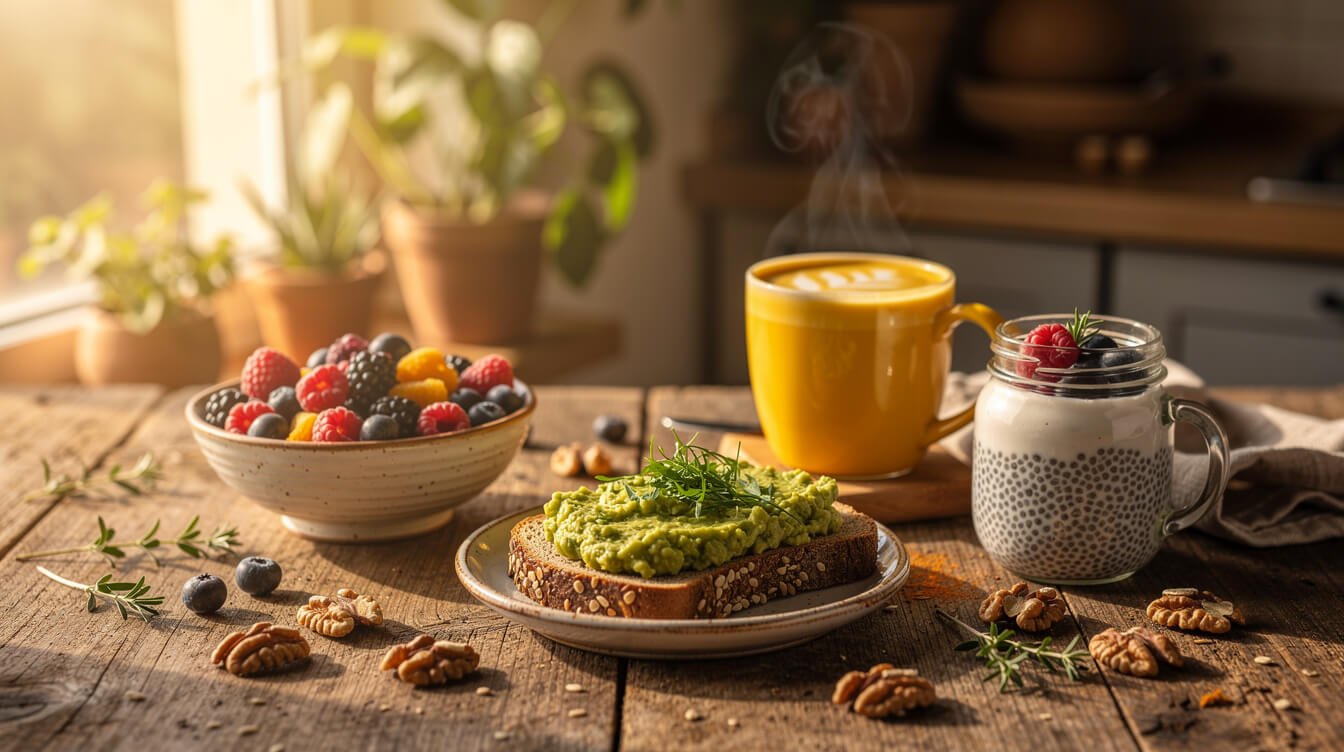
Anti-Inflammatory Breakfast Foods: Your Complete Guide to Starting Every Morning Right
What you eat first thing in the morning may set the tone for how your body handles inflammation throughout the entire day. Anti-inflammatory breakfast foods — from vibrant berries and omega-3-rich seeds to probiotic-packed yogurt and golden turmeric — offer a simple, delicious way to nourish your body and support your long-term wellness.
Chronic, low-grade inflammation is increasingly linked to fatigue, joint discomfort, digestive issues, and a host of other wellness concerns. The good news? Research suggests that dietary choices play a powerful role in managing inflammatory responses. And breakfast is your first — and perhaps most important — opportunity each day to give your body the nutrients it needs to thrive.
In this comprehensive guide, you will discover the best anti-inflammatory breakfast foods organized by their key healing mechanisms, learn which morning foods to avoid, and get a practical 7-day meal plan you can start using tomorrow.
Why Anti-Inflammatory Breakfast Foods Matter for Your Wellness

Your body’s inflammatory response follows a natural rhythm throughout the day. Cortisol — your primary stress hormone — peaks in the early morning hours, and research suggests this cortisol awakening response may interact with inflammatory pathways. What you eat at breakfast can either fan the flames or help calm them.
The Morning Inflammation Connection
When you wake up, your body has been fasting for 8-12 hours. Blood sugar levels are low, and your system is primed to absorb nutrients efficiently. This makes breakfast a uniquely powerful moment for dietary intervention. Studies published in the American Journal of Clinical Nutrition suggest that meals rich in refined carbohydrates and added sugars may trigger post-meal inflammatory spikes, while whole-food breakfasts rich in antioxidants, fiber, and healthy fats may help modulate the body’s inflammatory markers.
How Anti-Inflammatory Foods Work
Anti-inflammatory foods work through several complementary mechanisms:
- Antioxidant protection — Polyphenols, flavonoids, and carotenoids neutralize free radicals that drive oxidative stress and inflammation
- Omega-3 fatty acid pathways — These essential fats are precursors to resolvins and protectins, specialized molecules that actively help resolve inflammation
- Gut microbiome support — Probiotics and prebiotic fiber nourish beneficial gut bacteria, which produce short-chain fatty acids that may help regulate immune responses
- Blood sugar stabilization — Fiber and healthy fats slow glucose absorption, preventing the inflammatory spikes that come with rapid blood sugar changes
Understanding these mechanisms helps you build breakfasts that work on multiple levels — not just filling your stomach, but actively supporting your body’s natural balance. For a deeper look at holistic approaches to whole-body health, explore how nutrition fits into a broader wellness framework.
Omega-3 Rich Anti-Inflammatory Breakfast Foods
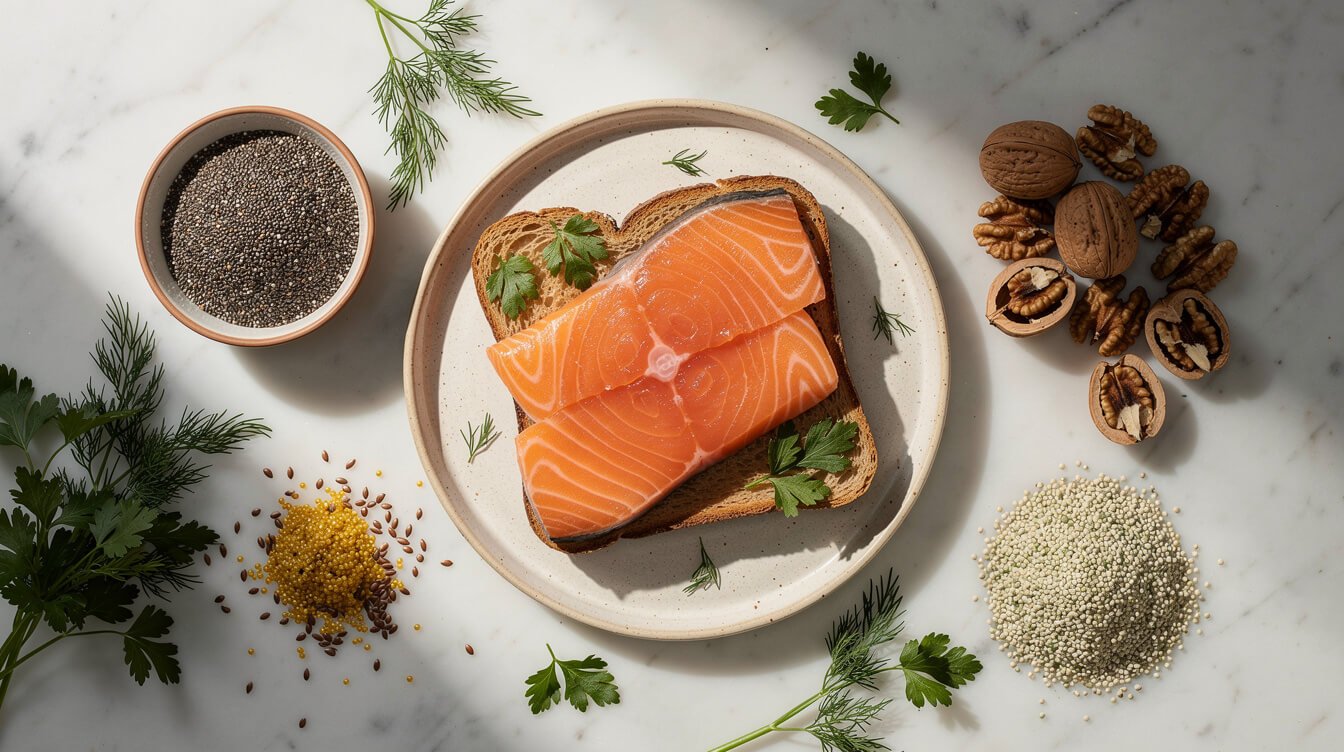
Omega-3 fatty acids are among the most extensively studied anti-inflammatory nutrients. Unlike omega-6 fatty acids — which are abundant in processed foods and may promote inflammatory pathways when consumed in excess — omega-3s actively support the body’s resolution of inflammation.
Chia Seeds: The Tiny Powerhouse
Just two tablespoons of chia seeds deliver roughly 5 grams of omega-3 ALA (alpha-linolenic acid), plus 10 grams of fiber and a solid dose of plant-based protein. Chia seed pudding — made by soaking seeds in almond milk overnight — is one of the easiest anti-inflammatory breakfasts you can prepare.
Quick recipe: Combine 3 tablespoons chia seeds with 1 cup unsweetened almond milk, a drizzle of raw honey, and a dash of vanilla extract. Refrigerate overnight. Top with fresh berries and a sprinkle of cinnamon in the morning.
Walnuts and Hemp Hearts
Walnuts are the only tree nut with significant omega-3 content, offering about 2.5 grams of ALA per ounce. Hemp hearts (shelled hemp seeds) provide a balanced ratio of omega-3 to omega-6 fatty acids, plus all nine essential amino acids. Scatter either over oatmeal, yogurt, or smoothie bowls for an easy anti-inflammatory boost.
Flaxseed: Ground for Absorption
Whole flaxseeds tend to pass through the digestive system undigested. To unlock their omega-3 content and lignan antioxidants, always use ground flaxseed. Two tablespoons of ground flaxseed stirred into oatmeal or blended into a smoothie provides approximately 3.5 grams of ALA and a generous dose of soluble fiber that may support your body’s natural detoxification processes.
Smoked Salmon and Sardines
For those who enjoy savory breakfasts, wild-caught smoked salmon on whole-grain toast delivers EPA and DHA — the most bioavailable forms of omega-3. Sardines on toast, while perhaps unconventional as a breakfast food in Western cultures, are a traditional morning staple in many Mediterranean and Asian diets and pack exceptional omega-3, vitamin D, and calcium content.
Antioxidant-Packed Berries and Fruits for Your Morning

Berries consistently rank among the most potent anti-inflammatory foods available, and they happen to be perfect for breakfast. Their deep, vivid colors signal high concentrations of anthocyanins — polyphenol compounds that research has linked to reduced inflammatory markers and improved cardiovascular health.
Blueberries: The Research Favorite
Blueberries are one of the most studied anti-inflammatory fruits. Research published in the Journal of Nutrition suggests that regular blueberry consumption may help reduce markers of oxidative stress and inflammation. One cup of blueberries provides approximately 25% of your daily vitamin C needs plus manganese and vitamin K — all for roughly 85 calories.
Tart Cherries and Pomegranate
Tart cherry juice has gained attention in sports nutrition research for its potential to support post-exercise recovery and may help reduce muscle soreness. Add a splash to your morning smoothie or mix it into overnight oats. Pomegranate seeds (arils) are similarly rich in punicalagin, a unique antioxidant that research suggests may be especially potent for supporting cardiovascular wellness.
Citrus Fruits and Kiwi
Oranges, grapefruit, and kiwi provide abundant vitamin C — a water-soluble antioxidant that supports immune function and may help regulate inflammatory pathways. Kiwi in particular packs more vitamin C per gram than oranges and contains actinidin, an enzyme traditionally associated with digestive comfort.
How to Maximize Berry Benefits
Fresh berries are ideal when in season, but frozen berries are picked at peak ripeness and flash-frozen, which preserves their antioxidant content. Use frozen berries in smoothies, warm them gently for oatmeal toppings, or thaw overnight in the refrigerator for morning parfaits. If you enjoy creating complete anti-inflammatory meals and recipes, berries make a versatile ingredient across breakfast, snacks, and desserts.
Gut-Healing Probiotic Anti-Inflammatory Breakfast Foods
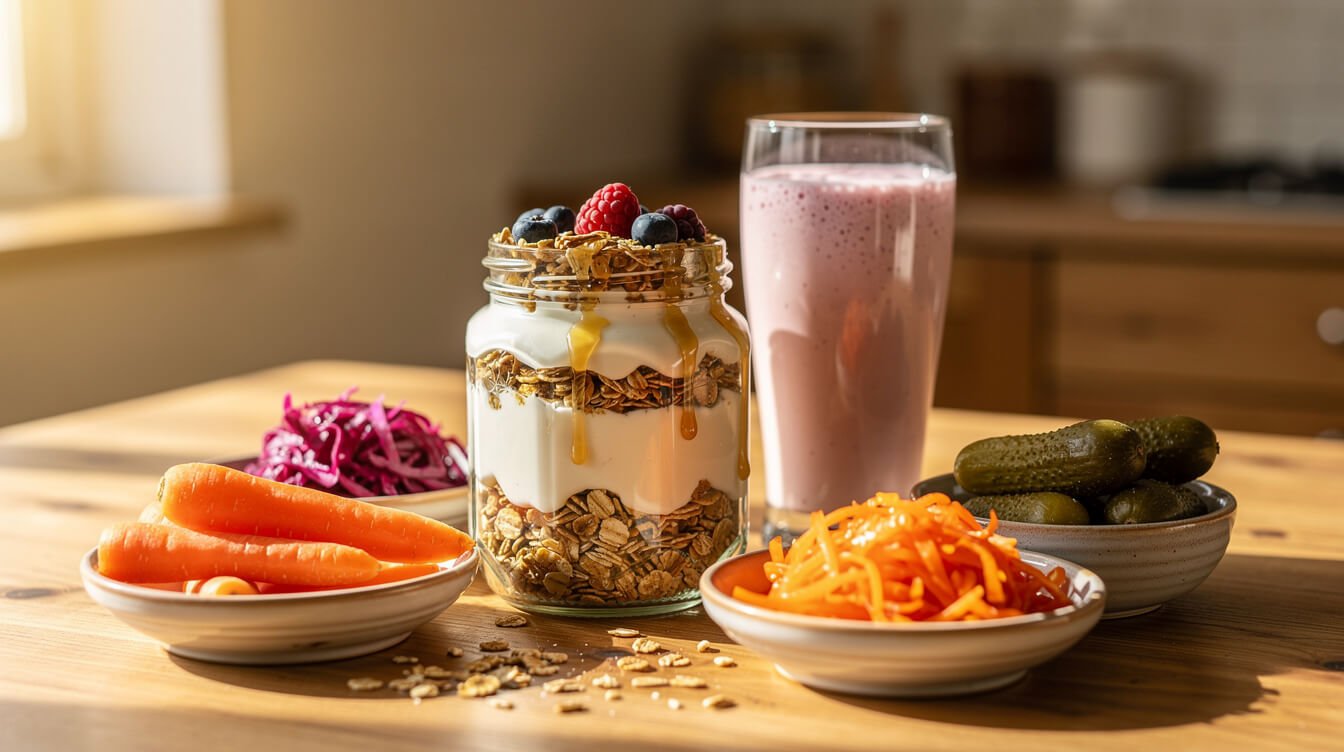
Your gut microbiome plays a central role in regulating inflammation throughout your entire body. An estimated 70-80% of your immune cells reside in the gut, and the balance of beneficial versus harmful bacteria directly influences systemic inflammatory responses. Probiotic-rich breakfast foods help maintain this delicate balance.
Greek Yogurt: Protein Meets Probiotics
Plain, unsweetened Greek yogurt is a breakfast staple for good reason. It provides roughly 15-20 grams of protein per serving along with live active cultures — primarily Lactobacillus and Streptococcus thermophilus strains. The key is choosing plain varieties. Flavored yogurts often contain 15-25 grams of added sugar per serving, which may counteract the anti-inflammatory benefits of the probiotics.
Build a gut-healing parfait: Layer plain Greek yogurt with fresh berries, a tablespoon of ground flaxseed, a drizzle of raw honey, and a handful of walnuts. This single bowl delivers probiotics, prebiotics, omega-3s, antioxidants, and fiber — hitting multiple anti-inflammatory pathways simultaneously.
Kefir: Liquid Gold for Your Gut
Kefir typically contains a wider diversity of probiotic strains than yogurt — often 12 or more different species versus yogurt’s typical 2-5. This diversity may be especially beneficial for gut microbiome health. Use it as the base for smoothies, pour it over granola, or drink it straight with a squeeze of fresh lemon.
Fermented Vegetables at Breakfast
In many traditional food cultures, fermented vegetables are a breakfast staple. Kimchi, sauerkraut, and pickled ginger alongside eggs or rice may feel unconventional if you are accustomed to sweet morning meals, but they offer potent probiotic benefits. Even a small serving — two to three tablespoons — adds billions of beneficial bacteria to your morning routine.
Pairing probiotic foods with prebiotic-rich ingredients like oats, bananas, and asparagus creates a synbiotic effect — the prebiotics feed the probiotics, helping them flourish in your digestive system. For more on how different wellness approaches complement each other, discover how turmeric’s anti-inflammatory properties may further support your body’s healing processes.
Anti-Inflammatory Spices and Superfoods to Add to Any Breakfast

Sometimes the most powerful anti-inflammatory ingredients are not the main course — they are the spices, powders, and superfoods you stir into your existing breakfast. These concentrated sources of bioactive compounds can transform an ordinary meal into a targeted anti-inflammatory ritual.
Turmeric and the Curcumin Connection
Curcumin, the primary bioactive compound in turmeric, has been the subject of thousands of studies examining its anti-inflammatory potential. The challenge? Curcumin has low bioavailability on its own. Research suggests that consuming turmeric with black pepper (which contains piperine) may enhance curcumin absorption by up to 2,000%. A morning golden milk — warm plant milk with turmeric, black pepper, ginger, and a touch of honey — is a traditional way to incorporate this spice into your breakfast routine.
Ginger: Morning Warmth With Purpose
Fresh ginger contains gingerols and shogaols, compounds traditionally used for centuries across Asian and Ayurvedic medicine systems. Research published in the Journal of Medicinal Food suggests ginger may help modulate inflammatory markers. Grate fresh ginger into smoothies, stir it into oatmeal, or steep it in hot water with lemon for a simple morning tonic.
Cinnamon: Sweet Without the Sugar Spike
Ceylon cinnamon (the “true” variety) adds natural sweetness to breakfast without refined sugar. Beyond its flavor, research suggests cinnamon may help support healthy blood sugar metabolism — and since blood sugar instability can trigger inflammatory cascades, this dual benefit makes it an ideal breakfast spice. Sprinkle it on oatmeal, yogurt, smoothies, or even your morning coffee.
Green Tea and Matcha
Replacing your morning coffee with green tea or matcha introduces epigallocatechin gallate (EGCG), one of the most researched antioxidant compounds. Matcha, being the whole ground tea leaf, provides significantly more EGCG than steeped green tea. Research suggests EGCG may help modulate inflammatory pathways, and the amino acid L-theanine in matcha promotes calm alertness — a gentler morning energy than coffee’s cortisol spike.
Hydration is another often-overlooked pillar of an anti-inflammatory morning. Starting your day with adequate water intake supports every cellular process, including detoxification and immune function. Some wellness enthusiasts have explored how molecular hydrogen in water may offer additional antioxidant support as part of their morning ritual.
If you are curious about how hydration and molecular hydrogen may complement your anti-inflammatory breakfast, the OlyLife H+ Molecular Hydrogen Water Bottle makes it easy to explore hydrogen-rich water as part of your daily wellness routine.
🎁 Get a Free Wellness Gift
Enter your name and email below to receive a special wellness gift from OlyLife — absolutely free!
Your 7-Day Anti-Inflammatory Breakfast Meal Plan
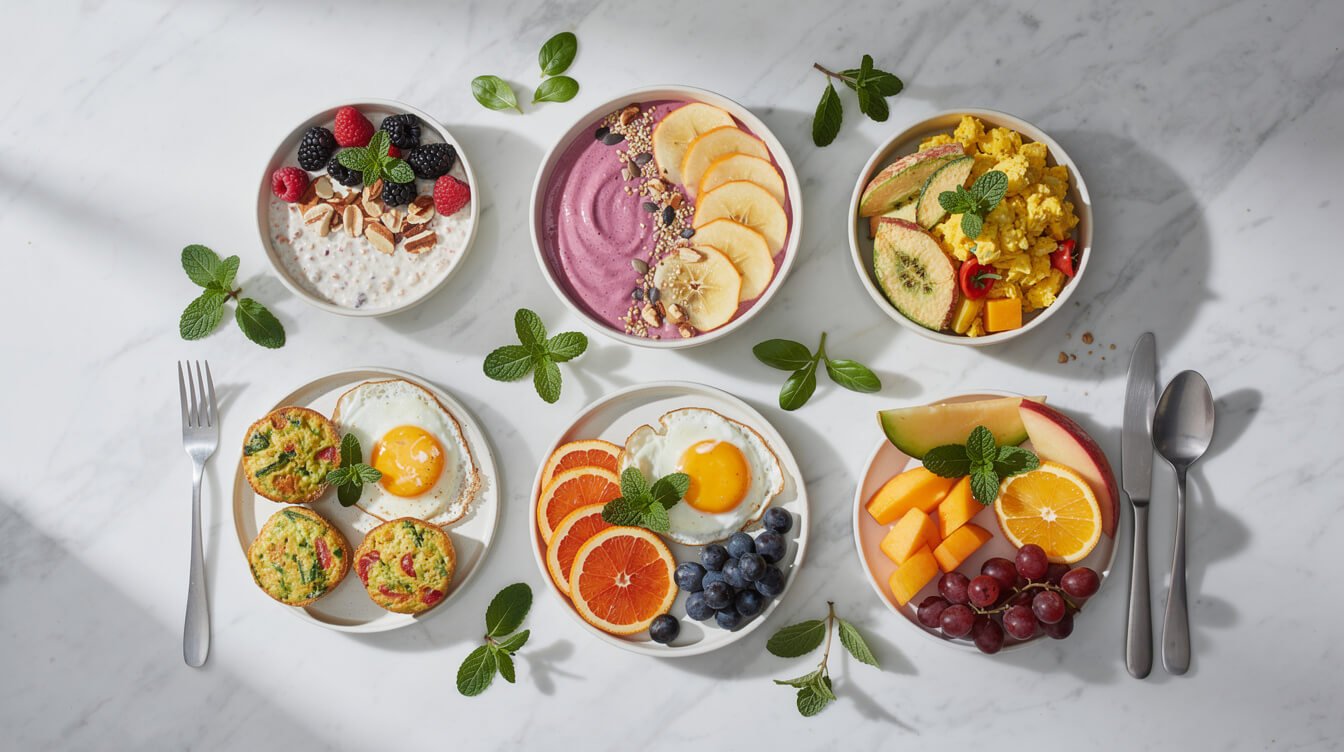
Knowing which foods fight inflammation is helpful, but having a practical plan makes it actionable. Here is a full week of anti-inflammatory breakfasts that rotate through different nutritional mechanisms — ensuring you hit omega-3s, antioxidants, probiotics, and fiber throughout the week.
Monday: Berry Chia Seed Pudding
Combine 3 tablespoons chia seeds with 1 cup unsweetened almond milk, a teaspoon of vanilla, and a drizzle of honey. Refrigerate overnight. Top with fresh blueberries, sliced strawberries, and a sprinkle of hemp hearts. Key benefits: Omega-3s (chia + hemp), antioxidants (berries), fiber.
Tuesday: Golden Turmeric Oatmeal
Cook rolled oats with a teaspoon of turmeric, a pinch of black pepper, and half a teaspoon of cinnamon. Stir in a tablespoon of ground flaxseed and top with sliced banana, walnuts, and a drizzle of raw honey. Key benefits: Curcumin (turmeric + pepper), omega-3s (flax + walnuts), fiber (oats).
Wednesday: Probiotic Power Parfait
Layer plain Greek yogurt with tart cherry compote (heat frozen tart cherries with a touch of honey until soft), homemade granola, and a tablespoon of pumpkin seeds. Key benefits: Probiotics (yogurt), anthocyanins (tart cherries), protein, zinc (pumpkin seeds).
Thursday: Smoked Salmon Avocado Toast
Spread mashed avocado on whole-grain sourdough toast. Top with wild-caught smoked salmon, capers, thinly sliced red onion, and a squeeze of lemon. Garnish with fresh dill and everything bagel seasoning. Key benefits: EPA/DHA omega-3s (salmon), monounsaturated fats (avocado), fiber (sourdough).
Friday: Anti-Inflammatory Green Smoothie
Blend 1 cup spinach, 1 cup frozen mixed berries, 1 tablespoon almond butter, 1 teaspoon fresh grated ginger, 1 cup kefir, and a teaspoon of turmeric. Add ice if desired. Key benefits: Probiotics (kefir), antioxidants (berries + spinach), gingerols (ginger), curcumin (turmeric).
Saturday: Veggie Egg Scramble with Sauerkraut
Scramble two pasture-raised eggs with sauteed spinach, diced bell peppers, and sliced mushrooms. Season with garlic, a pinch of turmeric, and black pepper. Serve with a side of raw sauerkraut and a slice of whole-grain toast. Key benefits: Choline (eggs), probiotics (sauerkraut), vitamins A and C (peppers + spinach).
Sunday: Matcha Overnight Oats
Mix rolled oats with 1 cup coconut milk, 1 teaspoon matcha powder, 1 tablespoon chia seeds, and a drizzle of maple syrup. Refrigerate overnight. Top with sliced kiwi, pomegranate seeds, and toasted coconut flakes. Key benefits: EGCG (matcha), omega-3s (chia), vitamin C (kiwi), antioxidants (pomegranate).
This plan can be adapted to your preferences — swap any protein source, adjust spice levels, or substitute seasonal fruits. The key principle is variety. Different anti-inflammatory compounds work through different mechanisms, and rotating your foods ensures broader coverage. For more on how adaptogenic herbs like ashwagandha and rhodiola may complement your anti-inflammatory morning routine, explore our guide to nature’s stress-fighting plants.

Complete Your Anti-Inflammatory Morning
Pair your anti-inflammatory breakfast with hydrogen-rich water. The OlyLife H+ Water Bottle infuses your drinking water with molecular hydrogen — an antioxidant that research suggests may help neutralize free radicals at the cellular level.
Breakfast Foods That May Increase Inflammation

Building an anti-inflammatory breakfast is as much about what you include as what you reduce. Certain common breakfast staples may actively promote inflammatory pathways in the body — and awareness of these foods helps you make more intentional morning choices.
Refined Sugars and Processed Cereals
Many popular breakfast cereals contain 10-15 grams of added sugar per serving — and most people pour more than the recommended serving size. Refined sugars may trigger a rapid rise in blood glucose, followed by an insulin spike. Research suggests this cycle of glucose volatility can promote the production of pro-inflammatory cytokines, including interleukin-6 (IL-6) and tumor necrosis factor-alpha (TNF-α).
Processed Meats
Bacon, sausage links, and deli-style breakfast meats often contain sodium nitrates, excess sodium, and saturated fats. Epidemiological studies have consistently associated regular processed meat consumption with higher levels of C-reactive protein (CRP), a key marker of systemic inflammation.
Refined Grain Products
White bread, bagels, pastries, and muffins made from refined flour have been stripped of their fiber, B vitamins, and mineral content. Without fiber to slow absorption, these foods may behave similarly to pure sugar in the bloodstream — producing rapid glycemic spikes that research has linked to inflammatory responses.
Excess Omega-6 Vegetable Oils
Many commercial breakfast products — from granola bars to frozen breakfast sandwiches — are made with soybean oil, corn oil, or sunflower oil. While omega-6 fatty acids are essential in small amounts, the modern Western diet often provides 15-20 times more omega-6 than omega-3. This imbalance may promote the production of pro-inflammatory eicosanoids.
Making the Swap
You do not need to eliminate these foods overnight. Small, consistent shifts make the biggest difference. Replace sugary cereal with oatmeal topped with berries. Swap bacon for smoked salmon. Choose sourdough or sprouted-grain bread over white bread. Each substitution tips the balance a little further toward an anti-inflammatory morning routine.
Frequently Asked Questions About Anti-Inflammatory Breakfast Foods
What is the most anti-inflammatory breakfast you can eat?
A breakfast that combines multiple anti-inflammatory mechanisms tends to be most effective. A parfait of plain Greek yogurt (probiotics), topped with blueberries and tart cherries (antioxidants), ground flaxseed and walnuts (omega-3s), and a sprinkle of turmeric and cinnamon (bioactive compounds) covers all four key pathways — antioxidant, omega-3, probiotic, and blood sugar stabilization.
Are eggs anti-inflammatory or inflammatory?
Whole eggs are generally considered neutral to mildly anti-inflammatory. They contain choline, selenium, and vitamins D and B12 — all of which may support healthy inflammatory balance. Pasture-raised eggs tend to have higher omega-3 content than conventional eggs. The key is preparation — poached or scrambled eggs with vegetables are a better anti-inflammatory choice than eggs fried in refined vegetable oils.
Is oatmeal anti-inflammatory?
Yes, whole oats are considered anti-inflammatory. They contain avenanthramides — a unique group of antioxidants found almost exclusively in oats — that research suggests may help inhibit the production of inflammatory cytokines. Steel-cut and rolled oats retain more of these compounds than instant oats, which are more heavily processed. Choose plain varieties and sweeten with fresh fruit and a touch of honey rather than sugar.
Can I eat anti-inflammatory foods if I have food sensitivities?
Absolutely. Anti-inflammatory eating is flexible. If you are sensitive to dairy, substitute coconut or almond yogurt. If you avoid gluten, use certified gluten-free oats or build your breakfast around eggs, smoothies, and chia seed pudding. If you have nut allergies, focus on seeds (chia, hemp, flax, pumpkin) for your omega-3 and protein needs. The principles remain the same — prioritize whole foods rich in antioxidants, healthy fats, fiber, and probiotics.
How quickly will I notice benefits from an anti-inflammatory breakfast?
Dietary changes are cumulative. Some people report improved energy and reduced bloating within the first week of shifting to anti-inflammatory breakfasts. However, meaningful changes in inflammatory markers like CRP typically take 4-12 weeks of consistent dietary improvement. Think of it as a long-term investment in your wellness rather than a quick fix.
Should I take supplements instead of eating anti-inflammatory foods?
Whole foods provide a complex matrix of nutrients that work synergistically — something that isolated supplements cannot fully replicate. For example, the fiber in whole blueberries slows the absorption of their sugars while feeding beneficial gut bacteria, providing benefits beyond what a blueberry extract capsule delivers. That said, targeted supplementation (such as fish oil or curcumin) may complement a strong dietary foundation, especially if you have specific wellness goals. Always consult with a healthcare professional before starting any supplement regimen.
Building Your Anti-Inflammatory Morning Ritual
Transforming your breakfast into an anti-inflammatory powerhouse does not require a complete lifestyle overhaul. Start with one or two simple changes — swap your sugary cereal for overnight oats with berries, or add a tablespoon of ground flaxseed to your morning smoothie. Small, sustainable shifts compound over time into meaningful wellness gains.
The most effective anti-inflammatory breakfast is one you genuinely enjoy eating. Experiment with the foods and recipes in this guide, find your favorites, and build a morning routine that nourishes both your body and your sense of wellbeing. Your future self — with more energy, better digestion, and a calmer inflammatory response — will thank you for starting today.
Remember that breakfast is just one piece of a broader wellness picture. Pair your anti-inflammatory morning nutrition with adequate sleep, regular movement, stress management, and mindful hydration. When these pillars work together, they create a foundation for vibrant, lasting health. For more evidence-based wellness insights delivered to your inbox, explore our guides on magnesium’s role in whole-body health and natural approaches to restful sleep.