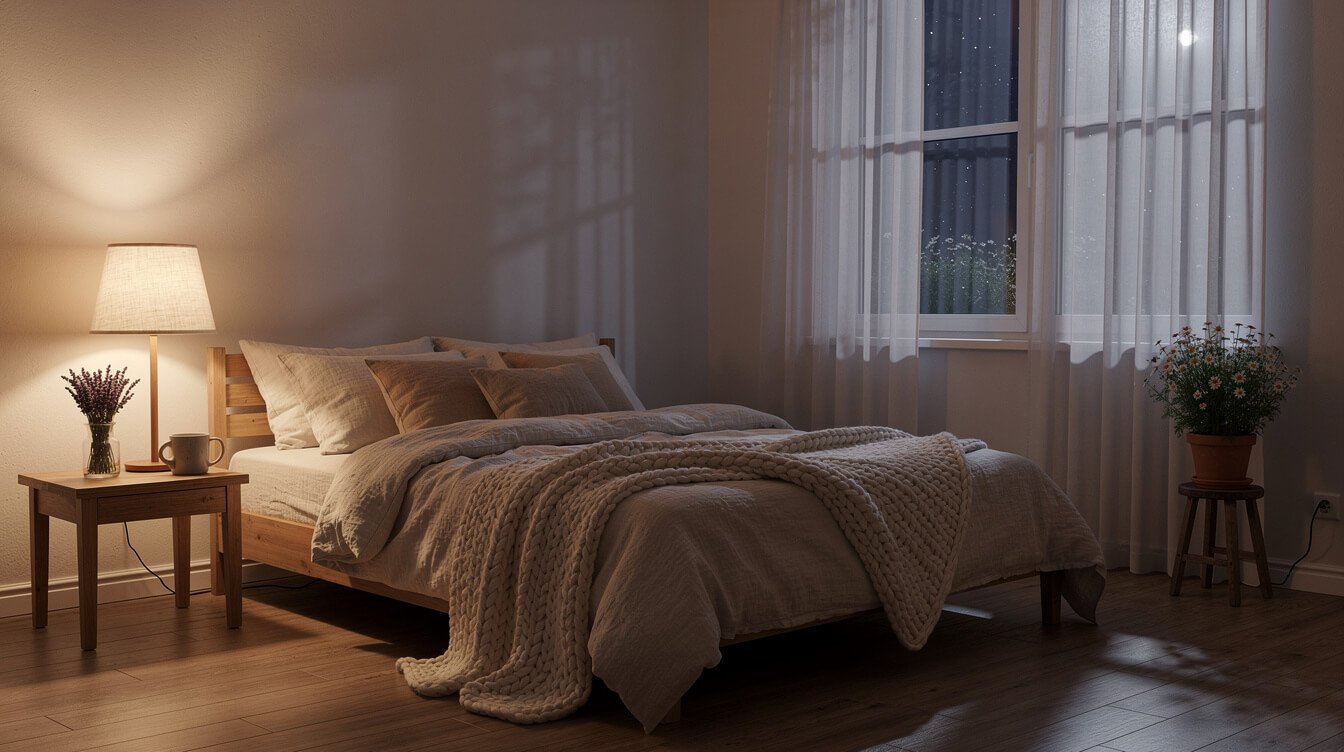
Natural Sleep Remedies: Your Complete Guide to Restful Nights Without Medication
If you’ve been lying awake at night counting sheep — or worse, counting worries — you’re far from alone. Nearly one in three adults struggles with sleep quality, and the search for natural sleep remedies has never been more urgent. The good news? Nature offers a remarkable toolkit for restful nights, and you don’t need a prescription to access it.
This guide brings together the most effective natural sleep remedies backed by traditional wisdom and modern research. From herbal allies that have soothed restless minds for centuries to simple bedroom adjustments that signal your body it’s time to rest, you’ll find practical solutions you can start using tonight. Whether you’re dealing with occasional restlessness or looking to deepen your overall sleep quality, these approaches work with your body’s natural rhythms — not against them.
Natural Sleep Remedies Start With Sleep Hygiene Foundations

Before reaching for any supplement or herb, the most powerful natural sleep remedies begin with your daily habits. Sleep hygiene isn’t glamorous, but it’s the foundation everything else builds upon — and getting it right can transform your nights without spending a single dollar.
Your Circadian Rhythm Is Everything
Your body runs on an internal clock called the circadian rhythm, and it responds to consistent signals. Going to bed and waking up at the same time every day — yes, even on weekends — is arguably the single most impactful change you can make. Within two to three weeks of consistent timing, most people notice they begin feeling naturally drowsy at bedtime.
Light Exposure Matters More Than You Think
Bright light in the morning (especially natural sunlight within the first hour of waking) helps anchor your circadian rhythm. Conversely, dimming lights two hours before bed signals your brain to begin producing melatonin. Blue light from screens is particularly disruptive — consider using blue-light filtering glasses or simply switching to a book, journal, or gentle stretching in the evening.
Temperature and Timing
Your core body temperature naturally drops as sleep approaches. You can work with this by keeping your bedroom between 60-67°F (15-19°C), taking a warm bath 90 minutes before bed (the subsequent cooling mimics the natural temperature drop), and avoiding heavy meals within three hours of sleep. Light snacks containing tryptophan — like a small handful of almonds or a banana — are fine.
The Caffeine Cut-Off
Caffeine has a half-life of 5-6 hours, meaning half the caffeine from your 2 PM coffee is still circulating at 8 PM. For most people, cutting caffeine by noon is ideal. If you’re particularly sensitive, you may need to stop even earlier. Watch for hidden sources: dark chocolate, some teas, and certain medications all contain caffeine.
Herbal Natural Sleep Remedies That Actually Work

Humans have turned to plants for sleep support for thousands of years, and modern research is confirming what traditional herbalists long knew. Here are the herbal natural sleep remedies with the strongest evidence behind them.
Valerian Root: The Ancient Sleep Herb
Valerian (Valeriana officinalis) has been used as a sleep aid since ancient Greece and Rome. Research suggests it may work by increasing GABA levels in the brain — the same calming neurotransmitter targeted by pharmaceutical sleep aids, but through a gentler mechanism. Most studies use 300-600mg taken 30-60 minutes before bed. It typically takes 2-4 weeks of consistent use to notice full effects.
Chamomile: More Than a Bedtime Tea
Chamomile contains apigenin, a compound that binds to benzodiazepine receptors in the brain, promoting relaxation without sedation. A warm cup of chamomile tea 45 minutes before bed is a time-honored ritual that combines the herb’s calming properties with the soothing effects of a warm beverage and the psychological cue of a bedtime routine. For stronger effects, chamomile extract supplements (200-400mg) are available.
Passionflower: The Anxiety-Sleep Connection
Passiflora incarnata is particularly helpful when racing thoughts keep you awake. Clinical trials suggest passionflower may be as effective as some pharmaceutical anti-anxiety medications for promoting sleep quality — with fewer side effects. It works especially well combined with valerian. Try 500mg of passionflower extract or a strong tea infusion before bed.
Lavender: Aromatherapy for Deep Sleep
Lavender’s sleep benefits are well-documented across multiple studies. Even simple inhalation of lavender essential oil before bed has been shown to improve sleep quality scores. Place 2-3 drops on your pillowcase, use a diffuser for 20 minutes before sleep, or try an oral lavender supplement (80mg silexan has the most research support). The scent appears to slow heart rate and lower blood pressure — perfect conditions for sleep onset.
Herbal Pairing Strategies
Many herbalists recommend combining herbs for enhanced effects. Research-supported combinations include:
- Valerian + hops — traditionally used together in European herbal medicine; may work better than either alone
- Chamomile + passionflower — addresses both physical tension and mental racing
- Lavender + lemon balm — calms the nervous system while easing digestive discomfort that disrupts sleep
- Ashwagandha + magnolia bark — targets cortisol reduction for stress-related insomnia
If you’re interested in how ashwagandha supports stress resilience and sleep, our deep-dive guide covers the research in detail.
Natural Sleep Supplements: Evidence-Based Options
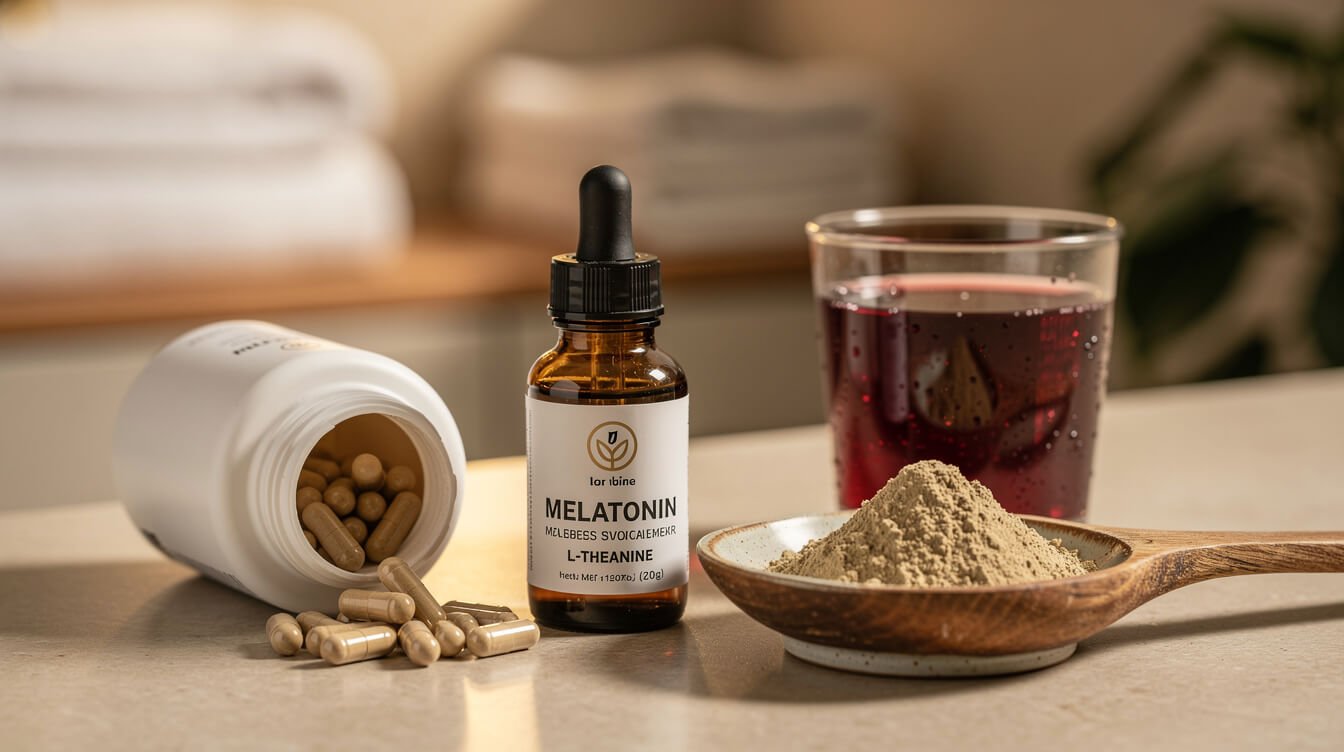
Beyond herbs, several naturally-occurring compounds may support better sleep. These supplements work through different mechanisms, so understanding how each functions helps you choose the right approach for your specific sleep challenges.
Magnesium: The Relaxation Mineral
Magnesium is involved in over 300 enzymatic reactions, including those governing the nervous system and muscle relaxation. Research suggests that magnesium deficiency — which affects an estimated 50% of adults — may directly contribute to poor sleep quality. Magnesium glycinate and magnesium threonate are the forms most associated with sleep benefits. A typical dose is 200-400mg taken with dinner or before bed.
We’ve written extensively about the wide-ranging benefits of magnesium — it’s truly one of nature’s most versatile wellness minerals.
Melatonin: Timing Is Everything
Melatonin isn’t a sedative — it’s a timing signal. Your body naturally produces it as darkness falls, telling your brain “it’s time to sleep.” Supplemental melatonin works best for circadian rhythm disruptions (jet lag, shift work, delayed sleep phase) rather than general insomnia. Start with the lowest effective dose: 0.5-1mg taken 2-3 hours before your target bedtime. More isn’t better — high doses can actually disrupt sleep architecture.
L-Theanine: Calm Without Drowsiness
Found naturally in green tea, L-theanine promotes alpha brain waves — the same relaxed-but-alert state achieved during meditation. At 100-200mg before bed, it helps quiet racing thoughts without causing morning grogginess. L-theanine pairs beautifully with magnesium: the theanine calms mental activity while magnesium relaxes physical tension.
Tart Cherry Juice: Nature’s Melatonin Source
Montmorency tart cherries are one of the few natural food sources of melatonin. Studies show that drinking 8 ounces of tart cherry juice twice daily (morning and evening) may increase sleep time by up to 84 minutes. The juice also contains anti-inflammatory compounds that may help with pain-related sleep disruption.
Glycine: The Overlooked Amino Acid
Glycine is an amino acid that lowers core body temperature — a key trigger for sleep onset. Taking 3g before bed has been shown to improve subjective sleep quality and reduce daytime fatigue. It’s found in bone broth, collagen supplements, and as a standalone supplement with a slightly sweet taste.
Your Evening Wind-Down Protocol for Natural Sleep
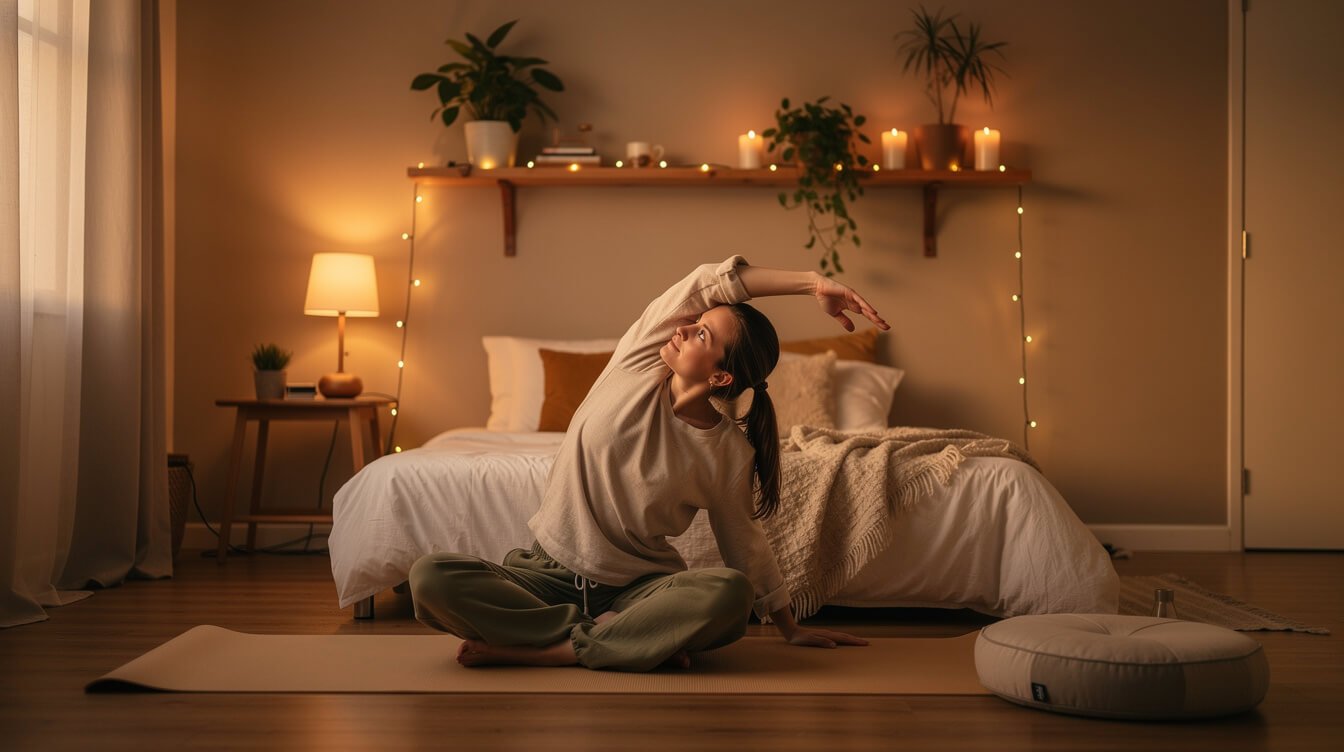
Individual remedies work better when woven into a consistent evening ritual. Here’s a complete wind-down protocol that combines multiple natural sleep remedies into a flowing routine — adapt the timing to fit your life.
3 Hours Before Bed: Set the Stage
- Finish your last meal (keep it light if eating later)
- Take your magnesium supplement with dinner
- Switch from overhead lighting to lamps and candles
- Set your thermostat to begin cooling the bedroom
90 Minutes Before Bed: Begin the Transition
- Take a warm bath or shower (the post-bath cooling triggers drowsiness)
- Add 5-10 drops of lavender essential oil to your bath or diffuser
- Put away all screens — switch to reading, journaling, or gentle conversation
- Prepare your herbal tea (chamomile-passionflower blend is ideal)
45 Minutes Before Bed: Active Relaxation
- Sip your herbal tea slowly and mindfully
- Practice 10-15 minutes of gentle yoga, stretching, or progressive muscle relaxation
- Try the 4-7-8 breathing technique: inhale for 4 counts, hold for 7, exhale for 8
- Write tomorrow’s to-do list to externalize worries (research shows this significantly reduces time to fall asleep)
15 Minutes Before Bed: Final Preparation
- Take your sleep supplements (valerian, L-theanine, or melatonin as needed)
- Apply lavender to pulse points or pillowcase
- Practice a brief body scan meditation or gratitude reflection
- Settle into bed with a clear, calm mind
The power of this protocol lies in consistency. Your brain begins to associate these sequential cues with sleep, making the transition easier each night. For more on how meditation supports sleep and overall wellbeing, explore our comprehensive guide.
If you’re exploring holistic approaches to wellness that complement better sleep — including frequency-based therapies and energy wellness — visit our wellness shop for solutions designed to support your body’s natural healing rhythms.
🎁 Get a Free Wellness Gift
Enter your name and email below to receive a special wellness gift from OlyLife — absolutely free!
Designing Your Sleep Environment for Natural Rest
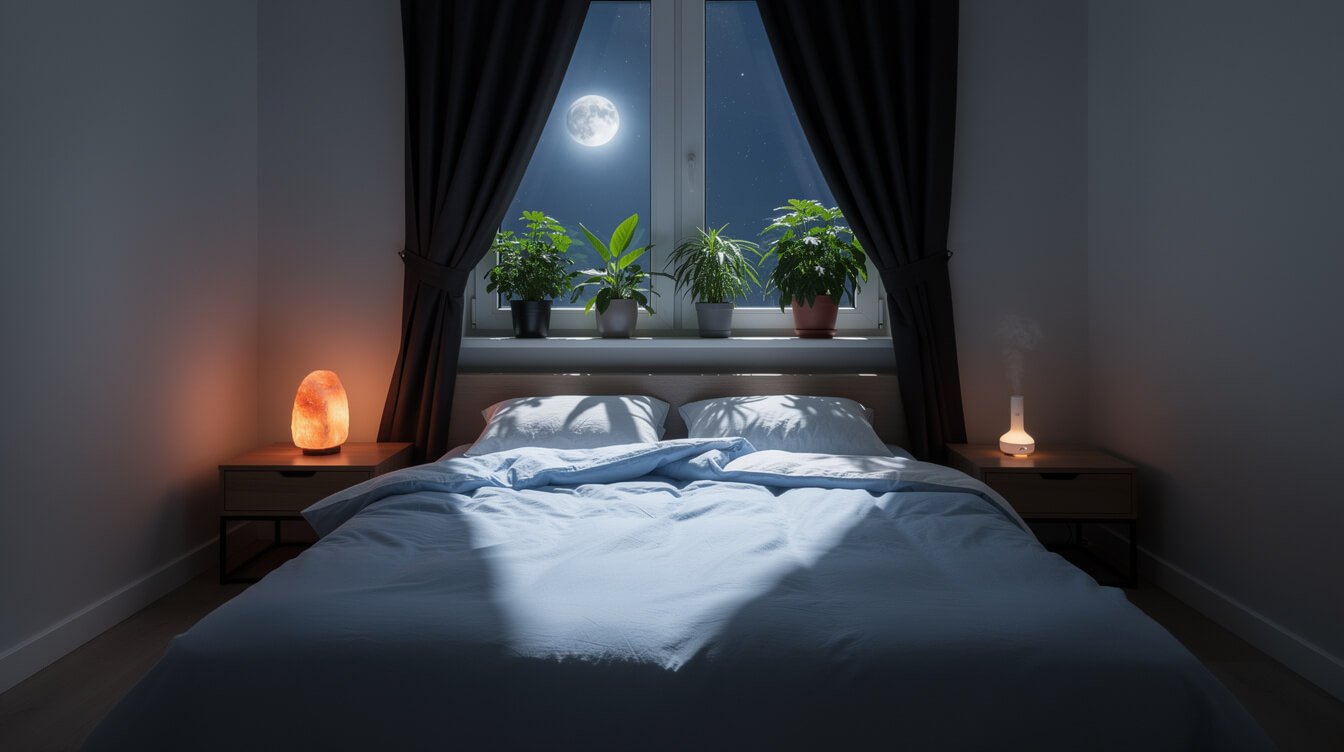
Your bedroom environment can either support or sabotage even the best natural sleep remedies. Think of your sleep space as a sanctuary — every element should signal rest to your nervous system.
Darkness: Your Most Powerful Ally
Even small amounts of light can suppress melatonin production. Invest in true blackout curtains or a quality sleep mask. Cover LED indicator lights on electronics with electrical tape. If you need a nightlight for bathroom trips, use a red or amber-colored light that won’t disrupt melatonin.
Sound Management
Complete silence isn’t always ideal — sudden noises (a car horn, a neighbor’s door) are more disruptive when contrasted against total quiet. White noise machines, nature sounds, or a simple fan provide consistent auditory masking. Some people find brown noise (lower frequency) more soothing than white noise for sleep.
Bedding and Sleep Position
Your mattress and pillows matter more than most people realize. A mattress that’s too firm or too soft creates pressure points that trigger micro-awakenings. Natural fiber bedding (cotton, linen, bamboo) breathes better than synthetics, helping regulate temperature throughout the night. If you sleep hot, consider a cooling mattress topper or moisture-wicking sheets.
Air Quality and Plants
Fresh, clean air supports deeper sleep. If possible, crack a window slightly — even in winter, a small gap of fresh air can improve sleep quality. Certain houseplants like snake plants, peace lilies, and aloe vera naturally filter air and release oxygen at night. A humidity level of 30-50% is optimal; too dry irritates airways, while too humid promotes dust mites.
Aromatherapy Integration
Beyond lavender, several essential oils support sleep when diffused in the bedroom:
- Cedarwood — earthy and grounding, particularly helpful for anxious thoughts
- Bergamot — unique among citrus oils for its calming (rather than energizing) effect
- Ylang ylang — may reduce blood pressure and heart rate
- Vetiver — deeply calming, sometimes called “the oil of tranquility”
If you’re also exploring how grounding and earthing practices support sleep, the benefits extend naturally from better circadian regulation to deeper parasympathetic activation.
Mind-Body Natural Sleep Remedies: Calming the Busy Brain
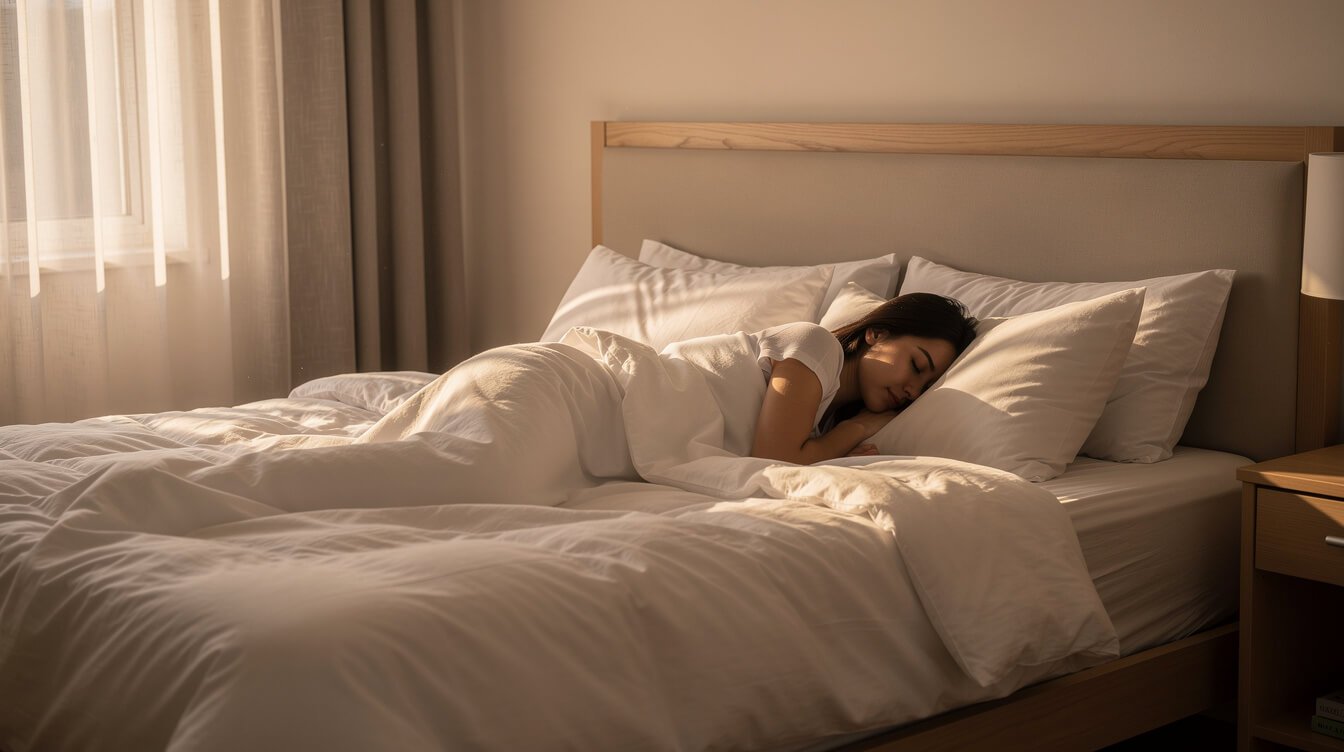
For many people, the biggest barrier to sleep isn’t physical — it’s mental. Racing thoughts, worry loops, and an inability to “shut off” the brain are the most common sleep complaints. These mind-body practices address the root cause.
Progressive Muscle Relaxation (PMR)
PMR involves systematically tensing and releasing muscle groups from toes to forehead. By creating deliberate tension first, you give your body a contrast that makes true relaxation more accessible. A full sequence takes 10-15 minutes and is remarkably effective for both physical tension and mental chatter — your mind can’t simultaneously worry and focus on muscle sensations.
Yoga Nidra: Conscious Sleep
Sometimes called “yogic sleep,” Yoga Nidra is a guided practice that takes you to the threshold between waking and sleeping. Research suggests a single 30-minute session can be as restorative as 2 hours of regular sleep. Many people fall asleep during the practice — which is perfectly fine when used as a bedtime tool. Free guided sessions are widely available as audio recordings.
Cognitive Shuffling
This technique disrupts worry patterns by giving your brain a simple, non-stimulating task: think of a random word (like “garden”), then slowly visualize unrelated objects starting with each letter (G — giraffe… A — airplane… R — ribbon…). The randomness prevents narrative thinking while the gentle imagery mimics the associative thought patterns of early sleep stages.
The Worry Journal Technique
Keep a small notebook beside your bed. If thoughts keep you awake, write them down with the explicit intention of addressing them tomorrow. Research from Baylor University found that writing a specific to-do list for the next day reduced sleep-onset time by an average of 9 minutes — comparable to some pharmaceutical interventions.
Breathwork for Sleep
Specific breathing patterns activate the parasympathetic nervous system:
- 4-7-8 breath — inhale 4, hold 7, exhale 8. Dr. Andrew Weil’s technique; acts as a natural tranquilizer for the nervous system
- Box breathing — inhale 4, hold 4, exhale 4, hold 4. Used by Navy SEALs for calm under pressure
- Extended exhale — make your exhale twice as long as your inhale (e.g., inhale 3, exhale 6). Directly stimulates the vagus nerve
For a deeper exploration of how holistic wellness practices interconnect — from sleep to stress management to physical vitality — our complete guide maps the whole landscape.
Frequently Asked Questions About Natural Sleep Remedies
How long do natural sleep remedies take to work?
It depends on the remedy. Lifestyle changes (sleep hygiene, consistent schedule) typically show improvements within 1-2 weeks. Herbal remedies like valerian may take 2-4 weeks of consistent use. Supplements like magnesium and L-theanine often provide noticeable benefits within the first few days. Mind-body practices like breathwork can offer immediate relief the very first night you try them.
Can I combine multiple natural sleep remedies?
Yes — in fact, combining approaches from different categories often works better than relying on a single remedy. A typical effective combination might include: magnesium supplement + chamomile tea + consistent bedtime routine + cool, dark bedroom. Start with one or two changes, then layer in additional remedies over time so you can identify what works best for you.
Are natural sleep remedies safe to use with medications?
While most natural sleep remedies are generally safe, some can interact with medications. Valerian may enhance the effects of sedatives and anti-anxiety medications. Melatonin can interact with blood thinners and diabetes medications. Always consult your healthcare provider before combining supplements with prescription medications — especially if you take anything that affects the nervous system.
What if natural sleep remedies don’t work for me?
If you’ve consistently applied multiple natural approaches for 4-6 weeks without improvement, it may be worth consulting a sleep specialist. Underlying conditions like sleep apnea, restless leg syndrome, or thyroid imbalances require specific medical attention. Natural sleep remedies work best for stress-related sleep difficulties, poor sleep hygiene, and mild to moderate insomnia.
Is melatonin really “natural”?
Your body produces melatonin naturally every night — supplemental melatonin is simply providing more of what you already make. However, many people take too much. Start with 0.5mg and increase only if needed. More importantly, address the underlying reason your natural melatonin production may be suppressed: excessive evening light exposure, irregular sleep schedule, or chronic stress.
Your Path to Naturally Restful Sleep

The journey to better sleep doesn’t require a complete life overhaul overnight. Start with the basics — a consistent sleep schedule, a cool dark room, and screens off an hour before bed. Then layer in the remedies that resonate most with you, whether that’s a nightly cup of chamomile tea, a magnesium supplement, or a 10-minute wind-down breathing practice.
What makes natural sleep remedies so powerful is their cumulative effect. Each small change reinforces the others, creating a positive cycle where better sleep leads to less stress, which leads to even better sleep. Within a few weeks of consistent practice, you may find yourself waking before your alarm feeling genuinely refreshed — that elusive feeling of natural, restorative rest that no pill can truly replicate.
Your body knows how to sleep deeply. Sometimes it just needs the right conditions — and a little help from nature — to remember how. Trust the process, be patient with yourself, and honor your body’s incredible capacity for healing and renewal.
For more evidence-informed wellness guidance — from adaptogenic herbs for stress resilience to turmeric’s anti-inflammatory power — explore our complete wellness library. Every step you take toward better sleep is a step toward better health.