Hydrogen Water Machine: How They Work and How to Choose One (2026 Guide)
A hydrogen water machine promises something simple: press a button and get a glass of fresh water with molecular hydrogen dissolved in it. Behind that button, though, the machines vary a lot. Some are alkaline ionizers that make only a little hydrogen. Some are dedicated generators that get close to the physical limit of how much hydrogen water can hold. Prices run from under $100 to well over $3,000, and almost every guide you’ll find online is written by a company ranking its own machine first.
This guide takes a different approach. We’ll explain how a hydrogen water machine actually works, what the research suggests (and what it doesn’t), and the features that separate a well-built machine from an expensive gadget. We’ll also show you how to test any machine at home, so you don’t have to take anyone’s word for it, including ours. 🌿
A quick note before we begin: hydrogen water is a wellness habit, not a medical treatment. Nothing here is meant to diagnose, treat or prevent any condition. If you live with a health condition or take medication, talk with your healthcare provider before adding something new to your routine.
What Is a Hydrogen Water Machine?

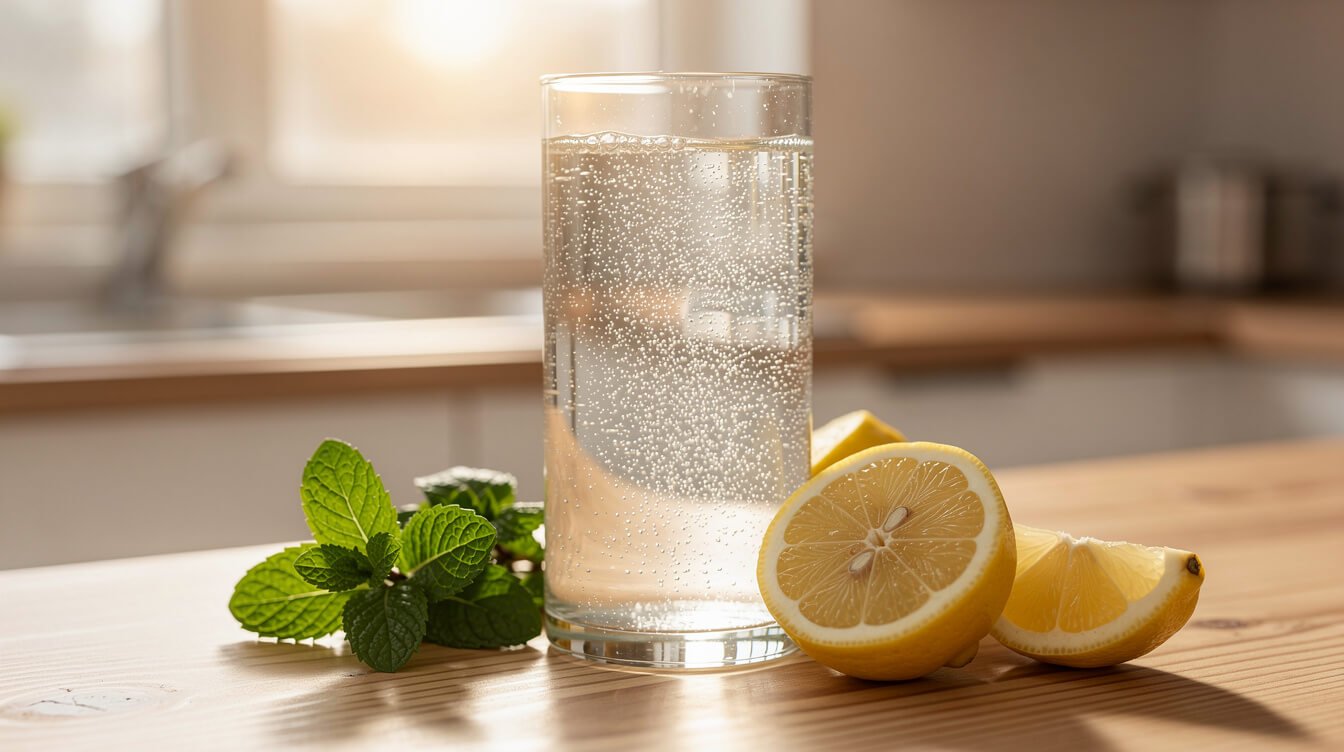
A hydrogen water machine is a home appliance that dissolves molecular hydrogen gas (H2) into drinking water, usually through electrolysis. Molecular hydrogen is the smallest molecule there is. It’s colorless, odorless and tasteless, so hydrogen water looks and tastes like ordinary water. The only visible sign is a cloud of very fine bubbles right after it’s made.
The interest in hydrogen water comes from early laboratory research, which we’ll get to below, suggesting that H2 may act as a gentle, selective antioxidant. That research led to a wave of products in Japan and Korea, and later worldwide. Today “hydrogen water machine” covers several quite different devices.
The four main types
- Alkaline water ionizers. These plumbed-in or countertop units were designed first to change water’s pH. They make some hydrogen as a side effect of electrolysis, but how much depends heavily on your tap water’s mineral content and the flow rate.
- Dedicated hydrogen generators (countertop or under-sink). These are built specifically to maximize dissolved hydrogen, usually without changing pH. Better models use a PEM (proton exchange membrane) cell and often include filtration.
- Hydrogen pitchers and jugs. These are lower-cost tabletop units that electrolyze a batch of water. Quality is all over the map.
- Portable bottles. They use the same electrolysis idea in a cup-sized chamber you can take anywhere. We’ve covered them in depth in our guide to choosing the best hydrogen water bottle.
Here’s the point most product pages skip: “hydrogen generator” and “hydrogen water machine” usually mean the same thing, but an “ionizer” is not the same as either. An ionizer’s main job is pH. A dedicated generator’s main job is hydrogen. That difference shapes almost everything else in this guide.
One more thing it is not
You may also come across hydrogen inhalation machines, which produce hydrogen gas for breathing through a nasal cannula. They’re a separate category with different safety considerations, since concentrated hydrogen gas is flammable. This guide is only about machines that make hydrogen water for drinking.
How a Hydrogen Water Machine Works
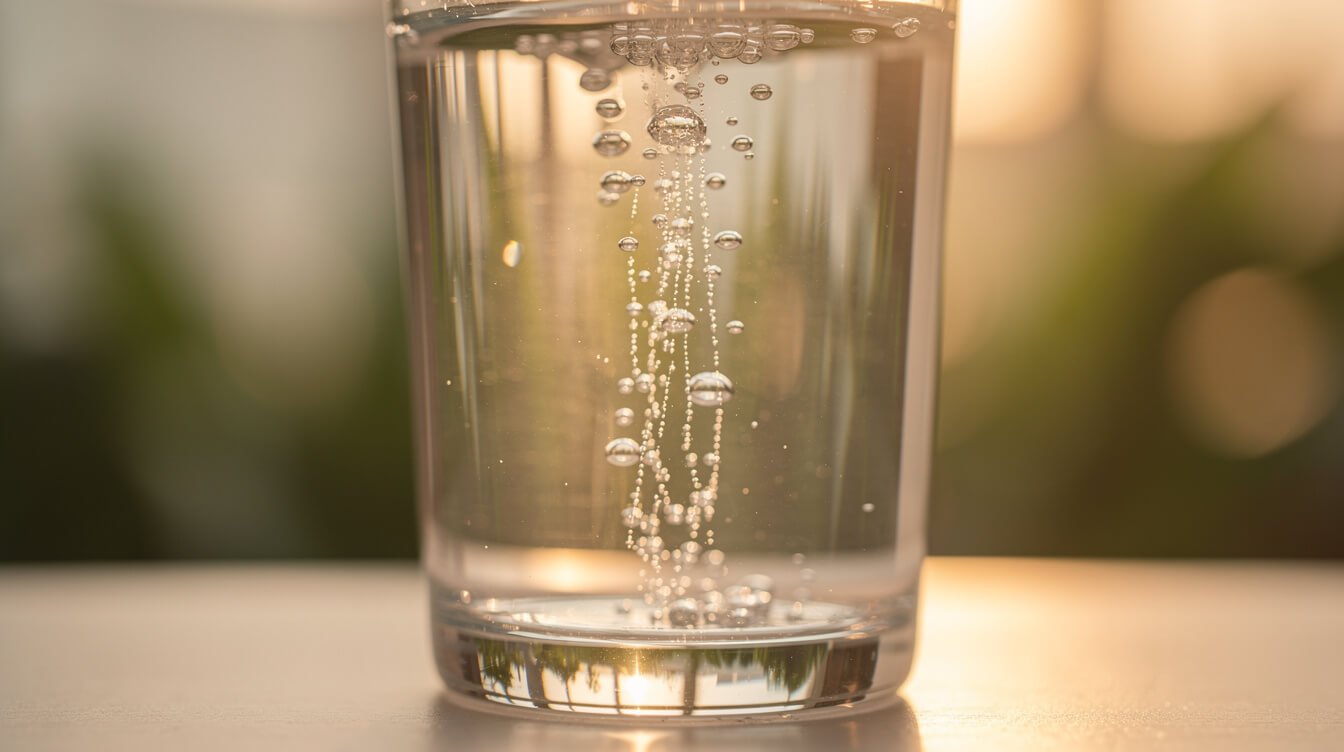
Almost every hydrogen water machine relies on electrolysis: a small electric current passes through water between two electrodes. Water molecules split, hydrogen gas forms at one electrode (the cathode) and oxygen forms at the other (the anode). The design question is what happens to everything that forms at the anode.
Non-membrane cells: simple, but less clean
In the cheapest designs, both electrodes sit in the same water. Hydrogen dissolves, but oxygen does too. Depending on your water, so can small amounts of ozone and chlorine-based compounds, since tap water contains chloride. Because of this, low-cost cells are best run on clean, filtered water, and it’s a good reason to be wary of very cheap machines with no explanation of how their cell is built.
PEM cells: the current standard for quality
A PEM (sometimes called SPE, for solid polymer electrolyte) cell places a thin membrane between the electrodes. Hydrogen goes into your drinking water. Oxygen and any byproducts are kept on the other side and vented or drained away. PEM cells also tend to reach higher concentrations faster. Industry testing commonly reports PEM units reaching roughly 1.0–1.6 parts per million (ppm) within a few minutes, while simpler electrolysis designs often land well below 1 ppm.
Why the 1.6 ppm ceiling matters
At room temperature and normal air pressure, water can hold only about 1.6 ppm of dissolved hydrogen when it’s saturated. A few machines use pressure to push past that briefly, but the hydrogen starts escaping the moment you pour. So if a listing promises “5 ppm” or “10,000 ppb” from an ordinary countertop unit with no pressure explanation, treat it as a red flag rather than a selling point.
What about pH and alkalinity?
Ionizer marketing often focuses on alkaline pH. But the potential interest in hydrogen water comes from the dissolved H2 itself, not the pH. Many of the best dedicated generators intentionally leave pH unchanged, so the water tastes like plain water. If someone tells you a higher pH number means “more hydrogen,” that isn’t how the chemistry works.
What Research Suggests About Hydrogen Water
Before you spend money on a hydrogen water machine, it’s worth knowing honestly where the science stands. The short version: it’s promising, interesting and still early.
Where the interest began
A widely cited 2007 study by Ohsawa and colleagues in Nature Medicine reported that inhaled hydrogen appeared to selectively neutralize certain highly reactive oxygen species in animal and cell models. That paper sparked hundreds of follow-up studies. Most of them have been in animals or cells, which is where research usually starts, but it doesn’t tell us what happens in everyday human life.
What human studies show so far
Human trials are growing but remain mostly small and short. A 2024 systematic review in the International Journal of Molecular Sciences (Dhillon and colleagues) looked at 25 human studies of hydrogen-rich water. Researchers reported signs that it may support markers related to oxidative stress, inflammation and exercise recovery in some groups. The authors also highlighted small sample sizes, mixed methods and the need for larger, longer trials. In one 24-week randomized trial (LeBaron et al., 2020), 60 adults with metabolic syndrome who drank high-concentration hydrogen water were reported to show favorable changes in several blood markers, and the drink was well tolerated. That study was industry-linked and used tablets rather than a machine.
How to read that evidence
- It’s encouraging, not conclusive. No one should expect hydrogen water to replace sleep, movement, nourishing food or medical care.
- Dose may matter. Many trials used water at or near saturation, delivered fresh. A machine that makes 0.2 ppm water isn’t giving you what most studies tested.
- Safety looks reassuring. In the US, the FDA has issued a “no questions” letter on hydrogen as an ingredient in beverages (GRAS notice 520), and studies have generally reported good tolerability. Our article on hydrogen water negative side effects covers the real risks, which mostly come from the delivery method, not the hydrogen itself.
If you’d like a deeper look at the science, our complete guide to hydrogen water benefits goes study by study.
How to Choose a Hydrogen Water Machine: 8 Things That Matter

Once you look past the marketing, a few features separate a hydrogen water machine worth owning from one that ends up at the back of a cupboard. Use this checklist when you compare options.
- Cell type. In a hydrogen water machine, the cell is the heart of the device. Look for a clearly described PEM/SPE membrane cell that separates the oxygen side. If the seller won’t say how the cell works, that tells you something.
- A realistic, measured ppm. Expect roughly 0.8–1.6 ppm from a quality unit. Ask how it was measured (more on testing below) and at what water temperature.
- Independent verification. Some brands submit machines for third-party hydrogen testing, for example through the International Hydrogen Standards Association (IHSA). A verification seal isn’t a health claim, but it does suggest the concentration figure has been checked by someone other than the seller.
- Electrode materials. Electrodes are commonly platinum-coated titanium. Reputable makers will tell you what touches your water. Lack of transparency here is one of the most common complaints in buyer reviews across the category.
- Filtration. A hydrogen cell doesn’t clean your water. If your tap water has chlorine, sediment or heavy metals, choose a machine with certified filtration (look for NSF/ANSI or WQA certification), or filter the water first. Check how long filters last and what they cost.
- Self-cleaning and scale handling. Minerals build up on electrodes and reduce output over time, especially in hard-water areas. Automatic cleaning cycles or easy descaling make a real long-term difference.
- Warranty and trial period. A machine is a multi-year purchase. Look for a warranty that specifically covers the hydrogen cell, plus a fair return window.
- Cost per liter. Add up the purchase price, filters and electricity over three to five years, then divide by how much water you’ll actually drink. A $3,000 machine can make sense for a household, and be poor value for one person who’s out all day.
The main types side by side
| Type | Typical price range | Typical H2 output | Changes pH? | Best for |
|---|---|---|---|---|
| Alkaline ionizer | ~$1,000–$5,000+ | Variable, often modest; depends on water and flow | Yes | People who specifically want alkaline water too |
| Dedicated PEM generator (countertop / under-sink) | ~$300–$3,000+ | Often ~1.0–1.6 ppm | Usually no | Households drinking several glasses a day at home |
| Pitcher / jug | ~$50–$300 | Wide range; many well under 1 ppm | Varies | Trying hydrogen water on a budget |
| Portable bottle | ~$50–$600 | Wide range; quality PEM bottles can approach saturation | Usually no | Drinking fresh hydrogen water away from home |
Price and output ranges are approximate, based on publicly listed products in 2026, and vary by brand and model.
Red flags to watch for
- Concentration claims far above 1.6 ppm with no explanation of pressure.
- ORP (a negative millivolt number) presented as proof of hydrogen content.
- Disease-cure language. Reputable sellers don’t claim hydrogen water treats illness.
- No information about the cell, electrode materials or filtration.
🎁 Get a Free Wellness Gift
Enter your name and email below to receive a special wellness gift from OlyLife — absolutely free!
How to Test Whether Your Hydrogen Water Machine Delivers
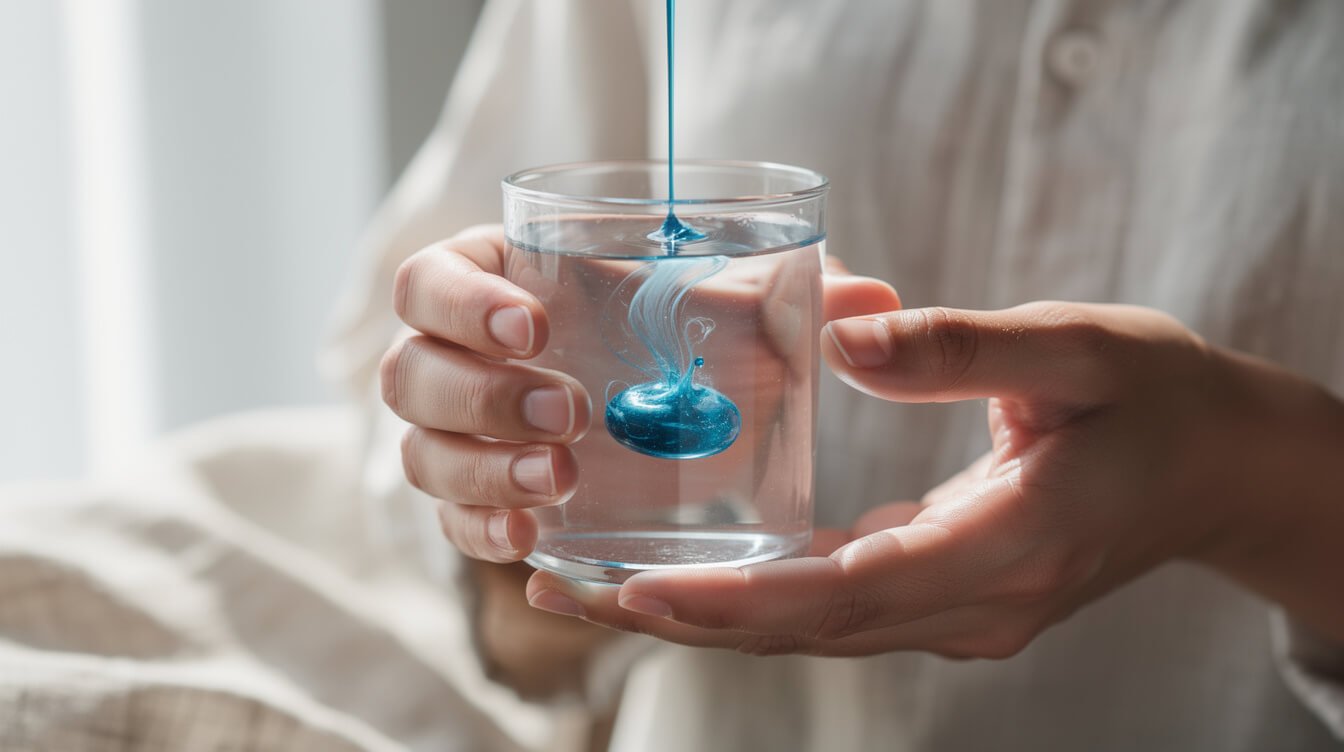
This is where most guides go quiet, and it’s the most useful skill a hydrogen water buyer can have. You don’t need a lab. You do need to measure the right thing.
Why ORP readings mislead
Many hydrogen water machine sellers show an ORP (oxidation-reduction potential) number, such as “−500 mV,” as evidence of hydrogen. But a 2022 analysis in Frontiers in Food Science and Technology (LeBaron and Sharpe) was titled, plainly, “ORP should not be used to estimate or compare concentrations of aqueous H2.” ORP is affected by pH, minerals and other dissolved substances, so two waters with the same ORP can hold very different amounts of hydrogen, and vice versa. Treat ORP as a rough sign that something changed, not as a measurement of hydrogen.
What to use instead
- Titration reagent drops. Inexpensive methylene-blue-based kits made for hydrogen water let you add drops to a measured sample until the blue color stops disappearing. Each drop corresponds to a known amount of dissolved H2. It’s simple, affordable and far more meaningful than ORP.
- A dedicated dissolved-hydrogen meter. These are more expensive but convenient if you want to check often.
A simple at-home test routine
- Run a full cycle using the water you normally drink, at room temperature.
- Test a sample immediately, then again after 15 minutes and after one hour, keeping the container sealed between tests.
- Repeat after a few weeks of regular use to see whether scale is reducing output.
Whichever hydrogen water machine you test, you’ll probably notice that hydrogen escapes quickly from an open glass. That’s normal, since H2 is a tiny, fast-moving molecule. The practical takeaway is that fresh is best: drink hydrogen water soon after it’s made, and store it only briefly in a full, sealed glass or stainless-steel container if you need to.
Hydrogen Water Machine or Bottle? Choosing What Fits Your Life

Because hydrogen doesn’t stay in water for long, the “best” device is the one that gives you fresh hydrogen water when and where you actually drink it. That’s why the machine-versus-bottle question is really a question about your day.
A countertop or under-sink hydrogen water machine may suit you if…
- You’re home most of the day, or several people in your household will share it.
- You want filtration and hydrogen in one place.
- You’re comfortable with a larger upfront cost, installation and filter changes.
A portable bottle may suit you if…
- You’re often out, commuting, traveling or at the gym.
- You’d like to try hydrogen water without plumbing or counter space.
- You prefer making a fresh glass just before you drink it, wherever you are.
Many people start with a bottle to see whether the habit sticks, then decide later whether a home hydrogen water machine is worth it. If portability fits your lifestyle, our H+ Molecular Hydrogen Infusing Water Bottle is built around a dual-chamber design with a PEM membrane, so oxygen is kept apart from your drinking water. As with any device, we encourage you to test it yourself with a reagent kit and see how it fits into your day.
Whichever you choose, hydrogen water works best as one part of a bigger picture. Good hydration, colorful whole foods (our 21-day anti-inflammatory diet plan is a gentle place to start), restful sleep and daily movement all matter more than any single gadget. If you’re curious about how the body clears waste on its own, our honest guide to full body cleanse detox explains why your liver, kidneys and gut already do most of that work.
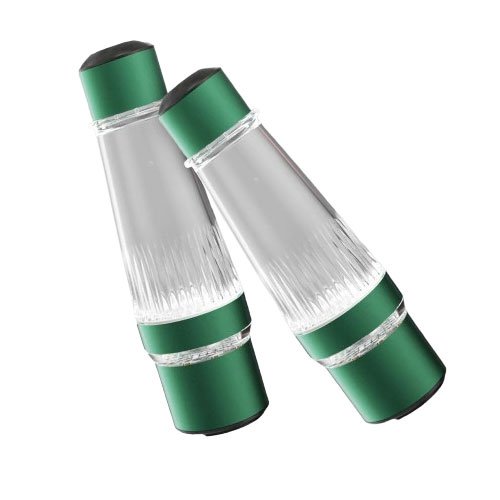
Fresh Hydrogen Water, Wherever Your Day Takes You 🌿
Not ready for a countertop machine? The H+ bottle uses a dual-chamber PEM design to infuse a fresh serving whenever you need it, at work, while traveling or at the gym.
Hydrogen Water Machine FAQ
Is a hydrogen water machine the same as an alkaline water ionizer?
Not quite. Ionizers are designed mainly to change pH and make some hydrogen along the way. Dedicated hydrogen generators are designed to maximize dissolved hydrogen and usually leave pH alone. If hydrogen is what you’re after, compare measured ppm rather than pH.
How much hydrogen should a good machine produce?
A quality machine usually delivers somewhere around 0.8–1.6 ppm right after a cycle, measured at room temperature. Water at normal pressure tops out near 1.6 ppm, so claims far above that deserve a closer look.
How long does hydrogen stay in the water?
Not long in an open glass. Levels can drop noticeably within minutes to an hour. Drink it fresh, or keep it briefly in a full, sealed glass or stainless-steel container.
Can I use tap water in a hydrogen water machine?
Many hydrogen water machine models are designed for tap water, especially those with built-in filtration. Check the manufacturer’s guidance. Some PEM cells and bottles recommend filtered or purified water to protect the membrane and reduce scale.
How many glasses of hydrogen water should I drink a day?
There’s no official recommendation. Many studies used roughly 0.5–1.5 liters a day, but research is still early. A comfortable approach is to replace some of your usual water with fresh hydrogen water and notice how it fits your routine.
Is a hydrogen water machine safe?
Molecular hydrogen in drinking water has generally been well tolerated in studies. Most real risks come from machine quality, such as byproducts from non-membrane cells, unknown materials or poor filtration. If you have kidney disease, are pregnant, or take medication, check with your healthcare provider first.
Does a more expensive machine always mean more hydrogen?
No. The price of a hydrogen water machine often reflects filtration, installation, finishes and brand. The only way to know what’s in your glass is to test it.
Final Thoughts
A hydrogen water machine can be a lovely, practical way to make a research-backed habit easy, but only if it actually delivers hydrogen to your glass. Look for a clearly described PEM cell, realistic and independently checked ppm figures, honest information about materials and filtration, and a warranty that covers the cell. Ignore ORP numbers and miracle claims. Measure it yourself with simple reagent drops.
Most of all, be kind to yourself about it. Hydrogen water is a small, supportive addition to a healthy life, not a shortcut. Drink it fresh, enjoy the ritual, and keep the bigger foundations of good sleep, good food, movement and connection at the center of your wellness. For more ideas on bringing those foundations together, explore our complete guide to holistic wellness. ✨
This article is for educational purposes only and isn’t medical advice. Hydrogen water and hydrogen water machines are not intended to diagnose, treat, cure or prevent any disease. Please consult a qualified healthcare provider about your individual health needs.